

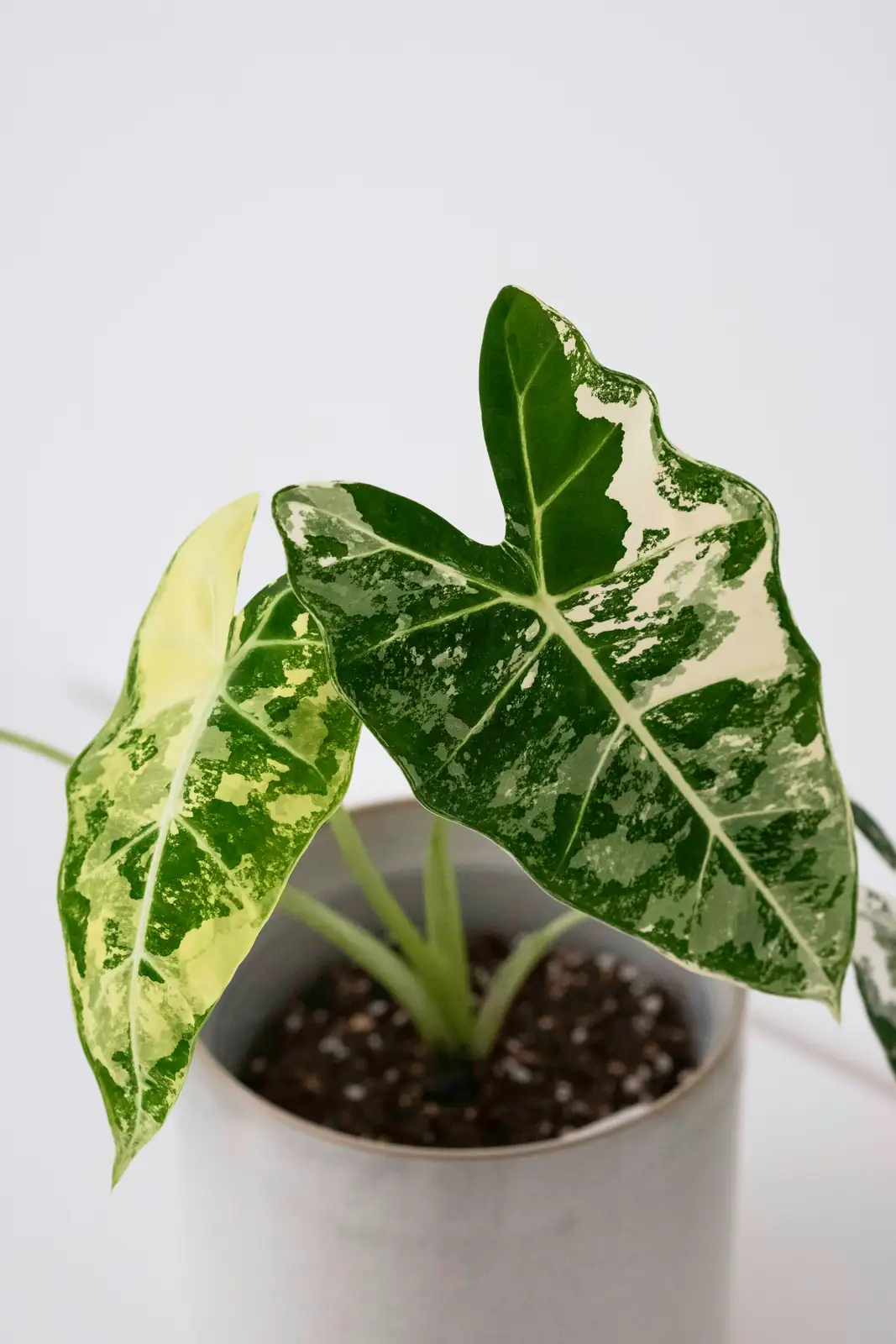
Welcome to the lush world of Alocasia macrorrhizos, a plant that truly lives up to its grand names: Giant Taro, Elephant Ear, or Upright Elephant Ear. This impressive tropical beauty, with its towering presence and enormous, glossy leaves, promises to turn any indoor space into a verdant oasis. However, caring for this majestic plant requires some finesse. Let’s delve into the essential care techniques to ensure your Alocasia thrives and flourishes, bringing a slice of the tropics into your home.
Ideal Light Conditions
Imagine the rainforest floor, where sunlight filters gently through the canopy. This is the light your Alocasia macrorrhizos craves. Bright, indirect light to partial shade is ideal. A south or southeast-facing window with a sheer curtain creates a perfect environment. Avoid harsh midday sun, which can scorch those magnificent leaves. If you’re concerned about light levels, try this quick test: if you can comfortably read a newspaper with your back to the window, the light is just right.
Seasonal Watering Schedule
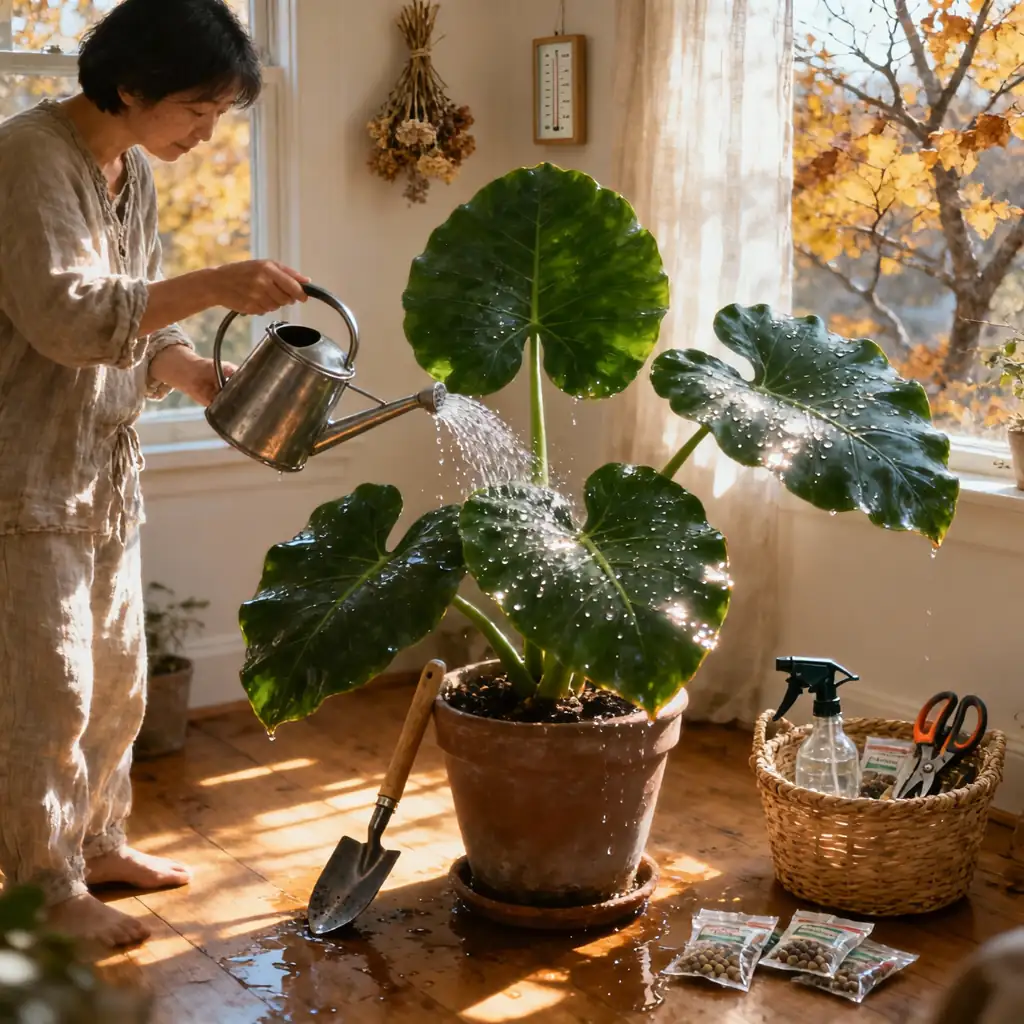
Watering your Alocasia is akin to a delicate dance, adjusting with the seasons. During active growth from May to September, keep the soil consistently moist but never waterlogged. Water thoroughly when the top inch of soil begins to dry out—this might be every two days in the peak of summer. As autumn and winter roll around, reduce watering. The plant’s growth naturally slows, so keep the soil just barely moist, preventing it from being completely dry or swampy. Use lukewarm water to avoid shocking its sensitive roots.
Temperature and Humidity Tips
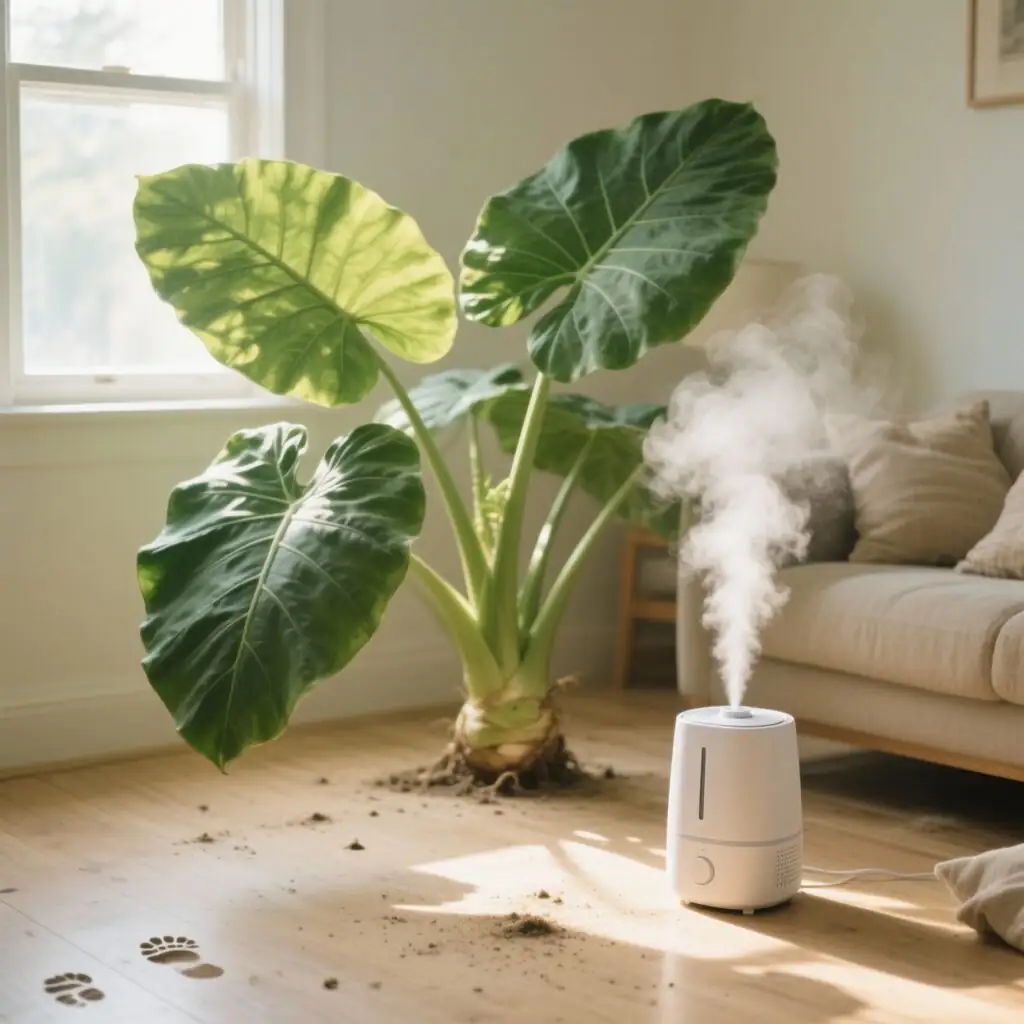
In its natural habitat, Alocasia macrorrhizos basks in warmth and high humidity. Aim for temperatures between 20–30°C (68–86°F). It’s crucial to maintain temperatures above 15°C (59°F) in winter to prevent dormancy. High humidity, around 70–80%, is ideal. If your home is on the drier side, consider using a humidifier or placing your plant on a pebble tray with water to maintain that balmy atmosphere.
Soil and Potting
A good home starts with the right foundation. For your Alocasia, this means a rich, moisture-retentive yet airy soil mix. Consider a peat- or leaf-mold-based mixture with chunky drainage materials, like bark or coarse grit. Ensure the pot has excellent drainage to prevent waterlogging, which can lead to root rot.
Fertilization and Pruning
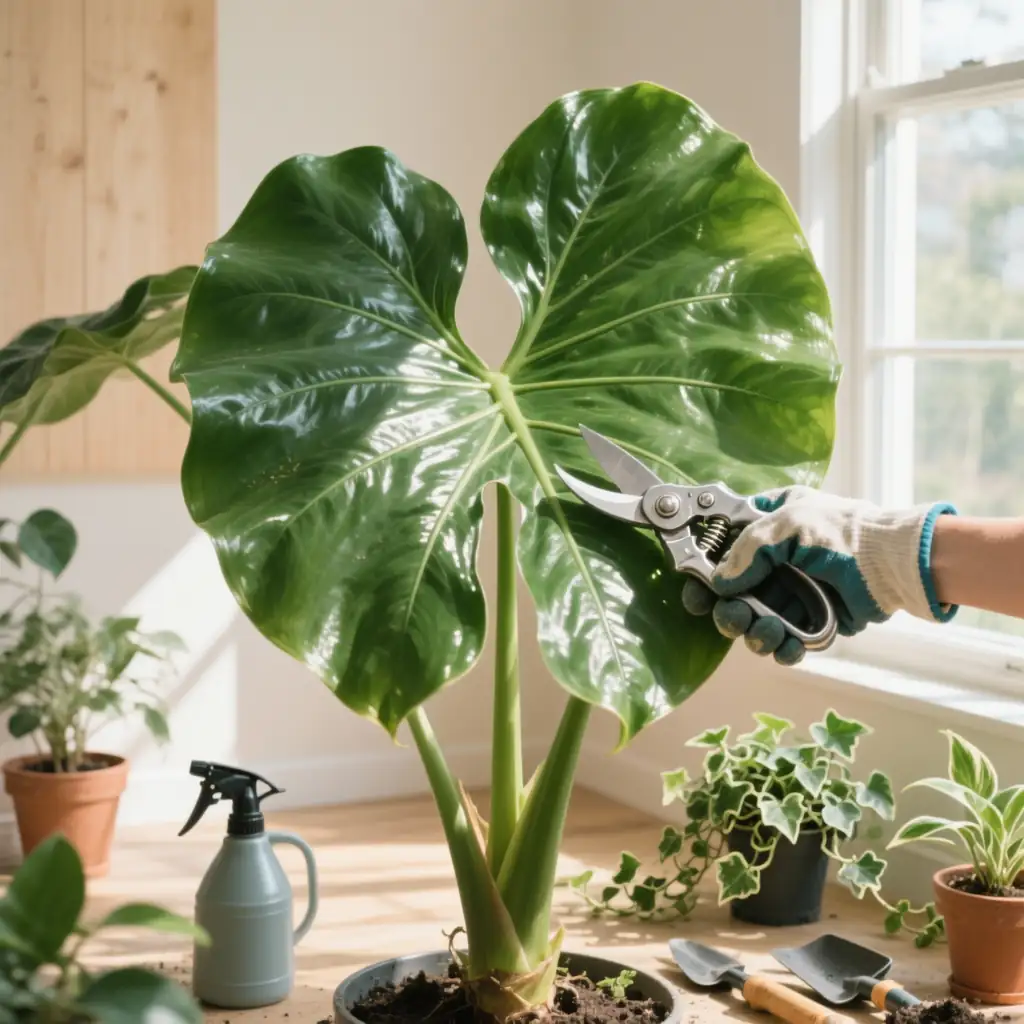
Feeding your Alocasia every two weeks during the growing season with a balanced fertilizer (such as 20-20-20) at half strength will encourage lush leaf growth. Be careful not to overfeed, as this can cause more harm than good. When it comes to pruning, use sanitized tools to remove any damaged or aging leaves, allowing new ones to unfurl gracefully.
Propagation and Repotting
Spring is the time for renewal, and your Alocasia is no exception. If your plant is becoming root-bound or you want to propagate, early spring is the perfect time to repot. Use a pot that allows for growth, typically 15–25 cm (6–10 in) in diameter, and consider dividing the plant to encourage healthy expansion.
Common Issues and Solutions
Yellowing leaves can be a cry for help. Whether due to too little light, overwatering, or temperature stress, start by ensuring your plant receives bright, indirect light and that the soil is evenly moist. Regularly check for pests such as aphids, and act quickly with insecticidal soap if needed.
Safety Considerations
While Alocasia macrorrhizos can be a stunning addition to your home, its beauty comes with a warning. The plant’s sap contains calcium oxalate crystals, which are toxic if ingested. Keep it out of reach of children and pets, and always wash your hands after handling.
By following these care tips, your Alocasia macrorrhizos will not only survive but thrive, becoming a spectacular focal point in your indoor garden. Embrace the tropical allure and watch as this extraordinary plant transforms your living space into a lush, vibrant sanctuary. Happy growing!


