

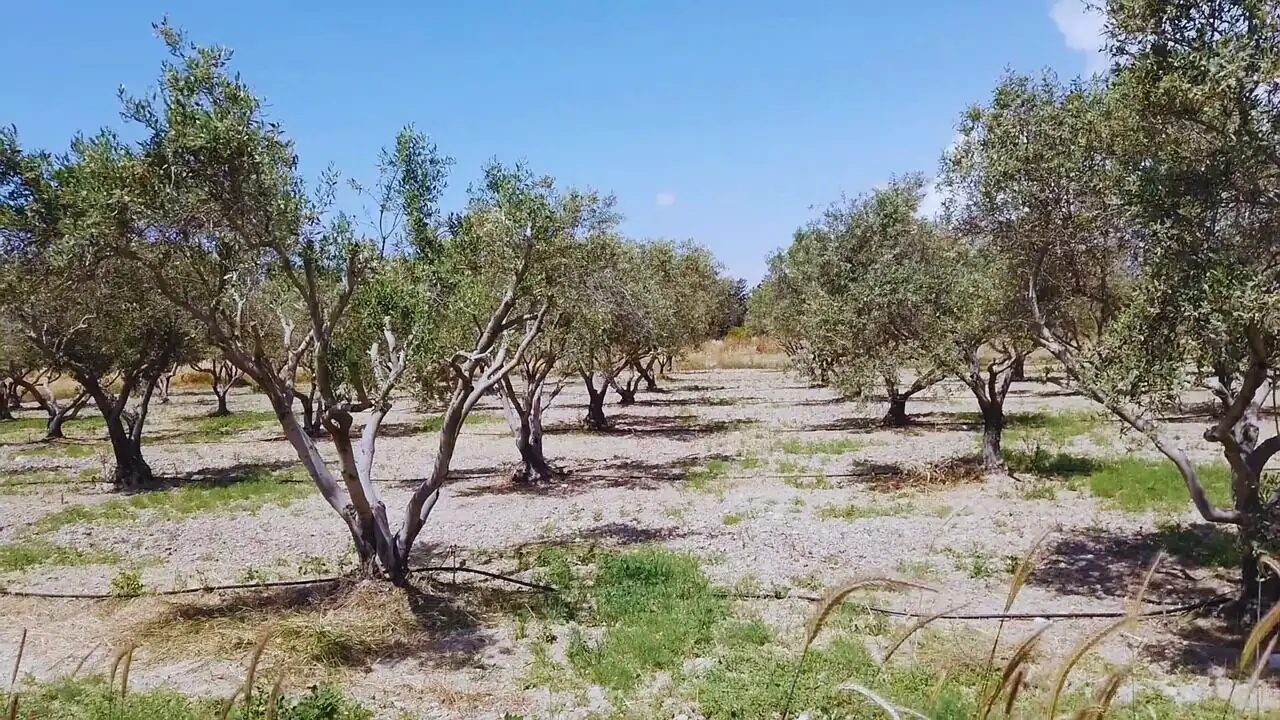
Among the many treasures of the Mediterranean region, the olive tree, or Olea europaea, stands as a timeless testament to resilience, beauty, and productivity. With its sculptural trunk and silvery foliage, the olive tree is not only a beloved symbol of peace and wisdom but also a practical addition to gardens and patios. Whether you’re dreaming of pressing your own “liquid gold” or simply want a stunning ornamental plant, understanding how to care for an olive tree can help you nurture this enduring icon.
Sunlight: A Mediterranean Dream
Imagine basking under the warm sun of a Mediterranean afternoon; that’s the kind of sunlight an olive tree craves. To thrive, olive trees need full sun, which means at least six to eight hours of direct sunlight daily. If you’re planting outdoors, choose the sunniest spot in your garden. A south-facing location where the tree can savor the warmth of the day is ideal. If you’re nurturing a potted olive indoors, place it near a sunny window, preferably south-facing, or consider using a grow light to simulate those sun-drenched conditions.
Watering: The Art of Soak and Dry
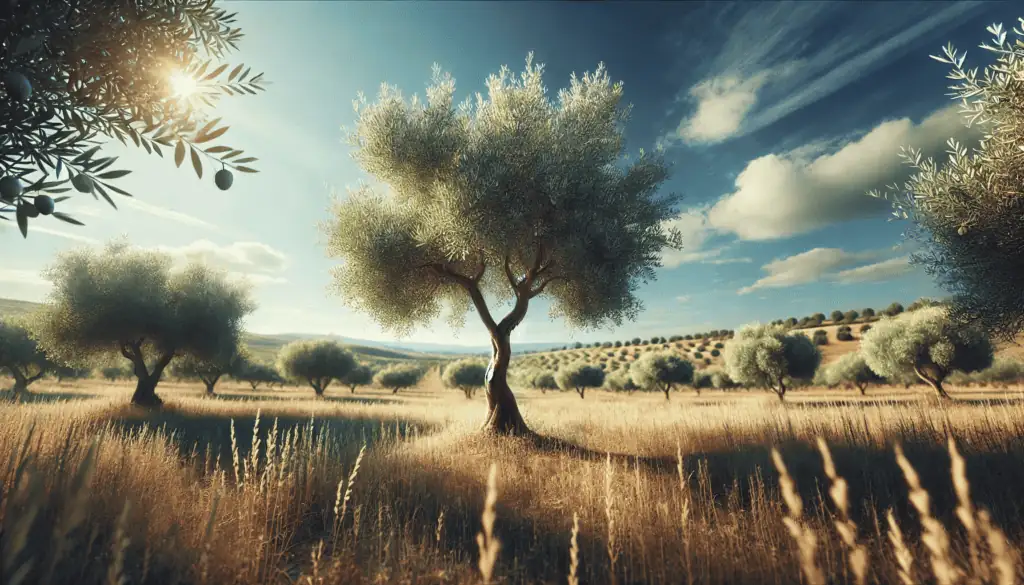
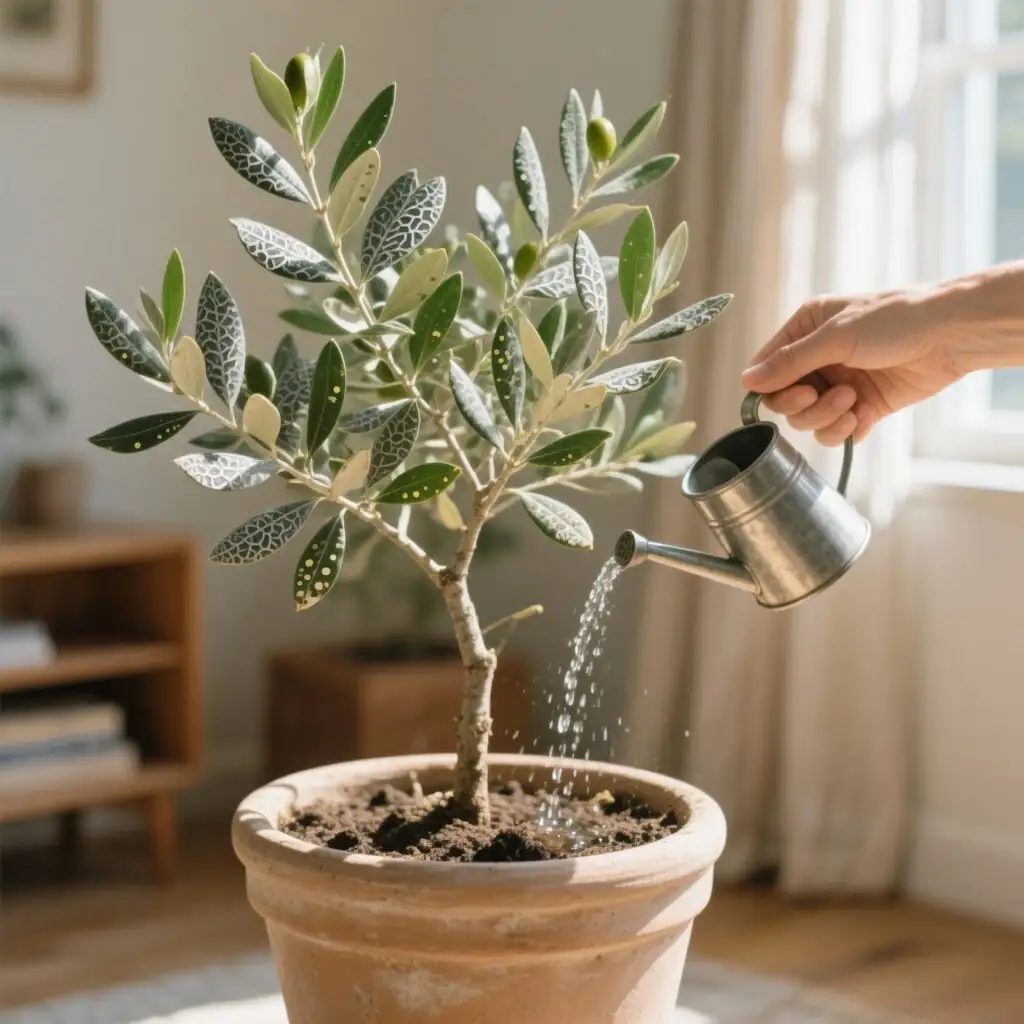
Olive trees are the epitome of drought tolerance, drawing from their origins in arid landscapes. Young trees, however, will need your attention as they establish their roots. For the first couple of years, water deeply about two to three times a week, adjusting for heat and soil type. Once your olive tree matures, it prefers a “soak, then dry” routine. Allow the top layer of soil to dry out between waterings. During dry spells, established trees typically need watering only every couple of weeks. Remember, overwatering is one of the few things an olive tree cannot abide—think of it as preferring a leisurely sip rather than a constant stream.
Seasonal Adjustments: Embracing the Year
Spring: Awakening and Growth
As the olive tree stirs from its winter rest, spring is the time to plant, feed lightly, and watch for the burst of new growth and fragrant blossoms. This is the moment to ensure your tree is on track for a bountiful season.
Summer: Sustaining Life
During summer’s heat, your olive tree is in its active growth phase. Monitor water levels closely, especially in prolonged heat, and ensure your tree remains stress-free. This is the period when fruit development is in full swing.
Fall: Harvest and Transition
As autumn approaches, olives ripen, and the harvest begins. Reduce fertilization and gradually taper off watering as the tree prepares to enter dormancy. If you’re cultivating for fruit, this is the time to relish the results of your care.
Winter: Rest and Protection
In winter, the olive tree enters a semi-dormant state, requiring less water. Protect it from hard freezes, particularly in colder climates, and keep soil on the drier side to prevent root rot. Containers can be moved to sheltered spots or indoors if necessary.
Soil and Placement: The Foundation of Health
For an olive tree to thrive, it needs well-drained soil. Whether planted in the ground or a container, ensure the soil is loamy, sandy, or even gravelly, avoiding waterlogged conditions at all costs. If your garden soil is heavy clay, amend it with gravel to improve drainage. When planting in containers, choose pots with strong drainage and use a gritty mix similar to those used for cacti or citrus plants.
Pruning: Sculpting for Light and Air
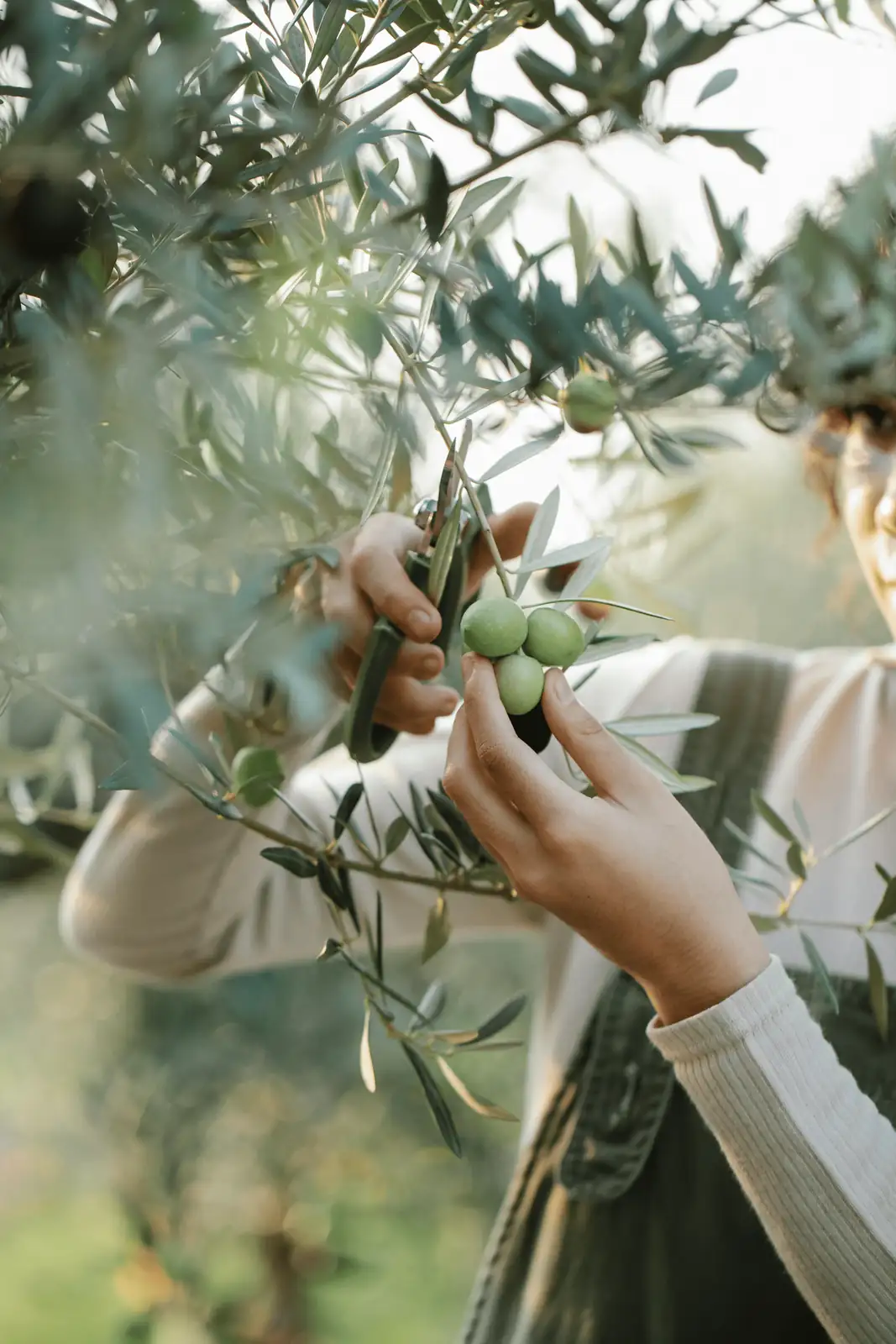
Pruning your olive tree not only enhances its natural beauty but also improves air circulation and light penetration, crucial for a healthy canopy and abundant fruit production. Prune mainly after harvest or during dormancy, removing dead, weak, or crowded branches. Remember, olives fruit on the previous year’s growth, so prune thoughtfully to balance aesthetics with productivity.
Pests and Diseases: Staying Vigilant
While olive trees are generally resilient, they are not immune to pests like olive fruit flies, moths, and scale insects. Regular monitoring and prompt action are your best defenses. Fungal issues can arise in humid conditions; thus, maintaining good airflow and avoiding wetting foliage late in the day can help keep diseases at bay.
Conclusion
Caring for an olive tree is a rewarding journey that connects you to a rich Mediterranean tradition. By providing the right balance of sunlight, water, and seasonal care, you can enjoy the enduring beauty and bounty of this ancient tree. Whether for its fruit, symbolism, or sheer aesthetic charm, the olive tree stands as a testament to resilience and timeless grace in any landscape. So, roll up your sleeves, embrace the allure of the olive, and let this magnificent tree become a cherished part of your garden’s story. 🌿


