Propagating Delphiniums: A Step-by-Step Guide to Growing Your Own Spectacular Show
If you’re looking to bring a splash of “true blue” beauty into your garden, delphiniums are the way to go. These towering perennials, often called larkspur in the garden, are not just eye-catching but also bring a sense of classic elegance to any landscape. Propagating delphiniums might sound like a daunting task, but with a little guidance and patience, you can grow your own from seeds, divisions, or even cuttings. Let’s dive into the world of delphinium propagation with the enthusiasm of a gardener on the brink of a floral explosion.
Getting Started: Understanding Delphiniums
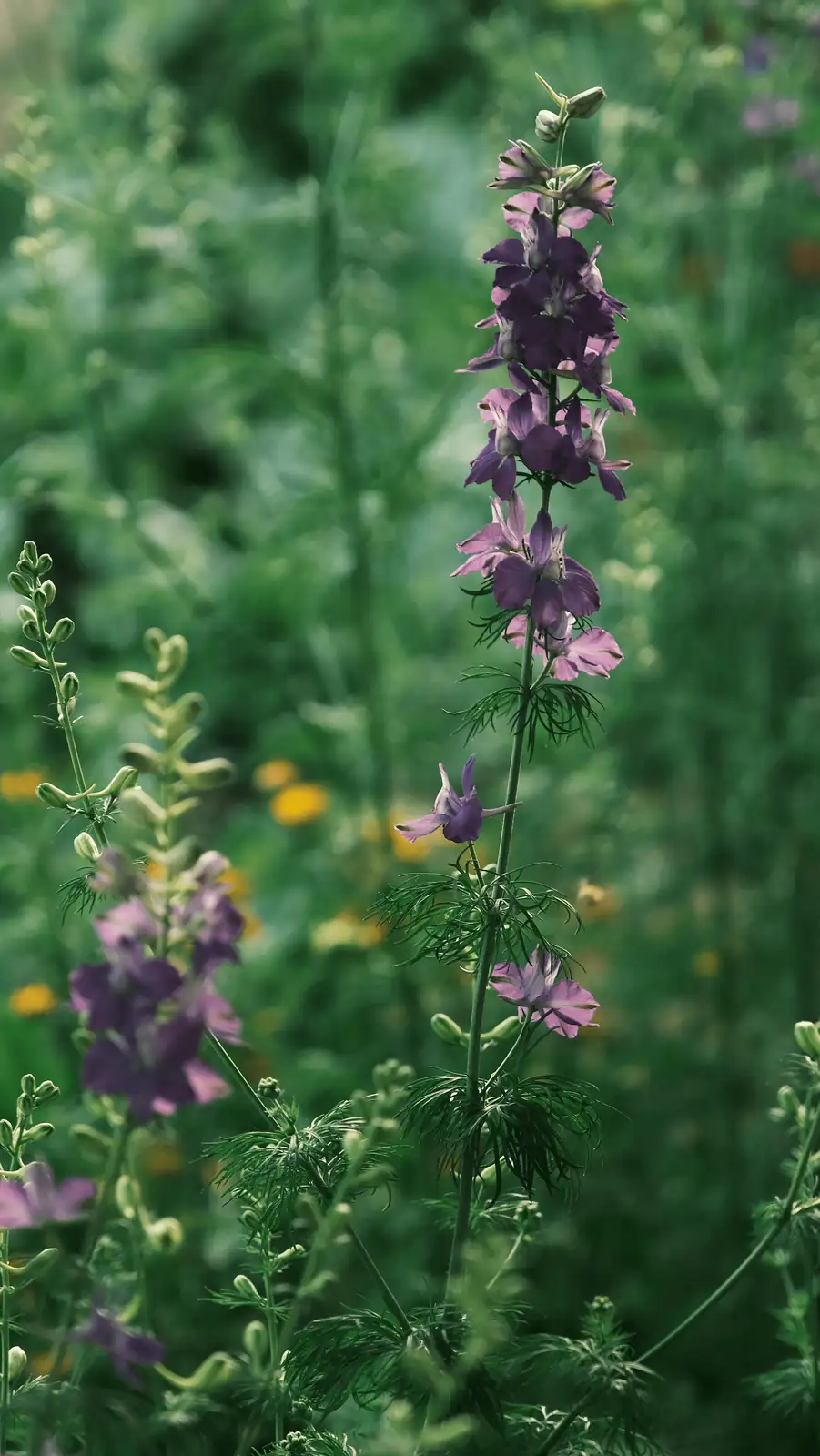
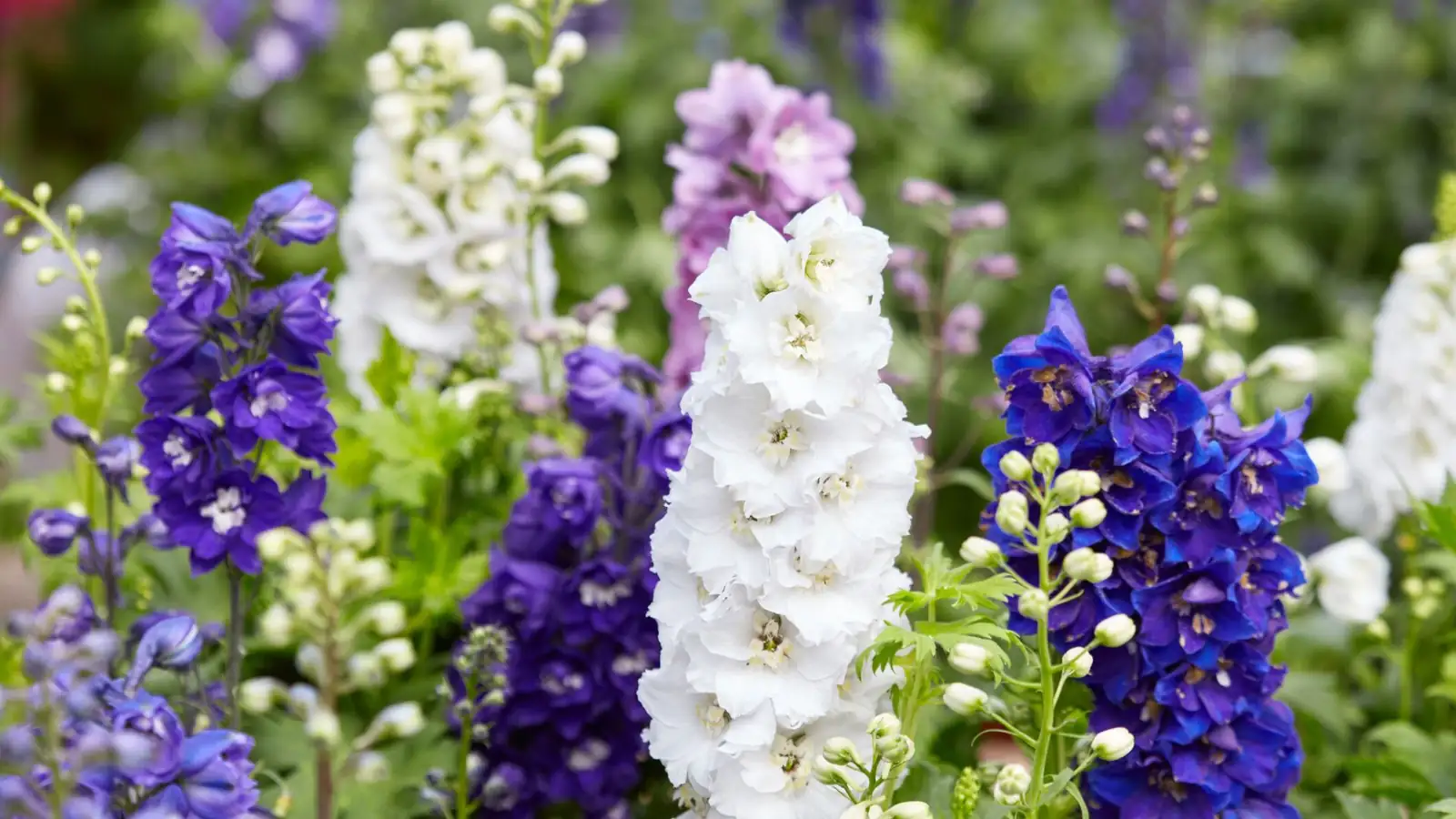
Delphiniums, members of the Ranunculaceae family, are native to the Northern Hemisphere and the African mountains. Known for their tall spikes adorned with vibrant blue to purple flowers, they’re a staple of the cottage garden and a magnet for pollinators. Before you start propagating, it’s important to know that delphiniums thrive in full sun and well-drained, humus-rich soil. They prefer cool-summer conditions and can be finicky about humidity and watering, so choose your planting spot wisely.
Propagation Methods
There are several ways to propagate delphiniums, each with its own charm and challenges. We’ll walk you through seed stratification, division, and cuttings.
Seed Stratification
Growing delphiniums from seed is a rewarding endeavor, perfect for patient gardeners who revel in the slow magic of nature.
- Collecting Seeds: Once your delphiniums have bloomed and the seed pods have dried, gently harvest the seeds. Keep in mind that seeds might not always be true to the parent plant, leading to delightful variations.
- Cold Stratification: Delphinium seeds require a period of cold treatment to germinate successfully. Place the seeds in a damp paper towel, seal them in a plastic bag, and refrigerate for 4-6 weeks.
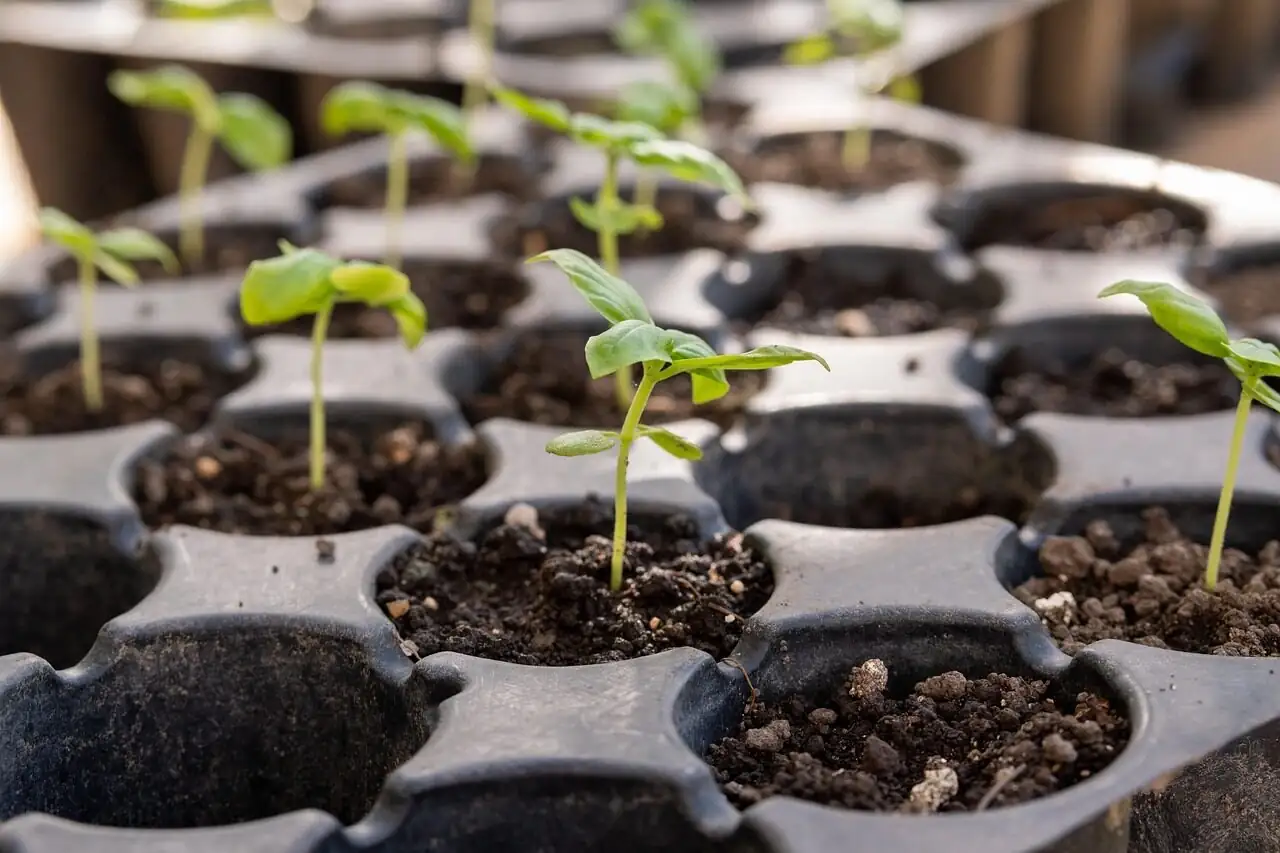
- Sowing: After stratification, sow the seeds in seed trays filled with a light, well-draining mix. Cover the seeds lightly with soil and keep them in a cool, bright place. Germination can take 3-4 weeks.
- Transplanting: Once seedlings have developed a few true leaves, they can be gently transplanted to pots or directly into the garden.
Division
Dividing delphiniums is a reliable method to propagate and rejuvenate your plants, typically done every 3-4 years.
- Timing: Early spring, as new growth begins, is the ideal time for division.
- Digging Up: Carefully lift the clump from the ground, taking care not to damage the roots.
- Dividing: Using a sharp knife or spade, divide the clump into sections, each with at least one healthy shoot and a good root system.
- Replanting: Plant the divisions immediately in well-prepared soil, ensuring they are at the same depth as the original plant.
Cuttings
For the impatient gardener, cuttings offer a faster route to cloning your favorite delphinium.
- Timing: Take cuttings in spring when shoots are about 3 inches tall or after the first flush of summer blooms.
- Cutting the Shoots: Use a sharp knife to cut the shoot near the base, including some of the hard, calloused material for better rooting.
- Rooting: Place cuttings in a jar of water immediately, then transfer them to a potting mix. Keep the cuttings in a cool, sheltered spot until roots develop.
- Transplanting: Once well-rooted, the young plants can be moved to their final location.
Care Tips for Young Delphiniums
- Watering: Keep soil consistently moist but not waterlogged. Water at the base to avoid wetting the foliage and reduce fungal risks.
- Staking: Delphiniums grow tall and need support. Stake them early to prevent wind damage.
- Feeding: Use a balanced liquid fertilizer every 2-3 weeks during the growing season for robust growth.
Handling Challenges
- Pest and Disease Management: Watch for powdery mildew and slugs. Good air circulation and prompt removal of infected debris help in prevention.
- Toxicity Awareness: Remember, all parts of the delphinium are toxic to humans and animals. Handle with care and keep away from curious pets and children.
The Language of Flowers
Delphiniums are more than just a pretty face; they’re steeped in symbolism. Often associated with lightness and beauty, their colors convey messages of melancholy (blue), affection (purple), and elegance (white). The name itself, derived from the Greek “delphis,” meaning dolphin, reflects the whimsical nature of its spurred flowers.
By following these steps and embracing the quirks of delphinium propagation, you’ll not only enhance your garden’s beauty but also experience the joy of nurturing these majestic plants from start to finish. Happy gardening!