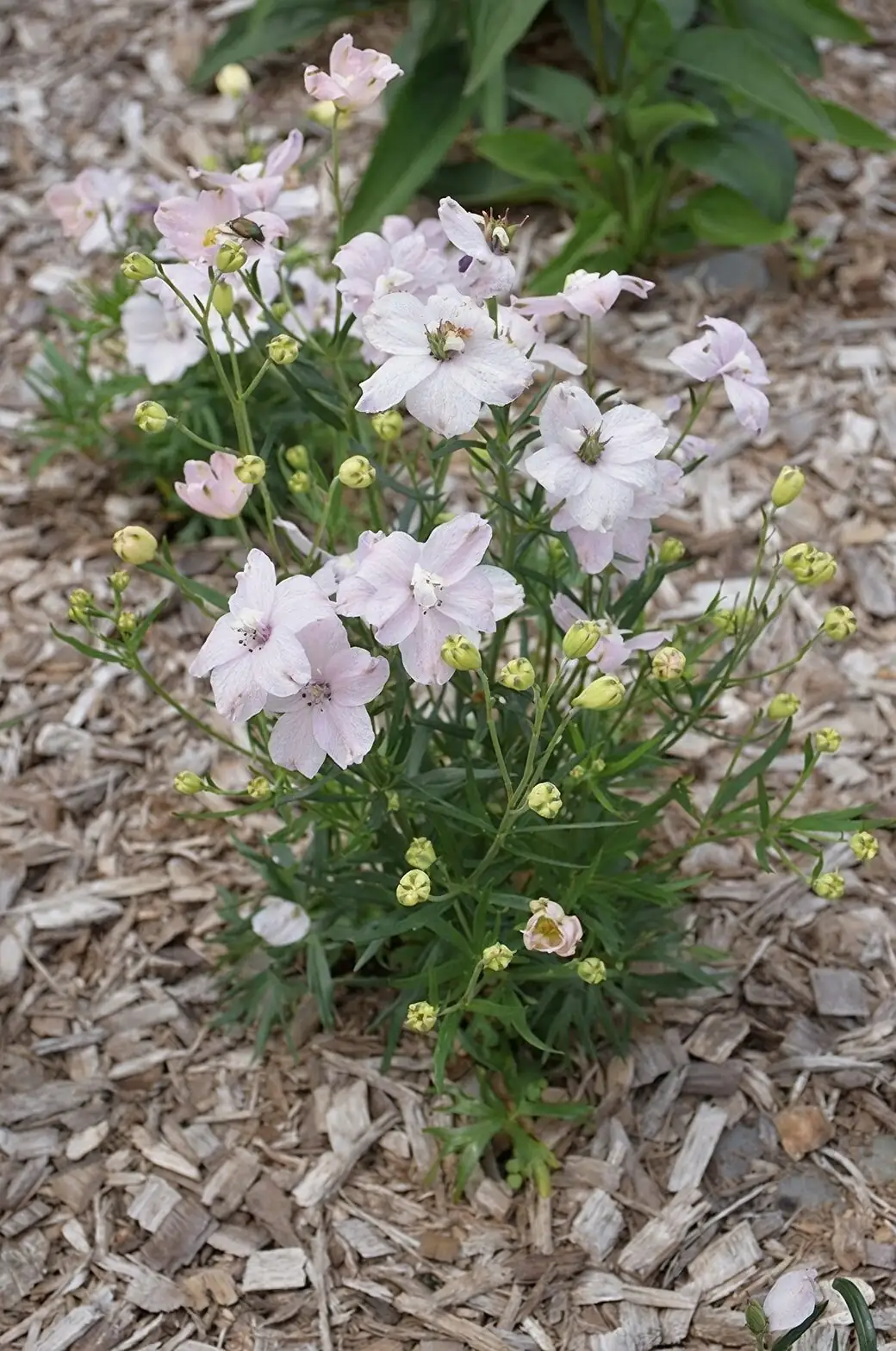
Delphiniums, often dubbed the “dolphins of the garden,” are a captivating addition to any floral paradise. With their towering spikes of vivid blooms, they seem to dance in the breeze, reaching for the sky. But achieving those show-stopping displays of color requires a bit more than just a green thumb. These beauties can be somewhat demanding, but with the right care, they will reward you with a spectacular display worthy of any traditional cottage garden. Let’s dive into the specifics of nurturing these floral dolphins to bloom their brightest.
The Sunshine Requirement: Morning Rays vs. Scorching Afternoons
A common misconception is that more sun always equals more blooms. While delphiniums do indeed crave the sun, giving them about 6 to 8 hours of sunlight daily is ideal. However, in regions where the midday sun blazes like a relentless torch, providing some gentle morning to early afternoon sun will help them perform their best without wilting under the heat. Remember, they love basking in the light but not turning into crispy critters!
The Art of Watering: The Delicate Balance
Delphiniums thrive on consistency, particularly when it comes to moisture. Aim to provide about 2.5 cm (or 1 inch) of water per week during the growing season. This can increase during particularly hot or dry spells. The key is to keep the soil consistently moist but never waterlogged. Think of it as maintaining a moist sponge, not a swamp. Also, water at the base to keep those delicate leaves dry and less prone to fungal issues.
Soil and Temperature: Cultivating the Perfect Environment
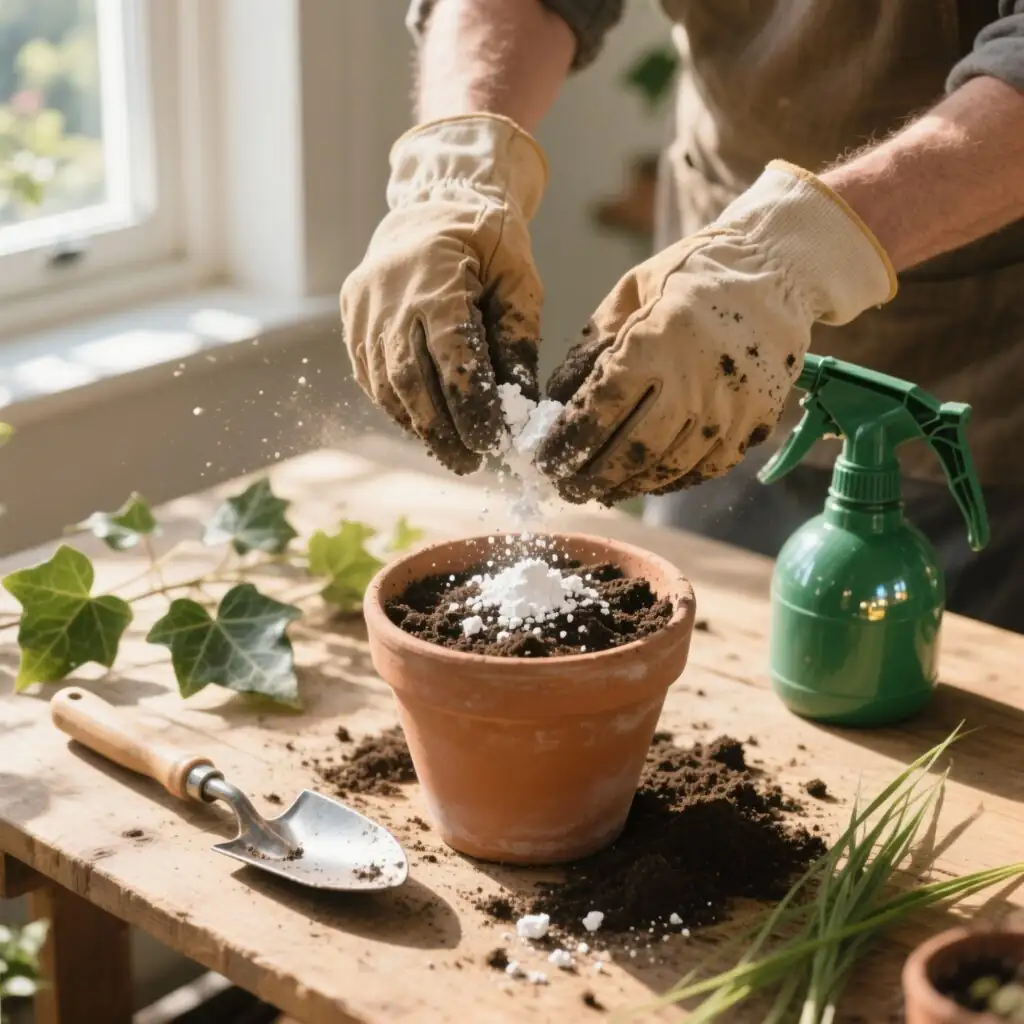
These majestic plants are particular about their footing. Delphiniums prefer well-drained, humus-rich soil, ideally with a slightly alkaline to near-neutral pH of 6.0 to 7.5. To sweeten the soil, gardeners often add a touch of lime or wood ash. As for temperature, they are fans of cool, summer conditions, thriving best between 15–24°C (60–75°F). In hotter climates, they might sulk a bit, so treating them as short-lived perennials is a savvy move.
Seasonal Maintenance: The Year-Round Commitment
- Spring: This is the time to top-dress with compost, fertilize, and thin out the shoots. Staking is also crucial as those hollow stems can easily topple under the weight of their blooms or a gusty wind.
- Summer: Maintain steady watering and deadhead spent blooms to encourage a second flush. Mulching can help retain moisture and keep those roots cool.
- Fall: After the first frost, cut the stems back to ground level and add a layer of composted manure to enrich the soil for the next season.
- Every 3–4 years: Divide the clumps in early spring to rejuvenate the plants, keeping them vigorous and blooming prolifically.
Fertilization and Pruning: Nurturing Through Nutrition
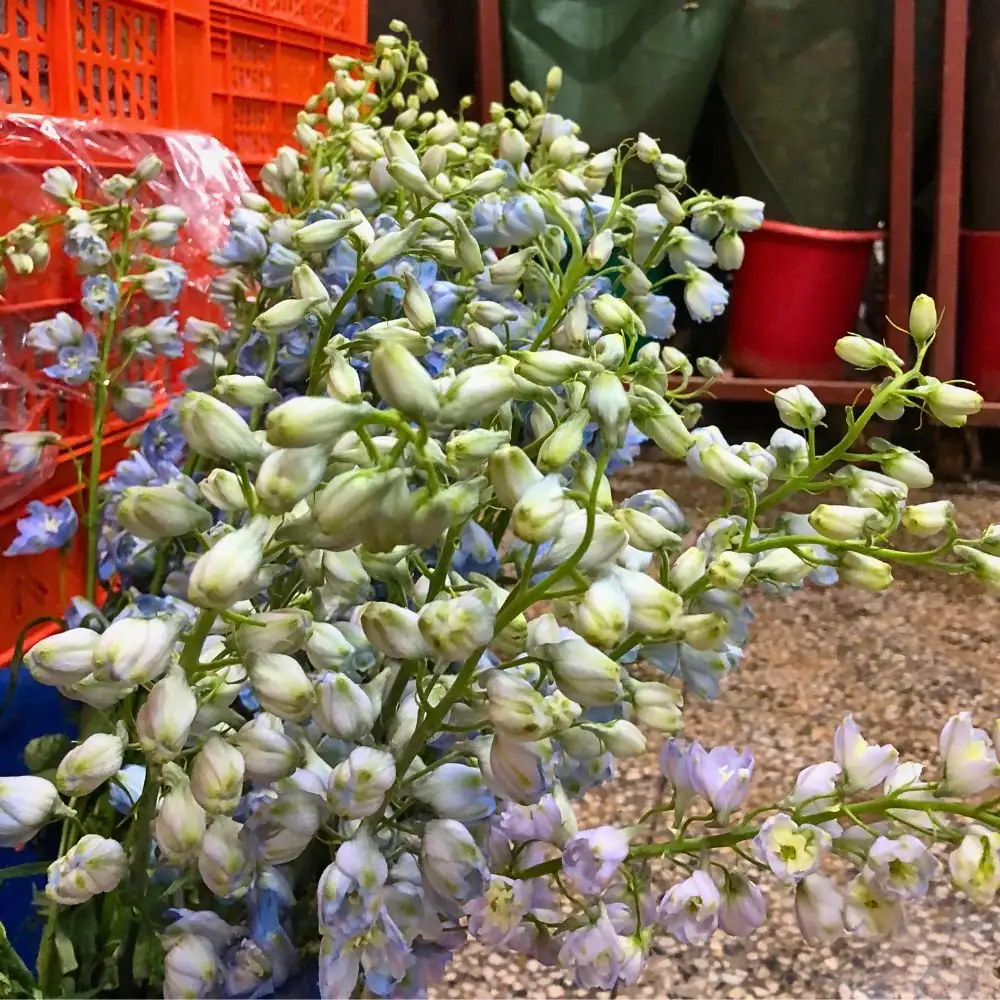
Feeding is vital for delphiniums, but avoid high-nitrogen fertilizers that spur weak growth. Opt for a balanced liquid fertilizer every 2–3 weeks during active growth. Pruning is equally essential—after the main bloom, cut back the flower stalks to side shoots to prompt a second flowering. For stronger blooms, thin new plants to 2-3 shoots and established clumps to about 5-7 shoots.
Pests, Diseases, and Safety: The Vigilant Gardener
Delphiniums, while stunning, can be magnets for powdery mildew, rust, and pests like aphids and slugs. Ensure good air circulation, water at soil level, and remove any infected debris. Remember, they are also toxic, so keep them out of reach from curious pets and children, and wear gloves if handling them irritates your skin.
Delphinium’s Deep Meanings and Symbolism
In the language of flowers, delphiniums symbolize clarity, justice, and beauty. Their colors tell stories—blue for melancholy, pink for poetry, and white for elegance. These meanings are rooted in the plant’s history and the poetic nature of its appearance, making it not just a garden centerpiece but a conversation starter.
With the right conditions and a little patience, delphiniums can transform your garden into a vertical masterpiece of color. Their need for care and attention is a worthy trade for the vibrant, tall spikes they yield, making every moment of nurturing these dolphins of the garden truly rewarding. So, next time you spot a delphinium, remember the delicate dance of care that brings them to life.