

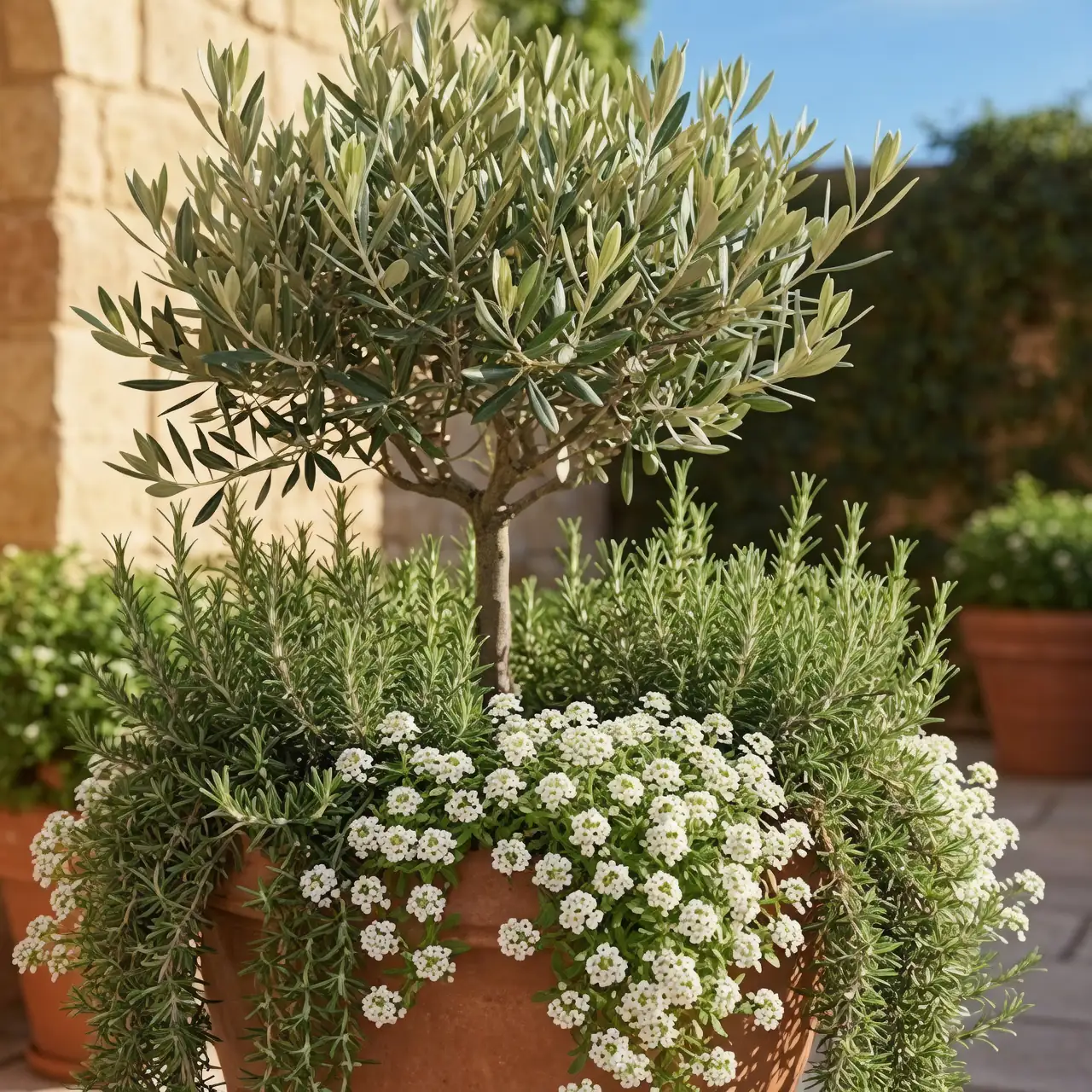
Discover the Perfect Companions for Rosemary in Your Mediterranean Garden
When you think of a Mediterranean garden, images of sun-soaked hillsides covered in aromatic herbs and vibrant blossoms probably come to mind. Among these, Salvia rosmarinus, commonly known as rosemary, stands tall—literally and figuratively—as a staple. But did you know that rosemary doesn’t just thrive on its own in this setting? It loves company! Let’s explore which plants make the best companions, enhancing not only rosemary’s growth but also the beauty and functionality of your garden.
Why Companion Planting Works Wonders
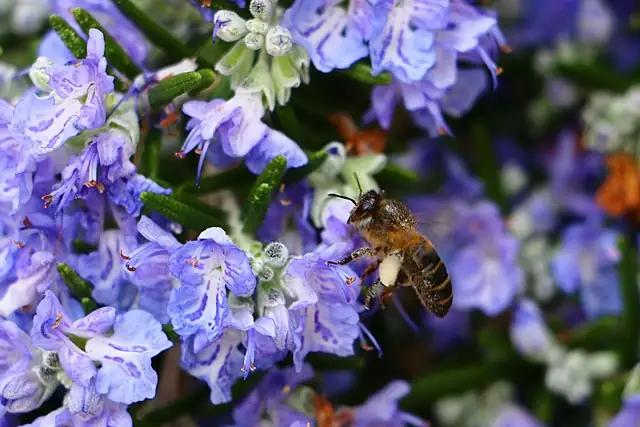
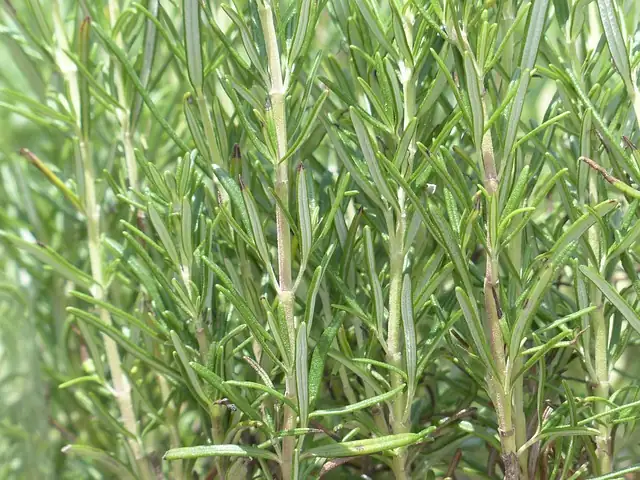
Companion planting isn’t just an old gardener’s tale; it’s a tried-and-true strategy that promotes healthier plants and a more productive garden. Rosemary, with its woody stems and needle-like leaves, naturally repels a host of pests, making it a protective neighbor for many plants. Plus, its fragrant flowers attract pollinators like bees and butterflies, turning your garden into a buzzing paradise.
Best Neighbors for Rosemary
Mediterranean Herbs
Rosemary feels right at home next to other Mediterranean herbs. Think of it like a family reunion—these plants have evolved under similar conditions and thrive with similar care.
- Sage: Planting sage near rosemary can enhance the flavor of both herbs. They share a love for well-drained soil and full sun.
- Oregano: Another sun-worshipper, oregano complements rosemary perfectly, both in the garden and in your kitchen.
- Thyme: This low-growing herb is an ideal groundcover that helps retain soil moisture without hindering rosemary’s growth.
Vegetable Allies
For those who love a culinary garden, rosemary pairs surprisingly well with a variety of vegetables.
- Carrots: The strong scent of rosemary deters carrot flies, while carrots themselves help rosemary roots access nutrients more easily.
- Beans: Both beans and rosemary appreciate similar soil conditions. Rosemary’s scent helps repel bean beetles.
- Cabbage and Brassicas: Rosemary acts as a natural deterrent to cabbage moths and other pests that plague cabbage, broccoli, and Brussels sprouts.
Avoid These Troublemakers
While rosemary is quite accommodating, not all plants make good neighbors. Some plants either compete for resources or have different moisture needs that rosemary can’t abide.
- Cucumbers and Pumpkins: These water-loving plants require more moisture than rosemary prefers. Their sprawling nature can also overshadow the sunlight rosemary needs.
- Fennel: Known for inhibiting growth in many plants, fennel is best kept at a distance.
Designing Your Mediterranean Garden
Creating a garden that reflects the sun-drenched beauty of the Mediterranean is all about balance. Here’s how to make the most of your rosemary and its companions:
- Sunshine is Key: Position your rosemary, along with its companions, in a spot where they’ll bask in at least six to eight hours of sunlight daily.
- Soil Savvy: Ensure your soil is sandy or gritty, much like the rocky soils of the Mediterranean coast. This will keep the roots healthy and happy.
- Water Wisely: Rosemary loves dry feet, so water deeply but infrequently, letting the soil dry out in between. Make sure your other plants share similar watering needs.
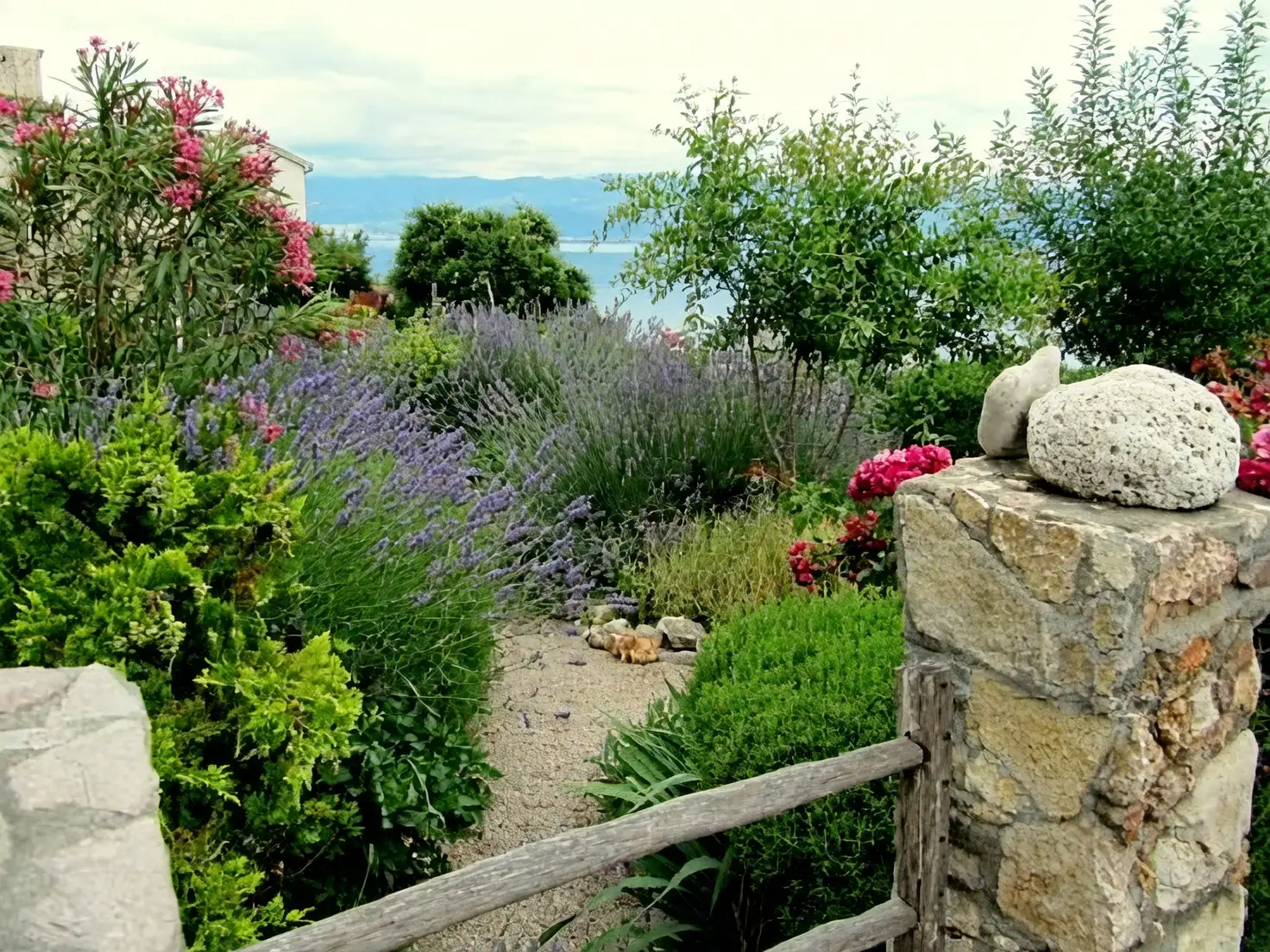
Conclusion: Cultivating a Harmonious Herbal Haven
The magic of a Mediterranean garden lies not just in its beauty but in the symphony of scents and flavors it produces. By carefully choosing companions for your rosemary, you’re not just planting a garden; you’re crafting a living tapestry that thrives on harmony and balance. So, roll up your sleeves, grab your gardening tools, and let your rosemary—and your entire garden—shine like the Mediterranean sun!