

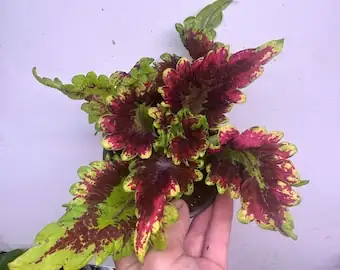
Welcome to the vibrant world of Coleus, botanically known as Plectranthus scutellarioides, the plant that’s like a painter’s palette brought to life! Native to the tropical and subtropical realms of Asia and northern Australia, this dazzling member of the mint family, Lamiaceae, has long enchanted gardeners with its kaleidoscopic foliage. Whether you’re growing it indoors or outdoors, ensuring your Coleus thrives involves mastering the art of watering, lighting, and some basic care techniques. Let’s dive into this colorful journey!
Light: Bright, Indirect, and Just Right
Imagine your Coleus as a sunbather who loves the sun, but in moderation. For most varieties, bright, indirect light is the sweet spot. Think of it as a plant that enjoys basking in the morning sun with a cool afternoon shade reprieve. Harsh midday rays can scorch its delicate leaves, particularly those with lighter colors.
Indoor Tips:
- Place it near an east-facing window: This ensures morning light without the harsh afternoon intensity.
- Supplement with grow lights during darker months or in less sunny homes to keep those colors popping.
Outdoor Tips:
- Locate in part shade: Especially beneficial for those traditional varieties.
- Experiment with modern sun-tolerant cultivars if you wish to add a splash of color to sunnier spots.
Watering: The Goldilocks Principle
When it comes to watering, the Coleus is a bit of a Goldilocks—needing moisture that’s just right. The key is to keep the soil evenly moist, not too dry and certainly not soggy. Watering requirements can vary with the seasons and whether you’re growing indoors or out.
General Guidelines:
- Check the top inch of soil: Water when it feels dry. This typically means watering more frequently in warm weather and less in cooler months.
- Avoid waterlogged conditions: Ensure pots have good drainage and use a well-draining potting mix to prevent root rot.
Indoor Nuances:
- Winter adjustments: Allow the soil surface to dry out a bit more between waterings when growth naturally slows down.
Temperature and Humidity: Tropical Comforts
Coleus is a true lover of warmth and humidity. Keep it cozy, with temperatures ideally between 15–24°C (59–75°F). Your plant will thrive if you can maintain these conditions, especially during the chillier months.
Indoor Tips:
- Use a humidifier or place your Coleus on a pebble tray to boost humidity in dry indoor environments.
- Avoid drafts: Keep it away from cold windows or air conditioners that could stress the plant.
Soil and Fertilization: The Foundation of Growth
Coleus appreciates a rich, loose, and well-draining soil. Think of it as a gourmet plant that thrives on a balanced diet, especially during its active growing season.
Soil Mix:
- A blend of equal parts all-purpose potting mix and mineral-rich loamy soil works wonders.
Fertilization Tips:
- Feed bi-weekly during growth spurts: Use a balanced liquid fertilizer to maintain vibrant foliage.
- Ease off in winter: Reduce feeding when growth slows to prevent nutrient overload.
Pruning and Propagation: Shaping and Sharing the Joy
To keep your Coleus bushy and vibrant, regular pruning is essential. Pinching off the growing tips encourages a fuller, more compact plant, while removing flower spikes keeps the energy focused on those fabulous leaves.
Propagation:
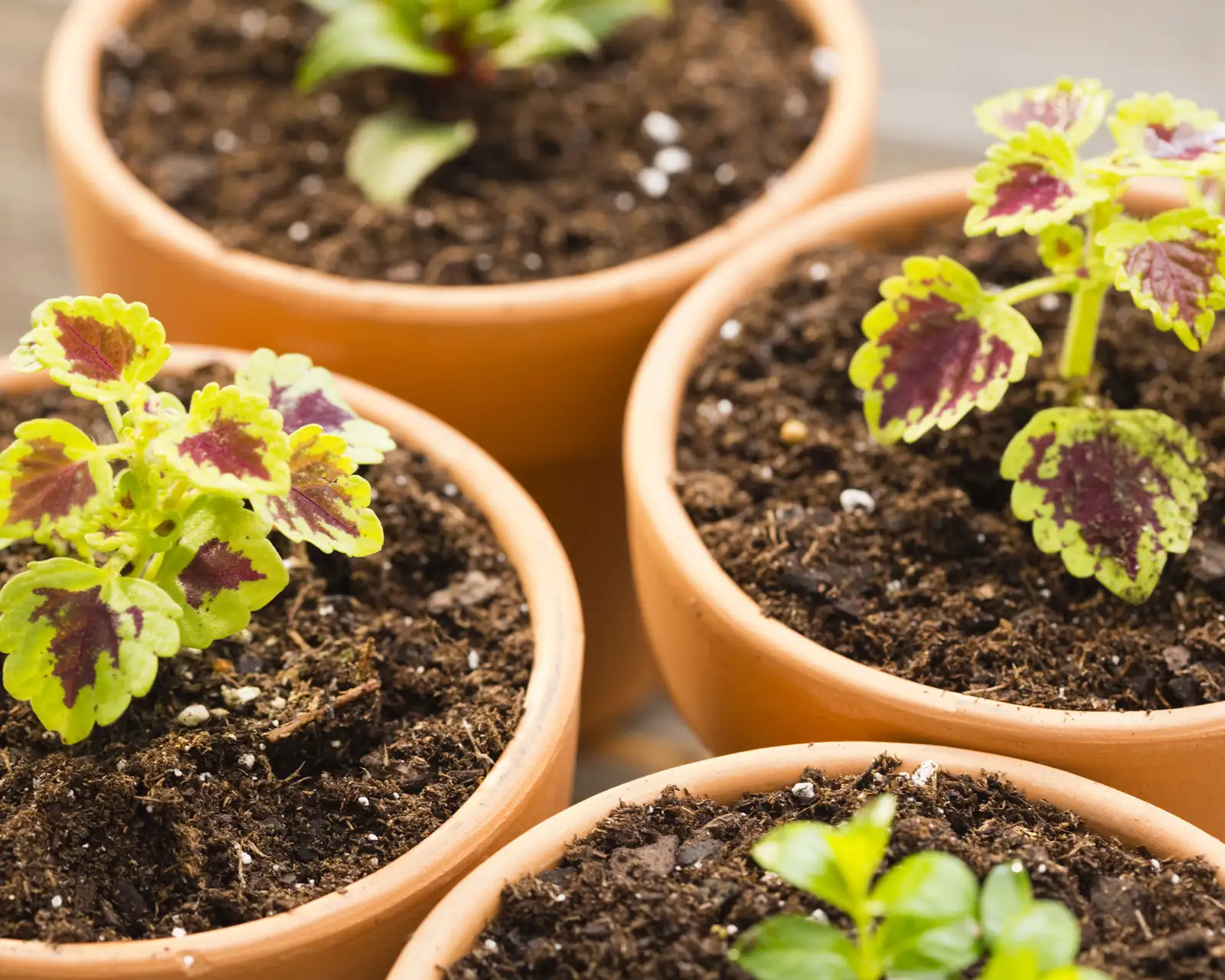
- Stem cuttings are your best friend: Take 10-15 cm (4-6 in) cuttings, root them in water or moist soil, and watch new plants sprout in weeks!
Troubleshooting Common Issues
Is your Coleus looking a bit off-color or leggy? These are common issues often linked to light and nutrient levels.
Quick Fixes:
- Fading colors? Move to a brighter spot and ensure balanced feeding.
- Leggy growth? Increase light exposure and pinch regularly to encourage branching.
Safety and Pests: Keeping It Safe and Sound
While Coleus is generally low-risk to humans, its leaves can cause mild stomach upset in pets. Keep an eye out for pests like aphids and spider mites, especially in indoor settings. Treat any infestations early with insecticidal soap or neem oil.
Safety Note:
- Pet owners, take caution: If your furry friends nibble on this plant, consult your veterinarian.
Growing Coleus is like curating a living piece of art. With the right care, its vibrant display can transform any space into a tapestry of color. So, whether you’re a novice gardener or a seasoned pro, embrace the bold and expressive world of Coleus and let its beauty inspire your green thumb!


