
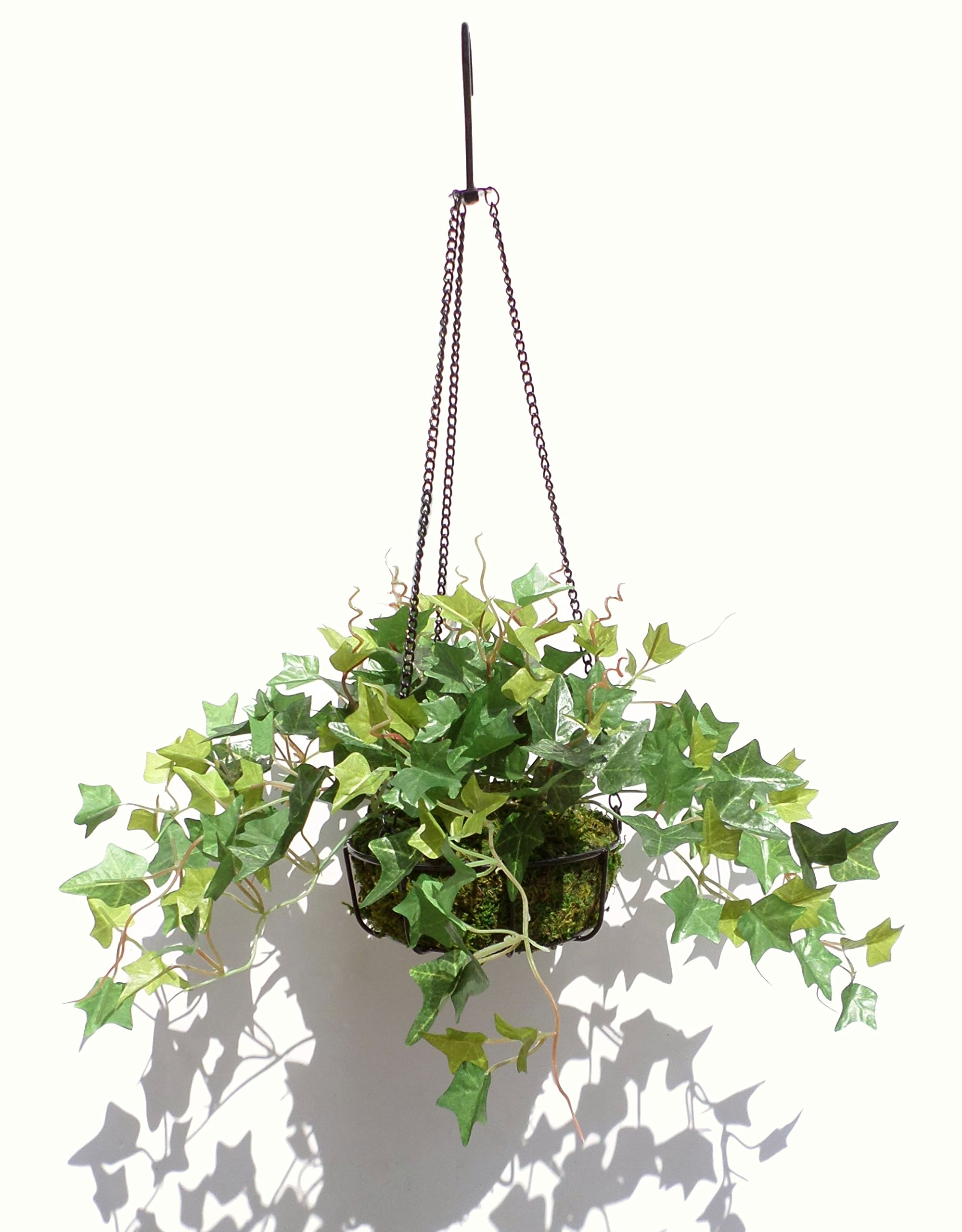
Looking for a touch of classic charm in your indoor or outdoor space? Enter the world of English Ivy, or Hedera helix as it’s scientifically known. This elegant, evergreen vine gracefully trails from hanging baskets or clambers up walls, making it a versatile favorite among plant enthusiasts. But, keeping your English Ivy lush and vibrant requires a bit of know-how. Let’s dive into expert tips on watering schedules, light requirements, and seasonal care to ensure your ivy thrives in every season.
Watering Wisdom: Keep it Just Right
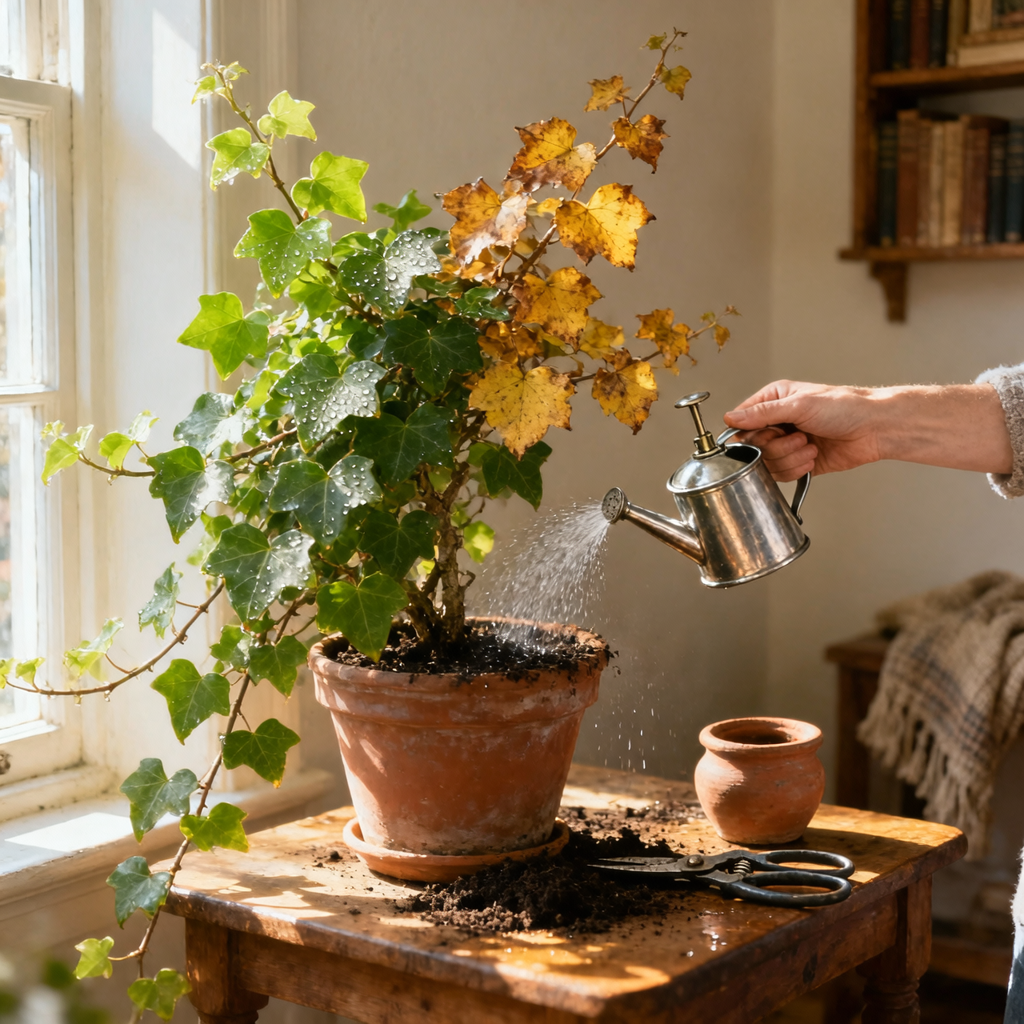
English Ivy has a bit of a Goldilocks complex when it comes to moisture—it wants it just right. Aim for soil that is evenly moist but never soggy. During its active growth periods, typically spring through early autumn, check the top 2–3 centímetros (about 1 inch) of soil. If it feels dry, it’s time for a drink. In many homes, this means watering every 6–10 days during summer and scaling back to every 10–14 days in winter. Remember, yellowing leaves or leaf drop often signal watering woes—either too much or too little.
Quick Watering Tips:
- Summer: Water when the top inch feels dry.
- Winter: Allow the top layer to dry slightly more before watering.
- Pot Size and Environment: These factors can affect your plant’s watering needs. Adjust based on the pot size and indoor conditions.
Light Requirements: A Balancing Act
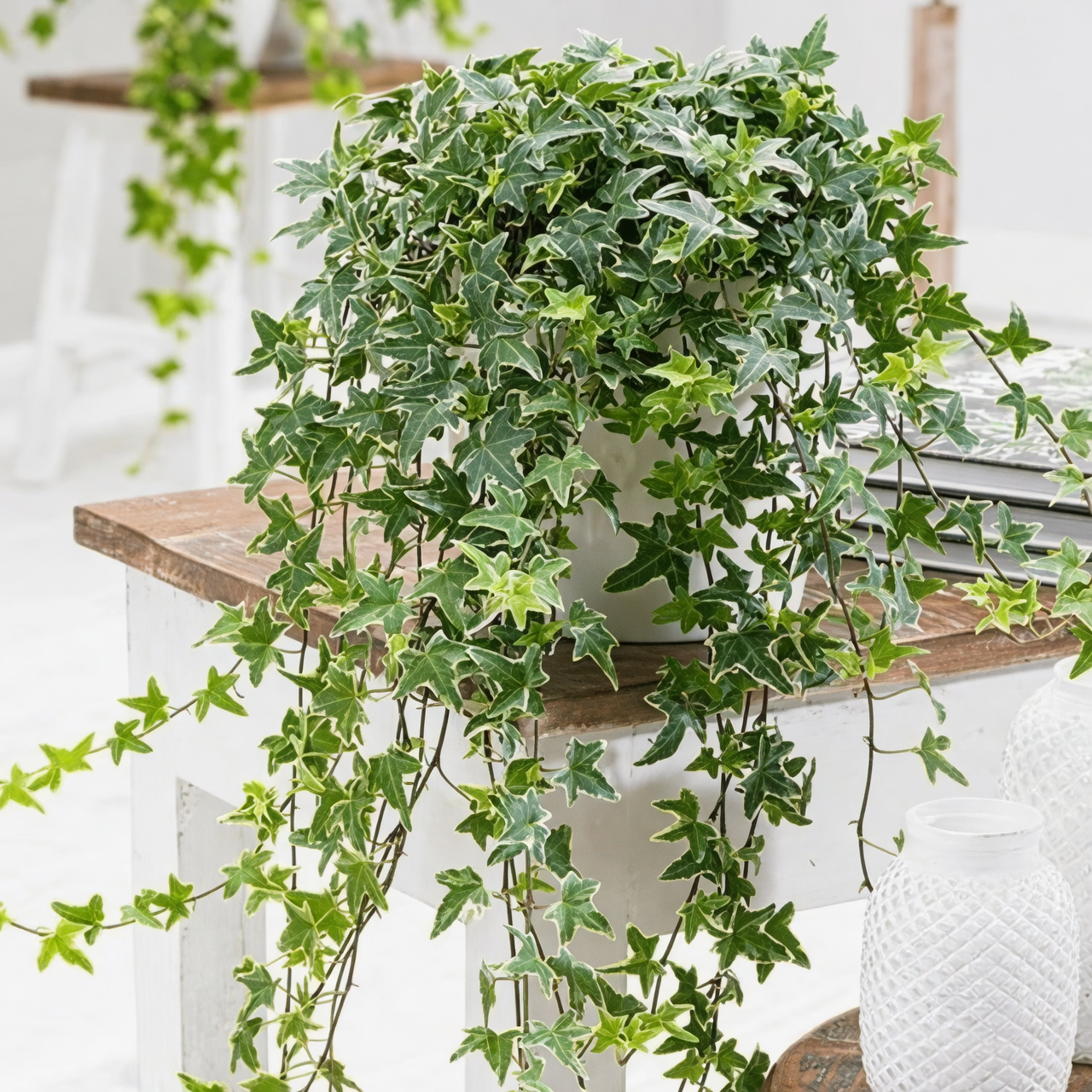
Finding the right light is like finding the perfect pair of sunglasses for your ivy. English Ivy thrives in bright, indirect light, but it’s also quite shade tolerant. Avoid blazing direct sun, which can scorch the leaves like an overzealous tanning session. Indoors, place it near an east or north-facing window, or set it back a bit from a brighter window to avoid direct rays.
Lighting Tips:
- Indoor Position: Keep it within 3 feet of a window for optimal light.
- Variegated Varieties: These need slightly brighter conditions to maintain their striking patterns, but still shy away from harsh, direct sunlight.

Seasonal Care: Adapting with the Seasons
Care for your English Ivy changes with the seasons, much like switching out your wardrobe. Here’s how to tailor your care routine throughout the year:
Spring:
- Repotting and Pruning: Refresh your ivy’s soil and prune back any leggy growth to encourage bushiness.
- Feeding: Start a regular feeding schedule with a balanced fertilizer at half-strength every 2–4 weeks.
Summer:
- Shade and Humidity: Protect from strong sun and heat. Boost humidity if the air is dry, and ensure good airflow.
- Watering: Steady moisture is key. Adjust your schedule based on growth and environmental changes.
Autumn:
- Cuttings and Care: A great time for propagation through cuttings. Maintain consistent care as outdoor plants may flower.
Winter:
- Light Adjustment: Find a brighter indoor spot if possible. Keep it cool around 8–10°C (46–50°F).
- Water Less: Allow the surface to dry slightly between waterings and reduce fertilization significantly.
Safety and Health: Keeping Pests at Bay
English Ivy, unfortunately, can be a magnet for pests like spider mites, especially in hot, dry air. Regularly check under leaves and rinse foliage if issues arise. If pests persist, consider using insecticidal soap or neem oil.
Common Issues:
- Pests: Spider mites, scale, and aphids can be managed with regular checks and appropriate treatments.
- Diseases: Watch out for leaf spots or root rot, often due to poor airflow or overwatering.
Toxicity Alert
While English Ivy is a feast for the eyes, it’s not for the mouth. It’s moderately to severely toxic if ingested by humans or pets, causing symptoms like vomiting and skin irritation. Best to keep it out of reach of curious kids and pets.
Propagation: Easy as 1-2-3
Propagating English Ivy is a breeze and can be done through stem cuttings or layering. For cuttings, take 10–20 cm (4–8 in) segments and root them in water or a moist, airy mix. Layering involves pinning a vine section onto moist medium until roots form.

Final Thoughts
With its timeless appeal and air-purifying qualities, English Ivy is a plant that truly gives back. Whether adorning your home or garden, understanding its needs will keep it thriving all year round. So, embrace this evergreen beauty and let it add a touch of elegance to your space!