
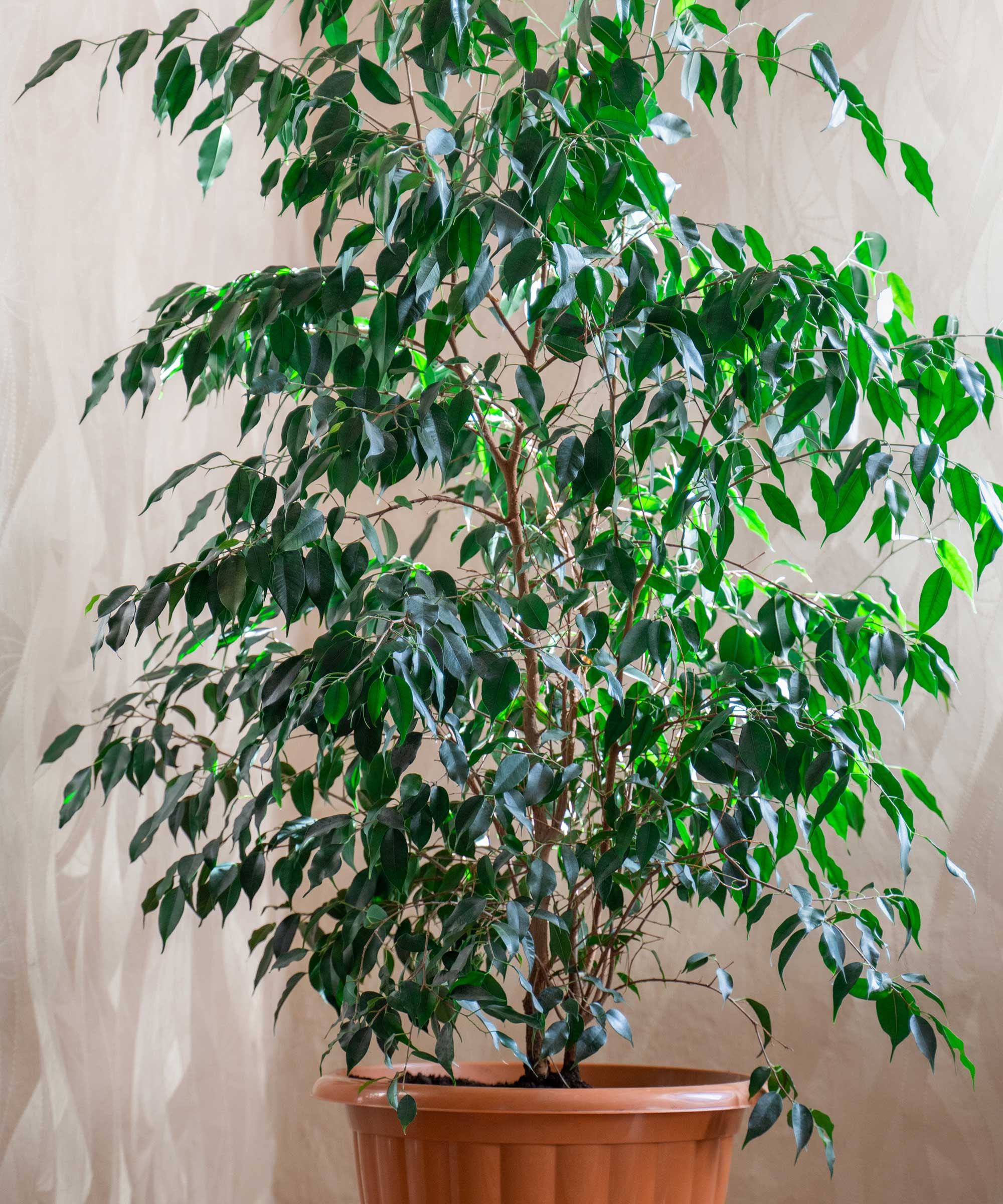
In the lush world of houseplants, Ficus benjamina, commonly known as the Weeping Fig, stands as a beacon of elegance and resilience. Its graceful, arching branches and glossy leaves make it a favorite for indoor spaces, whether you’re a novice plant parent or a seasoned green thumb. But what if you want to multiply this beauty and share its charm or simply fill your home with more of its verdant glory? Propagation is your answer! Let’s dive into the step-by-step journey of propagating this lovely plant using stem cuttings and air layering techniques.
Propagation by Stem Cuttings: Nurturing New Beginnings
Step 1: Select the Perfect Cutting
To start, choose a healthy sprig from your Ficus benjamina. Ideally, it should be a 6-inch (15 cm) long piece from a mature branch, not too young but not overly woody either. Look for vibrant, green leaves and a node (a small bump on the stem where leaves grow), as this is where new roots will emerge.
Step 2: Make the Cut
With sterilized garden shears or scissors, cut just below a node. This is crucial because the node is rich in rooting hormones, increasing the chances of successful propagation. Be cautious of the plant’s milky sap, as it can irritate the skin.
Step 3: Prepare the Cutting
Remove leaves from the lower part of the cutting, leaving just a couple at the top. This ensures that the cutting focuses its energy on root development rather than supporting excessive foliage.
Step 4: Rooting the Cutting
Place your cutting in a glass of fresh, lukewarm water, ensuring the stem is submerged while the leaves remain above water. Position the glass in a spot with bright, indirect light, changing the water every few days to keep it fresh. Within two to three weeks, you should see a network of roots forming.

Step 5: Potting Up
Once a healthy root system develops, transfer the cutting to a pot filled with a well-draining potting mix. Keep it in a warm, stable environment, and soon enough, you’ll have a thriving new Weeping Fig.
Propagation by Air Layering: A Masterclass for Larger Plants
Step 1: Choose Your Branch
Select a robust branch that you wish to propagate. This method is particularly beneficial for larger plants that need a bit of height and shape control.

Step 2: Make an Incision
With a sharp knife, make a small, slanted cut about one-third through the branch, 12 to 18 inches (30 to 46 cm) from the tip. This cut will encourage root growth.
Step 3: Wrap and Wait
Remove any leaves around the incision. You can apply rooting hormone to speed up the rooting process, though it’s not mandatory. Surround the cut area with moist sphagnum moss, then wrap it with plastic wrap, securing it with tape or twist ties to maintain moisture.
Step 4: Monitor Root Development
Check periodically for root growth within the moss ball. This process can take several weeks to months. Once you see a dense root system, cut the branch just below the new roots and plant it in a suitable pot.
Step 5: Enjoy Your New Plant
With time, patience, and care, the air-layered branch will establish itself as an independent plant, ready to grace your home with its leafy elegance.
Caring for Your Propagated Ficus Benjamina
Both propagation methods require a bit of nurturing, but once established, your new Weeping Fig will appreciate bright, indirect light and consistent moisture without becoming waterlogged. Remember, Ficus benjamina loves stability, so avoid moving it around too much to prevent leaf drop, a common stress response.

Common Issues and Solutions
- Leaf Drop: Often a sign of stress. Ensure your plant’s environment remains stable in terms of light, temperature, and humidity.
- Pests: Watch out for spider mites and scale. Regularly inspect and wipe leaves and, if necessary, apply insecticidal soap.
A Word on Toxicity
While Ficus benjamina is a joy to grow, it is toxic to pets and can cause skin irritation to humans due to its sap. Keep it out of reach of curious pets and children, and use gloves when handling.
Whether you’re propagating for personal enjoyment or to share with friends, growing new Weeping Fig plants can be a deeply rewarding endeavor. With a little effort and care, you can enjoy the enduring beauty and grace of Ficus benjamina throughout your home. Happy propagating!