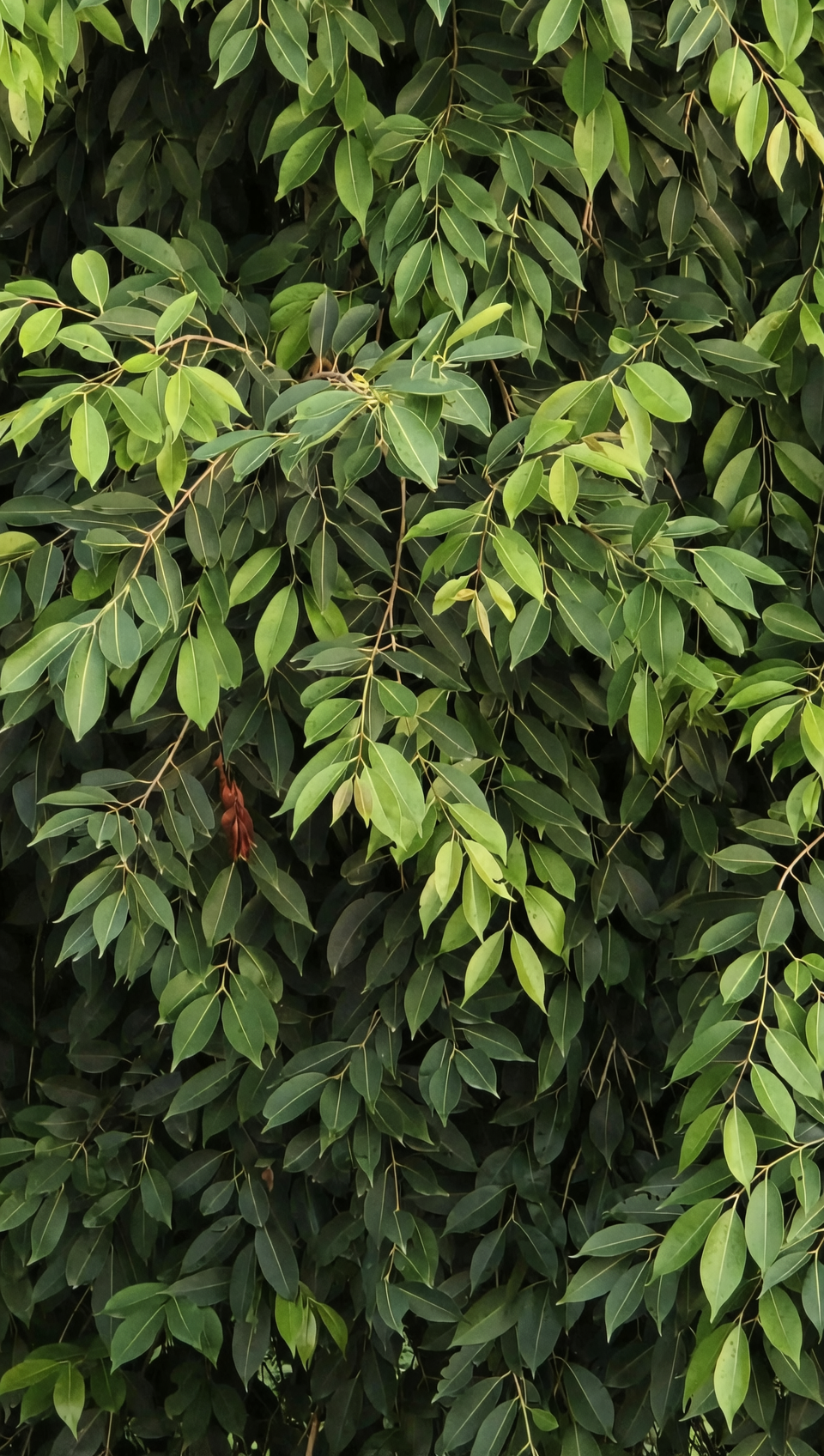


In the lush tapestry of tropical forests spanning Southeast Asia and Australia, a graceful figure looms—Ficus benjamina, better known to many as the Weeping Fig. This plant, with its elegantly arching branches and glossy leaves, has a storied history that takes it from dense jungles to the cozy confines of our living rooms. But how did this tropical beauty make such a journey? Let’s unravel the fascinating tale of Ficus benjamina’s rise to indoor stardom.
Origins in the Wild
Native to a swath of regions including India, Malaysia, the Philippines, and even as far as northern Australia, the Weeping Fig thrives in the humid, warm climates of its birthplaces. In these natural habitats, it often reaches towering heights of 40 to 50 feet, its branches sometimes adorned with aerial roots that descend to form new trunks—a breathtaking spectacle of nature’s creativity.
The Indoor Odyssey
The transition of Ficus benjamina from wild giant to indoor favorite is a testament to its adaptability and aesthetic appeal. First cultivated in its native regions, it was soon discovered by plant enthusiasts and began its journey across the globe. By the 20th century, it had found its way into homes and offices worldwide, cherished for its sculptural silhouette and air-purifying prowess—a claim often highlighted in discussions about indoor plants improving air quality.
The Weeping Fig’s Charisma
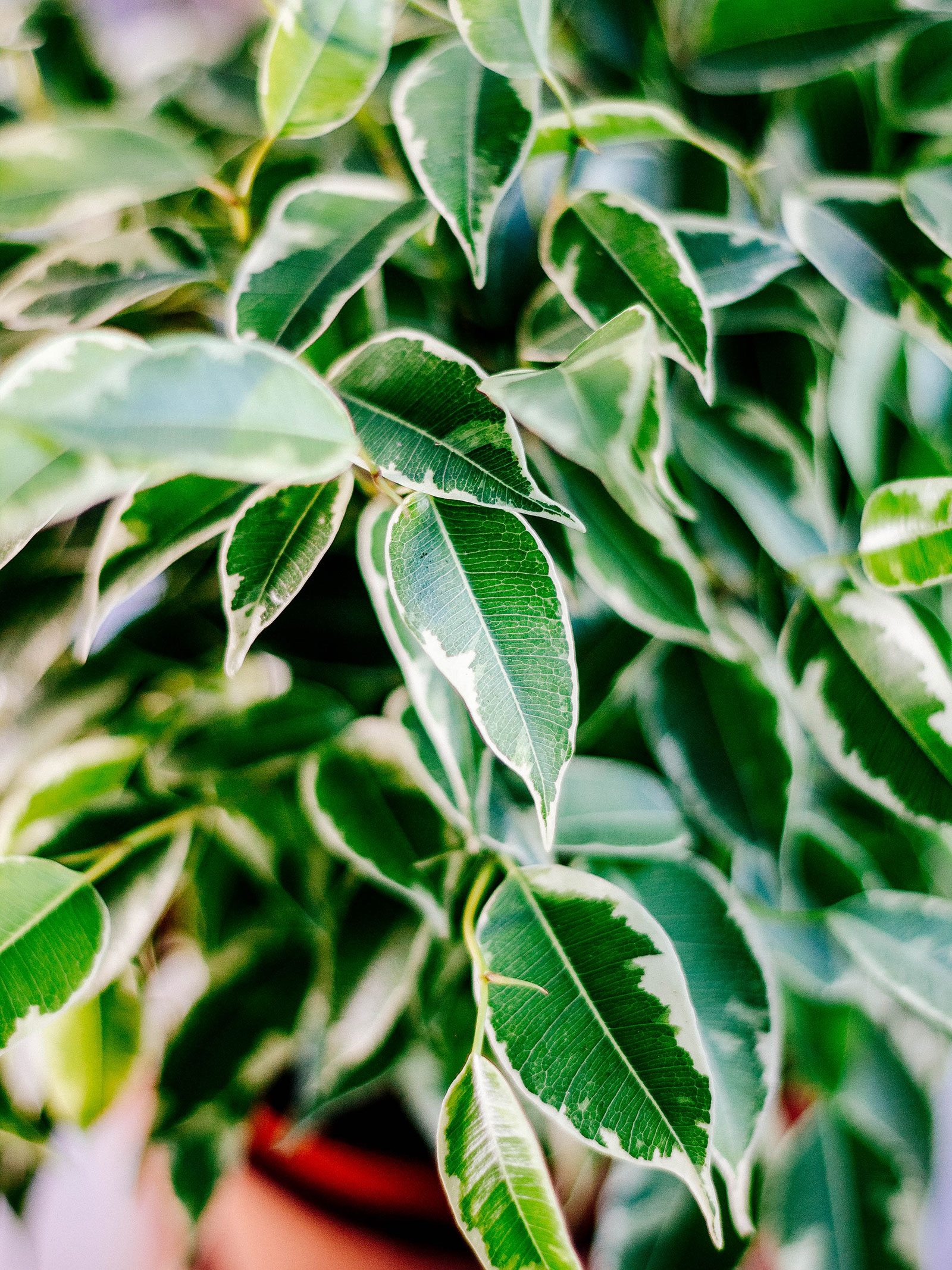
What makes the Weeping Fig such a beloved indoor plant? Besides its undeniable aesthetic charm, it is the plant’s versatile nature that captivates. Indoors, it typically stands a modest 3 to 6 feet tall, making it a perfect statement plant for bright, spacious areas. Its glossy leaves hang from slender, arching stems, creating the signature “weeping” appearance that evokes a sense of tranquility and elegance. However, this beauty comes with a catch—Ficus benjamina is notoriously sensitive to change. Move it, alter its light, or let the temperature swing, and it might respond with a dramatic leaf drop, as if to say, “I liked it the way it was!”
A Symbol of Resilience
In the language of plants, Ficus benjamina often symbolizes resilience and stability. Its presence is thought to bring a calming, tree-like energy into indoor spaces. In some cultures, it is also associated with good luck and prosperity, adding a layer of serendipitous charm to its decorative allure.
Cultivation Tips for Indoor Success
Caring for a Weeping Fig indoors requires a bit of finesse:
- Light: Provide bright, indirect light. A touch of morning sun is okay, but harsh midday rays can scorch the leaves.
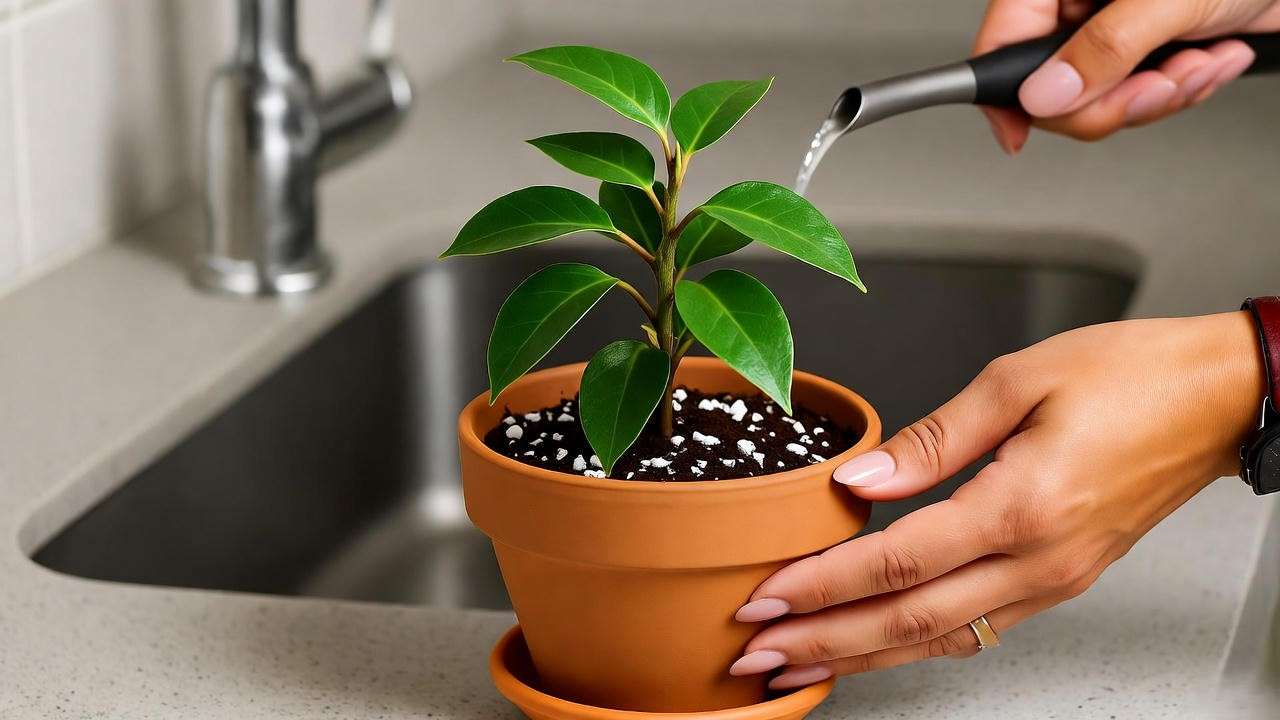
- Watering: Let the top 1-2 inches of soil dry before watering. Consistency is key—avoid the extremes of soggy or bone-dry soil.
- Humidity and Temperature: This plant appreciates a stable environment with moderate to high humidity and temperatures between 65-85°F.
- Placement: Choose a spot and stick to it. Frequent moves can stress the plant, leading to leaf drop.
- Pruning and Repotting: Prune in spring to maintain shape and encourage bushiness. Repot only when necessary, preferably in spring.
Challenges and Considerations
While Ficus benjamina is generally low-maintenance once established, it is prone to pests like spider mites and scale. The milky sap it exudes can be an irritant, so handle with care, especially around pets and children.
The Global Icon
Today, Ficus benjamina continues to grace public and private spaces alike, from bustling hotel lobbies to serene living rooms. Its ability to bring a touch of the tropics to urban environments has cemented its status as a global icon in the world of houseplants. As we appreciate its beauty and benefits, we also celebrate its journey from the wild forests of Asia to the heart of our homes.