
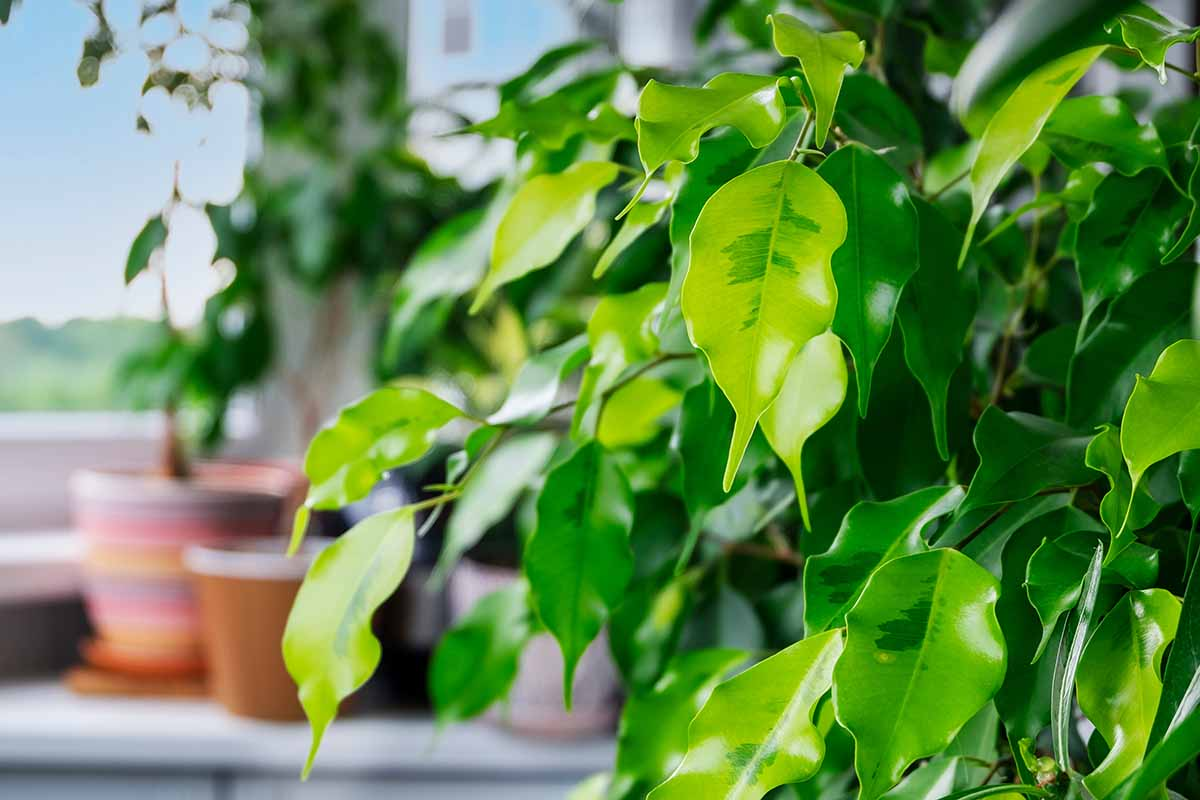
There’s something almost poetic about the way Ficus benjamina, or the weeping fig, graces our indoor spaces. Its glossy leaves shimmer like polished emeralds, cascading elegantly from arching branches. Yet, beneath this serene beauty lies a plant prone to an array of pest problems, each posing a unique challenge to its caretaker. So, how do you ensure your weeping fig maintains its majestic presence without succumbing to these tiny adversaries? Let’s dive into the world of the most common pests that trouble Ficus benjamina and discover effective strategies to combat them.
Common Pests of Ficus benjamina
Spider Mites: The Tiny Web Weavers
Spider mites might be small, but their impact can be monumental. These tiny creatures are fond of warm, dry conditions and are notorious for spinning fine webbing over the leaves of your beloved weeping fig. You might notice tiny speckles on the foliage—an early sign of their feeding activity.
방제 방법:
- 검사: 식물의 잎과 줄기에 보이는 얇은 거미줄과 점무늬를 정기적으로 확인하세요.
- 습도 올리기: 거미응애는 습한 환경을 싫어하므로 식물 주변 습도를 높이세요. 간단한 잎 분무로도 억제가 가능합니다.
- 살충 비누: 살충 비누 용액을 만들어 7–10일마다 잎에 직접 분무하세요. 이 자연 요법은 유익한 곤충에 피해를 주지 않으면서 효과적입니다.
Scale Insects: The Sticky Saboteurs
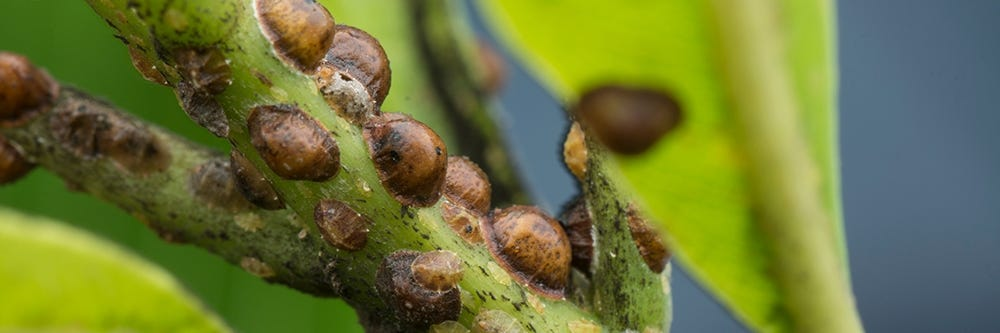
Scale insects are sneaky, often going unnoticed until the damage is done. They appear as small brown bumps on stems and leaves and excrete a sticky substance known as honeydew, which can invite sooty mold.
방제 방법:
- 수동 제거: 손톱이나 오래된 칫솔로 응애나 비늘벌레를 부드럽게 긁어 제거하세요.
- 니임 오일: 니임 오일을 규칙적으로 처리하면 성충과 유충 모두를 통제하는 데 도움이 됩니다.
- 지속성: 해충이 완전히 사라질 때까지 매주 처리를 계속하세요.
Mealybugs: The Cottony Menace
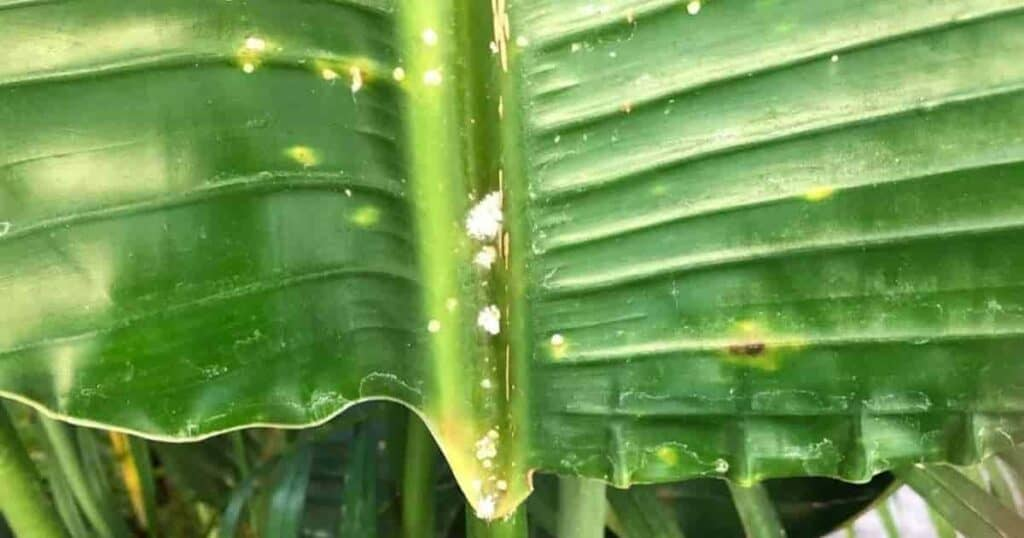
These pests are easy to spot with their cotton-like appearance. Mealybugs suck sap from the plant, leading to weakened growth and leaf drop.
방제 방법:
- 알코올 솜질: 면봉에 소독용 알코올을 적셔 개별 벌레를 찍어 제거하세요.
- 격리: 감염된 식물은 다른 식물과 분리해 확산을 막으세요.
- 원예용 오일: 식물 표면 전체에 골고루 도포해 이 해충을 질식시키는 원예용 오일을 사용하세요.
Whiteflies and Thrips: The Flighty Invaders
Whiteflies and thrips may not be as common, but they can be just as damaging. Whiteflies are visible as small, white flying insects, while thrips are much smaller and harder to detect, often appearing as tiny black dots.
방제 방법:
- 노란 접착 트랩: 날아다니는 성충을 잡는 데 도움이 됩니다.
- 살충 비누: 잎의 뒷면 등 이 해충이 숨어있는 부위를 중심으로 살충 비누를 분무하세요.
- 지속적 관찰: 정기적인 점검과 신속한 대응이 이들 해충을 관리하는 핵심입니다.
Preventive Measures for Healthy Ficus benjamina
Environmental Control
- Lighting: Ensure your weeping fig receives bright, indirect light. Avoid sudden changes in light conditions to prevent stress-induced leaf drop.
- Temperature and Humidity: Maintain a stable environment with temperatures between 16–24°C (61–75°F) and moderate humidity levels. Avoid drafts and sudden temperature changes.
Watering and Care
- Consistent Watering: Water your Ficus when the top 2.5–5 cm (1–2 in) of soil feels dry. Overwatering can lead to root rot, while underwatering can stress the plant, making it more susceptible to pests.
- Regular Inspection: Make it a habit to examine your plant for signs of pests or disease, focusing on the undersides of leaves and the junctions of stems and leaves.
Cultural Practices
- Pruning: Trim any dead or infested growth promptly, disposing of it away from other plants.
- Soil and Pot: Use well-draining potting soil and ensure your pot has drainage holes to prevent waterlogging.
By understanding the challenges your Ficus benjamina might face and preparing a robust defense strategy, you can keep your plant thriving and lush. Remember, a healthy and happy weeping fig is not only a visual delight but also a testament to your dedication and care. Whether your fig is gracing a cozy corner of your living room or standing tall in a bustling office, let it be a symbol of stability, resilience, and the tranquil beauty of nature brought indoors.