
Cultivating Pomegranates in Pots: A Juicy Adventure for Indoor Gardeners
Imagine the delight of plucking a ripe, ruby-red pomegranate right from your living room. It’s not just a dream—growing pomegranates indoors is a vibrant reality for many plant enthusiasts! Whether you’re a city dweller with limited outdoor space or simply prefer the coziness of indoor gardening, cultivating Punica granatum in pots is a rewarding venture that brings a splash of color and a taste of the exotic to your home.
Why Pomegranates? The Allure of the Jewel Fruit
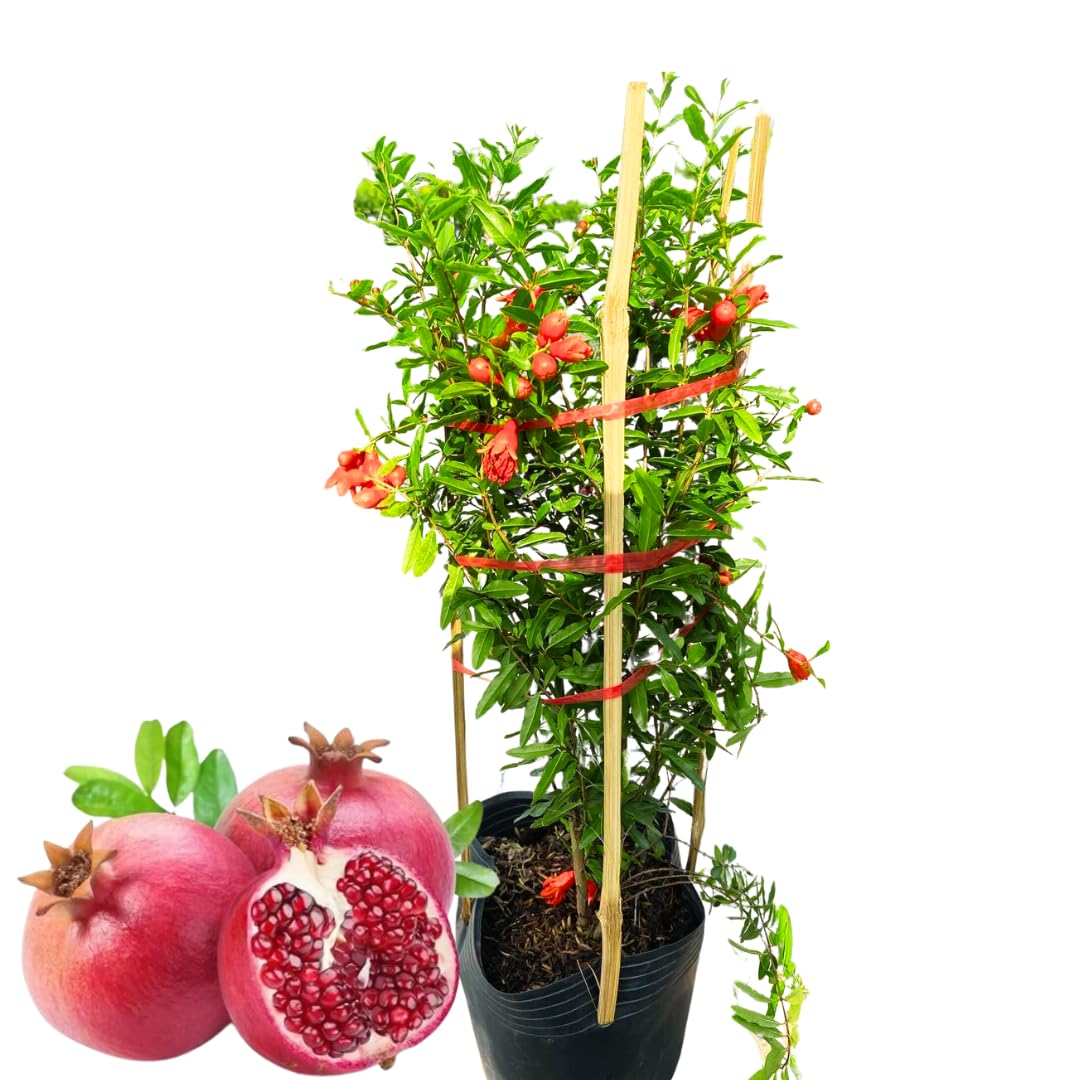
Pomegranates have captured the hearts of gardeners and food lovers alike for centuries. Their glossy leaves and flamboyant orange-red blooms are a feast for the eyes, while the jewel-like arils hidden inside the fruit are a culinary treasure. Historically, these “seeded apples” have been cherished symbols of abundance and prosperity, often featured in art and folklore as emblems of fertility and wealth.
Choosing Your Pomegranate: Go Dwarf or Go Bold?
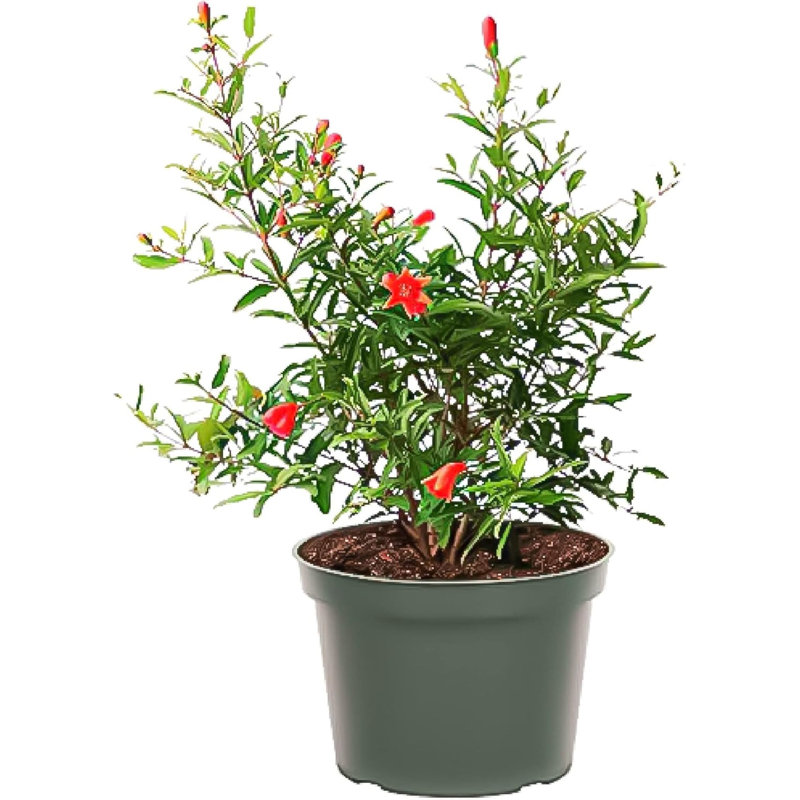
When it comes to indoor gardening, the choice of variety is crucial. Dwarf cultivars like the ‘Nana’ are perfect for indoor pots, offering ornamental beauty with their compact size and vibrant flowers. While their fruits are often small and not particularly palatable, they add a decorative touch to your indoor garden. For those who seek a harvest of juicy arils, varieties like ‘Provence’ and ‘State Fair’ are better suited, offering a balance of beauty and fruitfulness.
Setting the Stage: Pot and Soil Selection
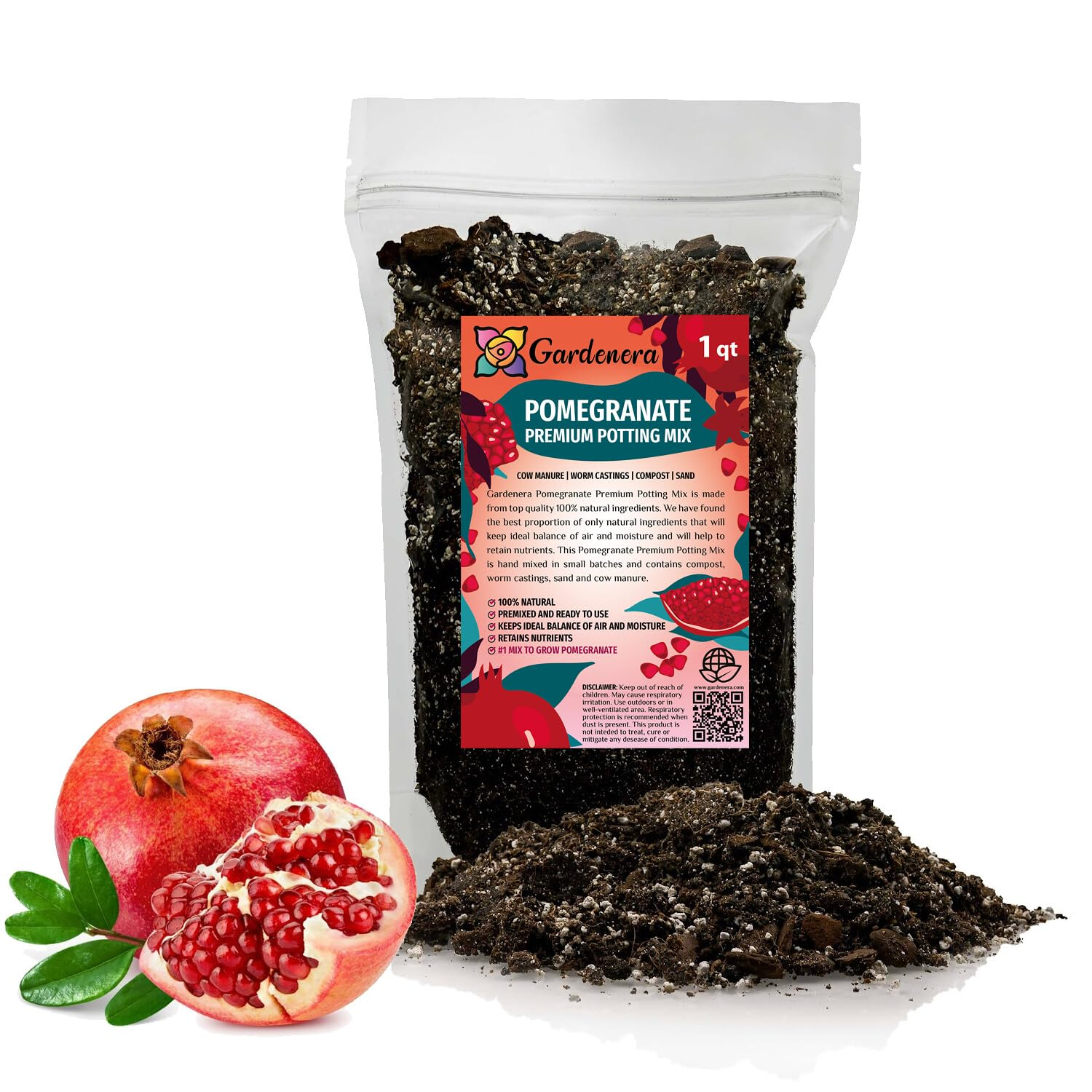
Selecting the right container is your first step towards pomegranate success. Opt for a pot that’s at least 10 gallons in size with excellent drainage. A container that’s wider than it is deep can accommodate the plant’s shallow, spreading root system. The soil should be a loose, airy mix—think well-draining potting soil with added grit or coarse sand to prevent waterlogging, which these plants detest.
Light, Heat, and Humidity: Creating the Perfect Microclimate
Pomegranates are sun worshippers. To mimic their native sunny climes, place your pot in the brightest spot available—ideally a sunny east or south-facing window. They thrive best in temperatures ranging from 10 to 25°C (50 to 77°F), and while they can tolerate some cold, hard freezes can be damaging. Indoors, they appreciate dry to average humidity, so ensure good airflow to prevent fungal issues.
Water Wisely: The Art of Moisture Management
Watering pomegranates is a delicate dance. During their active growth phase in spring and summer, keep the soil evenly moist but never soggy. Allow the top layer to dry slightly between waterings. As the fruits begin to ripen, reduce watering to avoid fruit splitting—a common issue when moisture levels swing dramatically.
Feeding and Pruning: Nurturing Your Miniature Orchard
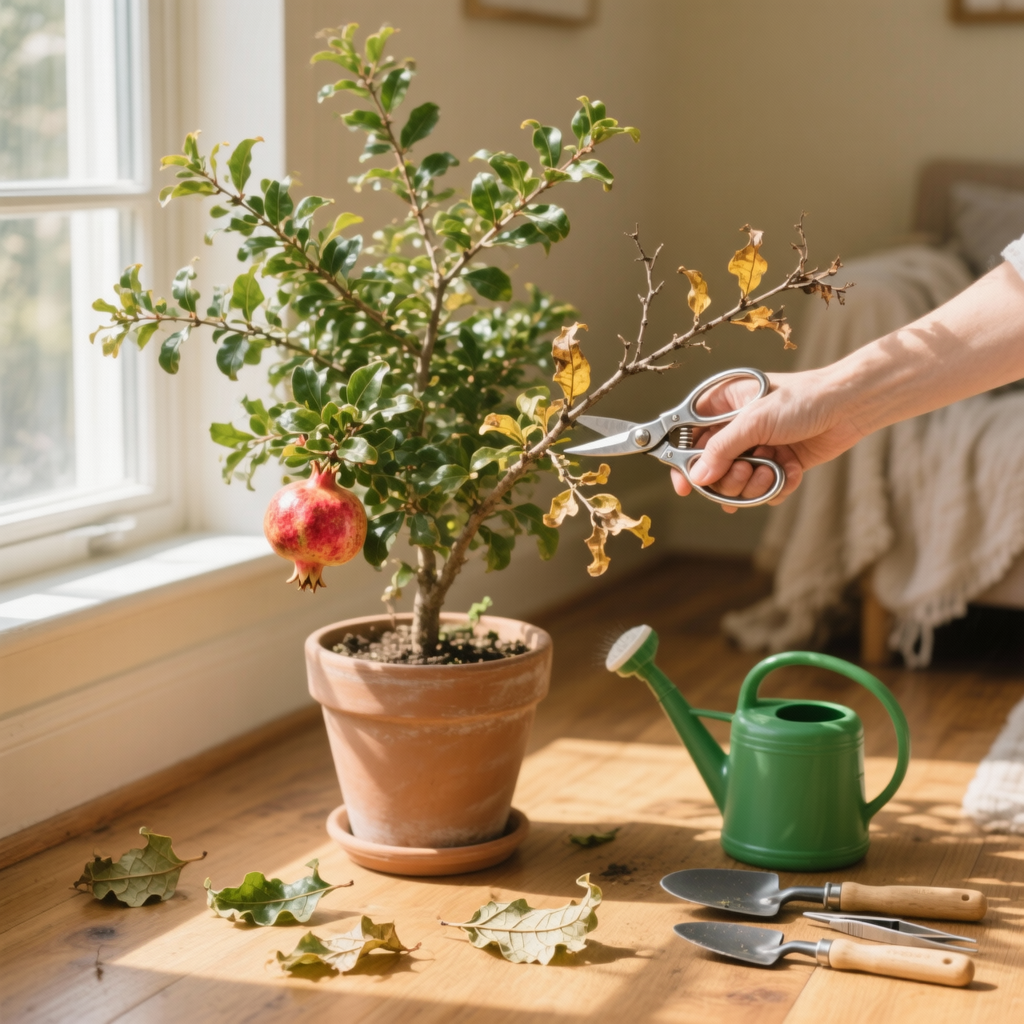
Fertilizing your pomegranate plant is essential for robust growth and fruit production. Use a balanced fertilizer monthly during the growing season, switching to a higher-potash formula when flower buds appear. Pruning helps maintain a tidy shape and encourages better air circulation. In spring, remove any dead or weak stems and pinch back vigorous growth to encourage compactness and flowering.
Overwintering and Repotting: Seasonal Care
As winter approaches and your pomegranate sheds its leaves, move the plant to a cooler, frost-free spot. Water sparingly during dormancy, just enough to keep the roots from drying out. Every 2–3 years, or when the plant becomes root-bound, repot it in fresh soil to provide new nutrients and space for growth.
Troubleshooting Common Issues: Pests, Diseases, and More
Despite their hardy nature, pomegranates can fall prey to pests like aphids and spider mites, especially indoors. Regularly inspect your plant, wash off small infestations, and use horticultural soap if needed. Proper care—adequate light, good airflow, and appropriate watering—keeps most diseases at bay.
The Joy of Indoor Harvesting
With patience and care, your potted pomegranate can reward you with a harvest of luscious arils. Even if your focus remains on the aesthetic appeal of the plant, the journey of growing such a storied and stunning fruit indoors is a joy in itself. Whether you’re savoring the fruits of your labor or simply enjoying the vibrant blooms, a pomegranate in your home is a testament to nature’s bounty and your green-thumb prowess.
So, are you ready to transform your indoor space into a miniature orchard? With these tips and a little bit of love, your pomegranate-growing adventure awaits!