Plant Features
- Size: Up to about 10 m (33 ft) tall; typically a small to medium-sized tree.
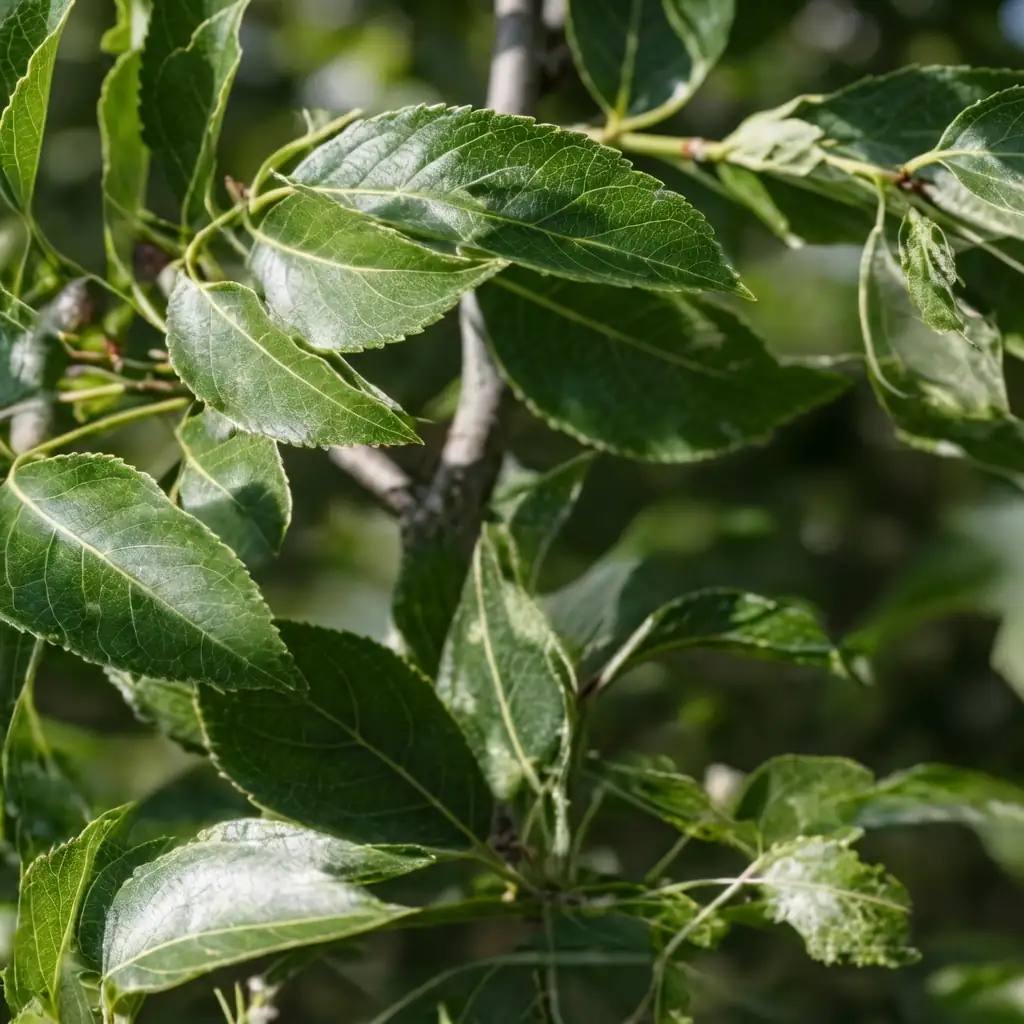
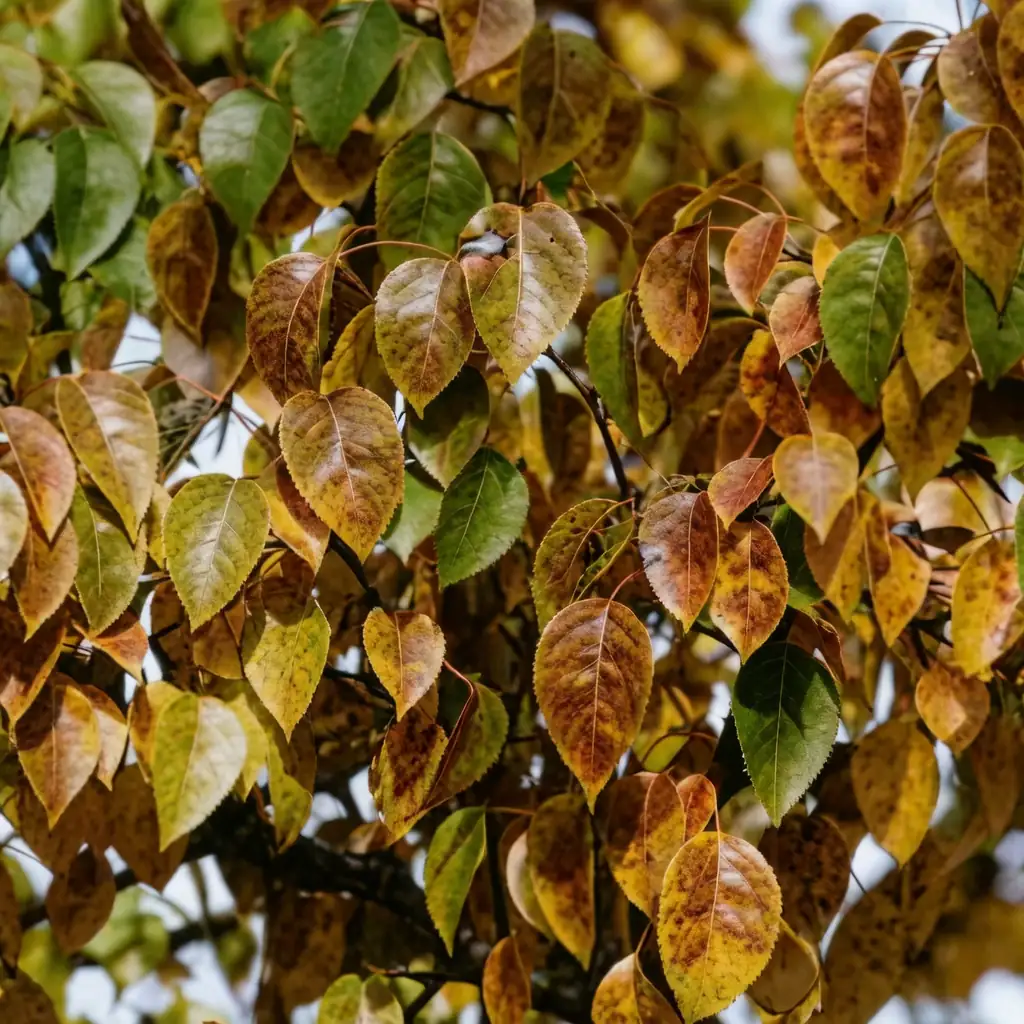
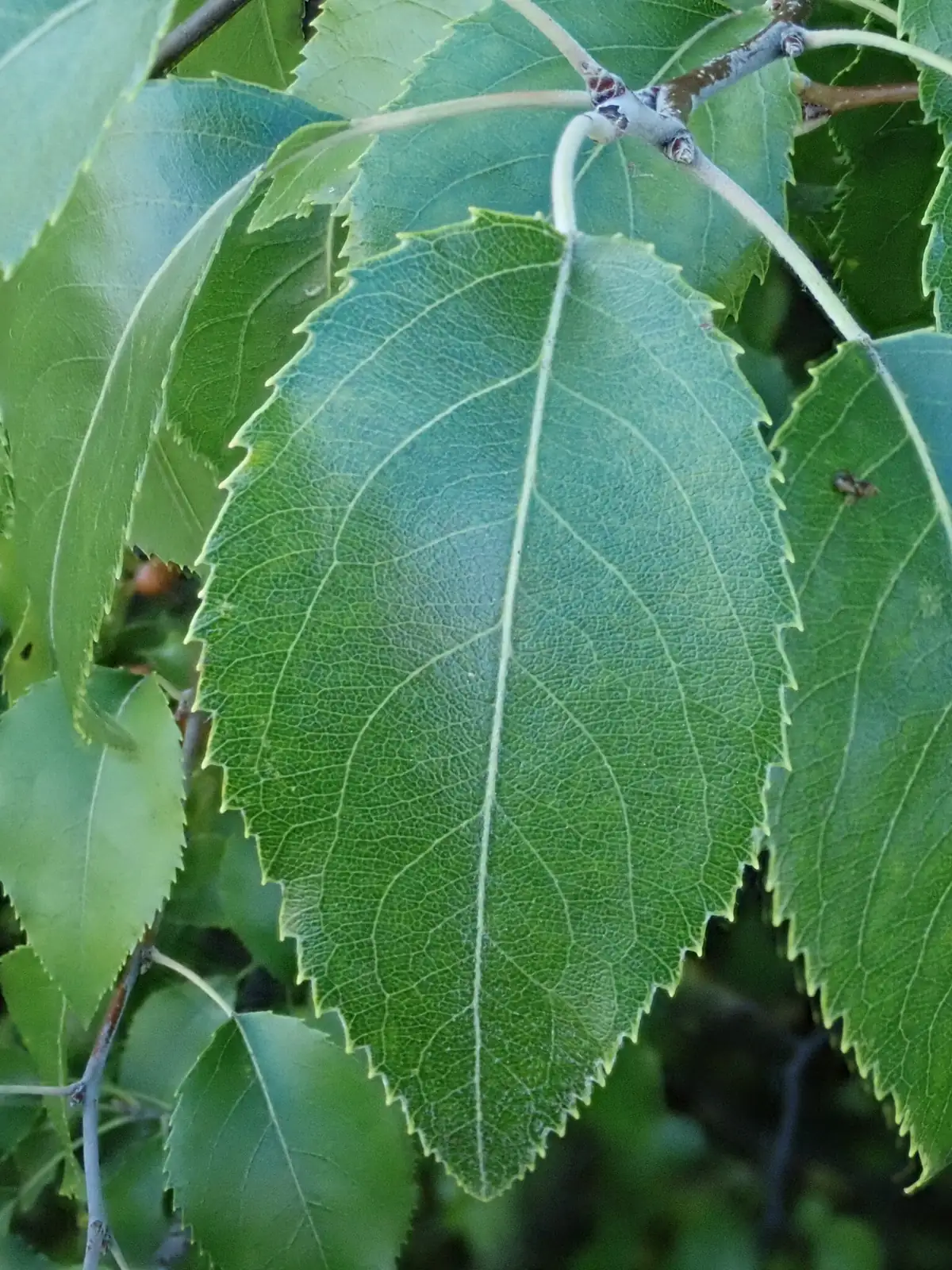
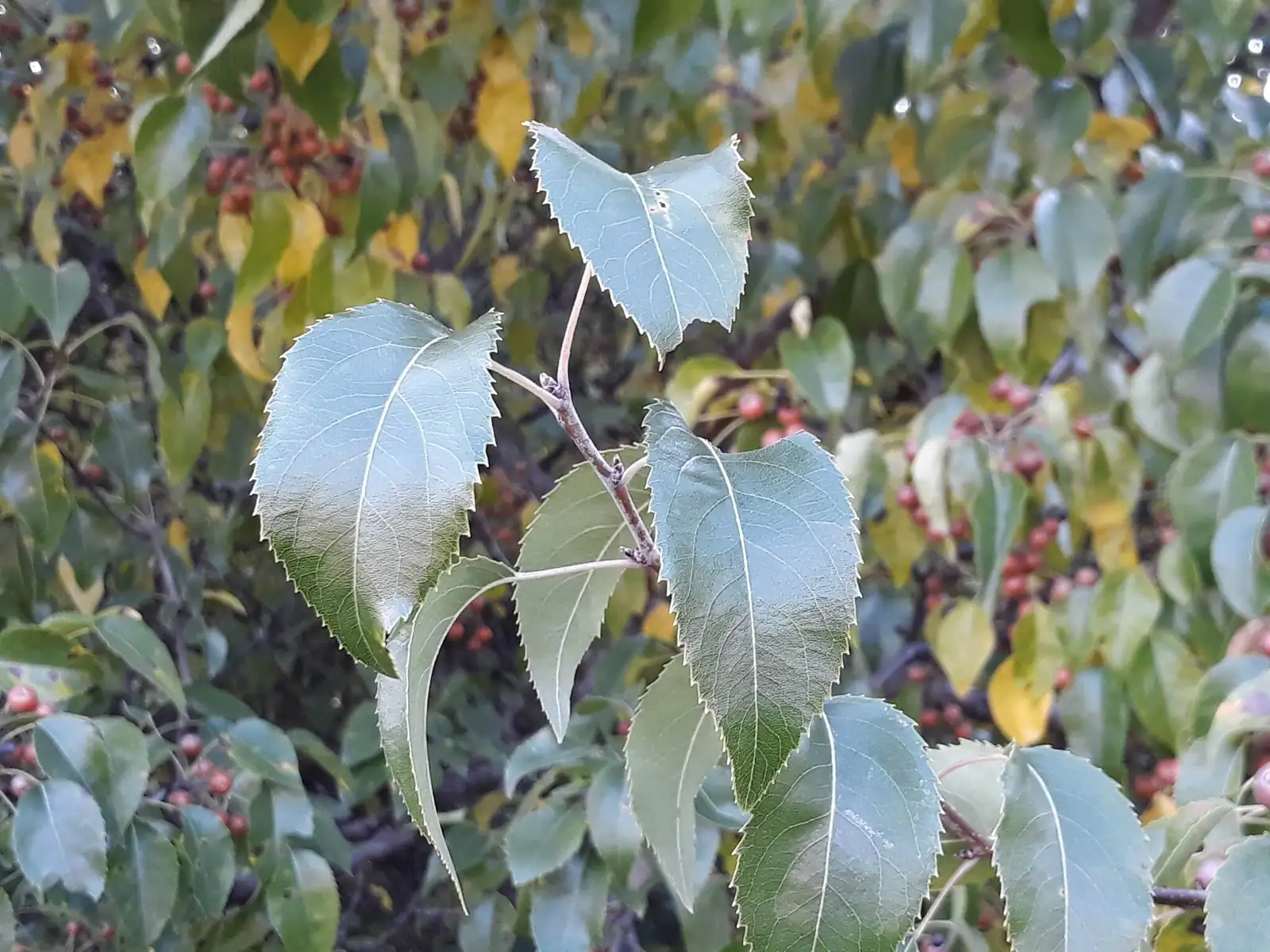
- Foliage: Leaves are rhombic-ovate to oblong-ovate. New growth is especially distinctive: young leaves are densely covered on both sides with gray-white felted hairs, and the leaf stalks are also gray-white hairy, giving a soft, silvery look early in the season.
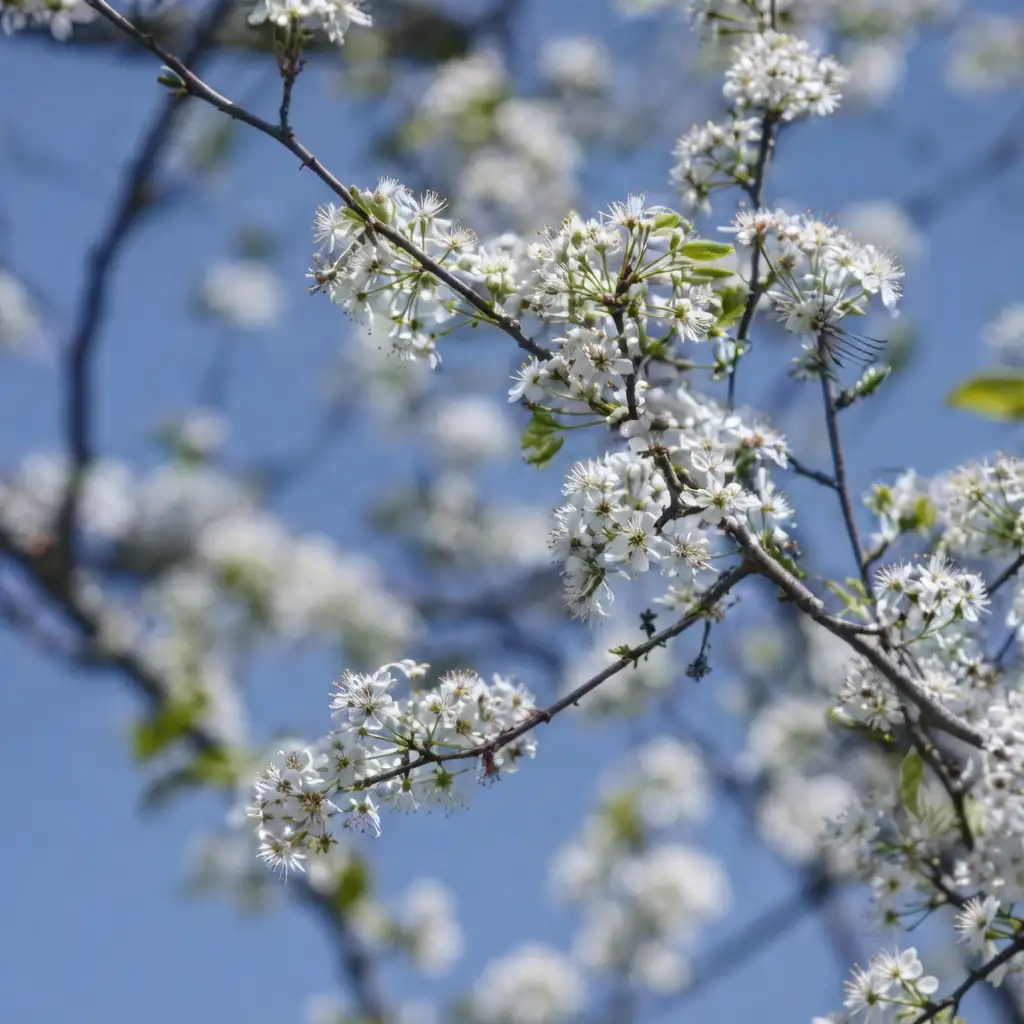
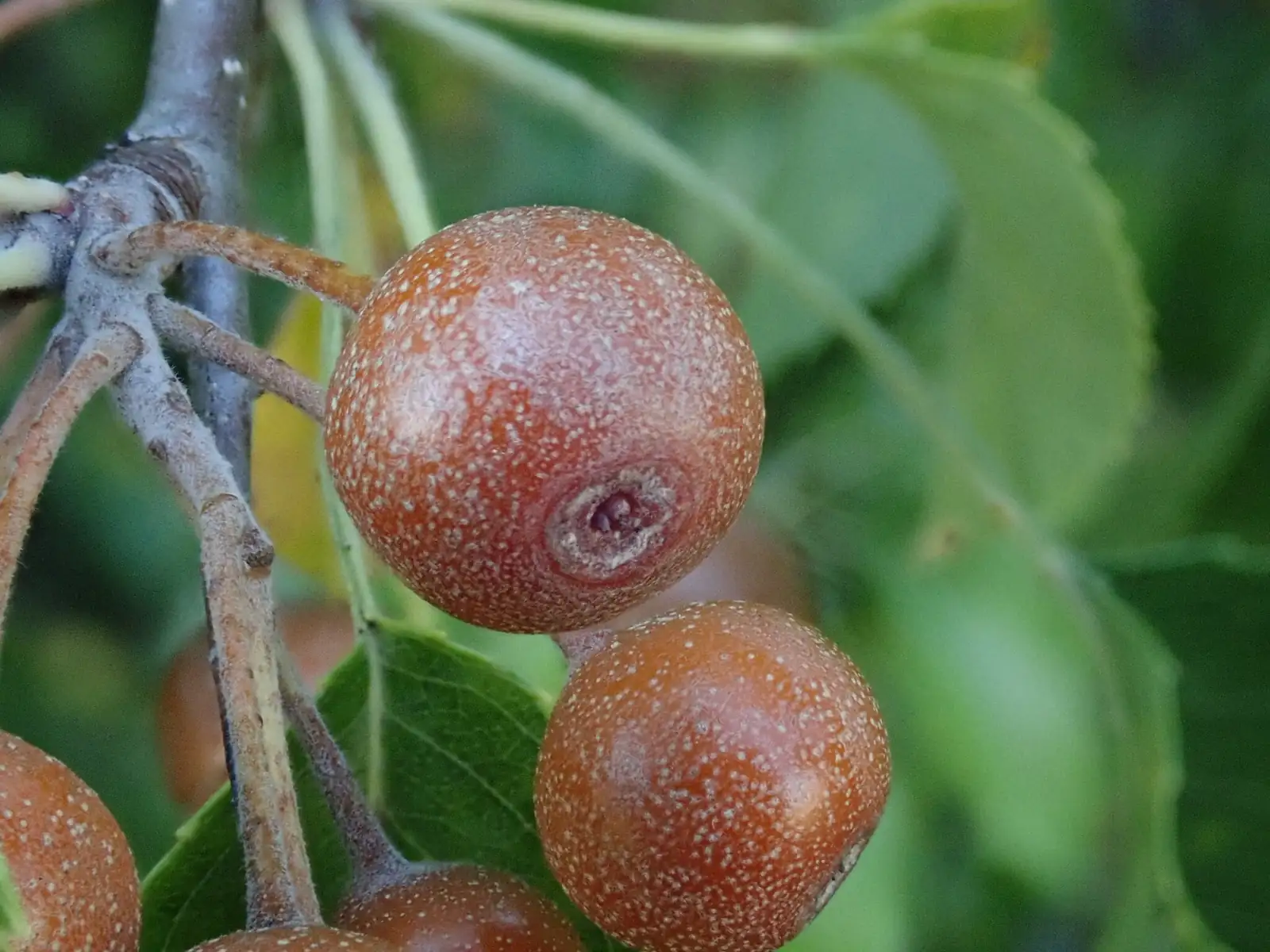
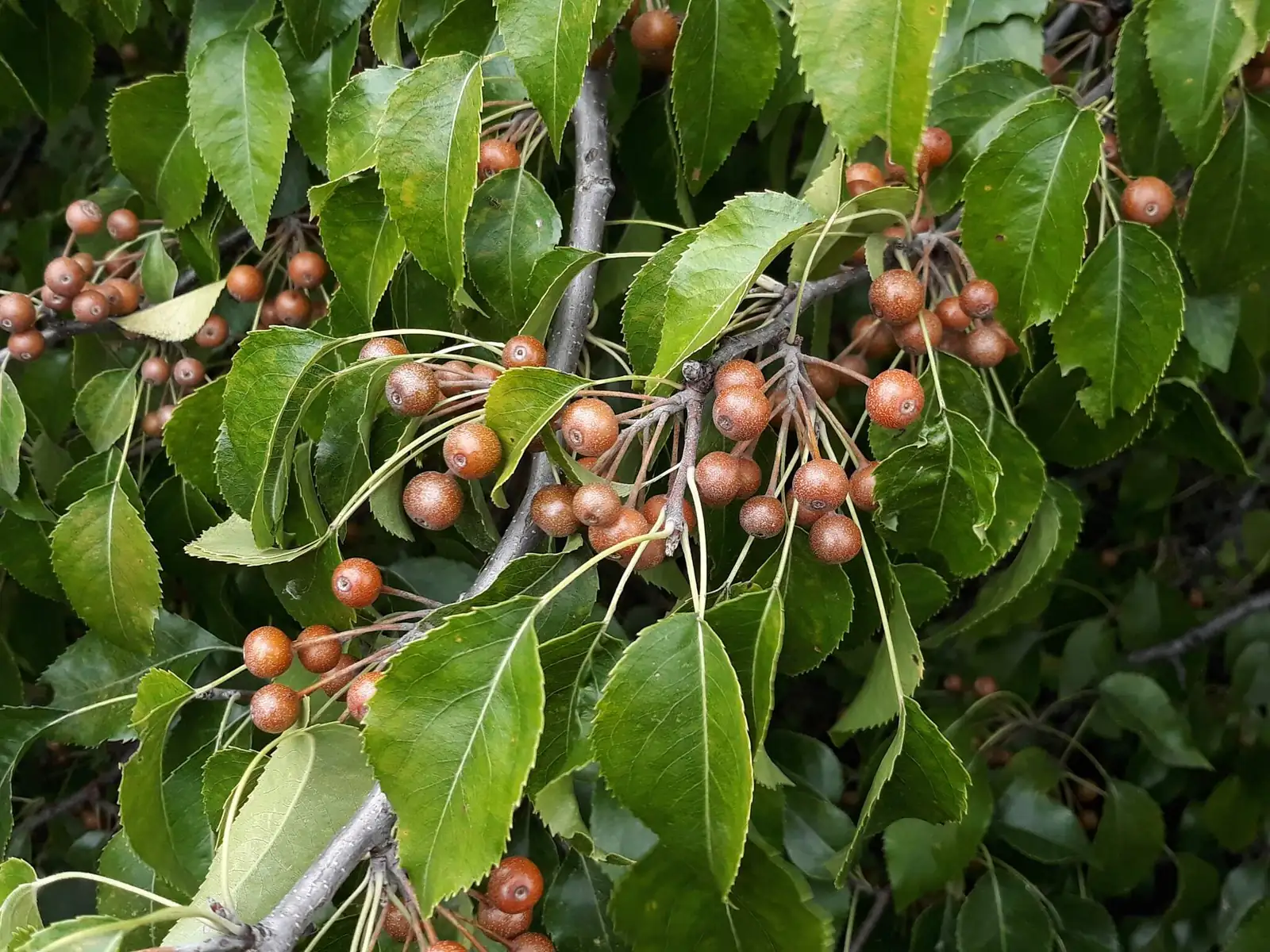
- Flower: Flowers are borne in corymb-like clusters on gray-white hairy stalks. Petals are white and the anthers are purple. Fruits are nearly spherical, brown, and marked with paler speckles.
- Flowering Season: April
- Growth Habit: Deciduous tree with an upright woody habit; branches often bear thorns.
Environment
Sunlight
Full sun (best flowering and fruiting in bright, open sites).
Temperature
Cold-hardy; performs well in regions with cold winters (minimum temperature tolerance varies by local provenance).
Humidity
Drought-tolerant once established, yet can tolerate periodic waterlogging; avoid permanently stagnant, oxygen-poor soil conditions.
Soil
Very adaptable. Prefers well-drained soil but tolerates poorer sites; can grow in neutral soils and is notably tolerant of saline-alkaline soils.
Placement
Outdoors in full sun—ideal for streetscapes, parks, courtyards, windbreak/shelterbelt plantings, and ecological restoration or conservation sites (especially on saline-alkaline ground).
Hardiness
Commonly grown in temperate regions; roughly USDA Zone 4-8 (depending on provenance).
Care Guide
Difficulty
Easy; highly adaptable and generally low-maintenance once established.
Buying Guide
Choose healthy, well-rooted young trees with a straight leader and intact bark. Avoid seedlings with cankers, dieback, heavy pest load, or obvious container issues like circling/pot-bound roots.
Watering
Water consistently through the first growing season to establish a deep root system. Once established, it usually needs water only during extended drought. It can handle short-term wetness, but avoid chronically waterlogged soils; reduce watering in cool seasons.
Fertilization
Often needs little feeding in average ground. If growth is weak, apply a balanced slow-release fertilizer in spring. Avoid heavy nitrogen, which can push soft, overly lush growth and reduce flowering.
Pruning
Prune in late winter to early spring while dormant. Remove dead, damaged, crossing, or crowded branches and maintain a strong structure. Wear protection—branches may be thorny.
Propagation
Commonly grown from seed (often for rootstock), and also used via grafting/budding to support selected pear cultivars. Seed typically benefits from cold stratification to germinate reliably.
Repotting
Not usually a long-term container plant. If temporarily container-grown, pot up before it becomes root-bound, then plant out when outdoor conditions are suitable.
📅 Seasonal Care Calendar
Spring: watch flowering and new growth; lightly feed only if needed. Summer: water during drought and monitor pests. Late summer–autumn: fruits ripen around August–September; cooler weather is suitable for planting/transplanting. Winter: do structural pruning during dormancy.
Pests, Diseases & Safety
Common Pests & Diseases
May face pear psylla, aphids, scale insects, caterpillars, and foliar diseases like pear scab or rust; in some regions, fire blight can be a concern. Improve airflow, avoid overhead watering, remove infected debris, and use targeted treatments when needed.
Toxicity
Not known to be toxic to people or pets. Main safety issue is mechanical: thorns can cause puncture injuries. Fruits are often astringent when raw and are not typically grown for fresh-eating quality.
Culture & Symbolism
Symbolism: Often linked with resilience and endurance—an ornamental and ecological “tough survivor” that keeps going where other trees struggle.
History & Legends: In northern China it has long been valued as a hardy pear relative, widely used as rootstock material and as a reliable tree for ecological plantings where cold, drought, or difficult soils make other choices fail.
Uses: A practical landscape and conservation tree: used for streets, courtyards, and parks, and widely planted in saline-alkaline areas for shelterbelts, windbreaks, and soil-and-water conservation.
FAQ
When does it flower?
Typically in April.
When does it fruit?
Fruits usually ripen in August–September.
How tall can Birchleaf Pear grow?
Up to about 10 m (33 ft).
Where is it native and what habitats does it prefer?
It’s native to northern and central China and is commonly found on sunny slopes and open plains.
What conditions does it tolerate?
It prefers full sun and tolerates cold, drought, periodic waterlogging, poor soils, and saline-alkaline conditions.
Fun Facts
- Its young leaves can look surprisingly silvery thanks to dense gray-white hairs.
- The flowers combine white petals with purple anthers—small details that really pop up close.
- It’s tough enough to be planted in saline-alkaline ground where many trees struggle.
- Branches often develop sharp thorns, making it naturally “self-defending.”
- The fruits are small, round, brown, and dotted with paler speckles—almost like they’ve been lightly freckled.