Plant Features
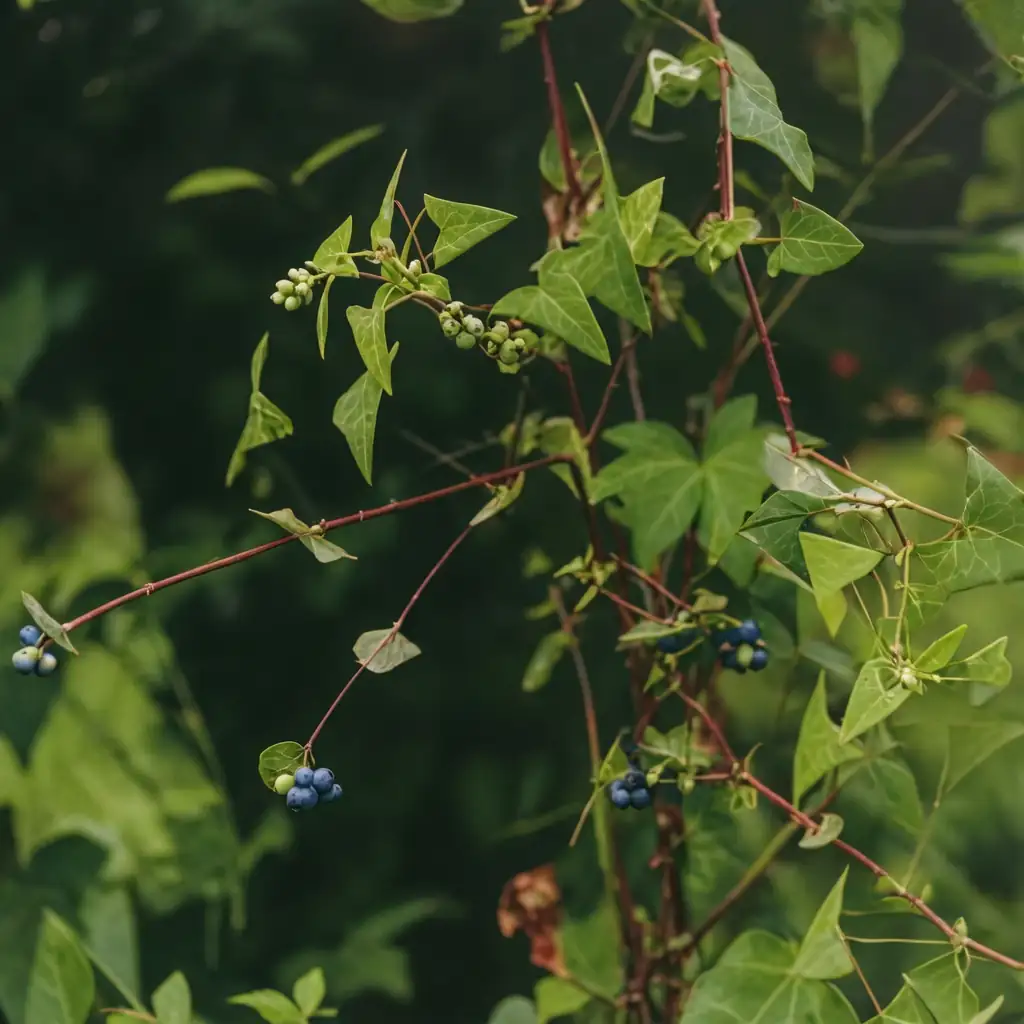
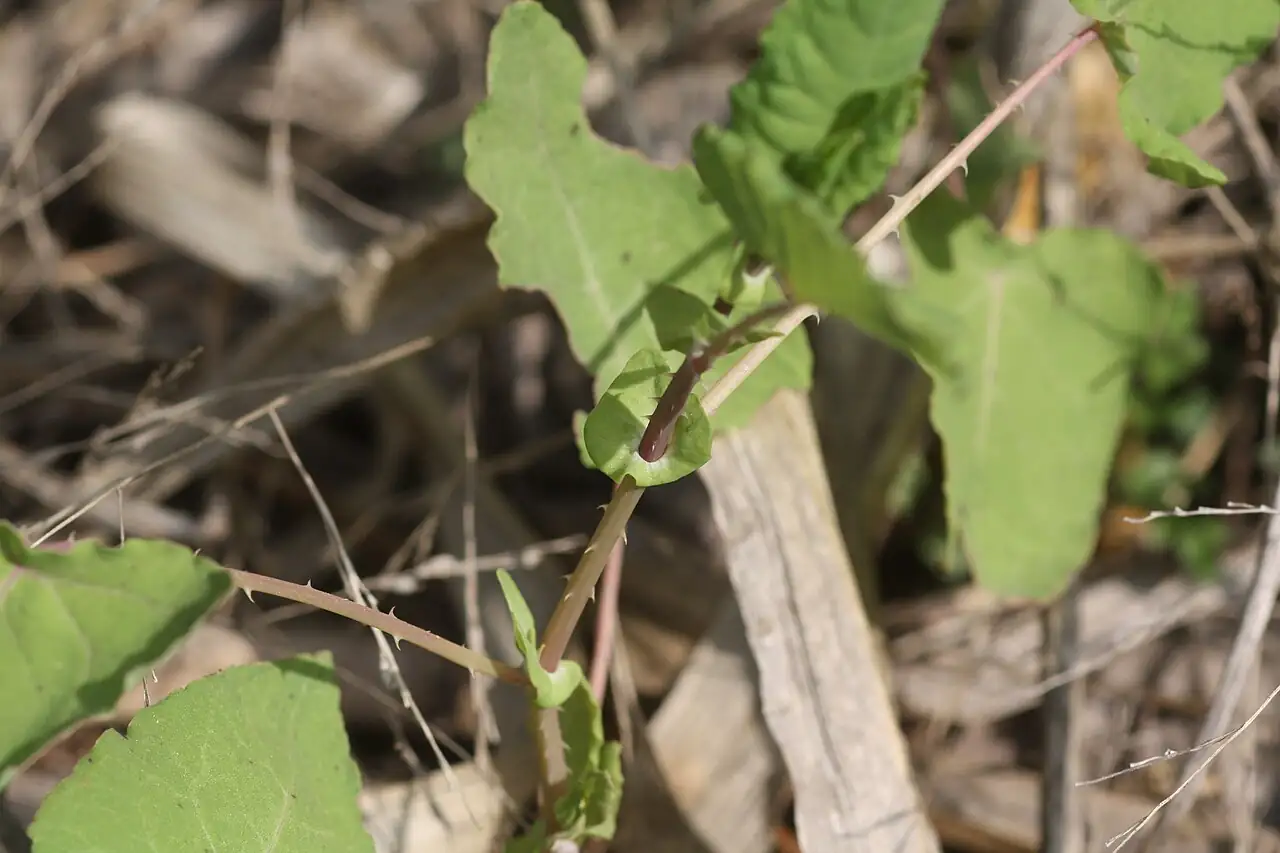
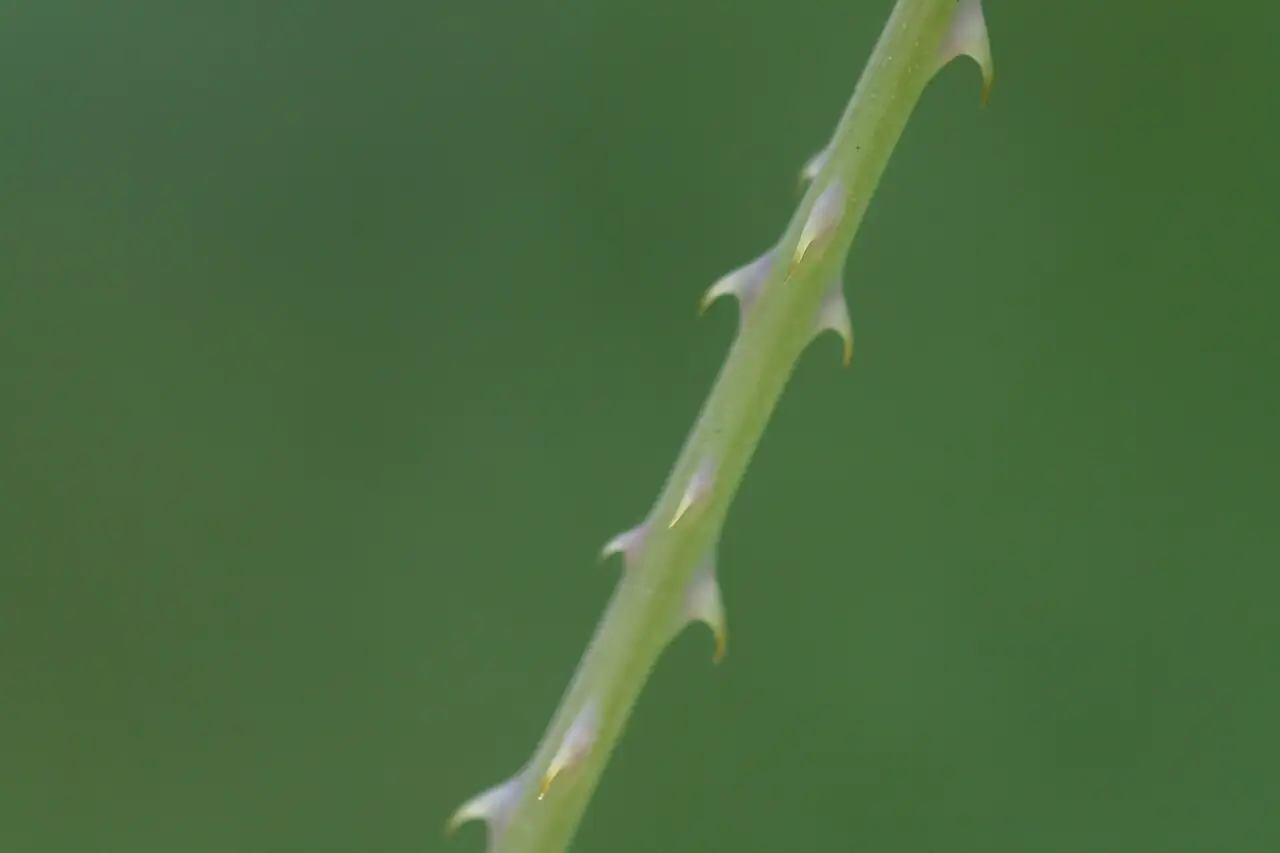
- Size: Climbing, much-branched stems typically 1–2 m (3.3–6.6 ft) long; stems are ridged and carry sparse, backward-pointing prickles along the ridges.
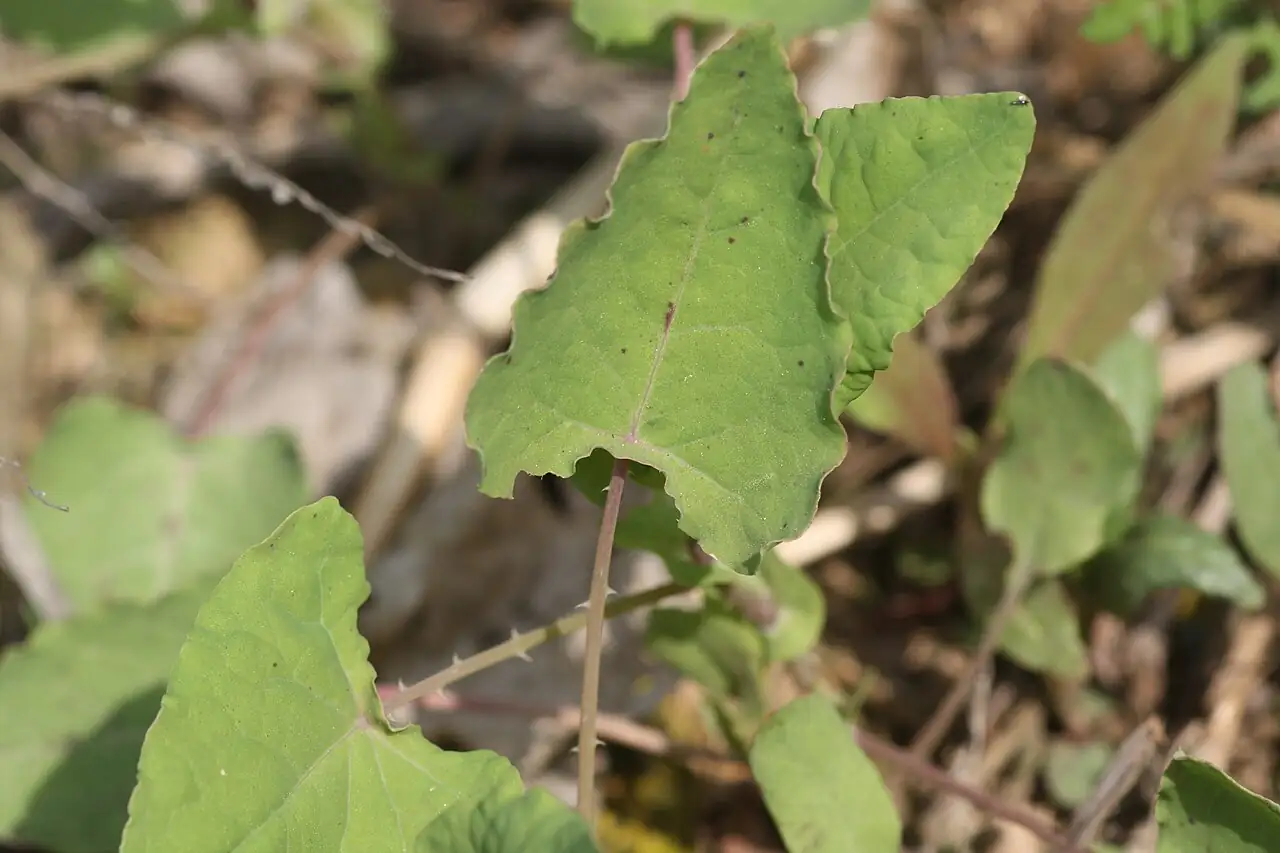
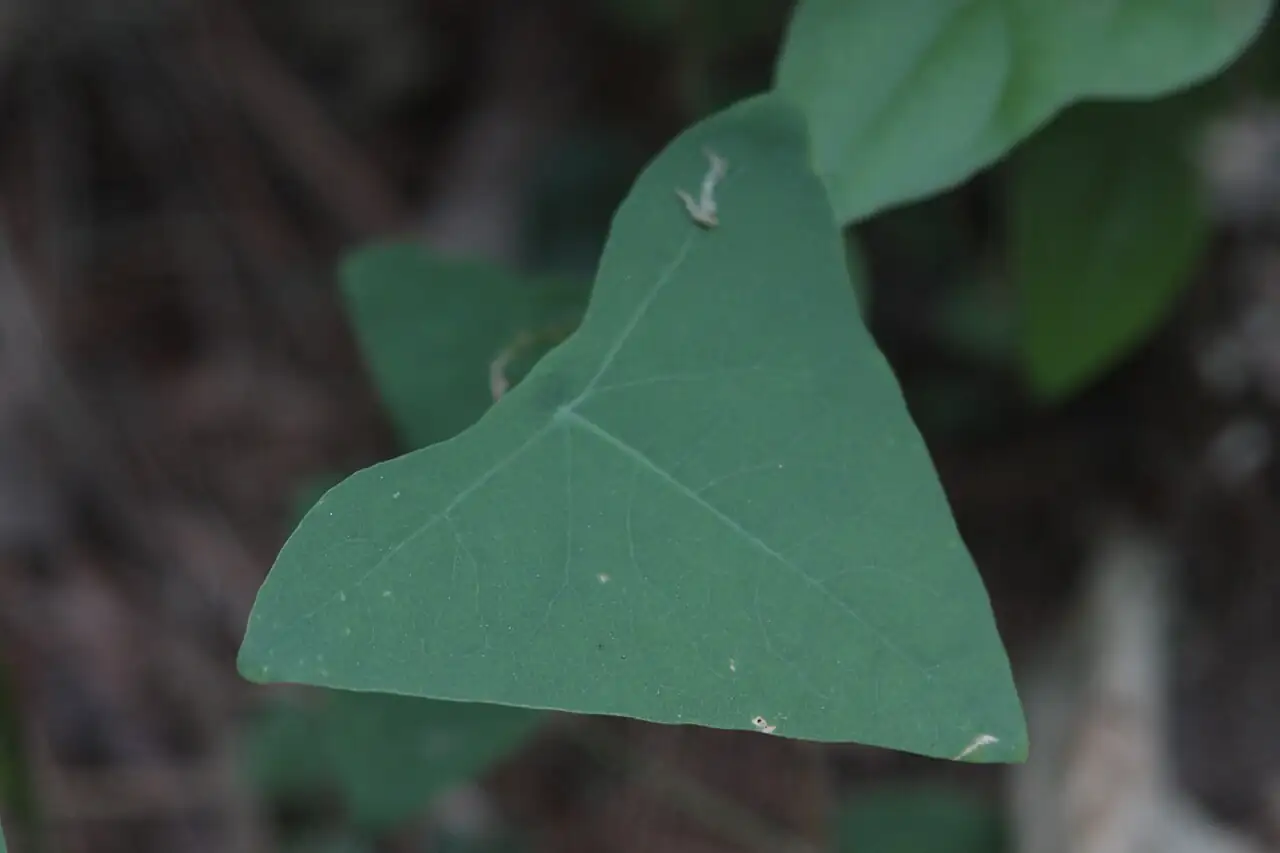
- Foliage: Leaves are triangular to arrowhead-like; as it climbs, the foliage can knit together into a dense, smothering cover over surrounding vegetation.
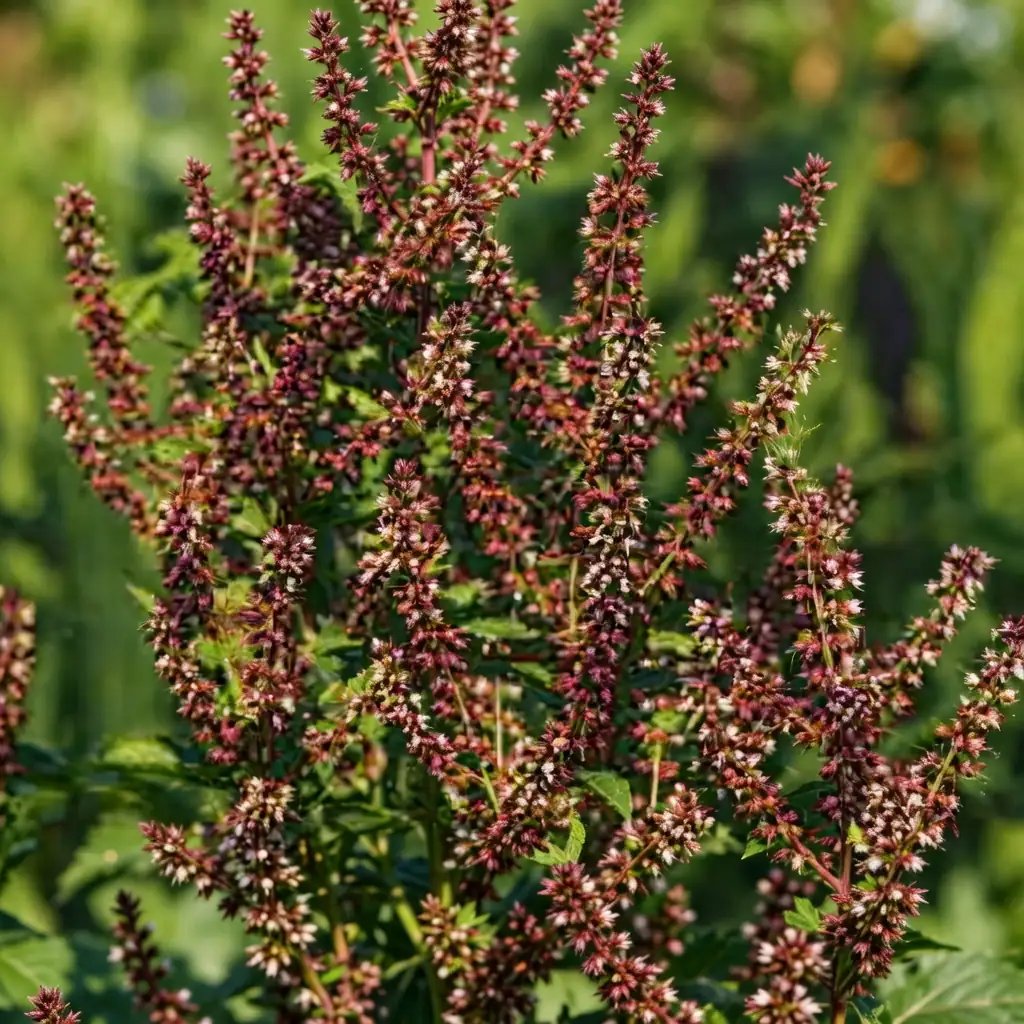
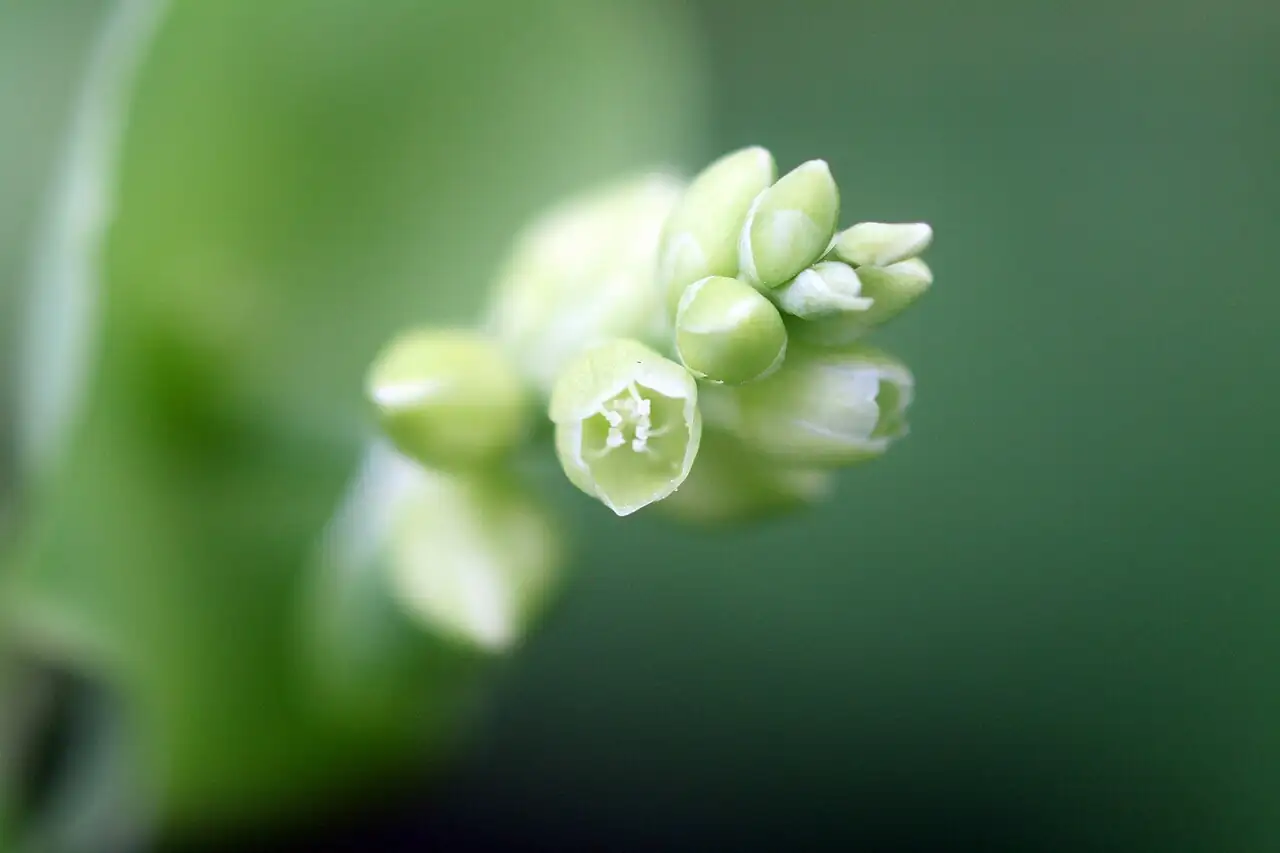
- Flower: Flowers are borne in short, spike-like, unbranched racemes at shoot tips or in leaf axils. After flowering, rounded achenes develop and ripen to glossy black; the fruits are enclosed by persistent floral parts.
- Flowering Season: June–August
- Growth Habit: Annual climbing herb/vine; scrambling, branching growth with small recurved prickles that help it hook onto other plants.
Environment
Sunlight
Full sun to light shade; grows most vigorously in sunny, warm sites.
Temperature
Warm-season growth; best around 20–30°C (68–86°F). Frost sensitive; dies back with hard frost.
Humidity
Prefers humid to moderately moist conditions; especially common in moist habitats and along waterways.
Soil
Adaptable, but does best in deep, fertile sandy loam with consistent moisture and good drainage.
Placement
Outdoor naturalized settings such as field edges, roadsides, valleys, ditches, and wetland margins; generally not recommended for small gardens because it can rapidly overtop and smother other plants.
Hardiness
Annual; not frost hardy. Typically behaves as a warm-season annual (about USDA Zone 6–9 as a growing-season plant), but is winter-killed by freezing temperatures.
Care Guide
Difficulty
Very adaptable and extremely vigorous—easy to grow, but potentially hard to control where it isn’t wanted (and regulated as invasive in some regions).
Buying Guide
If you ever encounter it for sale, in seed mixes, or offered as an “edible wild green,” check local rules first—this species is invasive in some countries and regions. Choose only healthy, pest-free material, and avoid introducing it to gardens where it could escape.
Watering
Keep soil evenly moist during active growth. In the ground, it often needs little extra water in humid/wet sites, but prolonged drought will slow growth.
Fertilization
Usually unnecessary in fertile soil. If grown intentionally, a light balanced feed in spring to early summer can increase growth—though overfeeding can make it even harder to manage.
Pruning
Cut back or remove vines promptly to prevent it from smothering neighboring plants. Remove before fruit set to reduce self-seeding. Wear gloves to avoid scratches from the prickles.
Propagation
Primarily by seed. For control, prevent flowering and fruiting; bag and dispose of fruiting stems responsibly so seeds aren’t spread.
Repotting
Not commonly kept as a container plant. If grown in a pot for observation, use a deep container, refresh soil as needed, and remove the plant before it sets seed.
📅 Seasonal Care Calendar
Spring: seedlings emerge and begin climbing. Summer (June–August): flowering; control is easiest before flowers and fruit develop. Late summer–autumn (July–October): fruits mature; remove plants to prevent seed dispersal. Winter: plants die after frost; manage any remaining seed bank the following season.
Pests, Diseases & Safety
Common Pests & Diseases
Generally robust. If growth becomes very dense and airless, fungal problems can show up; improve airflow and avoid unnecessary overhead watering if cultivating.
Toxicity
No widely accepted, well-established toxicity to humans or pets is documented, but the plant can cause scratches due to prickles. As with any wild-harvested plant, avoid collecting from roadsides or polluted wetlands, and do not eat unless you are confident in identification and the site is clean.
Culture & Symbolism
Uses: Used in some areas as a wild edible vegetable, as a high-quality forage plant for poultry and livestock, and in traditional medicinal practices. (Edibility and use vary by region—always verify identification, safety, and local guidance.)
FAQ
Why is it called “mile-a-minute weed”?
In warm weather it can grow and climb astonishingly fast, quickly scrambling over shrubs and other plants and forming dense mats that seem to spread almost overnight.
How can I prevent it from spreading?
Remove plants early and consistently—especially before they flower and set the glossy black fruits. Bag and dispose of any fruiting material to keep seeds from spreading.
Fun Facts
- It can form a dense green blanket over other plants, thanks to its fast growth and climbing habit.
- The stems have small backward-pointing prickles that act like hooks, helping the vine latch onto surrounding vegetation.
- Its rounded fruits ripen to a glossy black and are enclosed by persistent floral parts.
- In its native range it’s often found in humid to semi-humid places like wetland margins, ditches, valleys, roadsides, and field edges.
- It’s used in some regions as a wild vegetable, forage, and in traditional herbal practices—yet it can be a serious nuisance where it escapes cultivation.