Plant Features
- Size: Typically 1–2 m (3–6.5 ft) tall with a similar spread, depending on cultivar and pruning.
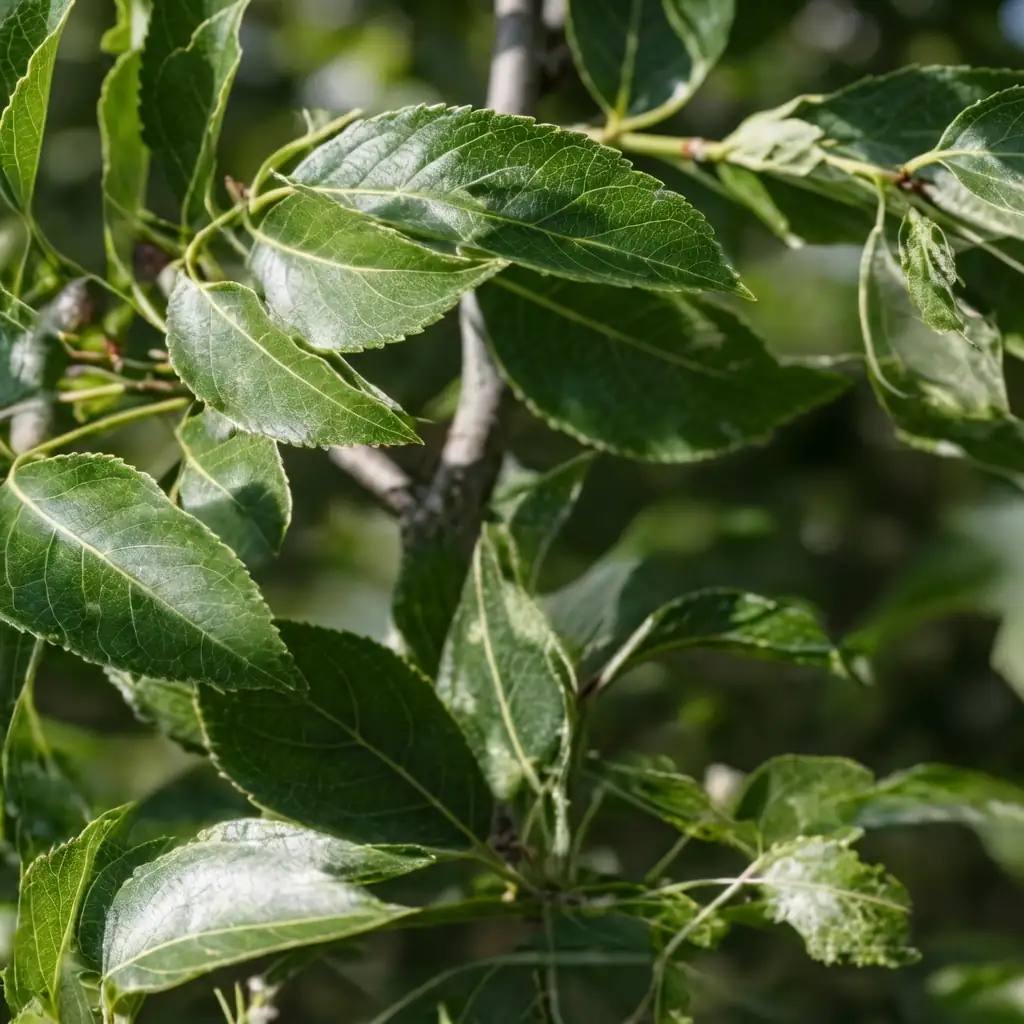
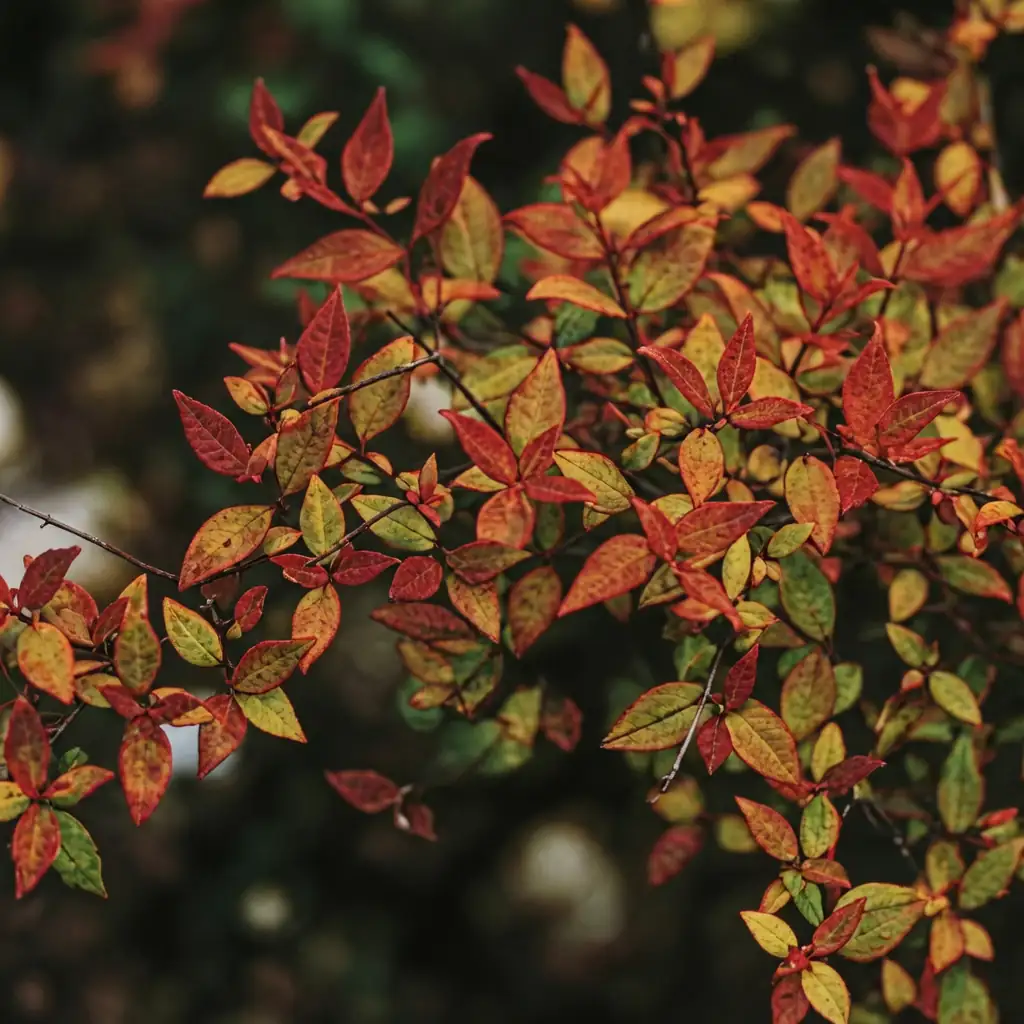
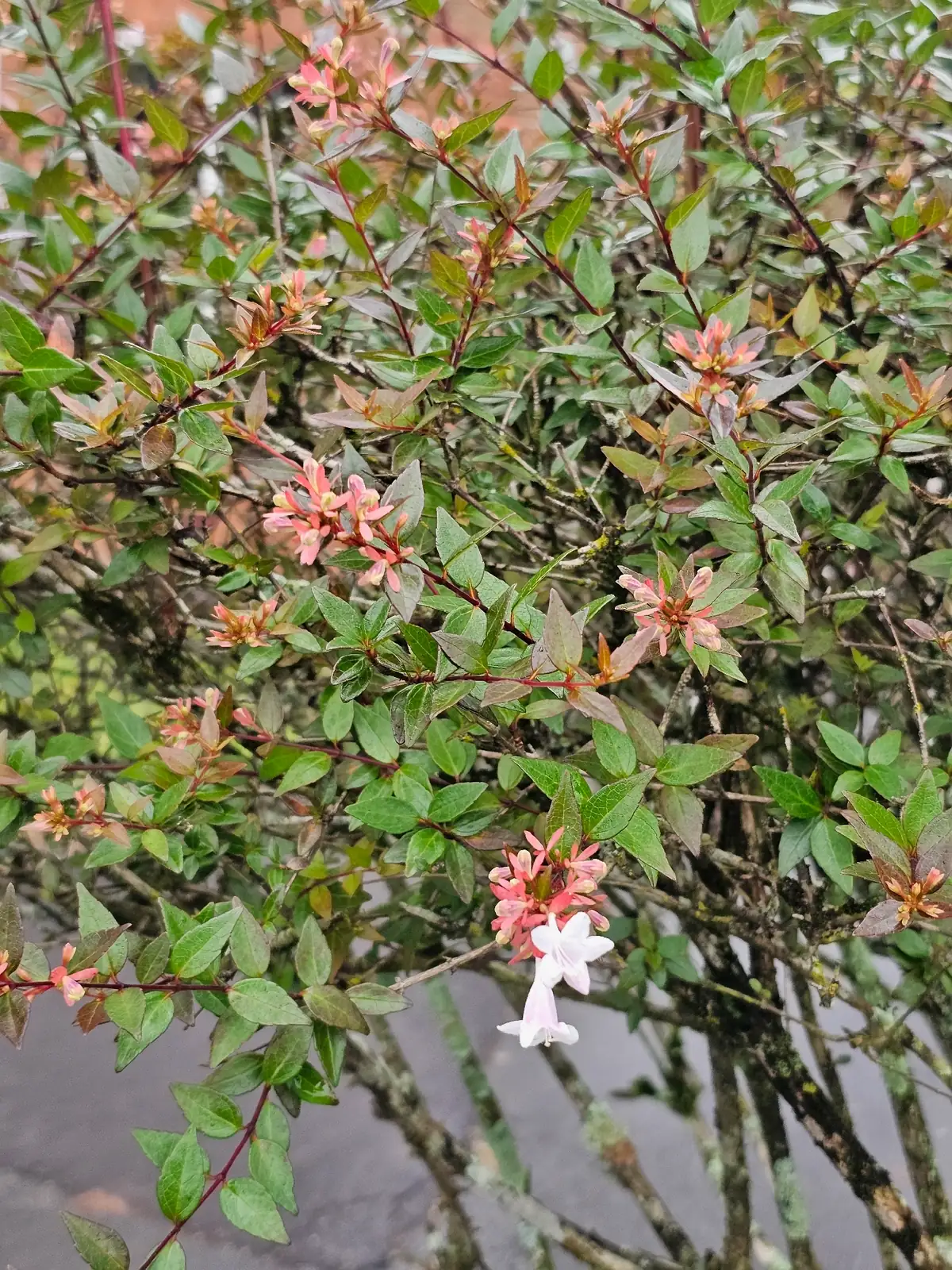
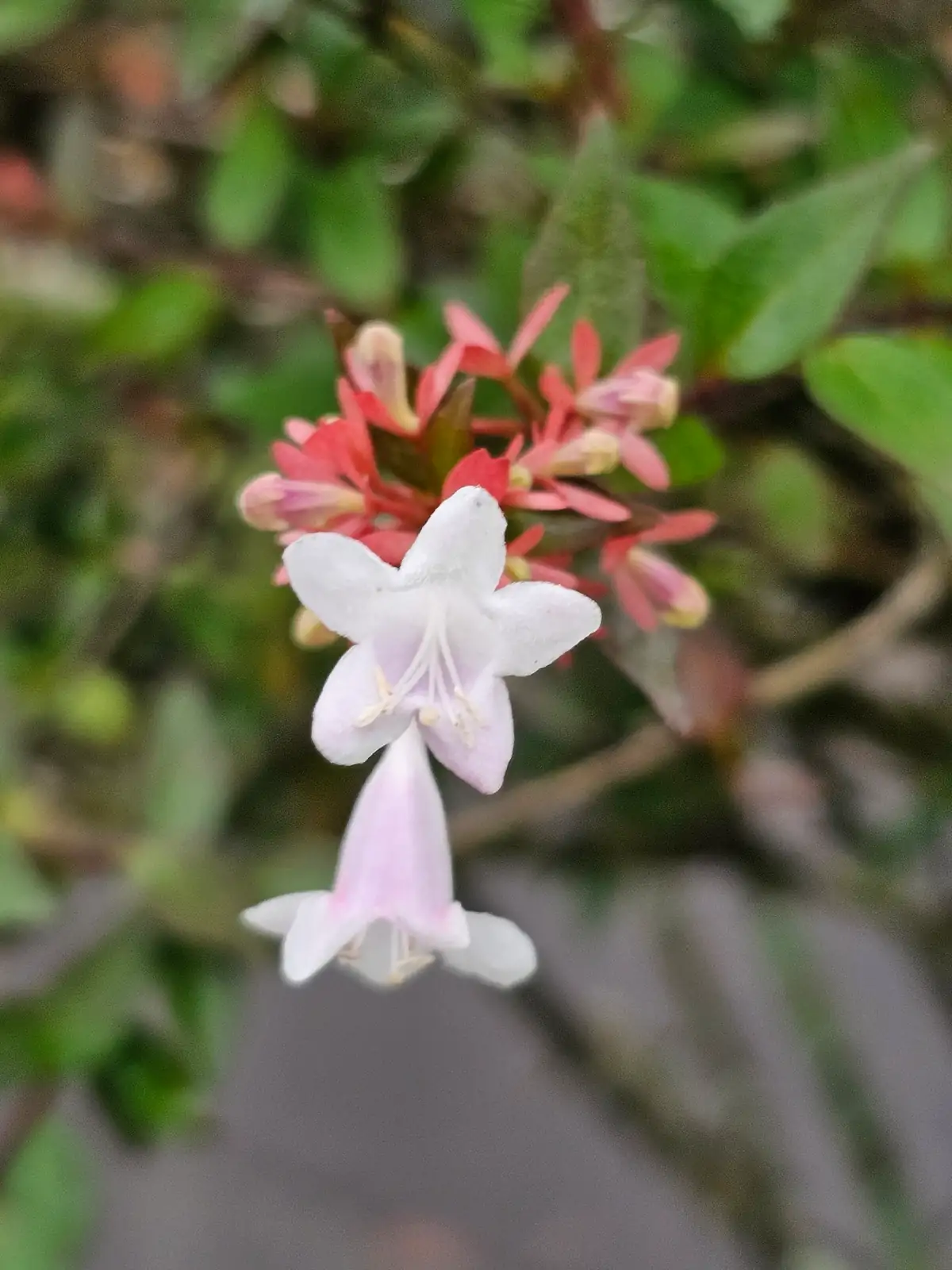
- Foliage: Young stems are often reddish-brown with fine hairs. Leaves are obovate to oval, deep green, and noticeably glossy; in cooler weather they may shift to bronze or reddish tones.
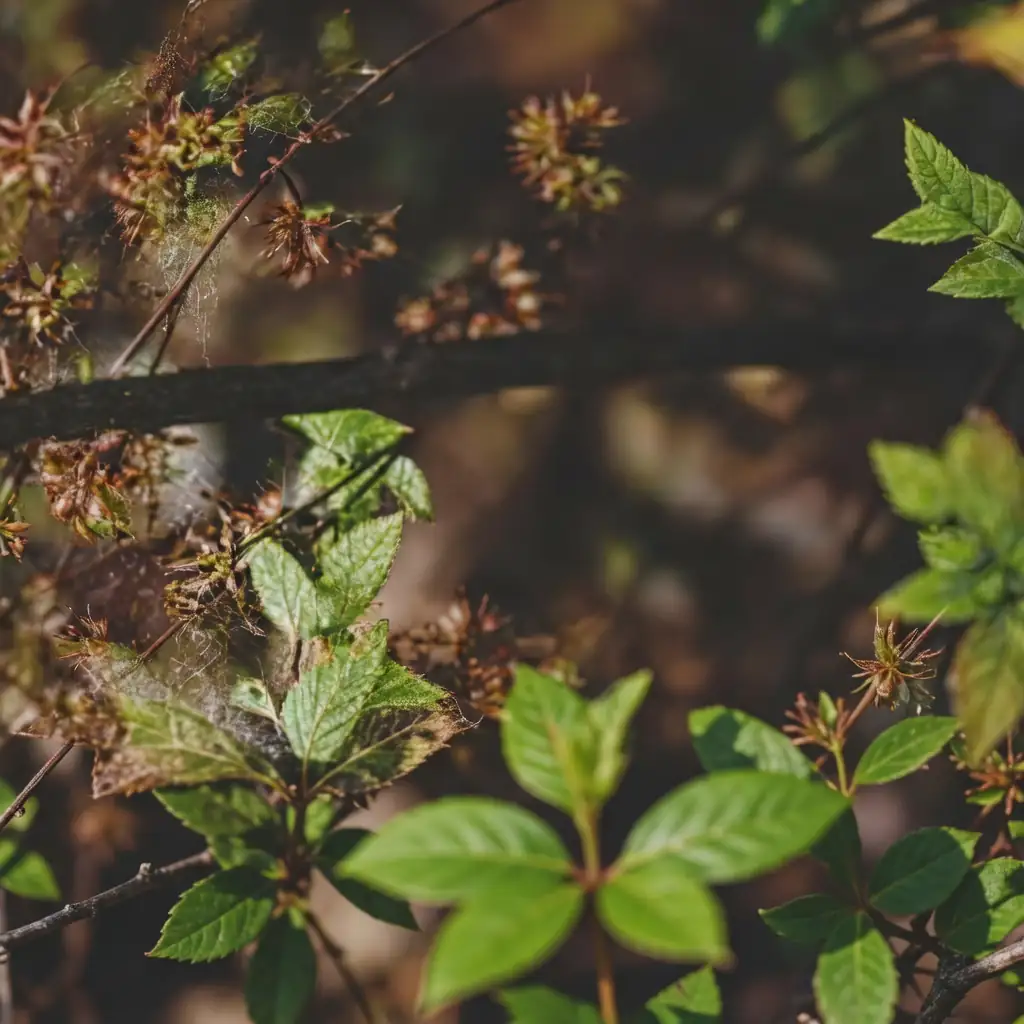
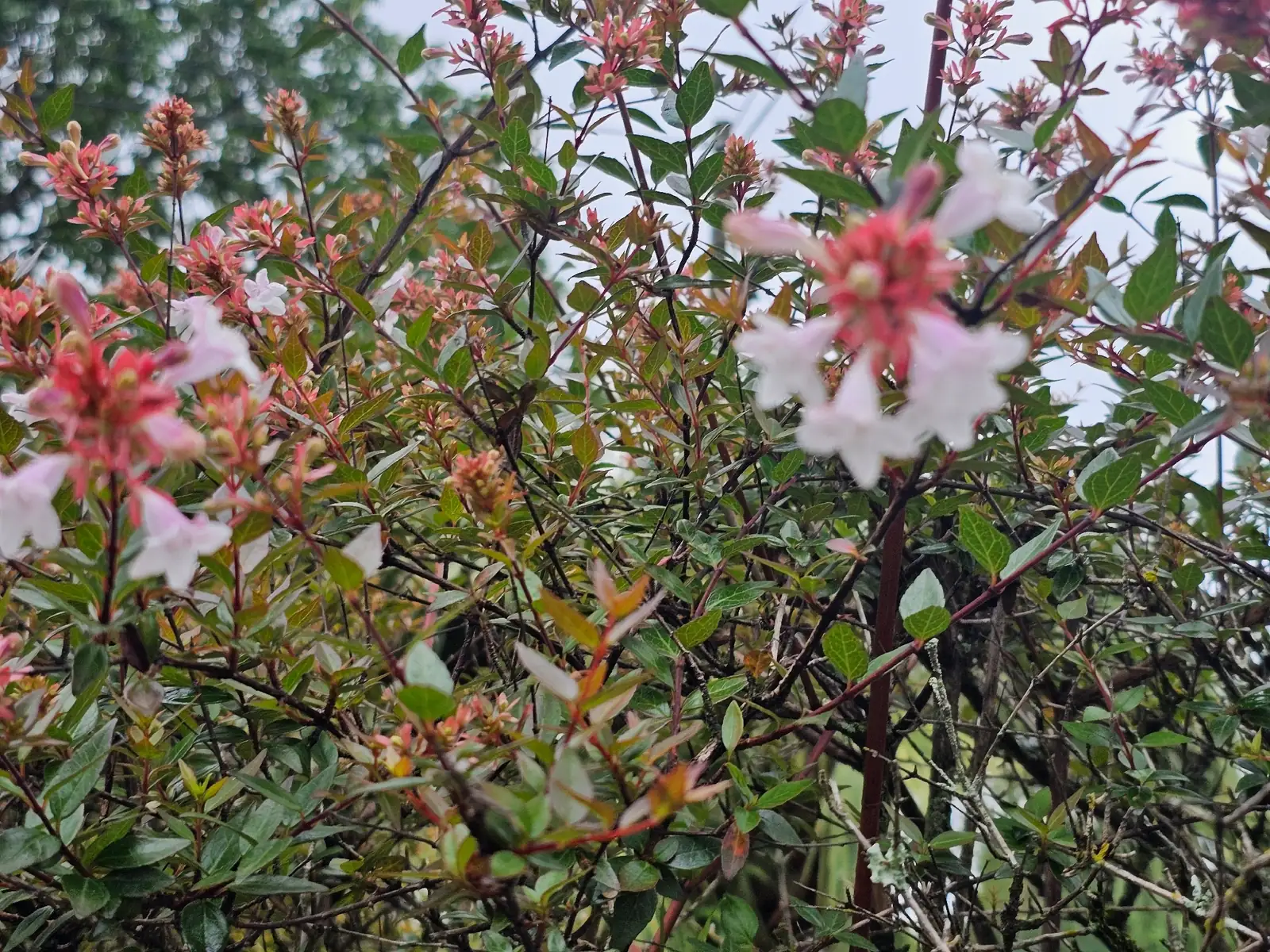
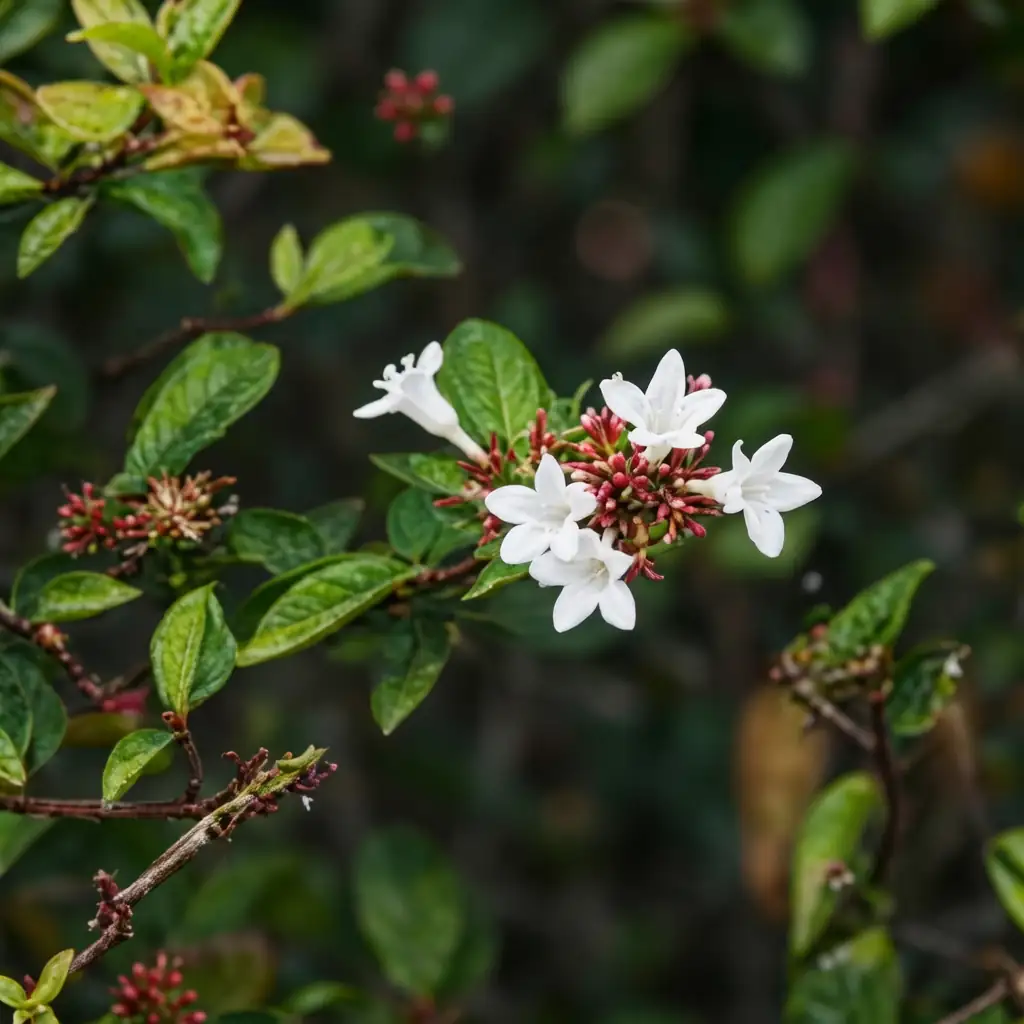
- Flower: Produces abundant clusters of white, tubular-to-bell-shaped flowers with a gentle fragrance. Pinkish calyces/bracts persist after flowering, leaving a rosy tint later in the season. Fruit/seed set may occur in autumn, roughly September–November (Sep–Nov).
- Flowering Season: Late spring to autumn, about May–November (May–Nov).
- Growth Habit: Mounded, arching shrub; evergreen to semi-evergreen in mild climates.
Environment
Sunlight
Full sun to partial shade; flowers best in sun but tolerates light shade.
Temperature
Prefers mild to warm conditions; once established, often cold hardy to about -10°C (14°F), though tolerance varies by cultivar and exposure.
Humidity
Adaptable; happiest with moderate humidity, good airflow, and not-too-stagnant conditions.
Soil
Fertile, well-drained loam is ideal, but it tolerates many soils (often slightly acidic to neutral). Avoid waterlogged ground; good drainage is key.
Placement
Great for shrub borders, foundation plantings, informal hedges, and mass plantings; also useful on slopes and at light woodland edges/under open tree canopies. Works well near buildings where reflected heat and shelter improve performance.
Hardiness
Commonly grown in USDA Zones 6–9 (approx.). Drought tolerant once established; can cope with poorer soils and short-term wet spells if drainage is adequate. Moderate to fairly good salt tolerance depending on site.
Care Guide
Difficulty
Easy and resilient—generally low-maintenance, tolerant of partial shade, and fairly drought tolerant once established.
Buying Guide
Pick plants that look dense and evenly branched with healthy glossy leaves. Avoid obvious dieback, severely root-bound pots, or pest signs like sticky residue (scale/aphids), stippling, or webbing (mites). If winters are cold where you live, choose a cultivar known for better cold tolerance.
Watering
Water regularly through the first growing season to establish a strong root system. After that, water when the top 5–8 cm (2–3 in) of soil feels dry. Cut back in cool seasons, and avoid constantly soggy soil.
Fertilization
Feed in spring with a balanced slow-release fertilizer, or top-dress with 2.5–5 cm (1–2 in) of compost. Avoid heavy nitrogen late in the season—too much can push soft growth and reduce flowering and winter hardiness.
Pruning
Prune in late winter to early spring after the worst frosts, or do light shaping after a main bloom flush. Remove dead, damaged, or crossing stems and thin older branches to encourage fresh flowering growth. Takes well to being shaped into a low, informal hedge.
Propagation
Most reliably propagated from softwood to semi-hardwood cuttings taken from late spring through summer. Root in a free-draining medium with high humidity. Some cultivars also layer well.
Repotting
In containers, repot every 2–3 years into a slightly larger pot with fresh, well-draining mix. Refresh the top layer yearly and make sure drainage holes stay clear.
📅 Seasonal Care Calendar
Spring: prune, feed, mulch, and keep evenly moist as growth starts. Summer: water during prolonged heat/drought; deadhead lightly if you want a tidier look. Autumn: ease off feeding; enjoy the persistent pink calyces and fall-tinged foliage. Winter: protect potted plants from hard freezes and keep soil on the dry side (not bone-dry, but never waterlogged).
Pests, Diseases & Safety
Common Pests & Diseases
Usually quite trouble-free. Watch for aphids on fresh growth, scale insects, spider mites in hot/dry weather, and occasional leaf spot. Boost airflow, avoid late-day overhead watering, and treat early with horticultural soap/oil when needed.
Toxicity
Not widely documented as toxic to humans or pets, but chewing any ornamental plant can still cause mild stomach upset. It’s sensible to keep it away from pets or children that like to nibble.
Culture & Symbolism
Symbolism: Often linked with endurance and gentle charm—blooming for months while staying tough and adaptable in the garden.
History & Legends: A long-cultivated garden hybrid prized for reliable flowering and glossy foliage. Over time, many cultivars have been selected to improve flower abundance, foliage color, size, and cold tolerance.
Uses: A versatile ornamental shrub for borders, mass planting, foundation beds, and informal hedging. Useful in mixed plantings, on slopes, and in lightly shaded spots under trees as long as drainage is good.
FAQ
Why is my glossy abelia not flowering well?
Lack of sun is the most common reason—more light usually means more blooms. Too much nitrogen fertilizer can also push leafy growth at the expense of flowers, and poorly timed pruning can remove flowering wood. Prune mainly in late winter/early spring or lightly after a bloom flush.
Can glossy abelia handle cold winters?
Many forms handle cold reasonably well (often to around -10°C / 14°F), but hardiness varies by cultivar and site. Plant in a sunny, sheltered spot, mulch the root zone, and protect container plants from hard freezes.
Is glossy abelia evergreen?
It’s evergreen in mild climates, but in colder areas it may be semi-evergreen or drop leaves in winter and leaf out again in spring.
Fun Facts
- It’s a garden hybrid (Abelia × grandiflora), not a naturally occurring wild species.
- The pink calyces often linger long after the white petals drop, extending the season of color.
- Cool weather can bring out bronze-to-reddish tones in the glossy leaves.
- Landscape designers love it because it combines a long bloom season with strong adaptability.