Plant Features
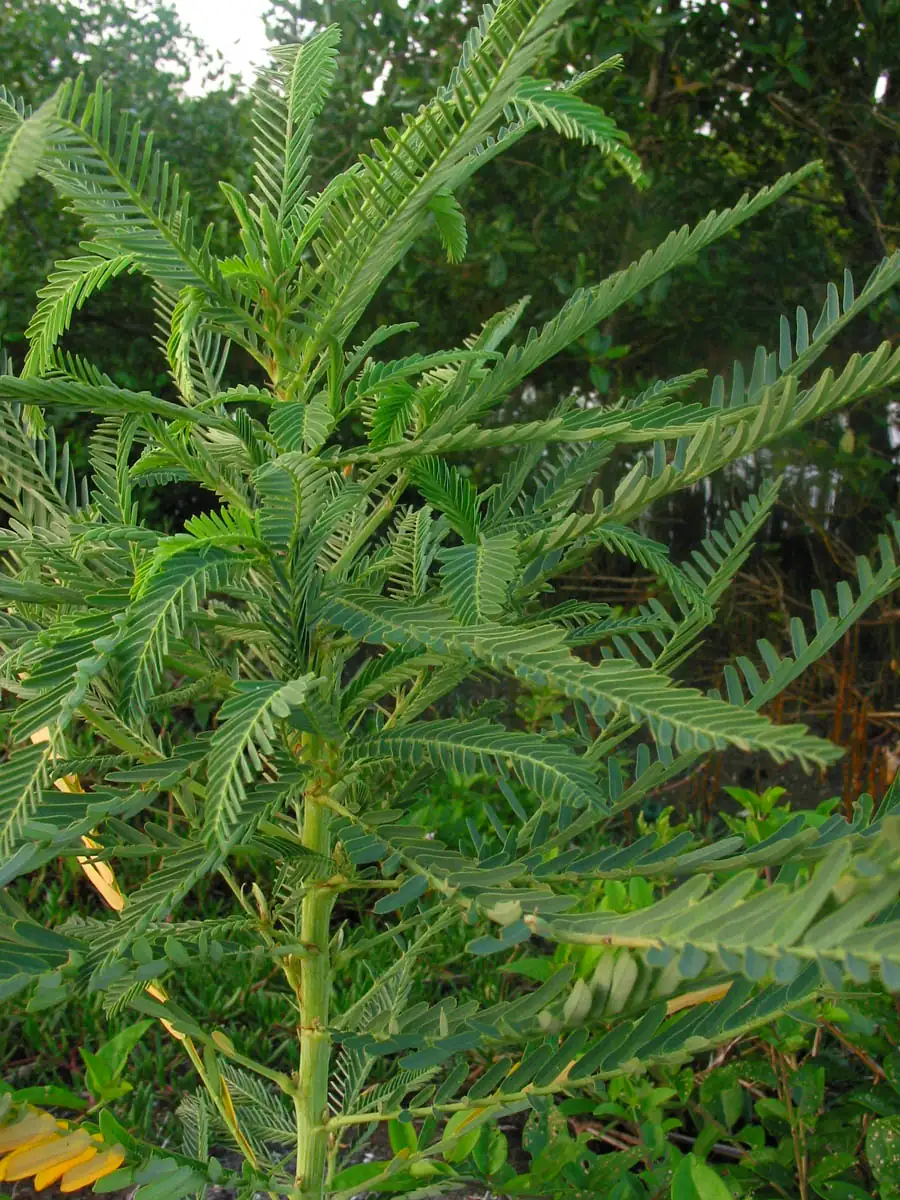
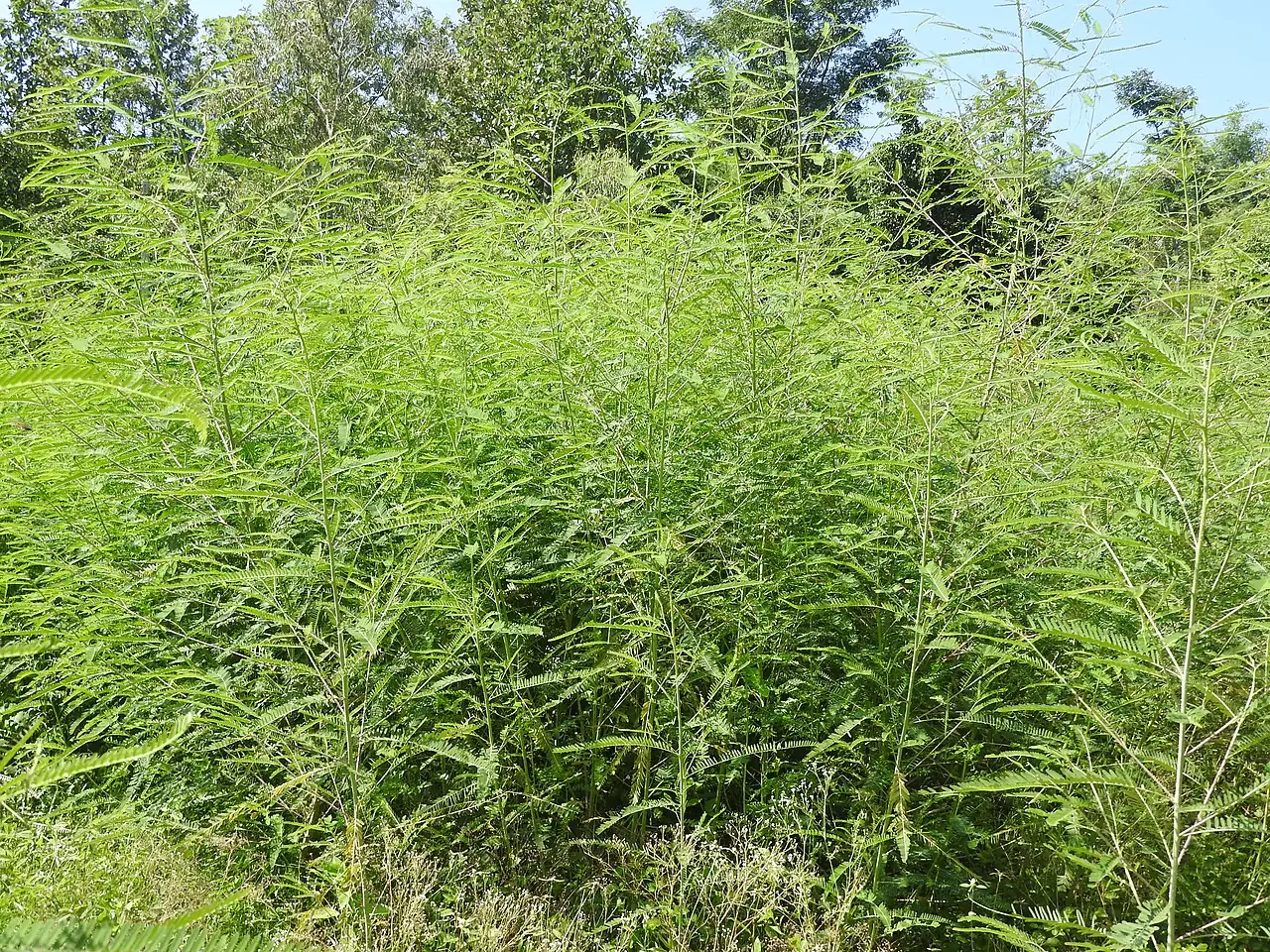
- Size: Typically 1.2–4 m (3.9–13.1 ft) tall.
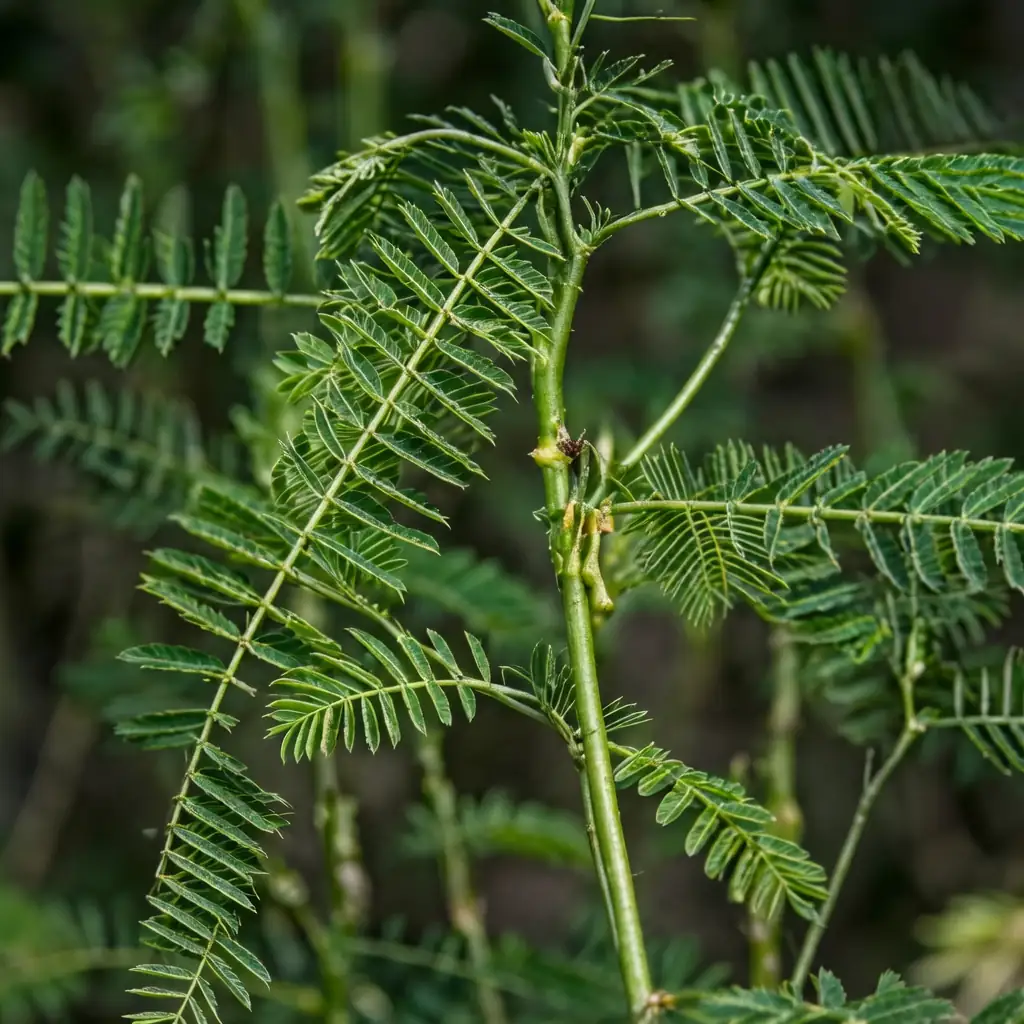
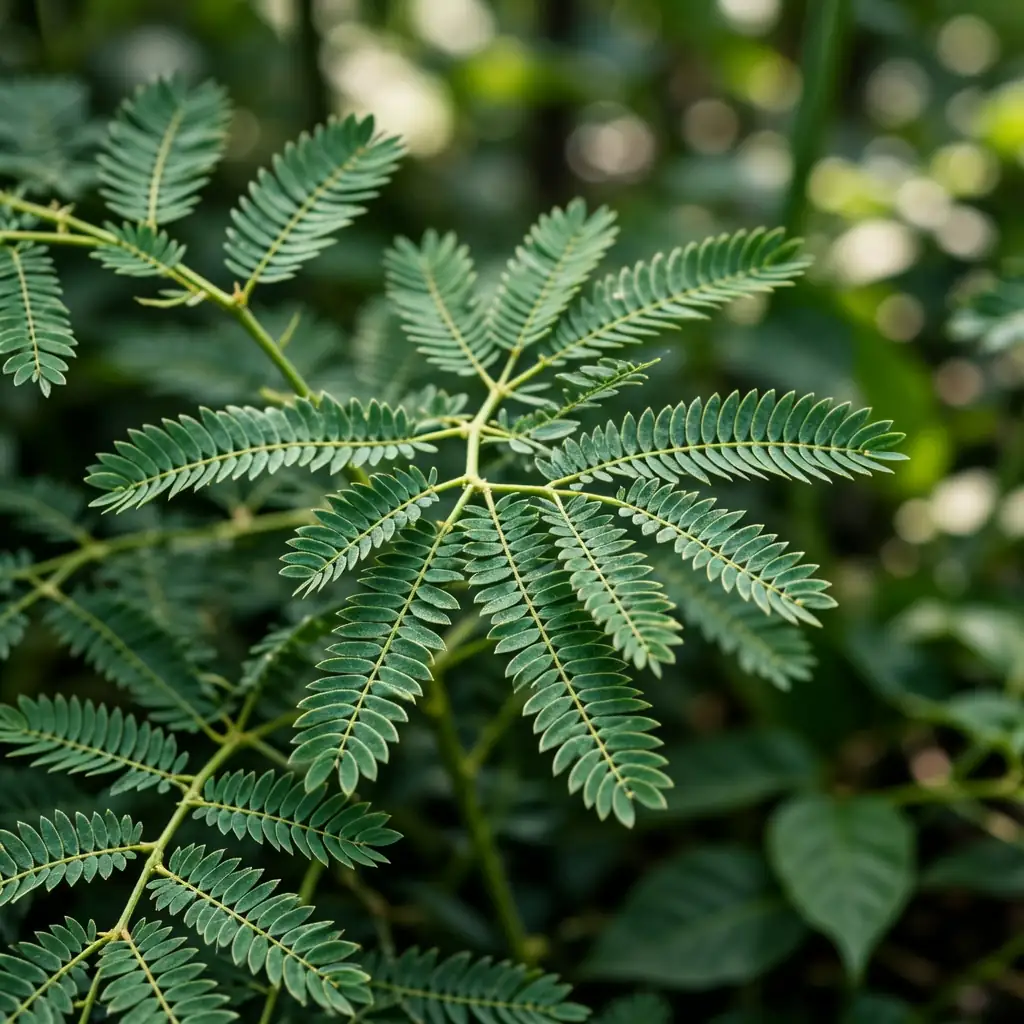
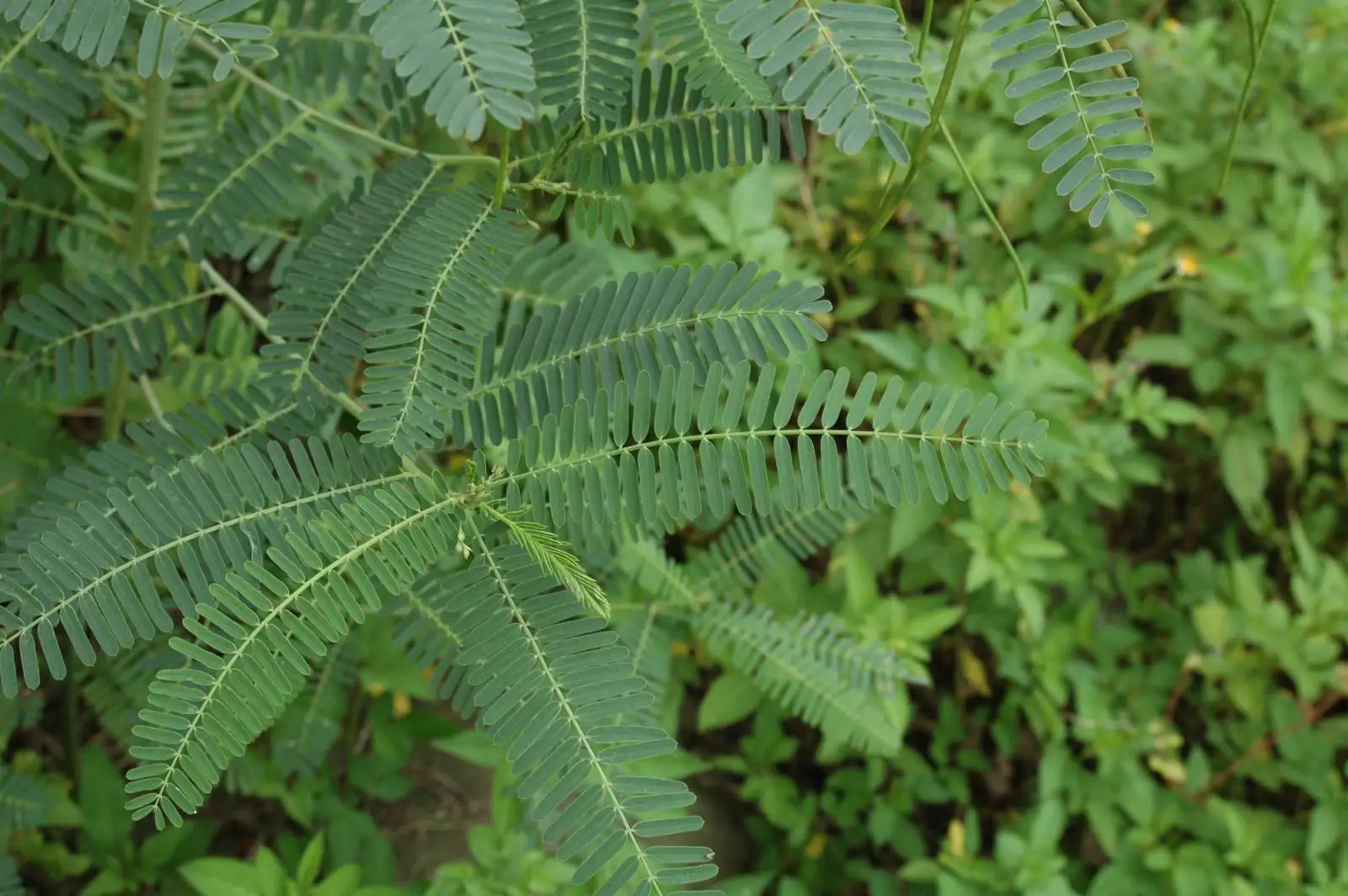
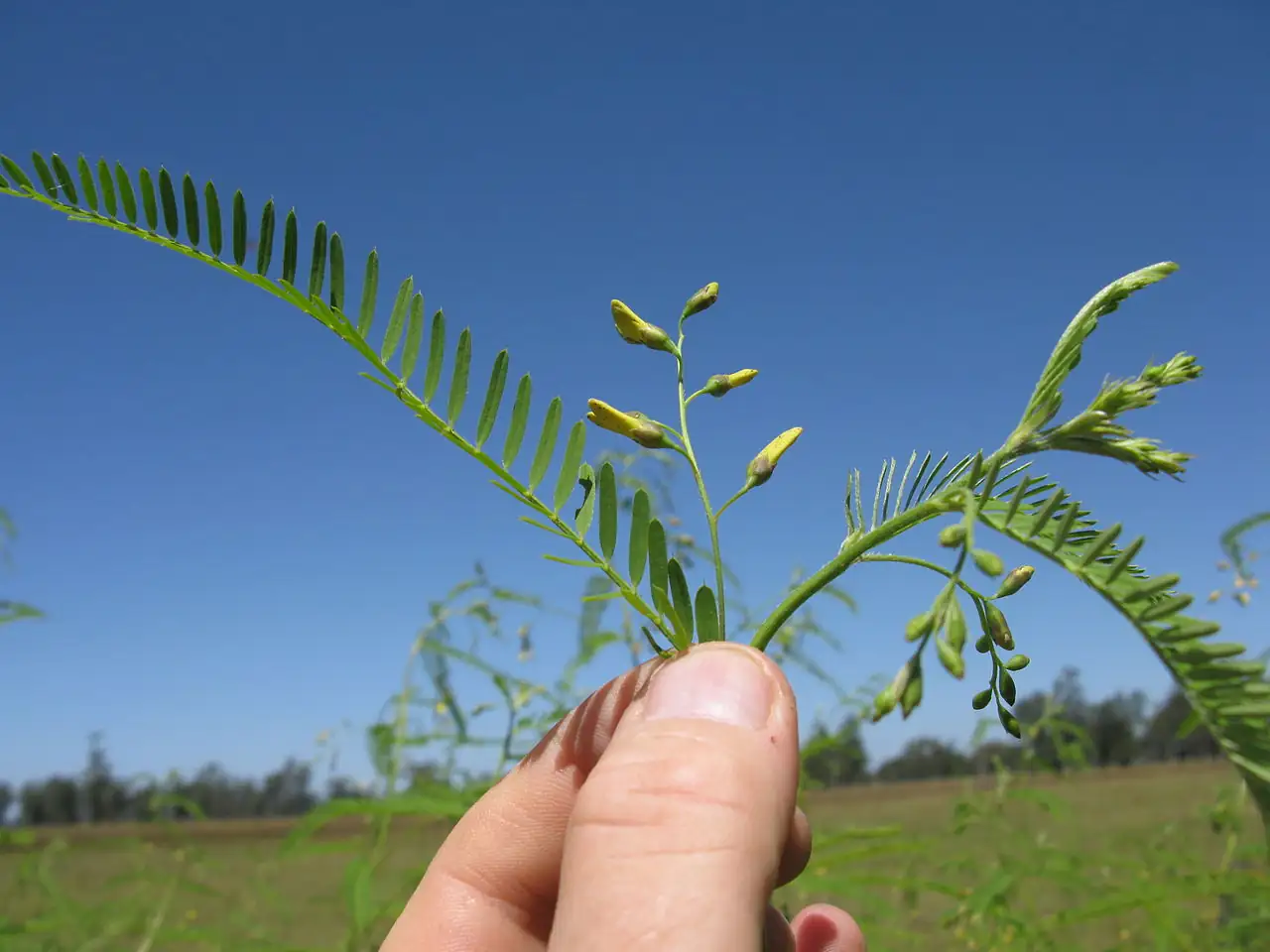
- Foliage: Pinnate compound leaves with opposite, narrow oblong leaflets, giving the plant a light, feathery texture. Small purplish gland-dots may be visible on both leaf surfaces. The leaf rachis may show a shallow groove along the upper side.
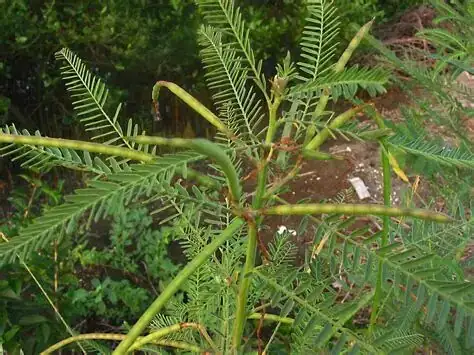
- Flower: Yellow, pea-like flowers carried in slender racemes. After flowering, it develops long, thin, cylindrical pods that mature to a glossy green-brown; inside, the seeds are separated by distinct internal partitions (cross-walls).
- Flowering Season: July–December
- Growth Habit: Upright, fast-growing annual herbaceous legume.
Environment
Sunlight
Full sun to light shade; best growth and flowering in full sun.
Temperature
Warm-season plant; prefers about 20–35°C (68–95°F) and is sensitive to frost.
Humidity
Prefers humid, moisture-retentive conditions and readily tolerates very wet sites.
Soil
Very adaptable, including poor soils. Commonly grows in saturated or seasonally flooded ground (paddies, ditches) and does well in moist to wet loam or clay loam.
Placement
Wet garden areas, pond/ditch margins, low-lying fields, or anywhere with consistent moisture (where appropriate and permitted).
Hardiness
Frost-tender; generally grown as a warm-season annual. Notably tolerant of flooding/waterlogging and salinity.
Care Guide
Difficulty
Easy in warm conditions. Adaptable and tough: tolerates salinity, flooding/waterlogging, low fertility, and brief drought once established, but it grows fastest with warmth plus steady moisture.
Buying Guide
Choose fresh, viable seed or sturdy seedlings with upright stems and evenly green foliage. Avoid plants with blackened stems, heavy spotting, or clear insect damage. Buy seed from reputable suppliers, and consider local guidance—Sesbania species can act weedy in some regions if allowed to set seed.
Watering
Keep evenly moist during establishment. Once rooted, it can handle short dry spells, but for maximum biomass (green manure) aim for consistently moist soil. In very wet sites, extra watering is usually unnecessary.
Fertilization
Usually minimal. As a legume, it can fix nitrogen when properly nodulated; in very poor soil, a light balanced fertilizer at planting can help early growth. Avoid heavy nitrogen feeding, which can reduce nodulation.
Pruning
Not required for ornament. If grown as green manure or to prevent spread, cut plants back and incorporate them into the soil before pods fully mature to reduce self-seeding.
Propagation
By seed. To improve germination, scarify the hard seed coat (nick it or soak in hot water after it cools) and sow into warm soil.
Repotting
Rarely grown long-term in pots due to its size. If container-grown, use a deep pot; pot up once if root-bound and transplant carefully to minimize root disturbance.
📅 Seasonal Care Calendar
Spring–early summer: sow once weather is reliably warm. Summer: keep moisture steady for rapid growth. Mid–late season: monitor flowering and pod formation. Late summer–autumn: cut back before seeds mature if you want to avoid spread; incorporate the biomass as green manure.
Pests, Diseases & Safety
Common Pests & Diseases
Usually robust. In humid, crowded plantings, leaf spots and other fungal issues may appear—improve airflow and avoid frequent overhead watering. Aphids and other sap-suckers can show up on tender growth; rinse off or use insecticidal soap if needed.
Toxicity
Household toxicity is not well documented. Because it is used as fodder in some settings, it’s generally considered low risk in typical small exposures, but it’s not a snack plant—avoid allowing people or pets to eat large amounts, and follow local livestock-feeding recommendations.
Culture & Symbolism
Uses: Primarily grown as a green manure/cover crop to add organic matter and support soil fertility; also used as livestock fodder in some areas.
FAQ
When does hemp sesbania flower?
Typically July–December, depending on climate and sowing time.
When does it set pods and seed?
Usually July–December, often overlapping with the flowering period.
How tall does it get?
About 1.2–4 m (3.9–13.1 ft) tall.
What kind of habitat does it prefer?
Moist to wet lowlands such as rice paddies, ditches, and other seasonally flooded places; it prefers warm, humid conditions.
What is it tolerant of?
It tolerates salinity, flooding/waterlogging, low fertility, and some drought once established.
Fun Facts
- Its long, slender pods have clear internal partitions separating the seeds, and they can turn a glossy green-brown when mature.
- It’s often grown specifically to make fast biomass—then cut and dug in to improve soil structure and fertility.
- It’s strongly associated with wet agricultural landscapes, especially around rice cultivation.
- It can self-seed readily; cutting before the pods fully mature is an easy way to keep it from spreading.