Plant Features
- Size: Typically 10–12 m (33–39 ft) tall
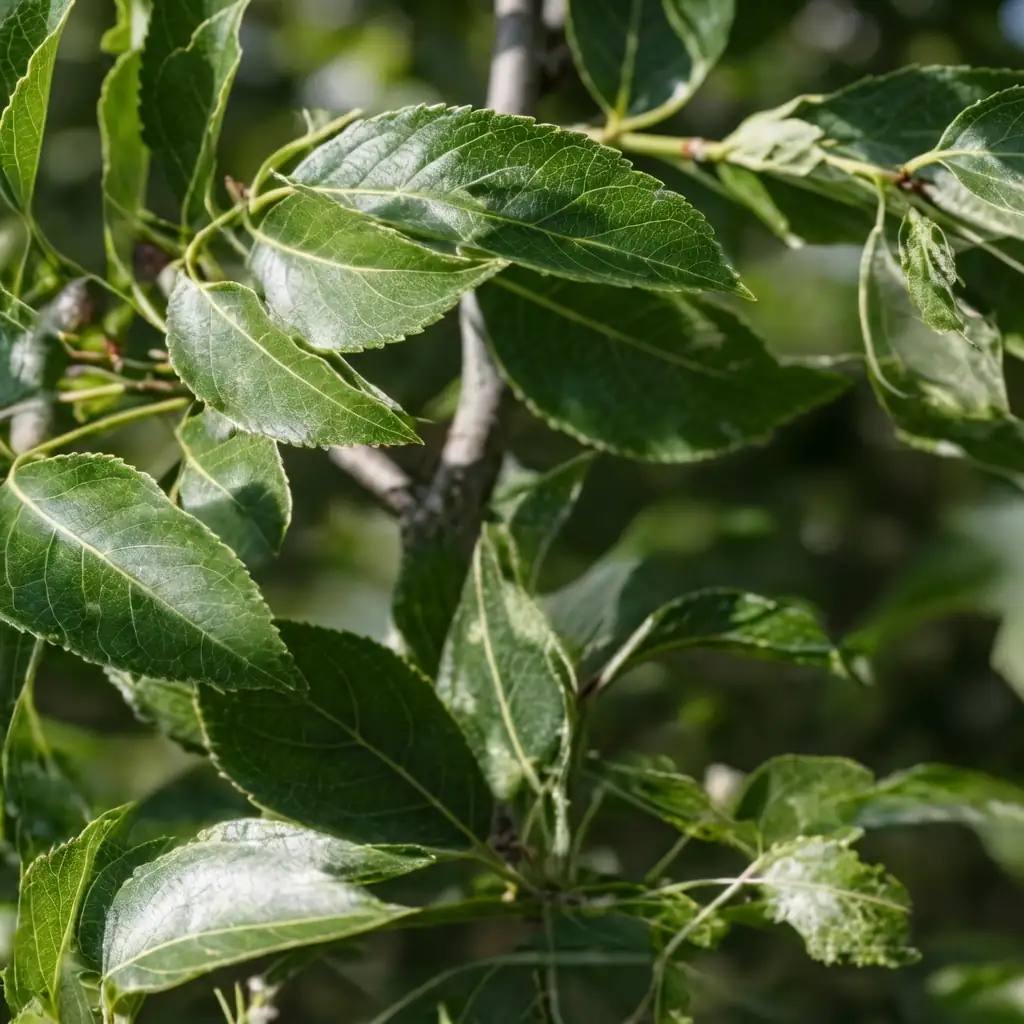
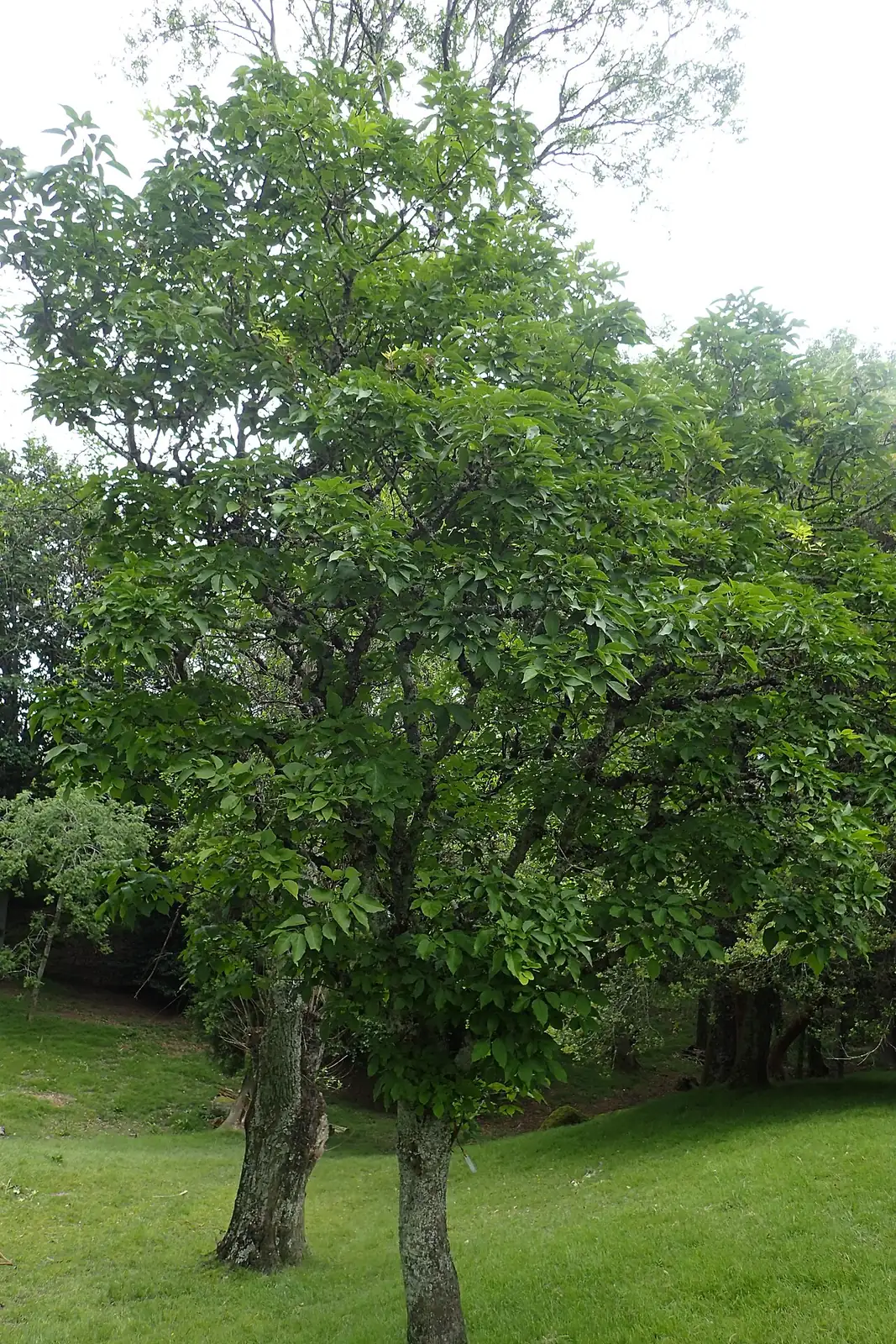
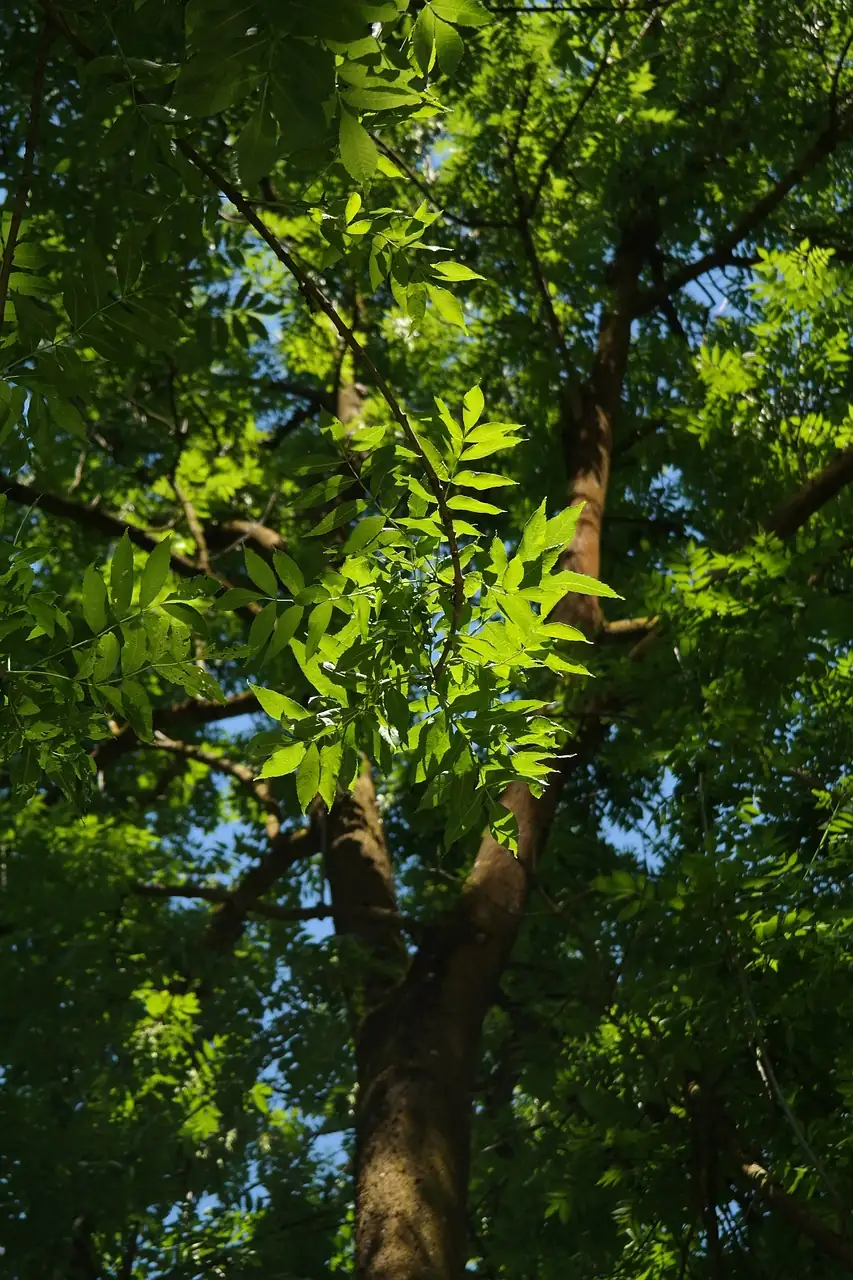
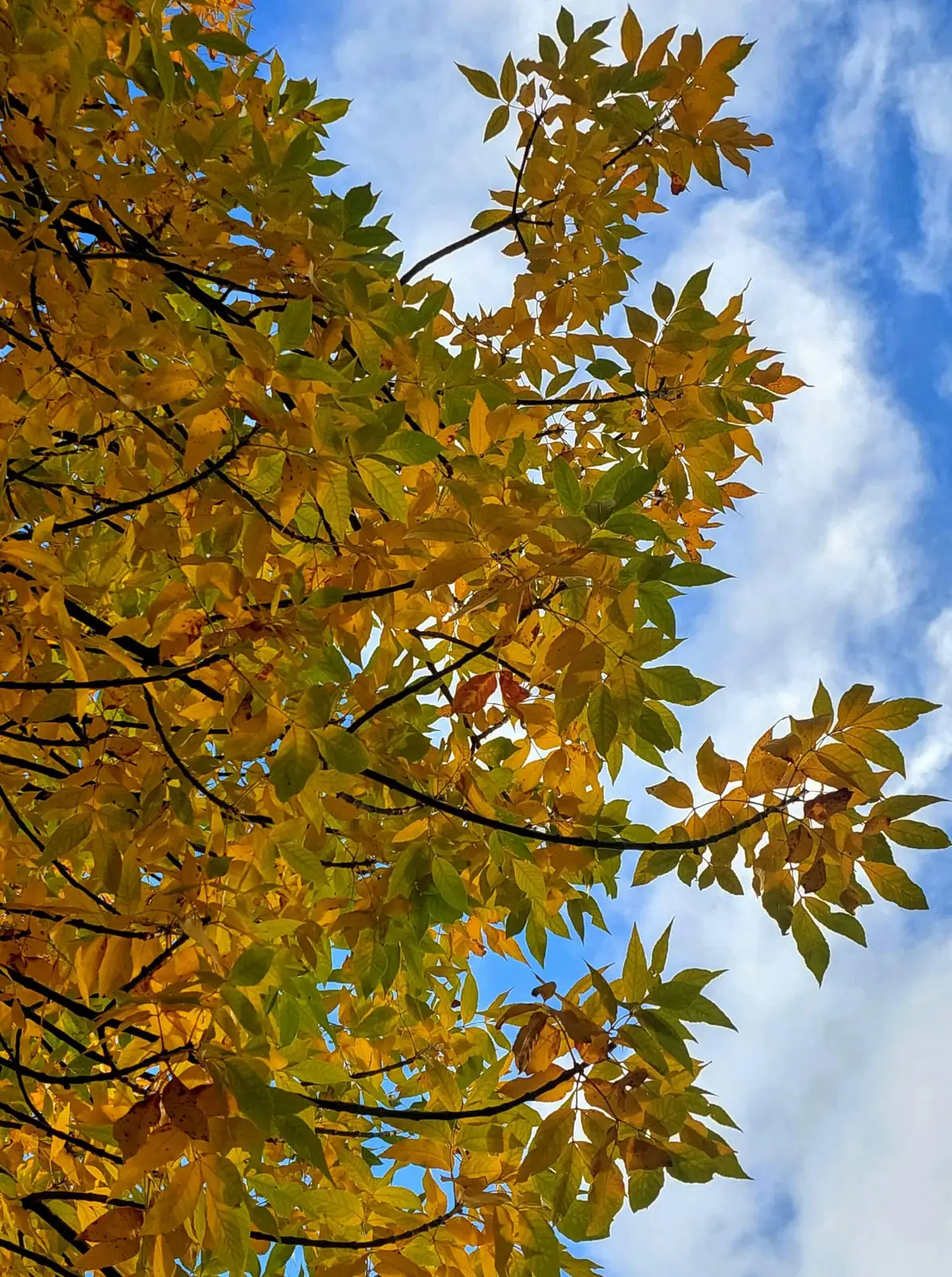
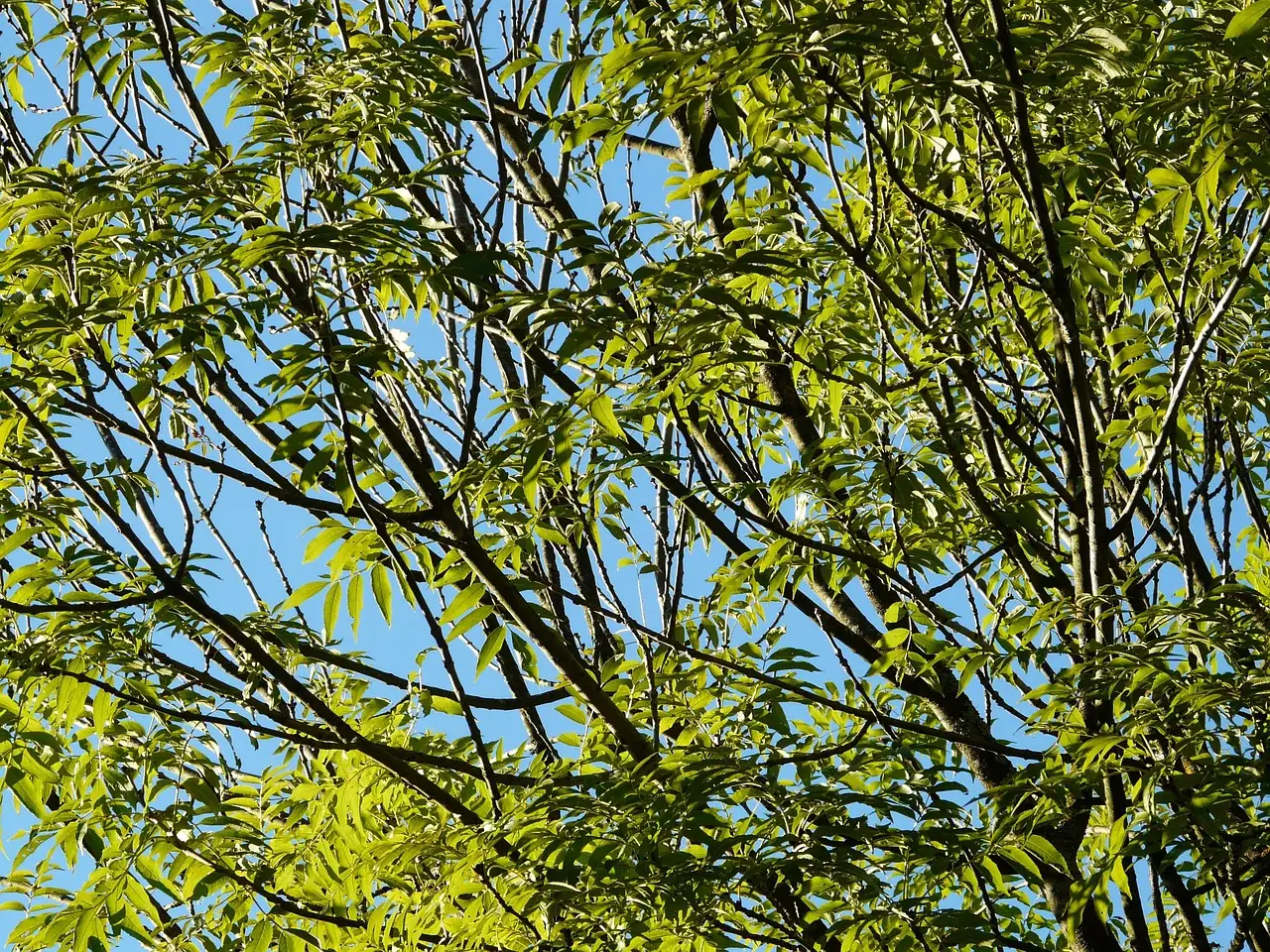
- Foliage: A deciduous tree with gray-brown bark that becomes longitudinally fissured with age. Leaves are pinnate (feather-like) with serrated leaflets. The terminal leaflet is similar in size to, or slightly larger than, the side leaflets; leaflet tips are sharply pointed to tapering, with bases rounded to wedge-shaped.
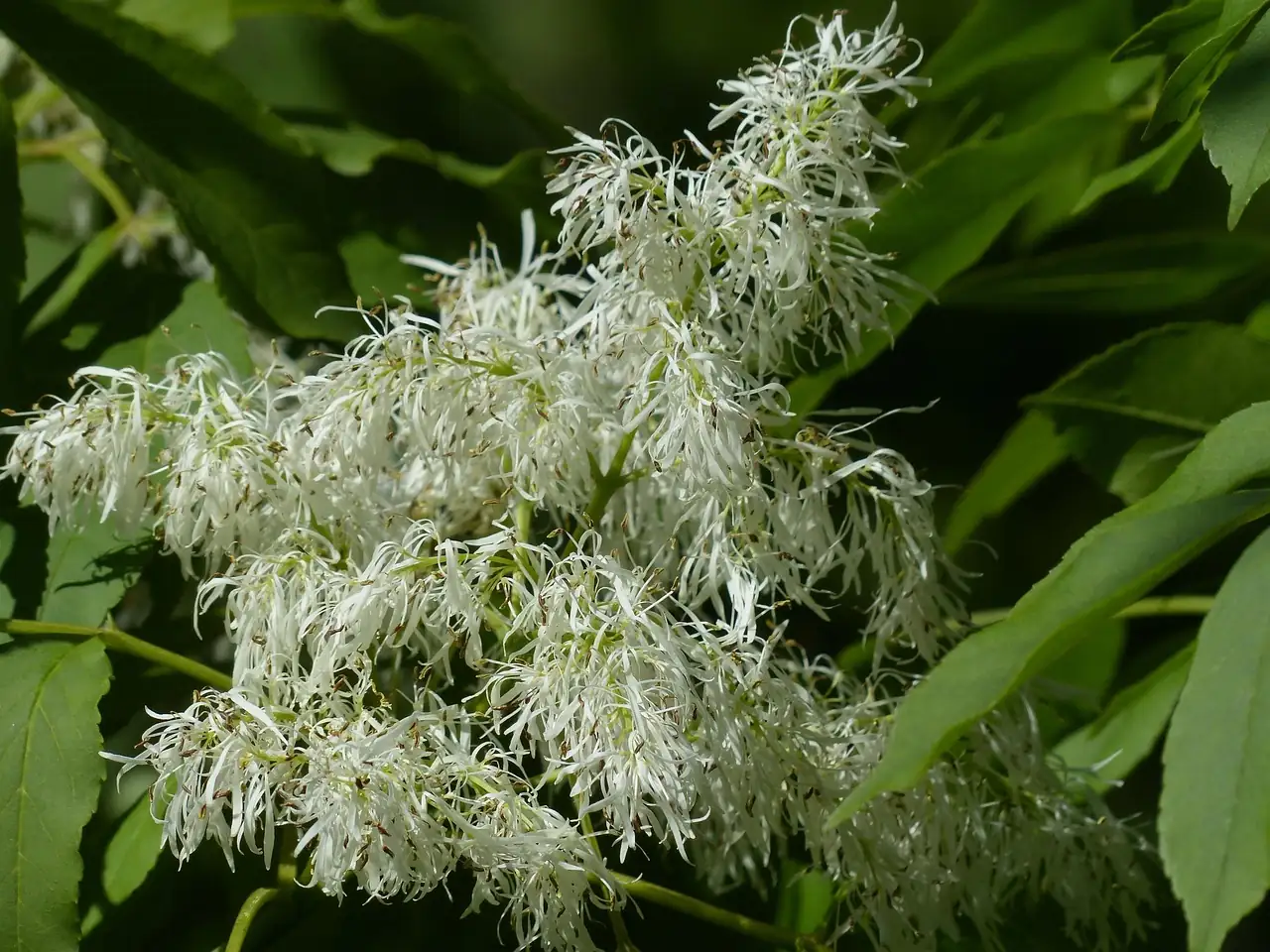
- Flower: Flowers are carried in panicles borne terminally or from the sides of current-season shoots. After flowering, it forms narrow, inversely lance-shaped winged samaras, typically containing a single seed.
- Flowering Season: April–May
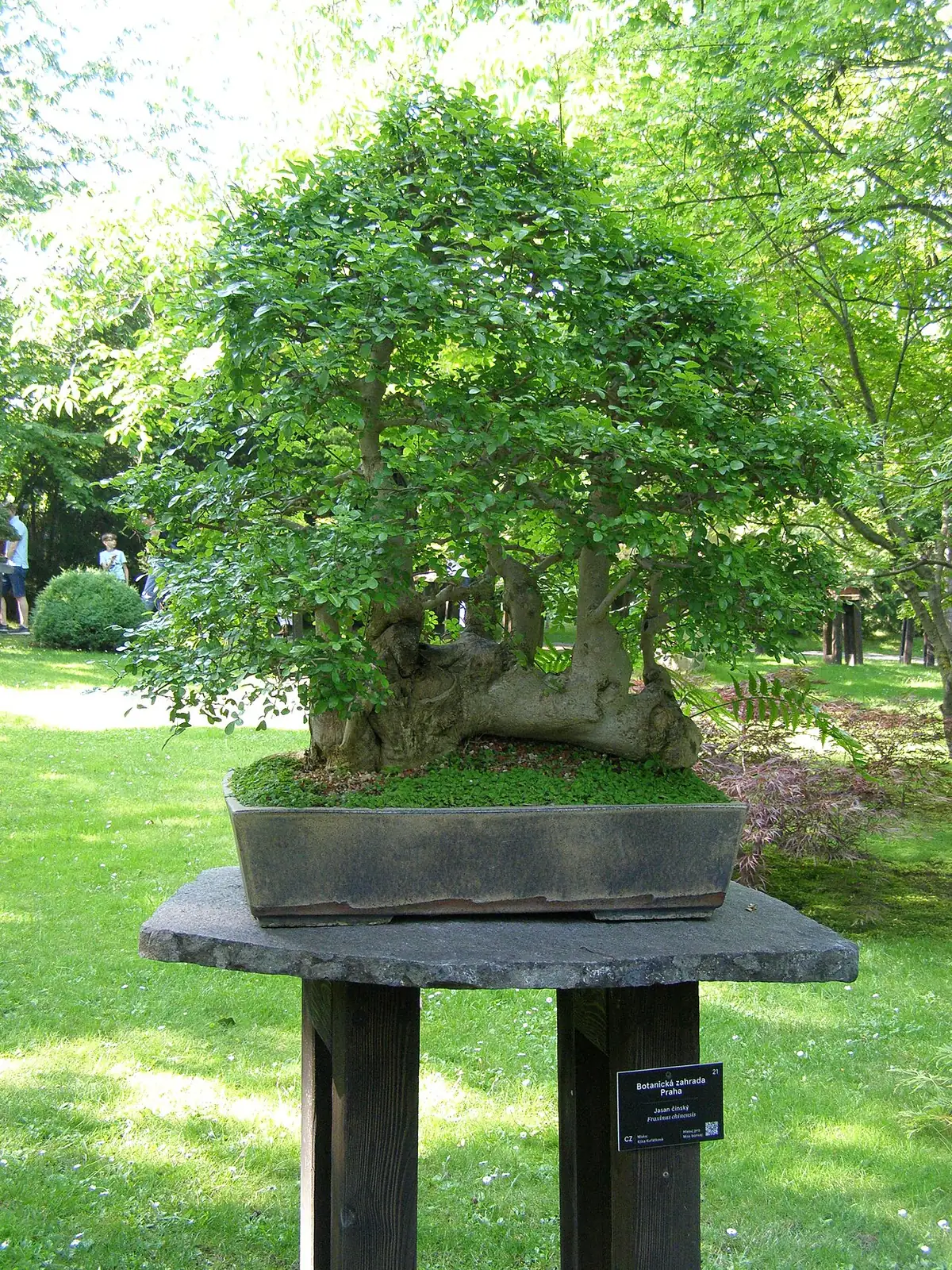
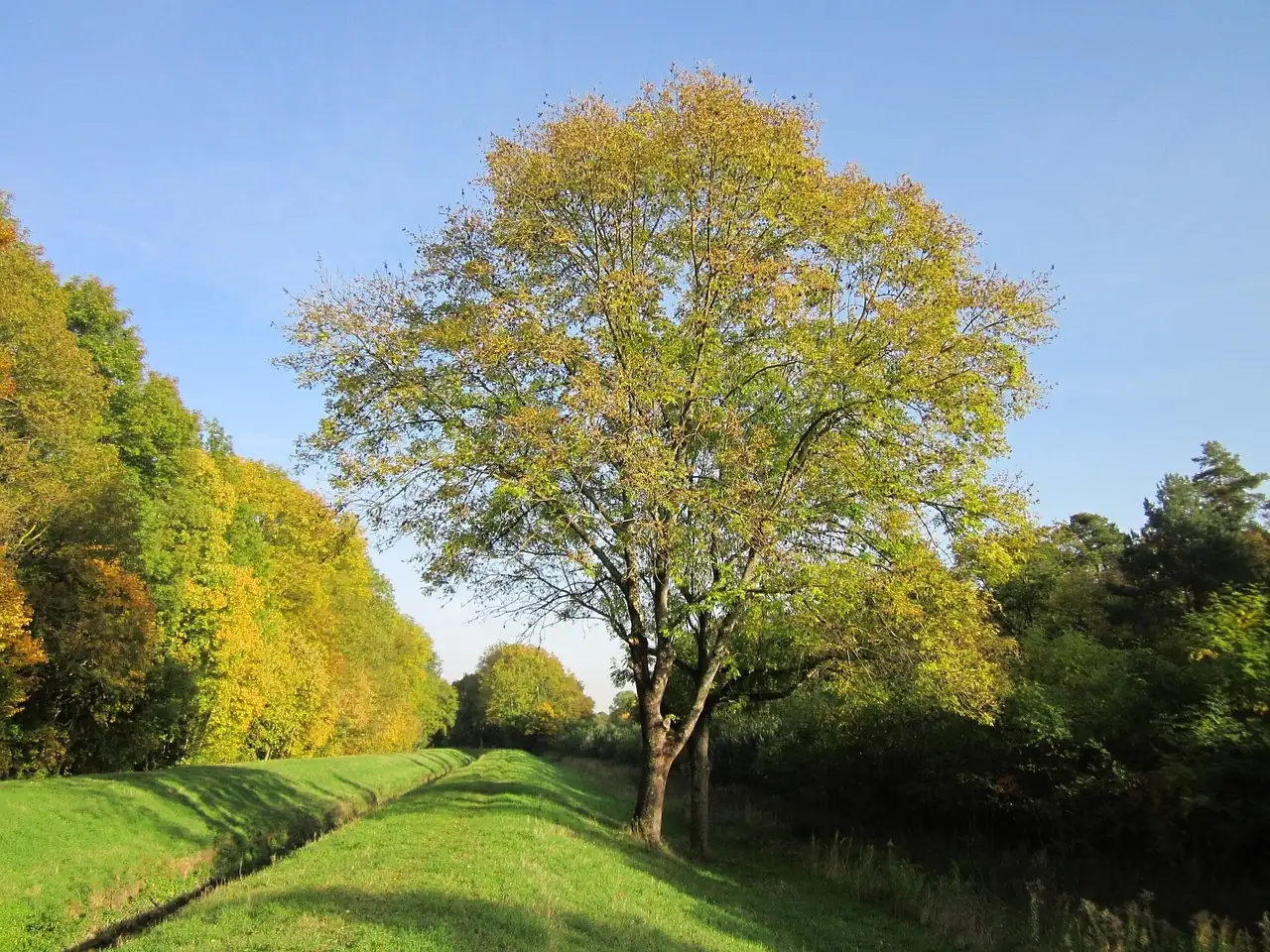
- Growth Habit: Upright, straight-trunked deciduous tree with an attractive crown; vigorous and adaptable, performing best in full sun.
Environment
Sunlight
Full sun for best growth and crown shape; tolerates light shade
Temperature
Temperate tree; grows best in cool to warm temperate conditions, roughly 10–30°C (50–86°F) during the growing season. Young trees can be stressed by prolonged extreme heat or severe freezes.
Humidity
Prefers moderately humid conditions and does best with fairly consistent moisture
Soil
Very adaptable: tolerates acidic to neutral soils as well as calcareous (lime-rich) soils. Best performance is in moist, fertile, well-drained sandy loam. Can tolerate mildly saline-alkaline soils.
Placement
Outdoors in parks, streetscapes, towns, and industrial/roadside plantings; give it adequate space for a full tree canopy
Hardiness
Roughly USDA Zone 5–9 (about −29 to −1°C / −20 to 30°F, depending on provenance); generally cold-hardy and tolerant of mild salinity/alkalinity
Care Guide
Difficulty
Easy outdoors once established; generally robust and forgiving, including in urban conditions.
Buying Guide
Pick a healthy young tree with a straight central leader, no trunk wounds, and a solid, well-formed root ball. Avoid stock with girdling roots, obvious dieback, or poorly structured branching. When possible, choose plants sourced for (or proven in) your local climate.
Watering
For the first 1–2 years after planting, water regularly so the root zone stays evenly moist but never waterlogged. Once established, water deeply during extended dry spells—deep, infrequent soakings are better than frequent shallow sprinkles.
Fertilization
Often unnecessary in decent soil. If growth looks weak, use a balanced slow-release fertilizer in spring. Avoid heavy nitrogen, which can push soft, overly lush growth that’s more prone to breakage and pests.
Pruning
Prune in late winter to early spring while dormant to maintain a strong central leader and remove crossing, damaged, or crowded branches. Avoid heavy pruning during active growth.
Propagation
Most commonly grown from seed (samaras). Collect mature winged seeds from late summer to autumn and sow after cold stratification. Named selections may be grafted in production.
Repotting
Not applicable as a landscape tree. If purchased in a container, plant out in a timely manner to prevent becoming pot-bound.
📅 Seasonal Care Calendar
Spring: plant, begin establishment watering, and feed lightly only if needed. Summer: mulch and monitor moisture; deep-water during drought. Autumn: collect seed; taper watering as growth slows. Winter: inspect structure and do dormant pruning.
Pests, Diseases & Safety
Common Pests & Diseases
May encounter aphids and scale insects; in humid conditions, leaf spot or powdery mildew can appear. Encourage airflow, avoid overhead watering where possible, remove badly infested growth, and use horticultural soap/oil if appropriate while following local recommendations.
Toxicity
Not commonly considered highly toxic to people or pets, though chewing or ingesting leaves/bark can still cause mild gastrointestinal upset. It’s best to discourage pets from nibbling.
Culture & Symbolism
Symbolism: Often linked with resilience and steadfastness—an upright, dependable tree that keeps its composure in tough city air.
History & Legends: In China it’s widely planted as a practical street and shelter tree, valued more for durability and performance than for well-known folklore.
Uses: A popular ornamental and functional shade tree for streets and parks. Appreciated for tolerance to smoke/dust and certain industrial pollutants (including sulfur dioxide and chlorine), making it useful in urban and factory-district greening.
Fun Facts
- Its winged seeds (samaras) are designed for wind dispersal—nature’s tiny gliders.
- In cultivation it commonly reaches about 10–12 m (33–39 ft) tall, forming a tidy shade canopy.
- It’s notably tolerant of urban and industrial air pollution, which is why it shows up so often in streetscapes.
- It can handle a wide soil range, from acidic to lime-rich, and even mildly saline-alkaline ground.
- In the wild, it’s associated with mixed mountain woodlands and is also widely cultivated across much of China.