Plant Features
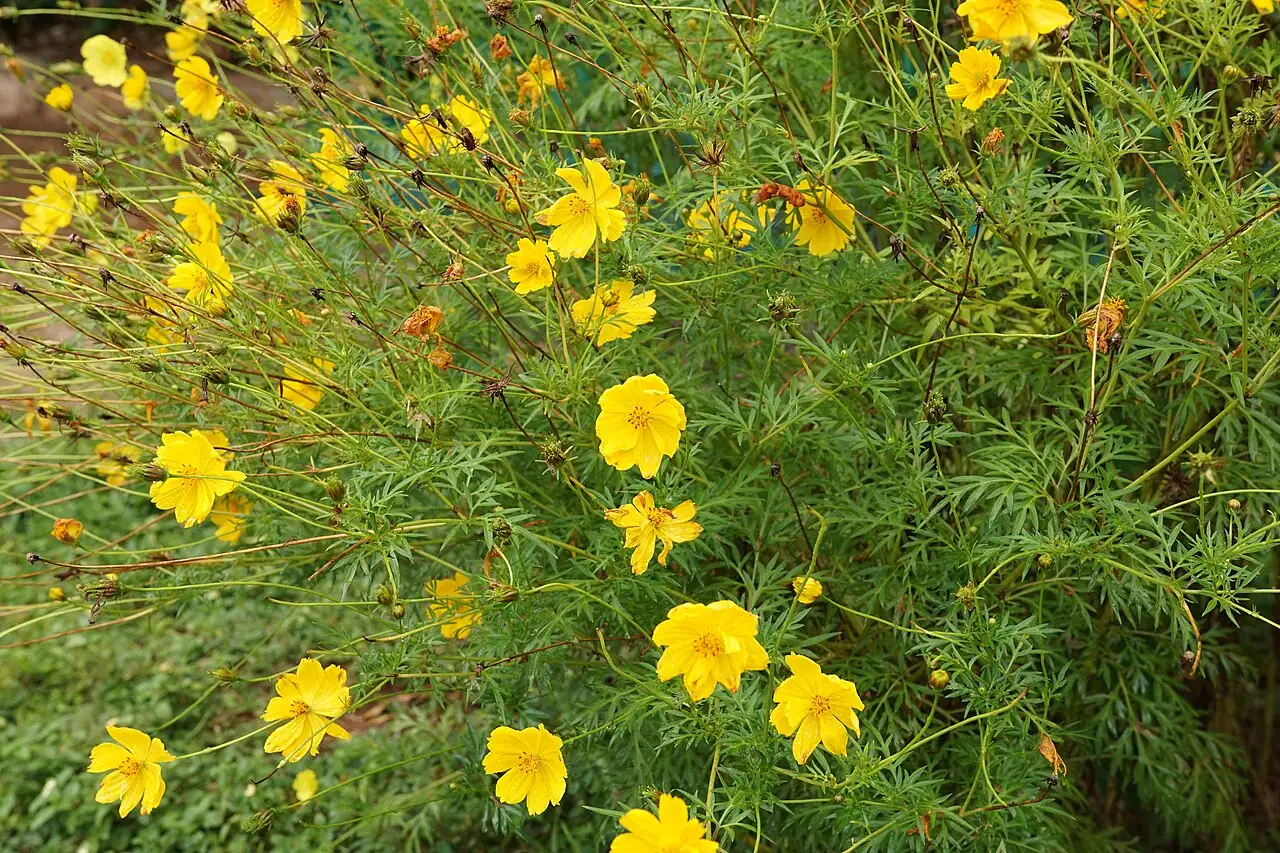
- Size: Typically 60–150 cm (24–60 in) tall and 30–60 cm (12–24 in) wide; in ideal conditions can reach about 200 cm (79 in).
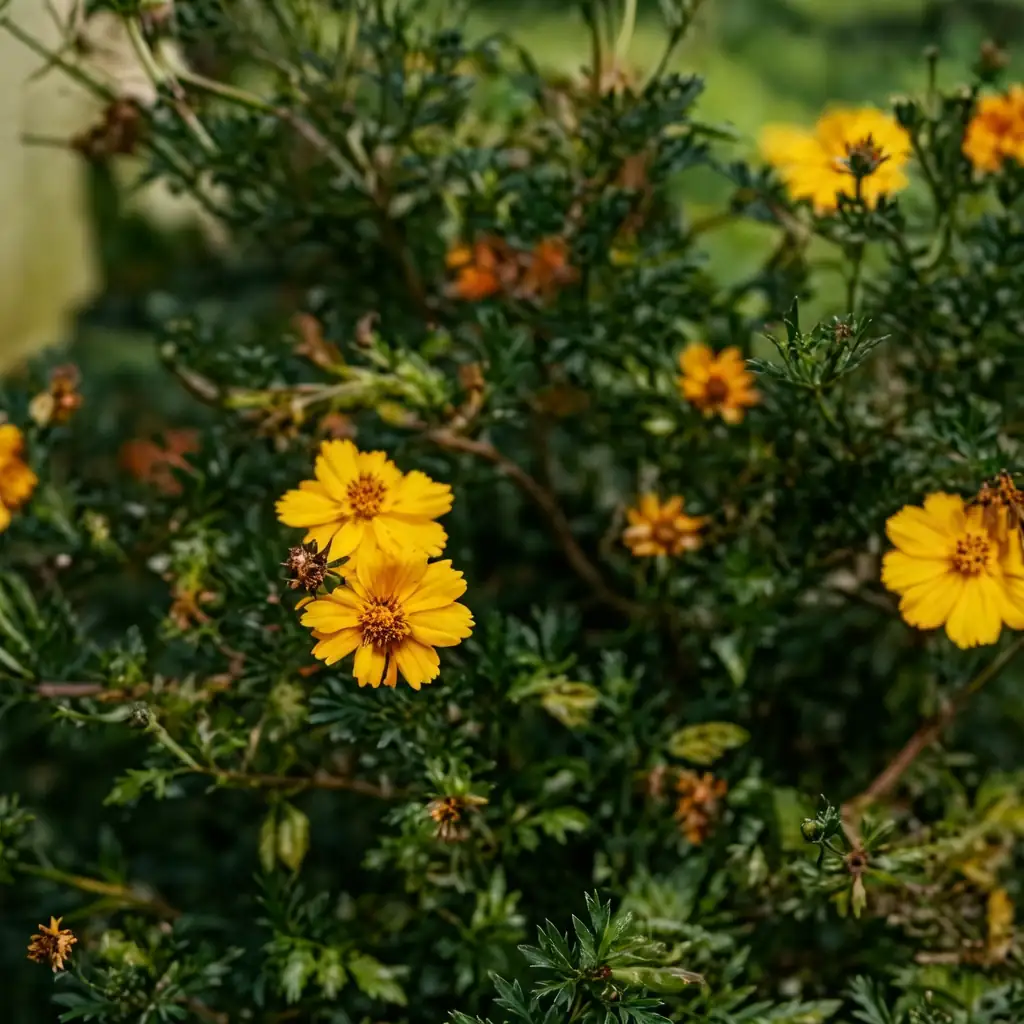
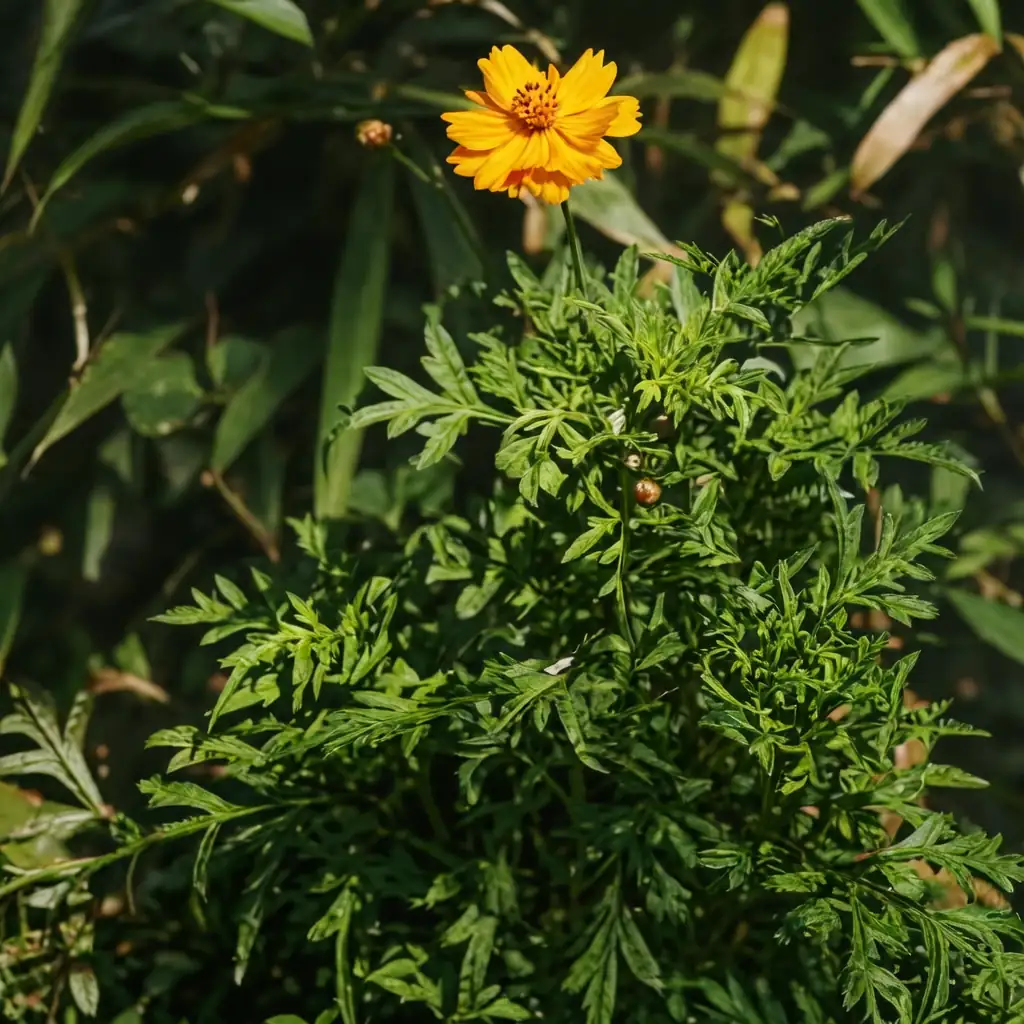
- Foliage: Leaves are finely divided (2–3 times pinnately cut), creating a soft, feathery, fern-like texture; the narrow segments are lance-shaped to elliptic and give the plant an airy look even before flowering.
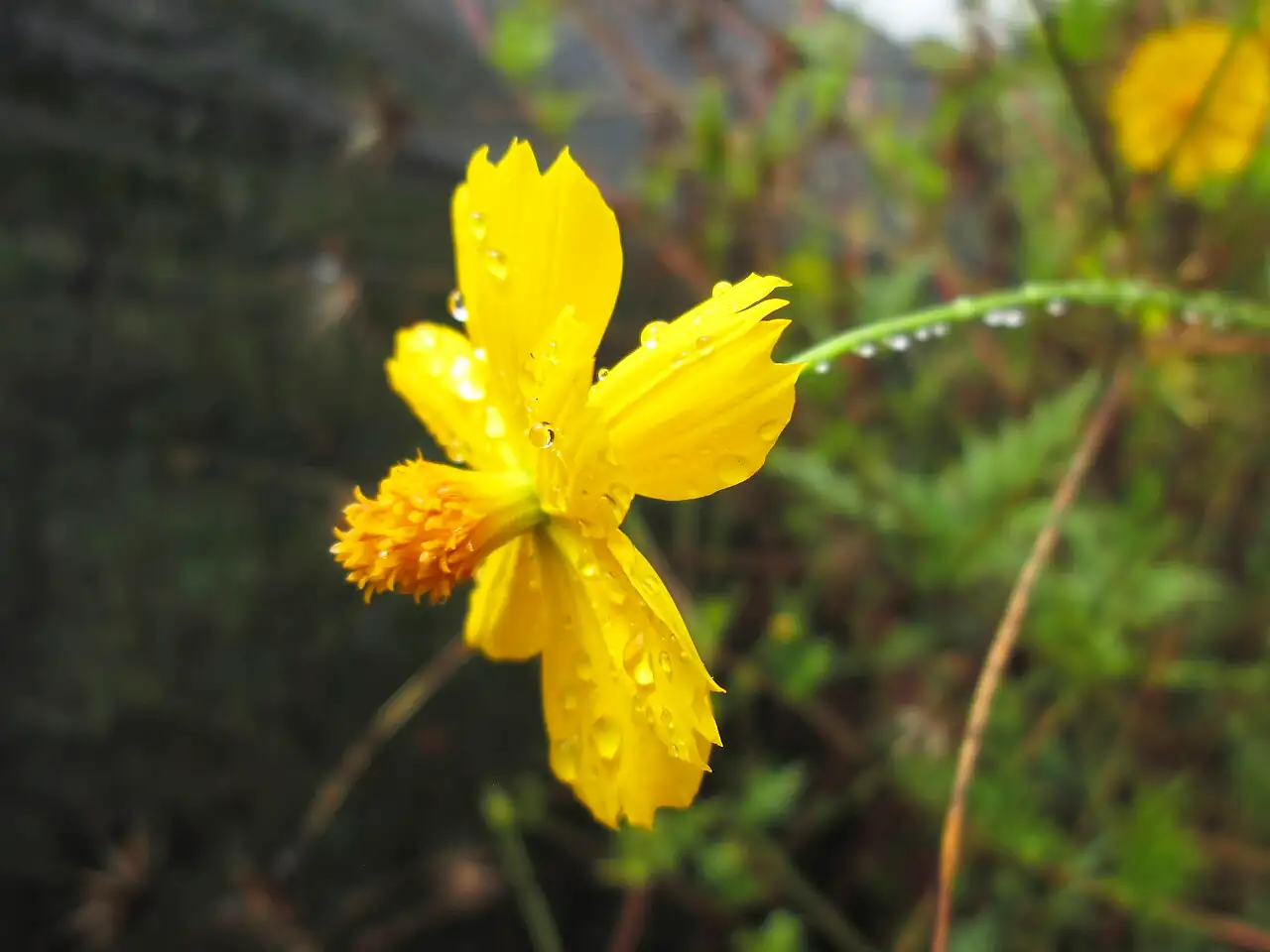
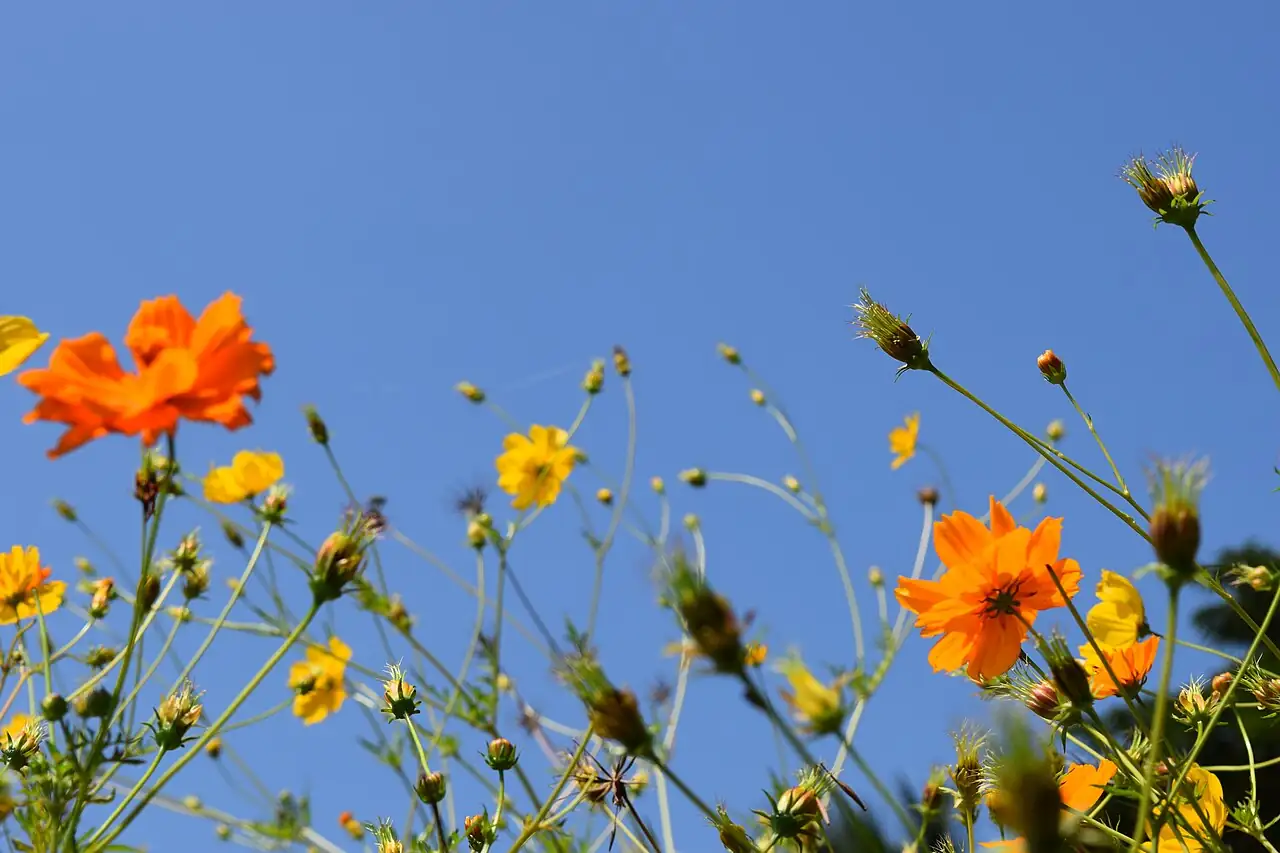
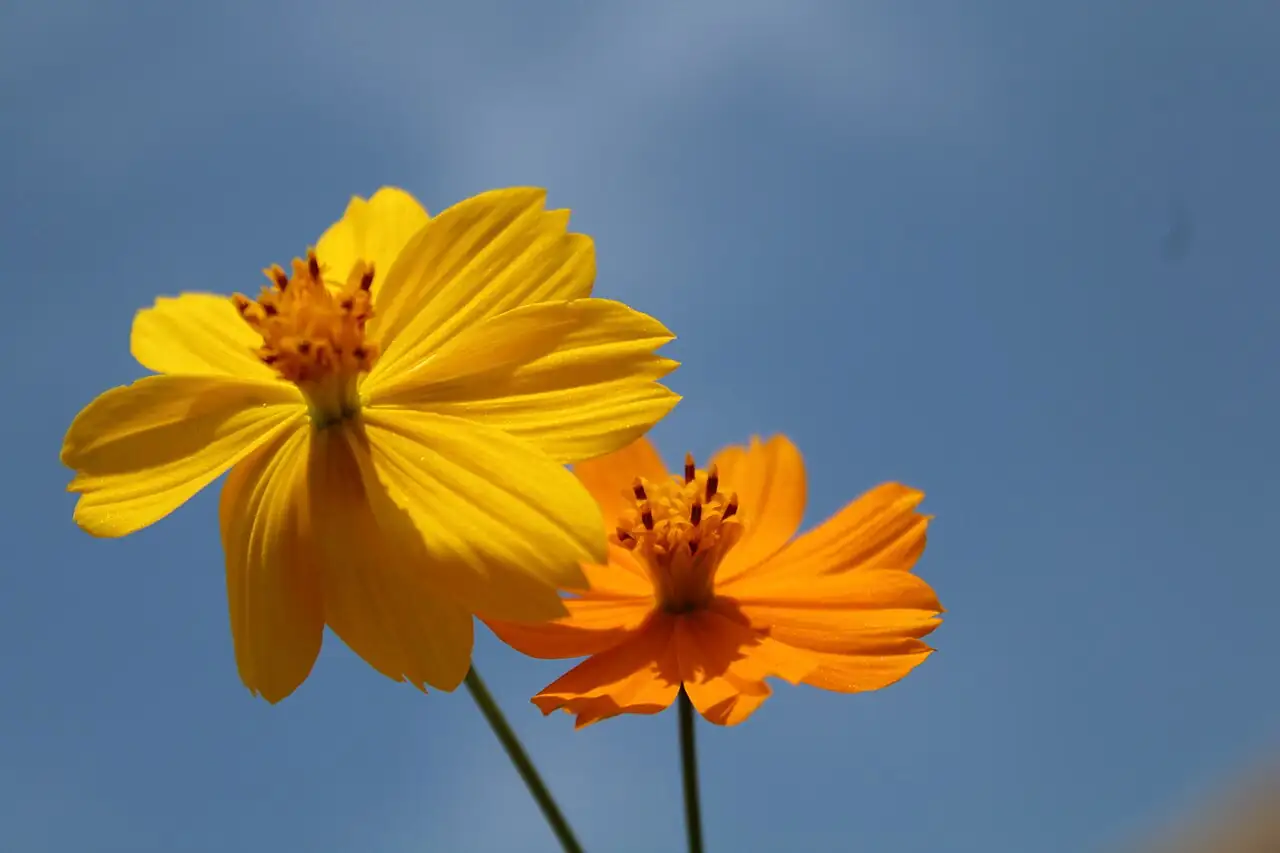
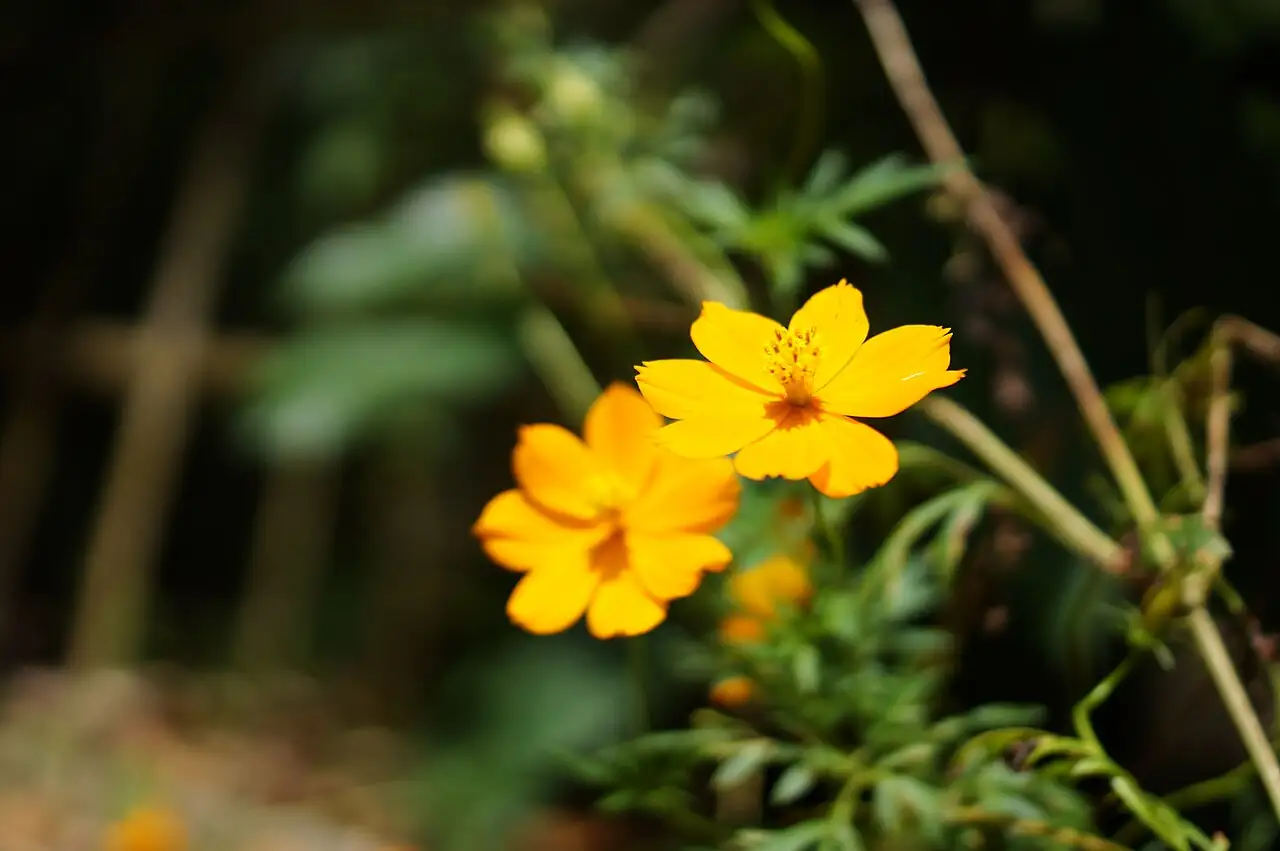
- Flower: Daisy-like flower heads in orange to golden yellow. The ray florets are often slightly notched or toothed at the tips, surrounding a central cluster of yellow tubular disc florets. Seeds are slender achenes, often with a bristly texture.
- Flowering Season: June–August (often continues into early fall in warm climates).
- Growth Habit: Upright, freely branching annual herb with a light, open structure; readily self-sows when seedheads are allowed to mature.
Environment
Sunlight
Full sun (at least 6–8 hours/day) for best flowering; tends to stretch and bloom poorly in shade.
Temperature
Warm-season plant; grows best around 18–30°C (64–86°F). Frost tender—protect from temperatures below 0°C (32°F).
Humidity
Prefers dry to moderate humidity with good airflow; prolonged damp, stagnant conditions can invite mildew and general decline.
Soil
Needs well-drained soil. Tolerates poor, sandy ground, but avoid heavy, waterlogged clay. Moderately fertile soil supports sturdy growth; overly rich soil can reduce flowering.
Placement
Great for sunny beds and borders, mass planting, meadow/naturalistic plantings, and cutting gardens. Leave some spent blooms to form seed if you’d like it to reseed for next year.
Hardiness
Usually grown as an annual; frost tender. Can behave as a short-lived perennial only in frost-free areas (roughly USDA Zones 9–11).
Care Guide
Difficulty
Easy—especially in sunny, warm spots. The main pitfall is overly wet soil or poor drainage.
Buying Guide
Pick stocky, compact seedlings with healthy green leaves. Skip plants that are leggy, yellowing (often from staying too wet), or badly root-bound. For quick color, buy starts in late spring; for larger drifts, direct-sow seed after frost.
Watering
Water regularly while establishing, then switch to a lighter hand. Let the top 2–5 cm (1–2 in) of soil dry between waterings, and avoid soggy conditions—this plant tolerates drought far better than “wet feet.”
Fertilization
Light feeder. In very poor soil, use a balanced fertilizer at 1/4–1/2 strength every 4–6 weeks during active growth. Too much nitrogen encourages lush leaves with fewer flowers.
Pruning
Pinch young plants at 15–25 cm (6–10 in) to promote branching and a bushier shape. Deadhead to extend flowering, or leave some seedheads to ripen for self-sowing. If stems get tall and floppy, trim back lightly to encourage sturdier regrowth.
Propagation
By seed. Direct-sow outdoors after the last frost (once temperatures stay above 0°C/32°F), or start indoors 4–6 weeks earlier. Readily self-seeds where conditions suit it.
Repotting
Most often grown in the ground. In containers, use a fast-draining potting mix and a pot at least 20–30 cm (8–12 in) wide. Repot only if roots fill the pot early in the season.
📅 Seasonal Care Calendar
Sow outdoors after the last frost; thin seedlings to reduce crowding and improve airflow. Peak flowering is June–August, often extending into early fall in warm climates. Seed ripens around September–October—leave some heads if you want volunteer seedlings next year.
Pests, Diseases & Safety
Common Pests & Diseases
Usually trouble-free. Watch for aphids, spider mites during hot/dry spells, and powdery mildew when airflow is poor. Help prevent issues by spacing plants, watering at the base, and avoiding excess nitrogen.
Toxicity
Not known to be toxic to people or pets in normal garden use, though nibbling any plant may cause mild stomach upset in sensitive individuals.
Culture & Symbolism
Symbolism: Cheerfulness, warmth, and bright summer energy—its sun-colored blooms practically glow in the garden.
History & Legends: A New World Cosmos native to tropical America, grown for generations as an ornamental thanks to its heat tolerance, long bloom season, and habit of naturalizing by seed in warm regions.
Uses: Ornamental color for beds, borders, and mass plantings; ideal for naturalistic/meadow gardens. A favorite in cutting gardens, and a reliable pollinator plant that attracts bees and butterflies.
FAQ
Why is my sulfur cosmos tall and floppy?
Common causes are too little sun, overly rich soil, or too much fertilizer (especially nitrogen). Give it full sun, keep feeding light, and pinch plants at 15–25 cm (6–10 in) to encourage stronger branching.
Can it survive winter?
It’s frost tender and usually grown as an annual. It won’t tolerate temperatures below 0°C (32°F), but it may come back from self-sown seed if seedheads mature and winters are mild.
How do I get more flowers?
Full sun is key. Keep soil well-drained and not too rich, water moderately (don’t keep it wet), and deadhead regularly. Heavy fertilizing often reduces blooming.
Fun Facts
- Despite the name, its flowers are usually orange to golden-yellow rather than “sulfur” yellow only.
- It can reseed generously, creating bright drifts that look different each year depending on where seedlings pop up.
- The finely cut foliage gives a soft, airy texture that pairs beautifully with grasses and other wildflower-style plants.
- Once established, it’s a dependable choice for hot, sunny, lower-water gardens.
- For the best vase life, cut stems when the first flowers on the stem are just opening.