Plant Features
- Size: Low, mat-forming groundcover; typically 5–20 cm (2–8 in) tall, spreading readily via runners and often extending about 30–100+ cm (12–39+ in) or more in a single growing season under good conditions.
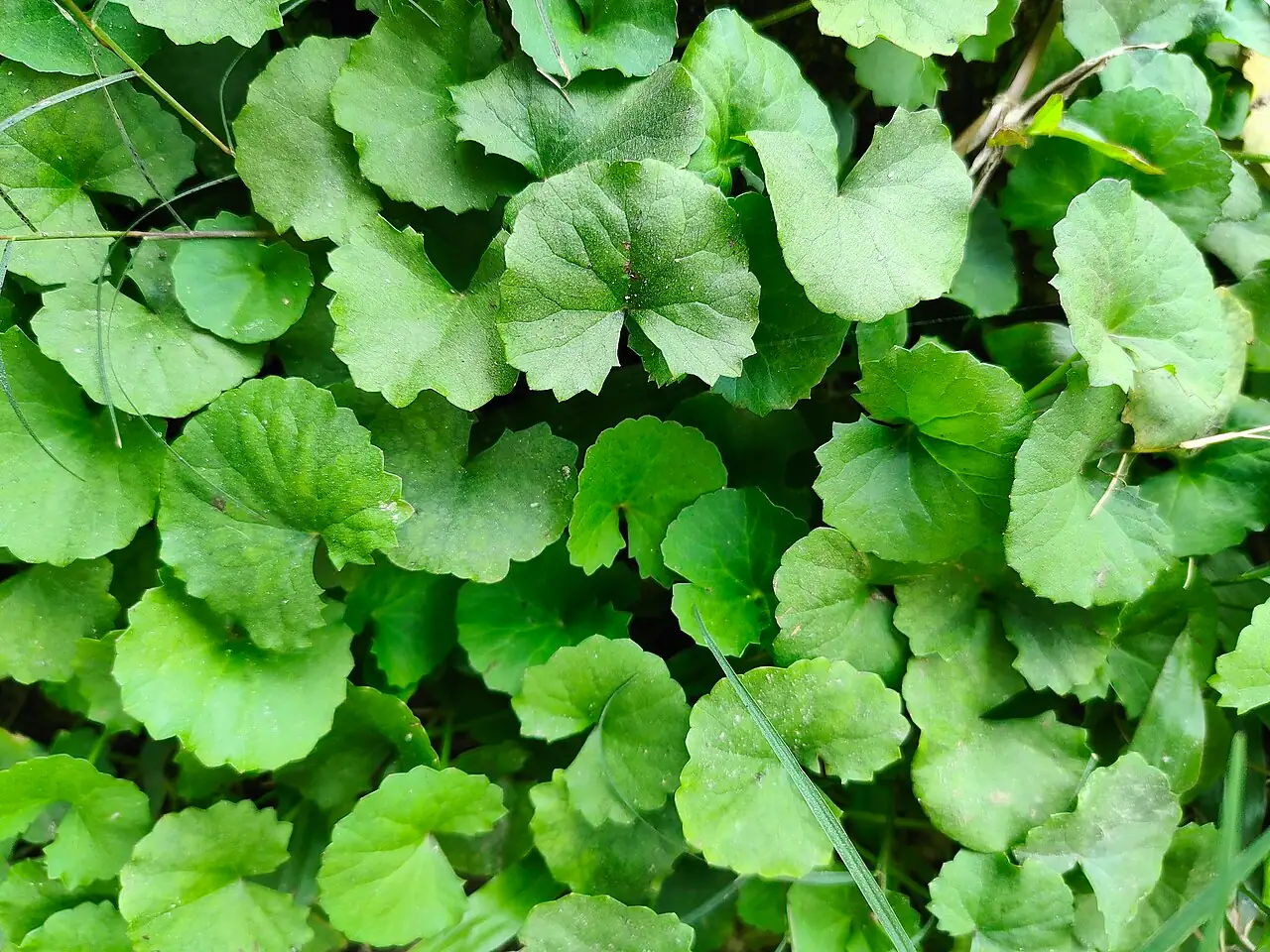
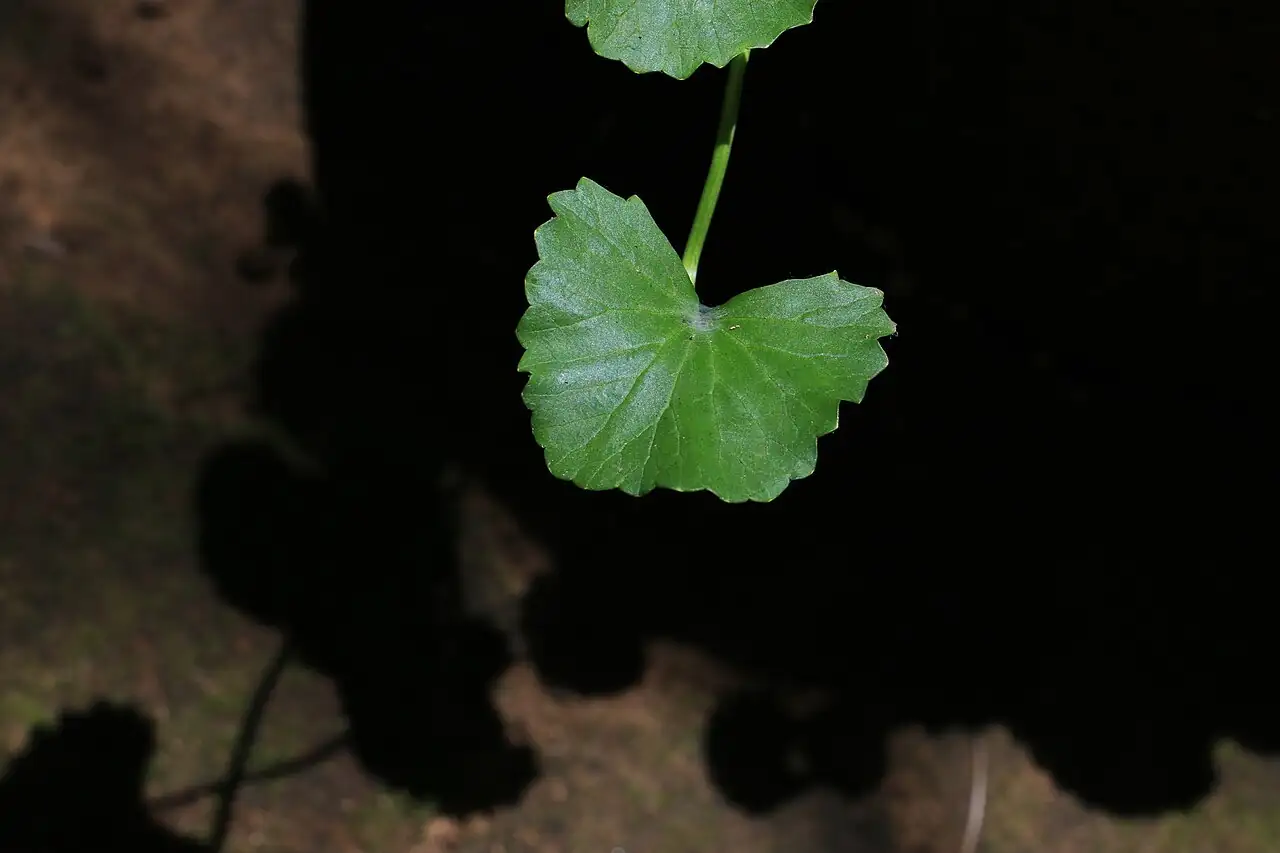
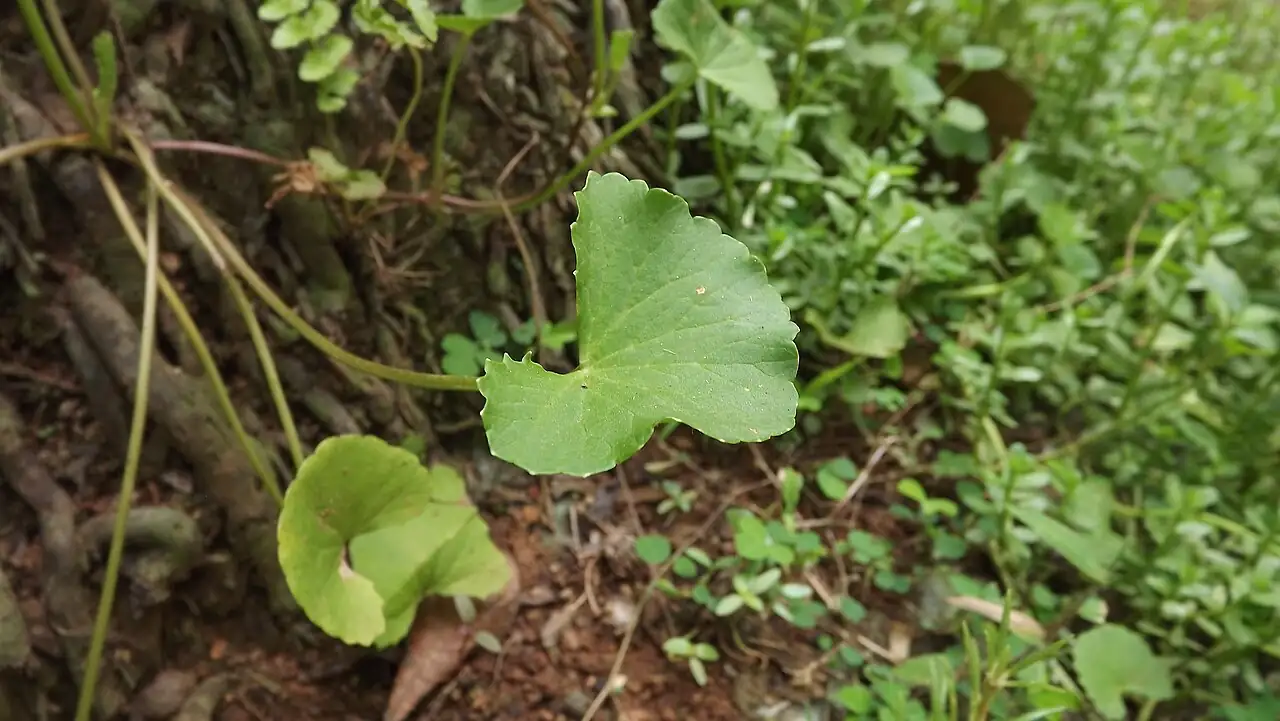
- Foliage: Leaves are thin and soft-textured, bright to mid green, and round to kidney- or horseshoe-shaped. They arise on long petioles from creeping stems that root at the nodes, helping the plant knit into a dense carpet over time.
- Flower: Flowers are small and fairly inconspicuous, held in compact, umbel-like clusters from the leaf axils. Color is usually whitish to pale pink, sometimes with a pinkish-purple tinge. After flowering, it forms small, rounded to slightly flattened fruits.
- Flowering Season: April–October
- Growth Habit: Creeping, stoloniferous perennial herb that spreads by slender runners (stolons) which root at the nodes, forming a dense mat.
Environment
Sunlight
Bright shade to partial sun is ideal. In hot climates, give morning sun with afternoon shade; in mild, moist conditions it can tolerate fuller sun.
Temperature
Best growth at 16–24°C (61–75°F). Growth often slows above ~30°C (86°F). Protect from cold—especially in pots—and aim to avoid temperatures below 5°C (41°F) for dependable overwintering.
Humidity
Prefers moderate to high humidity and consistently moist air/soil conditions. Hot, dry air can lead to stress and increased mite problems.
Soil
Moist, fertile, well-drained soil rich in organic matter. Adapts to loam and sandy loam, but performs best when moisture is steady—avoid letting it dry out completely, while also preventing stagnant, waterlogged conditions.
Placement
Excellent as groundcover or a lawn alternative in warm, humid gardens, along borders, and between stepping stones where soil stays moist. Also great in containers and hanging baskets in bright shade (a wider pot helps it spread).
Hardiness
Not frost-hardy; generally treated as a tender perennial in cool climates. Best outdoors in warm regions or grown in containers that can be protected when temperatures approach 5°C (41°F) and below.
Care Guide
Difficulty
Easy to moderate: it’s very cooperative when kept evenly moist and sheltered from harsh heat and frost, but it sulks if baked in strong sun or allowed to dry out.
Buying Guide
Pick plants with fresh, evenly green leaves and visible, active runners. Avoid pots that smell sour or look waterlogged, and skip plants with blackened stems or obvious rot. For quick coverage, choose a plant already sending out stolons.
Watering
Keep the soil consistently moist but never stagnant. Water when the top 1–2 cm (0.4–0.8 in) begins to dry; in hot weather this can mean frequent watering. In cooler seasons, reduce frequency, but don’t allow the root zone to fully dry out.
Fertilization
Feed lightly during active growth (spring through early autumn) with a balanced fertilizer at 1/4–1/2 strength every 2–4 weeks. Avoid heavy nitrogen feeding, which can create overly soft growth that’s easier to stress and damage.
Pruning
Trim runners to manage spread and pinch back leggy growth to encourage a thicker, neater mat. Remove yellowing leaves to improve airflow and keep the patch looking fresh.
Propagation
Very easy by division or runner (stolon) cuttings. Simply pin a runner node onto moist soil until it roots, then cut it free from the mother plant. Seed is possible, but vegetative propagation is faster and more reliable for home growing.
Repotting
Repot in spring once the container fills out or growth slows. Use a moisture-retentive yet airy mix, and consider moving to a wider, shallower pot to encourage spreading.
📅 Seasonal Care Calendar
Spring: repot/divide, begin light feeding, and encourage new runners. Summer: protect from intense heat with afternoon shade, keep moisture steady, and trim/pinch to thicken growth. Autumn: taper off feeding while maintaining moderate moisture. Winter: protect from cold, keep slightly moist (not soggy), and provide bright light.
Pests, Diseases & Safety
Common Pests & Diseases
Watch for aphids, spider mites (especially in hot, dry indoor air), and snails/slugs outdoors. Poor drainage and constant sogginess can trigger root/stem rot. Improve airflow, avoid waterlogging, and use insecticidal soap or horticultural oil for pest flare-ups when needed.
Toxicity
Generally regarded as non-toxic to people and pets when grown ornamentally. If using it medicinally or ingesting it, follow professional guidance—individual sensitivities and interactions can occur.
Culture & Symbolism
Symbolism: Often linked with longevity, resilience, and healing—an association that comes naturally from its long-standing traditional use.
History & Legends: Centella asiatica has been grown and used for generations across South and East Asia, valued both as a traditional herbal plant and as a practical, beautiful groundcover in warm, humid landscapes.
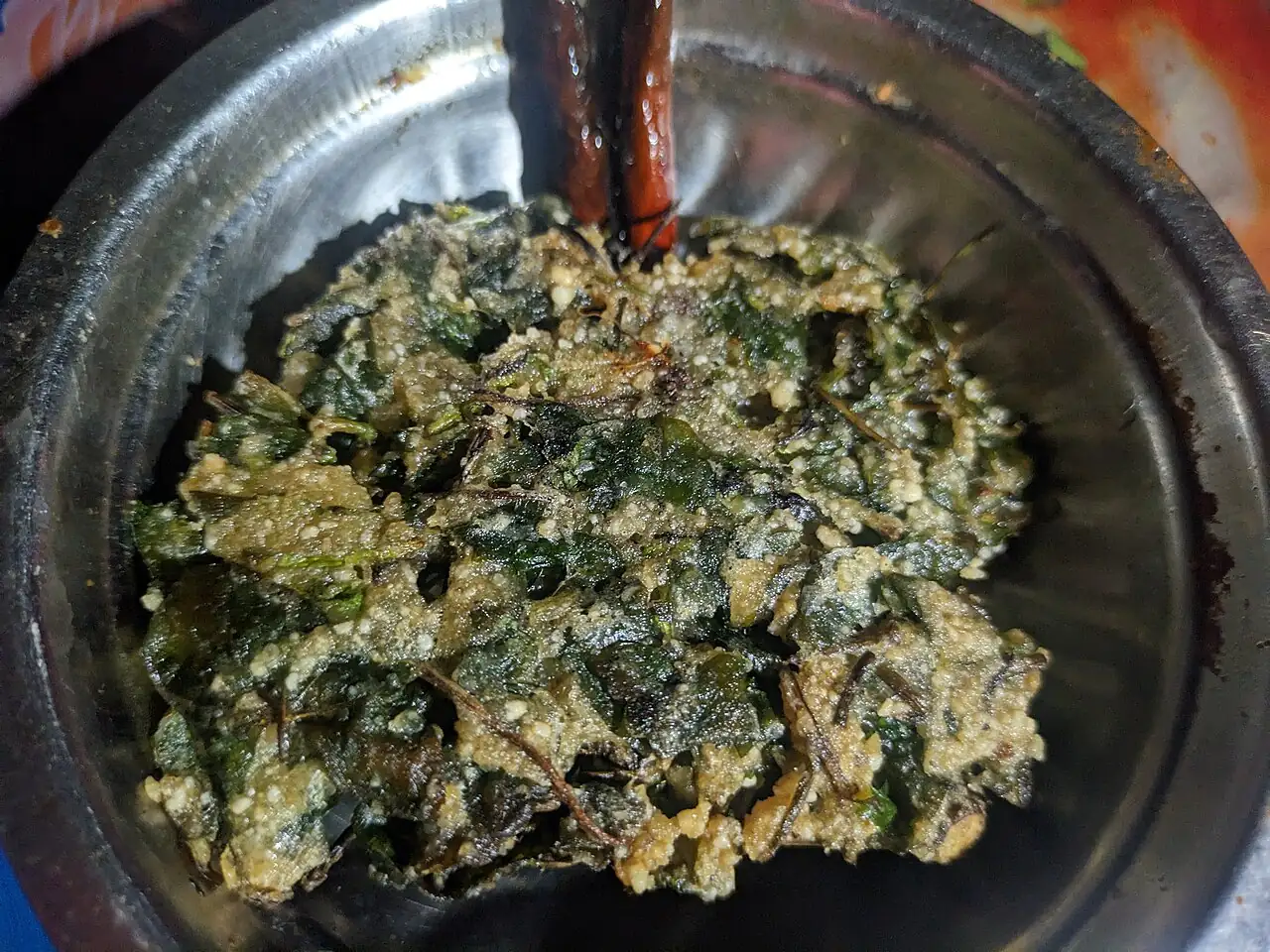
Uses: A fast-establishing ornamental groundcover or lawn substitute with a long green season. The whole plant is also widely known for use in traditional herbal preparations.
FAQ
Why is my gotu kola not growing in summer?
It often slows when temperatures rise above about 30°C (86°F), especially if it’s in strong sun or the soil dries even briefly. Give afternoon shade, keep the soil evenly moist, and improve airflow.
Can gotu kola be grown indoors?
Yes—give bright indirect light, keep the mix consistently moist (not waterlogged), and aim for moderate humidity. A wide, shallow pot helps it spread naturally.
How do I make it form a dense mat?
Steady moisture is key. Feed lightly during the growing season, pinch/trim runners regularly, and pin nodes onto soil so they root—this quickly thickens the carpet.
Fun Facts
- It can flower and fruit over a long season—often from April to October.
- Its runners root at the nodes, so it can “walk” across soil and fill gaps like a living carpet.
- A single healthy pot can rapidly turn into many rooted plantlets just by letting stolons touch soil.
- It’s famously heat-sensitive: growth commonly slows once temperatures climb past about 30°C (86°F).
- It’s both a practical landscape groundcover and one of Asia’s best-known traditional herbal plants.