Plant Features
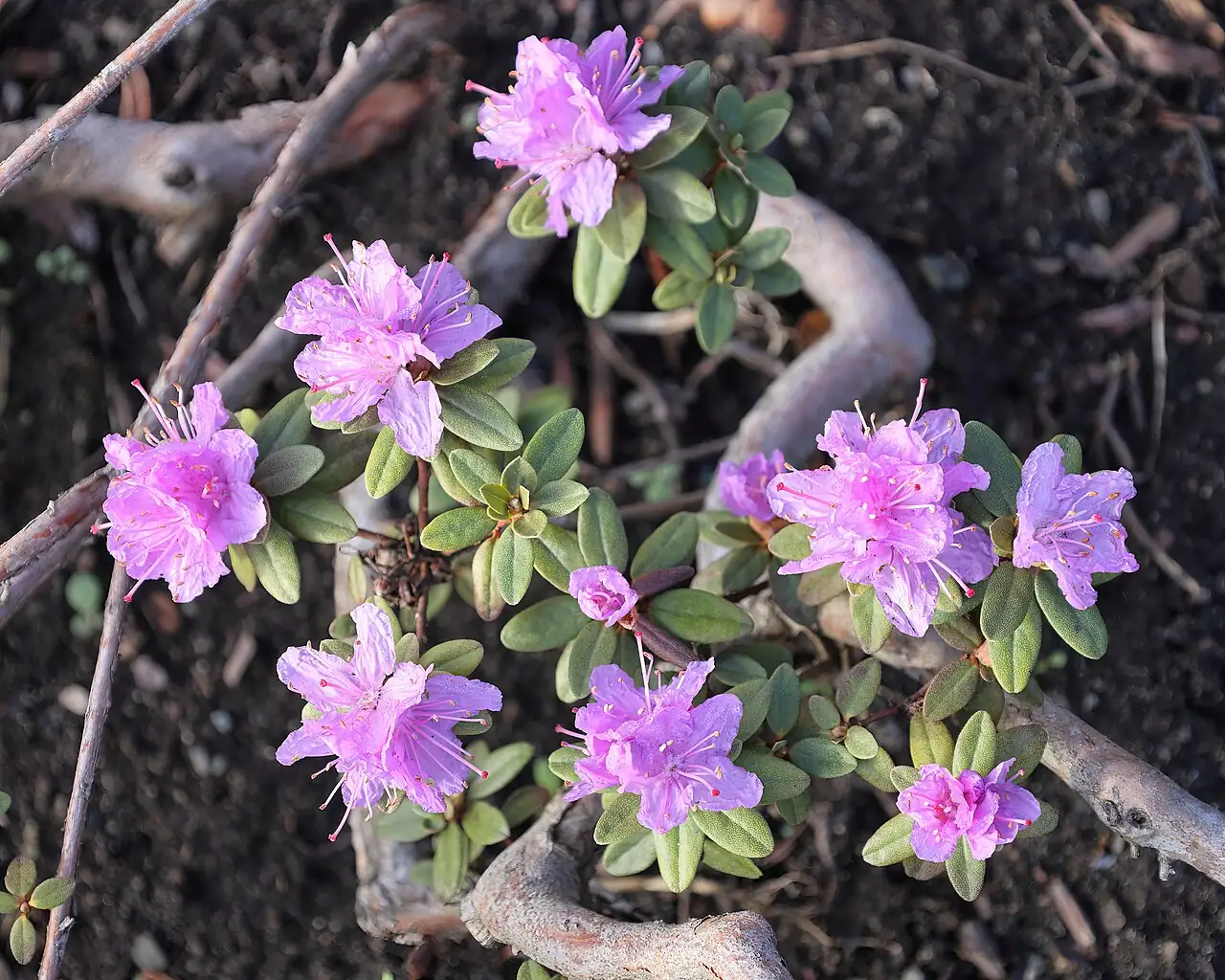
- Size: Typically about 30 cm (12 in) tall in pots; spread varies by cultivar, often 25–40 cm (10–16 in).
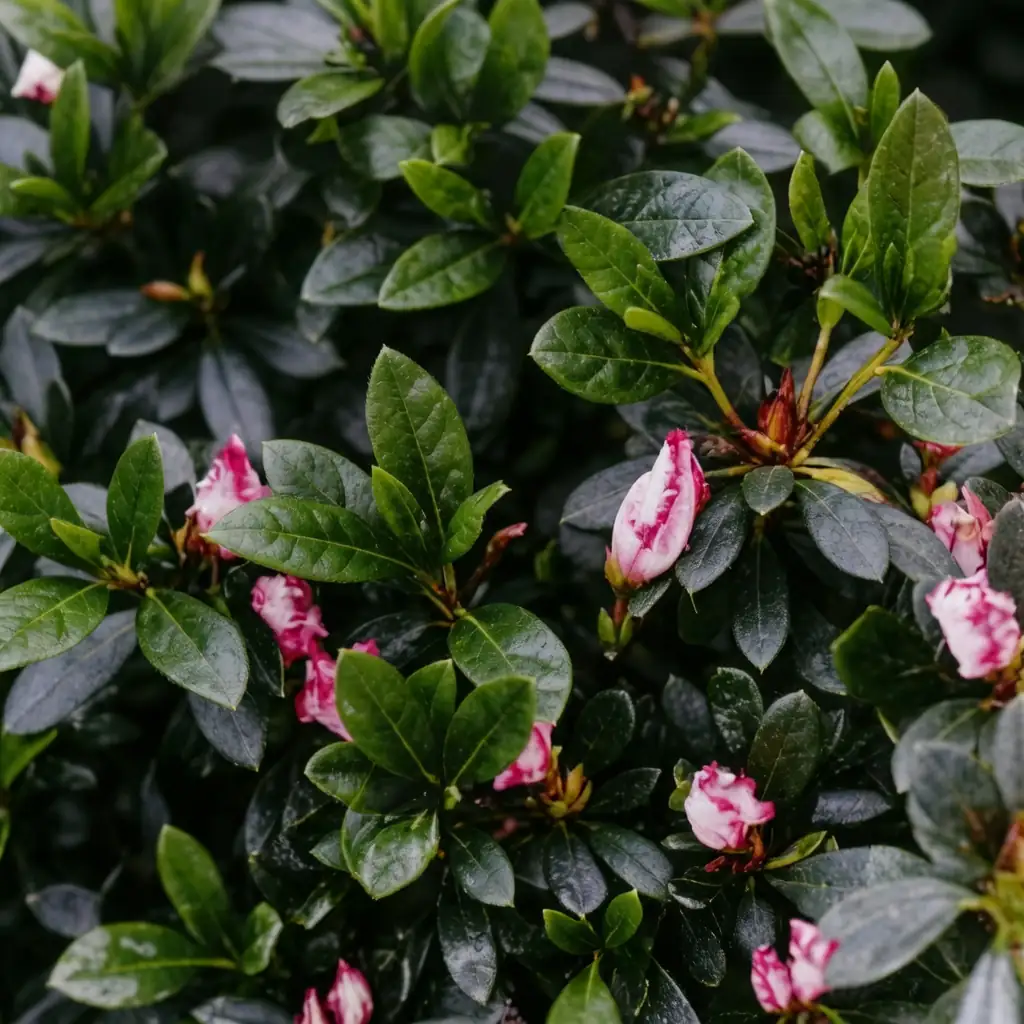
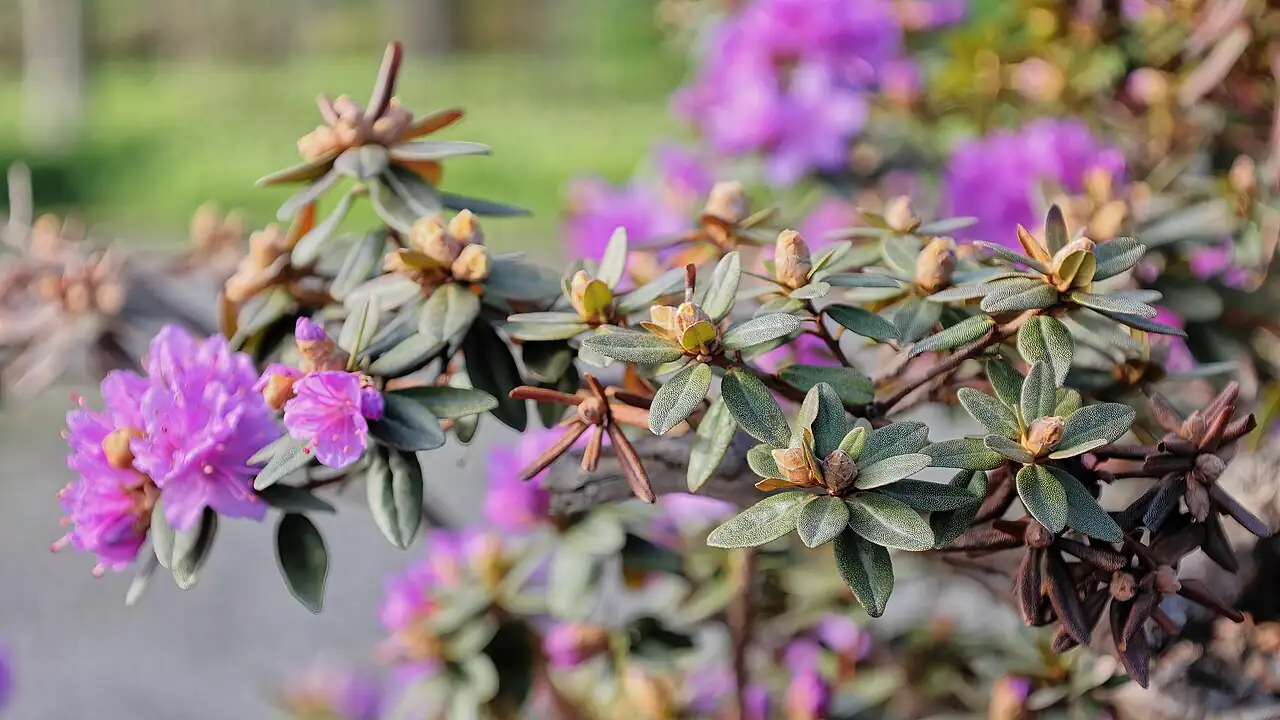
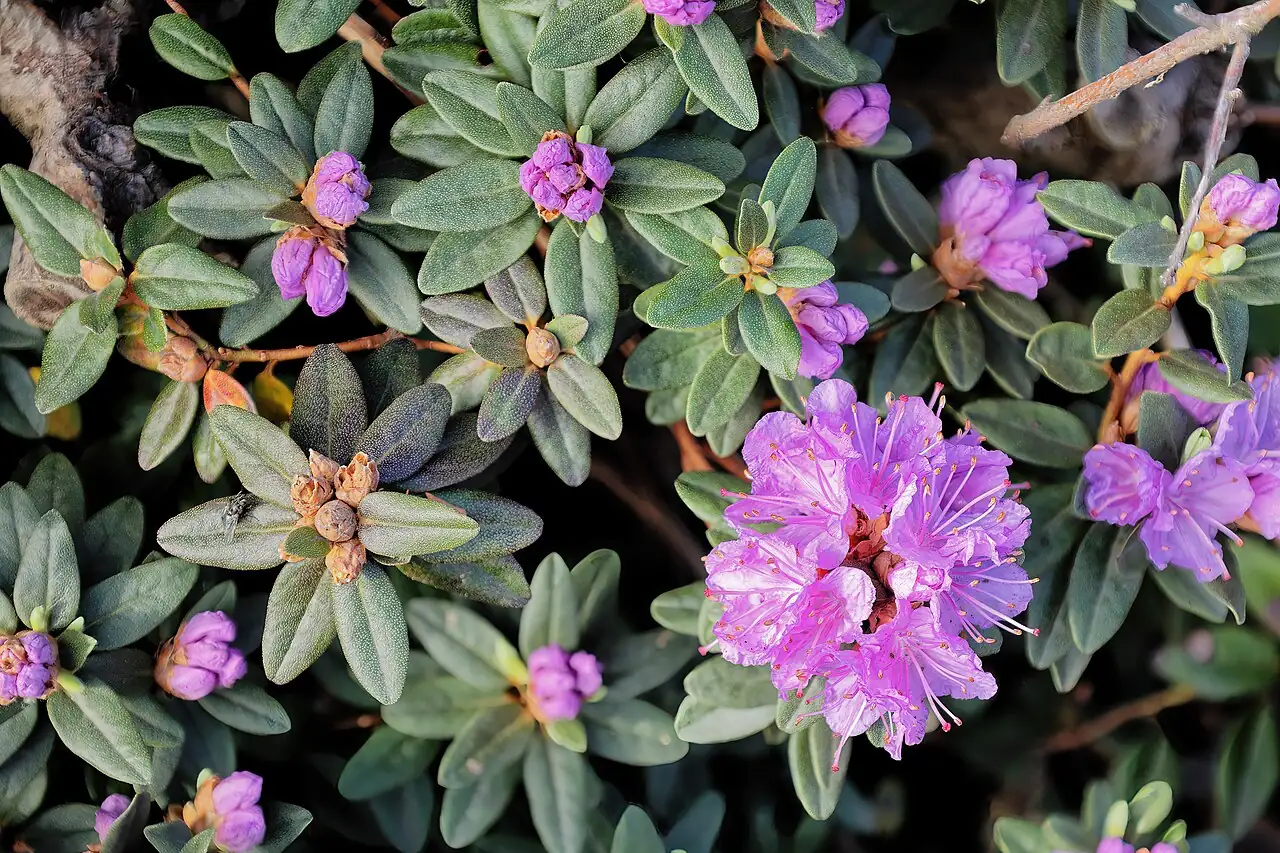
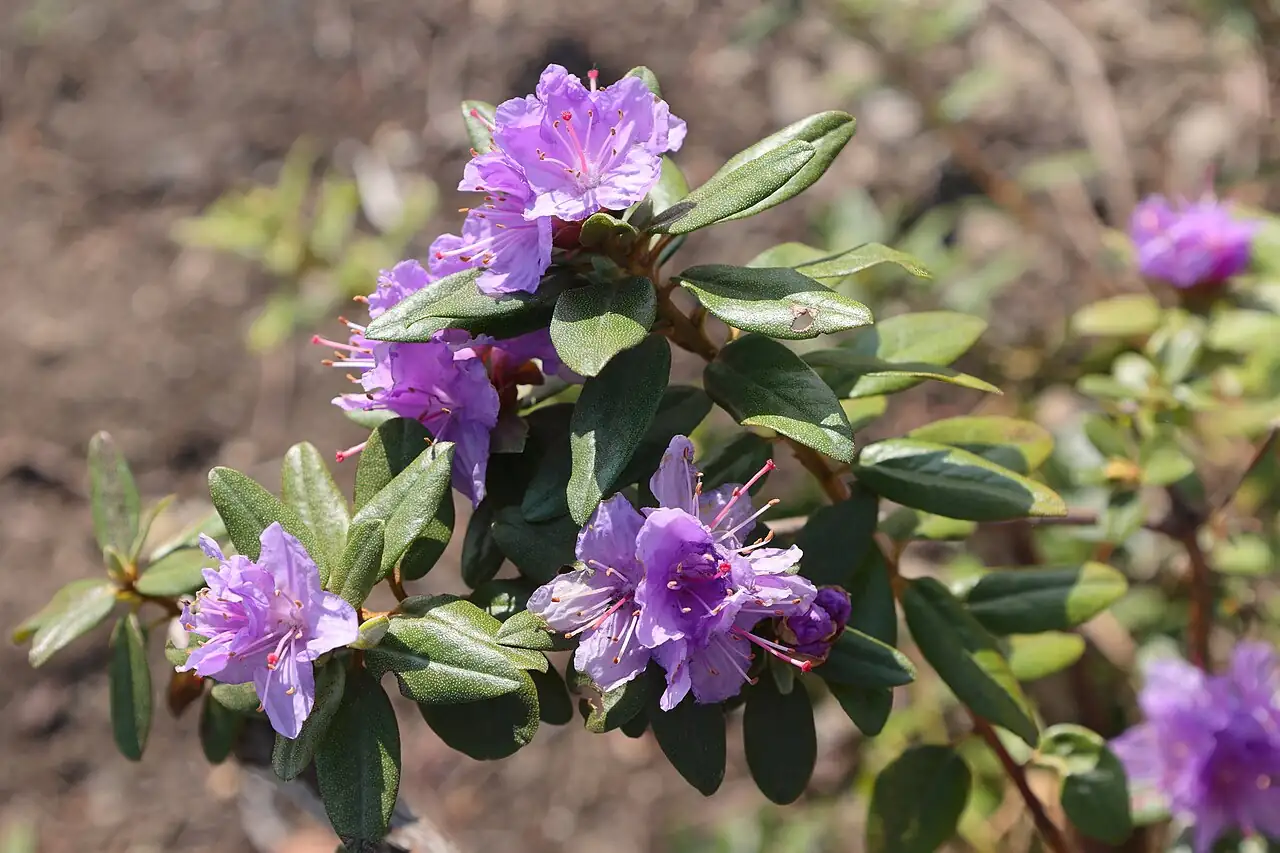
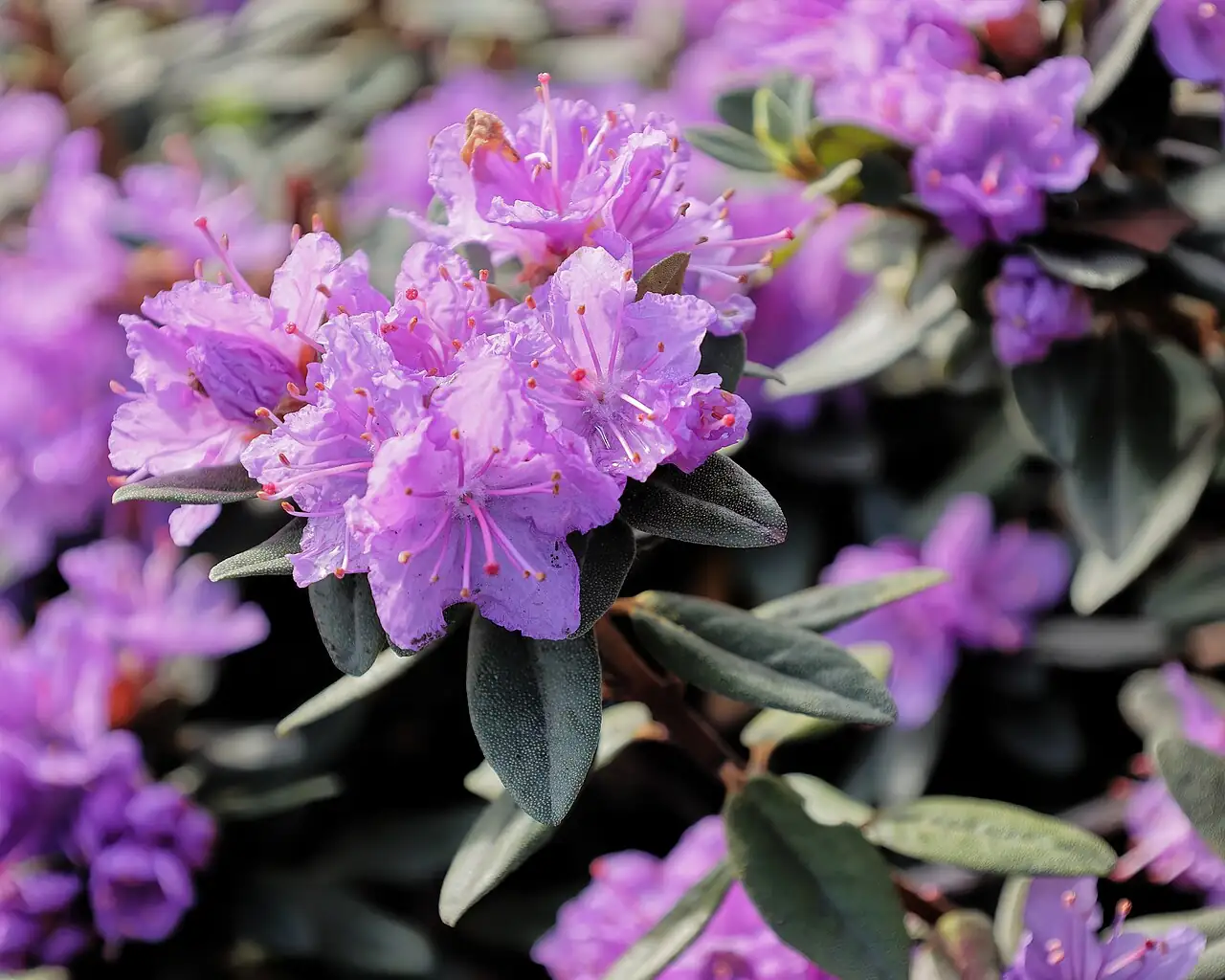
- Foliage: Leaves are alternate and fairly thick (leathery to papery), often clustered toward the tips of the shoots. Some forms have fine, pale hairs on the upper surface that give the foliage a softly textured look. Like many ericaceous plants, it has a fine, fibrous root system that dislikes disturbance and soggy conditions.
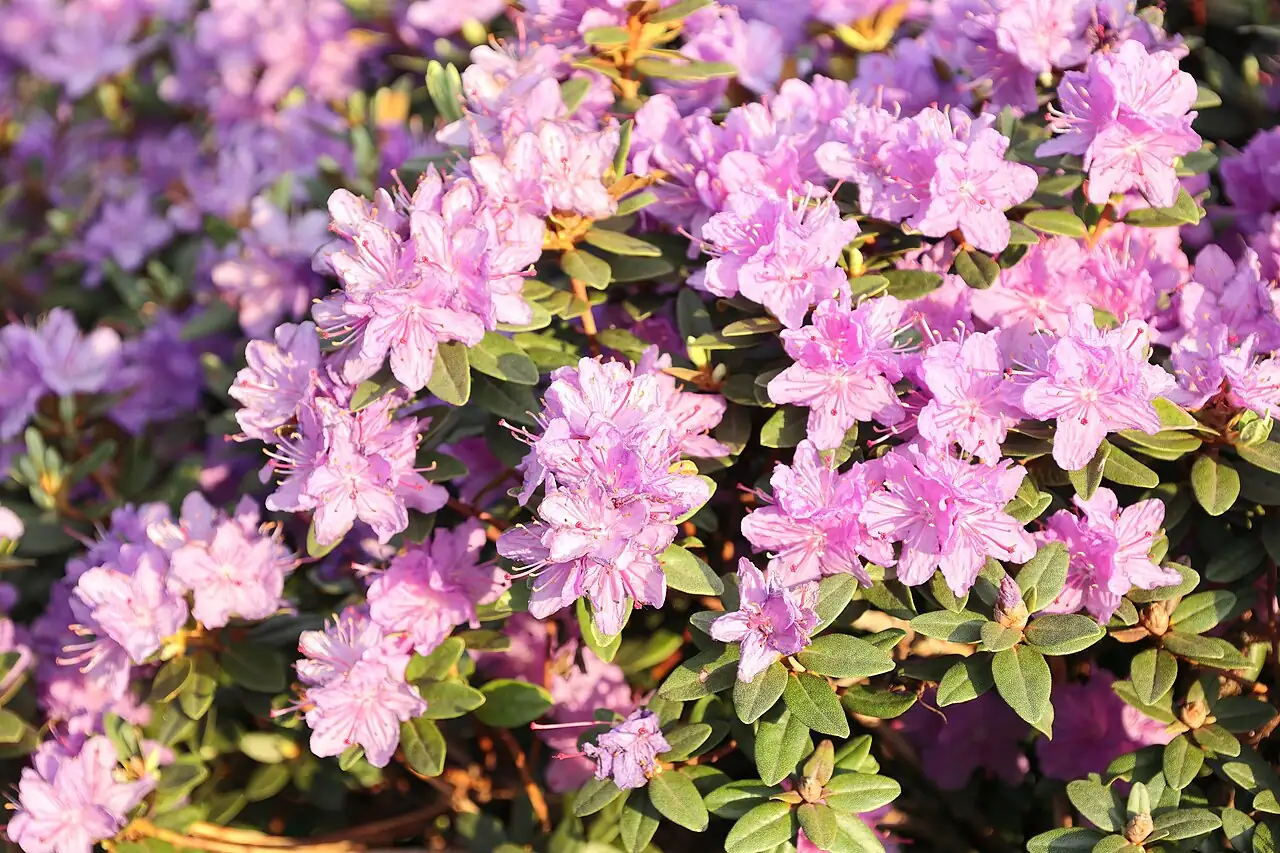
- Flower: Large, showy flowers are carried in terminal clusters and may appear before or alongside new leaves depending on cultivar and greenhouse forcing. Colors range widely—white, pink, red, purple, and bicolors are common. If pollinated, the plant can form a capsule fruit, but fruiting is uncommon on indoor potted plants and is usually avoided by deadheading.
- Flowering Season: Main flush in spring (April–May); with cultivation/forcing, buds and flowers may appear at other times of year.
- Growth Habit: Low, dense, evergreen shrub with closely set branching; commonly grown as a compact pot plant and can be trained in bonsai-style or stump-form compositions.
Environment
Sunlight
Bright, indirect light or light shade. Avoid harsh midday sun and especially hot, direct afternoon sun, which can scorch leaves and shorten the flowering display.
Temperature
Best growth at 12–25°C (54–77°F). From April to September, 18–25°C (64–77°F) is often ideal; keeping it cooler (about 10–18°C / 50–64°F) helps flowers last longer. Protect from frost and avoid hot, stuffy rooms.
Humidity
Moderate to high humidity is preferred, roughly 50–70%. Good airflow helps; avoid misting the flowers directly to reduce spotting and petal damage.
Soil
Acidic, free-draining ericaceous mix (roughly pH 4.5–6.0) with excellent aeration. Avoid lime/alkaline conditions and heavy, waterlogged soils—both can lead to root stress and nutrient issues.
Placement
A bright window with filtered light, a cool conservatory, or a sheltered patio in mild weather. Works well as a decorative indoor pot plant and can be trained into bonsai-style forms if given patient, careful after-bloom pruning.
Hardiness
Generally treated as frost-free as a florist (pot) azalea. Outdoor hardiness depends on cultivar; many are roughly in the USDA Zone 8–10 range, but potted plants are best protected from freezing temperatures.
Care Guide
Difficulty
Moderate: it’s very rewarding, but it insists on a few basics—cooler temperatures, consistent (not soggy) moisture, higher humidity, and reliably acidic conditions. Heat, dry air, or alkaline water/soil are the most common reasons it struggles.
Buying Guide
Pick a plant with lots of firm buds and only a few blooms already open (for the longest display). Look for rich green leaves and a sturdy, compact shape. Avoid plants with crispy leaf edges, widespread yellowing (often linked to chlorosis), limp growth, or compost that feels sour/soggy—these can signal root stress.
Watering
Keep the mix evenly moist but never waterlogged. Water thoroughly when the top 1–2 cm (0.4–0.8 in) feels slightly dry, then let excess drain away—do not leave the pot standing in water. Use rainwater, distilled water, or low-mineral water when possible to prevent alkalinity buildup that can trigger nutrient lockout (especially iron chlorosis).
Fertilization
During active growth, feed with an acid-forming azalea/camellia fertilizer at half strength every 2–4 weeks. Pause feeding during peak bloom, then resume lightly after flowering. Avoid heavy feeding in winter or when growth is slow.
Pruning
Deadhead spent flowers and prune lightly right after flowering to keep the plant compact and encourage branching. Avoid heavy or late-season pruning because it can remove developing buds for the next bloom cycle.
Propagation
Because florist’s azaleas are complex hybrids, seed is not used for true-to-type plants. Propagate by semi-ripe cuttings (common for skilled growers) or by commercial techniques such as tissue culture.
Repotting
Repot after flowering (or in early spring) every 1–2 years into fresh ericaceous mix. Disturb the root ball as little as possible, avoid planting too deeply, and prioritize drainage—fine roots are sensitive to suffocation and rot.
📅 Seasonal Care Calendar
Spring: enjoy flowering; deadhead and lightly prune right after blooms fade. Summer: keep out of hot sun, stay evenly moist, and feed lightly; protect from heat spikes. Autumn: reduce feeding; keep bright and cool to encourage bud set. Winter: keep frost-free, on the cool side, with lightly moist soil and good airflow.
Pests, Diseases & Safety
Common Pests & Diseases
In warm, dry air it can attract spider mites; other pests include lace bugs, aphids, and mealybugs. Poor drainage can cause root rot. Yellowing from iron chlorosis is common when water or soil is too alkaline. Improve airflow, keep the mix free-draining, correct water quality (use low-mineral water), and treat pests with insecticidal soap or horticultural oil as needed.
Toxicity
Toxic if ingested. Like other rhododendrons/azaleas, it contains grayanotoxins that can poison people and pets (including cats and dogs). Keep out of reach of children and chewing pets.
Culture & Symbolism
Symbolism: Often linked with elegance, tenderness, and the bright happiness of spring—one reason it’s such a popular festive and gift plant.
History & Legends: Florist’s azaleas are a product of European greenhouse innovation, especially in Belgium and the Netherlands, where breeders selected and refined hybrids for compact growth and heavy flowering in pots.
Uses: Primarily an ornamental container plant for indoor display and sheltered outdoor use in mild conditions. It’s also used for artistic training—bonsai-style or stump-form compositions—thanks to its dense branching and spectacular bloom.
FAQ
What is the scientific name of florist’s azalea?
It’s commonly listed as Rhododendron × hybridum, a complex hybrid group used for pot (florist) azaleas.
When does it flower?
Most often in spring, especially April–May, though greenhouse forcing and good home care can shift flowering to other times.
When does it set fruit?
If flowers are pollinated, capsules may form in summer (roughly June–August), but indoor potted plants rarely fruit and deadheading usually prevents it.
How tall does it grow?
Many potted plants stay around 30 cm (12 in) tall, with a spread commonly about 25–40 cm (10–16 in), depending on cultivar and training.
What temperature is best for growth and long-lasting flowers?
Growth is best around 12–25°C (54–77°F), and flowers usually last longer if you can keep it cooler—about 10–18°C (50–64°F).
What light does it need indoors?
Bright, indirect light (or light shade). Strong direct sun—especially hot afternoon sun—can scorch leaves and shorten bloom time.
Fun Facts
- Florist’s azalea isn’t a single wild species—it’s a long-developed hybrid group selected for dense growth and heavy flowering.
- Belgium and the Netherlands played a major role in popularizing these azaleas through greenhouse breeding and selection.
- Cooler rooms can dramatically extend how long the flowers stay attractive—often for weeks.
- Some cultivars have fine, pale leaf hairs that give the foliage a slightly soft, velvety feel.
- Because they’re ericaceous plants, they strongly prefer acidic conditions—alkaline water is one of the fastest ways to trigger yellow leaves (chlorosis).