Plant Features
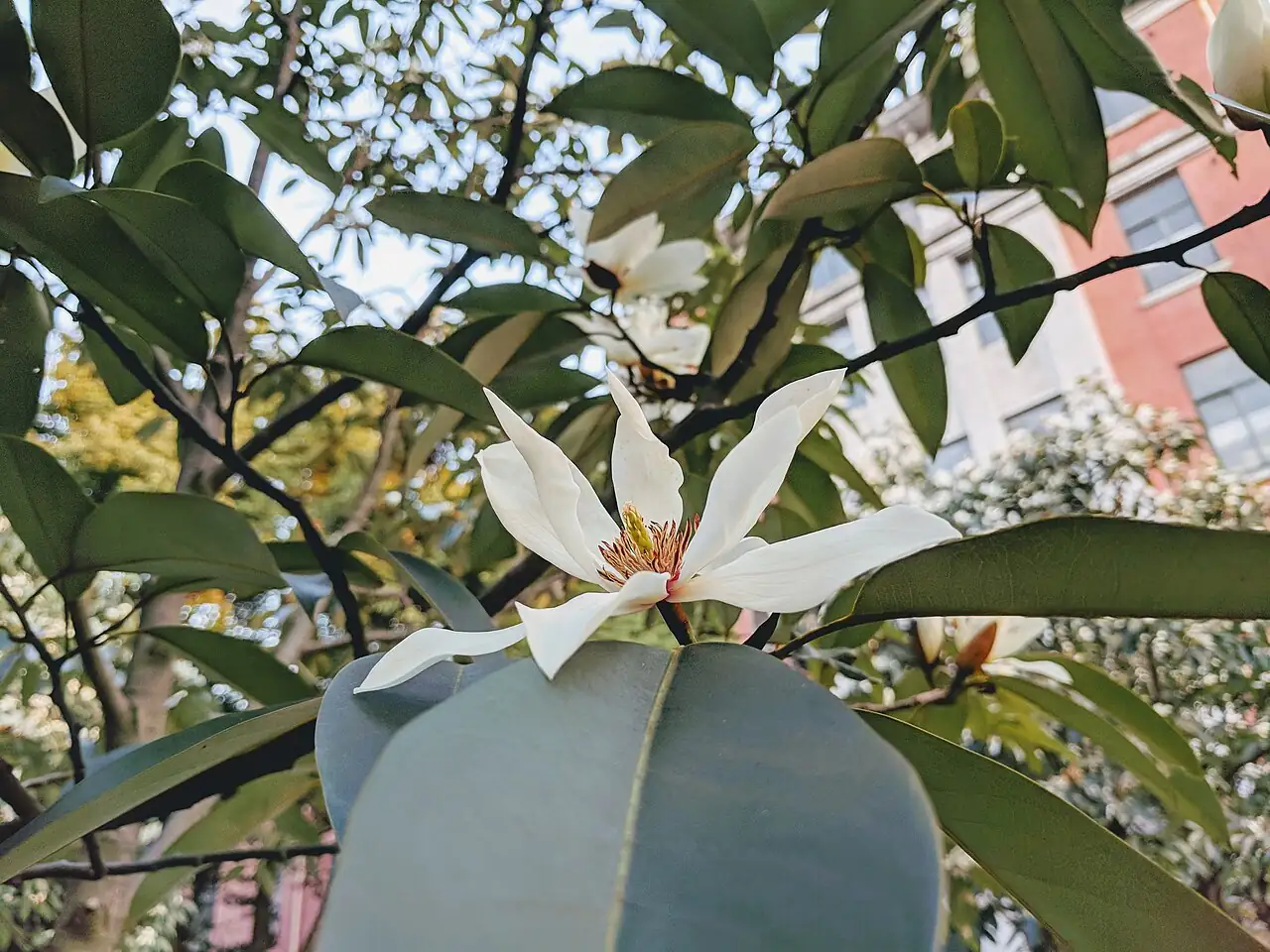
- Size: Up to 20 m (65.6 ft) tall; typically grown as a medium to large evergreen tree in cultivation.
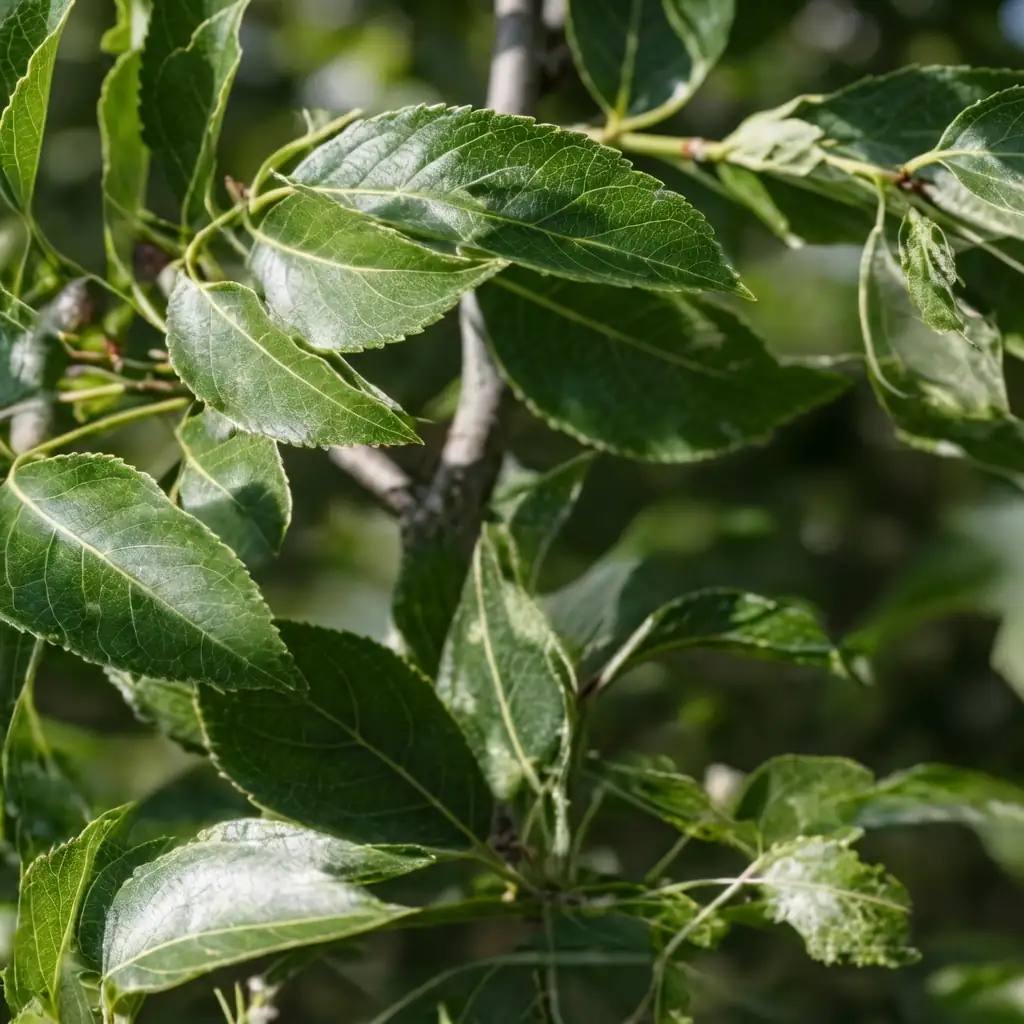
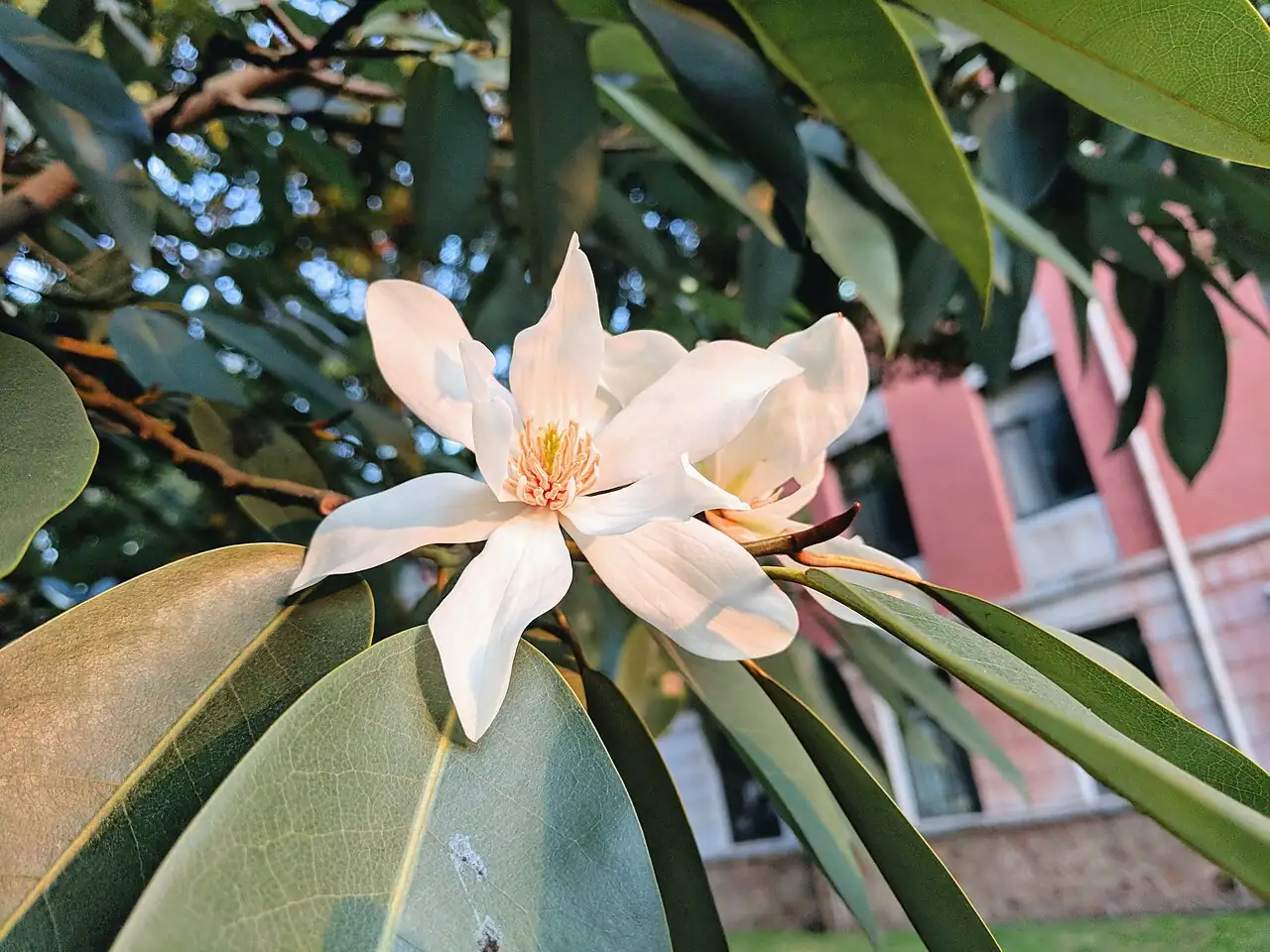
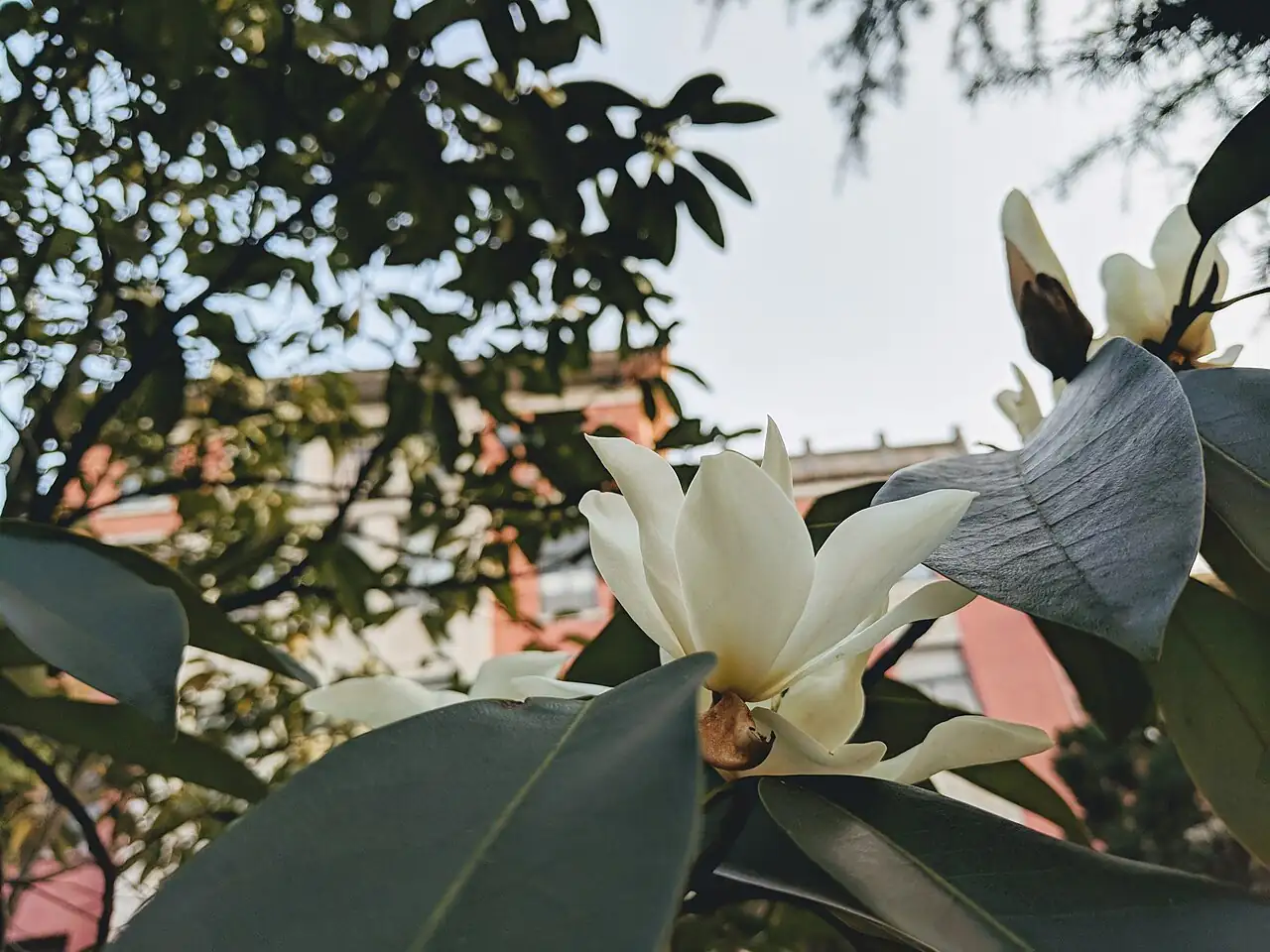
- Foliage: Broad-elliptic leaves, about 7–18 cm (2.8–7.1 in) long, glossy deep green on top with a paler, slightly whitish/glaucous underside. Veins are clearly visible, and the midrib is noticeably raised.
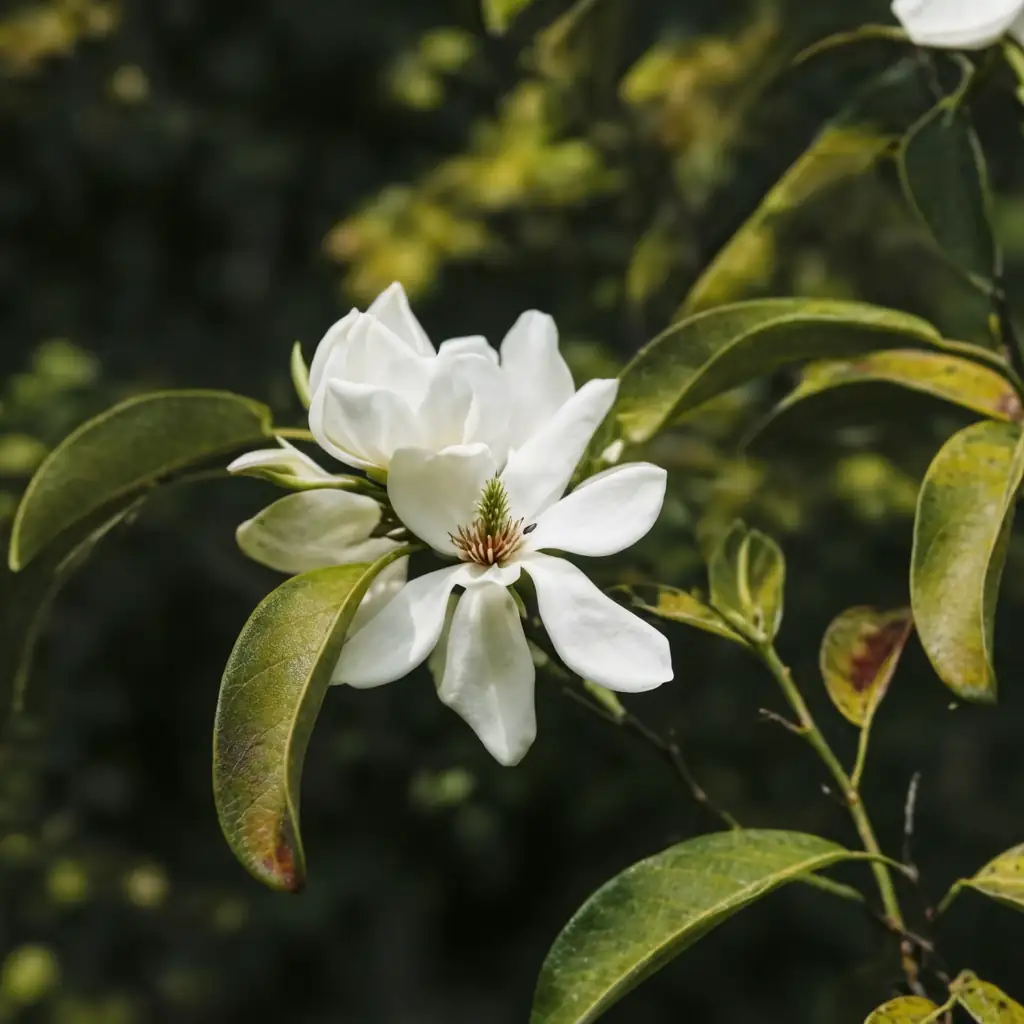
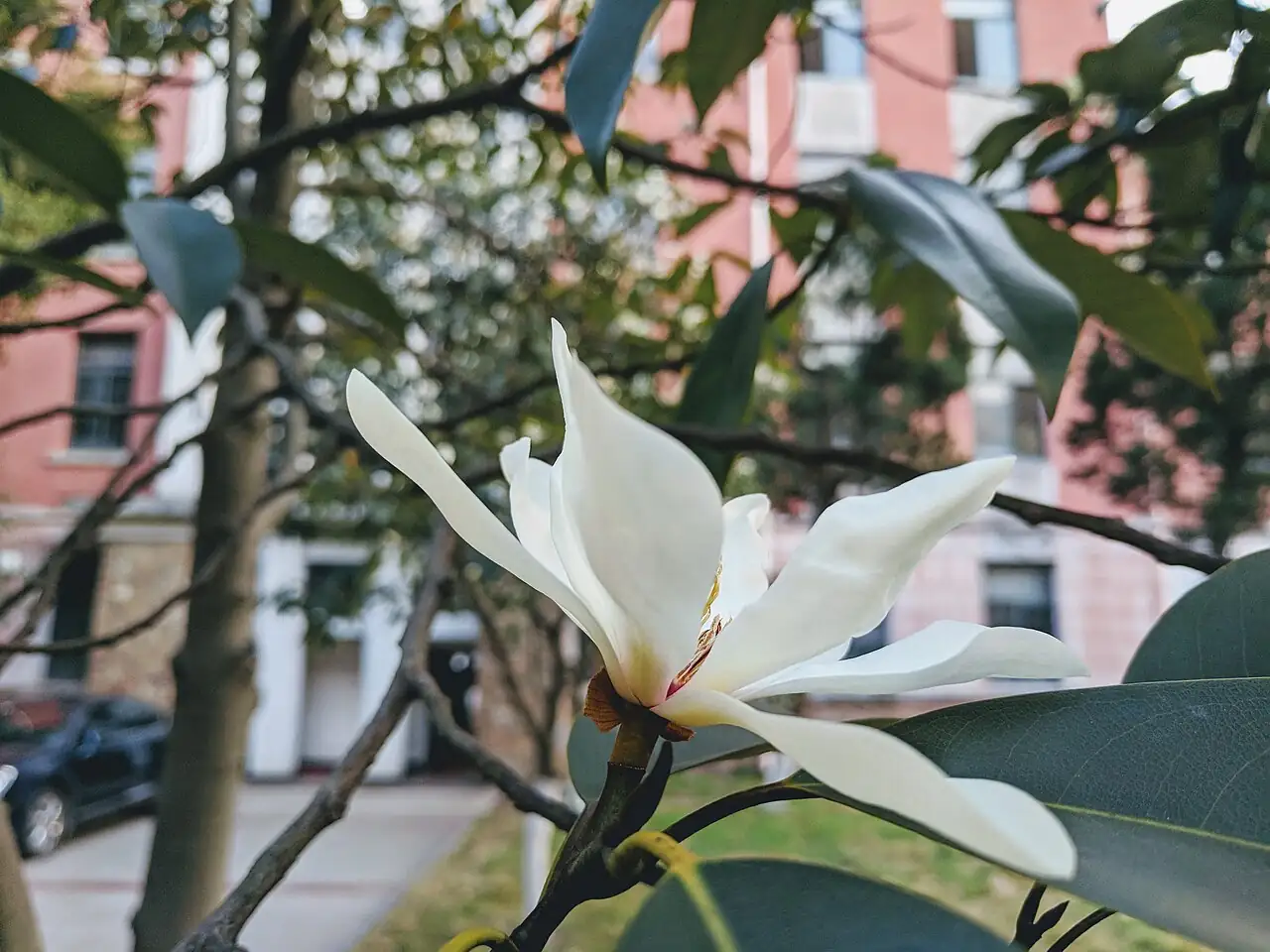
- Flower: Large, white, strongly fragrant flowers that look thick and waxy. After flowering, it can form an aggregate fruit about 10–12 cm (3.9–4.7 in) long; seeds are obliquely egg-shaped.
- Flowering Season: Late winter to early spring (February–March).
- Growth Habit: Upright, fast-growing evergreen tree that adapts well in warm, humid climates. Sun-loving for best flowering, though younger plants cope with partial shade. Known for a strong root system, good resprouting ability, and tolerance of hot, dry spells once established; reported to have relatively good tolerance of sulfur dioxide in some urban conditions.
Environment
Sunlight
Full sun to partial shade; brightest light usually gives the most flowers, while young plants can handle more shade.
Temperature
Prefers warm conditions; protect from hard freezes. Best where winter lows are generally above about -5°C (23°F).
Humidity
Moderate to high humidity is ideal; appreciates evenly moist conditions (especially while establishing).
Soil
Deep, fertile, moisture-retentive but well-drained, slightly acidic sandy loam. Avoid waterlogged sites and very alkaline soils.
Placement
Outdoors as a specimen tree or small avenue tree in gardens, courtyards, and parks; plant in a sheltered, sunny position away from drying winds.
Hardiness
Approximately USDA Zone 8–10 (sometimes cited as 7–10 depending on provenance and microclimate); not reliably hardy in severe winters or repeated hard frosts.
Care Guide
Difficulty
Moderate: quite straightforward once established in the right climate and soil, but sensitive to poor drainage and severe frost.
Buying Guide
Pick plants with glossy, healthy leaves and no blackened tips. Check that the plant isn’t root-bound (no tight root circling) and that it has a strong central leader with an evenly balanced canopy. Avoid nursery pots that are sitting in water or smell sour (a sign of waterlogging).
Watering
Water deeply through the first 1–2 growing seasons to establish a robust root system. After establishment, water during extended dry spells; aim for evenly moist soil, never soggy. Apply mulch 5–8 cm (2–3 in) to conserve moisture and buffer root temperatures.
Fertilization
Feed in spring with compost or a balanced slow-release fertilizer. If grown in alkaline soil and leaves yellow (chlorosis), switch to an acid-forming fertilizer and consider improving soil organic matter.
Pruning
Keep pruning light. Remove dead, damaged, or crossing branches after flowering; heavy pruning can reduce flowering and spoil the natural shape.
Propagation
Typically propagated by fresh seed sown when ripe, semi-ripe cuttings, or grafting for selected forms. The plant also has a strong natural ability to resprout and regenerate after damage.
Repotting
Usually planted in the ground. For young container plants, pot up in spring into a free-draining, slightly acidic mix, and plant out before roots become cramped.
📅 Seasonal Care Calendar
Late winter–spring: enjoy the bloom; mulch and feed after flowering. Summer: water during heat or drought. Autumn: reduce feeding; keep evenly moist as fruits mature. Winter: protect young plants from frost and cold winds.
Pests, Diseases & Safety
Common Pests & Diseases
Generally quite trouble-free. Watch for scale insects and aphids; leaf spot may appear in still, humid conditions. Root issues can develop in poorly drained soils. Improve airflow, avoid overwatering, and use horticultural oil for persistent sap-suckers if needed.
Toxicity
Not commonly listed as toxic to people or pets. As a precaution, discourage chewing/ingestion of any ornamental plant parts.
Culture & Symbolism
Symbolism: Often linked with purity and elegance, thanks to its jade-white, sweetly scented blooms.
History & Legends: A cherished ornamental in southern China, traditionally grown for evergreen beauty and early-season fragrance; widely used in subtropical gardens and parks.
Uses: Mainly an ornamental landscape tree for fragrance and winter-to-spring interest. Flowers have also been used in traditional practices and may be processed for fragrant essential oils.
FAQ
When does it flower?
Late winter to early spring, typically February–March.
When does it fruit?
Typically September–October.
How tall can it grow?
Up to about 20 m (65.6 ft) in favorable conditions.
Where is it native to?
Southern and south-central China, including southern Zhejiang, Fujian, Hunan, Guangdong, Guangxi, and Guizhou.
What is it mainly used for?
As an ornamental tree; flowers may be used traditionally and for extracting fragrant oil.
Fun Facts
- It can flower when quite young—sometimes within about 3 years under good conditions.
- The blooms are unusually long-lasting and powerfully fragrant for such an early-season magnolia relative.
- Its fruit is an aggregate structure about 10–12 cm (3.9–4.7 in) long.
- It has been reported to tolerate sulfur dioxide better than many ornamentals, which is why it’s sometimes recommended for urban planting.
- Young plants accept partial shade, but sunnier sites usually produce the best flowering.