Plant Features
- Size: Typically 5–10 m (16–33 ft) tall.
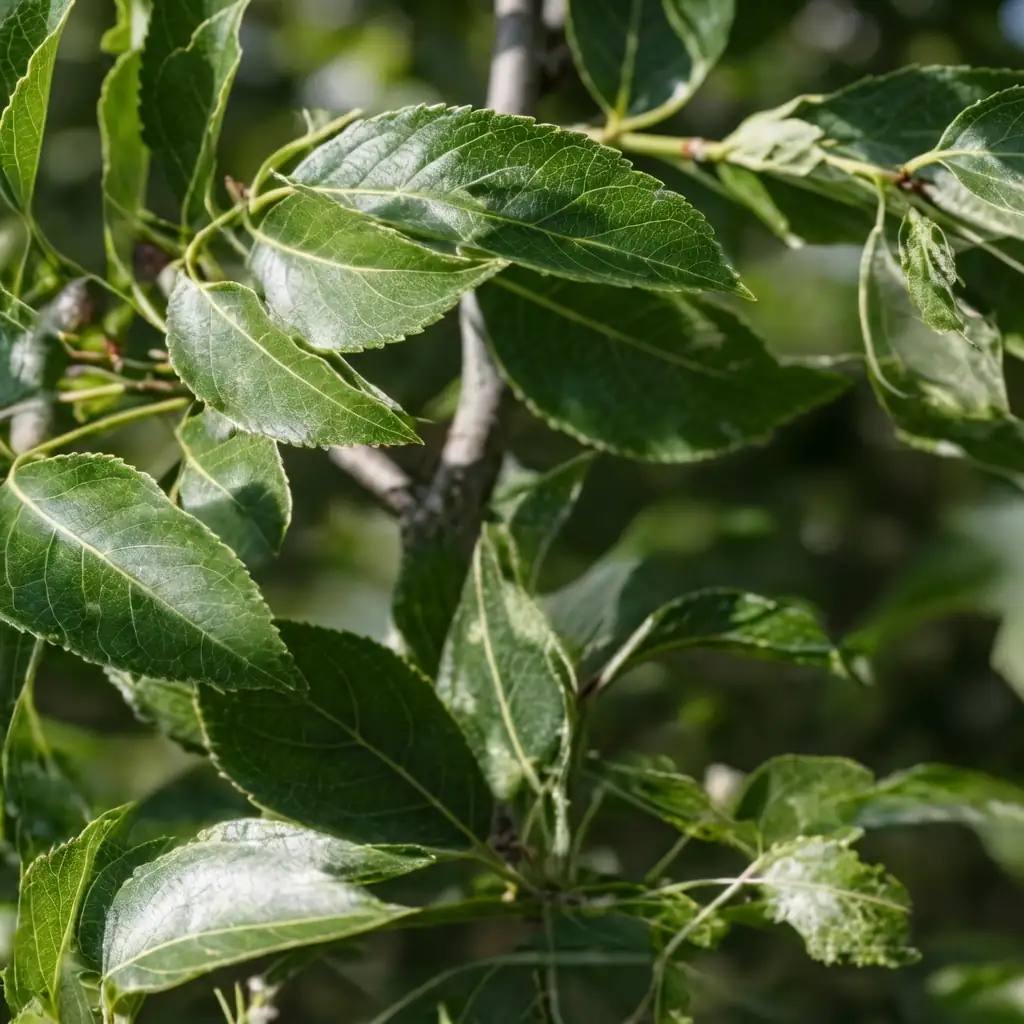
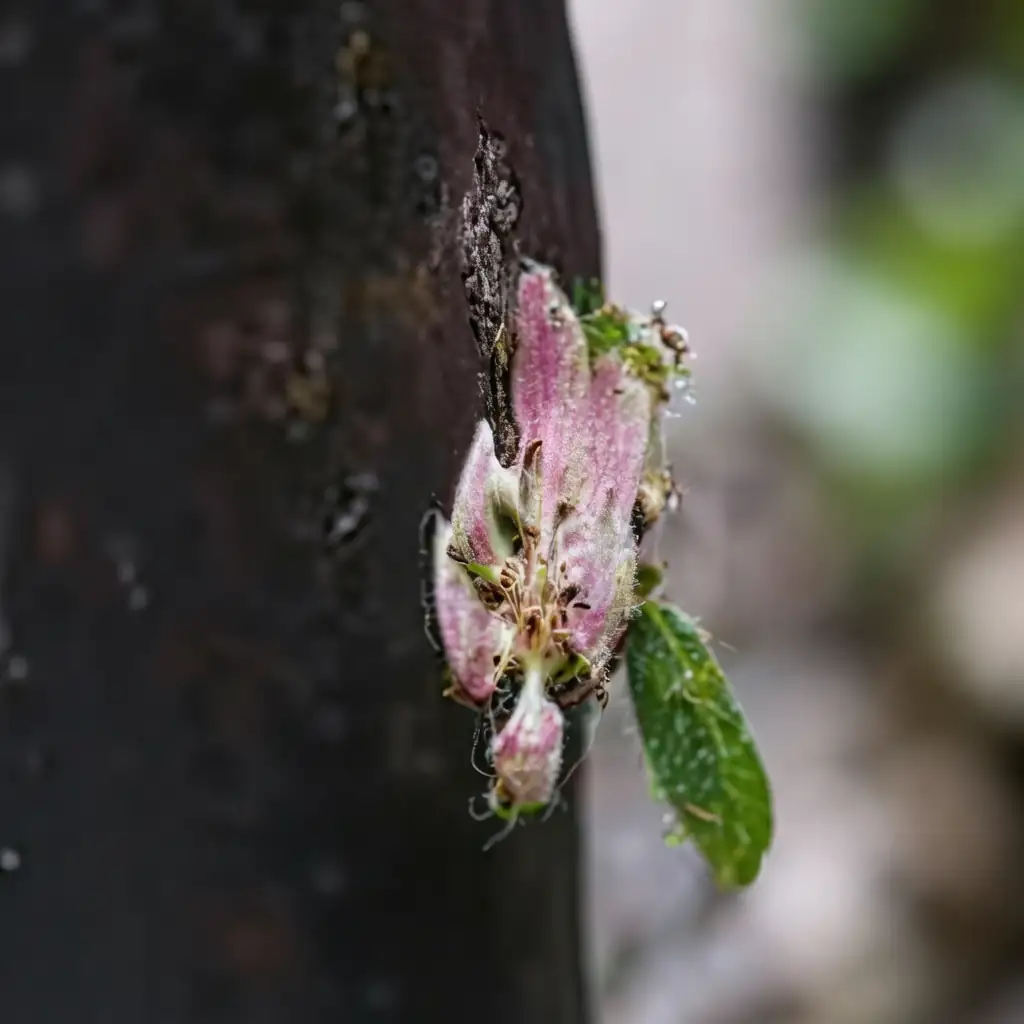
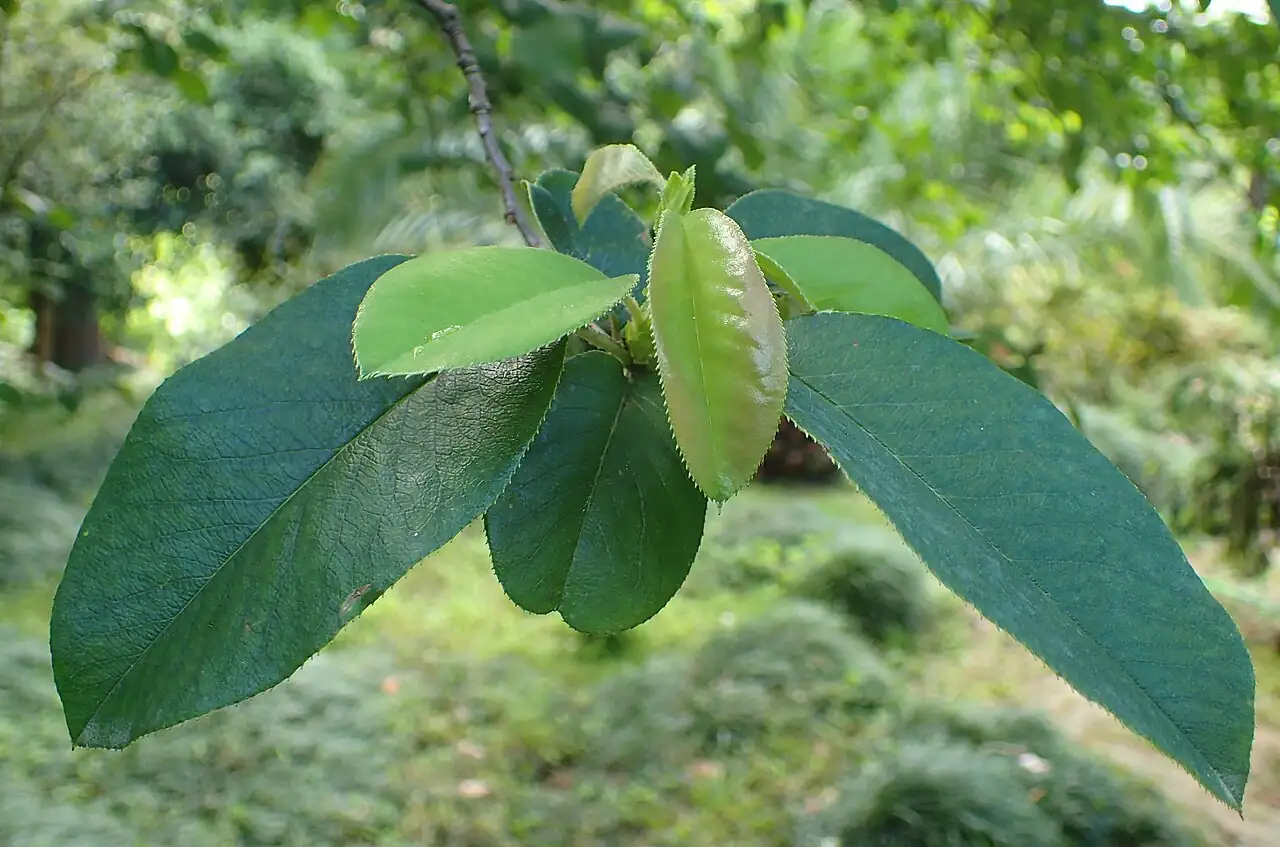
- Foliage: Leaves are ovate to oval with serrated margins. When young, the undersides may be covered in dense pale yellowish-white down that sheds as the leaves mature. Stipules are ovate-lanceolate with small gland-tipped teeth.
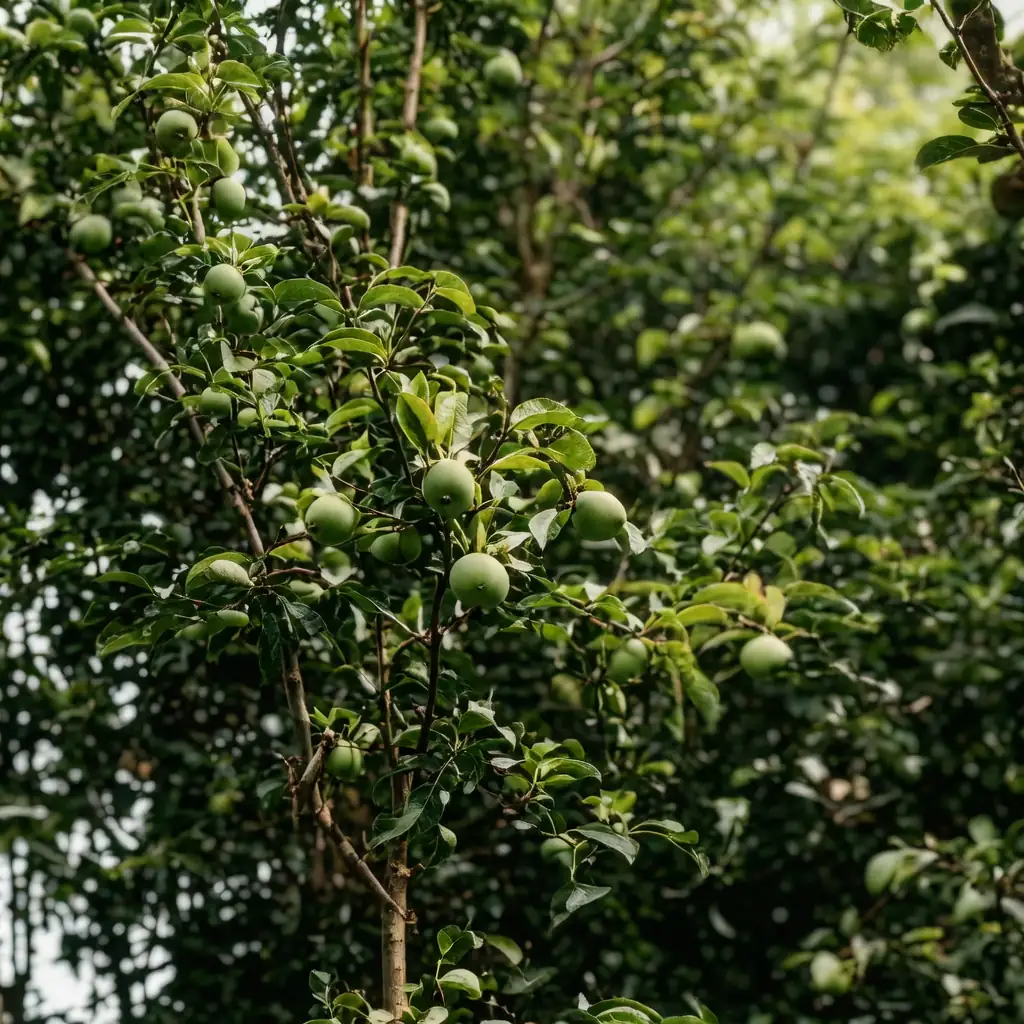
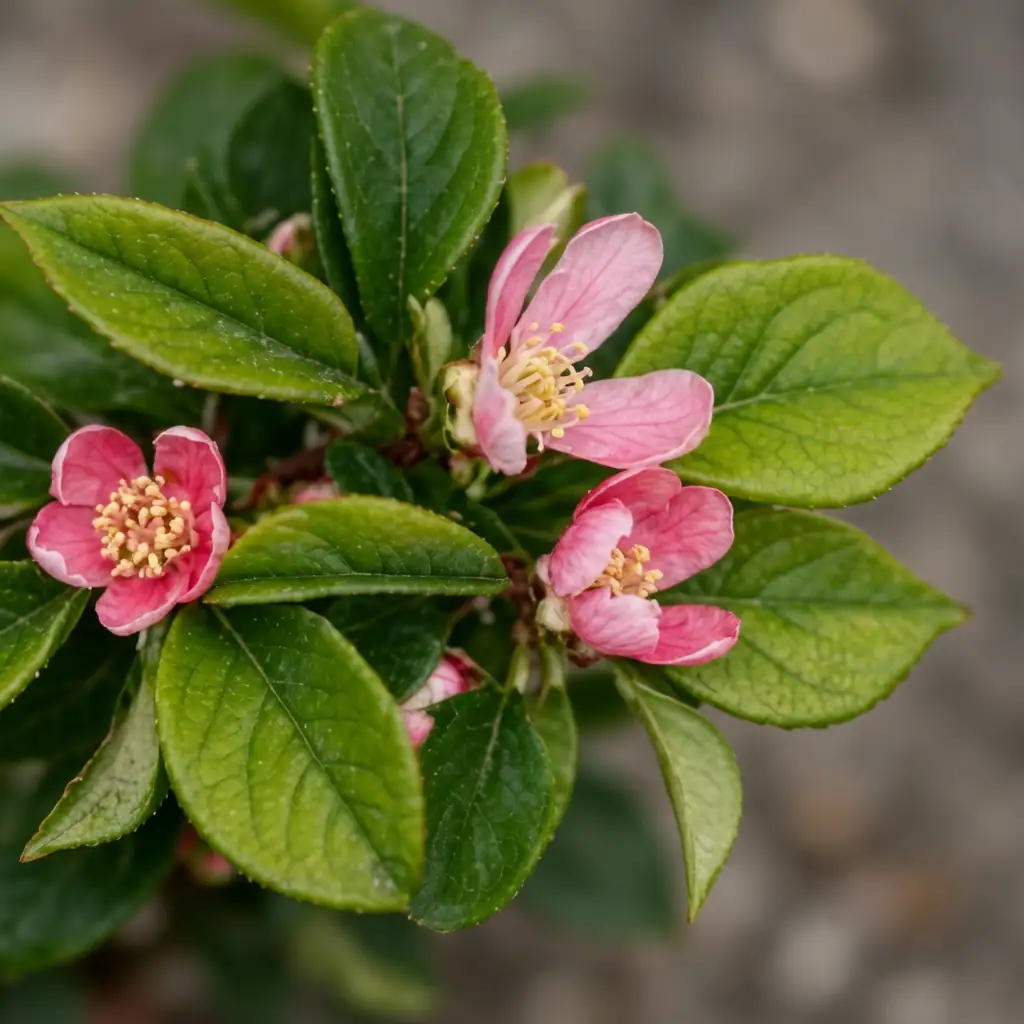
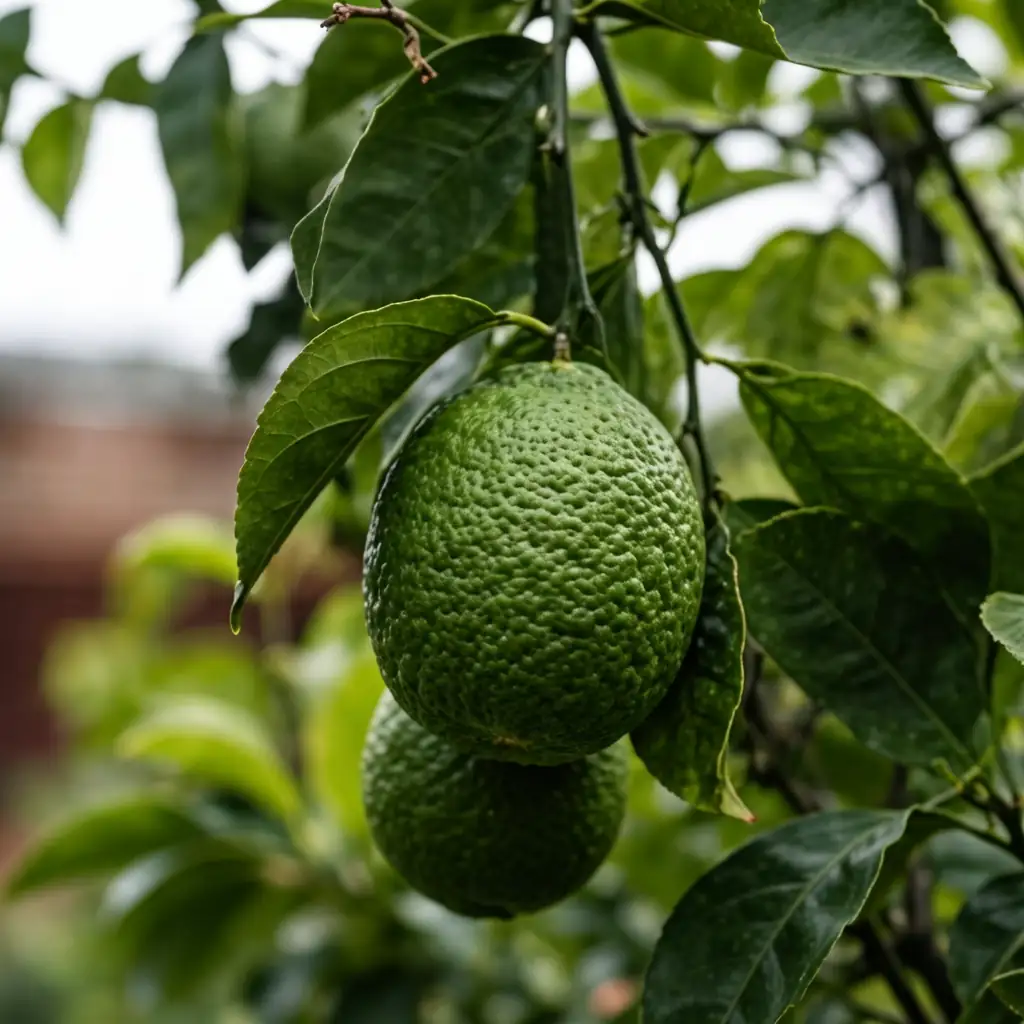
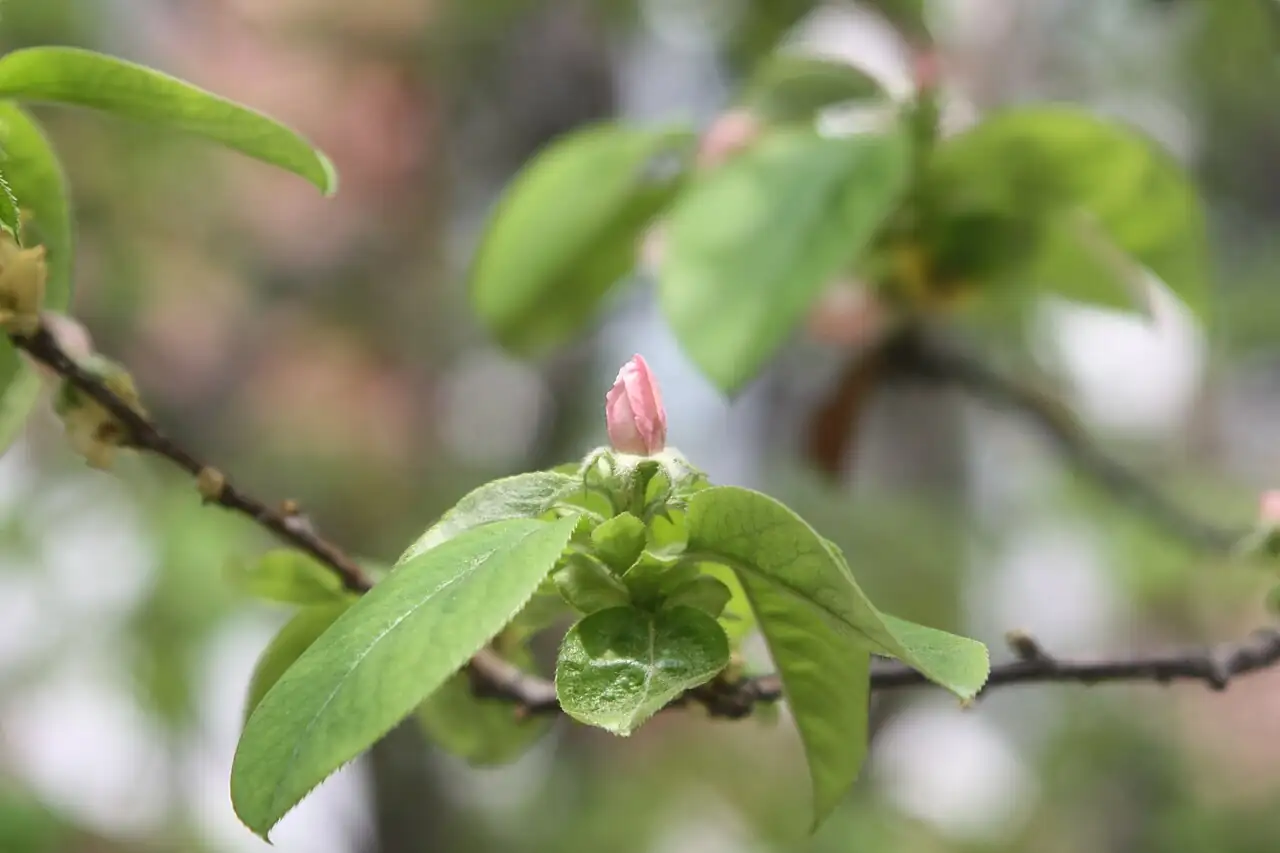
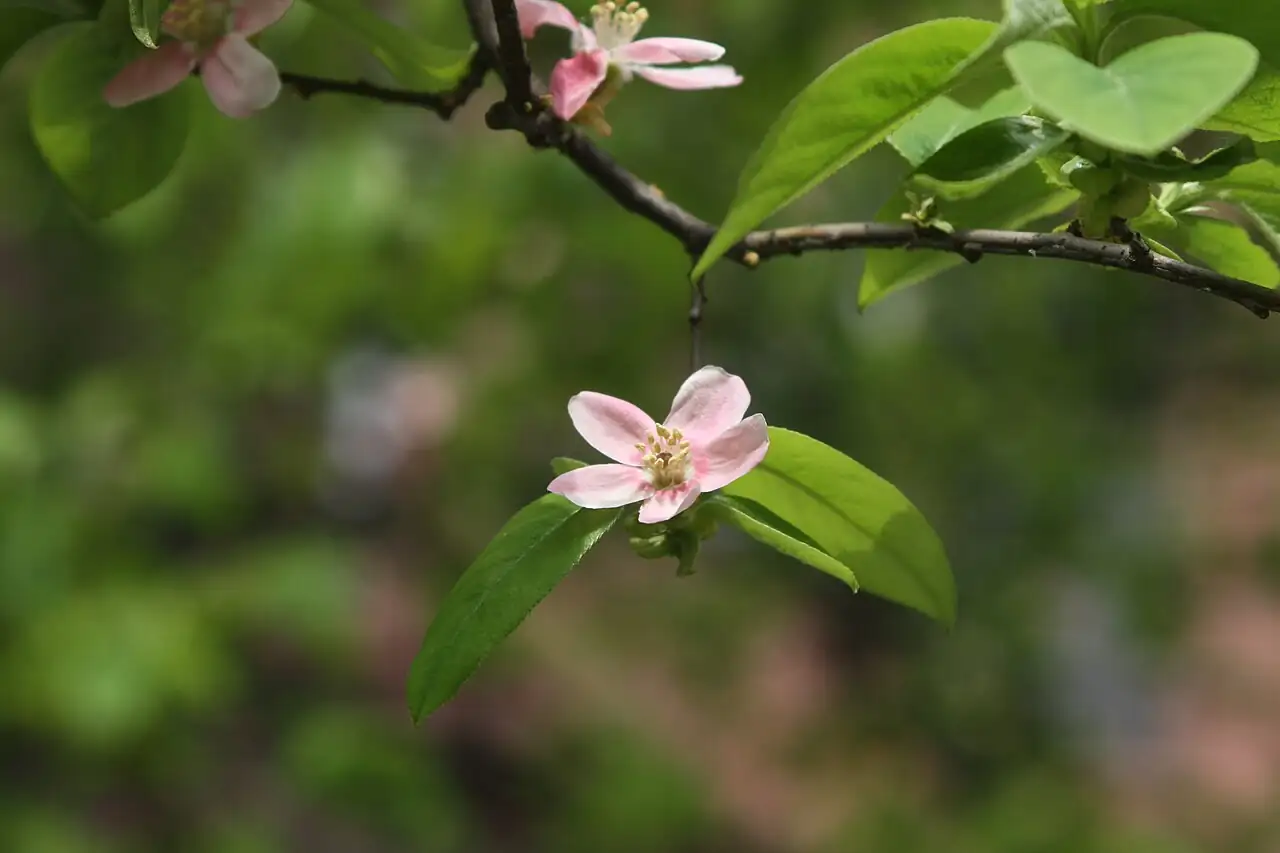
- Flower: Single pink flowers appear in the leaf axils and commonly open before the leaves in spring. The fruit is an oval, dark yellow, highly fragrant pome with a firm, woody texture—usually cooked rather than eaten raw.
- Flowering Season: April–May (spring).
- Growth Habit: Slow-growing, upright, deciduous small tree; valued for its spring bloom, autumn fruit, and ornamental peeling bark.
Environment
Sunlight
Full sun to partial shade; full sun gives the best flowering and fruiting.
Temperature
Cold-hardy for temperate climates; roughly USDA Zone 5–8 (about -29 to -12°C (-20 to 10°F), depending on local conditions).
Humidity
Average outdoor humidity is fine. Avoid persistently damp, stagnant conditions around the canopy and roots.
Soil
Fertile, well-drained loam is ideal. Good drainage is critical—avoid waterlogged soils. Also avoid saline or strongly alkaline sites.
Placement
A great specimen tree or small-group planting for front yards, courtyards, and near entrances—anywhere you can enjoy spring flowers, autumn fruit, and the exfoliating trunk up close.
Hardiness
About USDA Zone 5–8; not tolerant of waterlogging or saline/alkaline soils.
Care Guide
Difficulty
Moderate. Adaptable once established, but slow-growing and sensitive to poor drainage—waterlogging is the most common cause of decline.
Buying Guide
Pick plants with a healthy, unblemished trunk and firm buds. Avoid pots with constantly soggy mix or sour-smelling roots (a red flag for poor drainage/root stress). For reliable fruiting, plan on a sunny site and make sure your plant is suited to your local winter lows.
Watering
Water deeply after planting and during extended dry spells, then let the top layer of soil dry slightly between waterings. The key is moisture without stagnation: never allow standing water around the root zone.
Fertilization
Top-dress with compost in spring. If growth is weak, use a balanced slow-release fertilizer in spring at label rates. Avoid excessive nitrogen, which can push leafy growth at the expense of flowers.
Pruning
Prune in late winter to early spring (before active growth) to remove dead, crossing, or congested branches and to keep an open crown. Light shaping right after flowering is fine, but avoid heavy pruning that removes flowering wood.
Propagation
Commonly propagated by seed (after cold stratification) or by grafting/budding onto compatible rootstock. Semi-hardwood cuttings can work but results may be variable.
Repotting
Best grown in the ground. If grown in a container, repot every 2–3 years into a deeper pot with a free-draining mix and excellent drainage holes.
📅 Seasonal Care Calendar
Flowering: April–May. Fruiting: August–October. Spring: add compost/light feed and watch new growth. Summer: water during drought but keep drainage sharp. Autumn: enjoy and harvest fruits for cooking/preserving. Winter: do structural pruning during dormancy.
Pests, Diseases & Safety
Common Pests & Diseases
Can experience common Rosaceae problems such as aphids, scale insects, leaf spots, and (in some regions) fire blight. Encourage airflow with sensible pruning, remove fallen leaves/fruit, and avoid overhead watering to reduce disease pressure.
Toxicity
Not generally considered poisonous. As with many pome fruits, the seeds may contain small amounts of cyanogenic compounds if crushed and eaten in quantity—don’t snack on the seeds, and keep them away from pets and children.
Culture & Symbolism
Symbolism: Often linked with seasonal renewal (spring blossoms) and abundance (autumn fruit), making it a favorite for courtyards and entryway plantings.
History & Legends: Long cultivated in China both for ornament and for its intensely aromatic fruit, especially valued in traditional cooking and preserves. Gardeners also prize it for its naturally exfoliating, patterned bark that stays attractive even when the tree is bare.
Uses: Ornamental: specimen tree or group planting for flowers, bark, and fruit. Culinary: fragrant fruit traditionally cooked (often steamed) and used for preserves and candied snacks.
FAQ
What is the scientific name of Chinese quince?
Chaenomeles sinensis.
When does Chinese quince bloom?
Typically April–May (spring), and the flowers often open before the leaves.
When does Chinese quince fruit ripen?
Usually August–October (late summer to autumn).
Where is Chinese quince native to?
It is native to China, including Shandong, Shaanxi, Henan (Tongbai area), Hubei, Jiangxi, Anhui, Jiangsu, Zhejiang, Guangdong, and Guangxi.
Where should I plant Chinese quince for the best display?
Choose full sun (or light partial shade) and well-drained soil, and place it where you can enjoy spring flowers, autumn fruit, and the peeling trunk—like a courtyard, front yard, or near an entrance.
How tall does Chinese quince usually grow?
About 5–10 m (16–33 ft) tall.
Fun Facts
- Because the blossoms can open before the leaves, the branches may look like they’re covered in pink flowers on bare wood.
- The trunk exfoliates in thin, irregular flakes, naturally creating a mottled “camouflage” bark pattern.
- Young leaves may have a pale downy underside that disappears as the foliage matures.
- The fruit is famously fragrant but very firm and is traditionally cooked for the best flavor and texture.