Plant Features
- Size: Typically 0.5–1 m (1.6–3.3 ft) tall; forms dense clumps and can slowly spread outward via rhizomes.
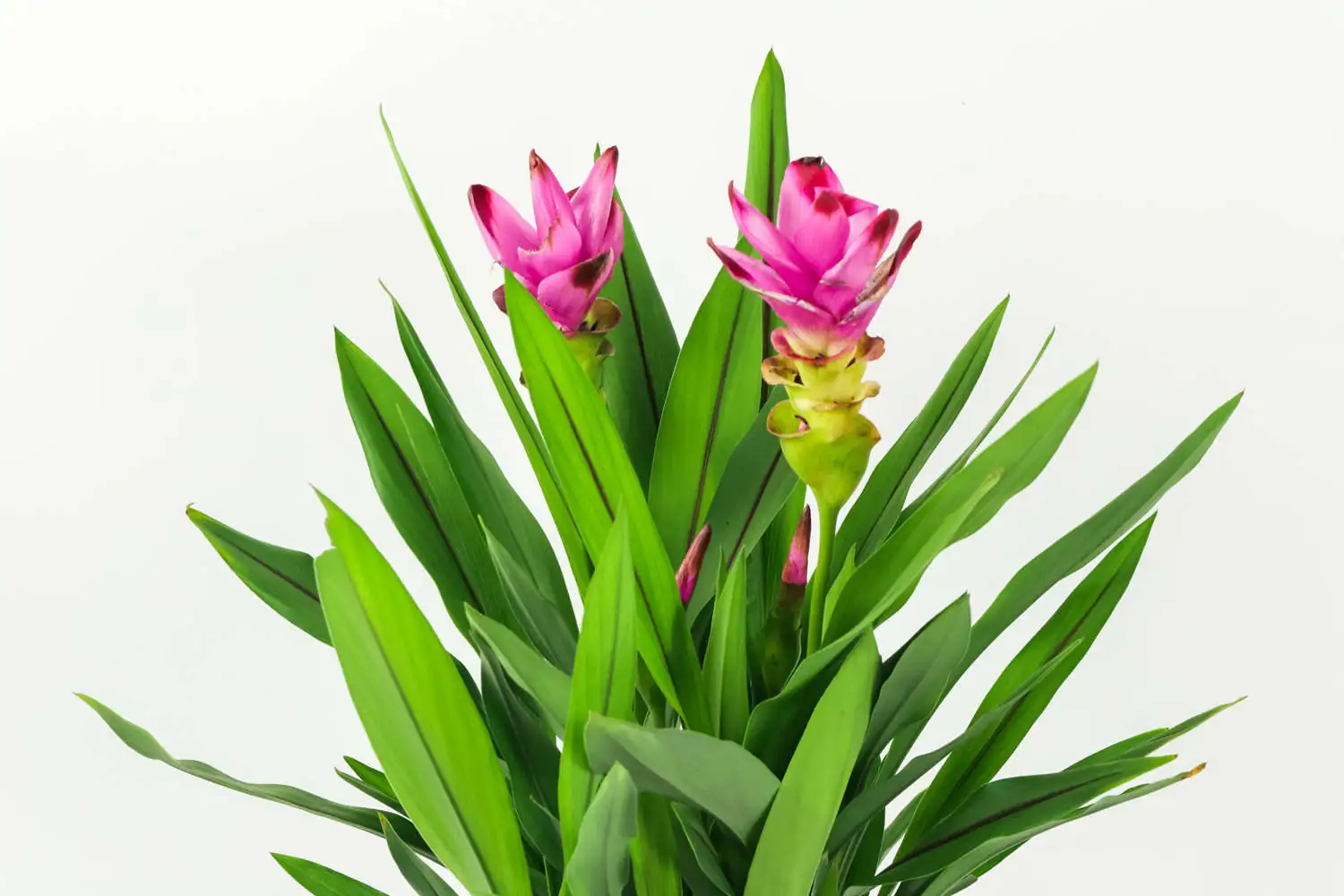
- Foliage: Leafy stems carry leaves in two neat ranks, creating a layered, bamboo-like look. Leaves are narrowly elliptic to lance-shaped with sheathing bases that clasp the stem; the ligule is characteristically split into two lobes.
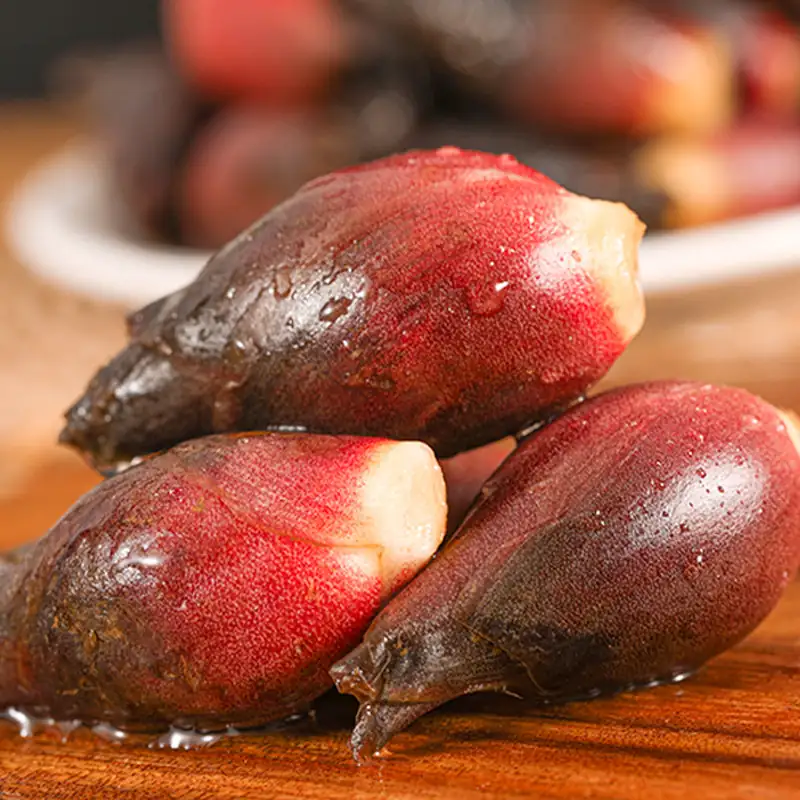
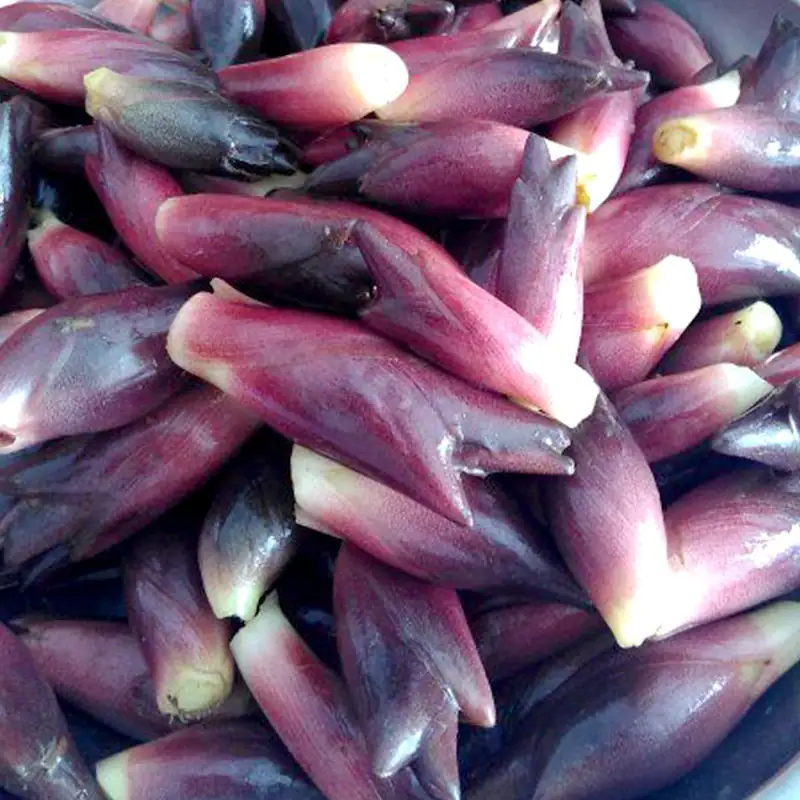
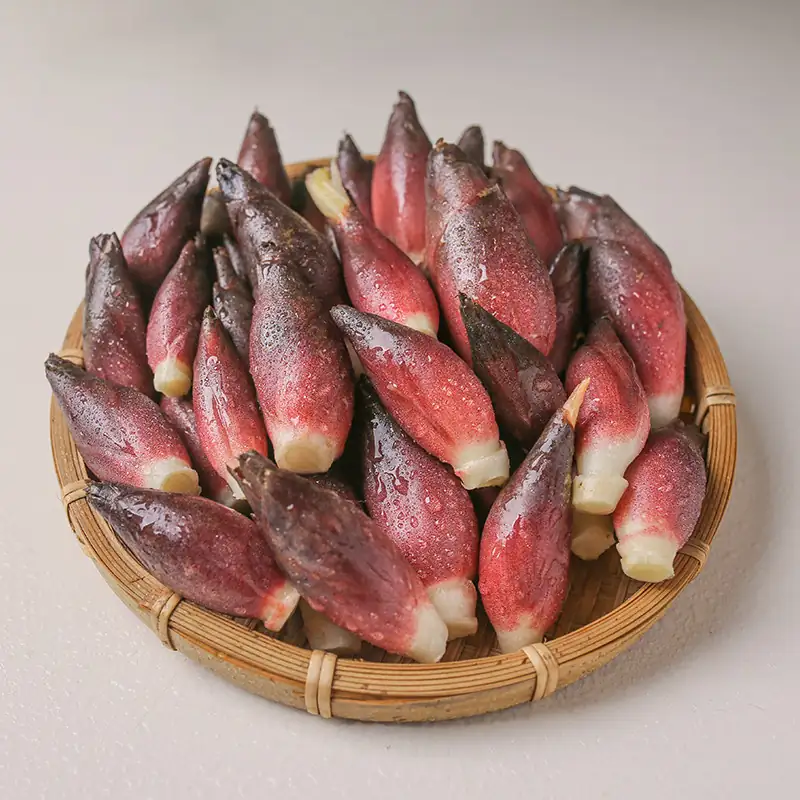
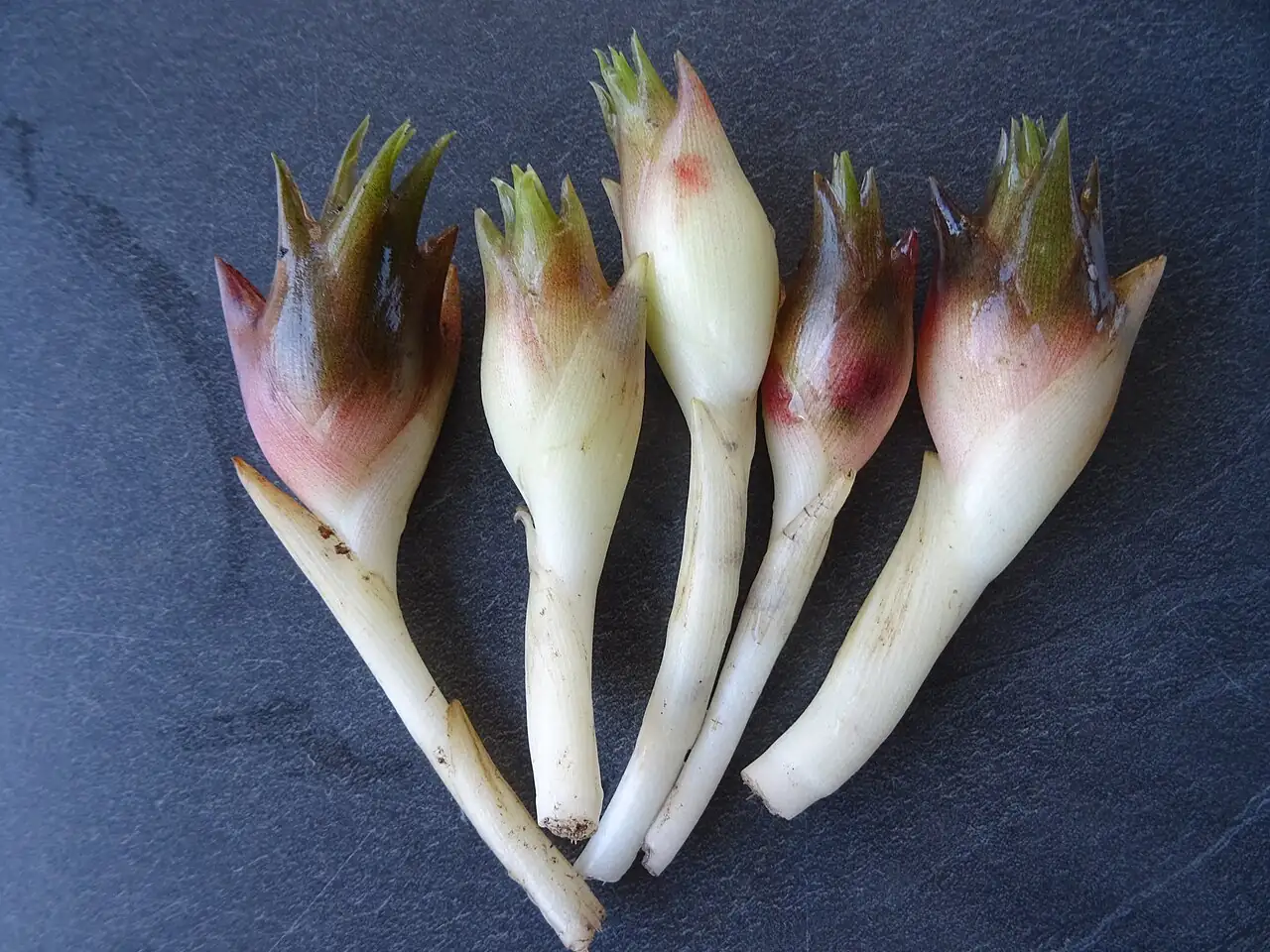
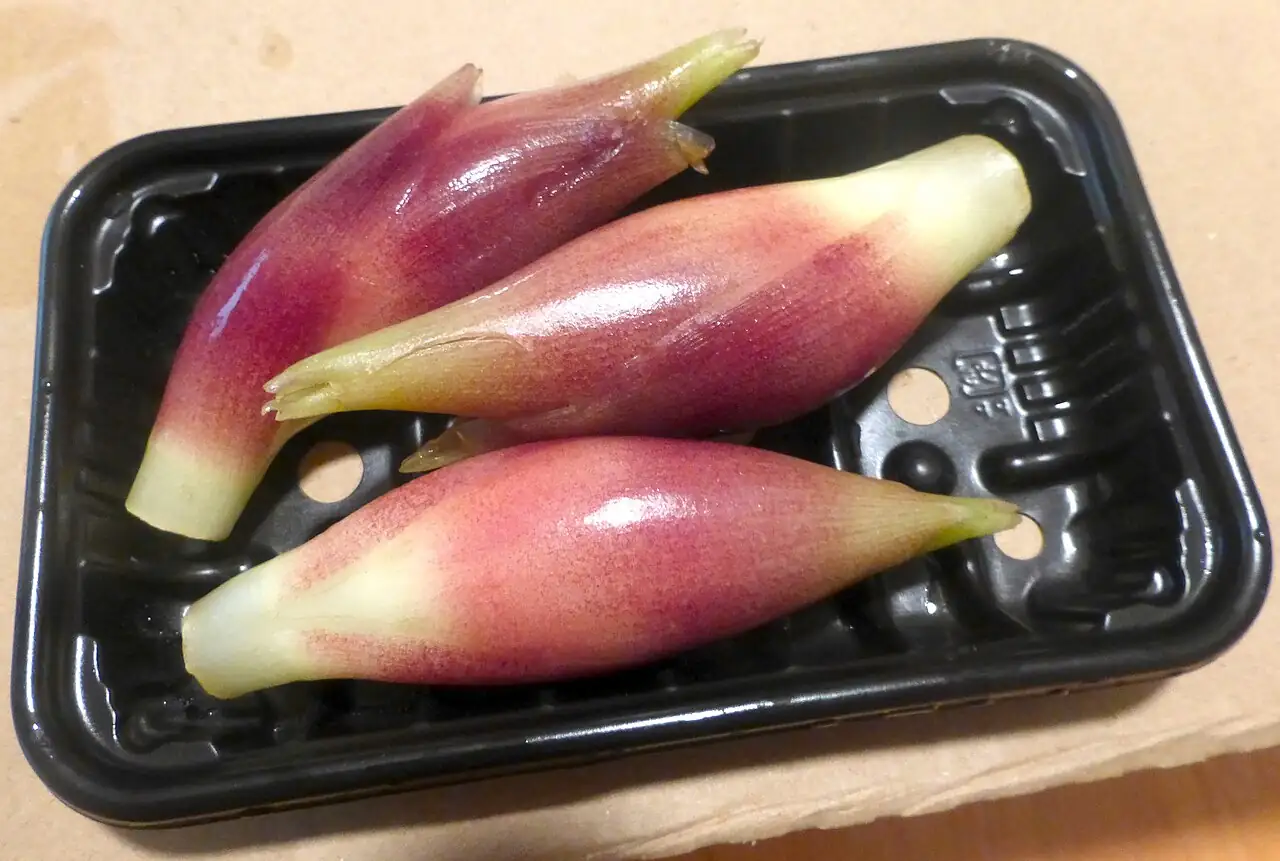
- Flower: Spike-like inflorescences emerge directly from the rhizome near ground level. The spikes are wrapped in overlapping, tile-like bracts; the flowers are relatively large and pale yellow to white.
- Flowering Season: Late summer to autumn (August–October).
- Growth Habit: Clump-forming, rhizomatous perennial herb with thick, pale yellow rhizomes and robust roots.
Environment
Sunlight
Partial shade to full shade; happiest in dappled woodland light and will struggle if baked in strong sun.
Temperature
Prefers warm growing-season conditions but tolerates cool weather; established plants can handle about 0°C (32°F) in winter if mulched.
Humidity
Enjoys consistently moist, humid air and soil; avoid hot, dry conditions and prolonged drought.
Soil
Fertile, humus-rich, slightly acidic sandy loam (or similar) that stays evenly moist but still drains well; avoid waterlogged, stagnant soils.
Placement
Shady borders, woodland gardens, under trees, or along north/east-facing walls—anywhere cool and moisture-retentive.
Hardiness
Roughly USDA Zone 7–10; protect with mulch in colder winters and avoid repeated hard freezes.
Care Guide
Difficulty
Moderate. Very cooperative in moist shade, but quickly sulks in hot sun or dry soil.
Buying Guide
Choose firm, healthy rhizomes or strong divisions with multiple visible buds/eyes. Skip anything soft, shriveled, moldy, or showing dark, wet rot on cut surfaces.
Watering
Keep soil evenly moist during active growth. Water deeply when the top 2–5 cm (1–2 in) begins to dry. In cooler seasons, reduce frequency, but don’t allow the rhizomes to dry out completely.
Fertilization
In spring, top-dress with compost or use a balanced slow-release fertilizer. If growth is weak, add a light feed again in early summer. Avoid heavy nitrogen—lots of leafy growth can come at the expense of flowering.
Pruning
Remove yellowing or frost-damaged stems at the base. Tidy spent flowering/fruiting stalks if desired. After winter dieback, cut dead stems down and clean up around the clump.
Propagation
Divide rhizomes in spring (or after dieback where winters are mild). Plant divisions 5–10 cm (2–4 in) deep with buds facing up, and keep consistently moist until well established.
Repotting
In containers, repot or divide every 2–3 years in spring. Use a rich, moisture-retentive yet well-draining mix, and make sure the pot has good drainage holes.
📅 Seasonal Care Calendar
Spring: divide/plant, refresh soil with compost, and begin regular watering. Summer: mulch, keep moisture steady, and harvest young shoots/buds if desired. Late summer–autumn: enjoy the ground-level blooms; don’t let soil dry out. Winter: cut back dead growth and mulch to protect rhizomes where freezing occurs.
Pests, Diseases & Safety
Common Pests & Diseases
Generally trouble-free. Slugs/snails may chew young shoots; aphids can appear occasionally. The main risk is rhizome rot in stagnant, overly wet conditions—improve drainage, avoid waterlogging, and don’t let pots sit in water.
Toxicity
Non-toxic and edible. Young shoots and flower buds are commonly eaten; as always, confirm identification and avoid harvesting from pesticide-treated plants.
Culture & Symbolism
Uses: A lovely ornamental for shady borders and woodland-style plantings, and a valued edible ginger: the young shoots and especially the flower buds are used in cooking. It’s also appreciated in traditional food-and-wellness contexts in parts of East Asia.
FAQ
Why does my myoga ginger grow lots of leaves but no flowers?
The usual culprits are too much sun stress, soil that dries out, or overly nitrogen-rich feeding. Keep it in partial to full shade with consistently moist, organic-rich soil, and go easy on high-nitrogen fertilizers.
Where do the flowers appear?
Right near the ground—flower spikes emerge from the rhizome at the base of the clump, not from the tops of the leafy stems.
Fun Facts
- Unlike many gingers, its flower spikes pop up from the rhizome close to ground level.
- Ripe seed capsules can split open to reveal a striking bright red interior.
- It’s both ornamental and edible—garden beauty with kitchen value.