Plant Features
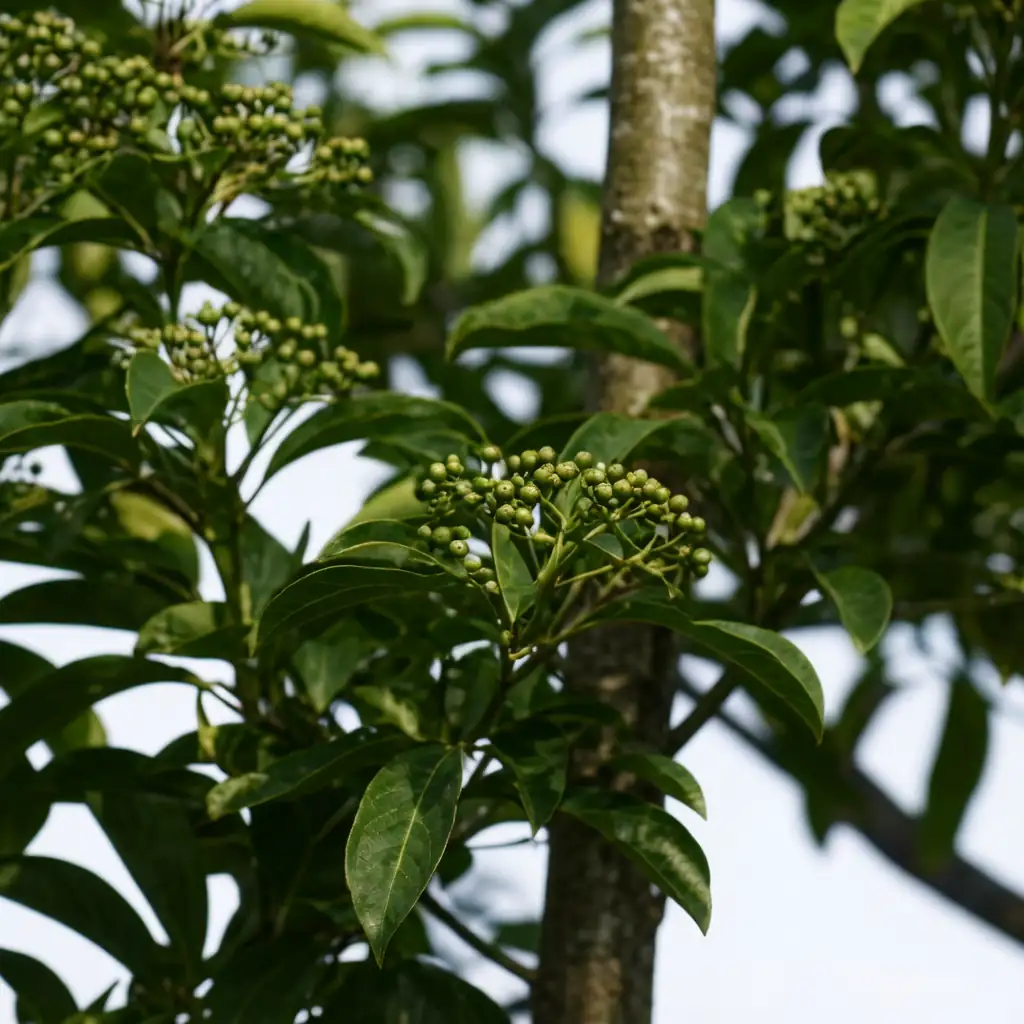
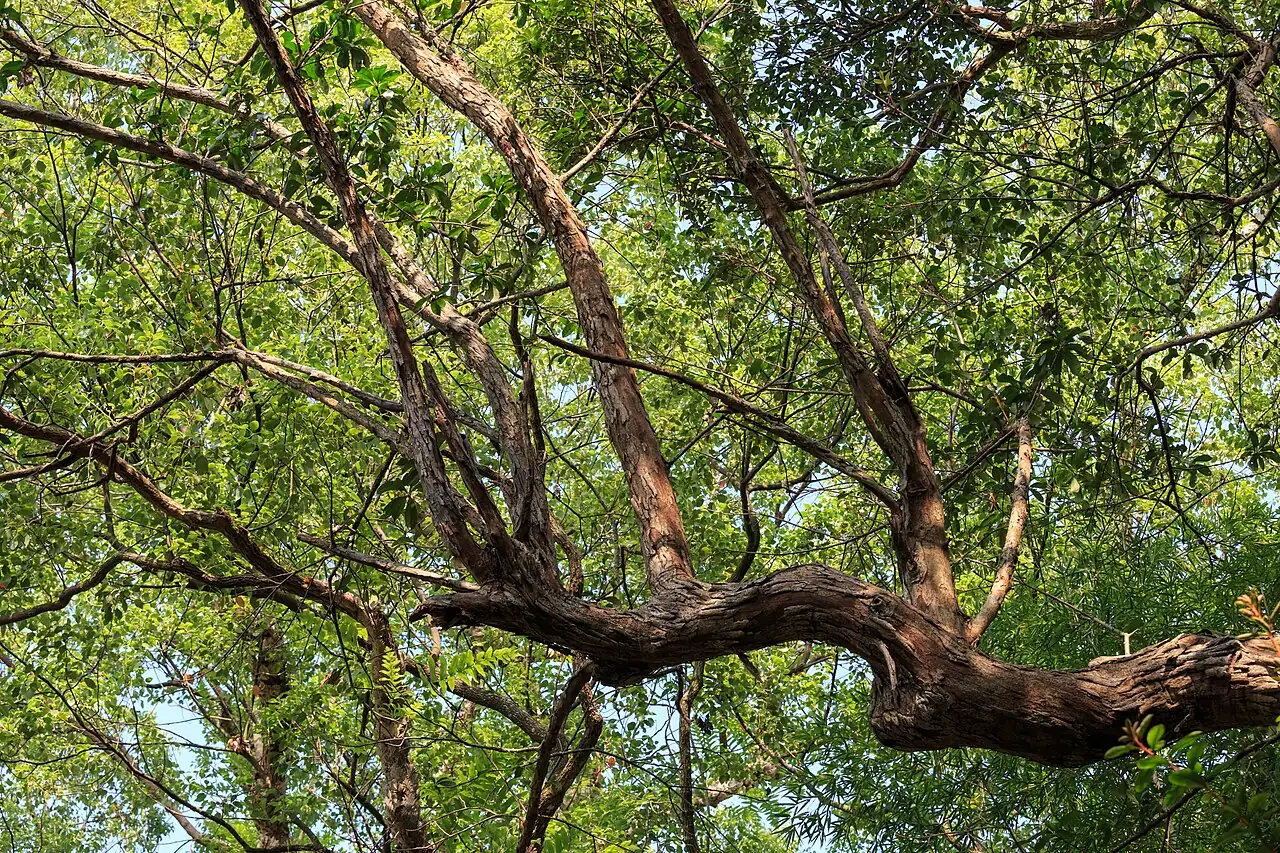
- Size:6–15 m (20–49 ft) tall; typically a small to medium upright evergreen tree.
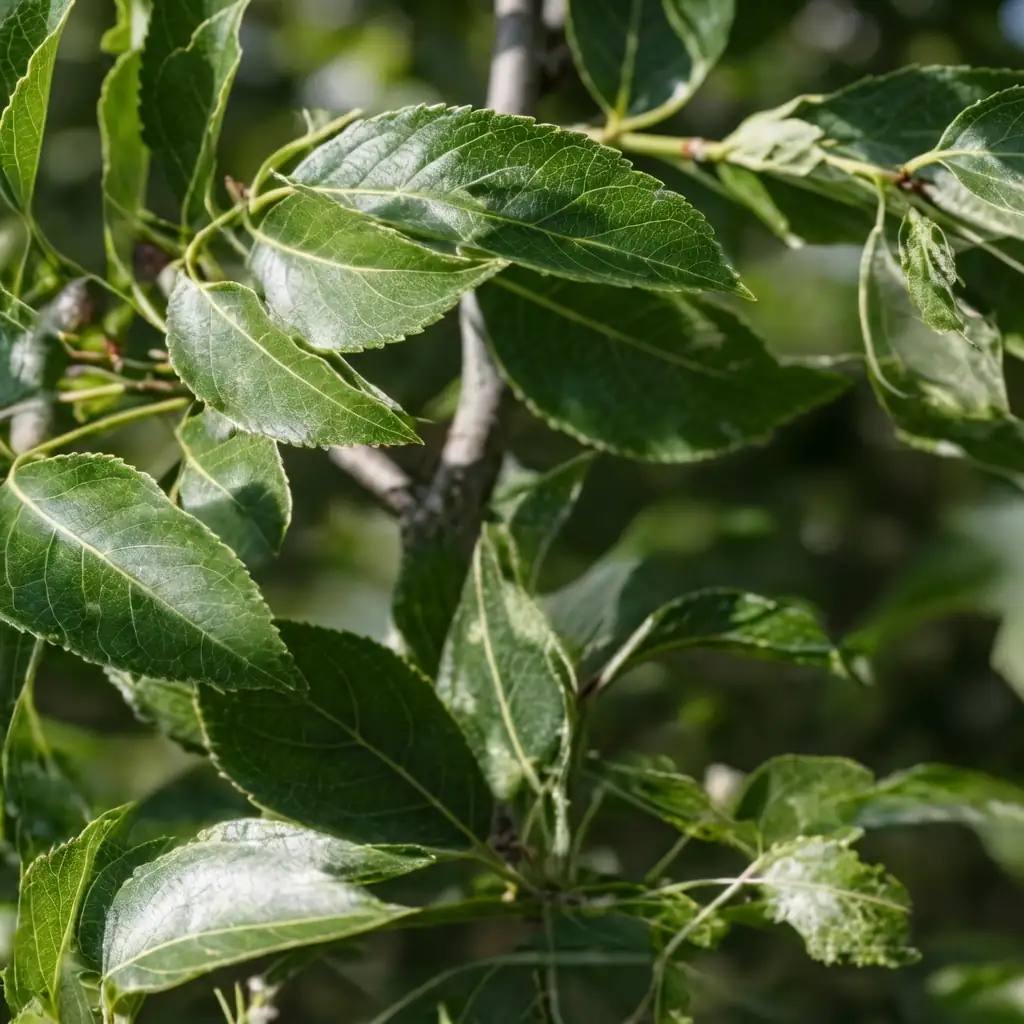
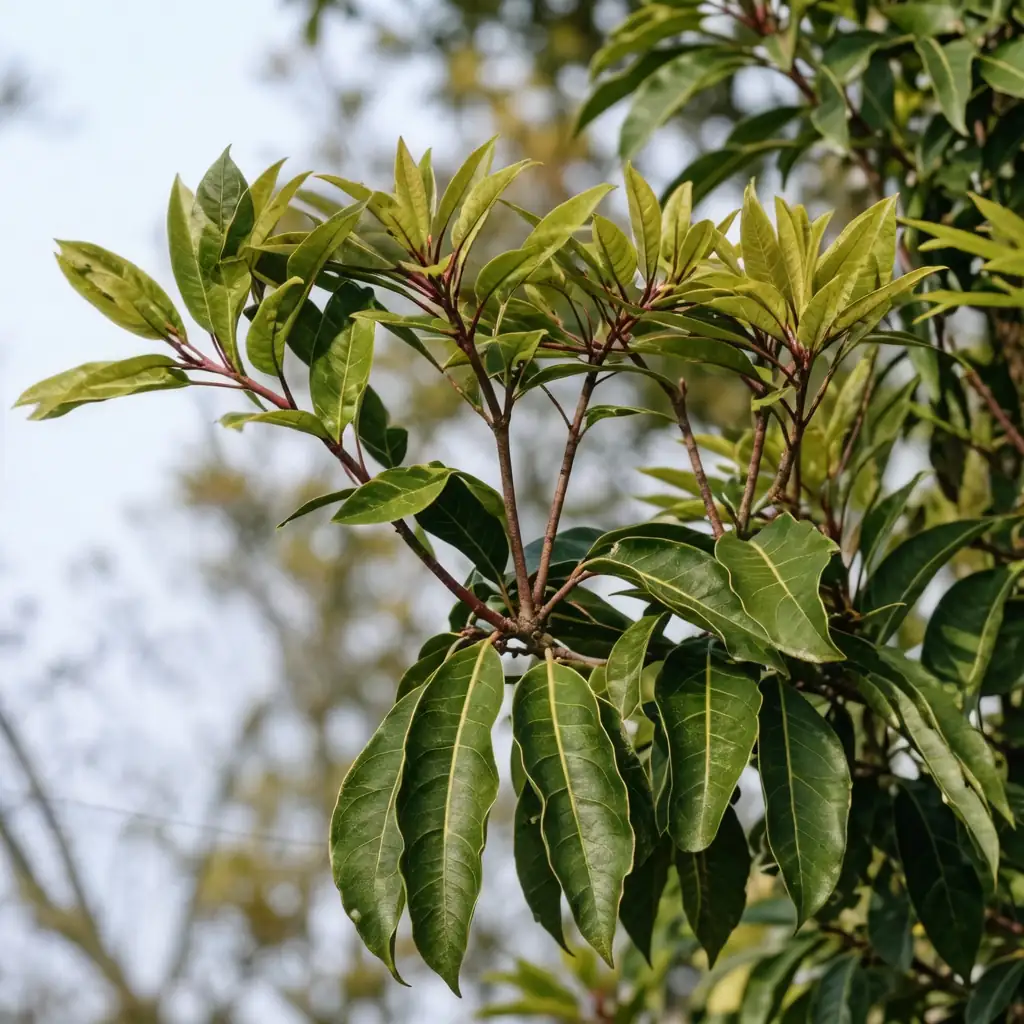
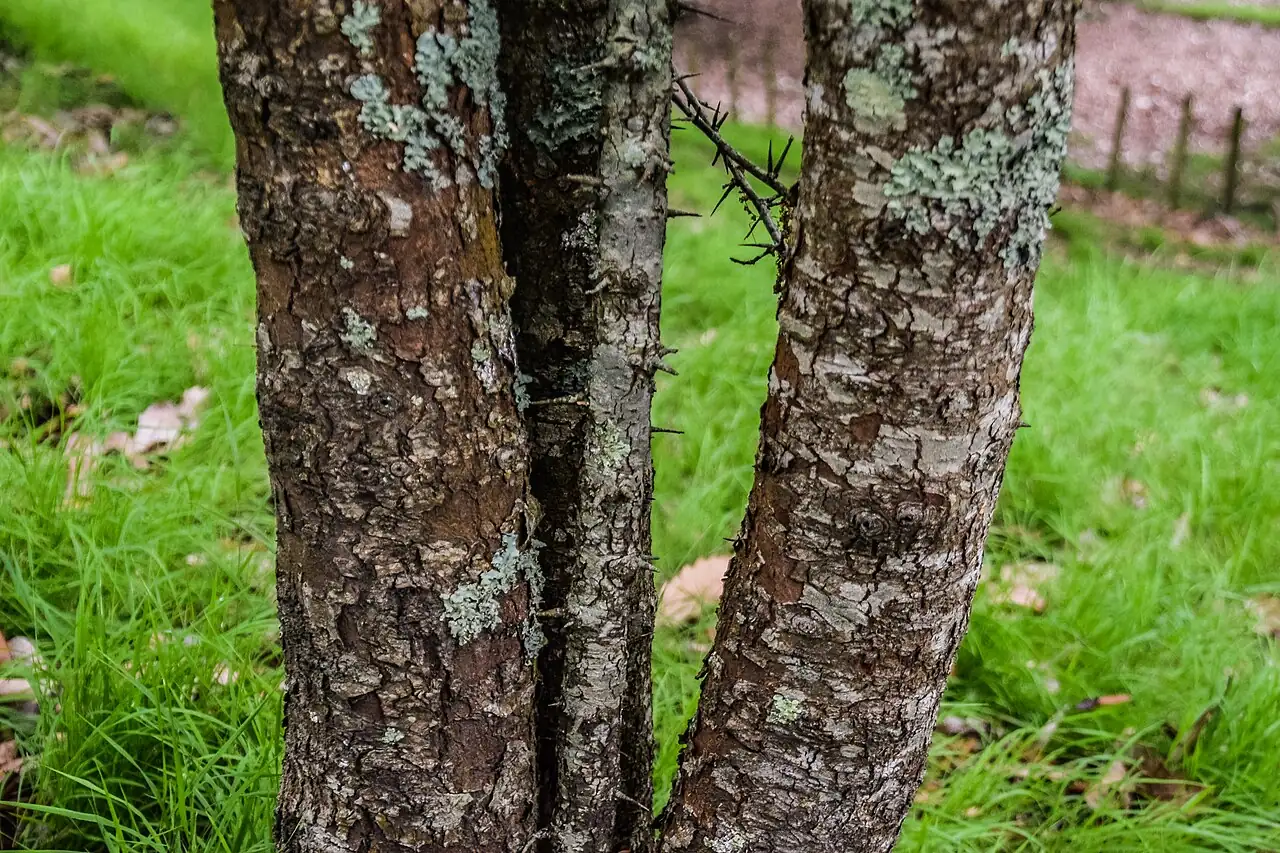
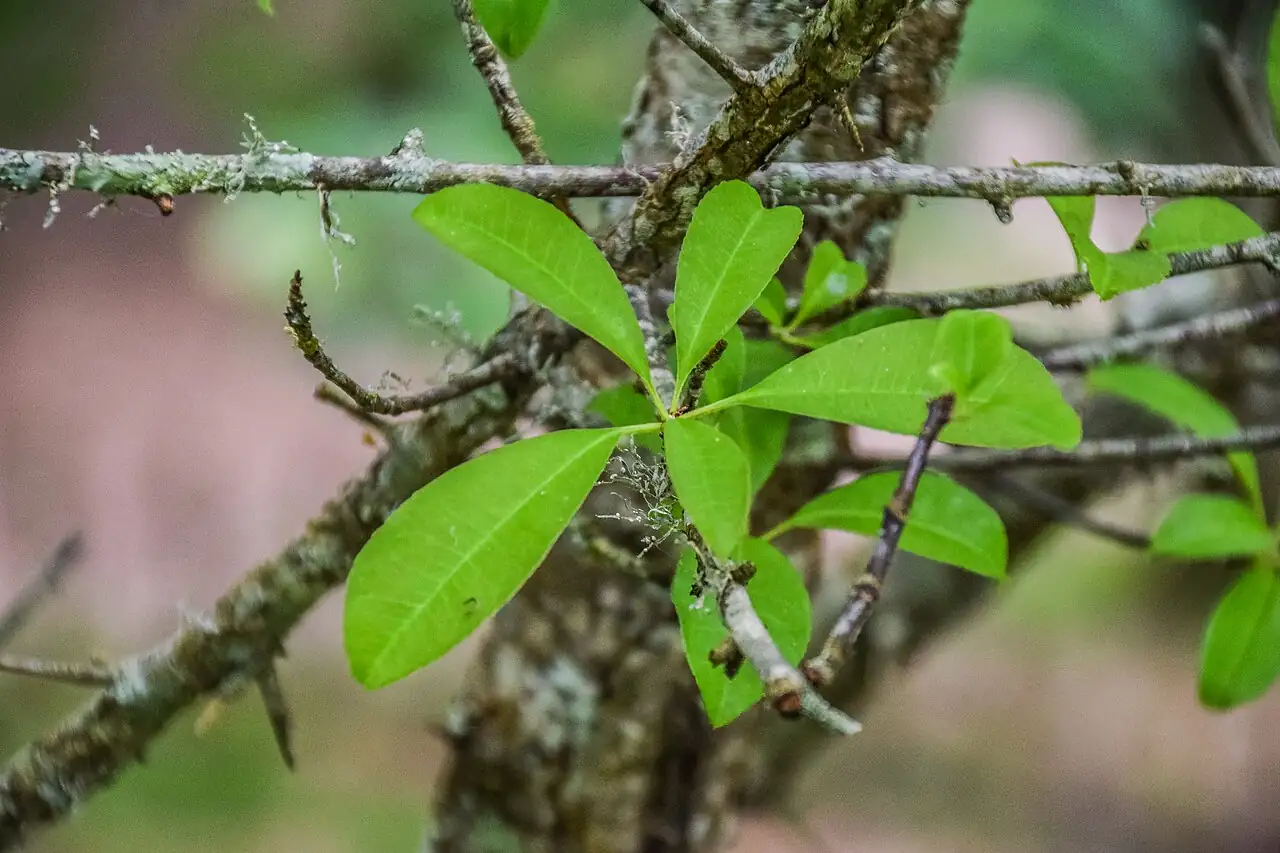
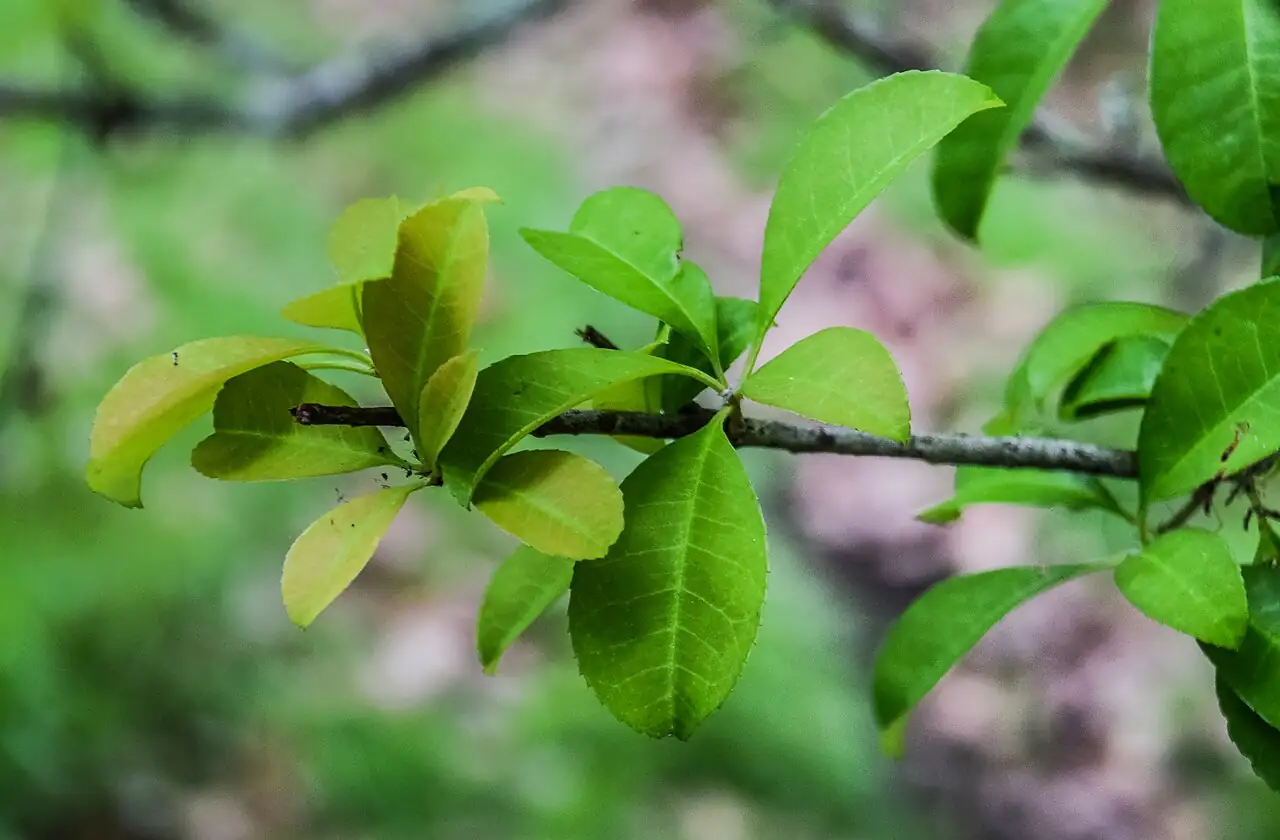
- Foliage: Glossy, leathery leaves with a wedge-shaped base; leaf stalks are hairless. New shoots often flush yellowish-red, later maturing to purplish-brown. Older branches turn gray and smooth, and may sometimes bear spines.
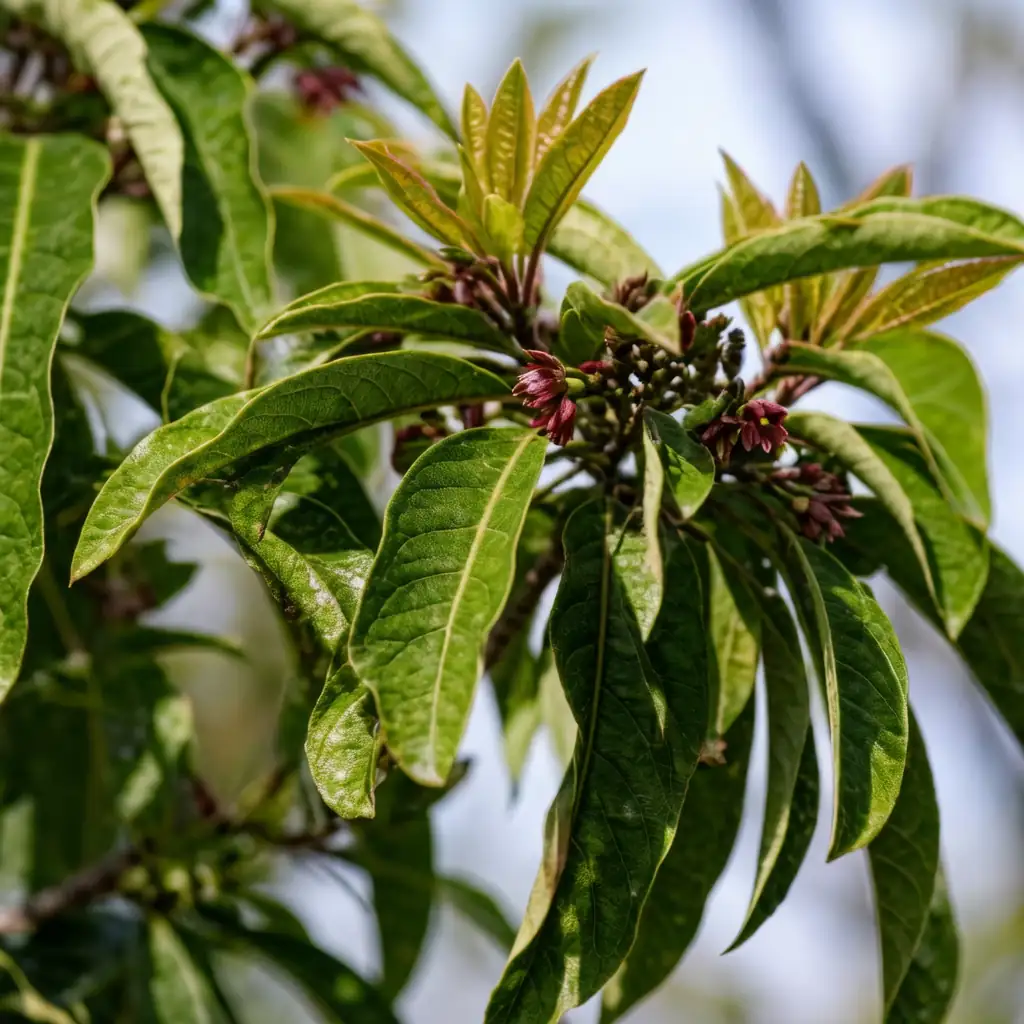
- Flower: In spring it produces clustered blooms. Some floral parts (including the base of the styles) may be fused and are densely covered with long white hairs. Fruits are round to egg-shaped and ripen to yellow-red tones, often staying showy into the cooler months.
- Flowering Season: April–May
- Growth Habit: Upright, woody evergreen tree; responds to pruning with vigorous resprouting and can be shaped into a denser form.
Environment
Sunlight
Full sun to partial shade; full sun usually gives the best flowering and fruit color.
Temperature
Best growth around 10–25°C (50–77°F). Once established, it can tolerate winter lows near -10°C (14°F).
Humidity
Enjoys warm, moderately humid conditions, but is adaptable as long as the soil drains well and foliage isn’t kept constantly wet.
Soil
Well-drained soil is essential—loam or sandy loam with good aeration is ideal. Avoid heavy, water-retentive soils and sites that stay soggy or flood.
Placement
Primarily an outdoor plant: gardens, courtyards, parks, and general landscaping. Commonly planted in the Yangtze River basin and southern regions.
Hardiness
Tolerates cold to about -10°C (14°F) and handles some shade and drought once established; not tolerant of waterlogging.
Care Guide
Difficulty
Moderate. It’s generally tough once established; the main make-or-break factor is keeping the roots out of waterlogged soil.
Buying Guide
Pick plants with firm, glossy foliage and healthy new shoots. Avoid pots with sour-smelling mix, blackened/rotting roots, or chronic overwatering signs like yellowing leaves and dieback.
Watering
After planting, water deeply and keep evenly moist during establishment. Afterward, water when the top few centimeters of soil have dried; never let it sit in standing water. This species is notably sensitive to waterlogging and prolonged wet soil.
Fertilization
Feed in spring with a balanced slow-release fertilizer or a compost top-dress. Don’t overdo nitrogen—too much can push soft leafy growth and reduce flowering/fruiting.
Pruning
Very pruning-tolerant and resprouts strongly. Prune after flowering (or after enjoying the fruit display if you want to keep the berries) to shape, thin crowded branches, and encourage a dense, tidy canopy.
Propagation
Often propagated by semi-hardwood cuttings in summer. Seed propagation is also possible when viable fruit is produced. Plants can also rejuvenate from latent/basal buds after being cut back.
Repotting
Most often grown in the ground. In containers, repot every 2–3 years, refreshing the mix and ensuring excellent drainage.
📅 Seasonal Care Calendar
Spring: light feeding; prune/shape after bloom. Summer: watch moisture closely during heavy rains and avoid soggy soil; ensure airflow. Autumn: enjoy the berry display; ease off feeding. Winter: protect young plants from severe cold snaps and keep soil on the dry side rather than wet.
Pests, Diseases & Safety
Common Pests & Diseases
Can attract aphids, scale, and spider mites (especially in hot, dry conditions). Leaf spot and other fungal problems may occur with poor airflow or persistently wet foliage—space plants properly, prune to open the canopy, and avoid frequent overhead watering.
Toxicity
No well-established evidence of significant toxicity to humans or pets is widely cited for this species. Still, treat it as a non-edible ornamental and discourage chewing of leaves or fruit.
Culture & Symbolism
Symbolism: Often associated with year-round vitality and the beauty of seasonal change—evergreen leaves, spring flowers, and winter-bright berries all on one plant.
History & Legends: A familiar ornamental in Chinese landscaping, particularly across the Yangtze River region and further south, appreciated for its reliable structure and multi-season display.
Uses: Ornamental landscaping tree/shrub: valued for evergreen foliage, spring flowering, and colorful autumn-to-winter fruit. Works well in courtyards, parks, mixed borders, and pruned forms; sometimes planted in commemorative or memorial landscapes.
FAQ
When does it flower?
April–May.
When does it fruit?
Typically September–October, with berries that may persist into winter.
How tall does it get?
About 6–15 m (20–49 ft) in favorable conditions.
What temperatures does it prefer and how cold-hardy is it?
It grows best around 10–25°C (50–77°F) and can tolerate winter lows near -10°C (14°F) once established.
What’s the biggest care mistake to avoid?
Waterlogging. Give it well-drained soil and avoid constantly wet conditions to prevent root stress and fungal issues.
Fun Facts
- It’s a true “four-season” ornamental: evergreen shine, spring bloom, and berries that can brighten late autumn and winter.
- It rebounds strongly after pruning, making it useful for shaping, screening, and keeping a dense, neat form.
- Good drainage matters so much that improving soil structure can be more important than fertilizing.