Plant Features
- Size: Evergreen, woody twining vine; length depends on climate, support, and site conditions, but commonly reaches several meters—often about 3–8 m (10–26 ft) or more when well established and given a sturdy structure.
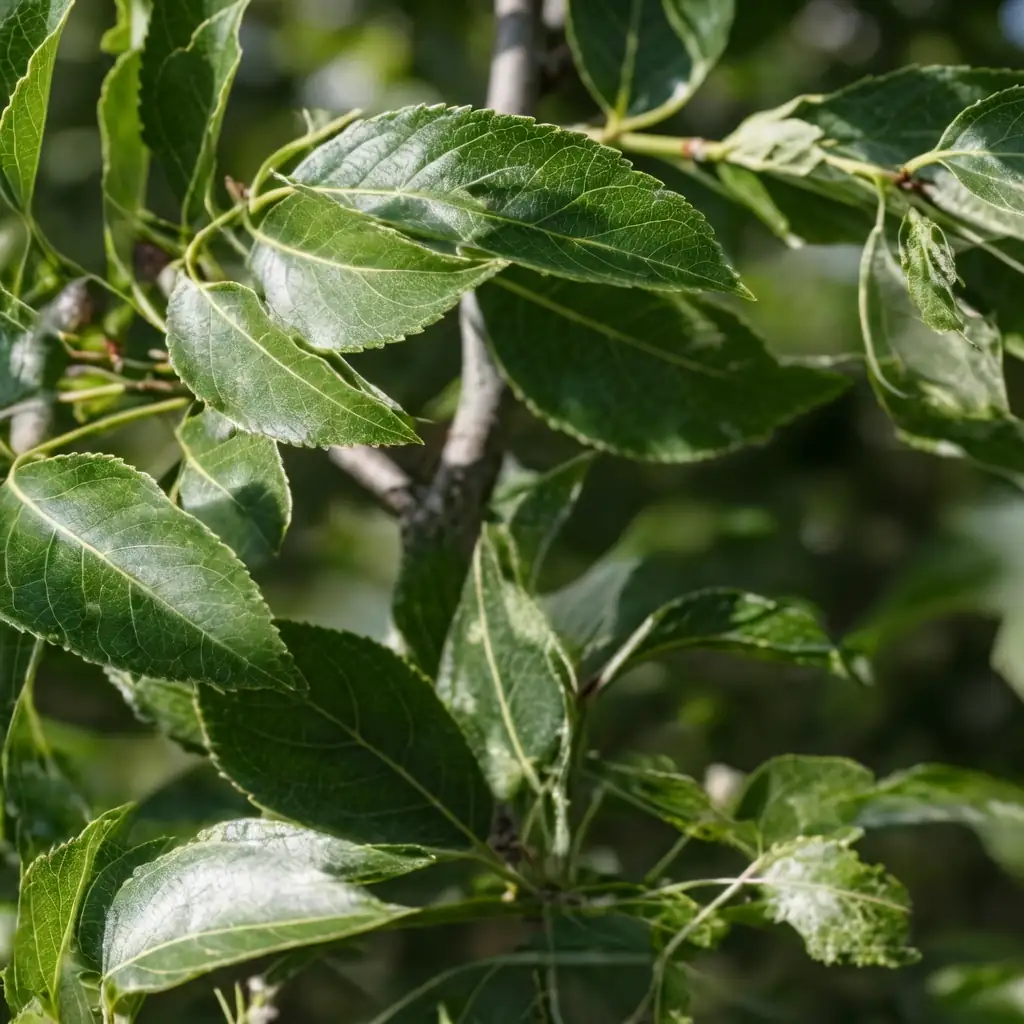
- Foliage: Evergreen, glossy leaves that are typically trifoliate (3 leaflets). Leaflets are often oval to elliptic, creating a lush, dense green screen when the plant is mature.
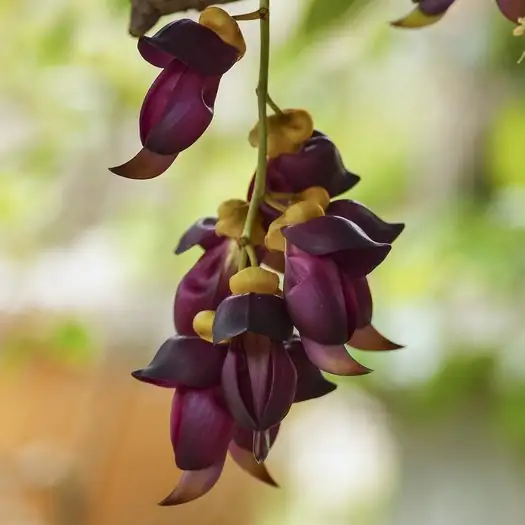
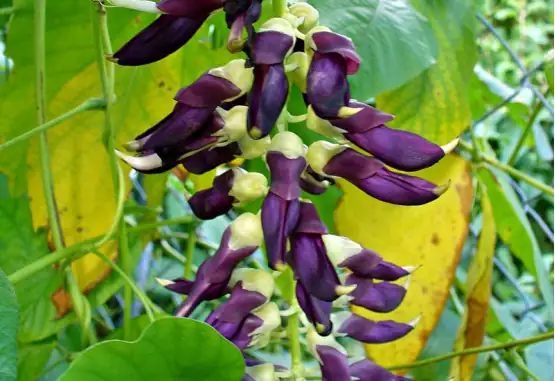
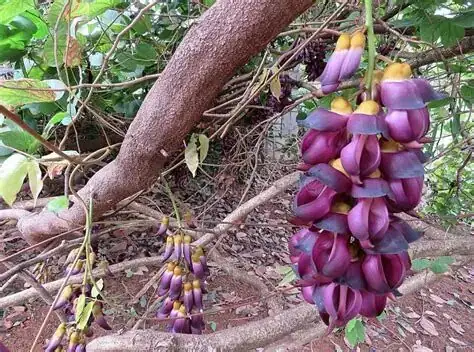
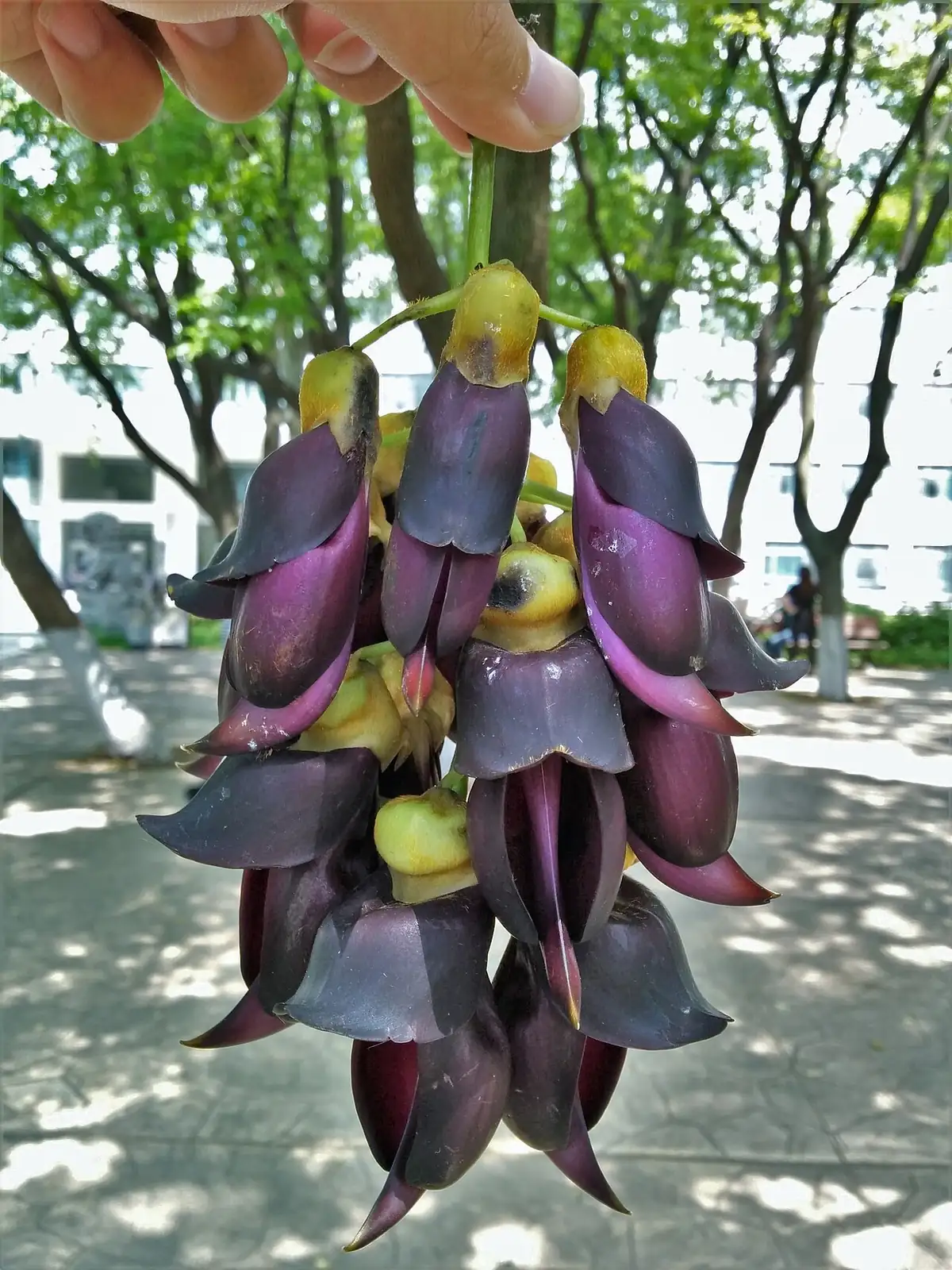
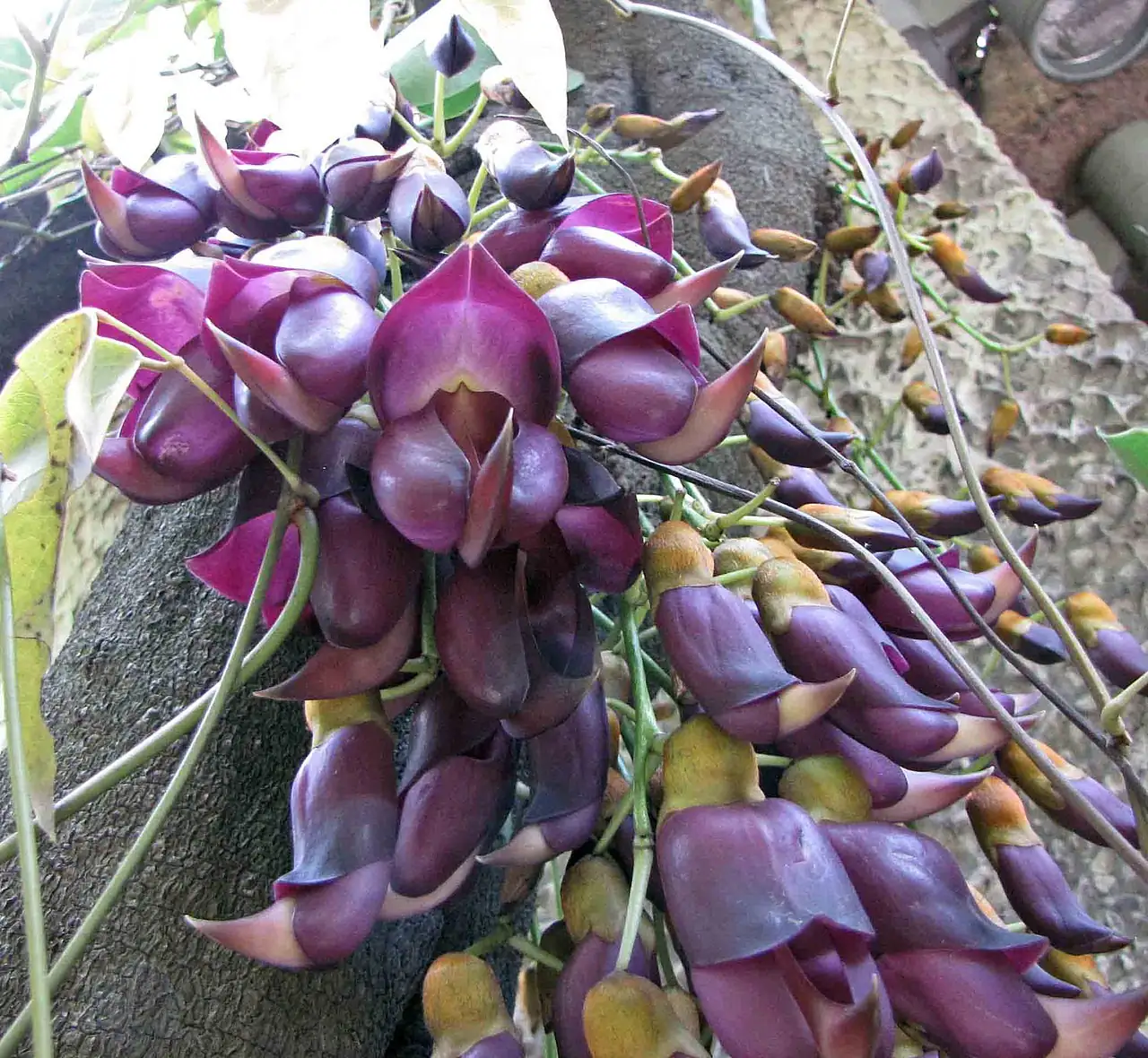
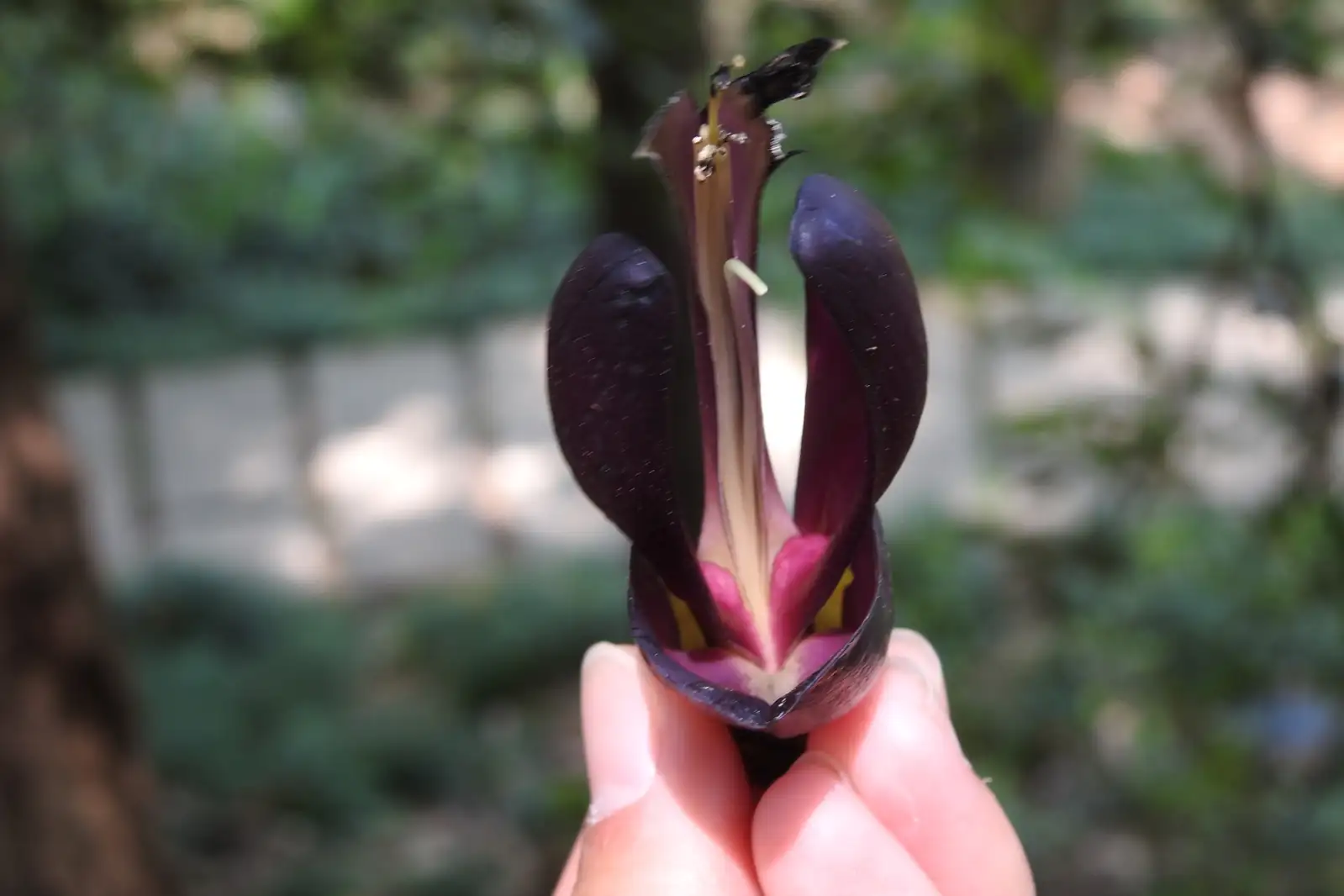
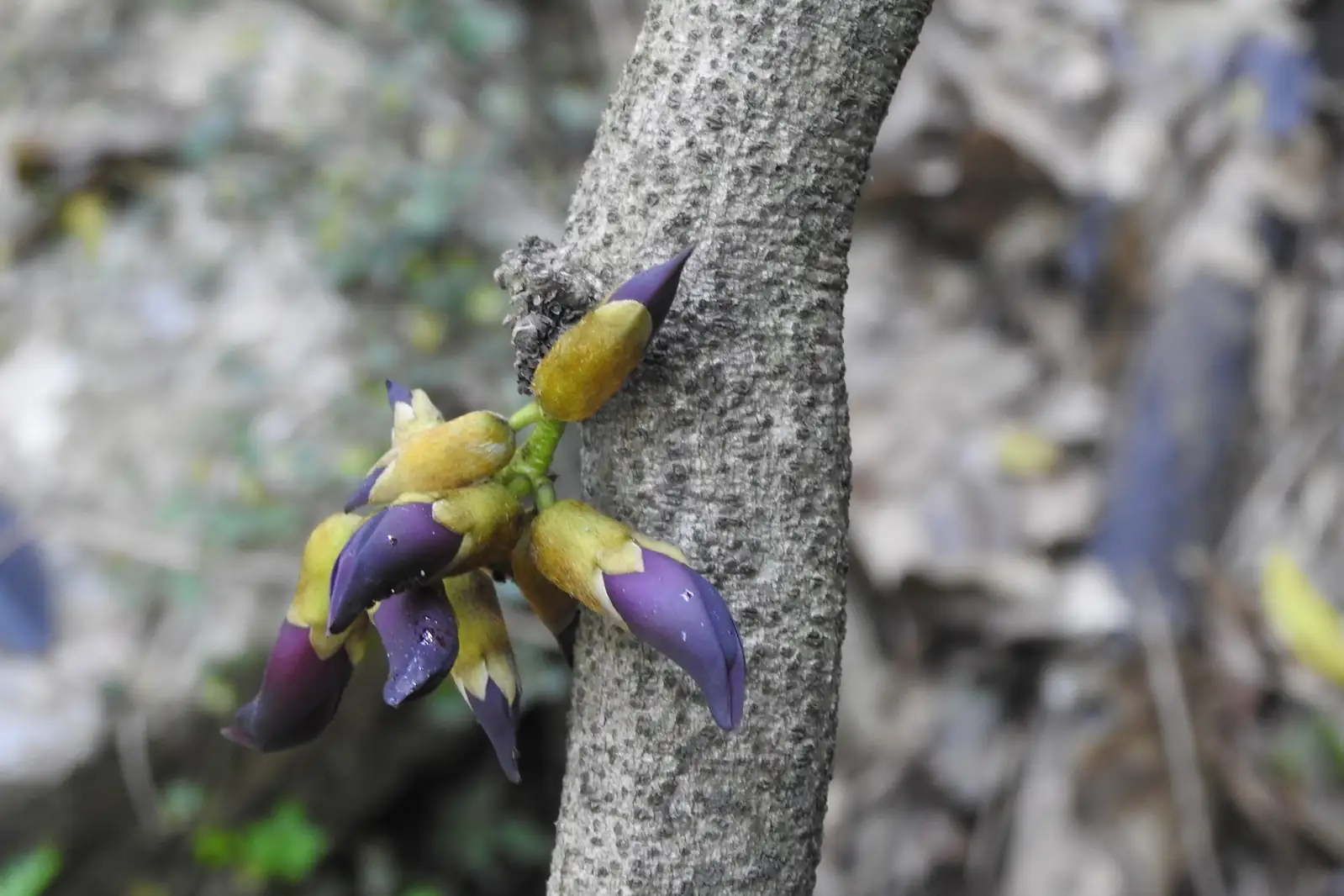
- Flower: Large, velvety-textured flowers borne in long, drooping racemes, usually produced on older wood. The calyx is densely velvety-hairy, and the corolla is deep purple to purplish red; the hanging clusters can resemble strings of small butterflies when in full bloom.
- Flowering Season: April–May (spring)
- Growth Habit: Woody, twining/climbing vine; fast-growing and best trained onto strong supports such as pergolas, trellises, or fences.
Environment
Sunlight
Full sun to bright light. For the heaviest flowering, aim for full sun; in very hot summers, light afternoon shade can reduce stress while still keeping performance strong.
Temperature
Prefers warm, humid subtropical conditions. Most active growth is around 15–30°C (59–86°F). Protect from hard frost, especially when young or container-grown.
Humidity
Moderate to high humidity is ideal, paired with good airflow. Hot, dry air can encourage spider mites.
Soil
Moist but well-drained, fertile loam is ideal. It tolerates various soils if drainage is good; mulching helps keep roots cooler and soil moisture steadier. Avoid chronically waterlogged ground.
Placement
Outdoors where it has space and strong support—pergolas, arbors, fences, and trellises. Also well suited to landscape greening and ecological plantings along slopes, streambanks, and valley edges in suitable climates.
Hardiness
Best in mild-winter climates; approximately USDA Zone 9–11. Not reliably frost-hardy.
Care Guide
Difficulty
Moderate. It establishes readily in a suitable climate and grows vigorously, but it needs space, sturdy support, and occasional pruning/training to keep it manageable and floriferous.
Buying Guide
Pick plants with healthy glossy leaves and sturdy, firm stems. Avoid pots that smell sour or show signs of waterlogging, and skip vines with weak, stretched (etiolated) growth. For reliable flowering sooner, choose a well-established vine rather than a tiny seedling.
Watering
Water regularly while establishing to keep soil evenly moist but never soggy. Once established, it can handle short dry spells, yet it flowers best with consistent moisture. In cool seasons, reduce watering and avoid prolonged wet soil to prevent root problems.
Fertilization
Feed in spring through early summer with compost or a balanced slow-release fertilizer. Avoid overdoing nitrogen—too much can produce lots of leaves but fewer flowers.
Pruning
Prune after flowering to control size, remove weak/tangled growth, and encourage branching. Train and tie stems to supports as it climbs; good structure and guidance help keep flower displays accessible and tidy.
Propagation
Primarily by seed. Scarifying the seed coat and soaking before sowing can improve germination. Semi-hardwood cuttings can also work in warm conditions, though success varies depending on humidity, heat, and technique.
Repotting
If container-grown, repot in spring when roots fill the pot. Move up about one pot size, refresh with a free-draining fertile mix, and use a heavy container plus strong support to prevent tipping.
📅 Seasonal Care Calendar
Spring (Apr–May): peak flowering; begin feeding and steady watering. Summer: manage vigorous growth, keep training to supports, and water during heat. Late summer–autumn (Aug–Oct): fruiting period; reduce feeding. Winter: protect from frost, keep slightly drier, and avoid heavy pruning until after flowering.
Pests, Diseases & Safety
Common Pests & Diseases
Common issues include aphids, scale insects, and spider mites (especially in hot, dry conditions). Poor drainage can lead to root decline. Prevent problems with good airflow, consistent (not excessive) watering, and well-drained soil; treat pests with horticultural soap or appropriate targeted controls when needed.
Toxicity
Not well standardized for home-use references for this exact species, but many Mucuna species have seeds with bioactive compounds. As a precaution, do not ingest plant parts or seeds, and keep them away from children and pets unless under qualified guidance.
Culture & Symbolism
Symbolism: Often associated with vitality and resilience—its evergreen leaves and energetic climbing habit give it a “never-give-up” garden presence.
History & Legends: In parts of China, it has been grown and used locally for both ornament and practical planting, valued as a vigorous evergreen cover and sometimes referenced in regional traditional practices.
Uses: Ornamental evergreen vine for pergolas, fences, and vertical greening; also used in some regions in traditional medicine contexts and for ecological protection plantings such as slope and riverbank stabilization.
FAQ
When does Evergreen Velvet Bean Vine flower?
It typically flowers in spring, most often April–May.
When does it set fruit?
Fruiting is commonly reported from August–October (late summer to autumn).
Where is it native, and what habitats does it like?
It’s native to multiple provinces in China and naturally occurs in subtropical forests and shrublands, as well as valleys and areas along streams and rivers.
What do the leaves look like?
The foliage is evergreen and glossy, with trifoliate leaves made up of three leaflets.
What makes the flowers special?
The deep purple to purplish-red blooms hang in long drooping clusters (racemes), often described as resembling strings of small butterflies.
Fun Facts
- Because it stays evergreen in mild climates, it can act like a living green curtain for much of the year.
- Its flowers are often produced on older wood, so mature, well-trained vines usually bloom more impressively than very young plants.
- Landscape designers use it both for beauty and for practical coverage—especially where rapid greening is desired.