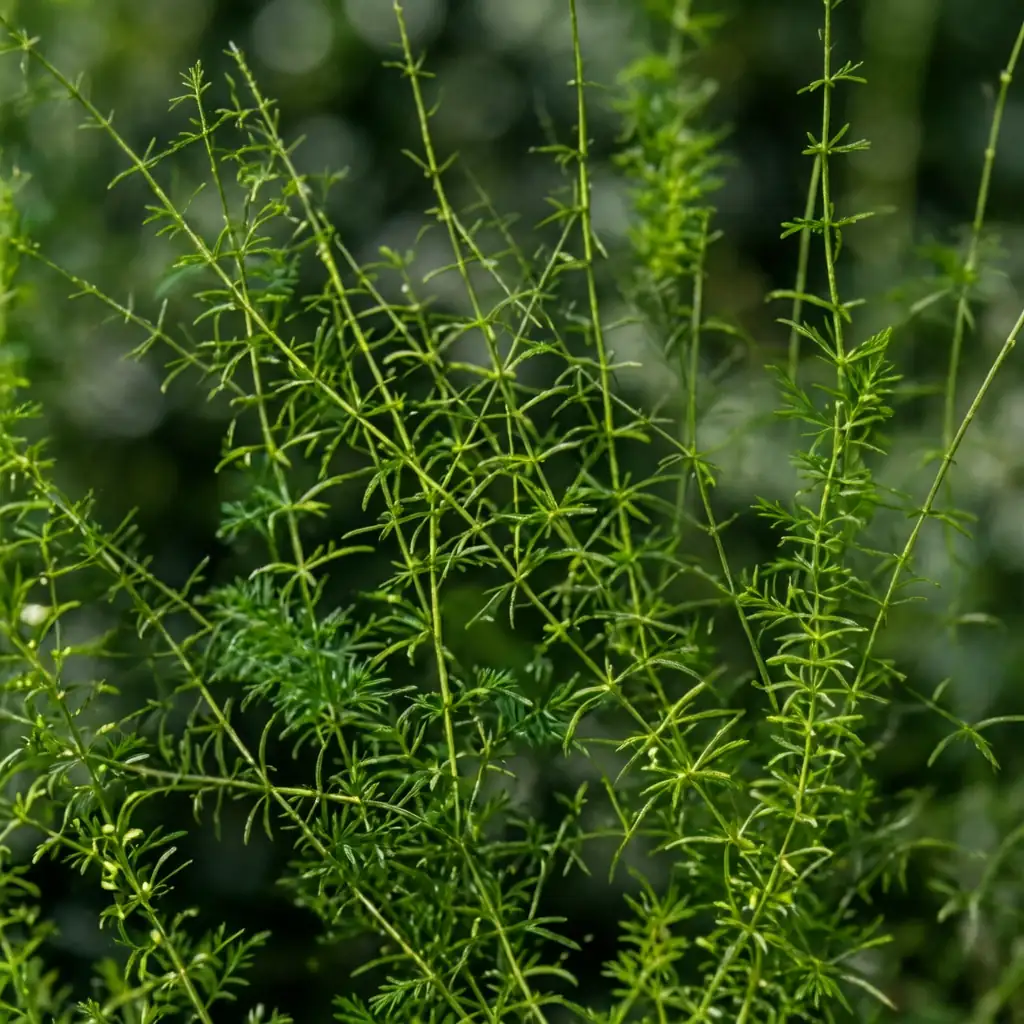
Plant Features
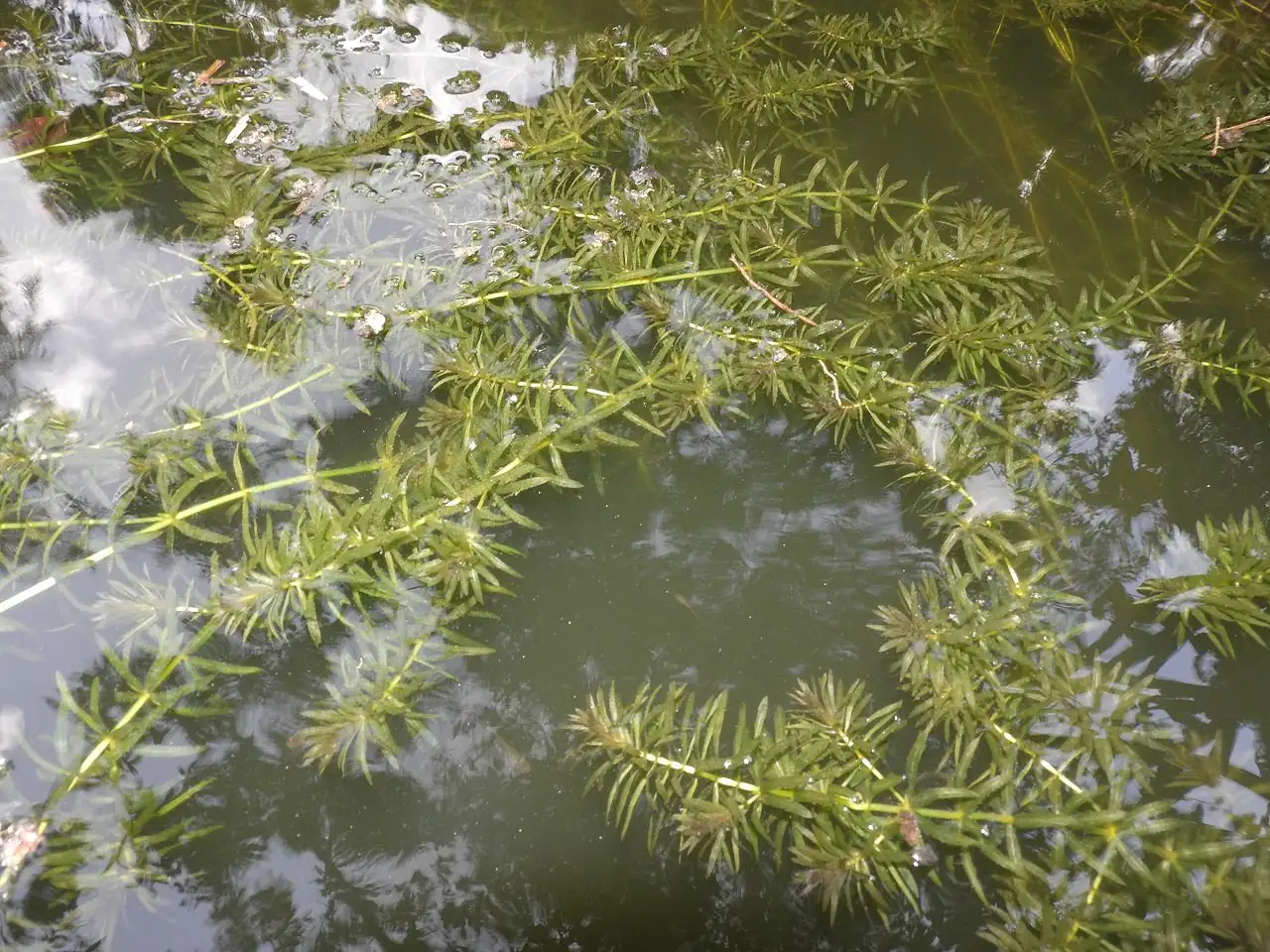
- Size: Submerged perennial with long, brittle, cylindrical stems that commonly reach about 1–3 m (3–10 ft) or more in suitable waters.
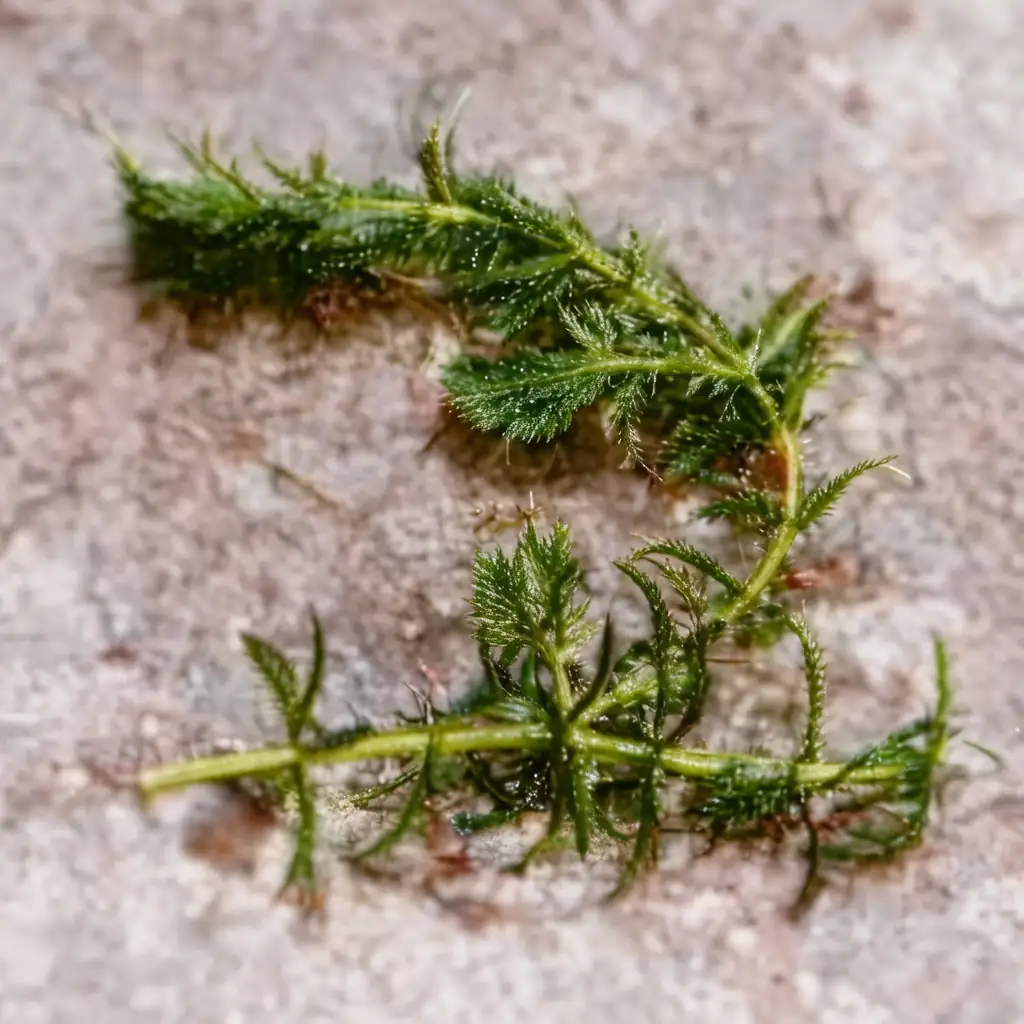
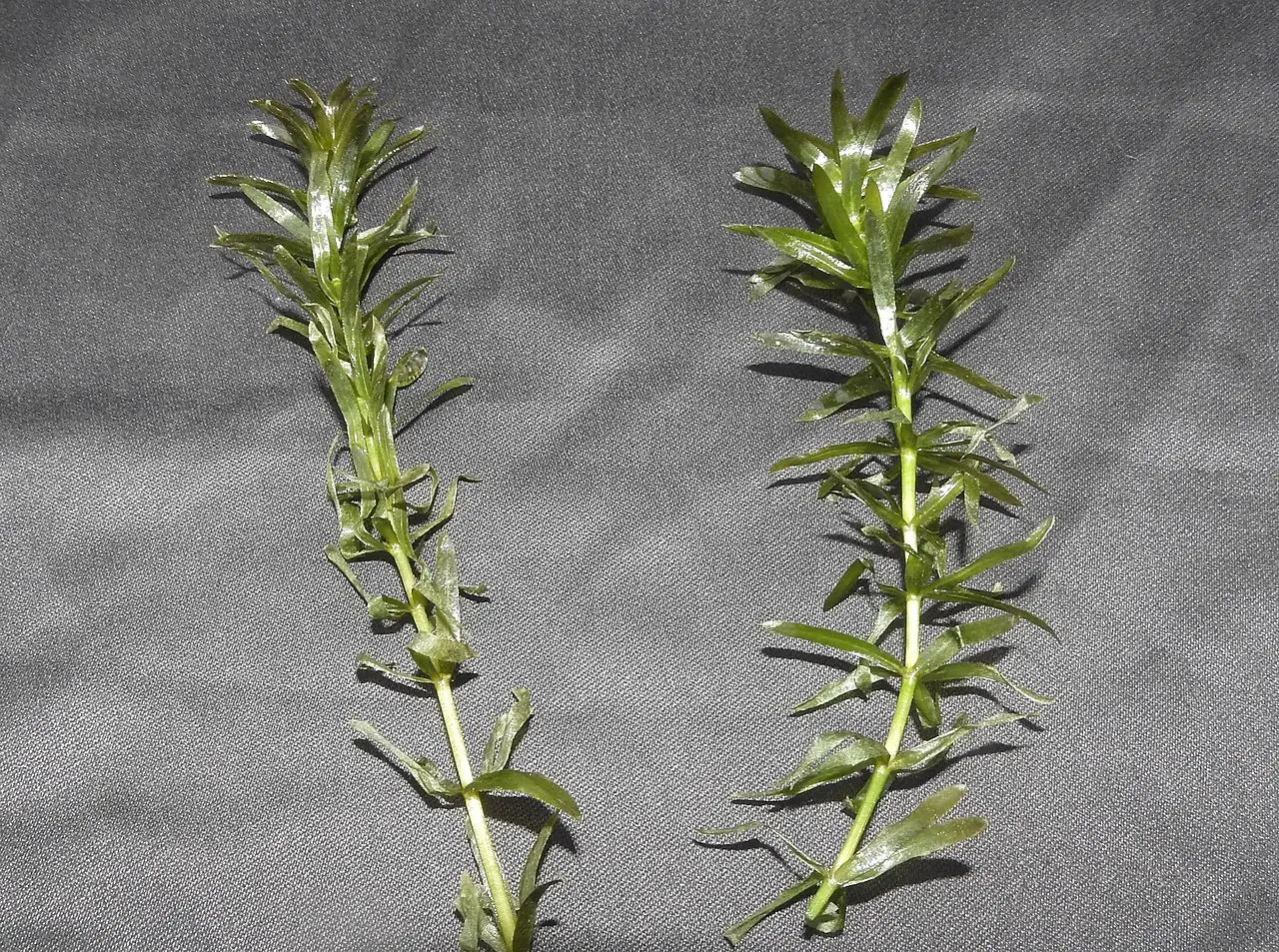
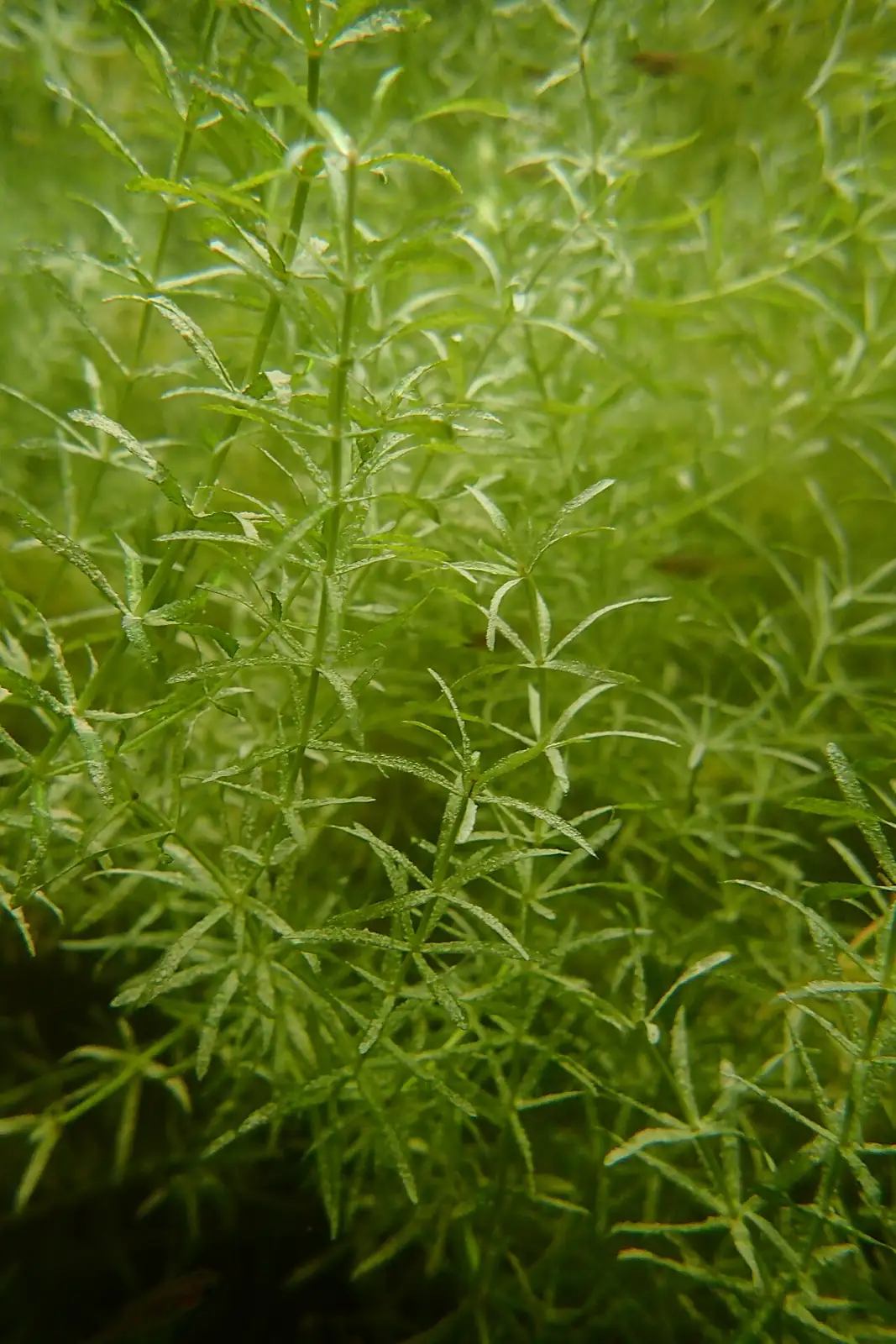
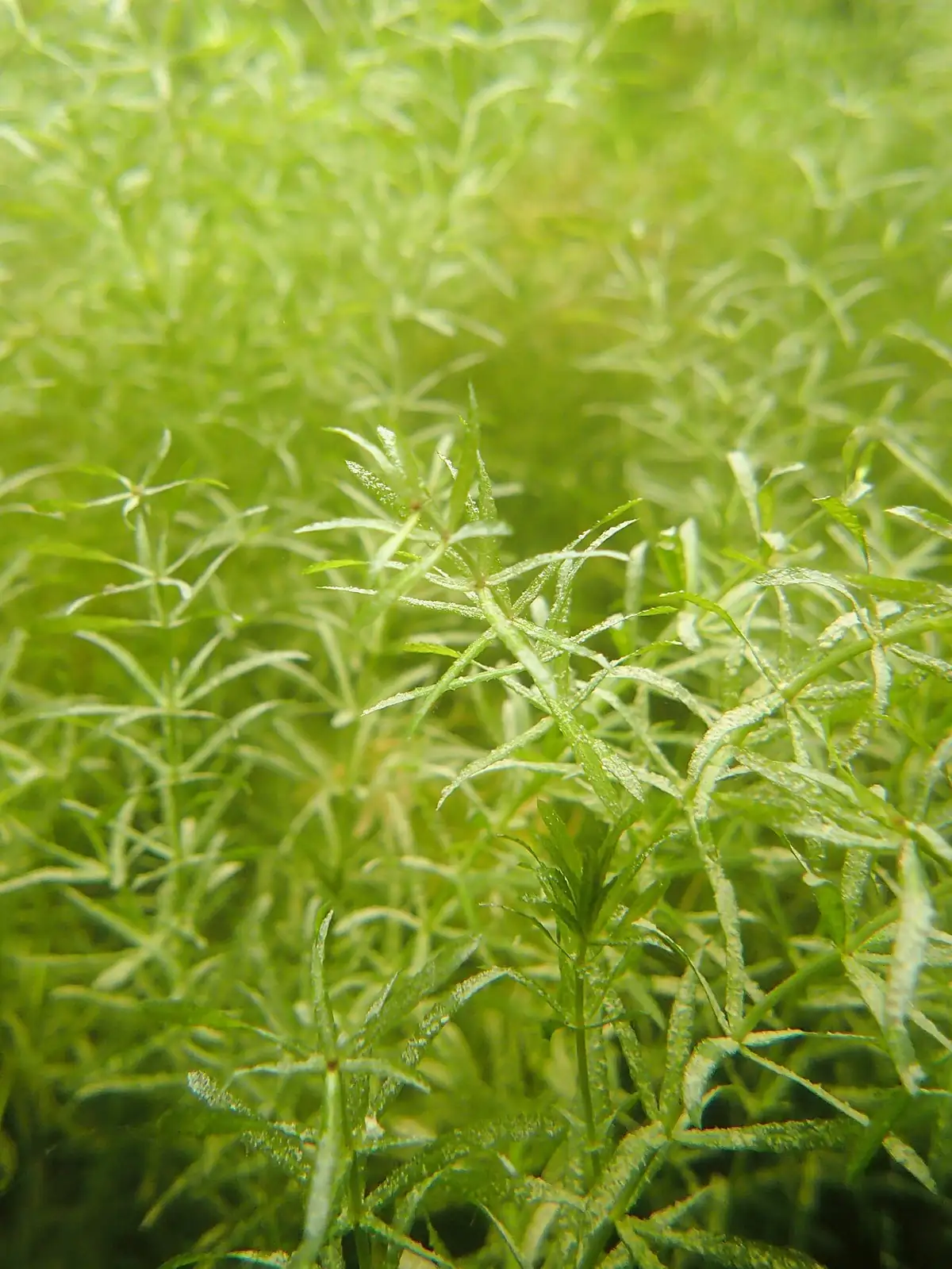
- Foliage: Leaves are arranged in whorls (typically 4–8 per node). They’re narrow, linear to strap-like, and often have tiny teeth along the edges, giving the plant a slightly rough feel.
- Flower: Produces tiny unisexual flowers (separate male and female plants). Male flowers can detach and float to the surface to aid pollination. Fruit is narrow and cylindrical.
- Flowering Season: May–October
- Growth Habit: A rooted, fully submerged aquatic herb that elongates rapidly and can form dense underwater stands.
Environment
Sunlight
Prefers bright light. In aquariums, moderate to high light encourages bushier, denser growth.
Temperature
Grows best in warm water but tolerates cooler conditions. For overwintering/maintenance, keep water above about 4°C (39°F) to reduce dieback.
Humidity
Not applicable (aquatic plant).
Soil
Freshwater plant that roots into mud/silt or nutrient-rich aquatic substrate; in aquariums it can be anchored in planting media.
Placement
Aquariums and indoor water features; commonly used as a midground-to-background plant that can be trimmed and shaped.
Hardiness
Cold-tolerant aquatic perennial; in cultivation, keeping water above about 4°C (39°F) helps prevent winter dieback.
Care Guide
Difficulty
Easy to moderate. It grows quickly with good light and nutrients, but that speed also means it needs regular trimming. Outdoors it can be invasive—grow only where legal and always keep it contained.
Buying Guide
Pick firm, fresh green stems with intact whorled leaves. Avoid mushy/rotting sections, heavy algae smothering, or foul odors. If you want a “clean” aquarium, check carefully for hitchhikers like snails or eggs.
Watering
No watering needed—keep fully submerged. Focus instead on stable water conditions and gentle-to-moderate circulation.
Fertilization
In aquariums, it responds well to a complete liquid fertilizer and/or nutrient-rich substrate. Dose lightly and consistently; overfertilizing often triggers algae problems.
Pruning
Trim regularly to prevent tangling and shading. Replant healthy cut tops to keep the planting full and compact, and remove any decaying lower stems promptly.
Propagation
Mostly by stem cuttings/fragmentation: cut a healthy section and replant/anchor it. Even small fragments can root and grow readily (great for propagation, risky for invasiveness).
Repotting
Usually not needed. If grown in pots/baskets, refresh the substrate when it becomes compacted or exhausted—often every 6–12 months, or as needed.
📅 Seasonal Care Calendar
Spring–summer: peak growth; trim more often and support with steady nutrients. Autumn: growth may slow as water cools. Winter: keep water above 4°C (39°F) and reduce fertilization/light if growth slows.
Pests, Diseases & Safety
Common Pests & Diseases
Common issues include algae overgrowth, stem rot when circulation is poor or light is low, and grazing damage from snails or herbivorous fish. Prevent problems by balancing light and nutrients, keeping water clean and stable, improving flow, and removing decaying tissue quickly.
Toxicity
Not generally considered toxic to people. For aquarium use, avoid plants collected from polluted waters. Ecologically, the biggest “safety” concern is invasiveness—never dump trimmings into drains, streams, or ponds.
Culture & Symbolism
Symbolism: Often linked with vitality and clear, lively water in aquariums and water gardens—thanks to its lush greenery and oxygenating reputation.
History & Legends: Not strongly tied to folklore, but widely known worldwide for its remarkable ability to spread and dominate waterways when introduced.
Uses: Ornamental aquarium and indoor water-feature plant (midground/background). In some regions it has been used as livestock feed (e.g., pigs) and as green manure.
FAQ
Can hydrilla be grown outdoors in ponds?
It can grow in freshwater ponds, but it’s invasive in many places. Only grow it where it’s legal and fully contained, and never dispose of trimmings into drains or natural waterways.
Why is my hydrilla turning brown or “melting”?
Common causes are low light, unstable water conditions, poor circulation, or stress after planting. Improve lighting, keep parameters stable, remove rotting sections, and replant healthy tips.
Fun Facts
- It can regrow from tiny stem fragments—one reason it spreads so easily in the wild.
- Male flowers can break free and float to the surface, allowing pollination to happen above water.
- In well-balanced aquariums, its fast growth can help compete with algae by using up available nutrients.