Plant Features
- Size: Typically 15–20 cm (6–8 in) tall in turf; spreads laterally to form a dense mat.
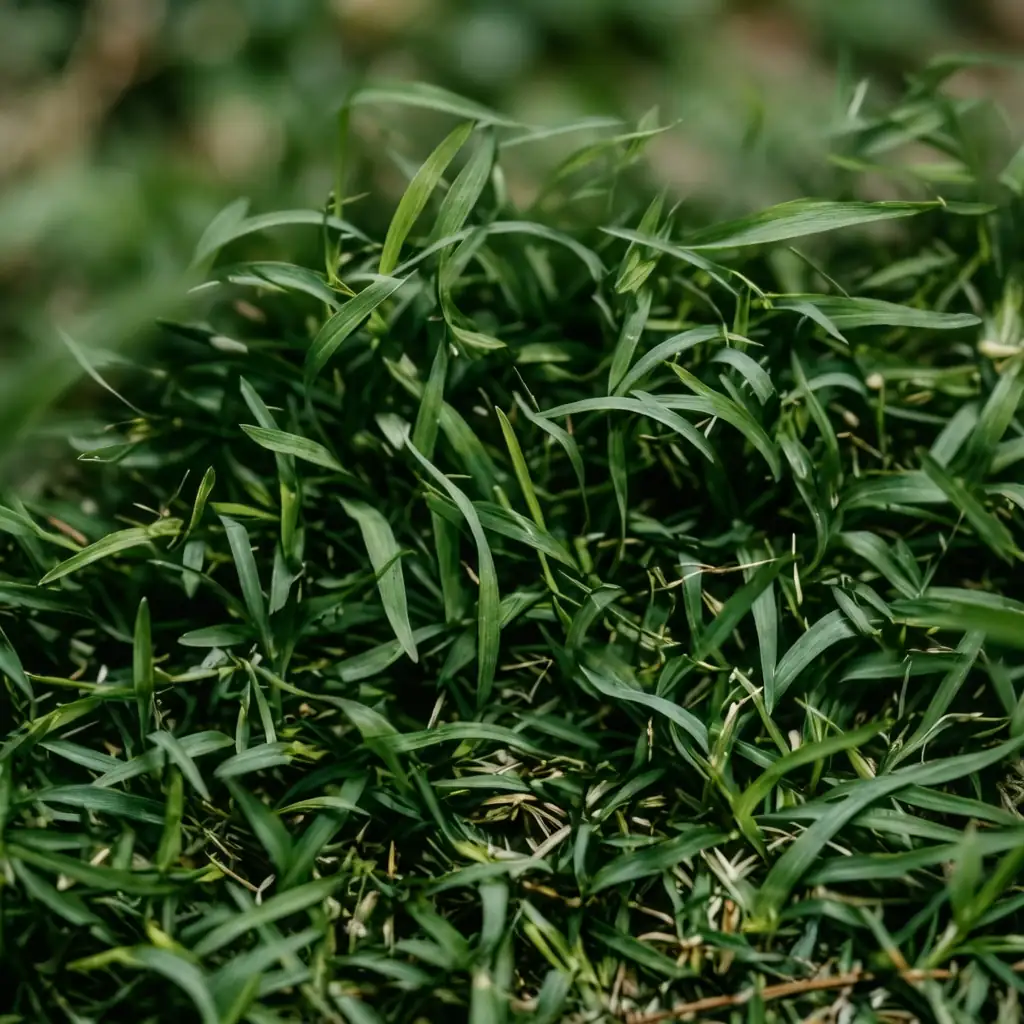
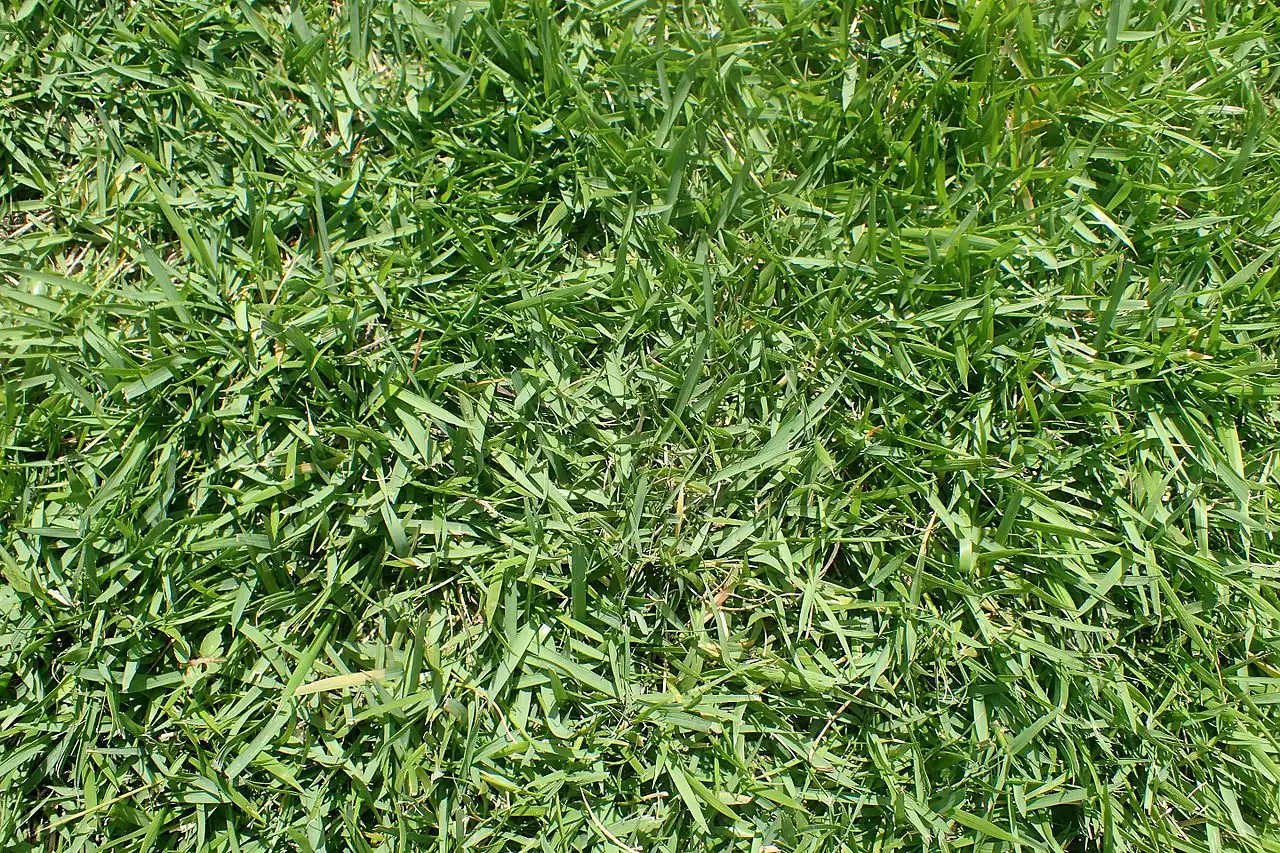
- Foliage: Fine-to-medium textured green blades; leaves are flat or slightly inrolled, with upright shoots arising from creeping rhizomes (often also spreading by stolons).
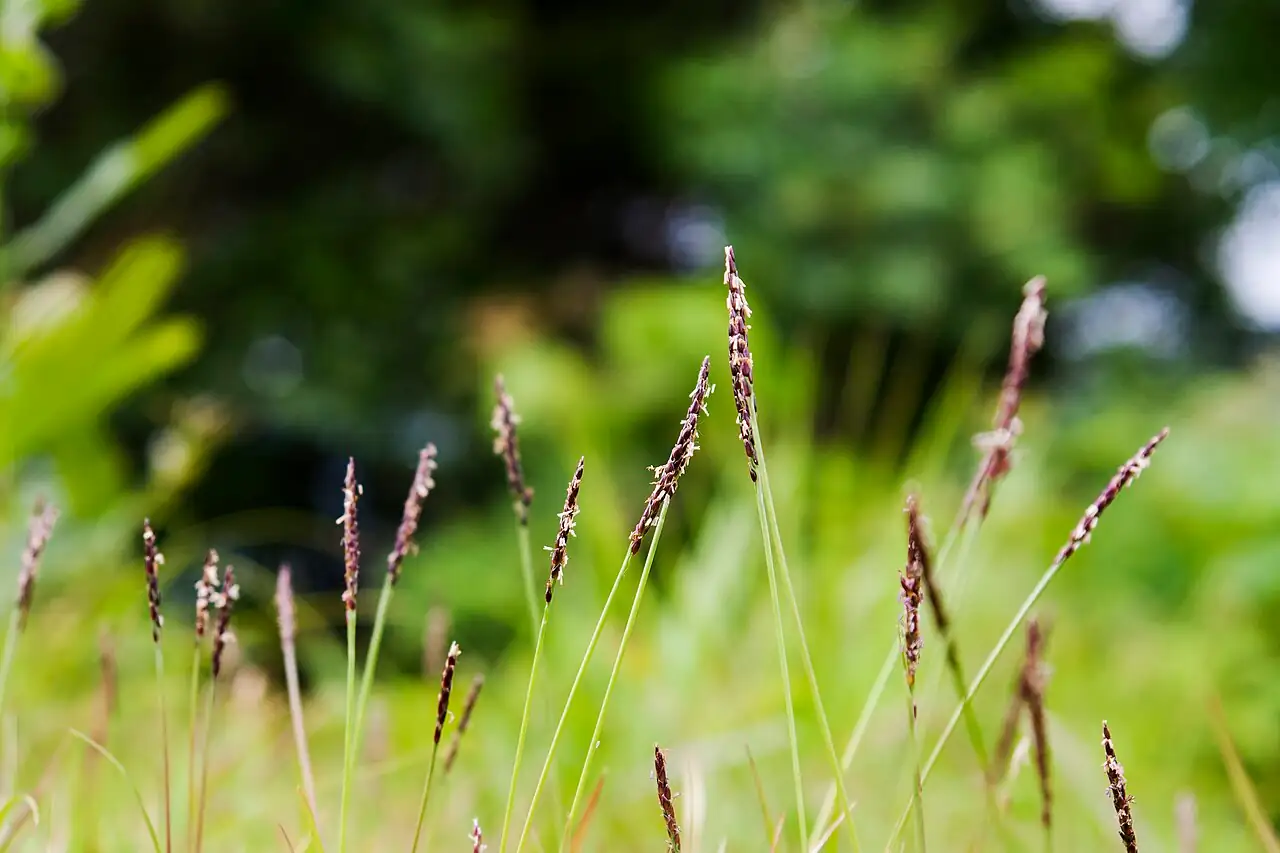
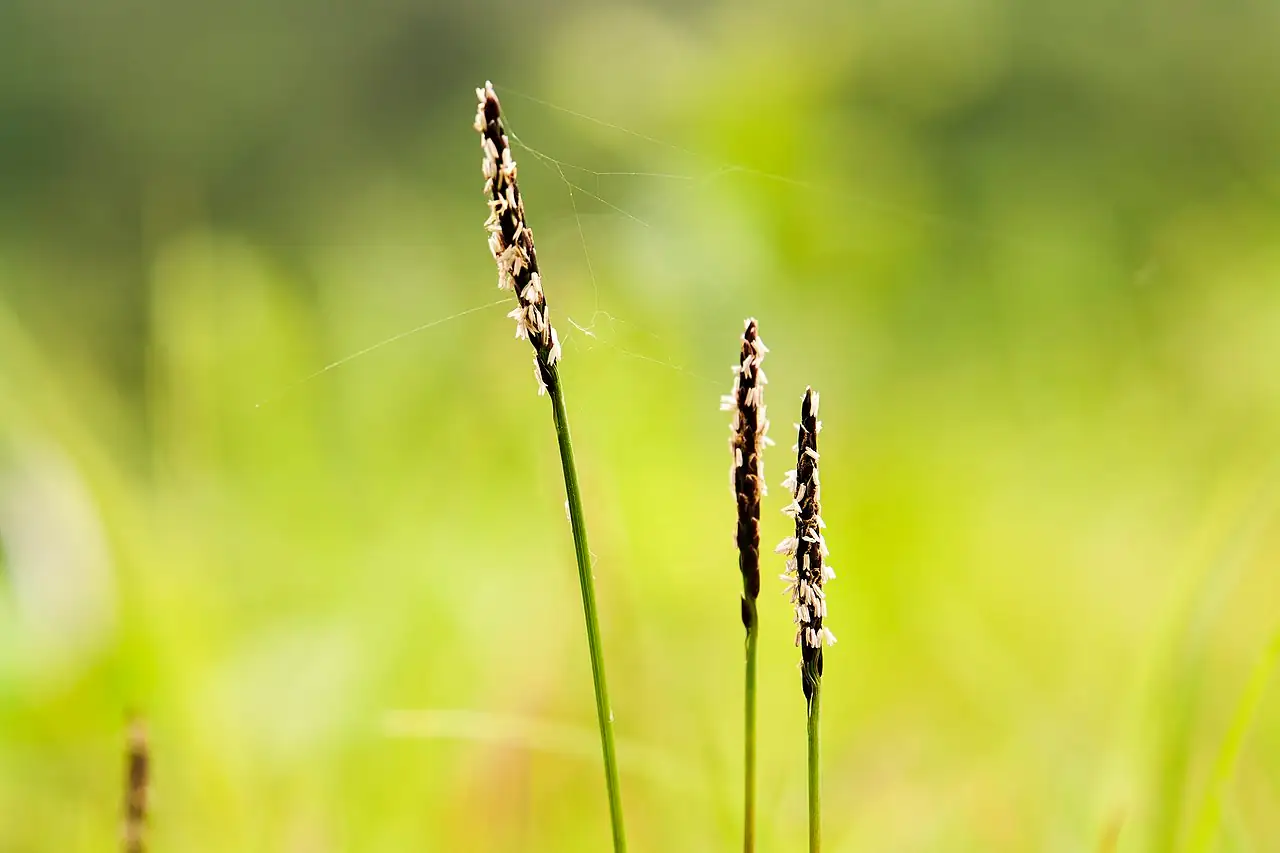
- Flower: Small, grass-type flowers arranged in narrow, spike-like racemes; followed by small, egg-shaped grains (seeds).
- Flowering Season: May–August
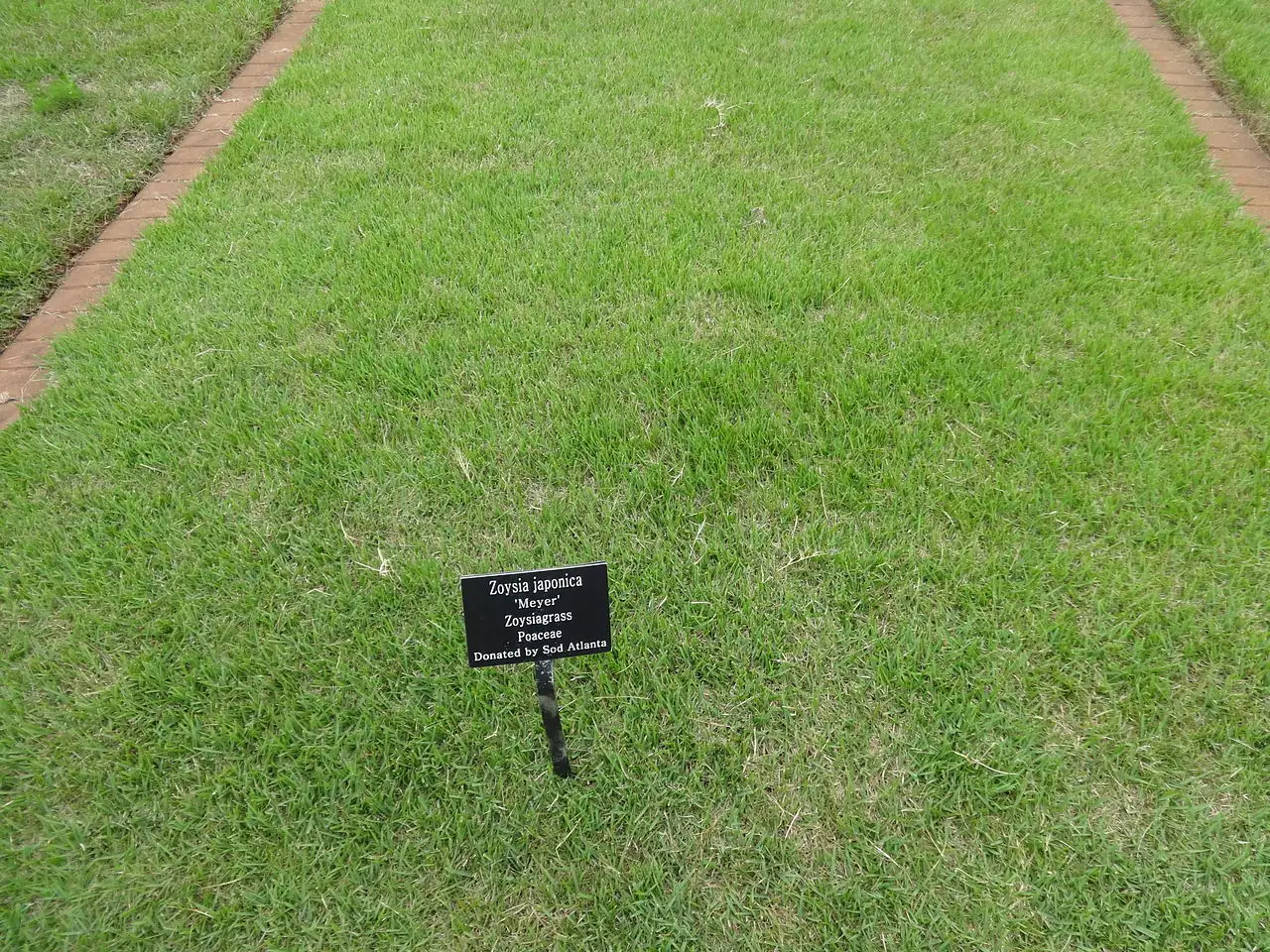
- Growth Habit: Perennial, sod-forming grass that grows in tufts and creeps outward, creating a tight, durable turf through rhizomes (and often stolons).
Environment
Sunlight
Full sun to light shade; best density and color in full sun.
Temperature
Warm-season grass; active growth roughly 20–35°C (68–95°F). Growth slows in cool weather and it may turn brown after frost.
Humidity
Prefers moderately humid conditions but is adaptable; tolerates periodic waterlogging once established.
Soil
Adaptable to many soils, including sandy coastal sites; tolerates low fertility and alkaline/saline conditions. Best in well-drained soil for highest turf quality.
Placement
Lawns, sports fields, parks, coastal landscapes, slopes, and erosion-control plantings; suits open, sunny sites.
Hardiness
Commonly grown in USDA Zones 6–9 (approx. -23 to -1°C / -10 to 30°F). Tolerant of drought, salt, and heavy foot traffic; generally more cold-tolerant than many other zoysia types.
Care Guide
Difficulty
Easy to moderate. Very tough once established, but slower to establish and recover than some warm-season turfgrasses.
Buying Guide
Choose fresh sod/plugs with vigorous runners and a healthy root system. Avoid material with thinning patches, excessive thatch, or signs of grubs/rot. Match the cultivar to your climate (more cold-tolerant types for cooler regions).
Watering
Water regularly during establishment to keep the top 2–5 cm (1–2 in) of soil evenly moist. Once established, water deeply and infrequently—about 2.5 cm (1 in) per week during hot, dry periods—allowing the surface to dry slightly between waterings. Avoid constant light watering, which encourages shallow roots.
Fertilization
Feed during active growth in late spring through summer. A typical total nitrogen range is about 1–2 kg N per 100 m² per year (2–4 lb N per 1,000 ft² per year), split into 2–4 applications. Avoid heavy nitrogen late in the season to reduce winter injury and thatch buildup.
Pruning
Mow for lawn use. Typical mowing height is 2.5–5 cm (1–2 in) depending on use and equipment. Remove no more than one-third of the leaf blade per mow. Dethatch/verticut as needed if thatch becomes excessive.
Propagation
Most commonly established from sod, plugs, or sprigs. It can be grown from seed where available, but establishment is usually slower and less uniform than vegetative planting.
Repotting
Not applicable (primarily grown as turf in the ground). For trial containers, refresh the mix and divide rooted pieces in spring to early summer.
📅 Seasonal Care Calendar
Spring: scalp/mow low once green-up begins; start light feeding and weed control as needed. Summer: mow regularly; irrigate during drought; fertilize in split doses. Fall: reduce nitrogen; continue mowing until growth stops; avoid stressing turf before dormancy. Winter: typically dormant in cool climates; minimize traffic on frosted/dormant turf.
Pests, Diseases & Safety
Common Pests & Diseases
Generally robust. Possible issues include white grubs, billbugs, armyworms, and fungal problems such as large patch/brown patch under prolonged humidity. Good drainage, proper mowing height, and avoiding excessive late-season nitrogen help prevent disease.
Toxicity
Not known to be toxic to people or pets; typical turfgrass safety applies (avoid ingestion of treated grass after pesticide/herbicide applications).
Culture & Symbolism
Symbolism: Often associated with resilience and endurance thanks to its tough, carpet-like turf and ability to bounce back from use once established.
Uses: A high-quality turfgrass for lawns and sports fields, valued for dense coverage and wear tolerance; also used for slope stabilization and erosion control, including in coastal landscapes.
FAQ
Why does Japanese lawngrass turn brown in winter?
It is a warm-season grass and often goes dormant in cool weather. After frost, the foliage commonly turns tan/brown, then greens up again when temperatures warm in spring.
Is it good for coastal areas?
Yes. It has good salt tolerance and performs well on sandy, windy sites when established, making it a common choice for coastal lawns and erosion control.
Fun Facts
- It spreads by creeping rhizomes (and often stolons), knitting into a dense, carpet-like turf that handles foot traffic well.
- Compared with many turfgrasses, it can tolerate poorer soils and some salinity, which is why it is widely used in coastal landscapes.
- It is tough once established, but it typically establishes more slowly than fast-growing warm-season grasses—patience pays off.