

Plant Features
- Size: Typically 1–3 m (3.3–9.8 ft) tall.
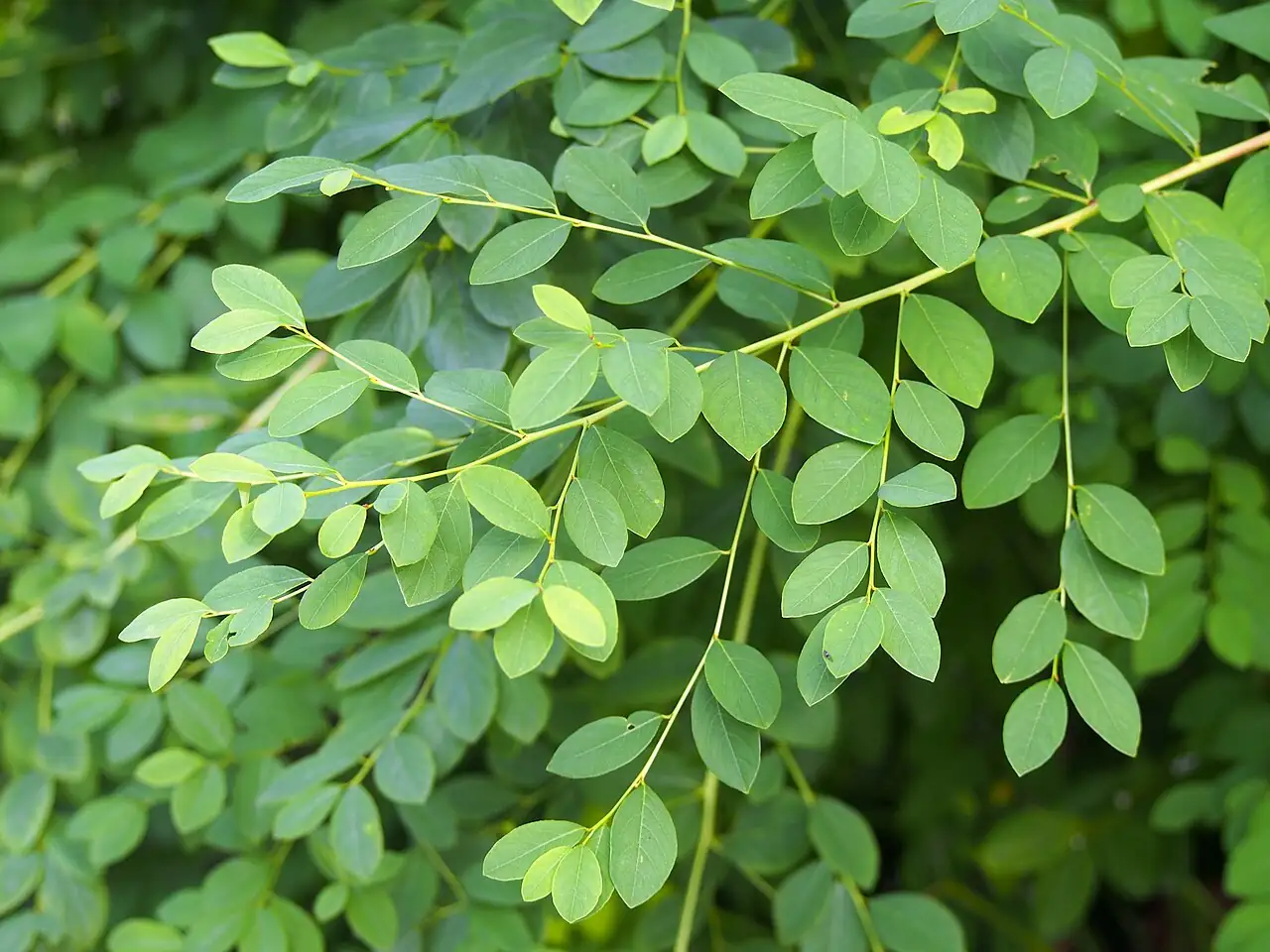
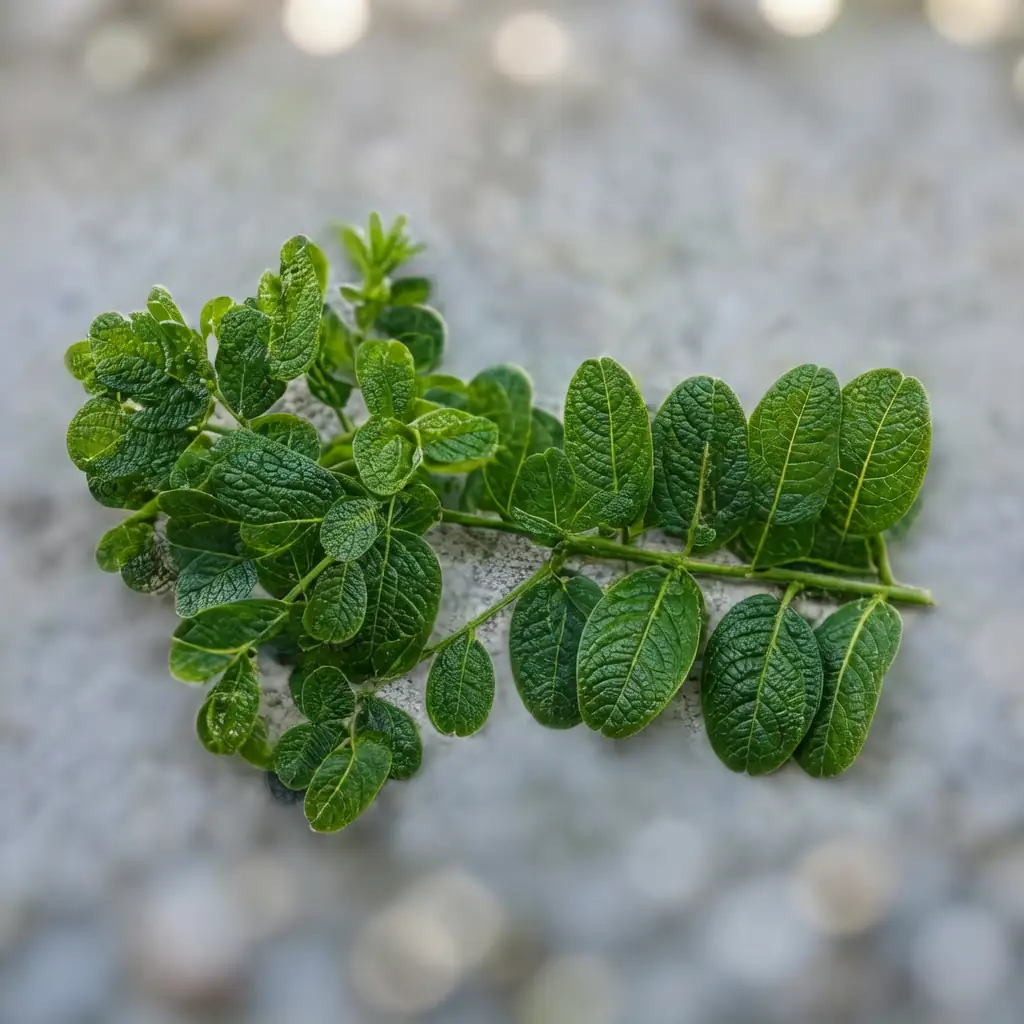
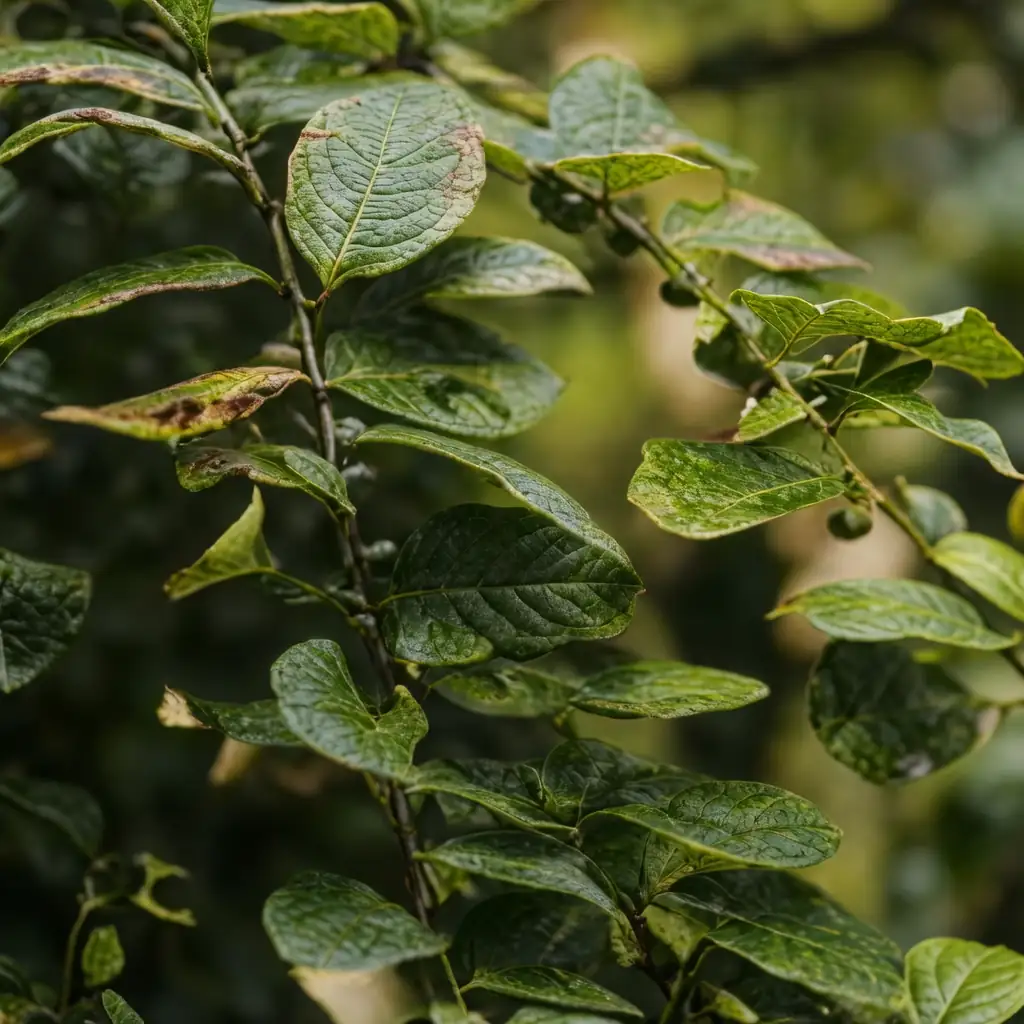
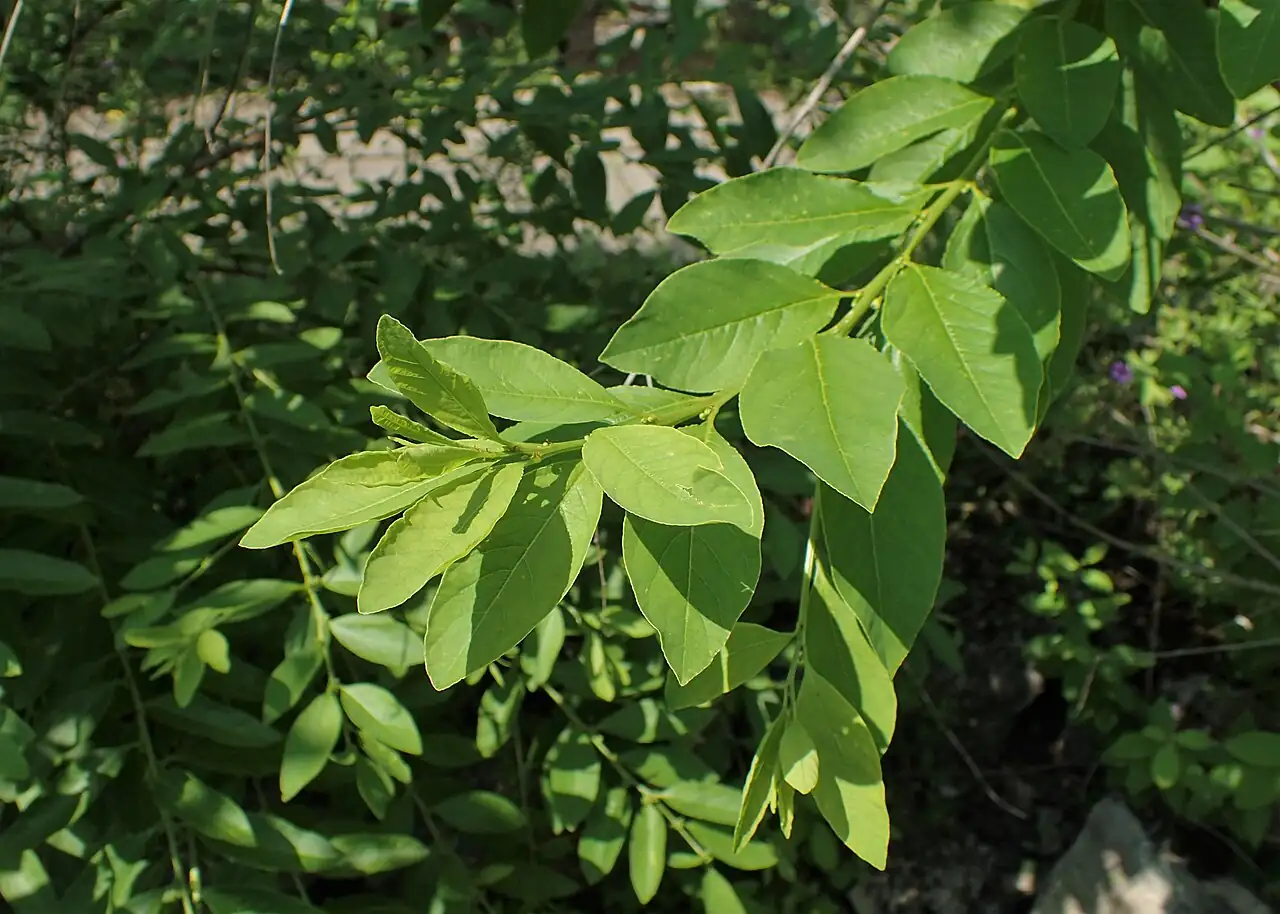
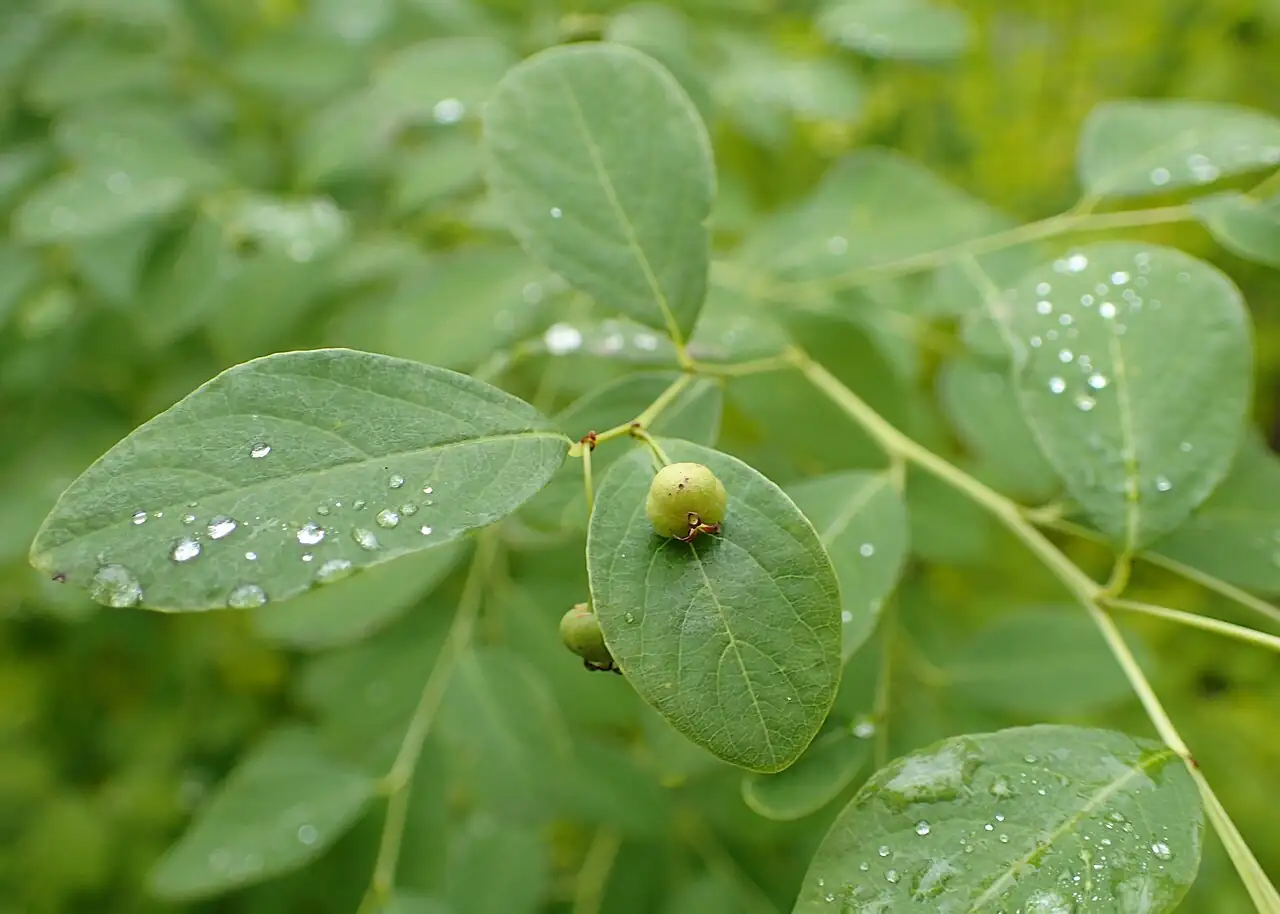
- Foliage: Leaves are papery and elliptic to oblong-elliptic (sometimes obovate). The whole plant is hairless. Young twigs are pale green, nearly cylindrical, with shallow ridges/grooves and faint lenticels.
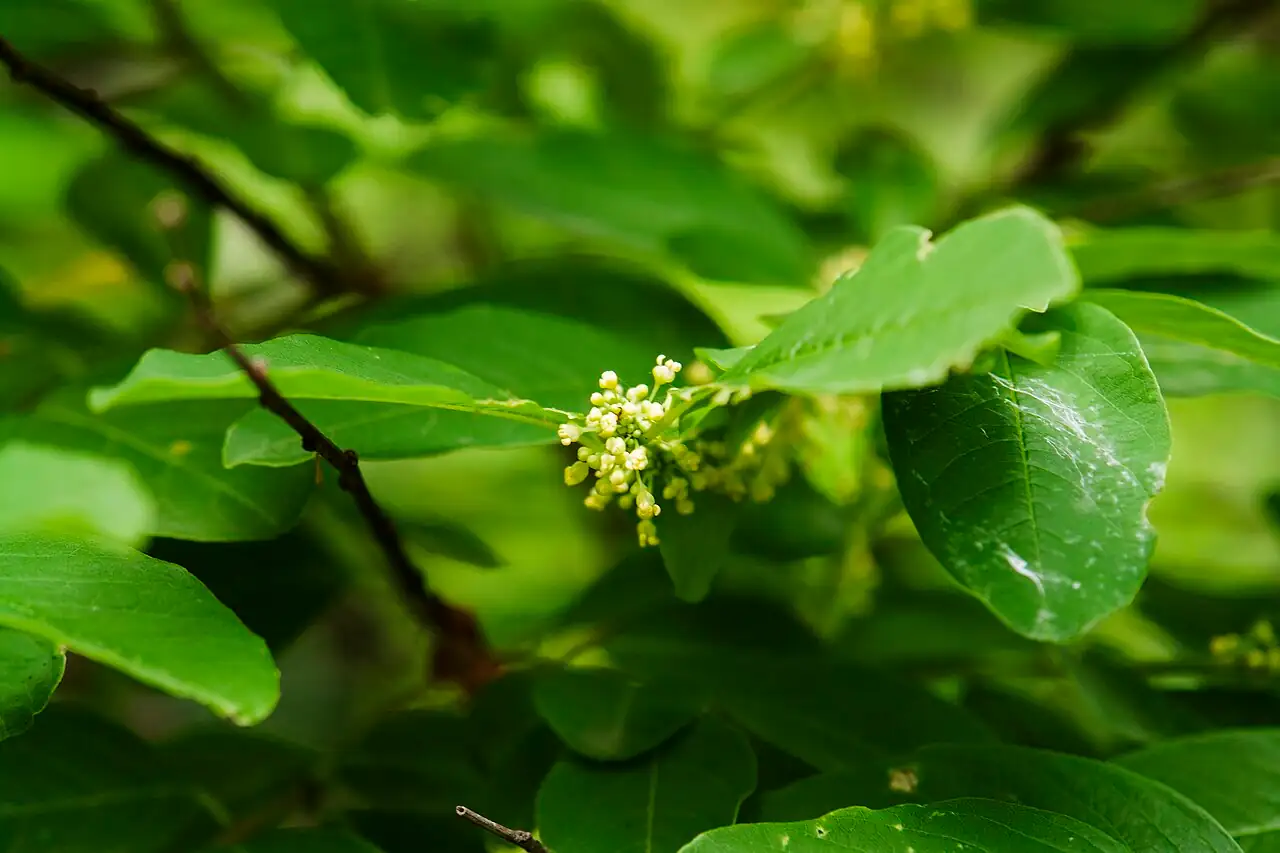
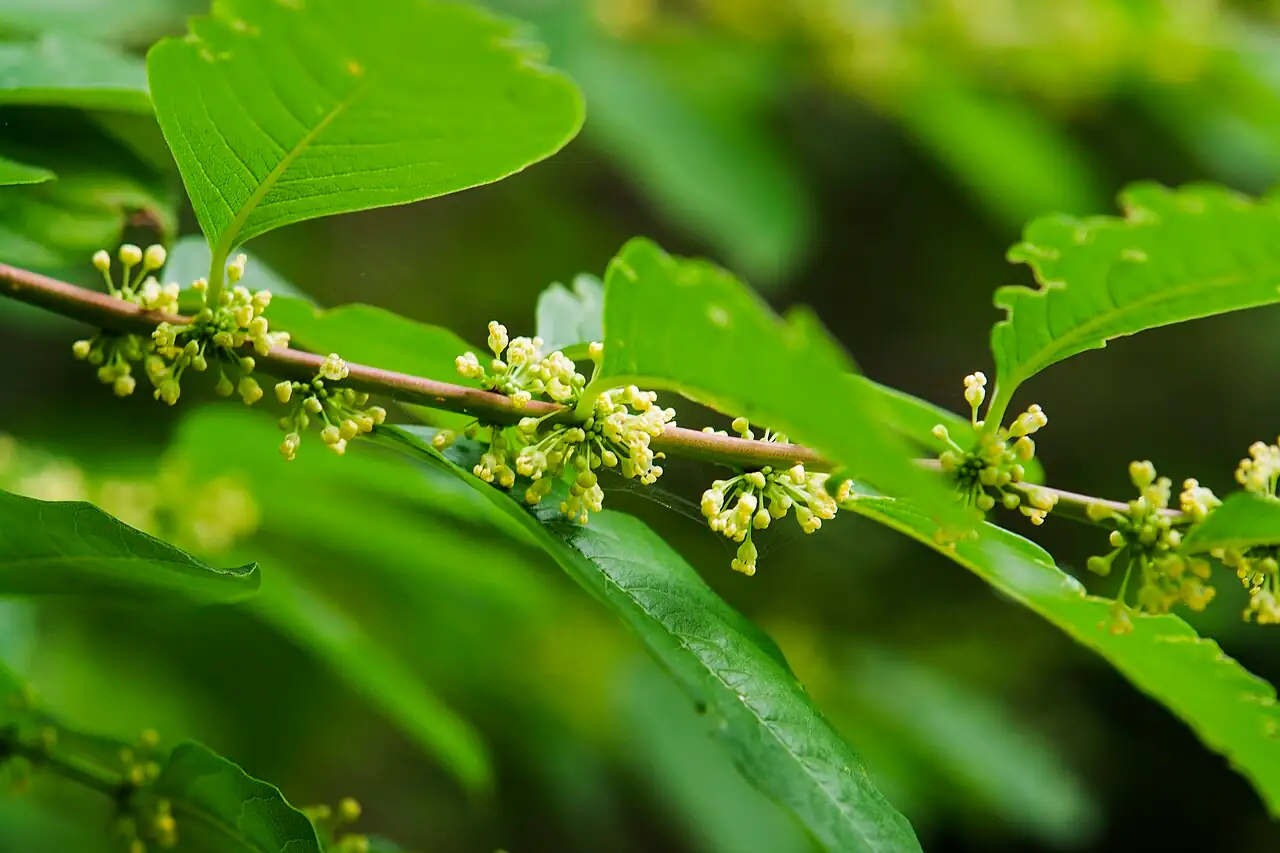
- Flower: Flowers are very small and appear in clusters in the leaf axils. Plants are dioecious (male and female flowers on separate plants). The fruit is a flattened, three-angled capsule that turns light reddish-brown when mature and often shows a net-like surface pattern.
- Flowering Season: March–August
- Growth Habit: Deciduous, multi-stemmed shrub
Environment
Sunlight
Full sun to partial shade; brighter light generally improves flowering and fruiting.
Temperature
Prefers temperate conditions; a typical active-growth range is about 10–30°C (50–86°F).
Humidity
Adaptable to average outdoor humidity. Avoid persistently stagnant, waterlogged conditions to reduce stress and fungal risk.
Soil
Adaptable, but grows best in fertile, loose, well-drained soil; tolerates rougher soils if drainage is good.
Placement
Hillsides, gullies/edges, shrub borders, roadside/rough-ground plantings; excellent for erosion control on slopes and looks natural when tucked among rocks.
Hardiness
Cold-hardy for many temperate regions; generally tolerant of cool to cold winters (avoid severe, prolonged freezes if grown outside its usual range).
Care Guide
Difficulty
Easy and low-maintenance outdoors once established; mainly needs decent drainage and occasional shaping.
Buying Guide
Pick plants with firm, healthy green twigs and clean, unspotted leaves (when in leaf). If you want fruit display, plan for dioecy: purchase/plant both male and female plants, or ensure a compatible plant is nearby for pollination.
Watering
Water regularly while establishing. After it’s rooted in, water mainly during extended dry spells. Let the top layer of soil dry slightly between waterings; avoid soggy soil and standing water.
Fertilization
In spring, feed lightly with a balanced slow-release fertilizer or a top-dressing of compost. Avoid heavy feeding, which can cause soft, weak growth.
Pruning
Prune in late winter to early spring: remove dead, weak, or crossing stems and shape as needed. Light thinning helps airflow in dense plants.
Propagation
Usually propagated by seed or by semi-hardwood cuttings in summer. Cuttings root best with warmth and steady (not wet) moisture.
Repotting
If container-grown, repot every 2–3 years in spring into a fresh, well-drained mix. In landscapes it’s typically planted in the ground and left undisturbed.
📅 Seasonal Care Calendar
Spring: light feeding and shaping prune. Summer: watch moisture during heat/drought. Autumn: enjoy fruit display; reduce watering as temperatures cool. Winter: minimal care; do major pruning before new growth begins.
Pests, Diseases & Safety
Common Pests & Diseases
Generally trouble-free. On stressed plants, watch for sap-suckers like aphids, scale, and mealybugs. Good airflow and avoiding overwatering help prevent fungal problems.
Toxicity
Toxicity is not clearly documented in common pet/houseplant references. As a cautious default (especially given the broader spurge family reputation for irritating sap in some relatives), prevent children and pets from chewing the plant and wash hands after handling if you’re sensitive.
Culture & Symbolism
Symbolism: More admired for grit and usefulness than formal flower language—often associated with resilience, practicality, and “making beauty out of rough ground.”
History & Legends: No well-known legends are consistently cited in English sources; it’s mainly recognized as a widely distributed wild shrub with practical landscaping value.
Uses: Erosion control and slope stabilization; screening and greening of rough or disturbed ground; naturalistic plantings in rock gardens and informal shrub borders.
FAQ
Where does it grow naturally?
It’s widespread across China, commonly found on shrubby slopes, in valleys and gullies, and along roadsides.
When does it flower and fruit?
Flowering is typically March–August. Fruiting often follows afterward; a common window is roughly June–November depending on local climate.
How tall does it get?
Most often around 1–3 m (3.3–9.8 ft) tall.
What are the leaves and twigs like?
Leaves are papery and elliptic to oblong. Twigs are pale green, nearly cylindrical, lightly ridged, and the entire plant is smooth (hairless).
Do I need more than one plant to get fruit?
Yes—this species is dioecious, meaning male and female flowers are on separate plants. For reliable fruit, you need both sexes (or a compatible plant nearby).
Fun Facts
- The whole plant is smooth and hairless, giving it a clean, crisp look up close.
- Its young twigs are pale green and subtly ridged, with tiny, faint lenticels (little breathing pores).
- It’s dioecious—male and female flowers live on separate plants—so fruiting depends on having the right partner nearby.
- The ripe fruit is a distinctive flattened, three-angled capsule that turns light reddish-brown with a net-like texture.
- It’s commonly seen in disturbed places like roadsides, showing off its toughness and adaptability.


