Plant Features
- Size: Typically 2–3 m (6.6–9.8 ft) tall, often with a similar spread in cultivation.
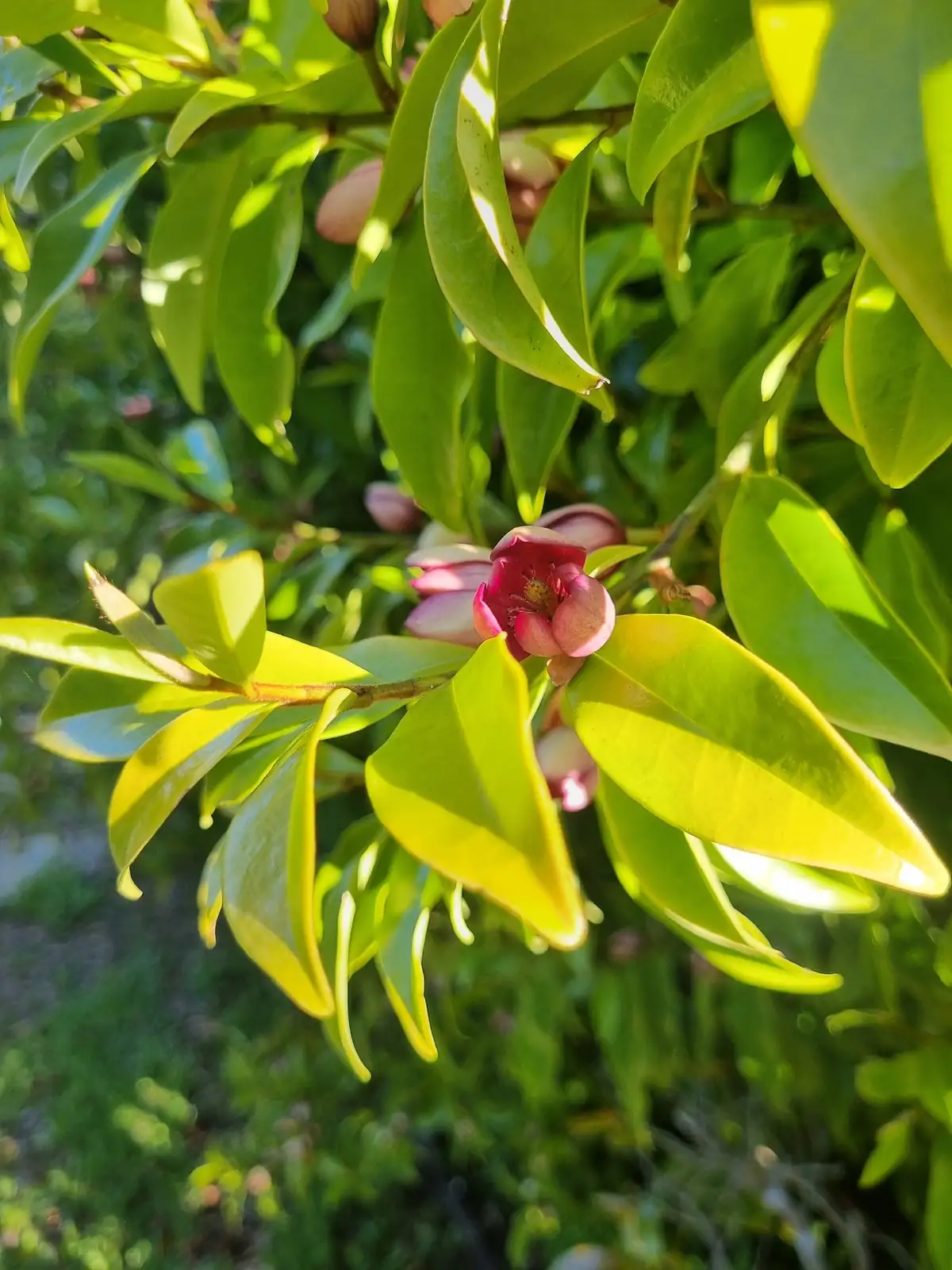
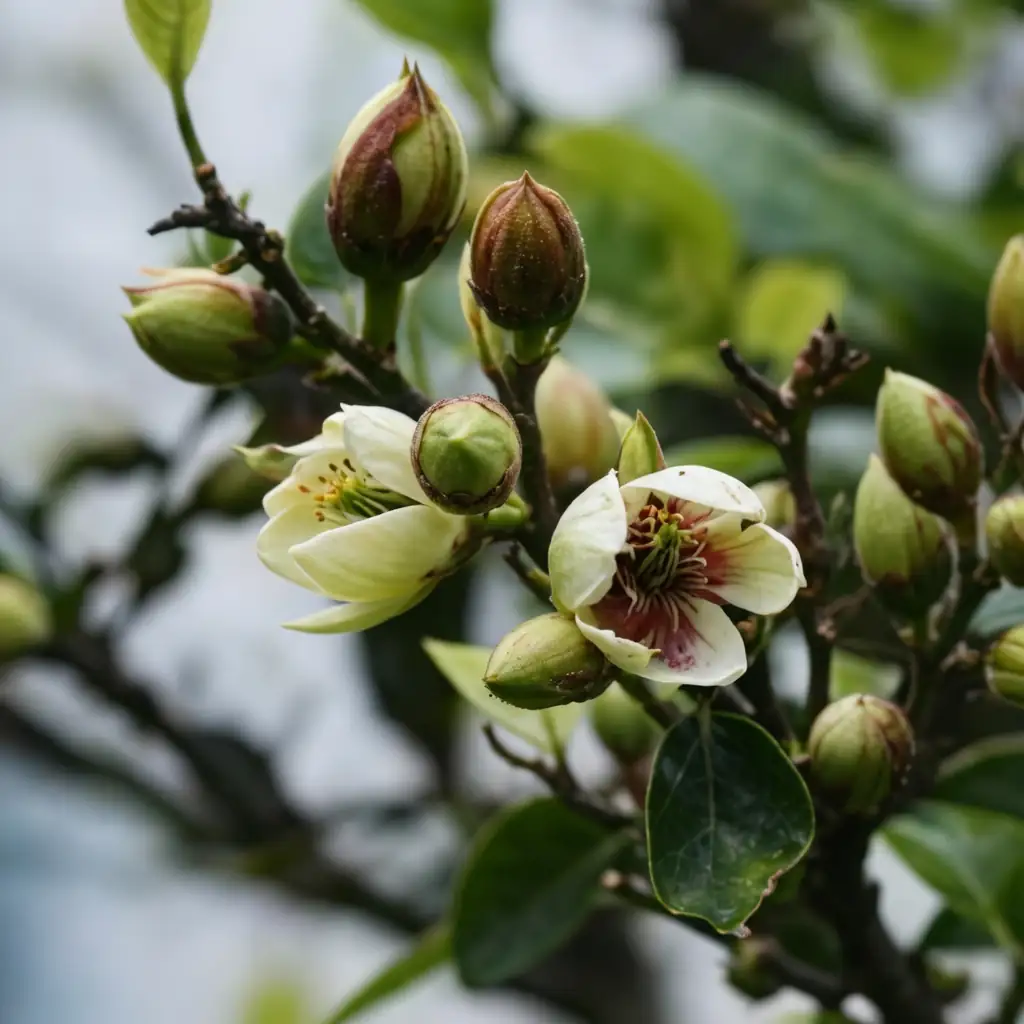
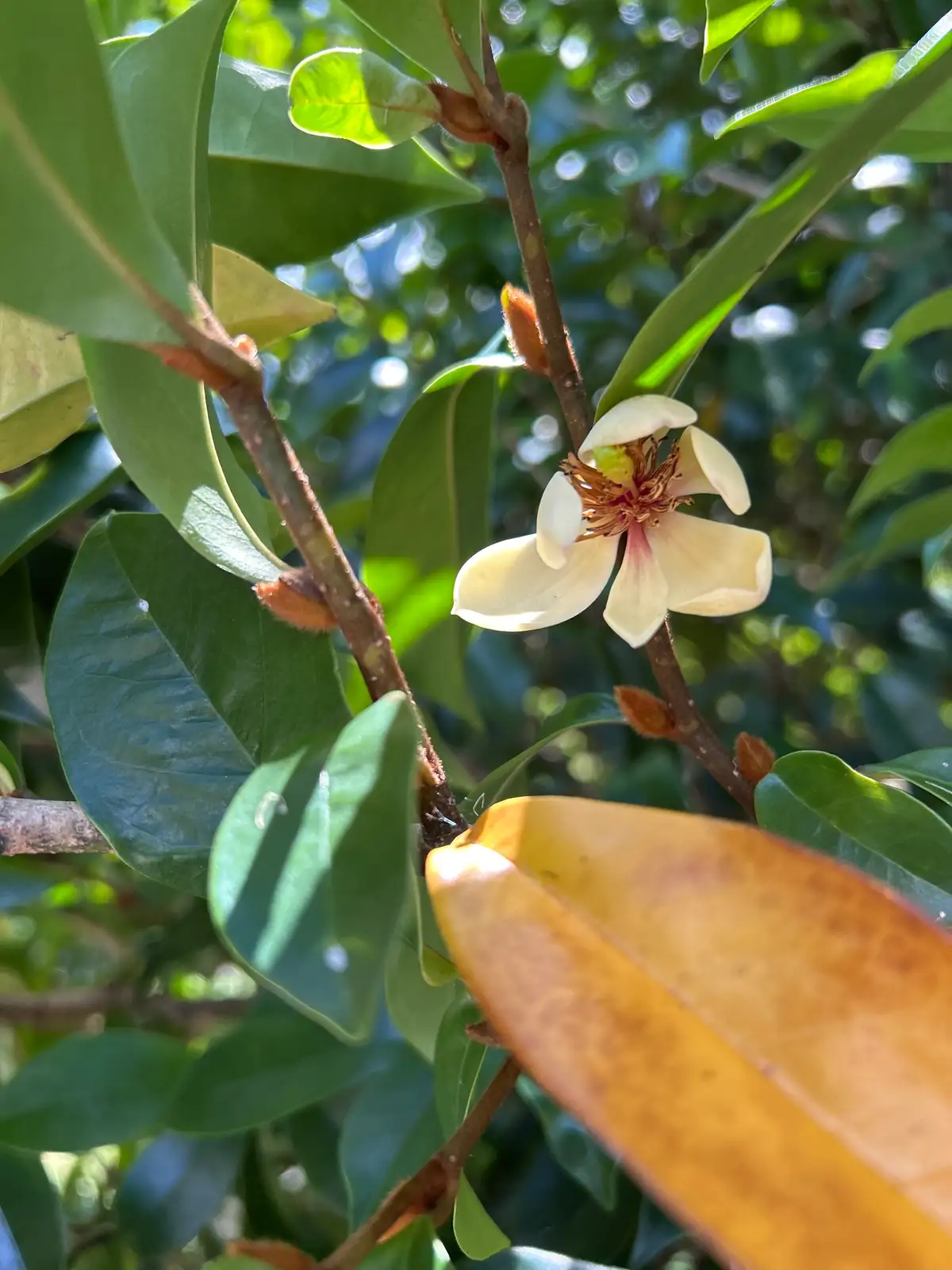
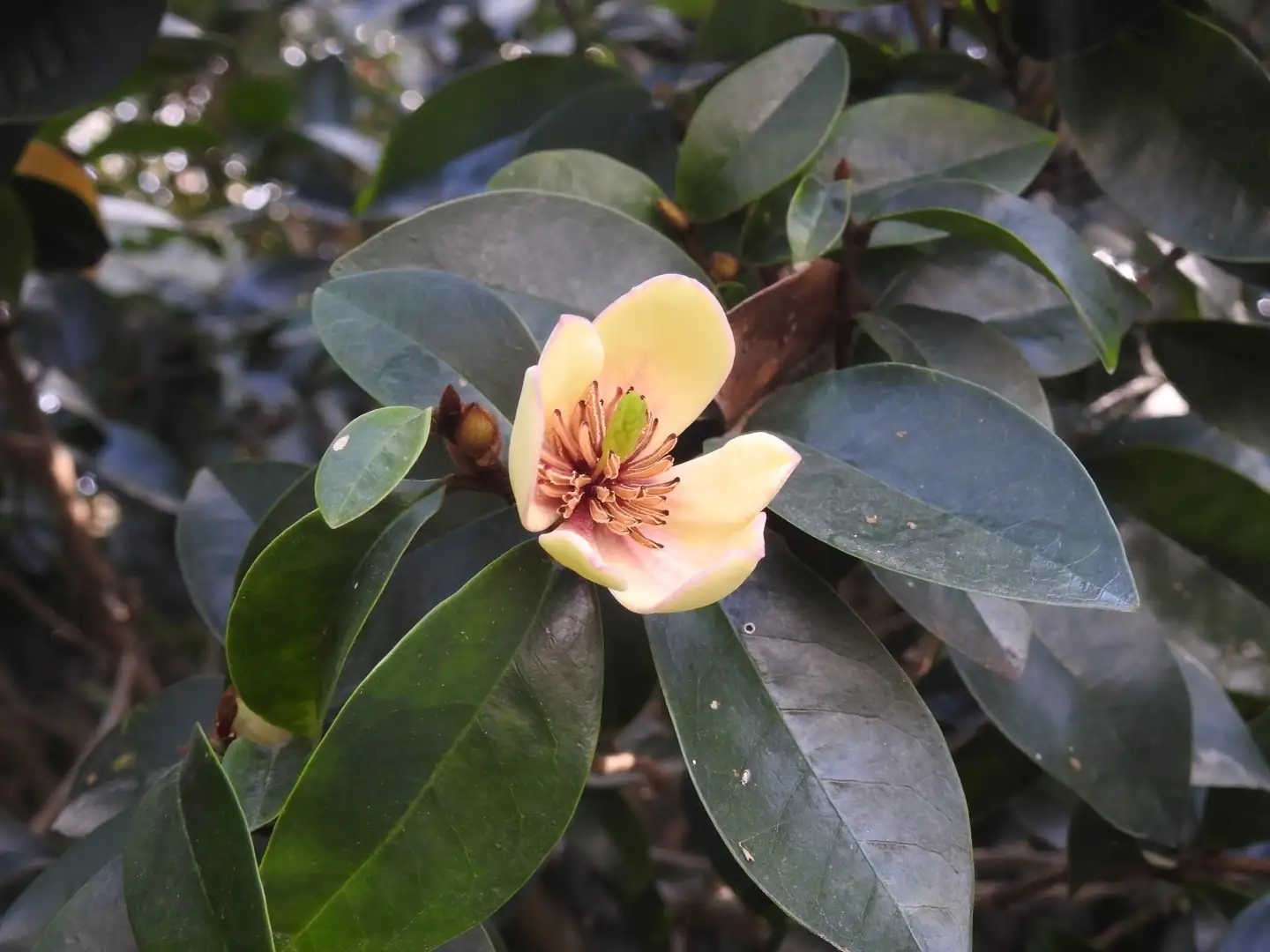
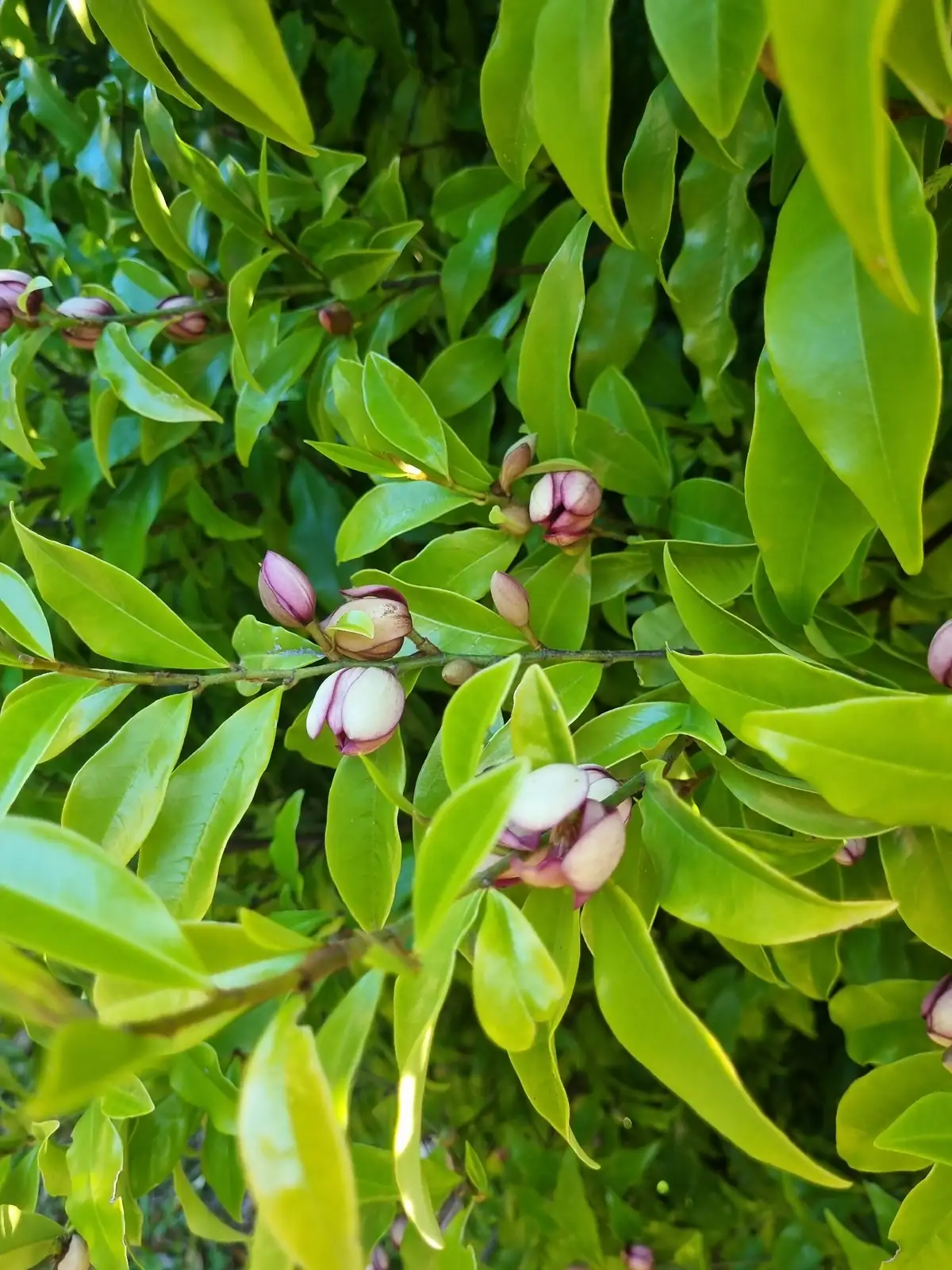
- Foliage: Evergreen, leathery leaves that are obovate to elliptic. Young shoots, buds, petioles, and flower stalks are densely coated in rusty-brown, velvety hairs; the underside midrib may also feel softly hairy.
- Flower: Solitary, axillary flowers that are creamy to pale yellow, often with purplish margins, and notably fragrant. Blooms are about 2–3 cm (0.8–1.2 in) across. After flowering, it may form an aggregate fruit typical of magnolias.
- Flowering Season: Spring, mainly March–May (Mar–May).
- Growth Habit: Evergreen shrub with a dense, rounded habit.
Environment
Sunlight
Part shade to bright filtered light. Avoid harsh, all-day hot sun—especially where conditions are dry—as foliage and buds can stress or scorch.
Temperature
Prefers warm conditions and appreciates protection from hard frost. Best where winter lows generally stay above about -6 to -1°C (21 to 30°F).
Humidity
Moderate to high humidity is ideal. Dislikes very dry air and prolonged drought.
Soil
Moist but well-drained soil; never waterlogged. A fertile, humus-rich loam is ideal.
Placement
Sheltered garden spots such as courtyards, near buildings, under light canopy from deciduous trees, or near windows/doorways to enjoy the fragrance. Avoid exposed, windy, frost-pocket locations.
Hardiness
Approximately USDA Zone 7–10 (varies by clone and microclimate); not reliably hardy where severe frost is common.
Care Guide
Difficulty
Easy to moderate. It’s quite forgiving when given even moisture, good drainage, and shelter from extreme heat and hard freezes.
Buying Guide
Pick plants with healthy, glossy foliage and no black spotting, dieback, or weak growth. Avoid severely pot-bound specimens. Check stems and leaf undersides for scale insects. In colder regions, ask for the hardiest clone available and plan a protected planting site.
Watering
Water regularly while establishing and during dry spells, keeping soil evenly moist but never soggy. Let the top 2–5 cm (1–2 in) dry slightly between waterings. Reduce watering in cool winter conditions, especially for container plants.
Fertilization
Feed in spring with a balanced slow-release fertilizer or a generous layer of compost. If growth is sluggish, a light second feeding in early summer can help. Avoid heavy feeding late in the season so new growth can mature before winter.
Pruning
Tolerates pruning well. Lightly shape after flowering to maintain a neat, rounded form. Remove dead, damaged, or crossing branches whenever you notice them.
Propagation
Usually propagated from semi-ripe cuttings in summer or by layering. Seed is possible, but seedlings can vary and often take longer to flower.
Repotting
For container plants, repot every 2–3 years in spring into a slightly larger pot using a free-draining mix. If not repotting, refresh the top layer of compost annually.
📅 Seasonal Care Calendar
Flowers mainly March–May (Mar–May). Fruit may develop mid to late summer, around July–August (Jul–Aug). Keep evenly moist through spring and summer; in winter, protect from cold snaps and avoid waterlogging.
Pests, Diseases & Safety
Common Pests & Diseases
May attract scale insects, aphids, and spider mites (especially in dry indoor/outdoor air). Root issues can occur if soil stays wet or poorly drained. Improve airflow, keep drainage sharp, and treat outbreaks with horticultural oil or insecticidal soap as needed.
Toxicity
Toxicity is not well documented in common household references. As a sensible precaution, avoid ingestion and keep plant material away from pets and small children.
Culture & Symbolism
Symbolism: Often linked with gentle elegance and a welcoming, inviting fragrance—one of those plants that makes a garden feel “lived in.”
History & Legends: A fragrant ornamental native to southern China, long appreciated in cultivation and now widely grown in gardens and parks for its scent and evergreen structure.
Uses: Primarily grown as an ornamental shrub for courtyards, parks, and foundation plantings—especially near walkways and windows where the perfume can be enjoyed. Flowers have traditionally been used to scent tea, and aromatic leaves have been used for fragrant oil extraction.
FAQ
Why is my banana shrub not flowering?
The most common reasons are too much shade, stress from drought or poor drainage, or pruning at the wrong time. Give it bright filtered light (or morning sun), keep moisture even without waterlogging, and do shaping right after the spring bloom so next season’s buds can form.
Can banana shrub take full sun?
It can handle gentle sun (especially morning sun) in many climates, but harsh, hot all-day sun—particularly with dry soil—can cause stress. Part shade or bright filtered light is usually the sweet spot for healthy growth and good fragrance.
Is it safe in winter outdoors?
It’s not reliably frost-hardy. In colder areas, plant it in a sheltered microclimate (near a wall or courtyard), protect during cold snaps, or grow it in a container so it can be moved to safety when temperatures drop near about -6 to -1°C (21 to 30°F).
Fun Facts
- The “banana” nickname comes from the ripe-banana-like fragrance many plants release more strongly on warm days.
- In traditional practice, the flowers have been used to scent tea.
- The leaves are naturally aromatic and have been used for essential oil extraction.
- Because it stays evergreen and takes clipping well, it can be kept as a tidy, rounded shrub.