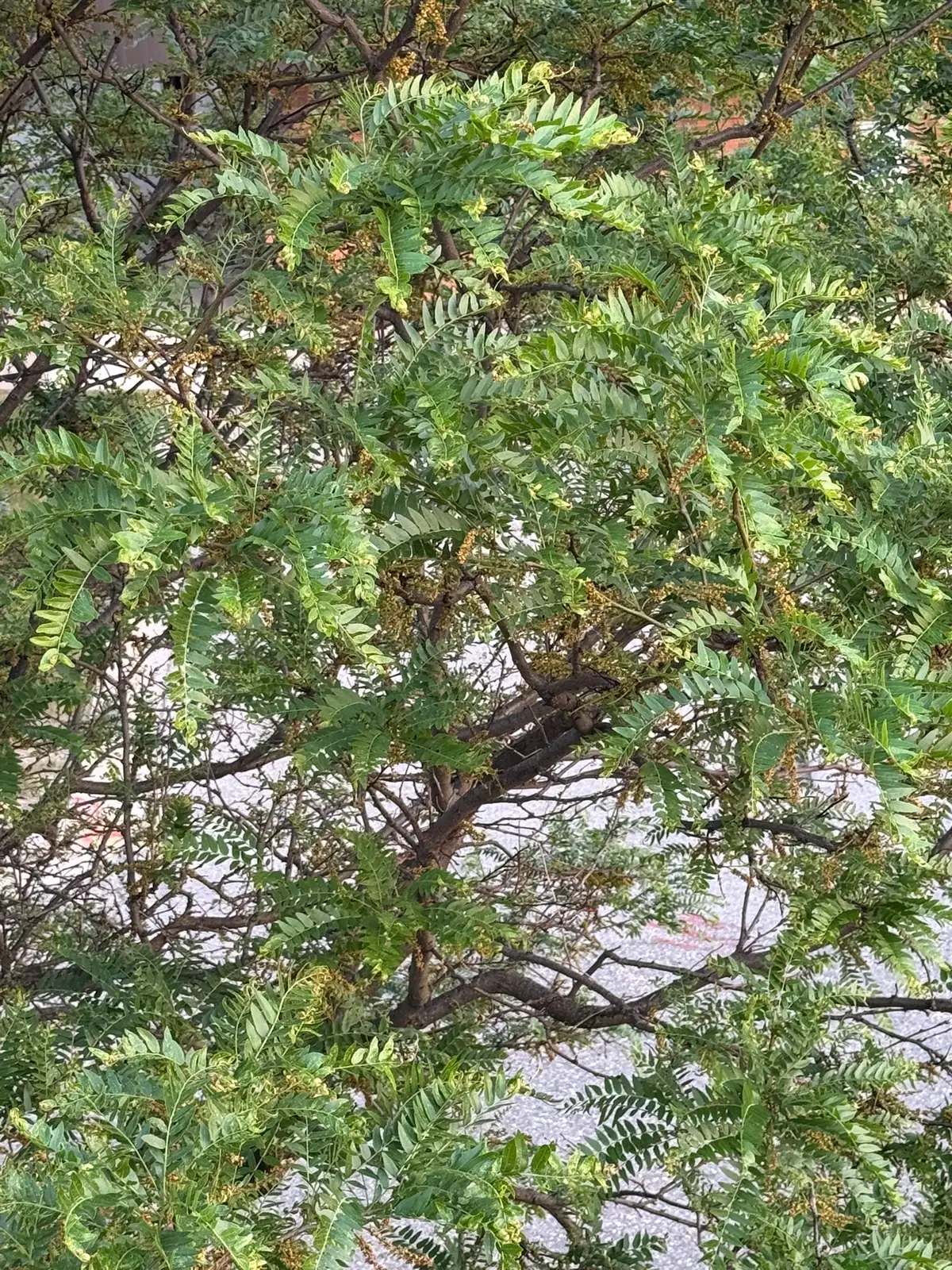
Plant Features
- Size: Typically 15–25 m (49–82 ft) tall; can reach about 45 m (148 ft) in exceptional conditions.
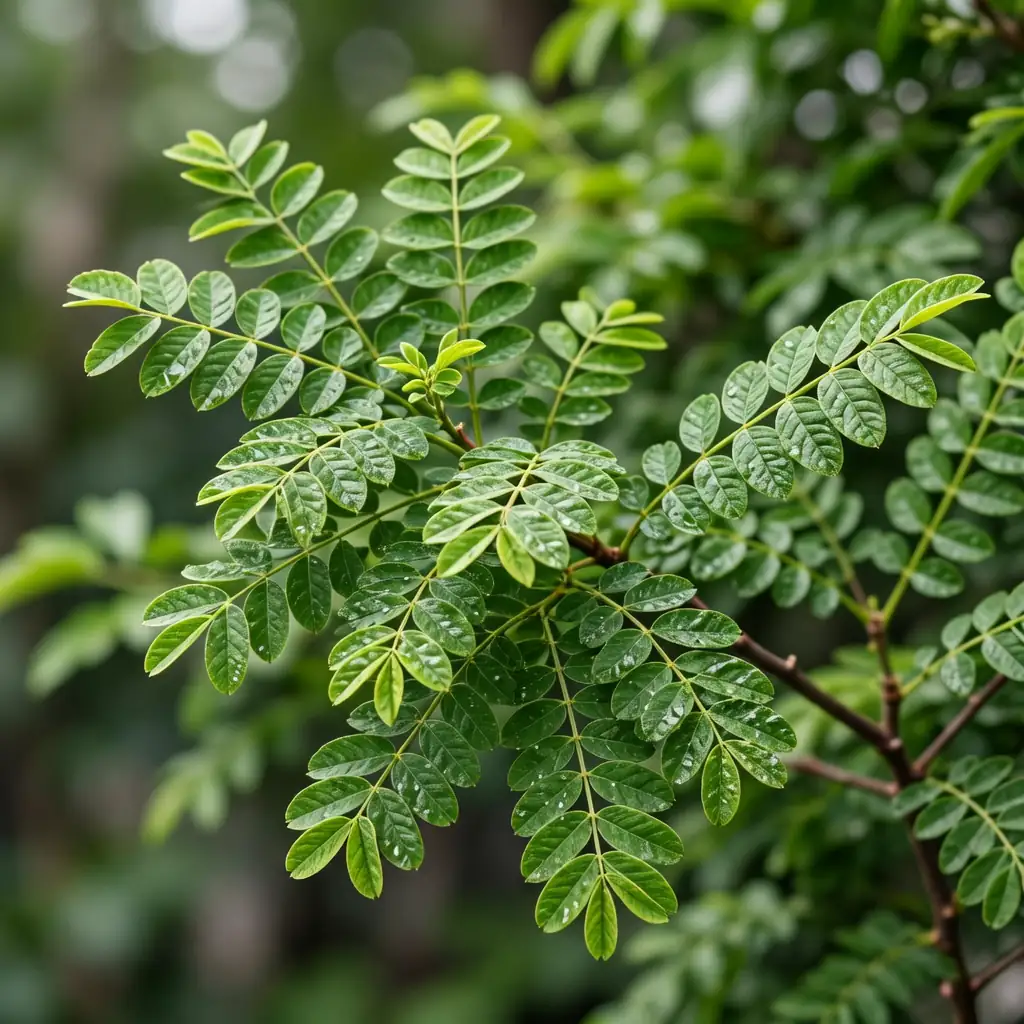
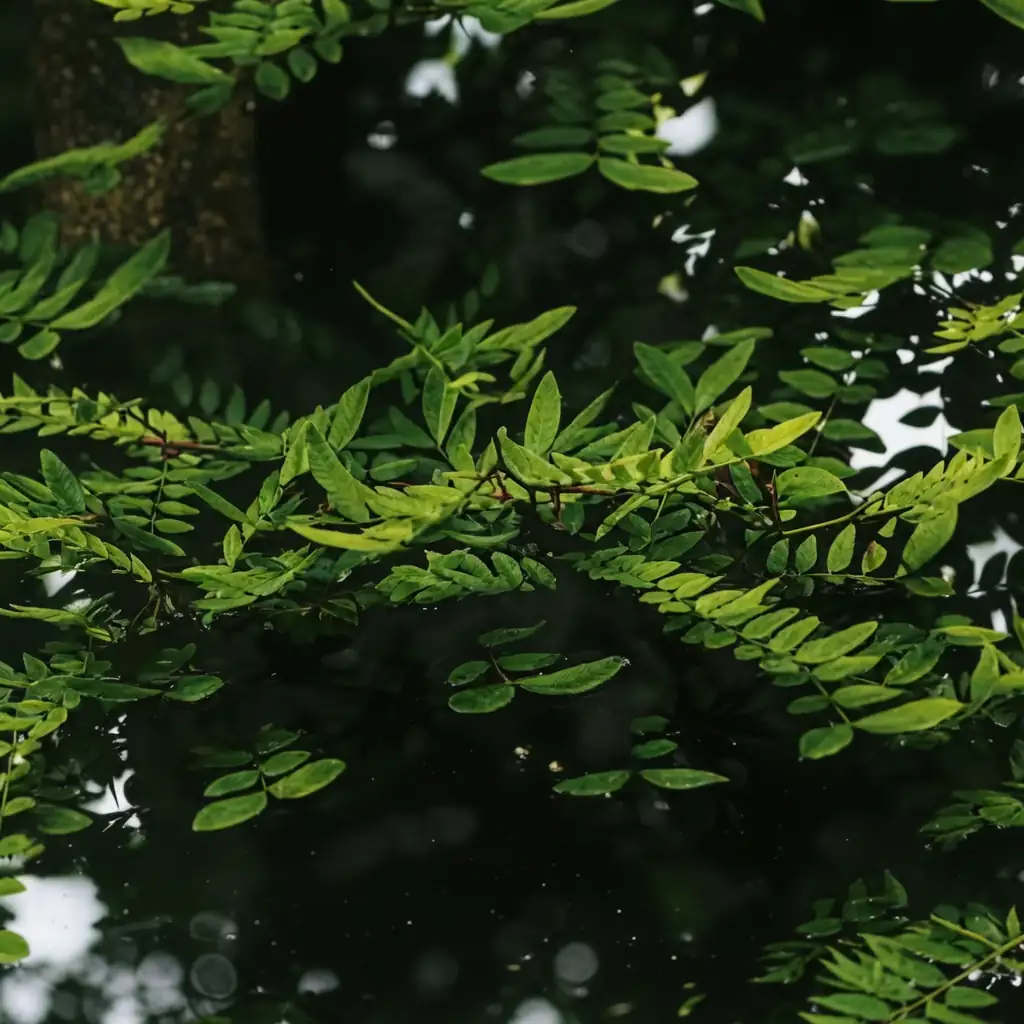
- Foliage: Leaves are pinnate or bipinnate (once- or twice-feathered), giving the canopy a fine, airy texture and producing light, dappled shade rather than deep darkness.
- Flower: Small greenish-yellow flowers borne in clusters (often in leaf axils or near shoot tips). They’re not showy, but they do provide seasonal interest and can be attractive to pollinators.
- Flowering Season: Late spring to early summer (April–June).
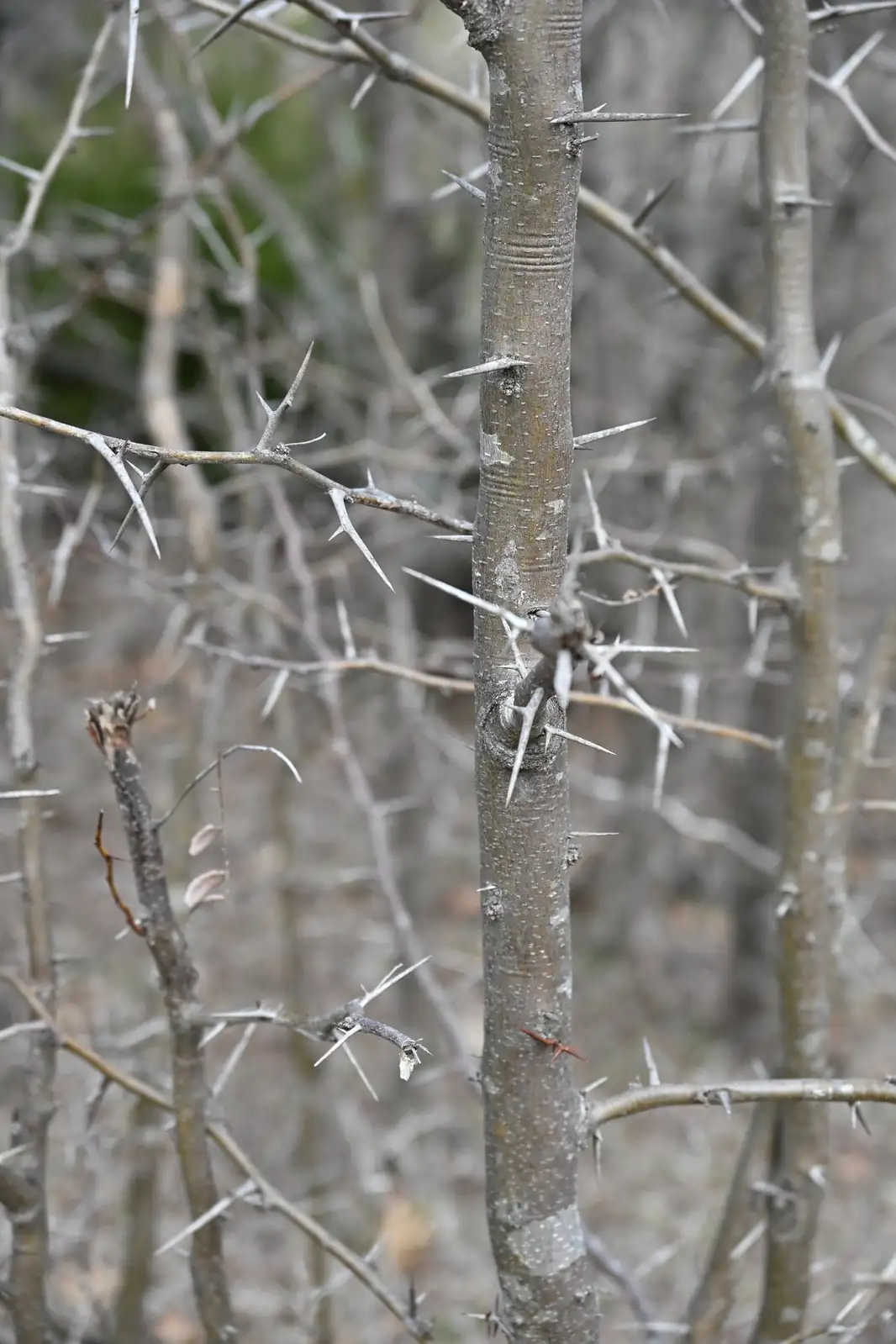
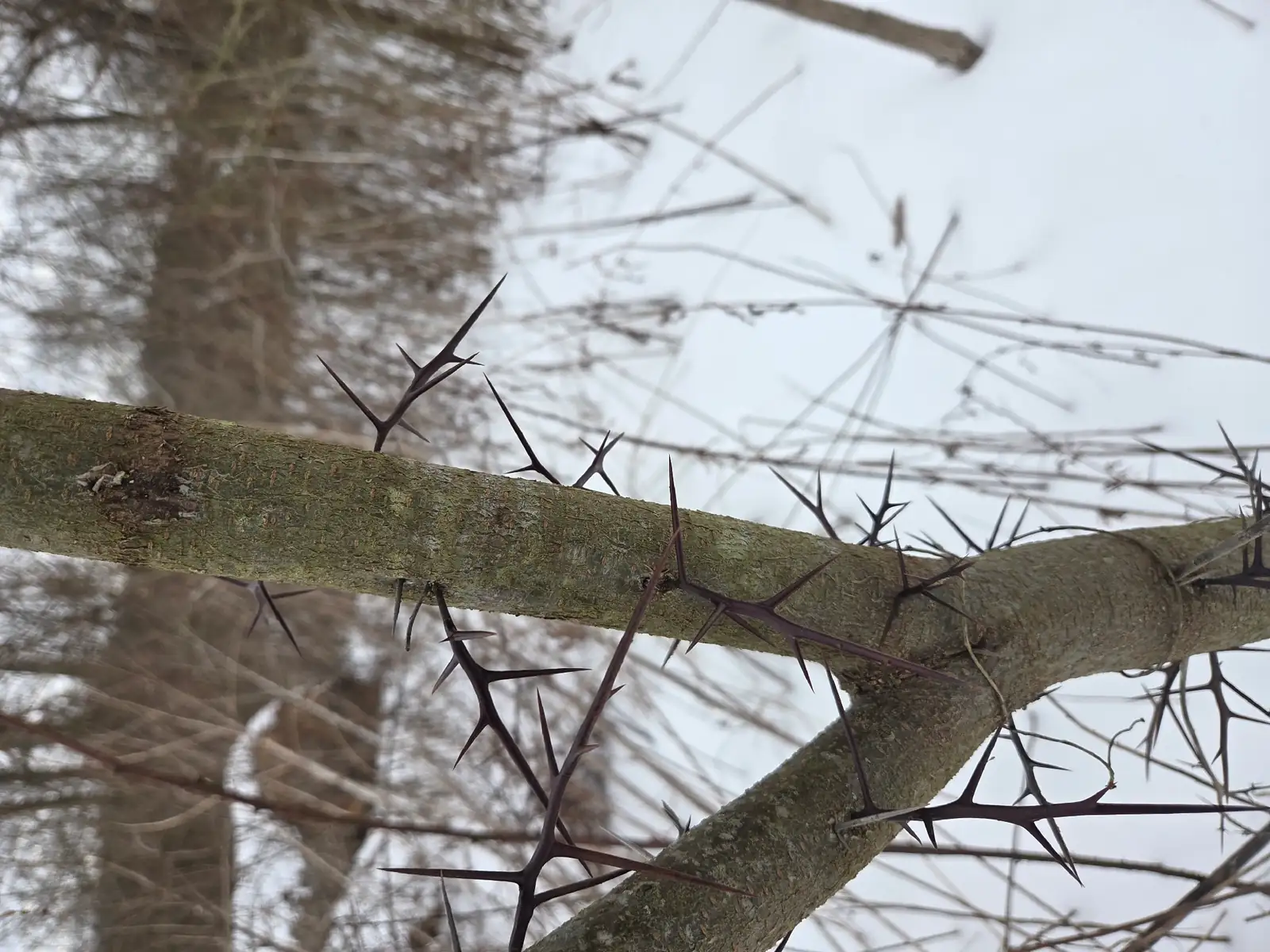
- Growth Habit: Fast-growing deciduous tree with grey to dark bark that becomes deeply fissured with age. Some forms develop large, branched thorns on trunks and branches, while many cultivated landscape selections are thornless for safety and ease of maintenance.
Environment
Sunlight
Full sun to light shade; best growth, canopy shape, and resilience are usually achieved in full sun.
Temperature
Cold-hardy to about -25°C (-13°F). Also tolerates summer heat and, once established, can handle dry spells well.
Humidity
Adaptable to a wide range of outdoor humidity levels; performs in both humid and relatively dry climates once established.
Soil
Very adaptable: prefers deep, fertile, well-drained soils, but tolerates a broad range including acidic to neutral soils and calcareous/limestone soils. Handles urban soils and pollution, and can tolerate occasional flooding (avoid chronically waterlogged conditions).
Placement
Outdoors as a street, park, or large-garden shade tree; also useful for shelterbelts/windbreaks. Thorny forms can be used as a defensive barrier hedge. In nature it’s often found along streams and in low, moist, fertile bottomlands, but it adapts well to many landscape sites.
Hardiness
USDA Zone 3–9; generally frost hardy and drought tolerant once established.
Care Guide
Difficulty
Easy and resilient. A great choice where you need a hardy, city-tough tree—cold tolerant (down to about -25°C / -13°F), drought tolerant after establishment, and adaptable to many soils.
Buying Guide
For most home landscapes, choose thornless cultivars (and ideally reduced-pod/podless selections) to avoid injury and messy pod drop. When shopping, look for a straight main trunk (leader), evenly spaced branches, and a visible root flare—avoid trees planted too deeply. If you specifically want a security hedge or barrier, select thorned forms and plan spacing to create a dense, protective line.
Watering
During the first 1–2 growing seasons, water deeply and consistently—aim for about 2.5–5 cm (1–2 in) of water per week from rainfall/irrigation. After the tree is established, water mainly during prolonged drought. Avoid keeping soil constantly soggy, which can encourage root problems.
Fertilization
Usually unnecessary in average garden soils. If growth looks weak, apply a balanced slow-release fertilizer in spring at label rates. Avoid excessive nitrogen, which can push overly soft, fast growth.
Pruning
Prune in late winter to early spring to build strong structure, remove crossing/rubbing branches, and maintain clearance for paths/roads. Wear protective gear around thorned trees. Remove basal suckers if they appear (especially important if you suspect they’re coming from rootstock).
Propagation
Commonly propagated by seed (often improved by scarification and soaking before sowing). Named cultivars are typically grafted or budded to reliably preserve traits like thornlessness or reduced pod set.
Repotting
Not applicable as a landscape tree. Plant/transplant container-grown or balled-and-burlapped trees in spring or fall, keeping the root flare at soil level (not buried).
📅 Seasonal Care Calendar
Spring: plant and water in well; do light structural pruning if needed. Summer: monitor young trees for drought stress and water deeply when dry spells hit. Autumn: plant in mild climates; clean up fallen pods if desired. Winter: prune while dormant and check for storm damage; remove dead/diseased wood.
Pests, Diseases & Safety
Common Pests & Diseases
Generally a tough, low-fuss tree. Potential issues include cankers, leaf spots, and root rot if planted in poorly drained sites. Occasional insect pests can include webworms, borers, or scale. Best prevention is good siting (avoid constantly wet soil), keeping the tree vigorous, avoiding trunk injury, and pruning out dead or diseased wood during dormancy.
Toxicity
Not considered highly toxic to people or pets. The main hazard is physical: some forms have large, branched thorns that can cause serious puncture wounds. Fallen pods can also be a litter/nuisance issue in some landscapes.
Culture & Symbolism
Symbolism: Often linked with toughness, resilience, and protection—especially when grown in thorny forms as living barriers.
History & Legends: A North American native widely planted as a hardy shade and street tree. Over time, horticulture has favored thornless (and often pod-reduced) selections to make it safer and tidier in public spaces and home gardens.
Uses: Valued as a shade tree in parks, streetscapes, and larger gardens; also used in environmental greening and urban planting. Thorny types can be trained into an effective, nearly impenetrable hedge and are useful in shelterbelts/windbreaks.
FAQ
Why does my honey locust have huge thorns?
Honey locust naturally can develop large, branched thorns on trunks and branches. Many landscape cultivars are thornless; if thorns appear, your tree may be a thorned form, or a thorny sucker arising from the rootstock of a grafted tree.
Do honey locust pods mean the tree is female?
Pod production depends on the tree’s sex and pollination. Many landscape cultivars are selected to be podless or to reduce fruiting, while seed-grown trees often produce noticeable pods in autumn.
Fun Facts
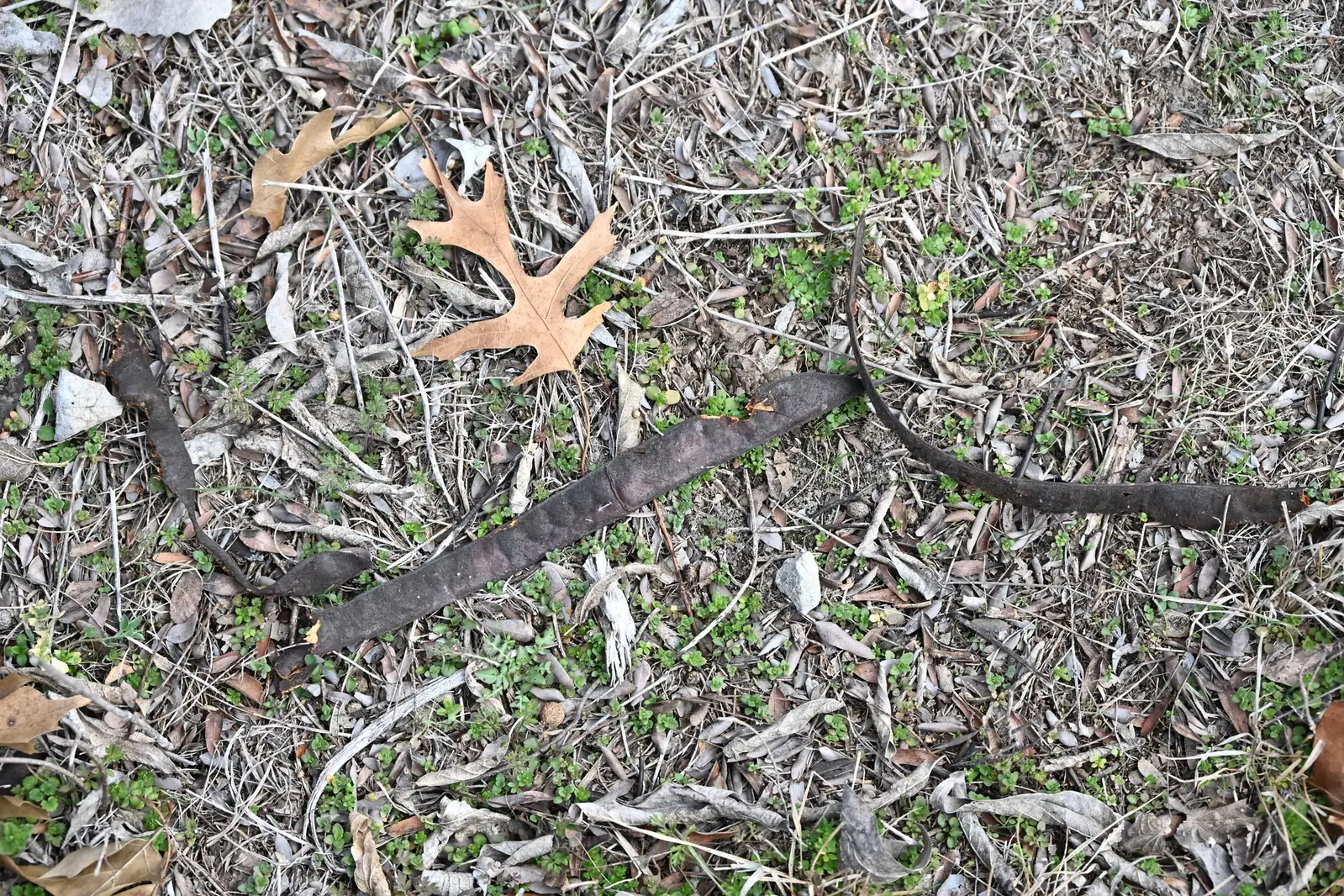
- The seed pods are strap-like and flattened, typically about 30–50 cm (12–20 in) long.
- Flowering is usually April–June, and pods commonly mature around October–December (timing varies by climate).
- In exceptional conditions it can become a very large tree—occasionally up to about 45 m (148 ft).
- Although native to the United States, it’s widely cultivated across many temperate regions due to its toughness.
- Once established, it’s notably tolerant of cold (down to about -25°C / -13°F) and drought.