Plant Features
- Size: Typically 10–20 m (33–66 ft) tall; can reach about 30 m (98 ft) in good conditions, with a broad, rounded crown.
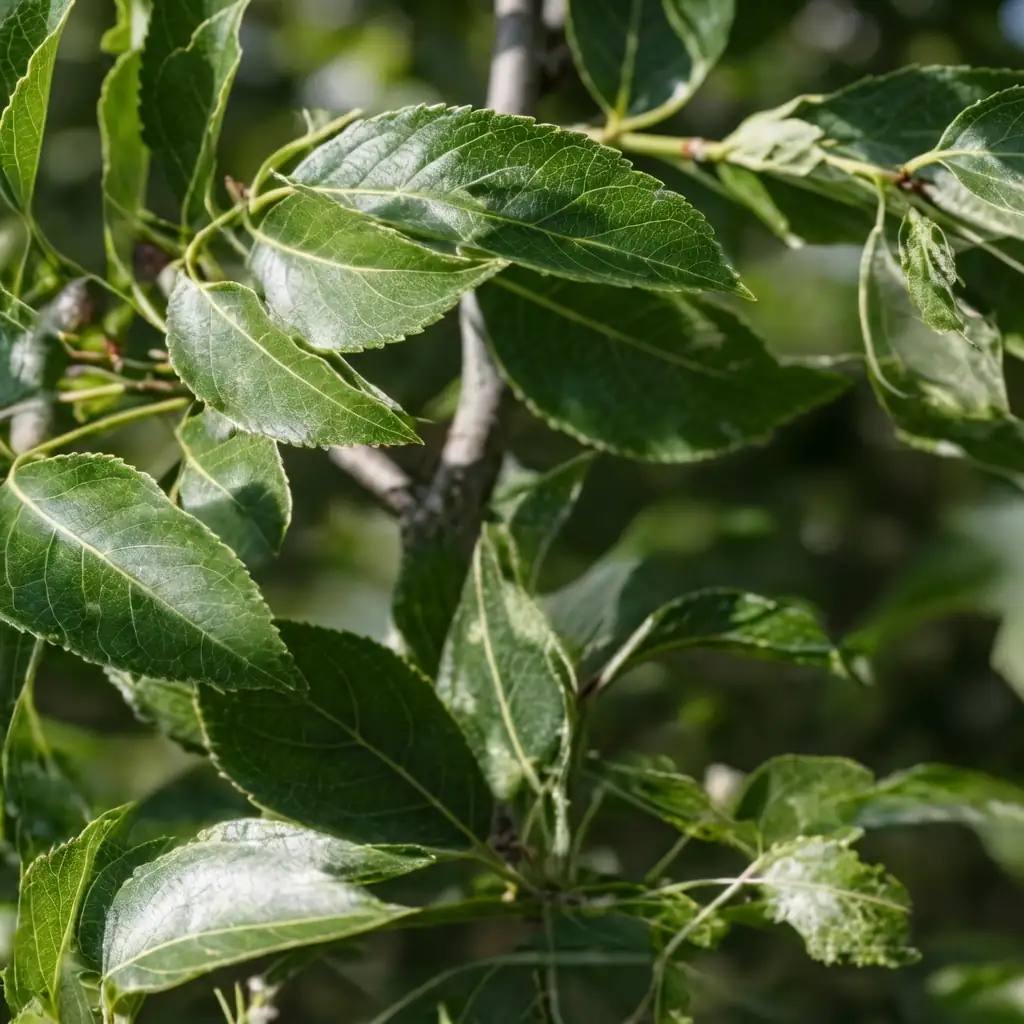
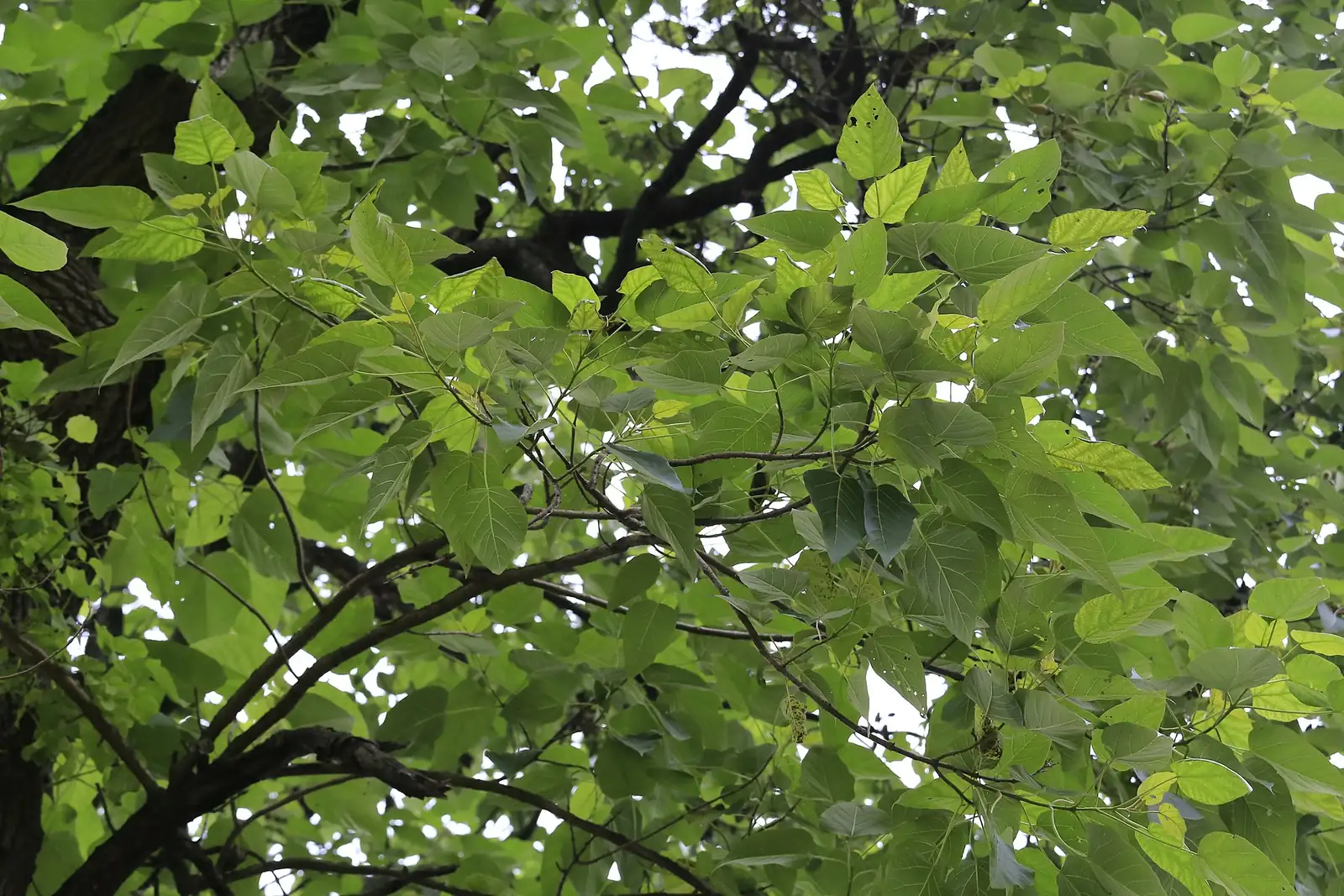
- Foliage: Leaves are famously oversized—especially on vigorous young shoots—broadly heart-shaped to nearly round, sometimes shallowly 3-lobed, and often softly hairy when young. The canopy becomes dense in season, offering deep shade and helping intercept dust in the air.
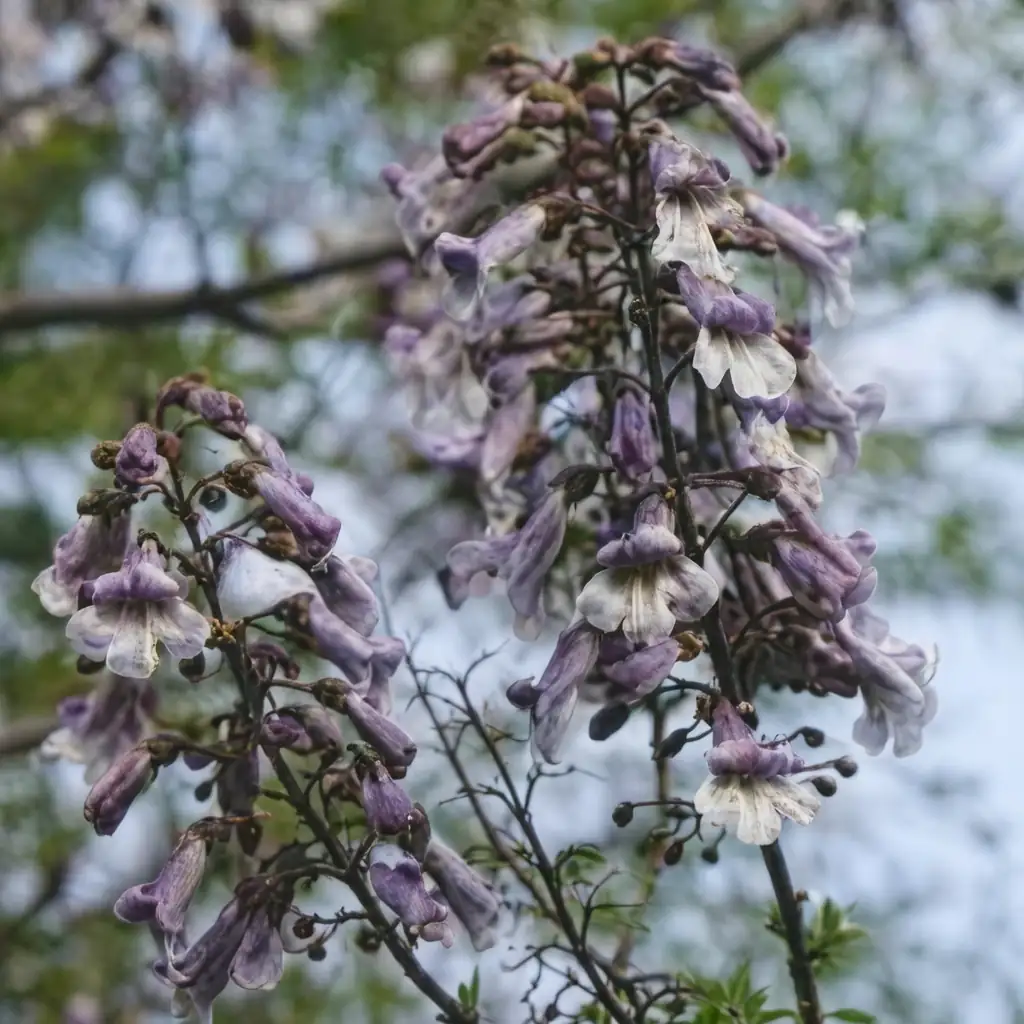
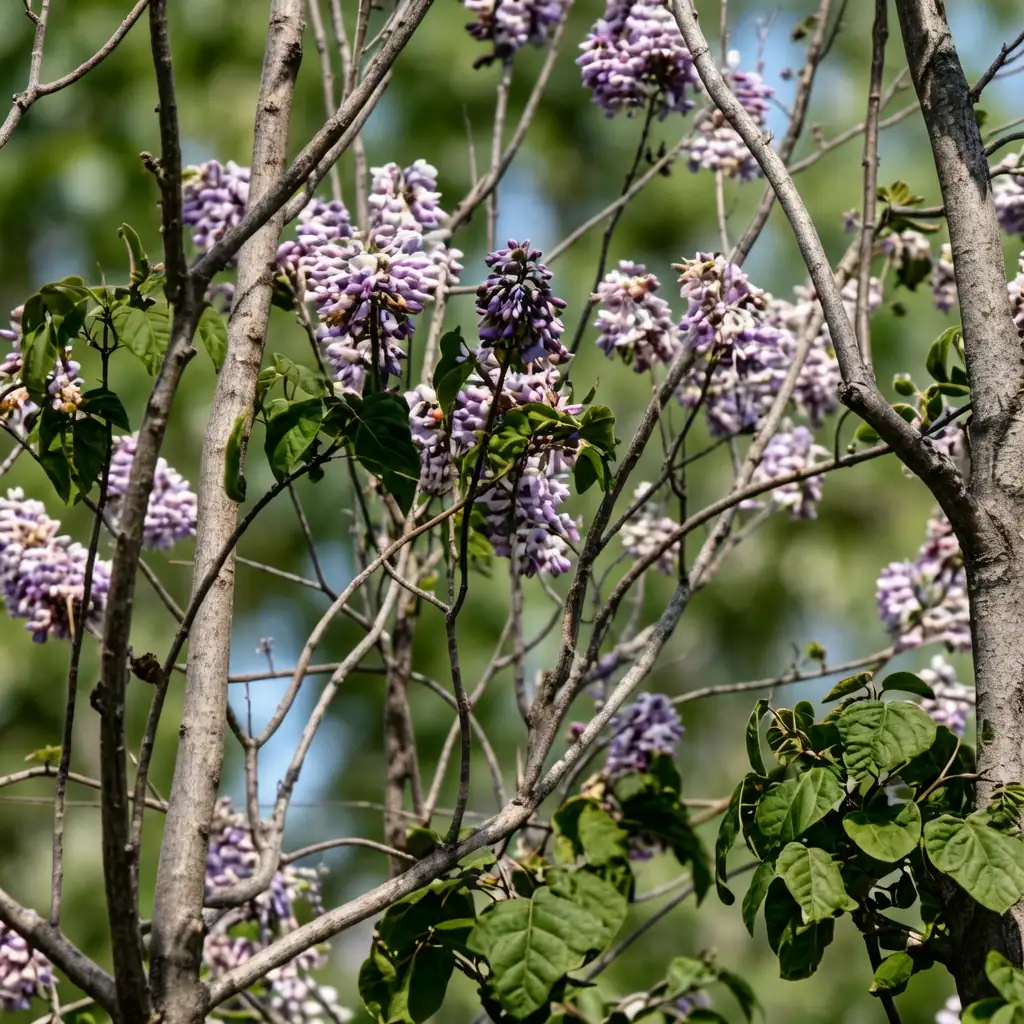
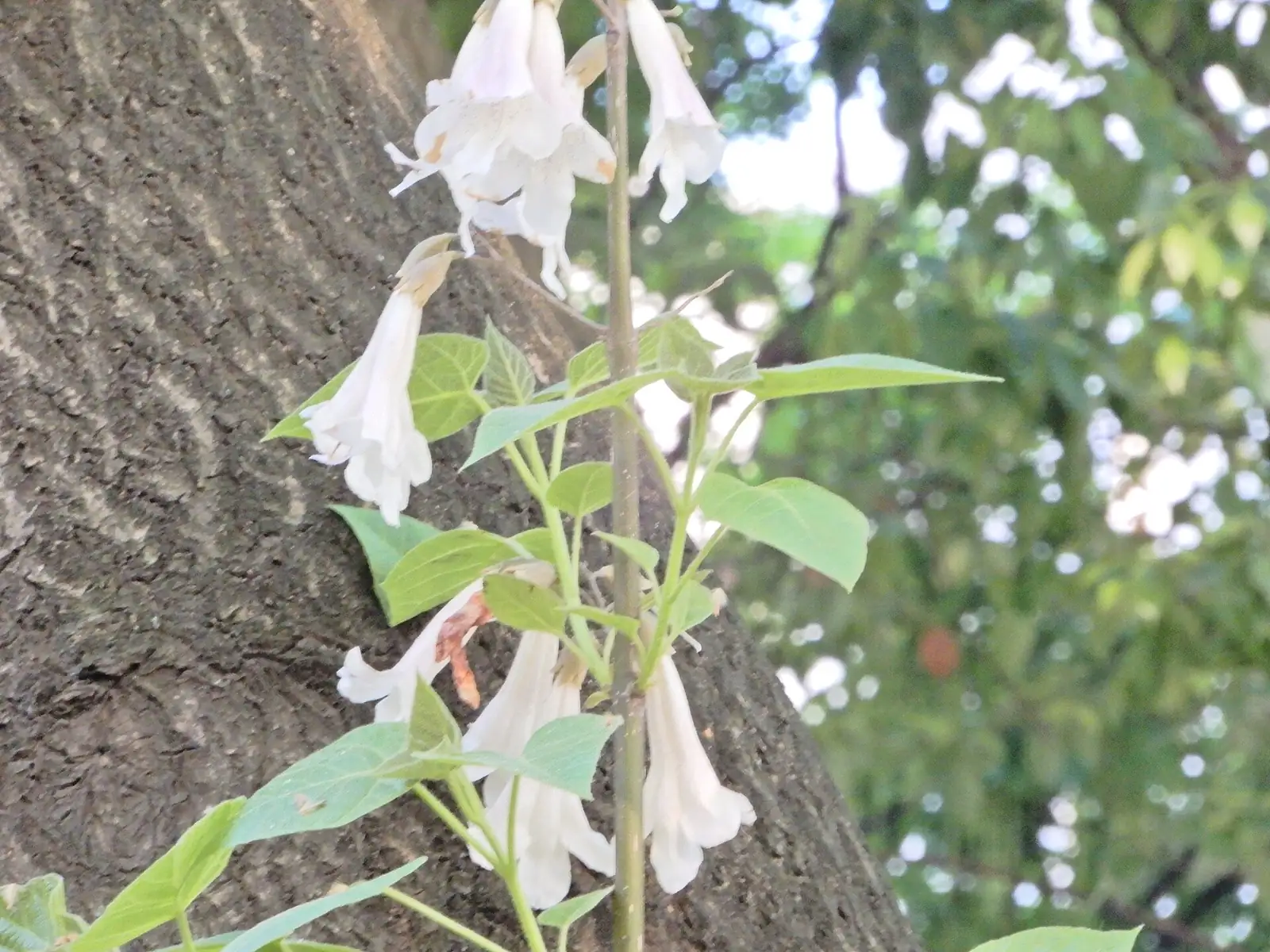
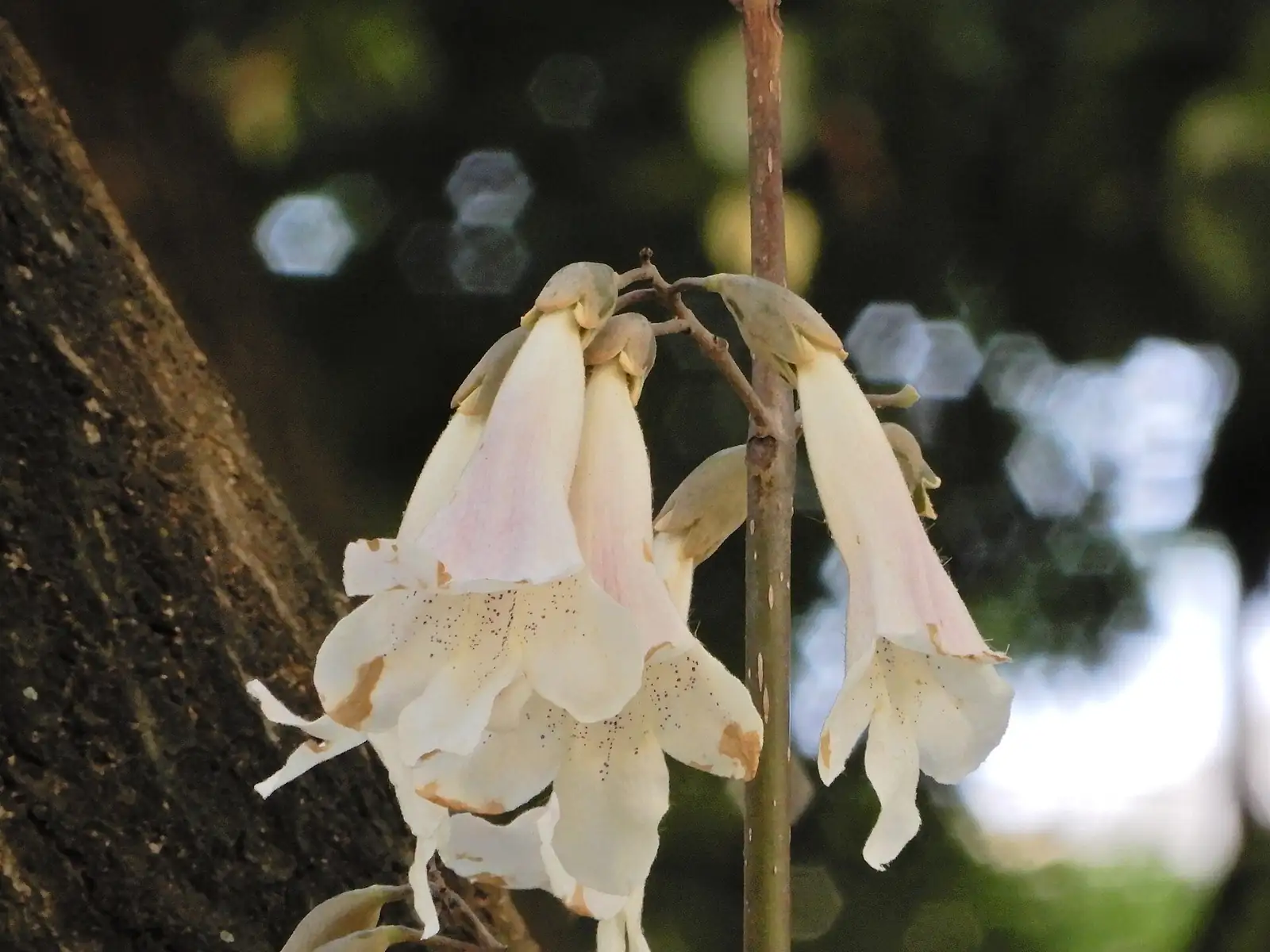
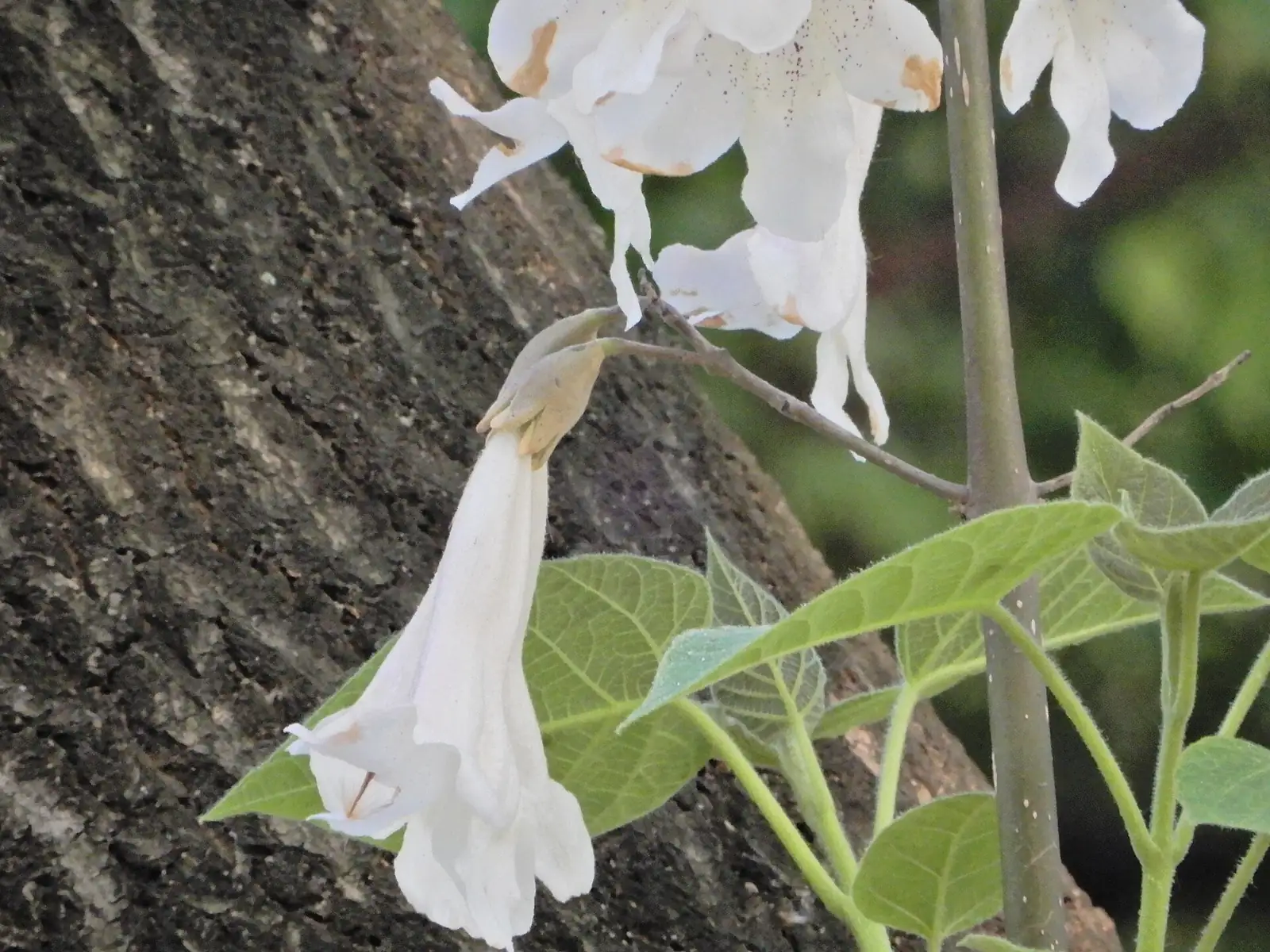
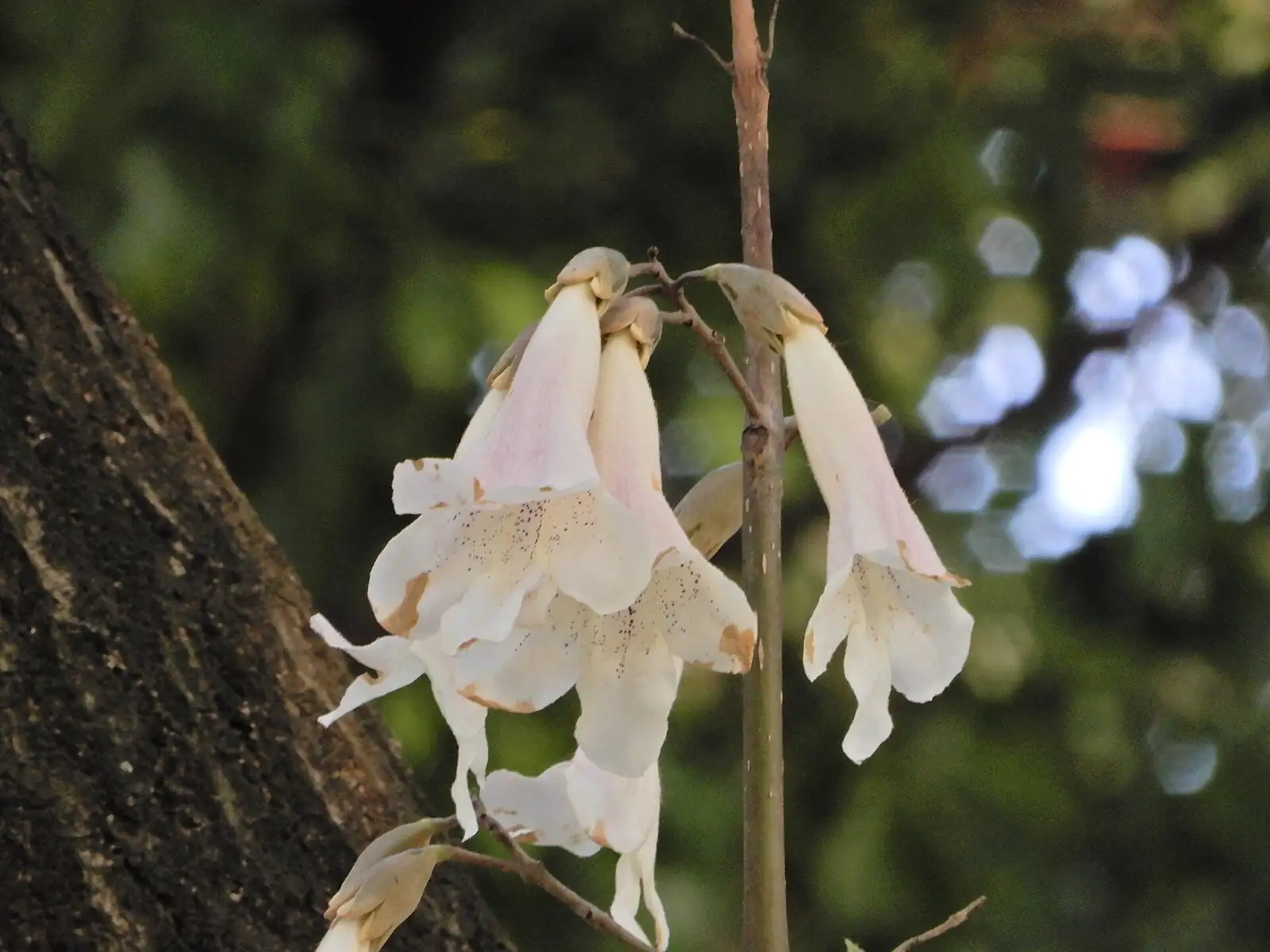
- Flower: In early spring, it produces large, terminal clusters (panicles) of funnel- to bell-shaped, strongly fragrant flowers that usually open before the leaves. Flower color is typically pale lavender to whitish, often with slightly deeper tones on the outside. After flowering, it forms egg-shaped seed capsules.
- Flowering Season: Early spring (around March–April).
- Growth Habit: Upright, deciduous broadleaf tree with a straight trunk and a wide-ovate to rounded crown.
Environment
Sunlight
Full sun for best growth and flowering; not tolerant of heavy shade.
Temperature
Prefers warm-temperate to subtropical climates. Young trees are less cold-hardy and may need protection from hard freezes; avoid prolonged frost exposure when establishing.
Humidity
Moderate moisture is ideal: it likes evenly moist soil during establishment, but performs poorly if roots sit in stagnant water.
Soil
Deep, fertile, well-drained soil is ideal. Often performs well on calcareous (lime-rich) soils; can tolerate drier sandy loam once established as long as drainage stays excellent.
Placement
Outdoors in open, sunny locations with free-draining soil—parks, large gardens, boulevards, and roadside/industrial greenbelts.
Hardiness
Cold hardiness varies with provenance; young plants are more frost-sensitive. Not tolerant of waterlogging, but notably tolerant of smoke and dust in urban/industrial environments.
Care Guide
Difficulty
Moderate (outdoors). It grows vigorously once established, but it’s unforgiving of poor drainage and performs best with full sun.
Buying Guide
Pick a healthy young tree with a straight central leader, intact bark, and a firm, healthy root system. Avoid plants that have been sitting in saturated pots—waterlogged roots can lead to rapid decline after planting.
Watering
Water regularly to keep soil evenly moist while the tree establishes, then switch to deep watering during extended dry spells. The key is drainage: never allow the root zone to stay saturated, and ensure excess water can run off or drain away quickly.
Fertilization
Feed in spring with well-rotted compost or a balanced, slow-release fertilizer to support its naturally fast growth. Avoid heavy nitrogen late in the season, which can push soft, cold-sensitive growth.
Pruning
Prune in late winter to early spring while dormant. Remove dead, damaged, or crossing branches and maintain a strong central leader. Young trees often benefit from formative pruning to build a sturdy framework.
Propagation
Propagated by seed, root cuttings, or stump/root suckers. Seed is typically surface-sown on a sterile, moist medium and benefits from light for germination; root cuttings are commonly used for more uniform, reliable plants.
Repotting
Not ideal as a long-term container plant due to its eventual size. If kept potted temporarily, up-pot in spring and use a free-draining mix; transplant into the ground as soon as practical.
📅 Seasonal Care Calendar
Spring: plant/transplant; begin steady watering and light feeding; enjoy flowering before leaf-out. Summer: water deeply during drought; watch for stress in compacted or poorly drained soil. Autumn: taper feeding; help young trees harden off for winter. Winter: prune while dormant and continue structural training.
Pests, Diseases & Safety
Common Pests & Diseases
Generally robust when grown in suitable conditions. The most common serious issue is root trouble in poorly drained soils (leading to decline or dieback). Occasional pests may include sap-suckers such as aphids or scale, and leaf-feeding insects; keep the tree vigorous, monitor regularly, and treat only if infestations become significant.
Toxicity
No widely recognized serious toxicity is documented for Paulownia fortunei for people or pets. Still, it’s best practice to discourage chewing/ingestion and avoid sap contact if you’re sensitive.
Culture & Symbolism
Symbolism: Often seen as a symbol of elegance and renewal—thanks to its dramatic early-spring flowers and rapid growth. In East Asian traditions, paulownias are also associated with nobility and auspiciousness (details vary by region and species).
History & Legends: Paulownias have been cultivated in China for centuries as both ornamental and practical trees. Today they’re commonly used for shade, streetscapes, and greening projects—especially in sunny places where the soil drains well.
Uses: Primarily grown as an ornamental shade and avenue tree. Its large leaves and dense summer canopy make it useful for parks and urban/industrial landscapes, where it can help intercept dust and tolerate smoke—provided the site isn’t waterlogged.
FAQ
Why does it decline or die back after heavy rain?
It’s highly sensitive to waterlogging. When soil stays saturated, roots lose oxygen and can rot quickly. Improve drainage, avoid low-lying sites, and consider planting on a gentle mound or slope.
Does it really flower before it leafs out?
Yes. The flower clusters typically open in early spring before the leaves expand, which is part of what makes the display so striking.
Is it suitable for small gardens?
Usually not. It commonly reaches 10–20 m (33–66 ft) tall (and can be taller) and develops a broad crown with very large leaves—best for spacious landscapes.
Fun Facts
- The fragrant flower clusters often open before the leaves, giving it a dramatic early-spring look.
- Its oversized leaves can help capture airborne dust, which is one reason it’s used in urban and industrial plantings.
- It tolerates smoke and dust surprisingly well—but soggy soil can cause it to fail quickly.
- In excellent conditions it can reach about 30 m (98 ft) tall.
- It often does well on lime-rich (calcareous) soils and can handle drier sandy loams once established—if drainage is good.