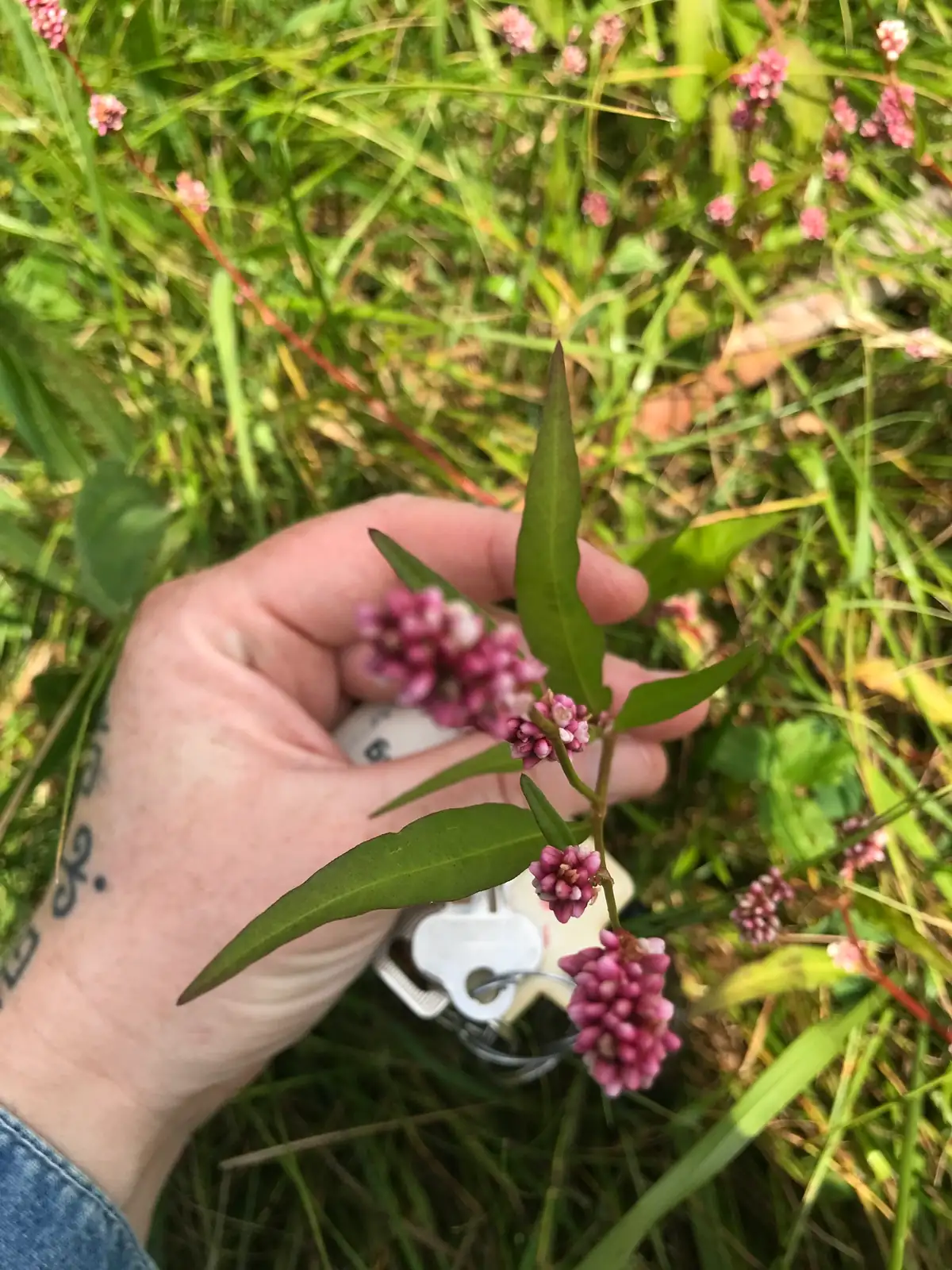
Plant Features
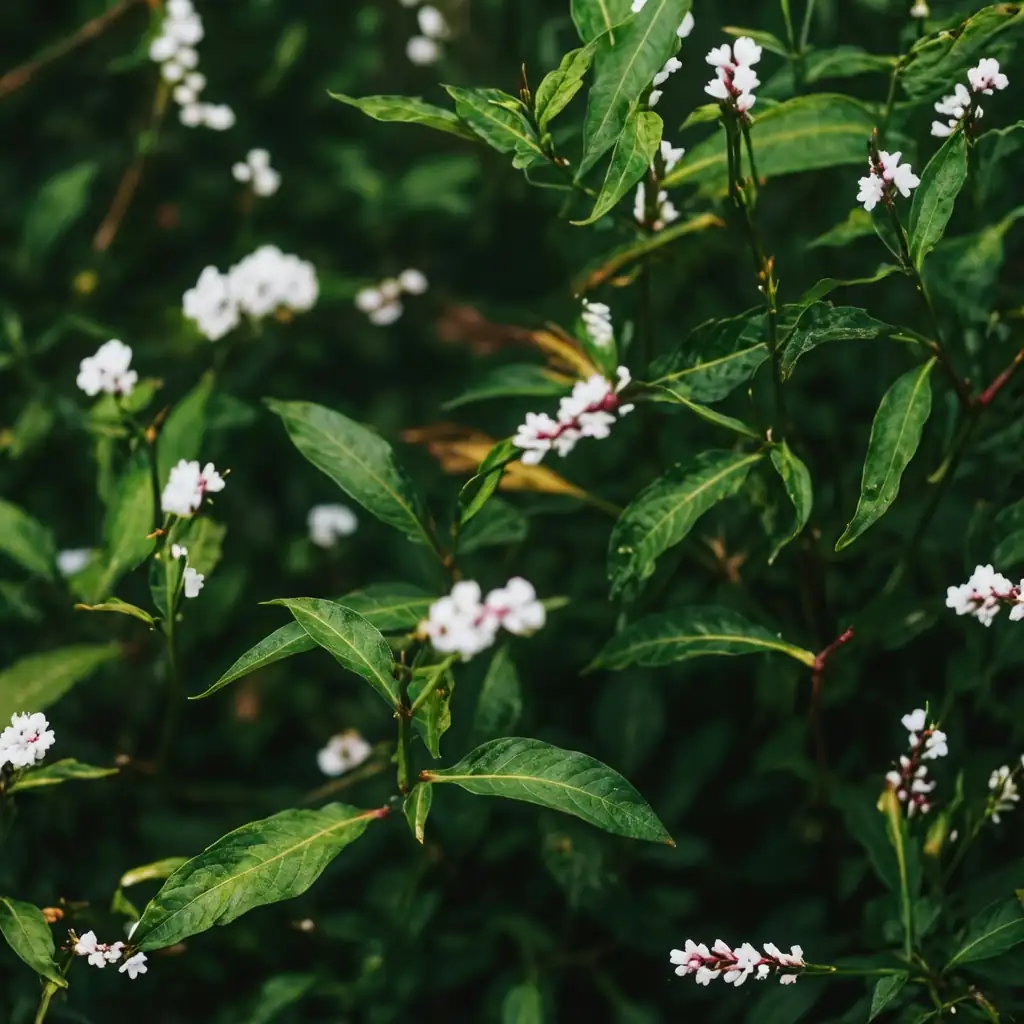
- Size: Typically 40–80 cm (16–31 in) tall; often forms loose clumps or spreading patches depending on moisture levels and site disturbance.
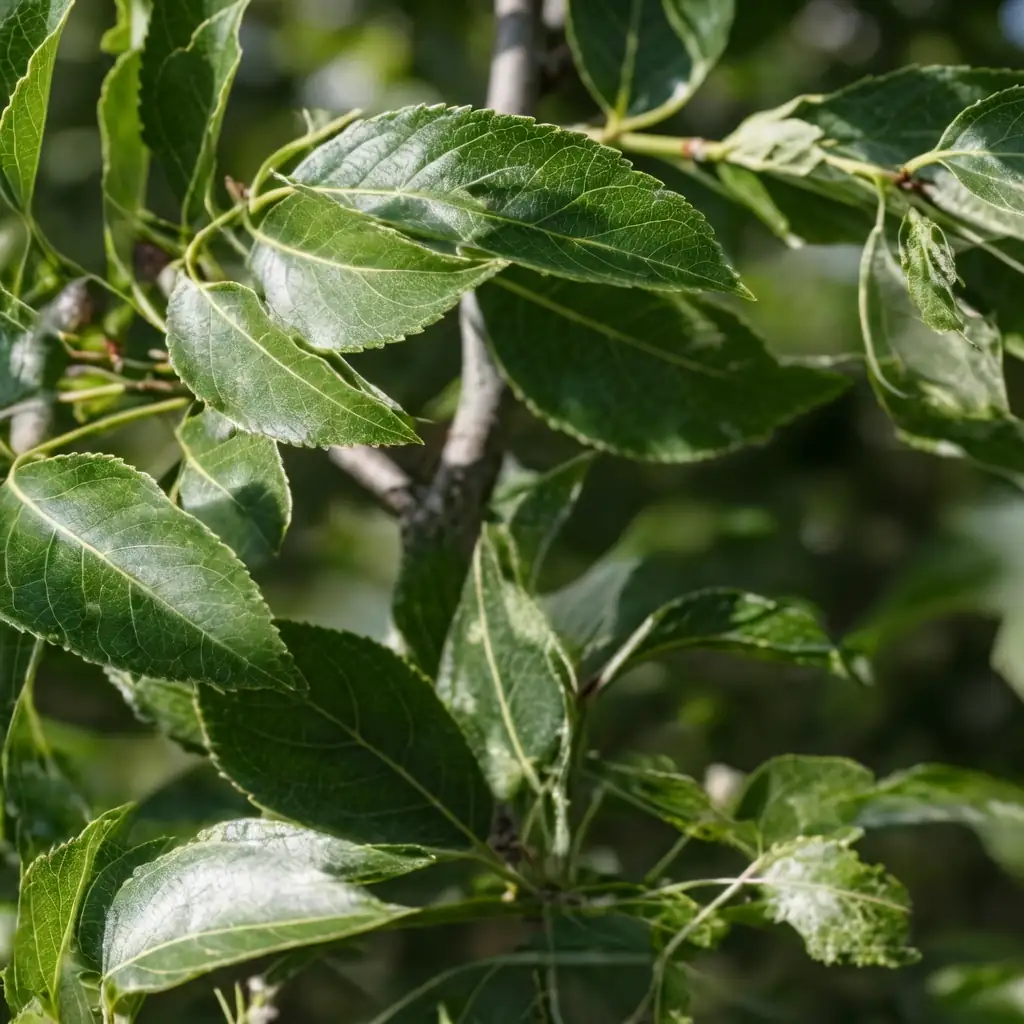
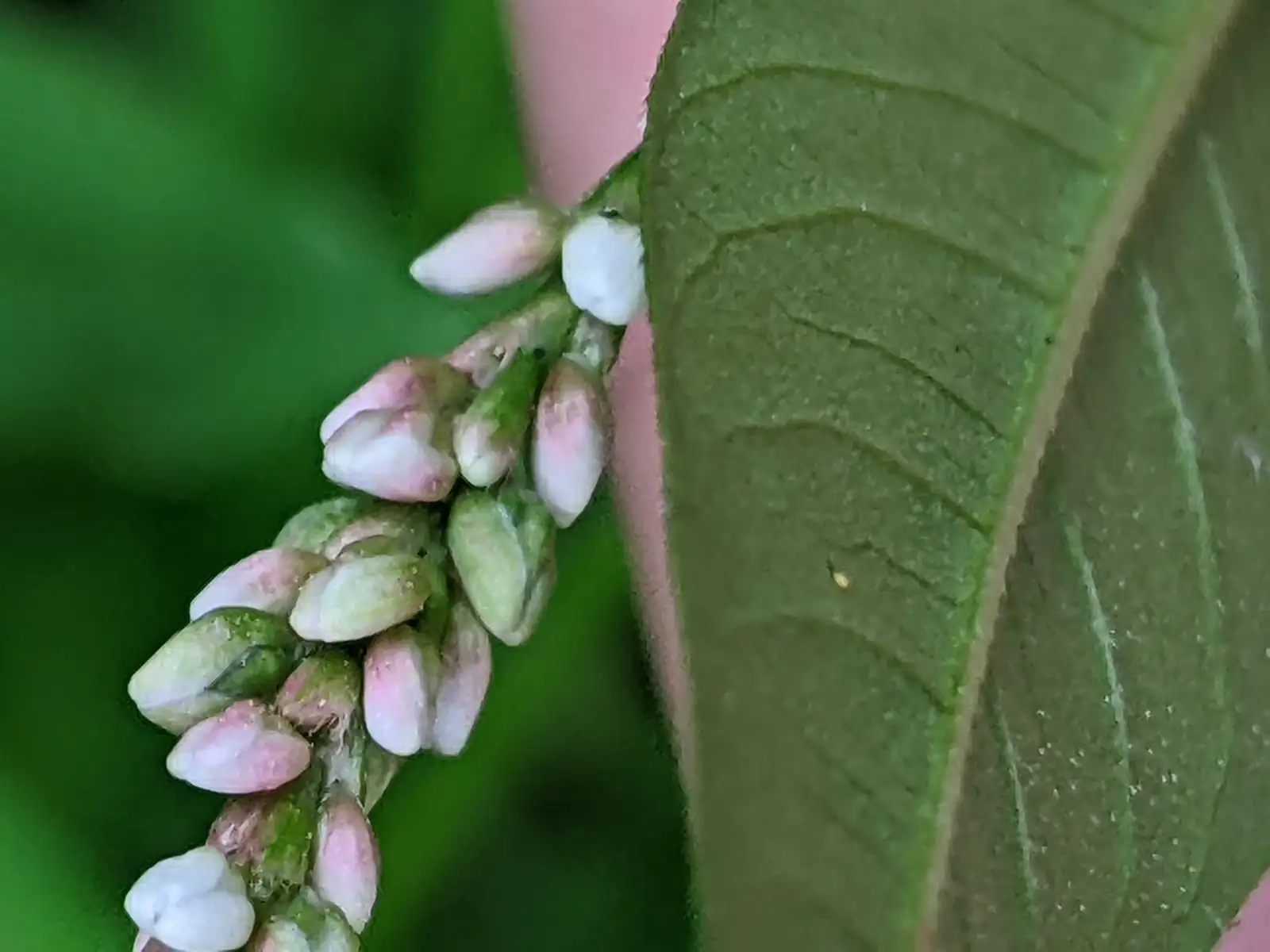
- Foliage: Leaves are lance-shaped to elliptic with pointed tips, reminiscent of peach leaves. They may have sparse short hairs, and many plants show a darker central blotch (the classic “thumbprint”), though this marking can be variable. Like other knotweeds, it has a papery tubular sheath (ocrea) wrapped around the stem at each node—one of the easiest ID clues.
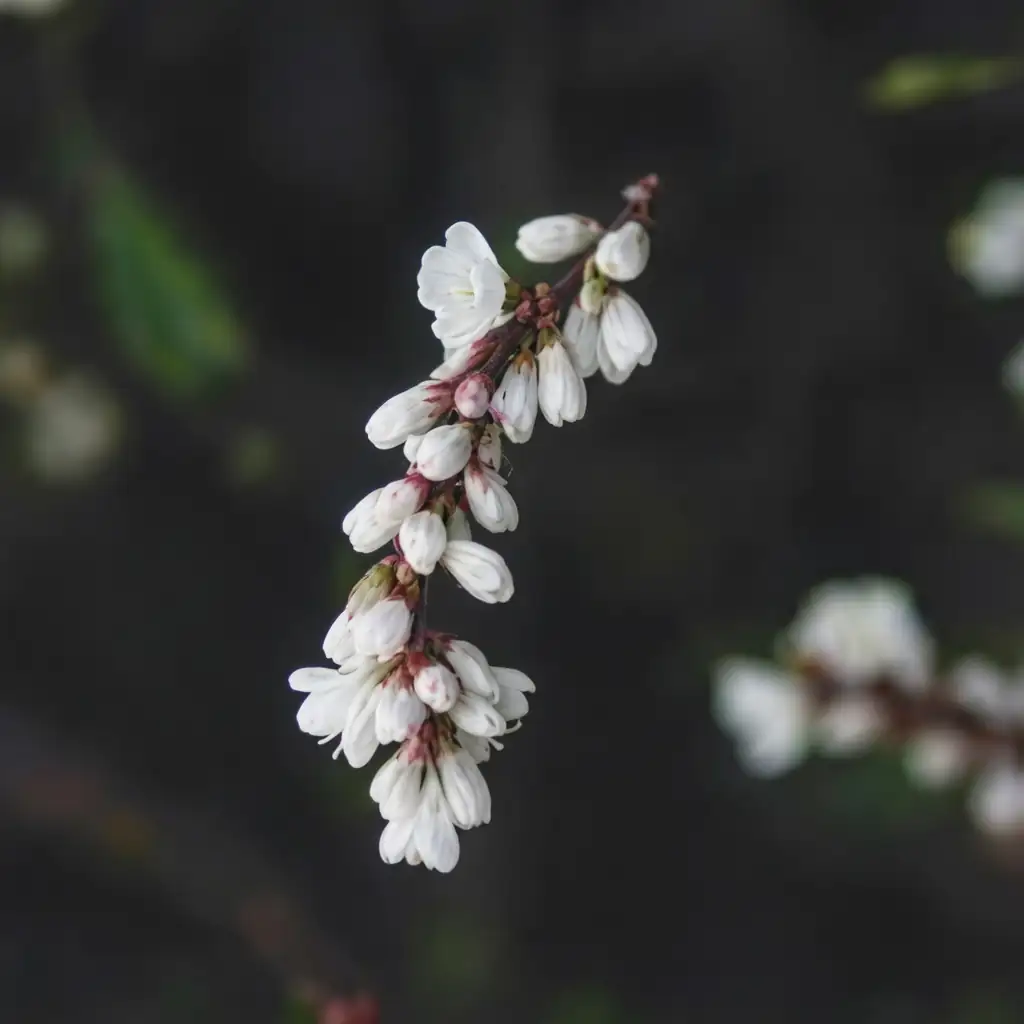
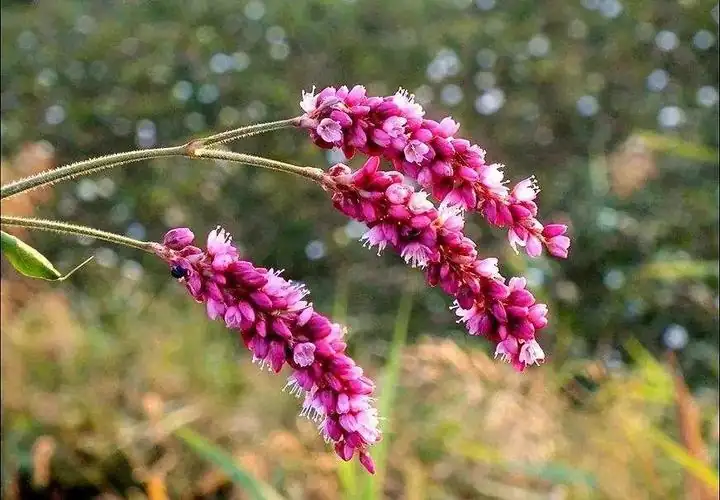
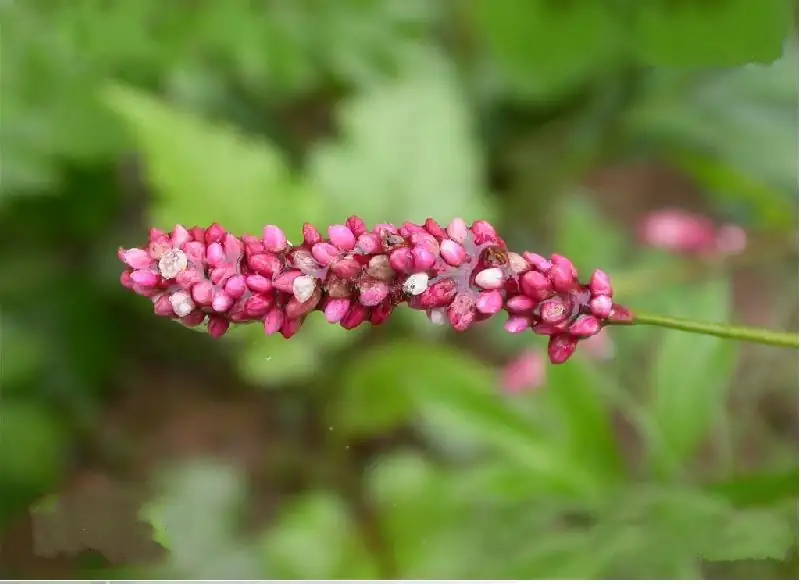
- Flower: Produces dense, spike-like flower clusters (racemes) at stem tips or from upper leaf axils. The flowers are tiny but numerous, typically pink to rosy, creating a soft, bottlebrush-like look. Fruits are smooth, glossy dark brown to black achenes, tucked inside the persistent floral parts.
- Flowering Season: June–September (June–September)
- Growth Habit: Upright to ascending annual herb; may be branched or unbranched. Generally sun-loving but tolerant of light shade, and notably adaptable to both lean, drier soils and consistently moist or periodically waterlogged sites.
Environment
Sunlight
Full sun to partial shade; flowers best in full sun.
Temperature
Grows well in cool-temperate through warm-summer conditions; typically thrives around 10–30°C (50–86°F) in the growing season and tolerates light frosts as an annual.
Humidity
Flexible—handles average to high humidity; tolerates short dry spells but also performs well in consistently moist air and soil.
Soil
Very adaptable: grows in sand, loam, or clay. Will tolerate poor soils and can cope with periodically waterlogged ground, as long as conditions match its moisture access (from moderately moist to wet).
Placement
Best in naturalistic plantings, rain gardens, wetland margins, stream/pond edges, and other “wild” or lightly managed areas; also common on disturbed ground.
Hardiness
Annual; commonly seen as a self-seeding annual in USDA Zones 3–10 (performance depends on local climate and winter severity).
Care Guide
Difficulty
Easy. A tough, adaptable annual that tolerates sun or light shade, a broad temperature range, and both dry spells and wet soils.
Buying Guide
Look for plants with fresh green leaves and sturdy, upright stems. Avoid containers that smell sour (a sign of stagnant, waterlogged conditions) and avoid plants with heavy aphid buildup on tender new growth. Since it can self-seed readily in many regions, check whether it’s appropriate (or considered weedy) in your area before planting.
Watering
Low to moderate. Water regularly while establishing. After that, in containers let the top few centimeters of mix dry slightly between waterings; in the ground it often needs little supplemental water unless conditions turn extremely dry. It also tolerates consistently moist sites.
Fertilization
Usually not needed. In containers or very poor soil, feed lightly with a balanced fertilizer at 1/4–1/2 strength every 4–6 weeks during active growth (spring through summer).
Pruning
Not required. Pinch or cut back leggy stems for a tidier shape. Deadhead if you want to reduce self-seeding; remove plants at season’s end if you don’t want volunteers next year.
Propagation
Primarily by seed and often self-seeds. Collect mature achenes in late summer to autumn and sow on the soil surface or cover very lightly. It may also spread locally where stems touch moist soil.
Repotting
Usually unnecessary because it’s an annual. If container-grown and rootbound, shift to a pot one size up and refresh with a general-purpose mix amended with grit for better structure.
📅 Seasonal Care Calendar
Spring: sow seeds or allow volunteers to grow; keep evenly moist until established. Summer: mostly hands-off—water during prolonged drought and cut back if it sprawls. Late summer–autumn: collect seed or deadhead to limit reseeding; after frost, pull and compost/remove spent plants if you want a cleaner reset.
Pests, Diseases & Safety
Common Pests & Diseases
Generally trouble-free. Aphids may cluster on soft new growth; leaf spots can appear in crowded, persistently damp conditions. Improve airflow, avoid heavy nitrogen feeding, and rinse aphids off or use insecticidal soap if needed. Extreme drought can cause general wilting.
Toxicity
No well-documented serious toxicity for typical household exposure, but ingestion may cause mild gastrointestinal upset in people or pets. Don’t allow pets to graze large amounts.
Culture & Symbolism
Uses: Mostly grown (or appreciated) as an ornamental in naturalistic settings—especially damp ground—where its pink summer flower spikes and easygoing nature make it a useful, “wild” groundcover. It also plays an ecological role in disturbed, moist habitats.
FAQ
When does it flower?
Typically June–September (June–September), depending on local climate.
When does it set seed?
Usually July–October (July–October), after flowering.
How tall does it get?
About 40–80 cm (16–31 in) tall.
What family and genus is it in?
It’s in Polygonaceae (the knotweed family), genus Persicaria.
What other names is it known by?
Common English names include Lady’s Thumb, Redshank, and Spotted Lady’s Thumb.
Where does it grow naturally?
It commonly grows on damp ground like riverbanks, ditches, and wetland margins, and it’s widespread across many regions of China.
What are its growing preferences?
Full sun to partial shade, and it’s remarkably adaptable—tolerating poor soils, periodic dryness, and consistently moist conditions.
Fun Facts
- The papery tubular sheath at each stem node (the ocrea) is a classic knotweed feature and a great ID clue.
- The leaf “thumbprint” blotch inspires the name Lady’s Thumb, but not every plant shows it clearly.
- It can handle sites that swing between flooding and drought, which is why it’s so common along waterways and disturbed wet ground.
- Its shiny, dark achenes are neatly enclosed by the persistent floral parts—like little packaged seeds.
- Once it’s happy in a spot, it may return year after year by self-seeding.