Plant Features
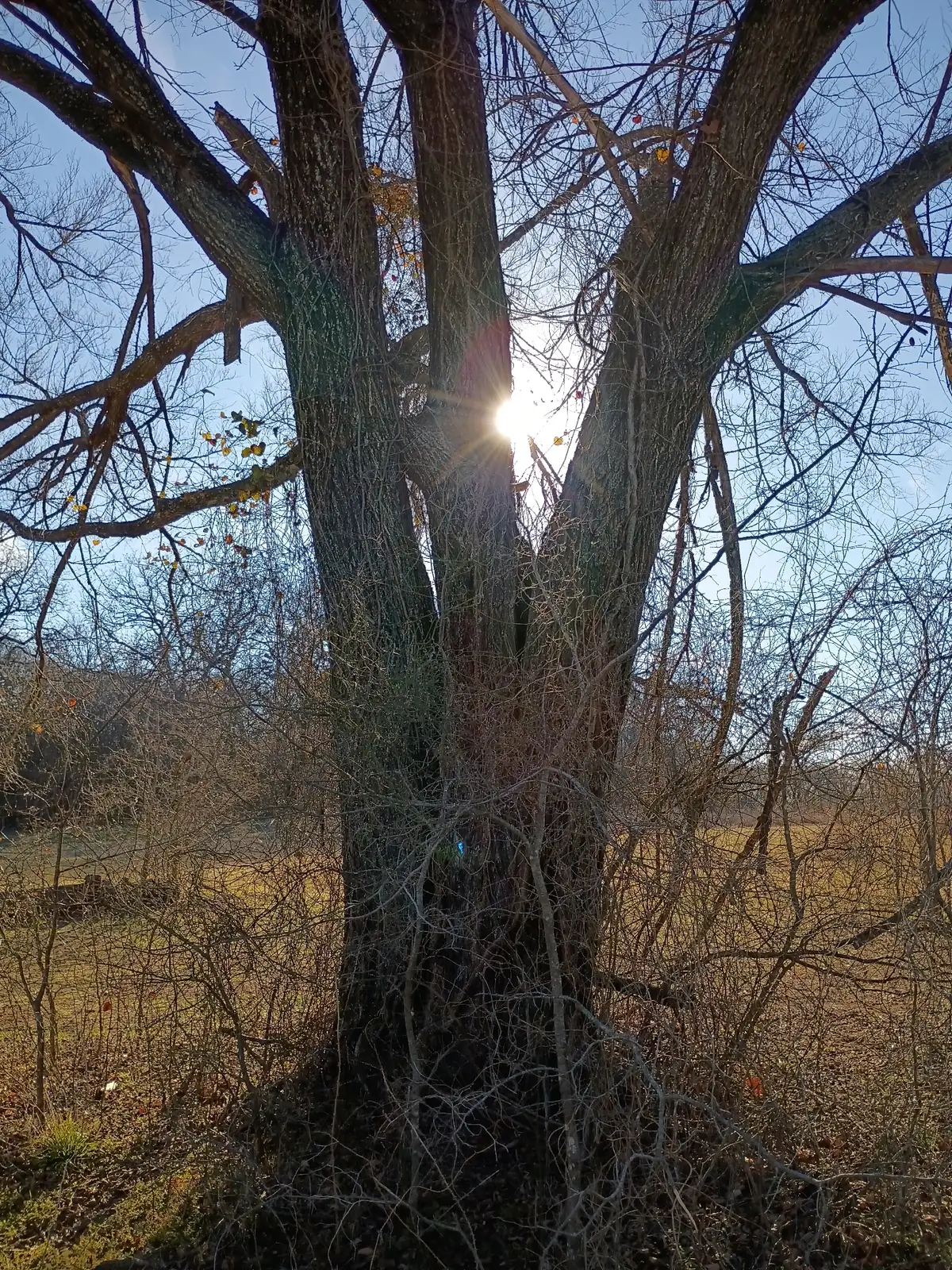
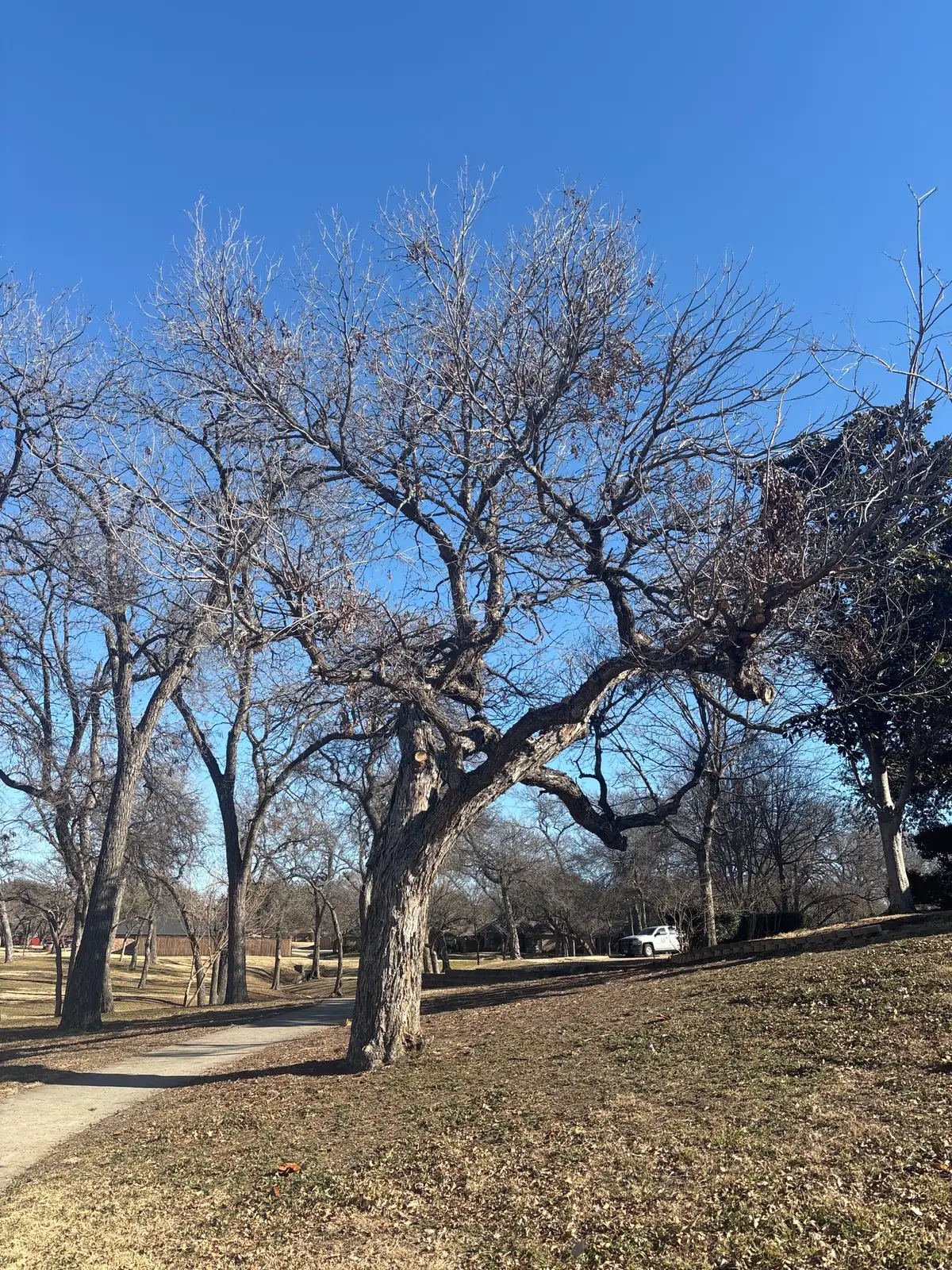
- Size: Typically 20–40 m (66–131 ft) tall; can reach about 50 m (164 ft) in ideal conditions. Forms a broad, spreading crown with age.
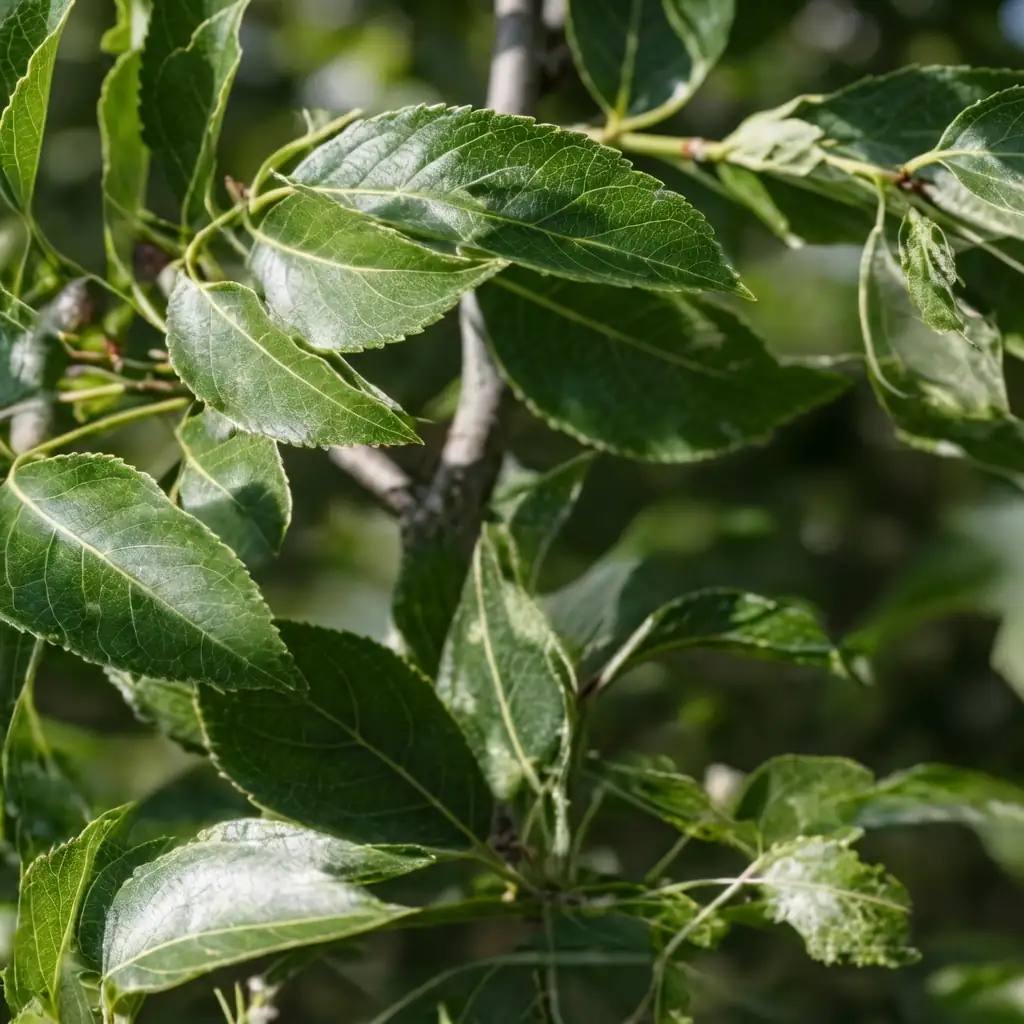
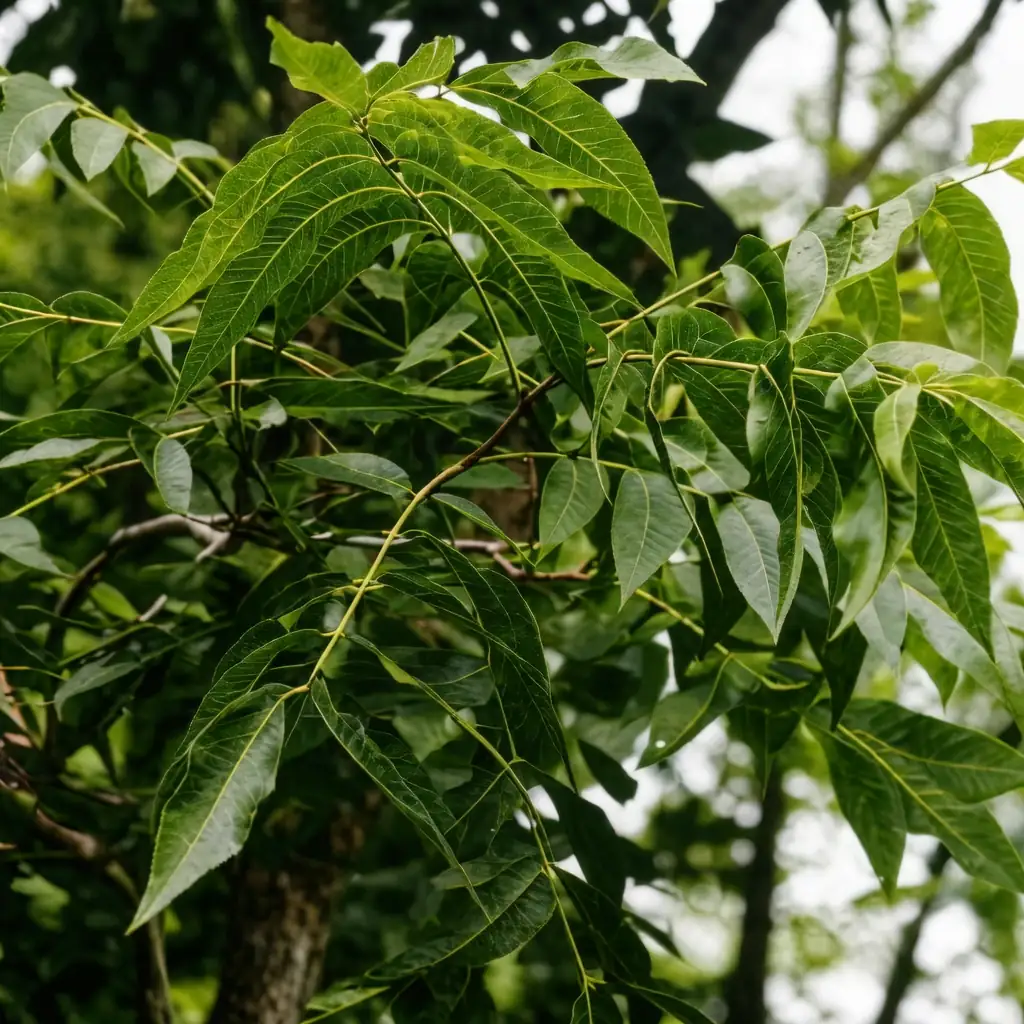
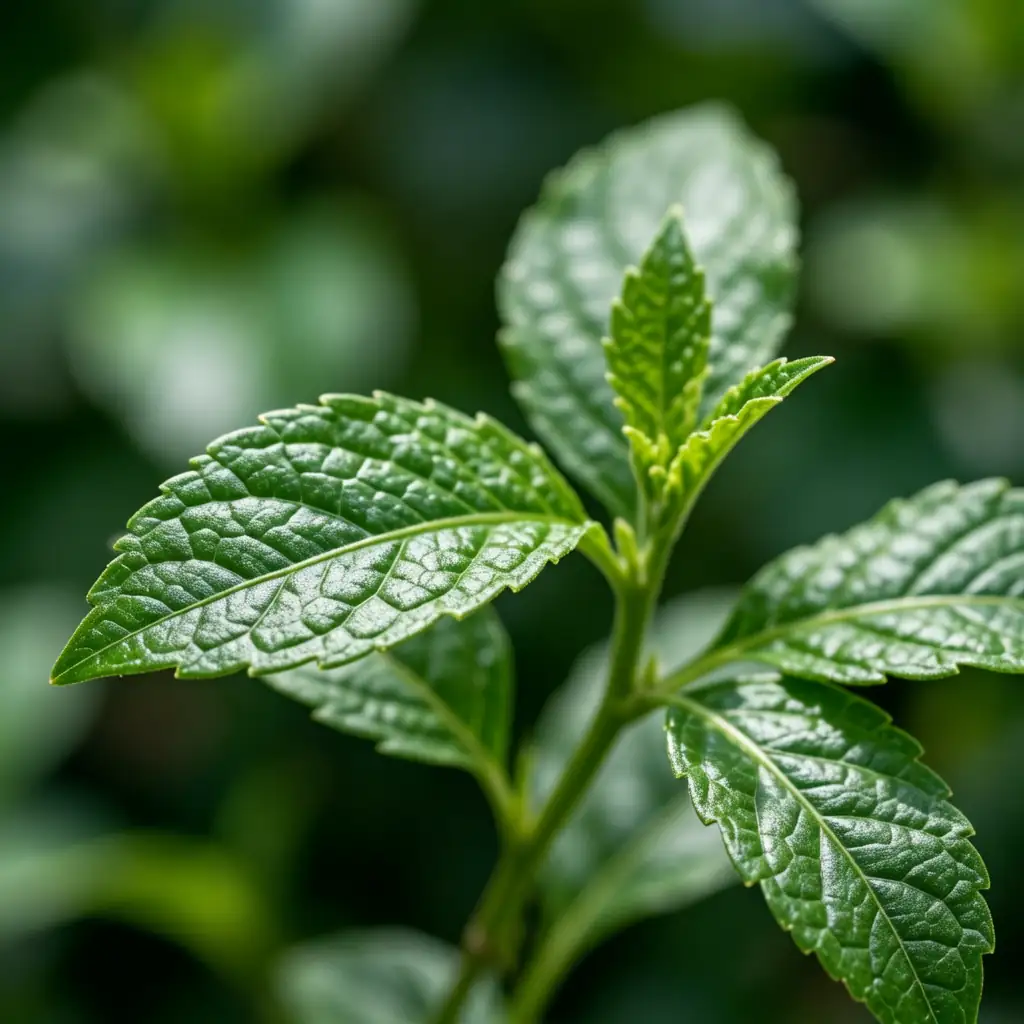
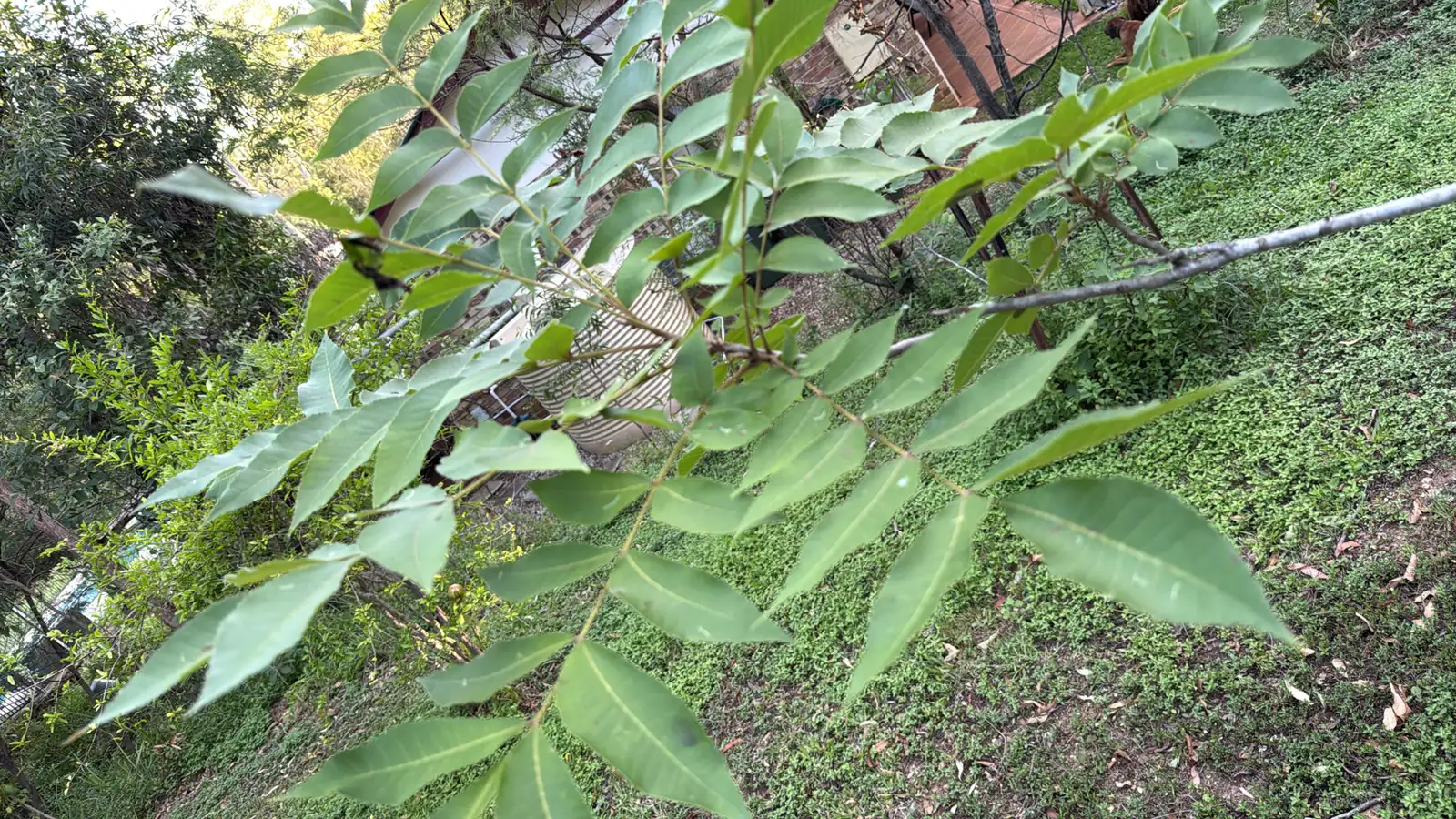
- Foliage: A deciduous tree with a broad, oval crown. Leaves are pinnate (feather-like), typically with about 11–17 narrow, oblong leaflets. Young shoots and buds can look slightly grayish and fuzzy.
- Flower: Spring flowers are small and easy to miss. Male flowers appear in long, dangling catkins, while female flowers sit in small clusters. Pollination is by wind rather than insects.
- Flowering Season: May
- Growth Habit: Large, upright deciduous tree that matures into a broad-crowned shade tree. Develops a strong, deep root system and commonly forms beneficial mycorrhizal associations that help it take up water and nutrients.
Environment
Sunlight
Full sun; best nut production with 6+ hours of direct sun daily.
Temperature
Prefers warm, humid summers. Best growth around 18–30°C (64–86°F). Once established, many cultivars can tolerate winter lows to roughly -20°C (-4°F), depending on site and variety.
Humidity
Moderate to high humidity is ideal; performs best where summers are humid.
Soil
Deep, fertile, well-drained loam is best. Likes evenly moist soil and isn’t drought-tolerant. Can handle seasonally wet sites, but avoid permanently waterlogged conditions and thin, poor, or very dry soils.
Placement
Outdoors in full sun with plenty of space for canopy and roots. A strong choice for a shade or street tree in suitable climates. Does well near reliably moist areas (pond edges, ditches) as long as drainage isn’t stagnant.
Hardiness
USDA Zone 5–9 (approx.).
Care Guide
Difficulty
Moderate. Straightforward as a landscape shade tree where climate and space are right, but consistent nut production takes more planning (space, cross-pollination, and steady moisture).
Buying Guide
For dependable nut quality and earlier harvests, choose grafted cultivars rather than seedlings. Look for a healthy young tree with a clear central leader, no trunk wounds, and a well-developed root system. For better pollination and yields, plant compatible cultivars (different pollination types) if there aren’t other pecans nearby.
Watering
Water deeply and consistently, especially during establishment and during hot, dry weather. Keep the root zone evenly moist—pecan does not handle drought well. Mulch helps conserve moisture; avoid letting the soil dry out completely for long stretches, particularly during late-summer nut fill.
Fertilization
Feed in early spring, ideally guided by a soil test. Young trees respond well to light, regular nutrition. Mature, nut-bearing trees often need extra nitrogen, and zinc may be important in soils where it’s deficient. Avoid heavy fertilizing late in the season.
Pruning
Train young trees to a strong central leader with well-spaced scaffold branches. Prune in late winter while dormant: remove dead, damaged, crossing branches and open the canopy for airflow. Avoid heavy pruning during active growth.
Propagation
Commonly propagated by grafting named cultivars onto seedling rootstocks to keep nut quality consistent. Seeds can be grown, but seedlings vary and usually take much longer to bear reliably.
Repotting
Not applicable (large outdoor tree). For container-grown nursery stock, plant out promptly and minimize root disturbance; provide a wide planting area rather than digging an overly deep hole.
📅 Seasonal Care Calendar
Flowering: May. Nut development and harvest: September–November (varies by climate/cultivar). Keep irrigation a priority during late summer when nuts are filling.
Pests, Diseases & Safety
Common Pests & Diseases
Common concerns include pecan scab (a major fungal issue in humid regions), aphids, pecan nut casebearer, stink bugs, and hickory shuckworm. Helpful basics: provide good spacing and airflow, prune appropriately, remove diseased debris, and choose resistant cultivars when available. Use local integrated pest management guidance for timing and controls.
Toxicity
Nuts are edible for people, but—as with many tree nuts—can trigger allergies. Pets generally aren’t affected by the plant itself, but eating lots of nuts may cause digestive upset. Avoid moldy nuts, which can be harmful.
Culture & Symbolism
Symbolism: Often linked with abundance, nourishment, and longevity—fitting for a long-lived tree with a generous harvest.
History & Legends: A native North American food tree with a long history of use by Indigenous peoples. It later became a major orchard crop in the southern United States as superior cultivars were selected and widely propagated by grafting.
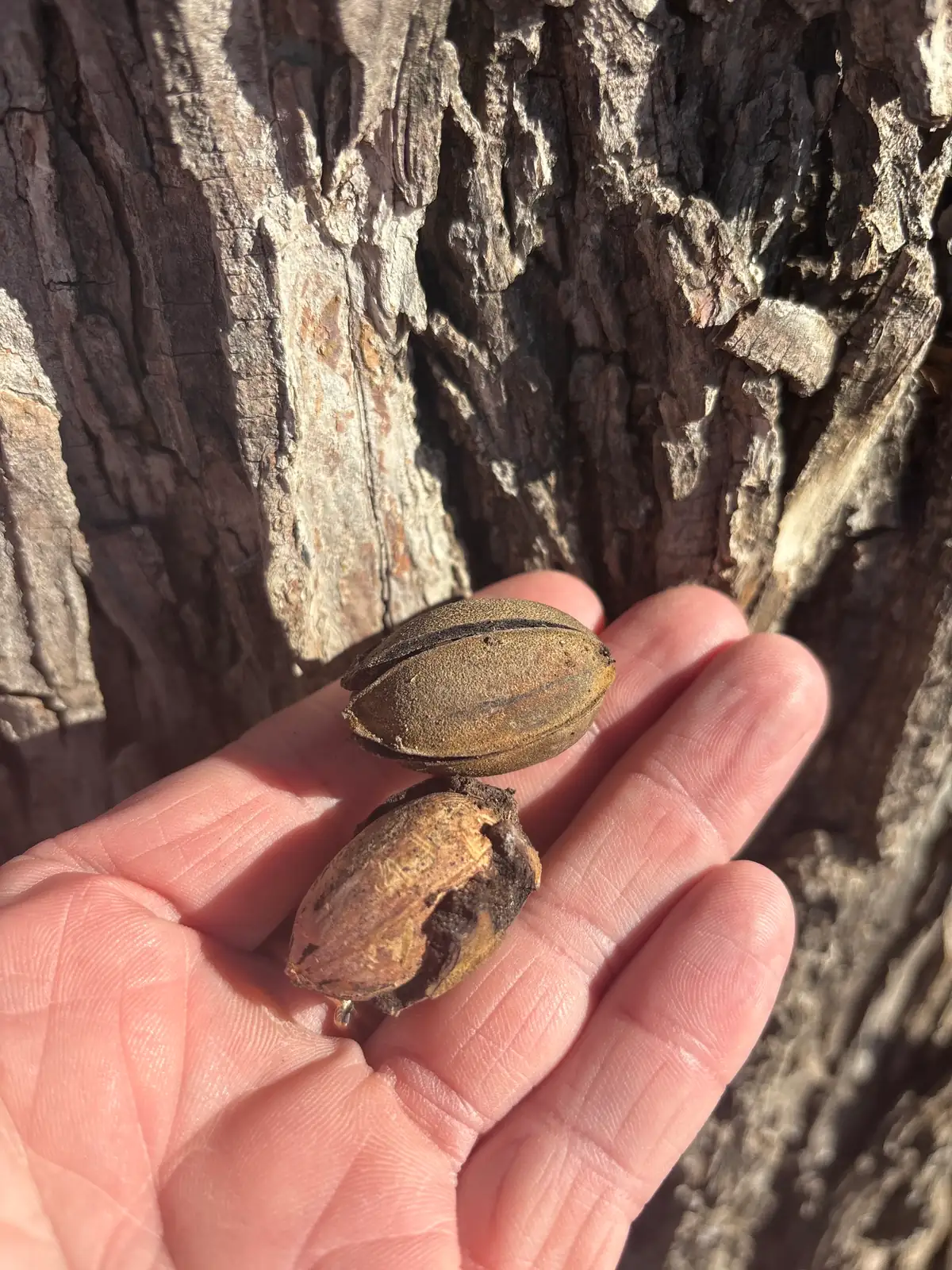
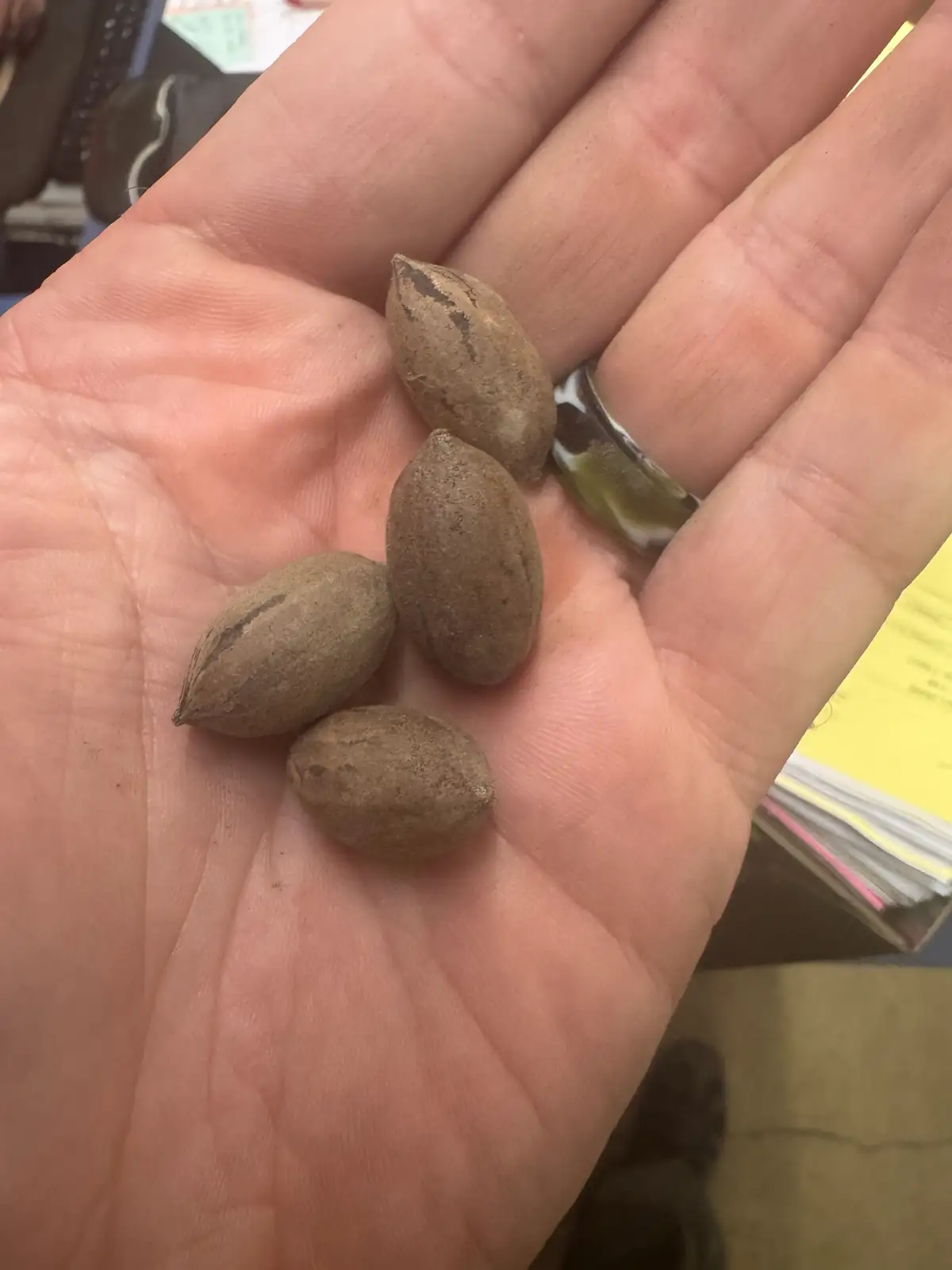
Uses: Primarily grown for edible nuts, and also treasured as a large shade/street tree where space allows. The wood is valued for furniture and other durable timber products.
FAQ
Do I need more than one pecan tree to get nuts?
Often, yes. Many pecan cultivars crop much better with cross-pollination from a compatible cultivar (a different pollination type) nearby. A lone, isolated tree may flower but still yield poorly.
Why is my pecan tree not producing many nuts?
Common culprits include not enough sun, drought stress (especially in summer), weak pollination (no compatible cultivar nearby), nutrient issues (zinc deficiency is a classic one), and disease pressure such as pecan scab.
Fun Facts
- Pecan is native to North America, especially the southern United States and northern Mexico.
- Compared with many hickories, pecans are known for a relatively thin shell and a large, rich-flavored kernel.
- In exceptional conditions, pecan can reach about 50 m (164 ft) tall.
- Pecan commonly partners with mycorrhizal fungi—an underground teamwork that boosts water and nutrient uptake.
- It’s valued not only for nuts, but also as a high-quality shade tree and a useful timber species.