

Plant Features
- Size: Typically 80–100 cm (31–39 in) tall; in good conditions can reach about 1.5–2 m (5–6.5 ft) with a similar spread.
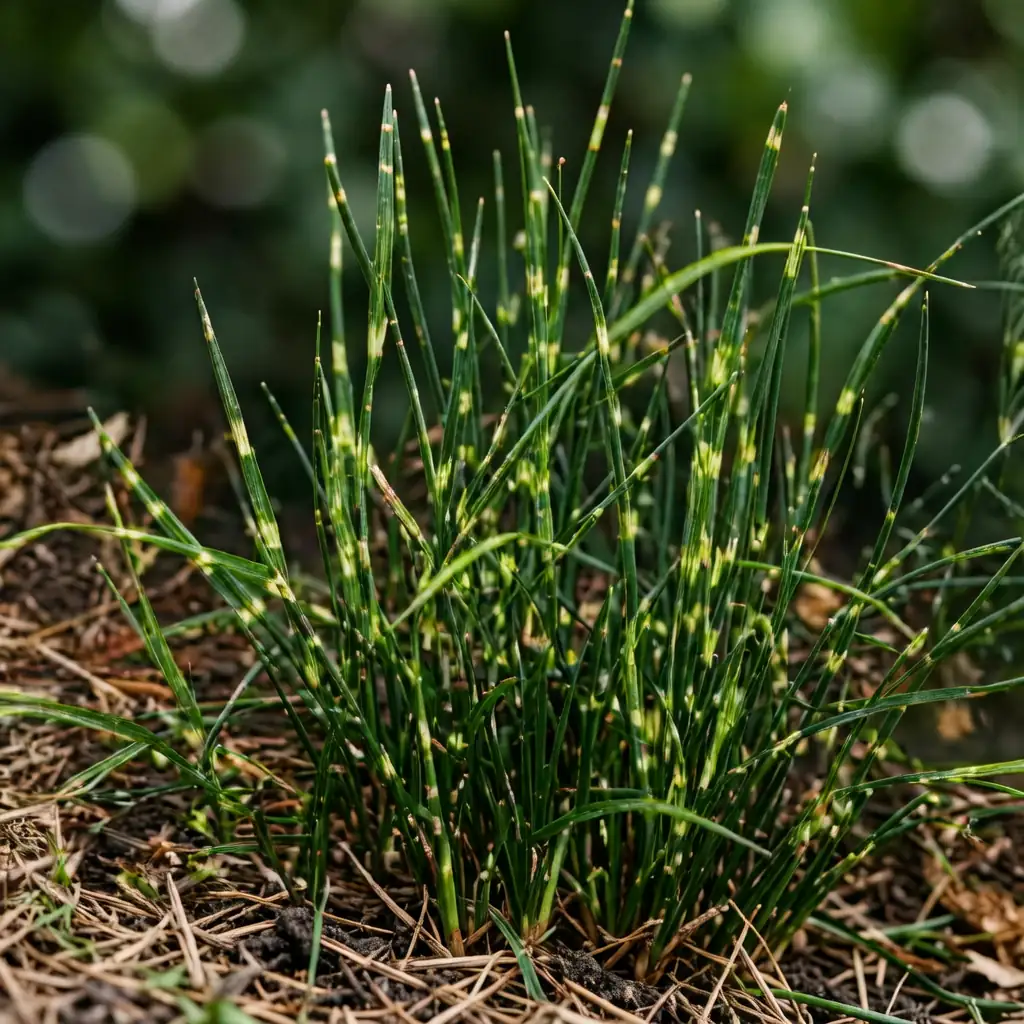
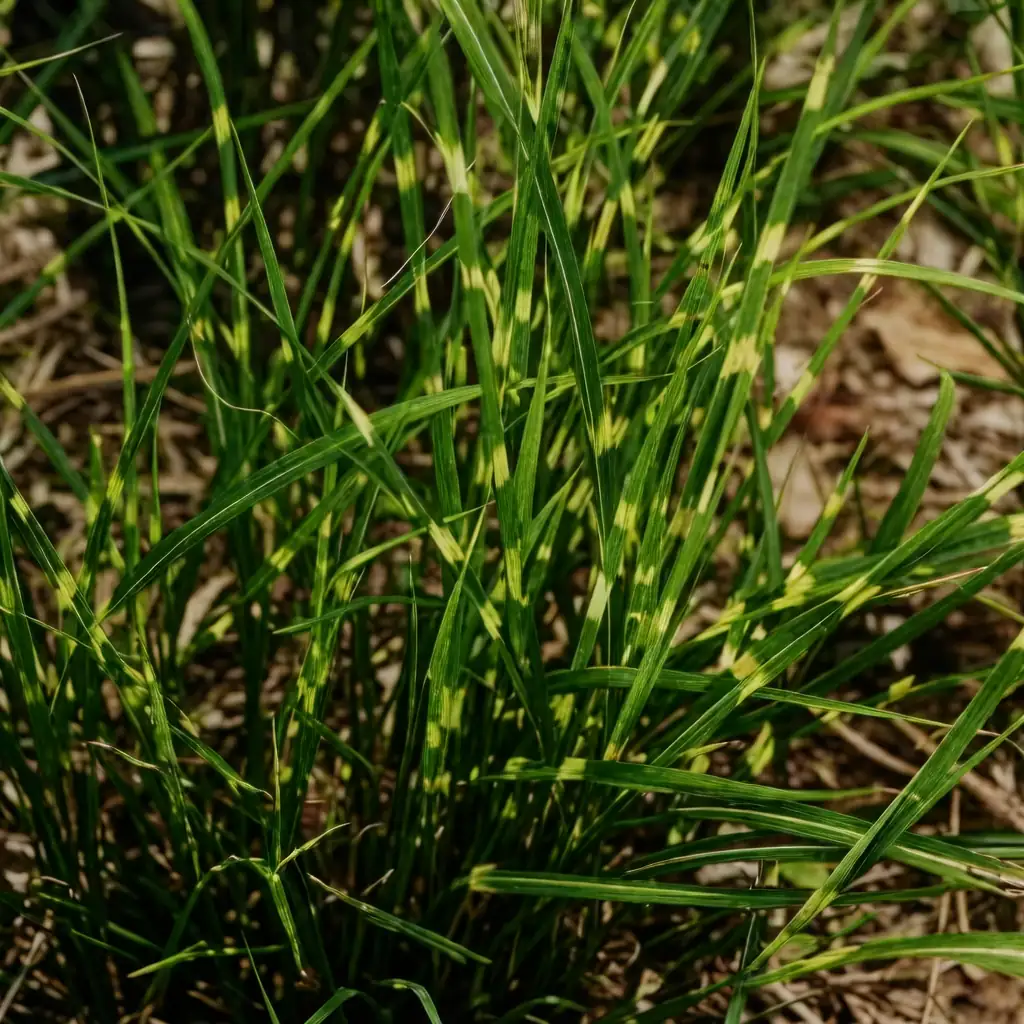
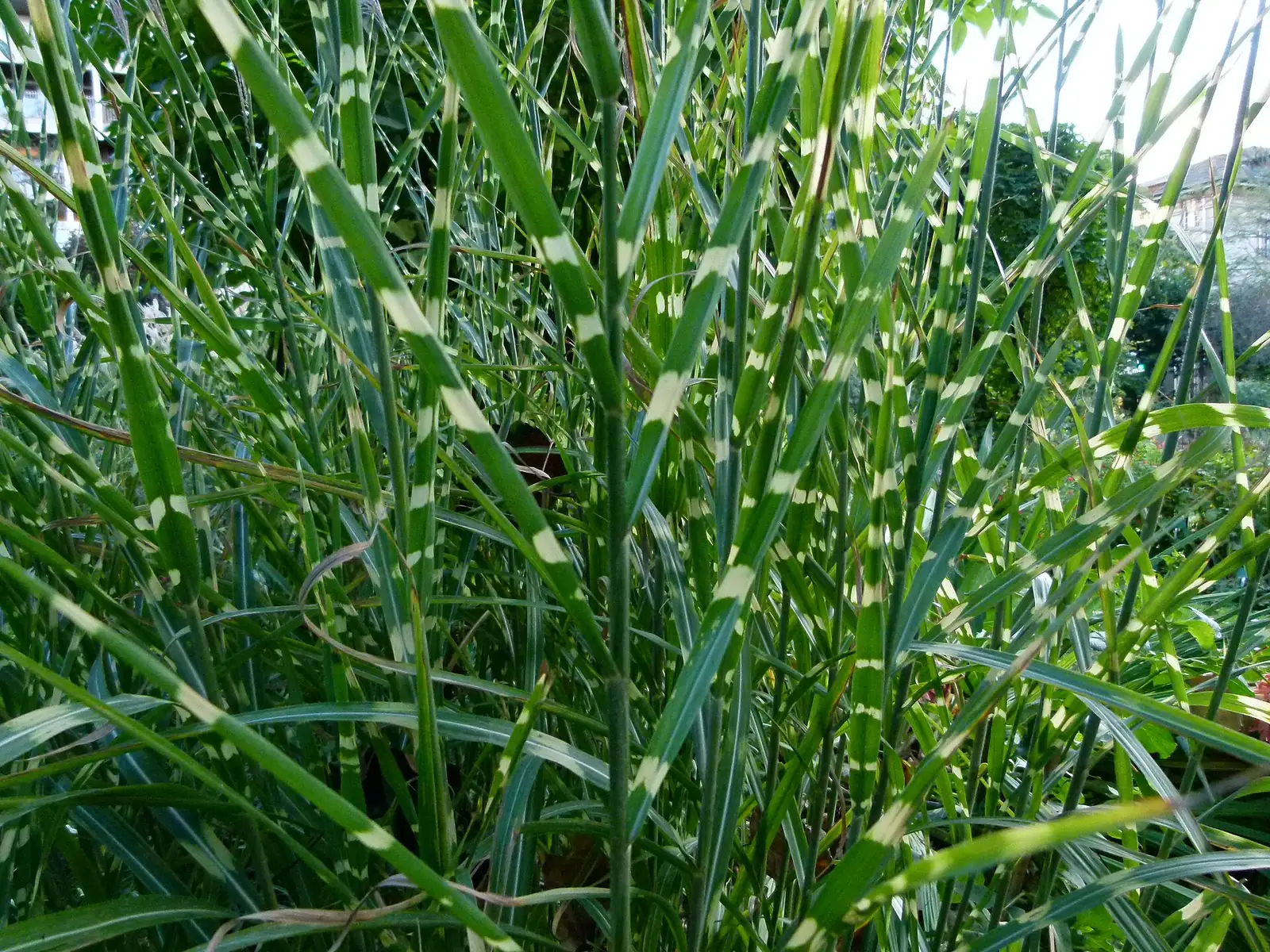
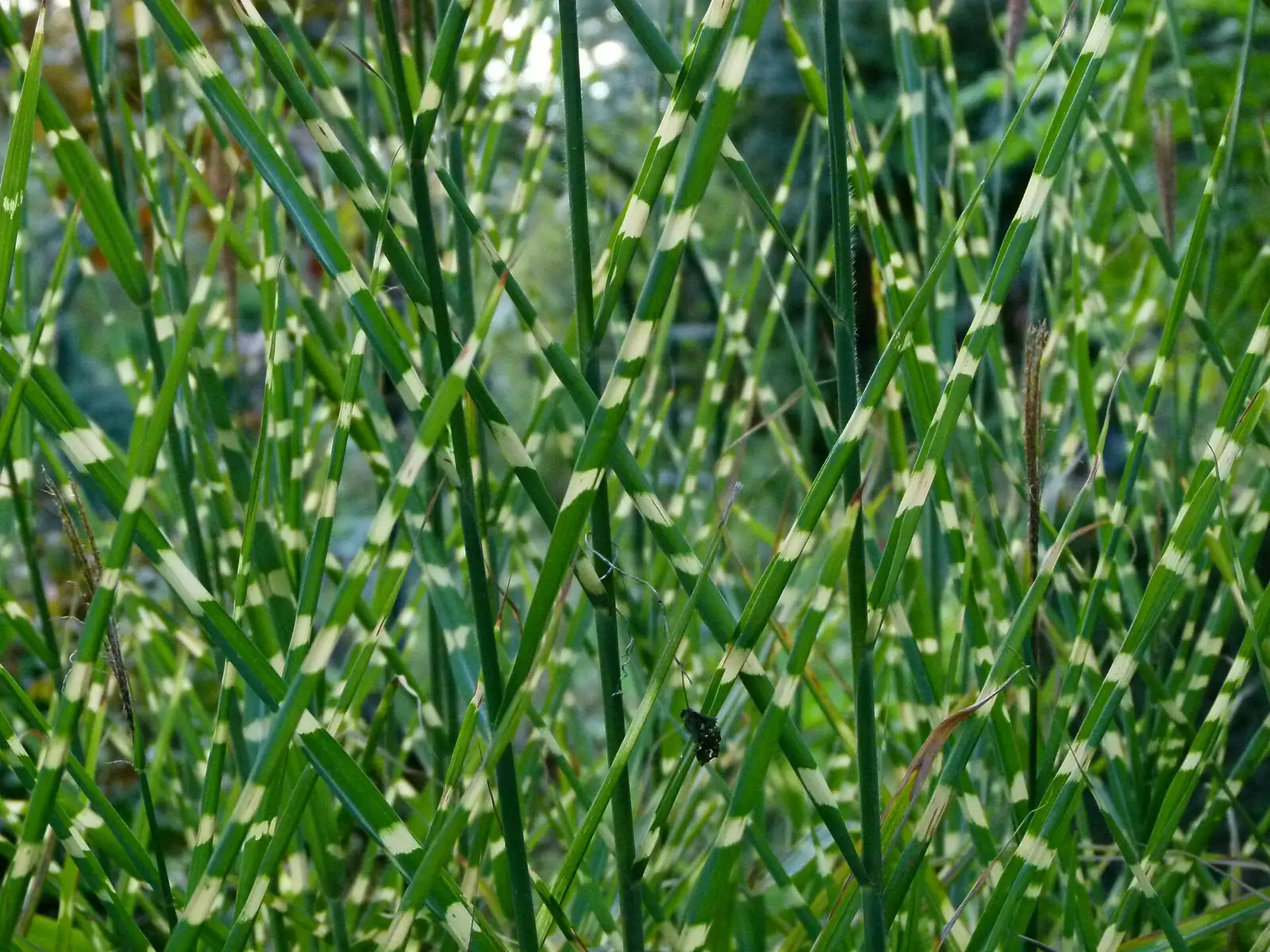
- Foliage: Long, narrow, arching leaves marked with irregular yellow horizontal bands. The underside may look slightly glaucous (bluish) and can feel softly hairy; leaf edges may be sharp.
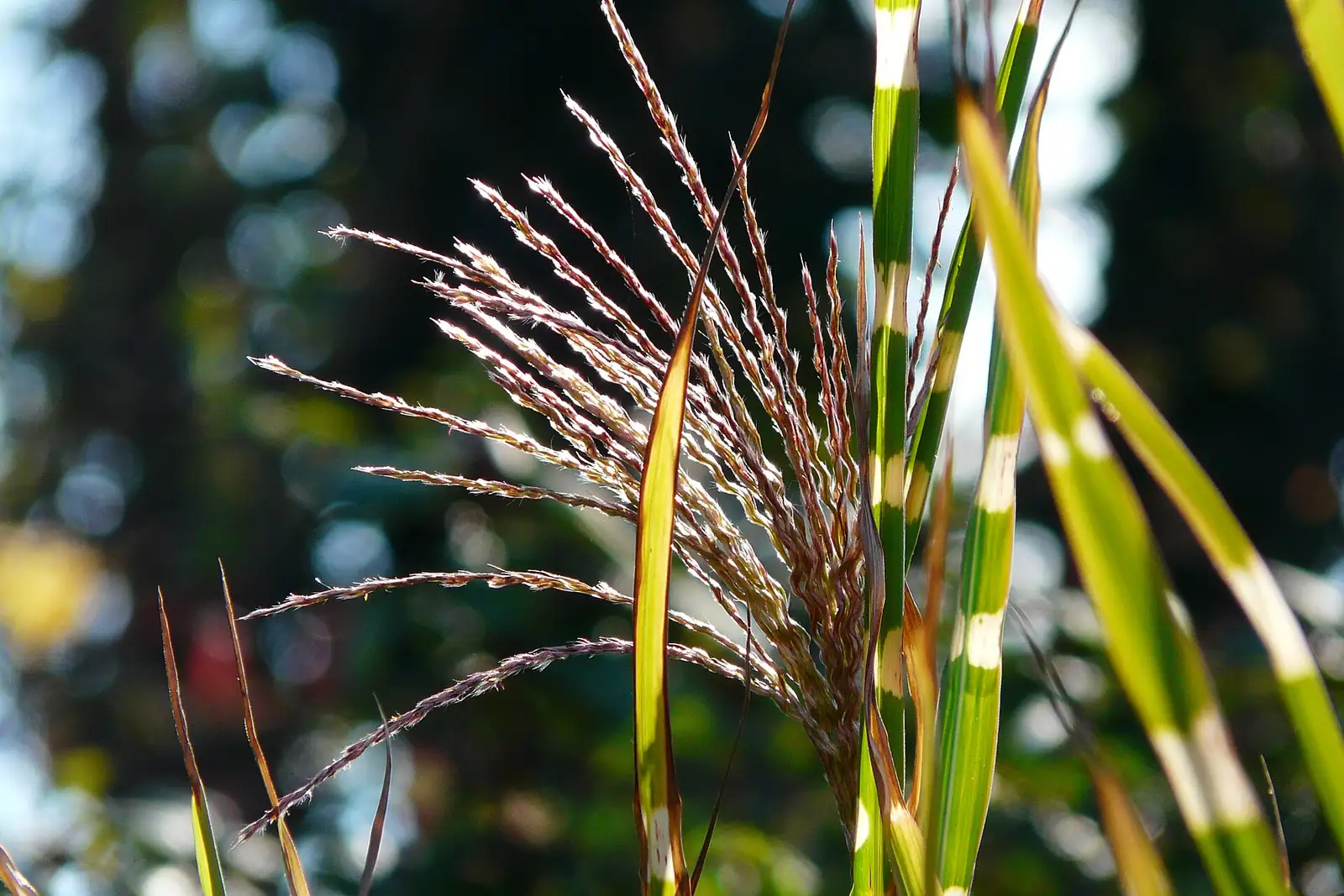
- Flower: Open, fan-like panicles held above the foliage. Individual florets are small and yellowish, while the overall plume often reads purplish-red to pinkish as it matures, especially in late season light.
- Flowering Season: Late summer to autumn (about August–October / Aug–Oct).
- Growth Habit: Perennial, vigorous, resilient, clump-forming ornamental grass with an upright-to-arching fountain shape.
Environment
Sunlight
Full sun for the strongest striping and best plume display; tolerates partial shade (more shade can reduce banding).
Temperature
Best growth at 15–30°C (59–86°F). Winter-dormant and cold-tolerant once established.
Humidity
Adaptable; does well in average outdoor humidity with decent air circulation.
Soil
Moist but well-drained soil is ideal. Adaptable to loam or sandy loam; performs best in moderately fertile soil and can tolerate occasional wet ground once established, but avoid stagnant, permanently waterlogged conditions.
Placement
Great in mixed borders, mass plantings, and as a focal clump near ponds/streams; also suits rock features and courtyard water-garden scenes. Can be grown in large containers and used for cut greenery.
Hardiness
USDA Zone 5–9 (approx. -29 to -1°C / -20 to 30°F).
Care Guide
Difficulty
Easy—robust and generally low-maintenance once established.
Buying Guide
Pick plants with multiple healthy shoots and a firm crown. Avoid pots with sour smells or blackened, mushy roots. Look for clear, strong banding; weak striping can point to too much shade or a stressed plant.
Watering
Water regularly while establishing. After that, aim for evenly moist soil for best growth and leaf quality. In containers, let the top few centimeters/1 in of mix dry slightly between waterings, then water thoroughly. Avoid prolonged drought (leaf quality suffers) and avoid constant sogginess (root rot risk).
Fertilization
In spring, feed lightly with compost or a balanced slow-release fertilizer. Go easy on nitrogen—too much can cause soft, floppy growth.
Pruning
Cut back last year’s foliage to 10–20 cm (4–8 in) in late winter or early spring before new shoots emerge. Wear gloves—leaf margins can nick skin.
Propagation
Divide established clumps in spring (or early autumn in mild climates). Replant divisions promptly and keep evenly moist until re-rooted.
Repotting
In containers, repot or divide every 2–3 years to refresh the mix and prevent overcrowding; ensure excellent drainage.
📅 Seasonal Care Calendar
Spring: cut back, feed lightly, divide if needed. Summer: water in dry spells; stake only in windy/exposed sites. Autumn: enjoy plumes; reduce feeding. Winter: leave standing for structure and wildlife habitat, then cut back before new growth.
Pests, Diseases & Safety
Common Pests & Diseases
Usually trouble-free. In humid, poorly ventilated sites it may develop rust or leaf spot; in heavy, waterlogged soil it can suffer root rot. Improve airflow, water at the base (avoid late-day overhead watering), and prioritize drainage.
Toxicity
Not known to be toxic to people, dogs, or cats. The sharp leaf edges can cause minor cuts or skin irritation during handling.
Culture & Symbolism
Symbolism: Often linked with resilience, graceful movement, and the cozy beauty of autumn gardens.
History & Legends: A widely grown ornamental selection of Chinese silver grass (Miscanthus sinensis), prized worldwide for its distinctive zebra-like banding and late-season plumes.
Uses: Ornamental landscape plant for borders, massing, and waterside planting (ponds, streams, lakes). Also used as cut foliage and plumes in seasonal arrangements.
FAQ
Why is my zebra grass losing its yellow bands?
Most often it’s not getting enough light. Move it to fuller sun if possible, and avoid high-nitrogen feeding—both shade and excess nitrogen can push greener growth with less contrast.
When should I cut it back?
Late winter to early spring is ideal. Cut the clump down to about 10–20 cm (4–8 in) just before new shoots start to appear.
Can it grow near water?
Yes—zebra grass loves consistently moist soil and is a favorite near ponds and streams. Just avoid leaving it in stagnant, permanently waterlogged ground.
Fun Facts
- The horizontal banding is usually most dramatic in full sun, creating a true “zebra stripe” look across the blades.
- Leaving the clump standing through winter adds structure and can offer shelter for beneficial insects.
- Its plumes and foliage are popular in autumn bouquets and dried arrangements.


