Plant Features
- Size: Typically 7–15 m (23–49 ft) tall; crown spread varies with cultivar and training.
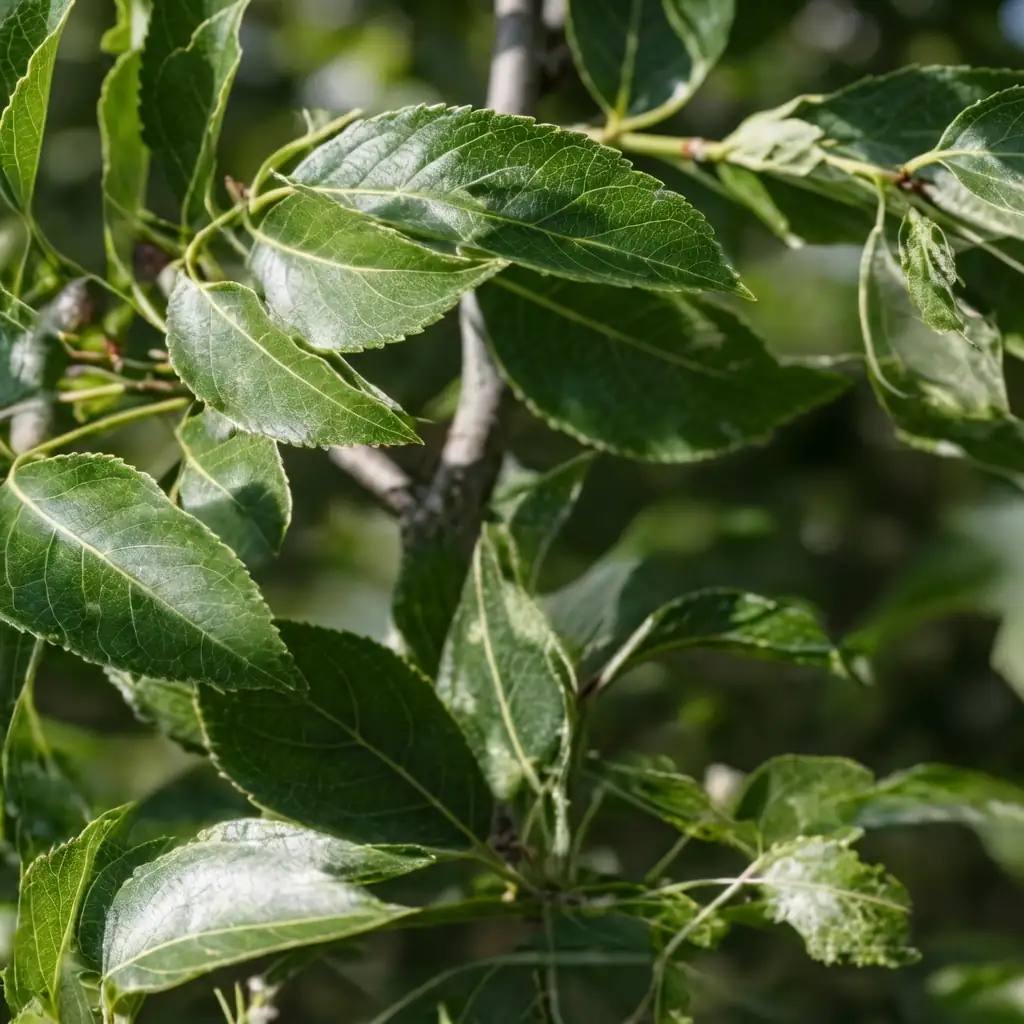
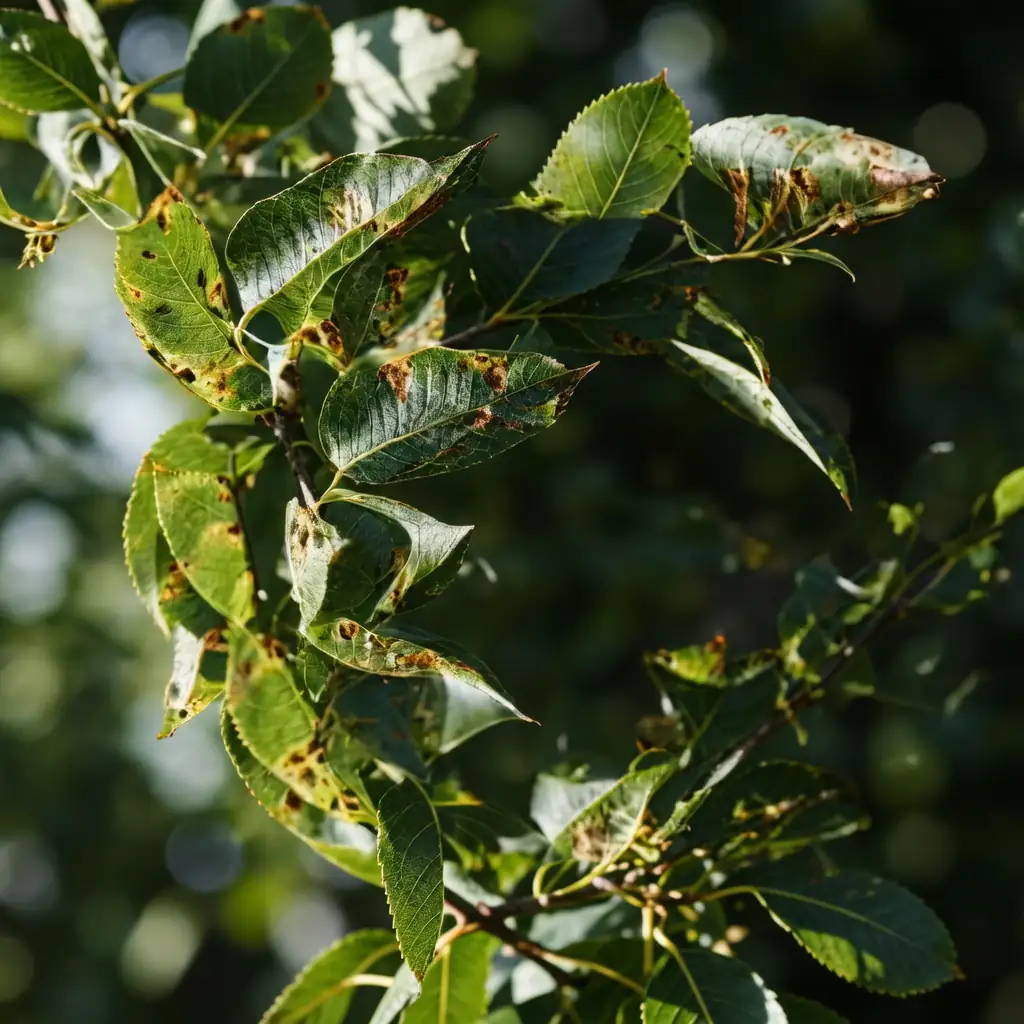
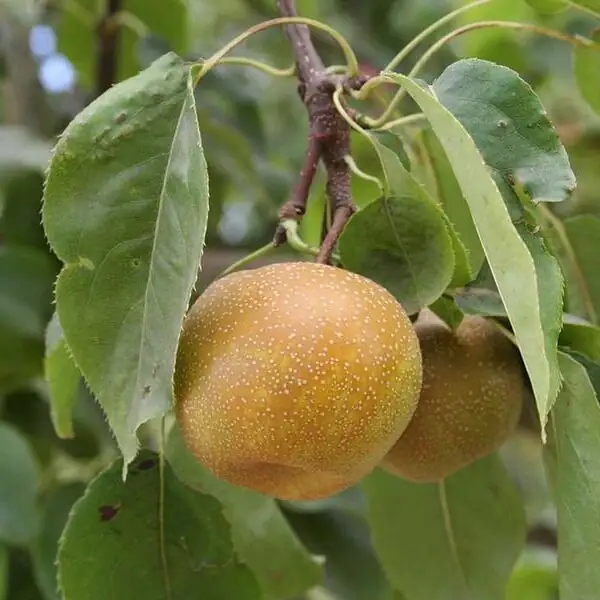
- Foliage: Deciduous tree with young twigs that may be slightly hairy at first, later becoming smooth. Leaves are ovate to elliptic with a long-pointed tip and a rounded to slightly heart-shaped base.
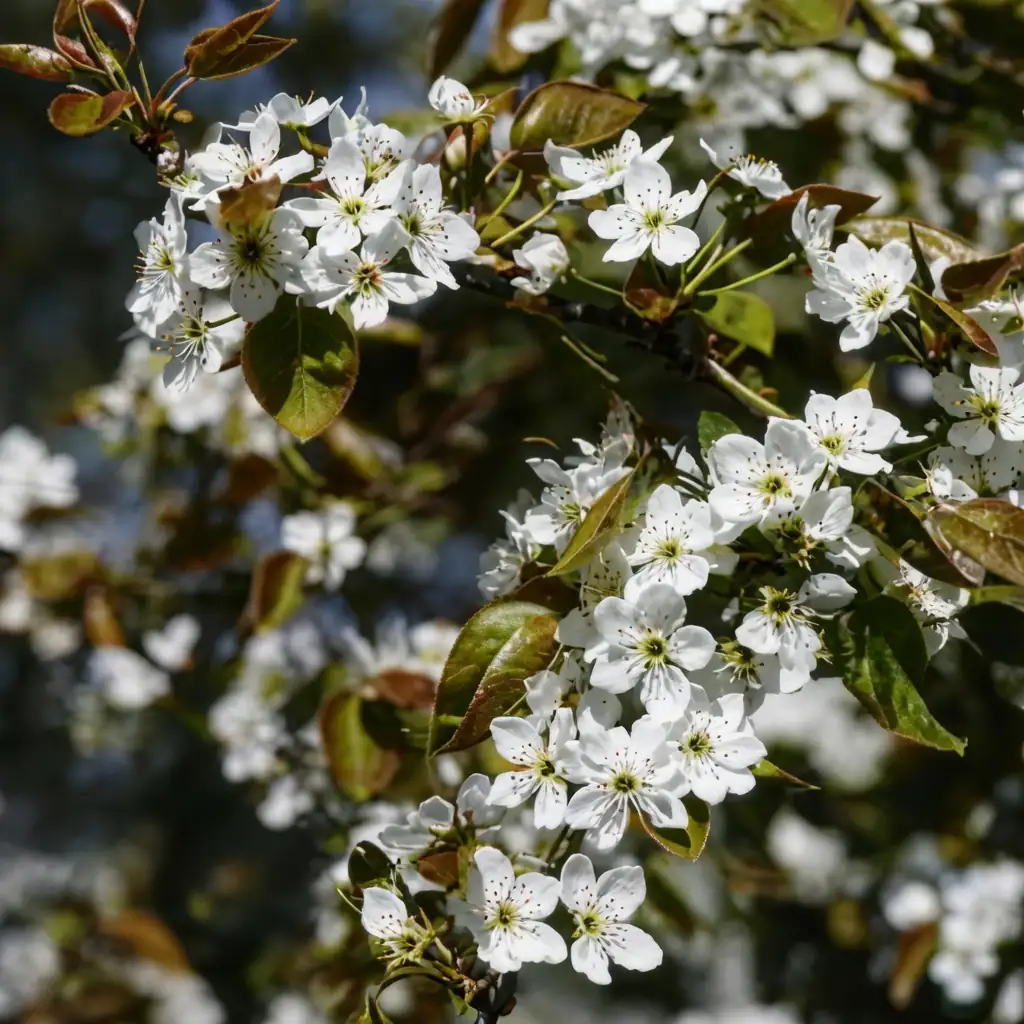
- Flower: Showy clusters of white, five-petaled blossoms; individual flowers are about 2.5–3.5 cm (1.0–1.4 in) across, creating a “white cloud” look at peak bloom.
- Flowering Season: April (spring)
- Growth Habit: Deciduous, upright tree (commonly trained for orchards or grown as a garden/courtyard tree)
Environment
Sunlight
Full sun for strongest flowering and best fruit quality; tolerates light partial shade.
Temperature
Prefers warm, humid conditions but is cold-tolerant; typical growth range about 10–30°C (50–86°F). Many cultivars need sufficient winter chill to set fruit reliably.
Humidity
Adaptable; does well in humid, rainy climates when given good airflow.
Soil
Fertile, well-drained loam is ideal, but it tolerates heavier soils and periodic wetness. Avoid prolonged waterlogging where possible.
Placement
Outdoors in an open, sunny position with space for canopy development (garden, orchard, courtyard).
Hardiness
Generally USDA Zone 5–9 (about -29 to -7°C / -20 to 20°F), varying by cultivar and local conditions.
Care Guide
Difficulty
Moderate. Straightforward as a landscape tree, but consistent fruiting improves a lot with good pruning, pollination planning, and basic pest/disease attention.
Buying Guide
Choose a named cultivar suited to your climate (especially chill requirement and disease resistance). Look for a healthy graft union, vigorous buds, and a well-shaped framework without cankers, dieback, or obvious stress.
Watering
Water deeply after planting and during dry spells. Once established, it can handle short wet periods, but aim for evenly moist—not constantly saturated—soil, especially while fruit is sizing.
Fertilization
Feed in early spring with compost or a balanced slow-release fertilizer. Don’t overdo nitrogen: too much can mean lots of leafy growth, fewer flowers, and higher disease pressure.
Pruning
Prune in winter during dormancy to build structure and keep the canopy open for light and airflow. Remove dead, crossing, crowded, or diseased wood. Light summer thinning can reduce shade and help improve fruit quality.
Propagation
Usually propagated by grafting or budding onto pear rootstocks. Seed is mainly for breeding and won’t come true to type.
Repotting
Not typically a houseplant. If grown in a large container, up-pot every 1–2 years in late winter/early spring, refresh the mix, and prioritize excellent drainage.
📅 Seasonal Care Calendar
Spring: feed lightly, protect blossoms from late frosts if possible, and support pollination. Summer: water consistently and thin fruit if heavily set. Autumn: harvest when mature; clean up fallen fruit and leaves. Winter: dormant pruning and structural training.
Pests, Diseases & Safety
Common Pests & Diseases
Possible pests include pear psylla, aphids, scale insects, codling moth, and mites. Diseases can include fire blight, pear scab, and rust depending on region. Best prevention: sanitation, pruning for airflow, choosing resistant cultivars, and using targeted controls only when needed.
Toxicity
Generally non-toxic to people and pets; fruit is edible. Seeds contain small amounts of cyanogenic compounds—avoid eating large quantities of crushed seeds.
Culture & Symbolism
Symbolism: Often linked with abundance and a good harvest; pear blossoms are also associated with purity and springtime renewal.
History & Legends: Pyrus pyrifolia has been cultivated in East Asia for centuries, with many regional cultivars selected for crunch, sweetness, aroma, and storage life.
Uses: Grown as both an ornamental spring-flowering tree and a productive fruit tree. Fruits are enjoyed fresh and used in desserts, preserves, and beverages.
FAQ
Do I need two Asian pear trees to get fruit?
Often, yes for best results. Many cultivars fruit much better with a compatible pollination partner. Two different cultivars that bloom at the same time (or a nearby compatible pear) usually boosts yield.
Why is my tree flowering but not producing pears?
Common causes include poor cross-pollination, insufficient winter chill, late frost damage to blossoms, too much nitrogen fertilizer, or pruning that removes fruiting spurs.
Fun Facts
- Each blossom is about 2.5–3.5 cm (1.0–1.4 in) across, with flower stalks around 3.5–5 cm (1.4–2.0 in) long.
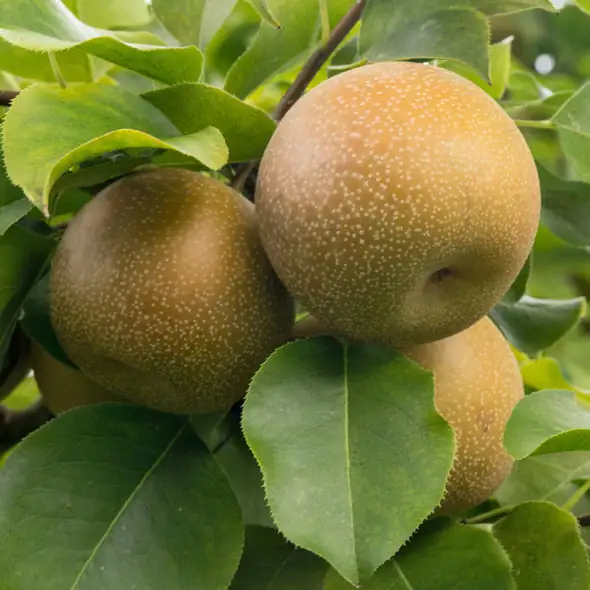
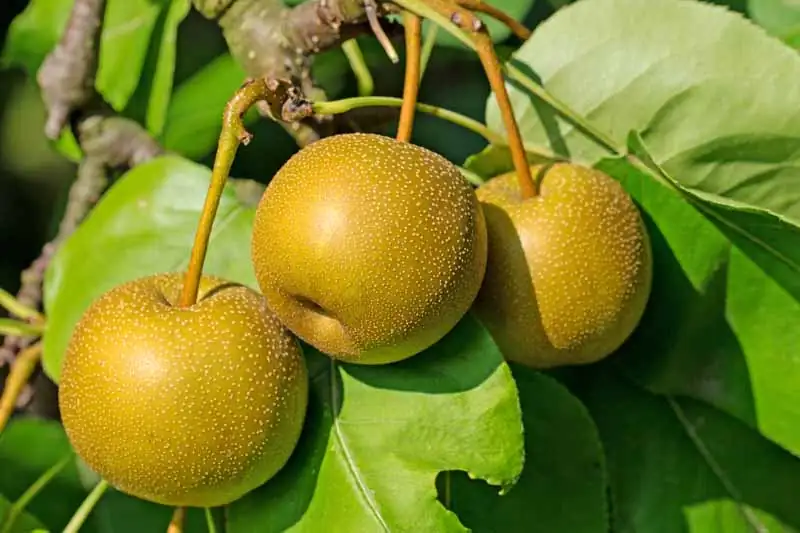
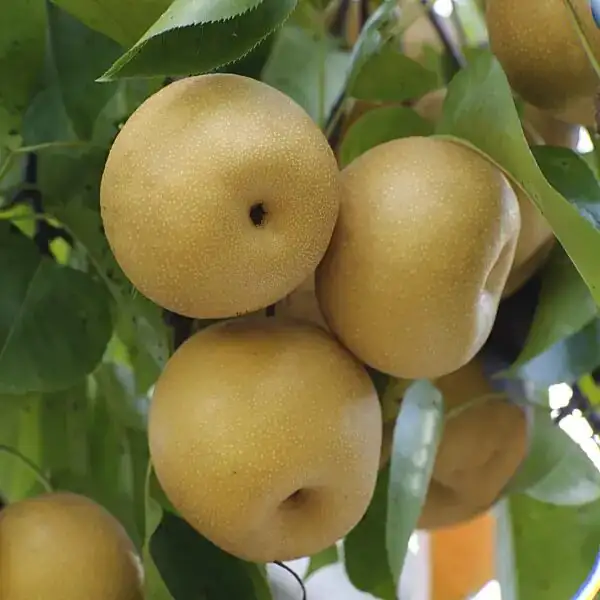
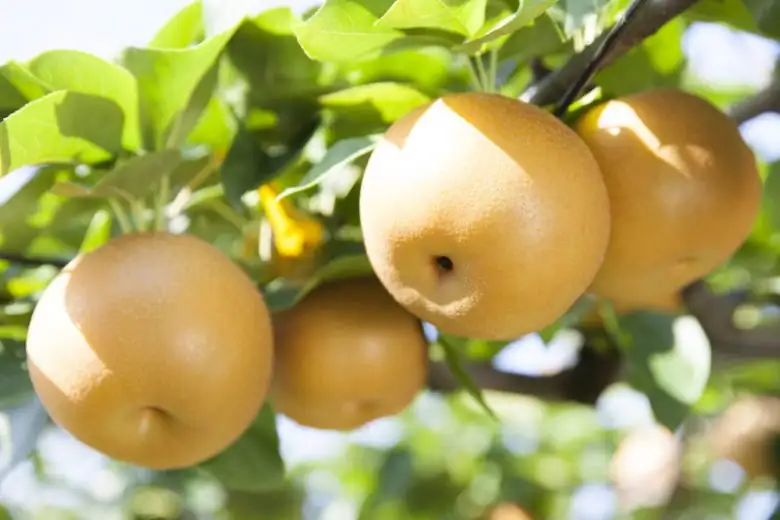
- Fruits are often round to nearly spherical and tan-brown; seeds are about 8–10 mm (0.31–0.39 in) long.
- It’s widely cultivated across many regions of China and can perform especially well in warm, rainy climates.