
Plant Features
- Size: Up to 15 m (49 ft) tall in the wild; often kept smaller in cultivation as a shrub or small tree.
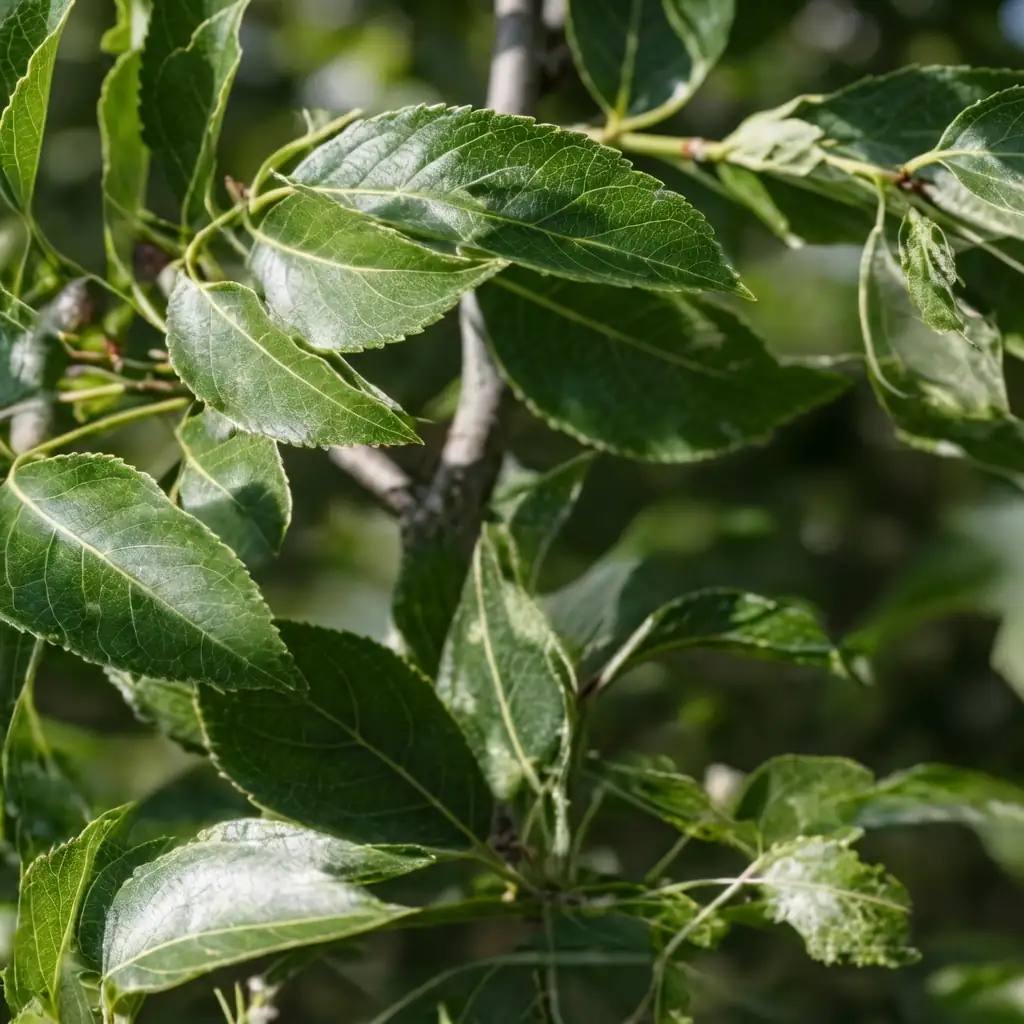
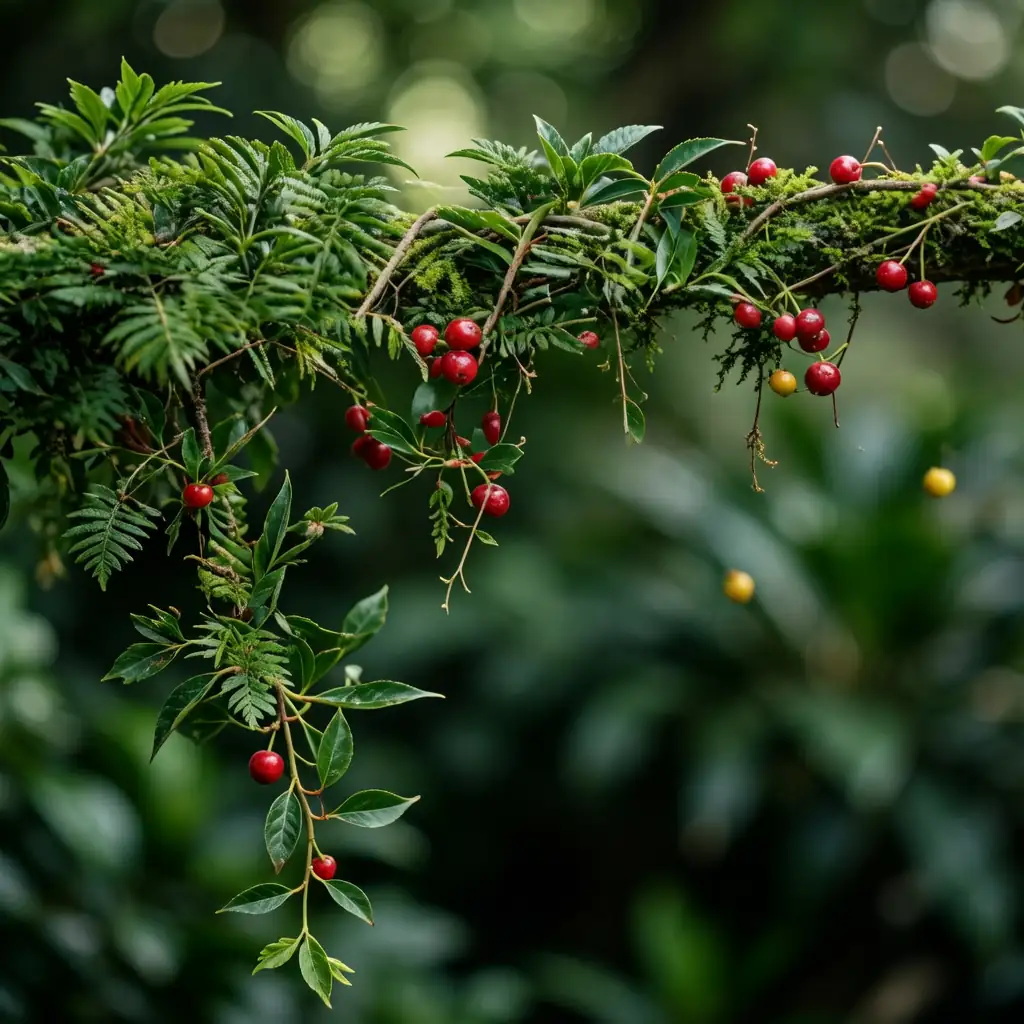
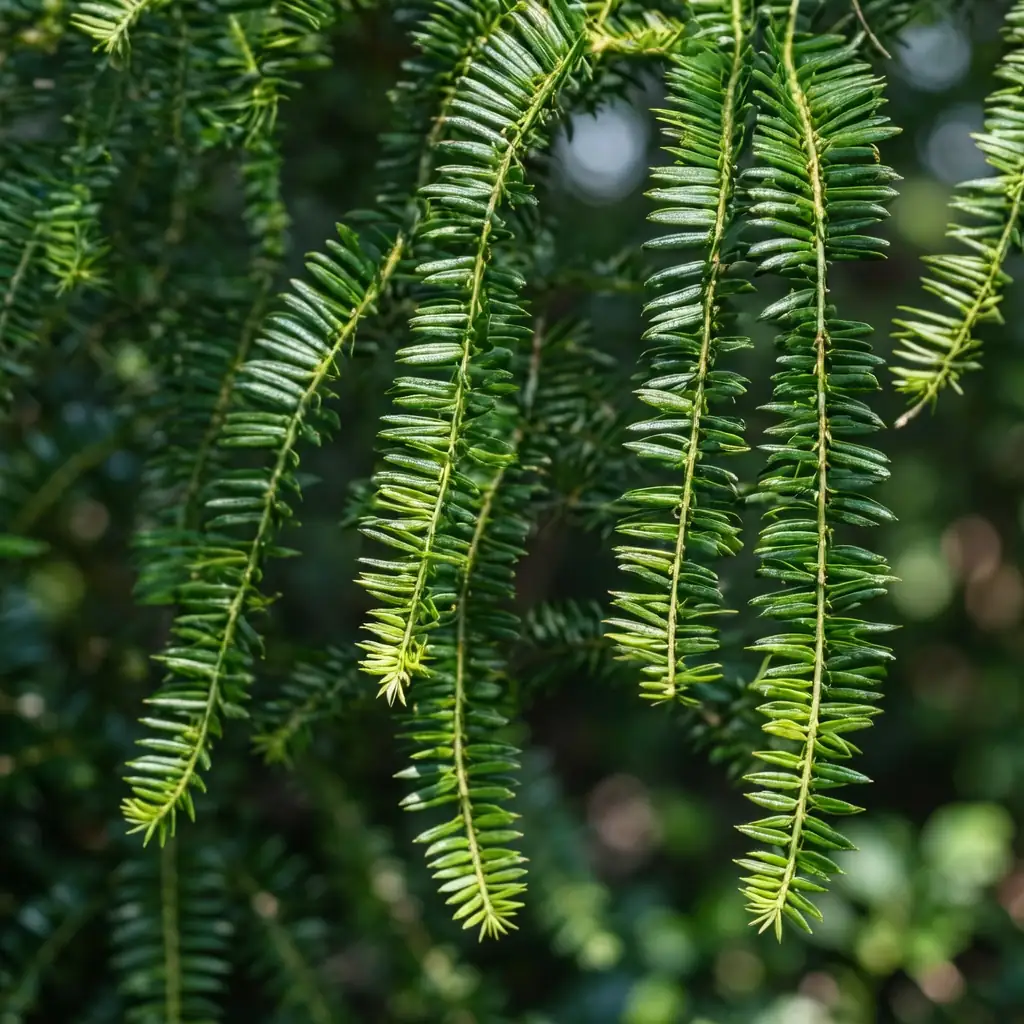
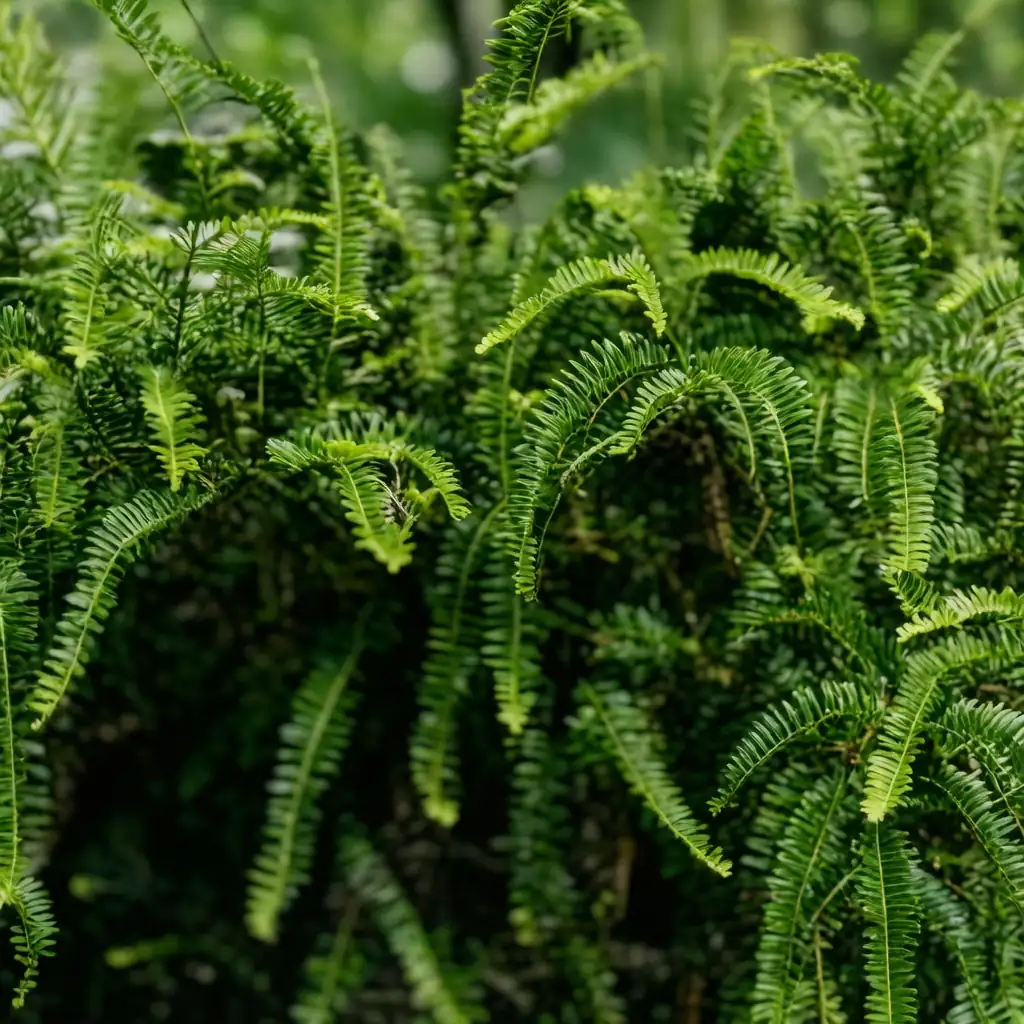
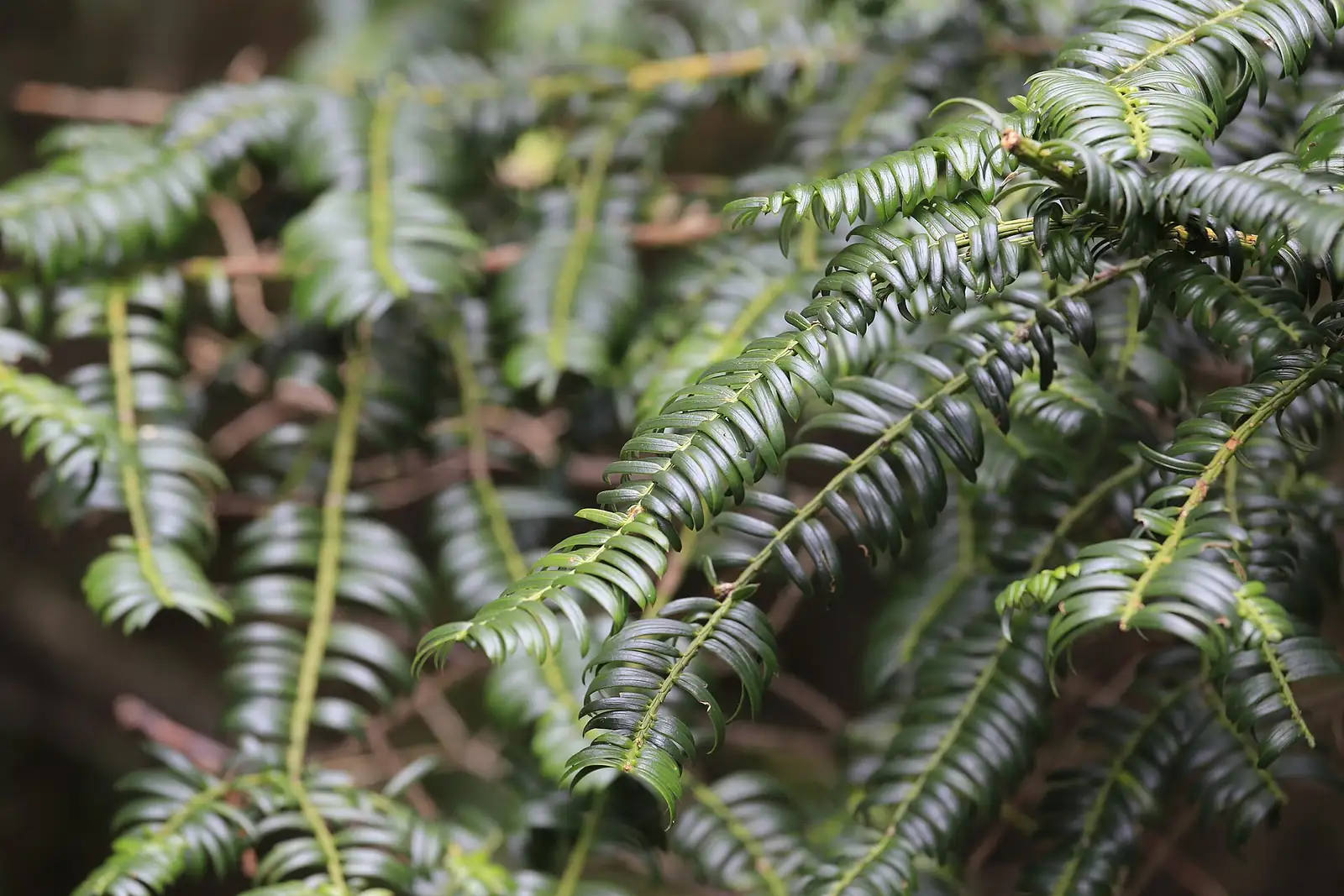
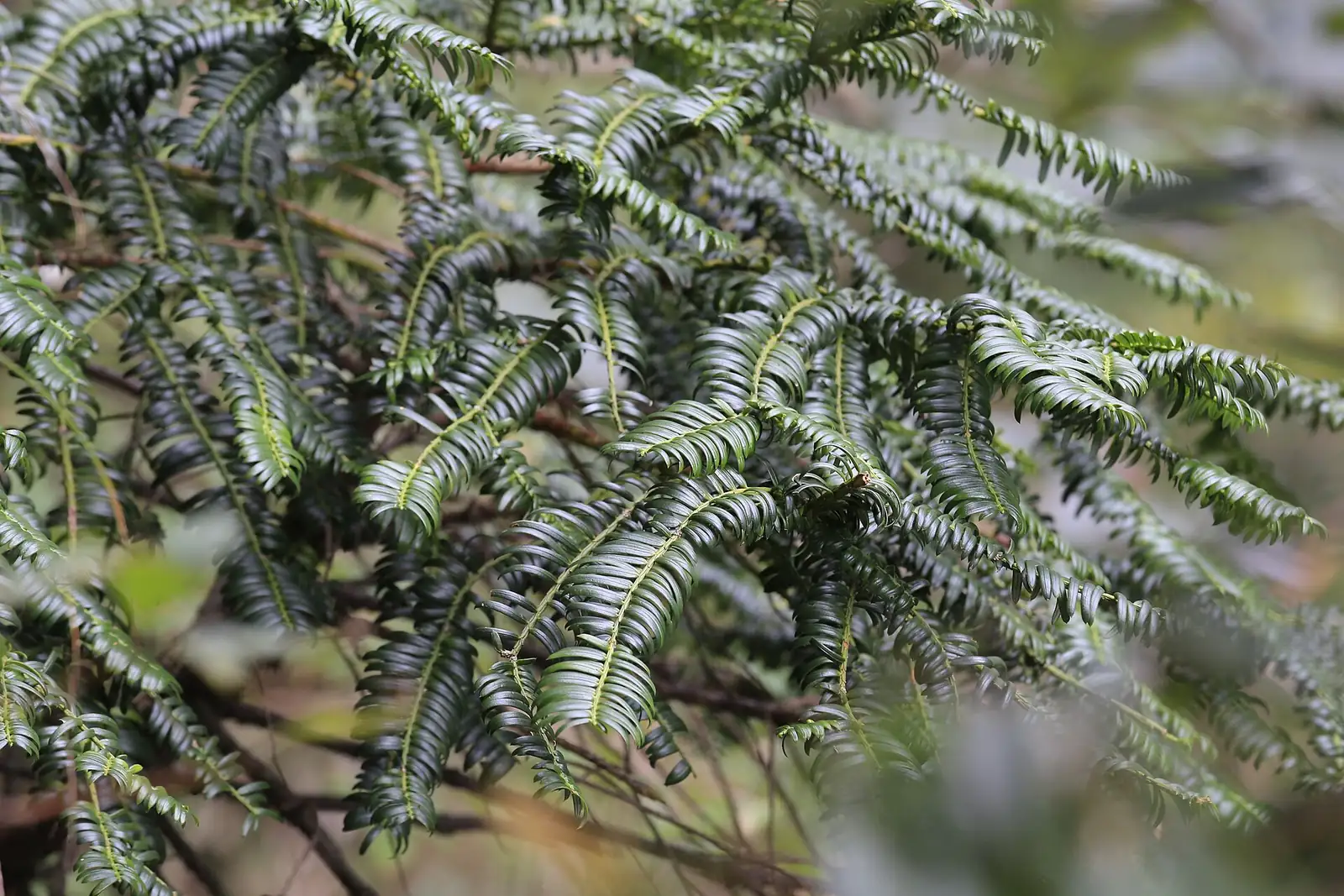
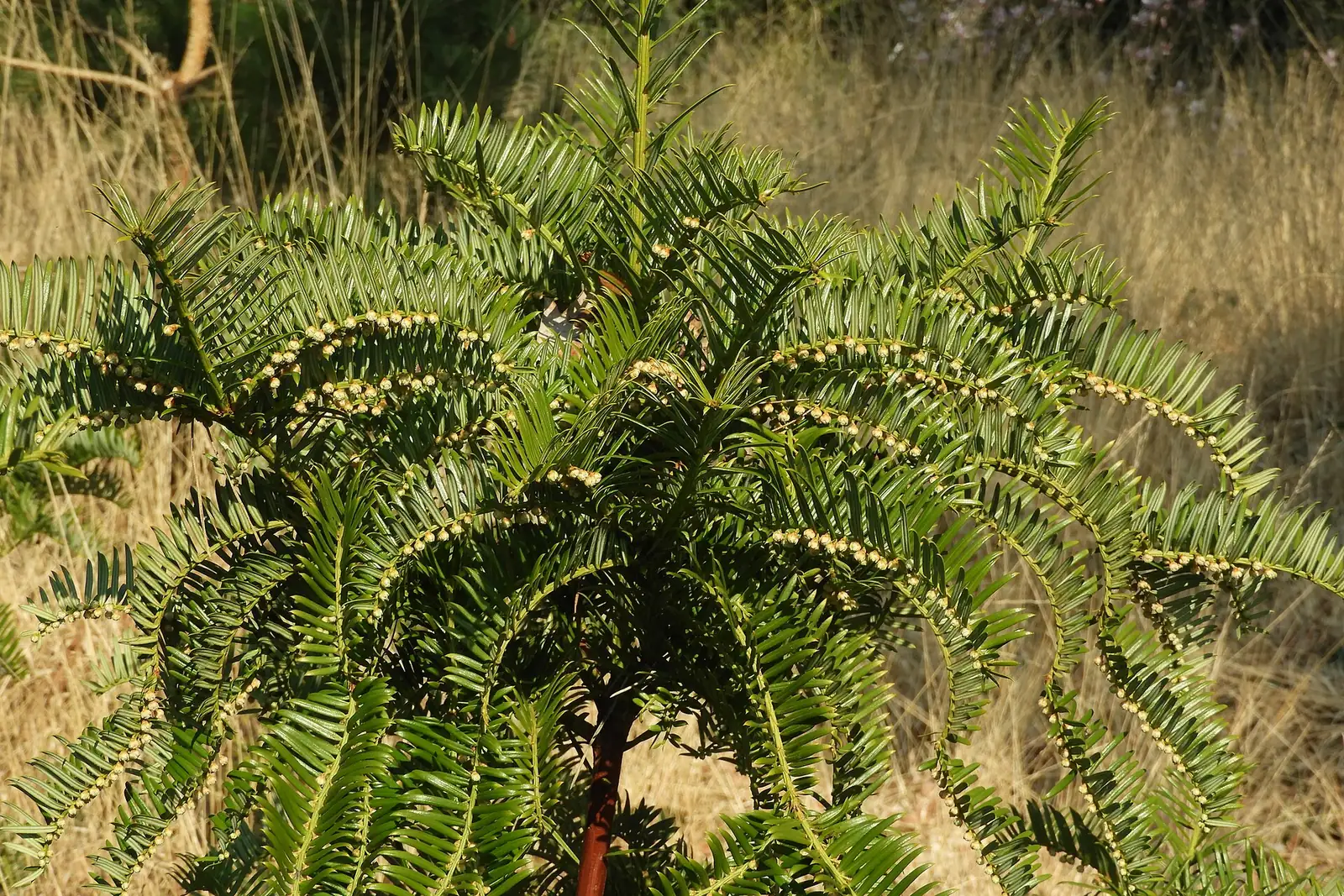
- Foliage: Needle-like leaves are linear and arranged in two ranks (a flattened, combed look). They are nearly sessile with a rounded base; the upper surface is deep green with a clearly visible midrib. The needles are characteristically coarse and stiff. Bark is gray to gray-brown.
- Flower: Male cones are oval and appear in clusters that look head-like, with bracts at the base. Seeds develop along the axis and are ovoid to nearly spherical, ripening in late summer to autumn.
- Flowering Season: March–April
- Growth Habit: Evergreen shrub or small tree with a tidy crown. Strongly shade-tolerant, prefers cool and moist conditions, relatively cold-hardy, and vigorous at resprouting after pruning.
Environment
Sunlight
Full shade to partial shade; especially happy in bright shade, woodland light, and under-tree conditions.
Temperature
Prefers cool to mild conditions; a comfortable growing range is about 5–25°C (41–77°F). Once established, it tolerates winter cold in suitable climates.
Humidity
Enjoys consistently moist air and evenly moist (not soggy) soil; avoid prolonged hot, dry exposure.
Soil
Moist but well-drained, humus-rich soil is ideal. It adapts to various mountain soils and can grow over granite, sandstone, or limestone, but performs best in organically enriched loam with reliable drainage.
Placement
Woodland gardens, shaded borders, under taller trees, and foundation plantings. Works as a specimen, group, or mass planting. Suitable for containers when young, and for pruning, topiary-style shaping, or bonsai as it matures.
Hardiness
Typically grown in USDA Zone 6–9 (about -23 to -1°C / -10 to 30°F), depending on provenance and site exposure; not fond of harsh, drying winds or extreme heat.
Care Guide
Difficulty
Easy to moderate. It’s adaptable and notably shade-tolerant, handles pruning well, and is relatively cold-hardy—making it forgiving for gardeners and excellent for shaping or bonsai work.
Buying Guide
Pick plants with dense, evenly green needles and no browning tips. Avoid severely pot-bound plants with circling roots, and check that the rootball is moist but not sour-smelling. If you want to train or bonsai it, choose a younger plant with multiple shoots and good basal branching.
Watering
Water deeply after planting and keep evenly moist while it establishes. After that, water when the top 2–5 cm (1–2 in) of soil dries. Avoid waterlogging—constantly wet soil can lead to root problems.
Fertilization
In spring, use a balanced slow-release fertilizer at label rates, or top-dress with compost. For container plants, feed lightly during active growth. Avoid heavy nitrogen that can push soft, weak growth.
Pruning
Very tolerant of pruning and readily resprouts. Prune in late winter to early spring or after the spring flush to shape. Remove dead, crowded, or crossing shoots. Excellent for clipping into forms and for bonsai training.
Propagation
Propagate by seed (collect when ripe in late summer to autumn) or by semi-ripe cuttings. Seeds often benefit from cold stratification. Cuttings root best with bottom heat and steady humidity.
Repotting
For container plants or bonsai, repot every 2–3 years (or when roots fill the pot), ideally in spring. Use a free-draining, organic-rich mix, and avoid removing too much root mass in one go.
📅 Seasonal Care Calendar
Flowers in March–April. Seed/fruiting is mainly August–October, with seeds typically maturing during August–October.
Pests, Diseases & Safety
Common Pests & Diseases
Generally resilient. Watch for scale insects, and spider mites during hot, dry spells. Root issues can occur if soil stays waterlogged. Improve airflow, water appropriately, and treat pests with horticultural oil or insecticidal soap when needed.
Toxicity
Toxicity references for this species are not consistently standardized. As a safe rule, avoid ingestion (especially by children and pets) and consider gloves if you have sensitive skin when handling or pruning.
Culture & Symbolism
Symbolism: Like many evergreen conifers, it’s often associated with endurance, steadiness, and longevity—bringing reliable year-round structure to shady gardens.
History & Legends: A China-endemic plum yew valued mostly as an ornamental for shaded landscapes. Gardeners also prize it for its willingness to be trained—whether into clipped forms or bonsai.
Uses: Ornamental evergreen for woodland and shaded plantings, foundation beds, and underplanting beneath taller trees. Ideal for shaping and clipping; can be grown in containers when young and developed into bonsai over time.
FAQ
When does Chinese plum yew flower?
It flowers in March–April.
When do the seeds ripen?
Seeds typically ripen from August–October (late summer into autumn).
How tall can it grow?
In good conditions it can reach up to about 15 m (49 ft), though it’s often kept smaller as a shrub or small tree in gardens.
Where is it native to?
It is endemic to China and occurs widely across many provinces, typically in mountain habitats on granite, sandstone, or limestone.
What conditions does it prefer?
Shade to partial shade, cool-to-mild temperatures, evenly moist conditions, and humus-rich, well-drained soil.
How is it used in landscaping?
It’s a go-to evergreen for shaded foundation plantings and woodland underplanting, and it also shines as a clipped specimen or bonsai because it resprouts well after pruning.
Fun Facts
- It’s a China-endemic conifer that can look like a dense shrub or a neat, small tree—depending on how it’s grown and pruned.
- Unlike many conifers, it tolerates deep shade, which is why it’s so useful under mature trees.
- It resprouts vigorously after pruning, making it unusually forgiving for shaping and training.
- Seeds mature in late summer to autumn, typically August–October.
- In favorable sites it can eventually reach around 15 m (49 ft) tall.