Plant Features
- Size: Typically 20–60 cm (8–24 in) tall; often spreads loosely as a low, sprawling plant.
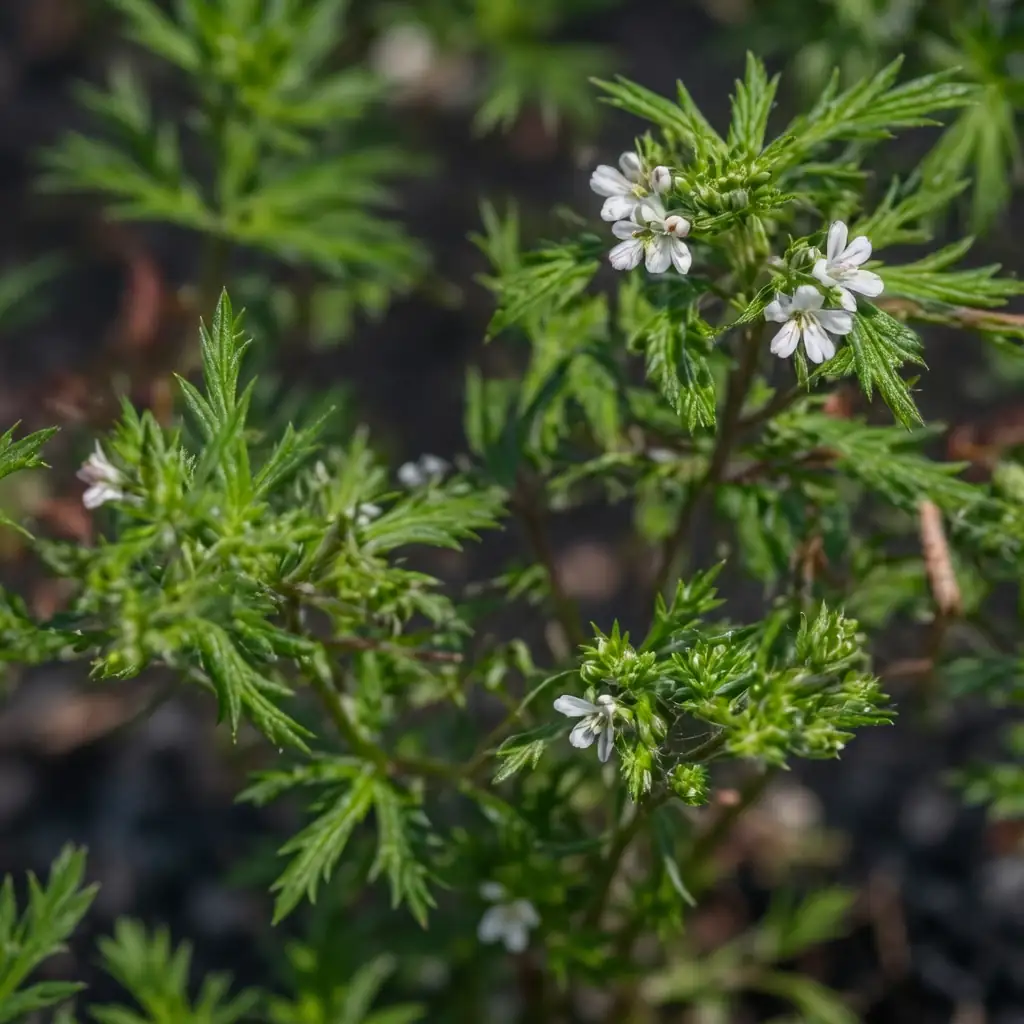
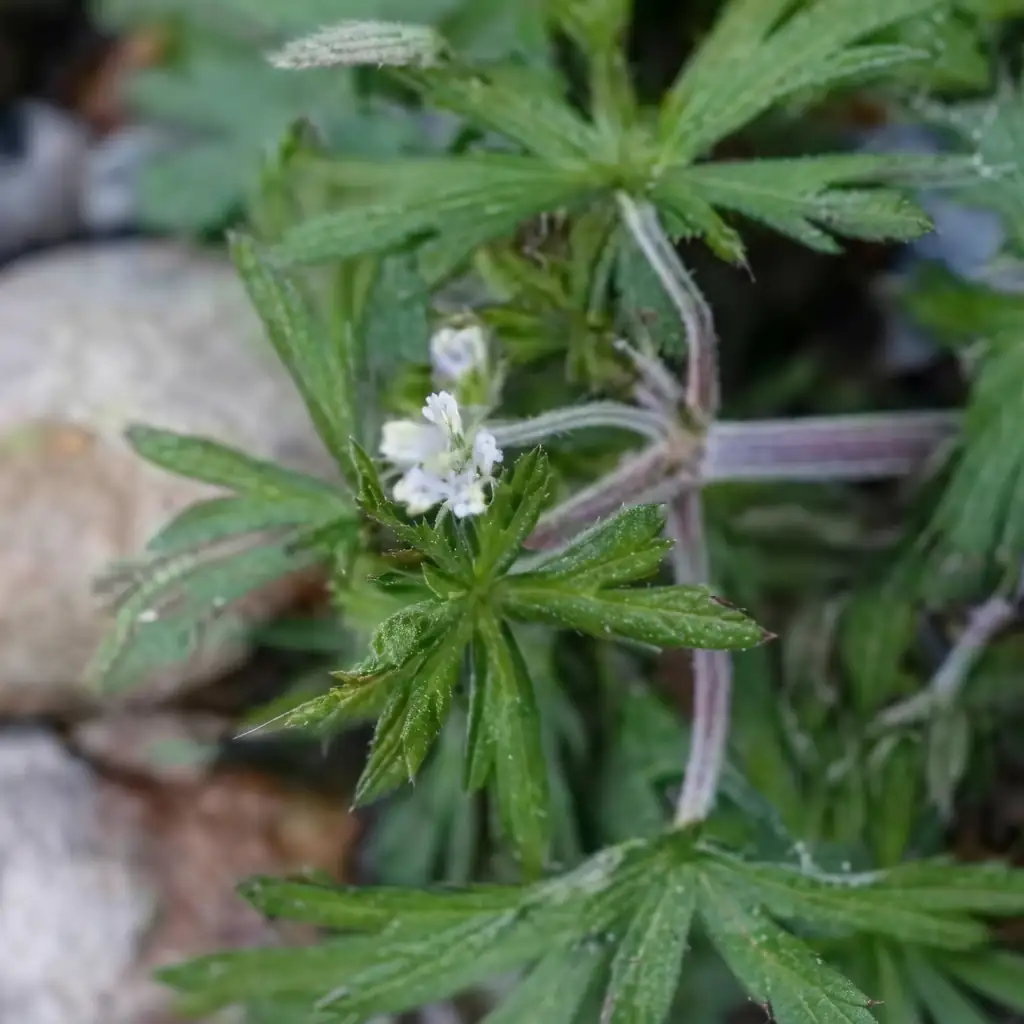
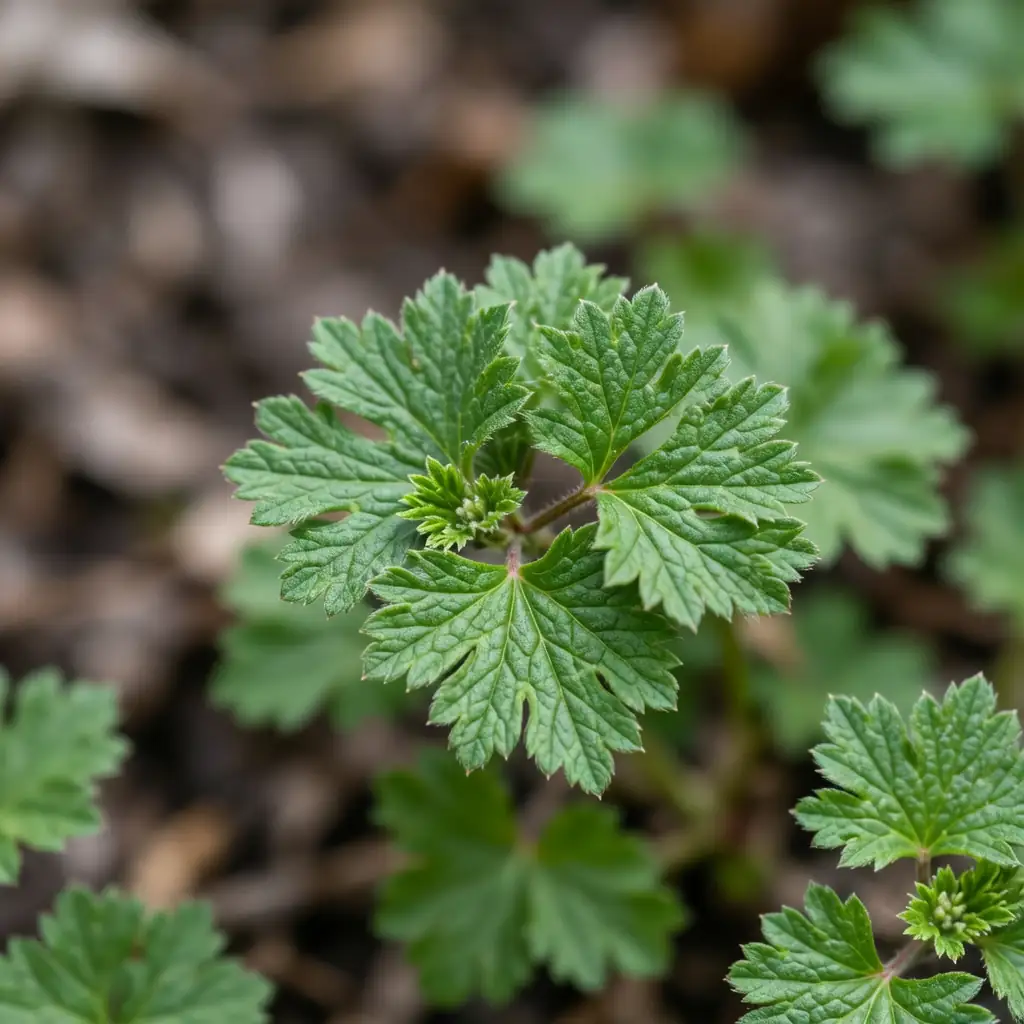
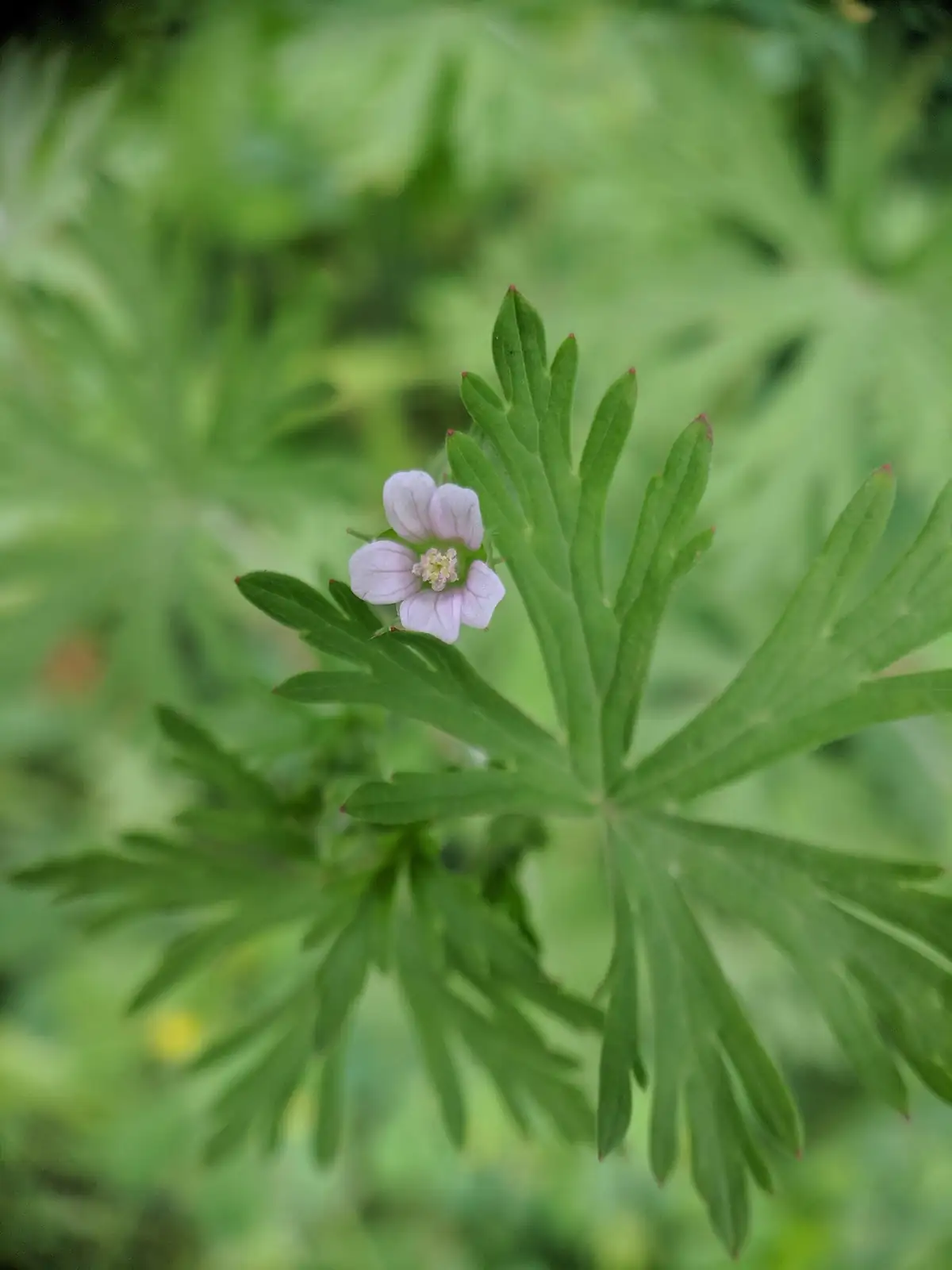
- Foliage: Leaves are rounded to kidney-shaped with a heart-shaped base, deeply palmately divided into wedge- to diamond-shaped segments. The segments often have narrow secondary lobes with pointed tips. Stem leaves are alternate, though upper leaves may sometimes appear opposite.
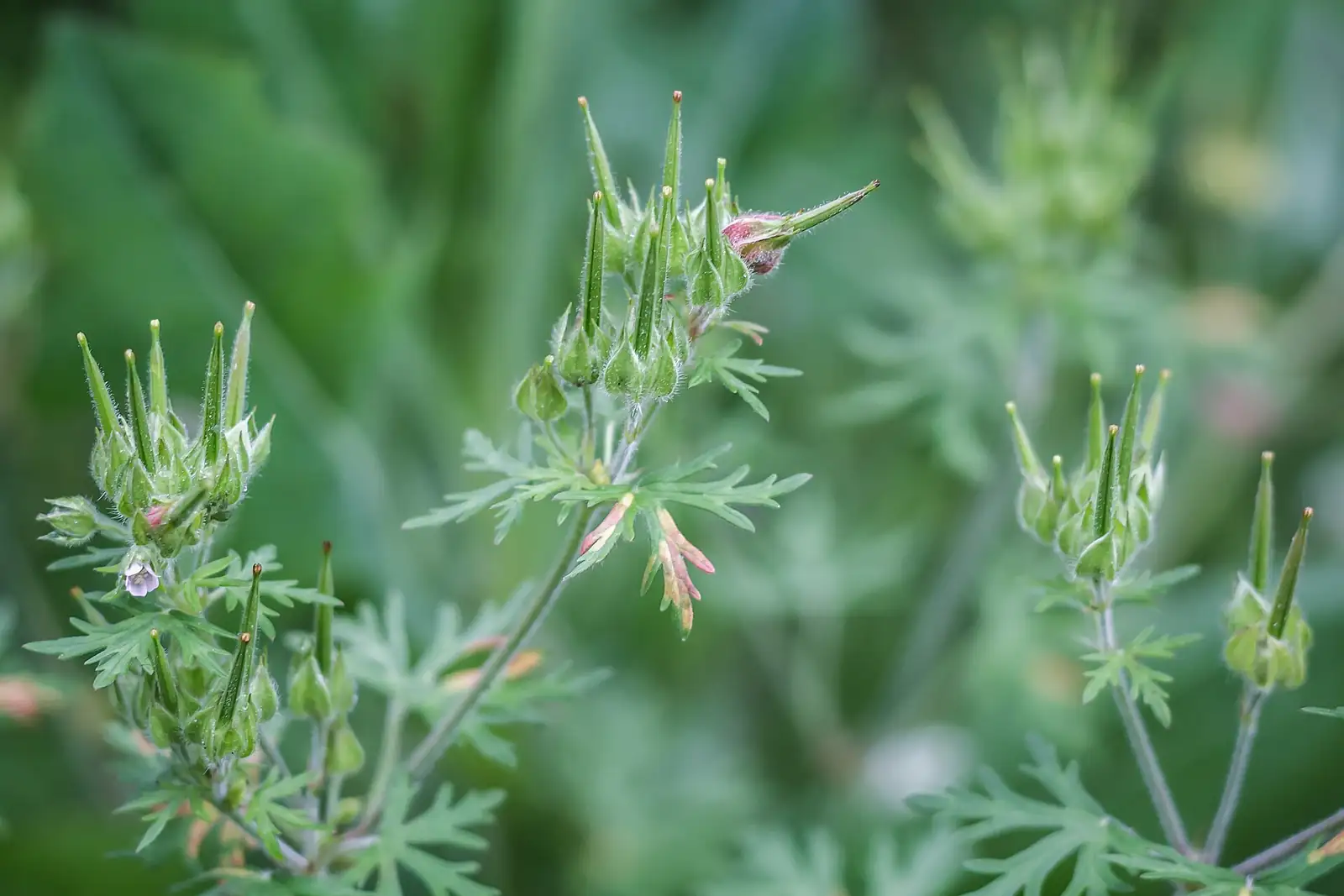
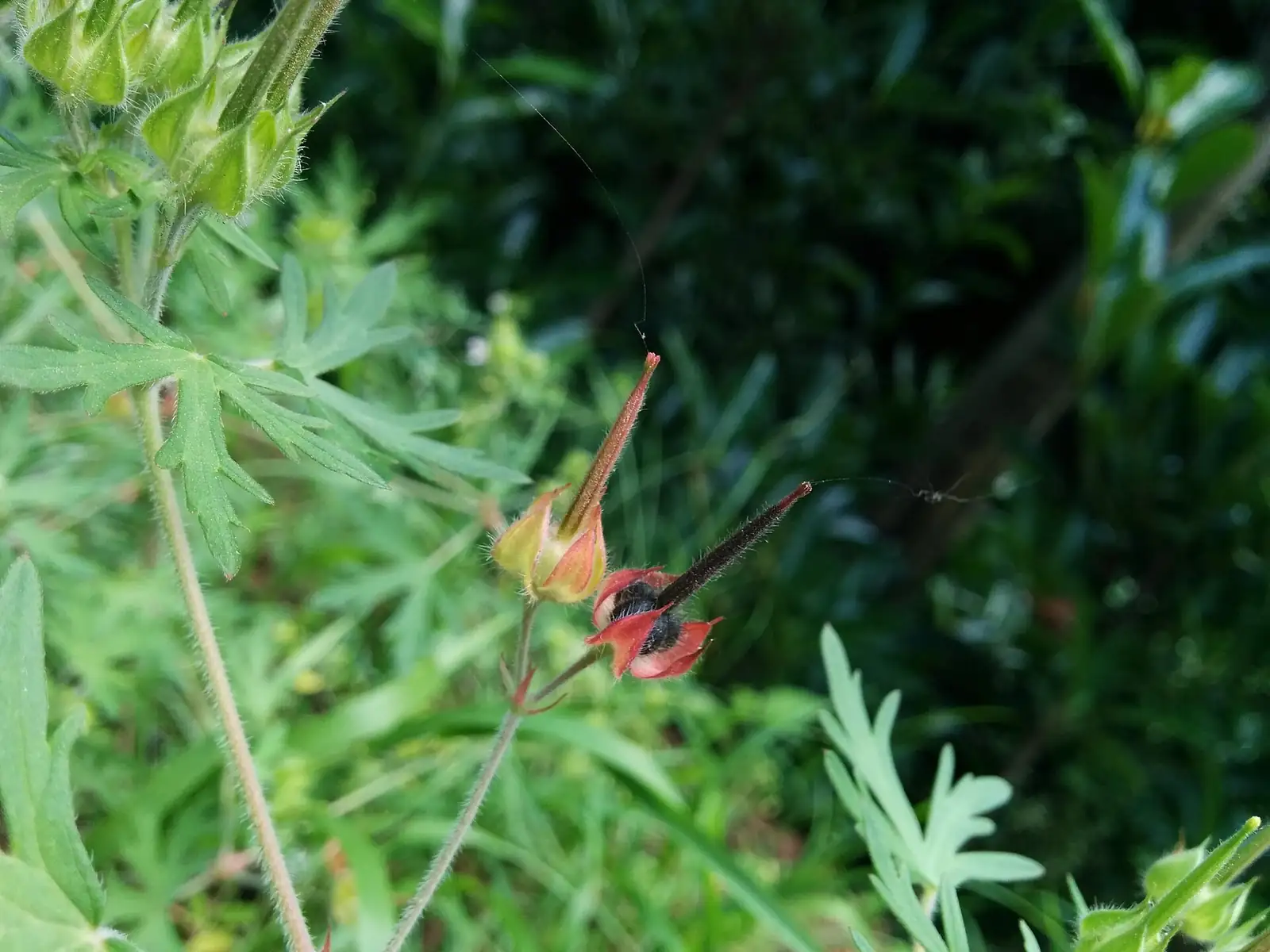
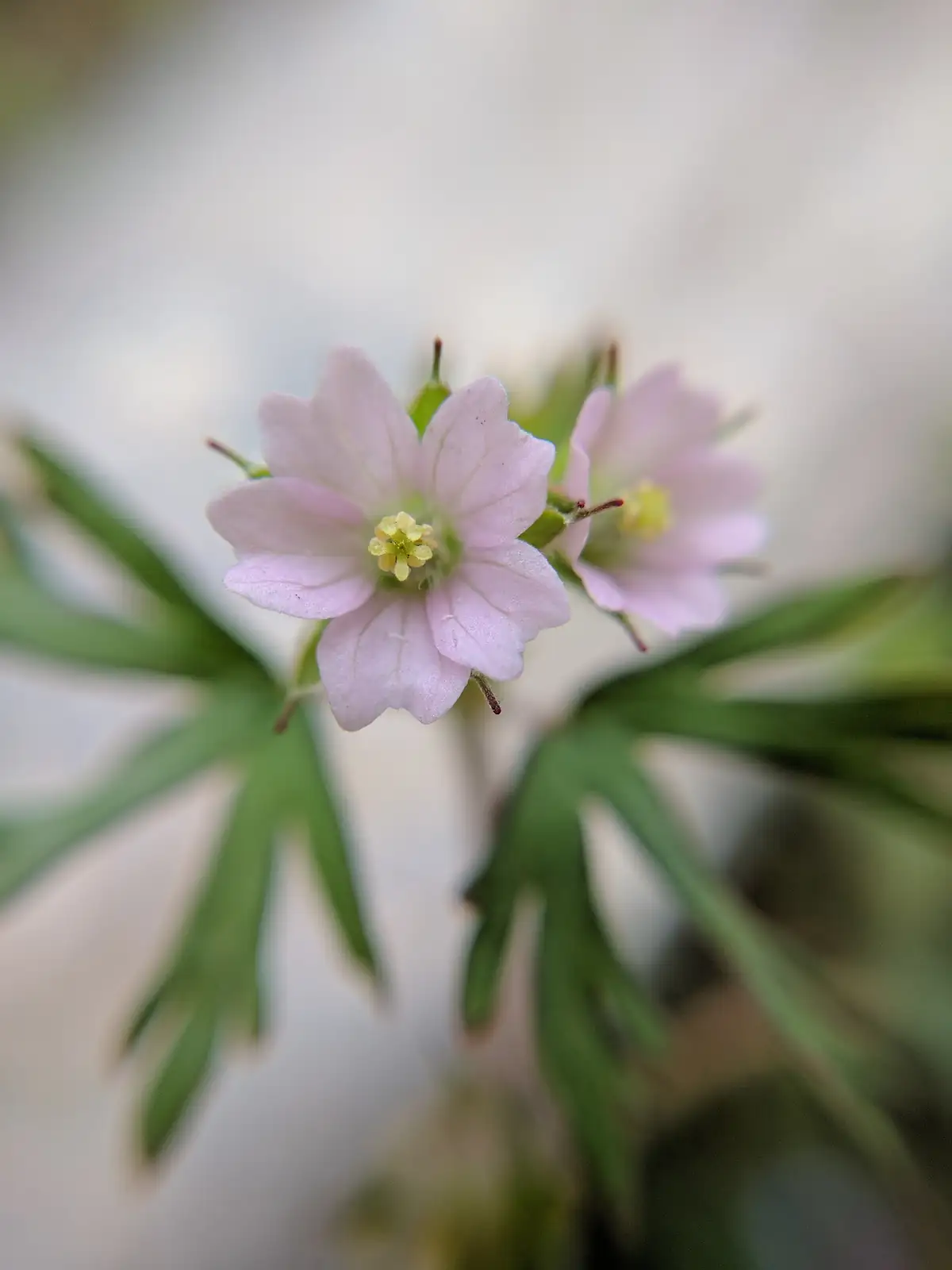
- Flower: Small flowers appear in compact, umbel-like clusters from leaf axils and at stem tips. Petals are obovate and usually pale pink to pale purplish-red. After flowering, it produces a distinctive beaked capsule (the “cranesbill” fruit) about 2 cm (0.8 in) long, covered with short, soft hairs.
- Flowering Season: April–July
- Growth Habit: Annual herb with a low, sprawling to nearly prostrate habit.
Environment
Sunlight
Full sun to light shade; blooms most heavily in full sun.
Temperature
Prefers mild to warm weather and tolerates cooler conditions; about 10–25°C (50–77°F) is ideal during active growth.
Humidity
Adaptable; handles humidity and moderately moist air, but avoid stagnant, constantly damp conditions—good airflow helps prevent mildew and leaf spots.
Soil
Does best in loose, fertile, moisture-retentive loam with good drainage. Tolerates many soil types as long as the site isn’t waterlogged.
Placement
Naturalistic beds, meadow edges, informal groundcover areas, and wildlife-friendly gardens—especially where self-seeding is welcome.
Hardiness
Cold-tolerant annual; generally not frost-tender. Often aligns with USDA Zones 3–9 (as an annual; local behavior varies with climate and self-seeding).
Care Guide
Difficulty
Easy. A resilient, self-seeding annual that needs little attention once established.
Buying Guide
Pick plants with fresh green foliage and sturdy stems. Avoid pots that smell sour or look waterlogged, and skip plants with heavy spotting or mildew. For seed, choose reputable sellers and current-season seed for better germination.
Watering
Water regularly while establishing, keeping soil evenly moist but never soggy. Once growing strongly, water mainly during prolonged dry spells. Let the top 2–3 cm (0.8–1.2 in) of soil dry slightly between waterings.
Fertilization
Usually unnecessary in average soil. If growth looks weak, use compost or a light, balanced fertilizer at 1/4–1/2 strength once in spring. Avoid heavy feeding, which can push leafy growth at the expense of flowers.
Pruning
Optional: deadhead lightly to keep it tidy, but leave some seedheads if you’d like it to reseed. Remove plants after seeds drop or at season’s end.
Propagation
Primarily by seed. It readily self-sows in suitable spots. Sow seed in fall or early spring for best results.
Repotting
Not typically needed (annual). In containers, pot up once into a larger pot around 15–20 cm (6–8 in) wide when roots begin to fill the current container.
📅 Seasonal Care Calendar
Flowering April–July; fruiting/seed set May–September. For reliable return, allow some fruits to mature and avoid heavy mulching or frequent soil disturbance where you want seedlings.
Pests, Diseases & Safety
Common Pests & Diseases
Usually trouble-free. Crowded, damp conditions can lead to leaf spot or powdery mildew—space plants, improve airflow, and avoid overhead watering late in the day. Aphids or slugs may appear in lush growth; manage with hand removal, barriers, or targeted, garden-safe controls.
Toxicity
Not generally regarded as highly toxic, but ingestion may cause mild gastrointestinal upset in sensitive people or pets. Avoid self-medicating; seek professional guidance for any herbal use.
Culture & Symbolism
Symbolism: Often linked with resilience and modest, everyday beauty—an unassuming wildflower that thrives where it’s allowed to be natural.
History & Legends: No well-known legends are strongly tied to this particular species; it’s best known as a common wild geranium of open, disturbed habitats.
Uses: Ornamental: a charming, naturalistic spring-to-summer groundcover and wildflower for meadow-style plantings. Traditional herbal use: the whole plant has been used as an astringent and sometimes for digestive upsets (not a replacement for medical care).
FAQ
Will Carolina geranium come back every year?
It’s an annual, but it often returns by self-seeding. Let some seedheads mature and avoid heavy mulch or frequent digging where you want it to reappear.
Does it need full sun?
Full sun gives the best flowering, but it tolerates light shade—especially helpful in hotter areas.
Fun Facts
- In China it has been recorded from multiple provinces, including Shandong, Anhui, Jiangsu, Zhejiang, Jiangxi, Hunan, Hubei, Sichuan, and Yunnan.
- Its classic “cranesbill” fruit is a beaked capsule about 2 cm (0.8 in) long.
- The flowers are often pale pink to pale purplish and appear in small, clustered sprays.
- Because it self-seeds readily, it can show up as a welcome “volunteer” in natural-style gardens.
- It belongs to the geranium family (Geraniaceae) in the genus Geranium.