Plant Features
- Size: Typically kept under 1.2 m (4 ft) with regular pruning; if left unpruned it can reach about 3–5 m (10–16 ft).
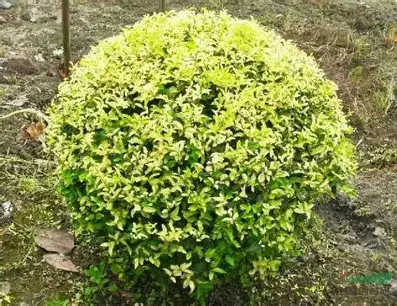
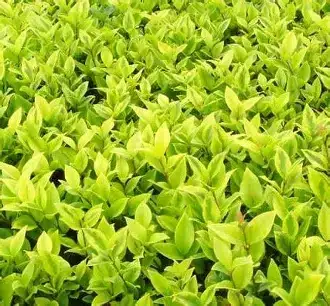
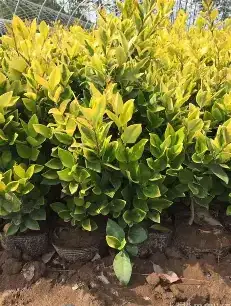
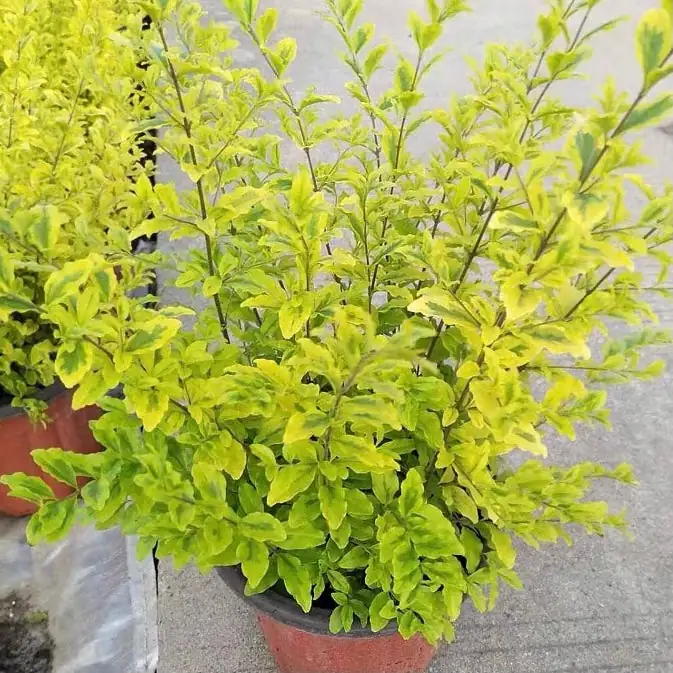
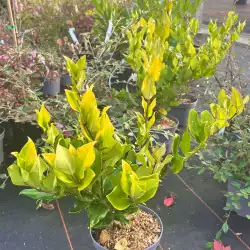
- Foliage: Densely branched plant with opposite, oval leaves that feel thick and leathery. Spring growth is especially vivid—bright yellow to yellow‑green—then settles into a deeper golden tone, often looking richest in cooler seasons.
- Flower: Small, white, fragrant flowers carried in branched clusters (panicles). After flowering, oval fruits form and ripen into dark purple-black, berry-like drupes.
- Flowering Season: June–July (early to mid-summer)
- Growth Habit: Evergreen, densely branched shrub or small tree; naturally tidy-looking and very responsive to clipping and shaping.
Environment
Sunlight
Full sun to partial shade; the brightest golden leaf color develops in stronger light.
Temperature
Best growth around 15–30°C (59–86°F). Once established it tolerates light to moderate frost, but it is not a great choice for long periods of deep freezing.
Humidity
Adaptable to typical outdoor humidity. In tight hedges, good airflow helps prevent pest buildup and sooty mold.
Soil
Not fussy—does well in many soil types (sandy to loamy) as long as they drain reasonably well. Avoid waterlogged, poorly drained sites.
Placement
Excellent for hedges, foundation planting, streetscapes, building edges, and large planters/rooftop landscaping where wind and occasional drought are common.
Hardiness
USDA Zone 7–10 (approx.); performance depends on winter severity, wind exposure, and how established the plant is.
Care Guide
Difficulty
Easy. Vigorous and forgiving, with strong tolerance of clipping and a wide range of soils.
Buying Guide
Pick plants with dense, even branching and clean leaves with no spotting. Avoid severely root-bound specimens (tight circling roots) and shrubs with sticky residue (often a sign of scale) or heavy leaf drop.
Watering
Water deeply after planting and keep evenly moist through the first growing season while roots establish. After that, it’s fairly drought-tolerant: water when the top 5–8 cm (2–3 in) of soil is dry—especially in heat, wind, or container/rooftop plantings.
Fertilization
Optional. To encourage faster growth and brighter foliage, use a balanced slow-release fertilizer in spring (follow label rates). In colder regions, avoid heavy nitrogen late in the season to reduce tender growth before winter.
Pruning
Prune anytime to maintain shape; commonly clipped several times during the growing season to keep hedges dense and under about 1.2 m (4 ft). Remove dead, damaged, or crossing branches as needed.
Propagation
Semi-hardwood cuttings in summer or hardwood cuttings from late autumn to winter. Propagate vegetatively (cuttings) to keep the cultivar’s golden foliage traits true.
Repotting
For container plants, repot every 2–3 years (or once roots fill the pot) into a slightly larger container using a fresh, well-draining mix.
📅 Seasonal Care Calendar
Spring: brightest yellow new growth—clip after growth flushes to thicken hedges. Summer (June–July): flowering period. Autumn (Oct–Nov): fruits mature and darken. Winter: in colder areas, avoid late-season heavy feeding; established plants tolerate some frost, but protect container plants from prolonged hard freezes.
Pests, Diseases & Safety
Common Pests & Diseases
Can attract sap-suckers such as scale insects, aphids, whitefly, and spider mites; sooty mold may appear after infestations. Root problems are more likely in poorly drained soils. Prevent issues with airflow, sensible watering, and early treatment using horticultural soap or oil when appropriate.
Toxicity
Toxic if ingested: privet leaves and especially the fruits can cause gastrointestinal upset in people and pets. Keep berries away from children and animals.
Culture & Symbolism
Symbolism: Often linked with endurance and resilience—an evergreen that stays dependable and tidy even in tough urban conditions.
Uses: Primarily ornamental. Grown for its golden foliage, dense habit, and excellent tolerance of pruning—making it a go-to shrub for hedges, foundations, streetside planting, and large containers (including rooftop greening).
FAQ
Why are the leaves greener and less golden?
Golden foliage colors up best in brighter light. If it’s shaded, move it to a sunnier spot if possible. Also avoid overdoing nitrogen fertilizer, which can push softer, greener growth.
Can I keep it small as a hedge?
Yes. It takes clipping very well and is commonly maintained under 1.2 m (4 ft) with regular pruning.
Fun Facts
- Native to Japan and Taiwan, it’s widely planted for urban greening in many regions.
- Spring growth can be a vivid yellow, often deepening to a richer gold as temperatures cool.
- It flowers in early to mid-summer, then forms dark purple-black fruits in autumn.
- With frequent clipping it stays compact, but left alone it can become a tall shrub or small tree around 3–5 m (10–16 ft).
- Its mix of drought tolerance, pruning tolerance, and soil adaptability makes it a classic streetscape and foundation shrub.