Plant Features
- Size: Typically 4–10 m (13–33 ft) long/tall when supported as a climber.
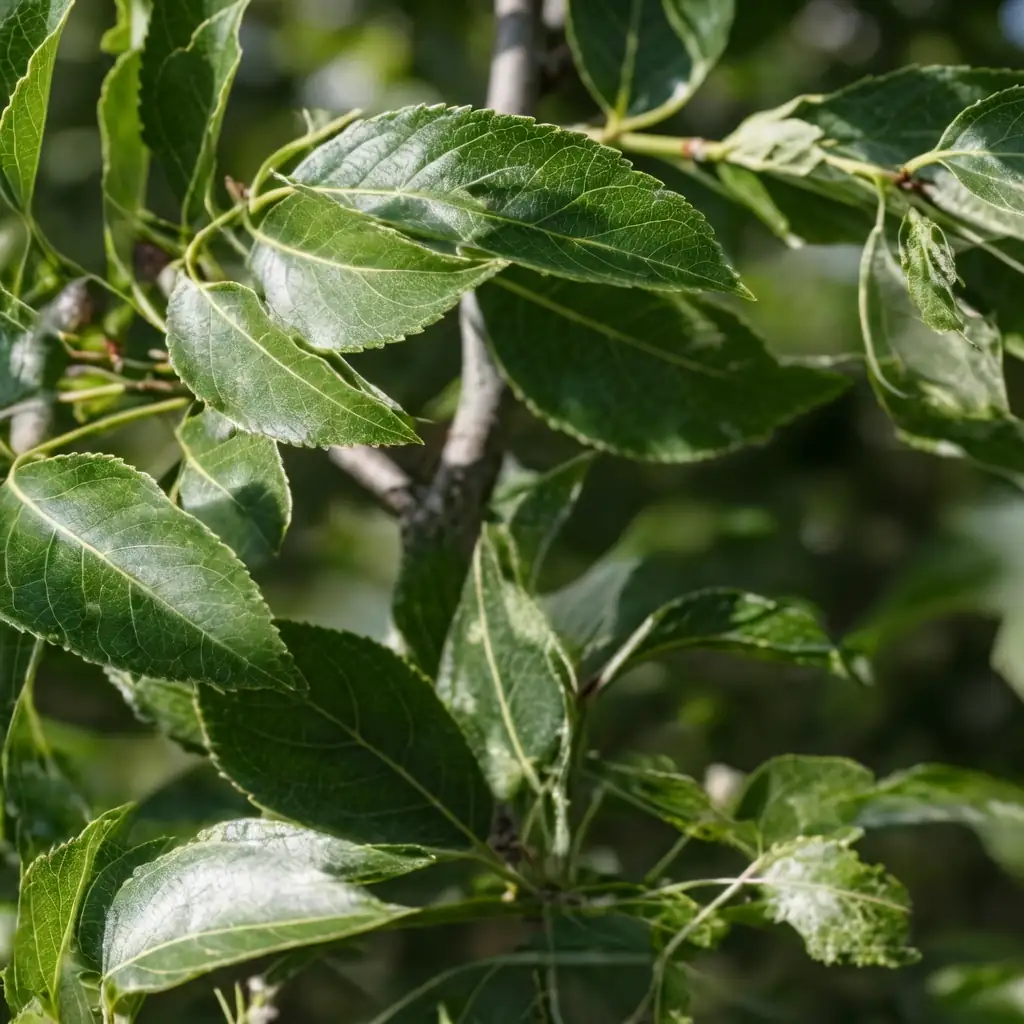
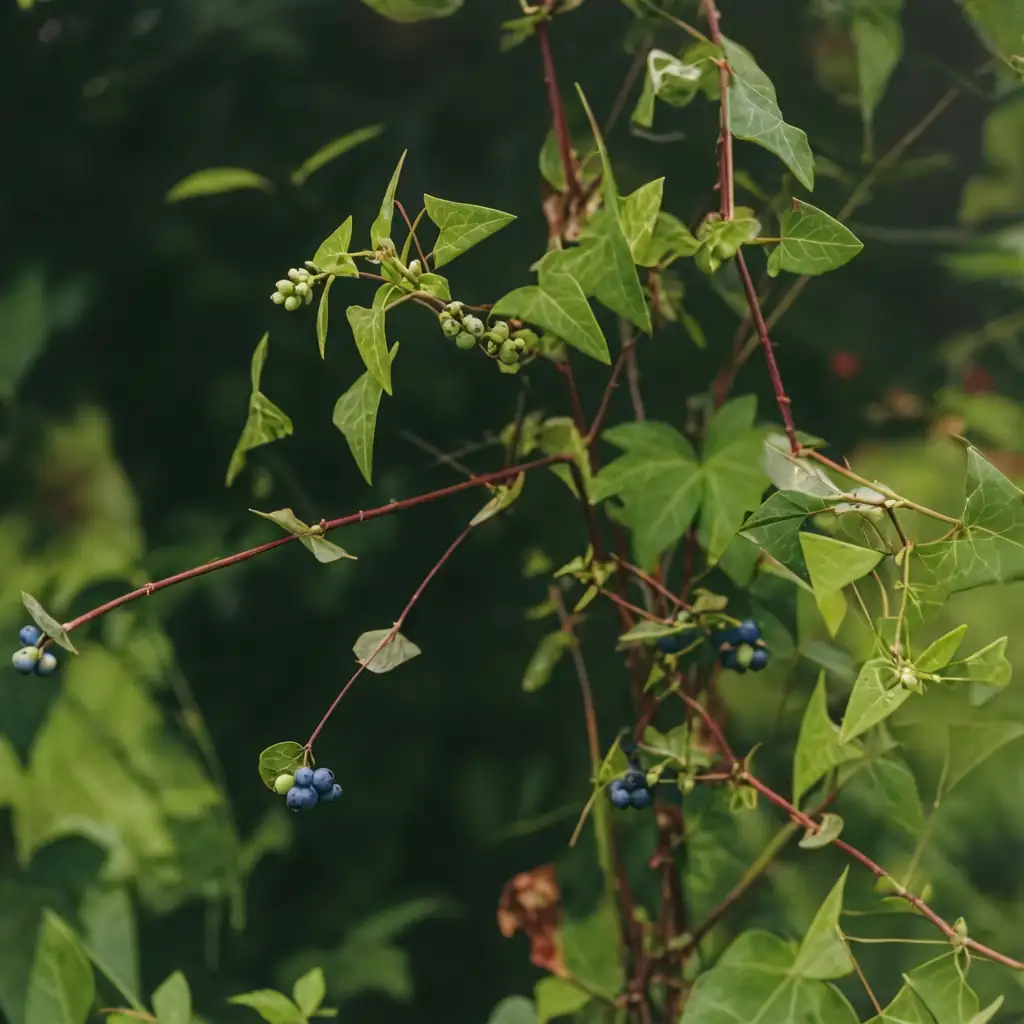
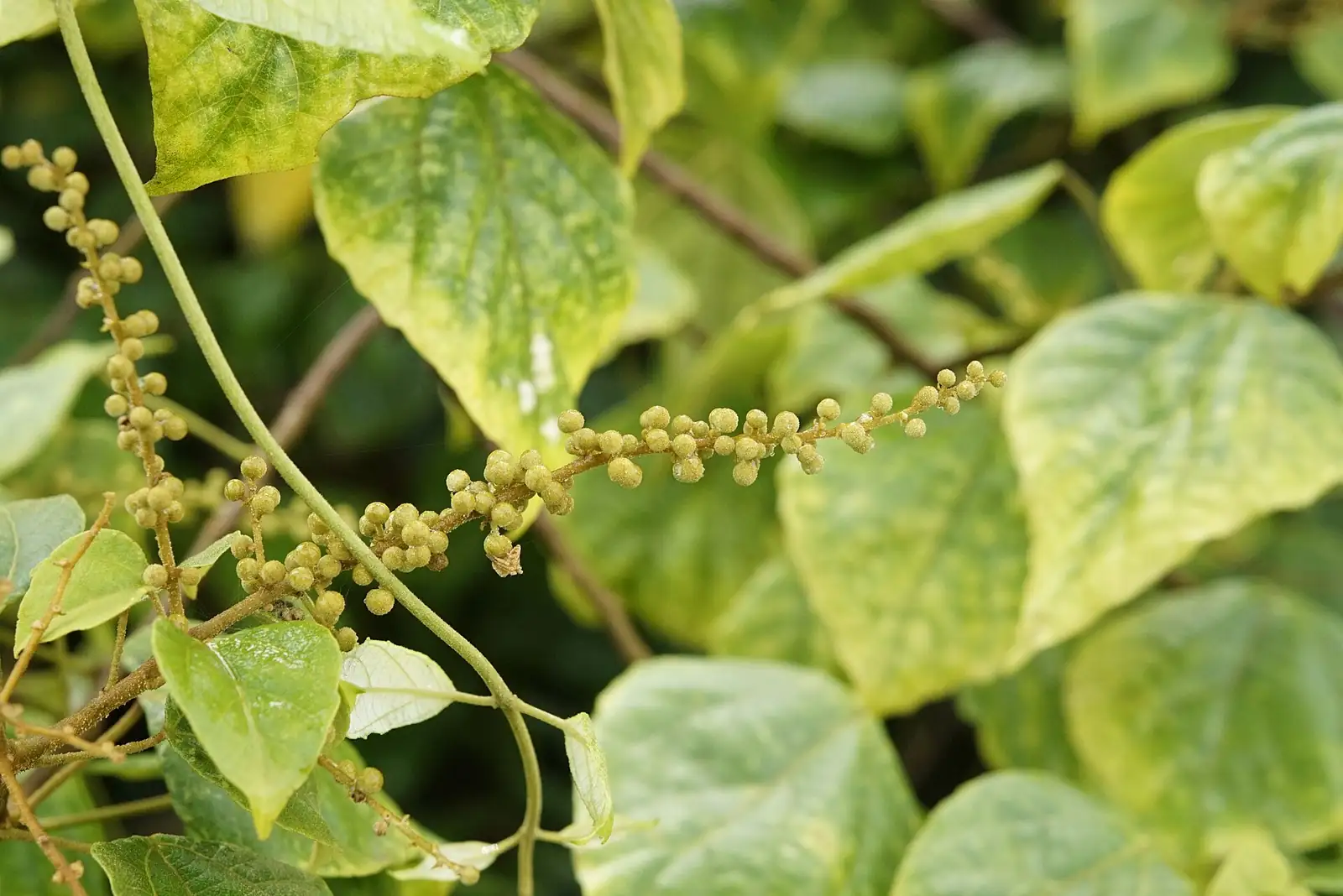
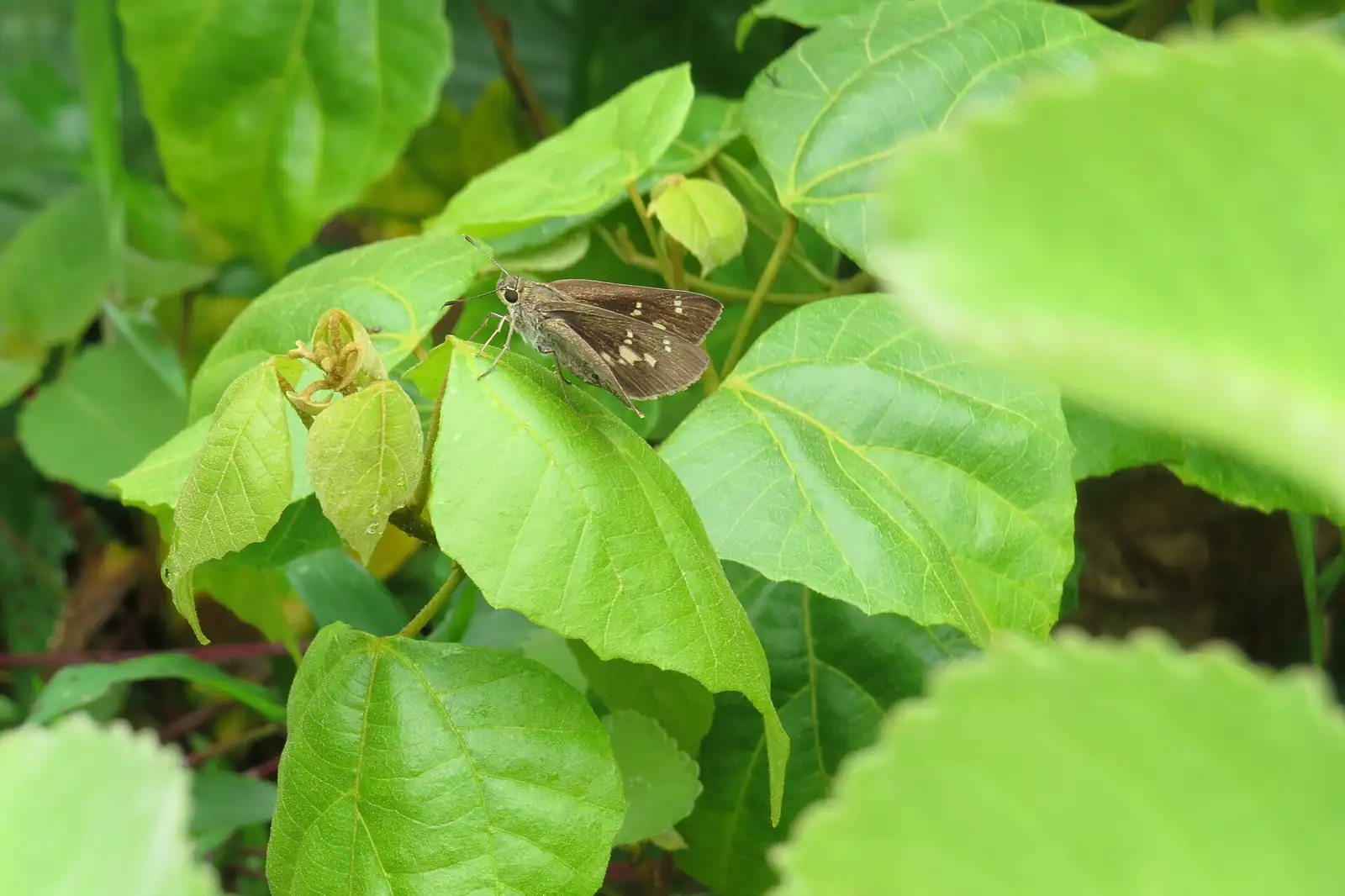
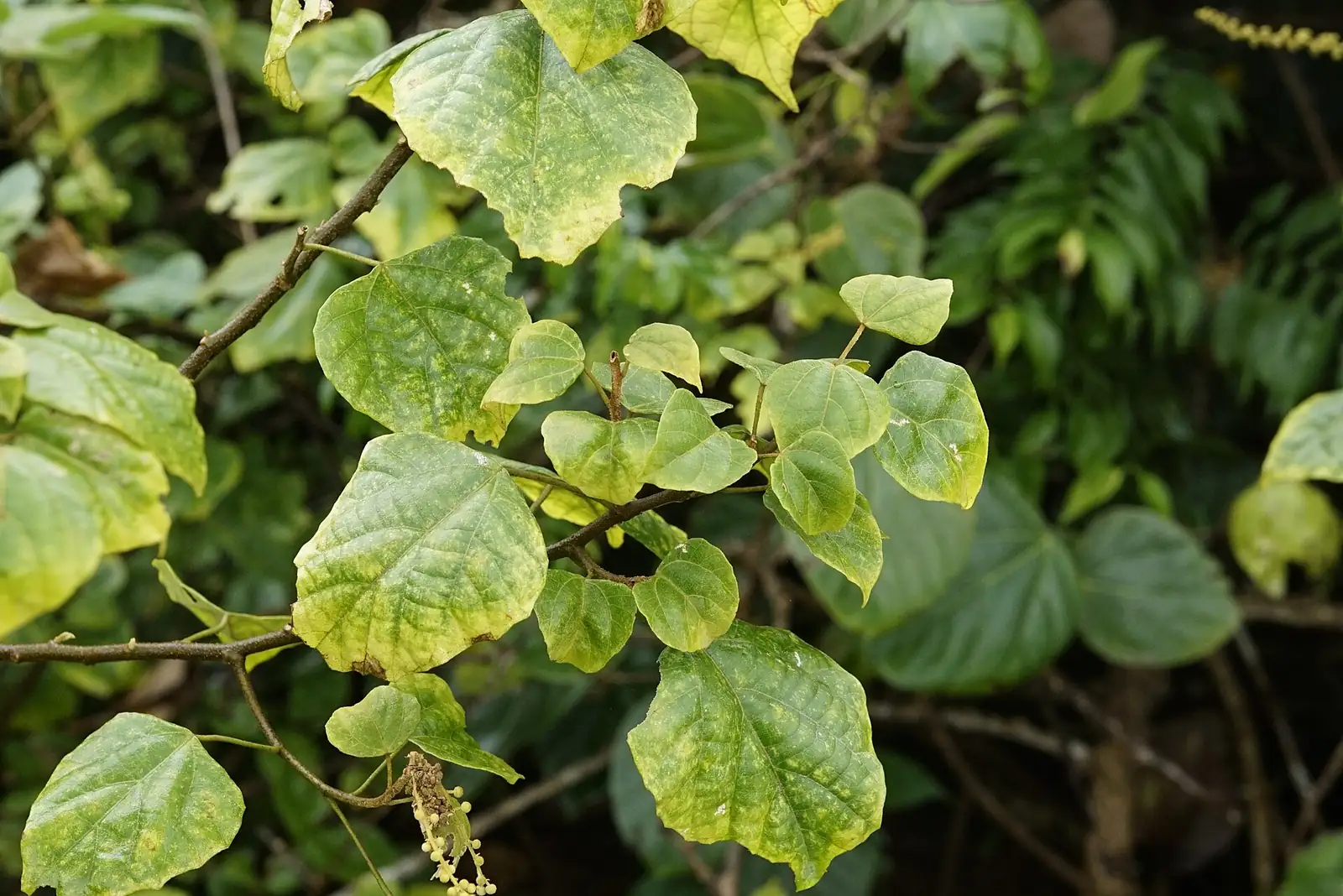
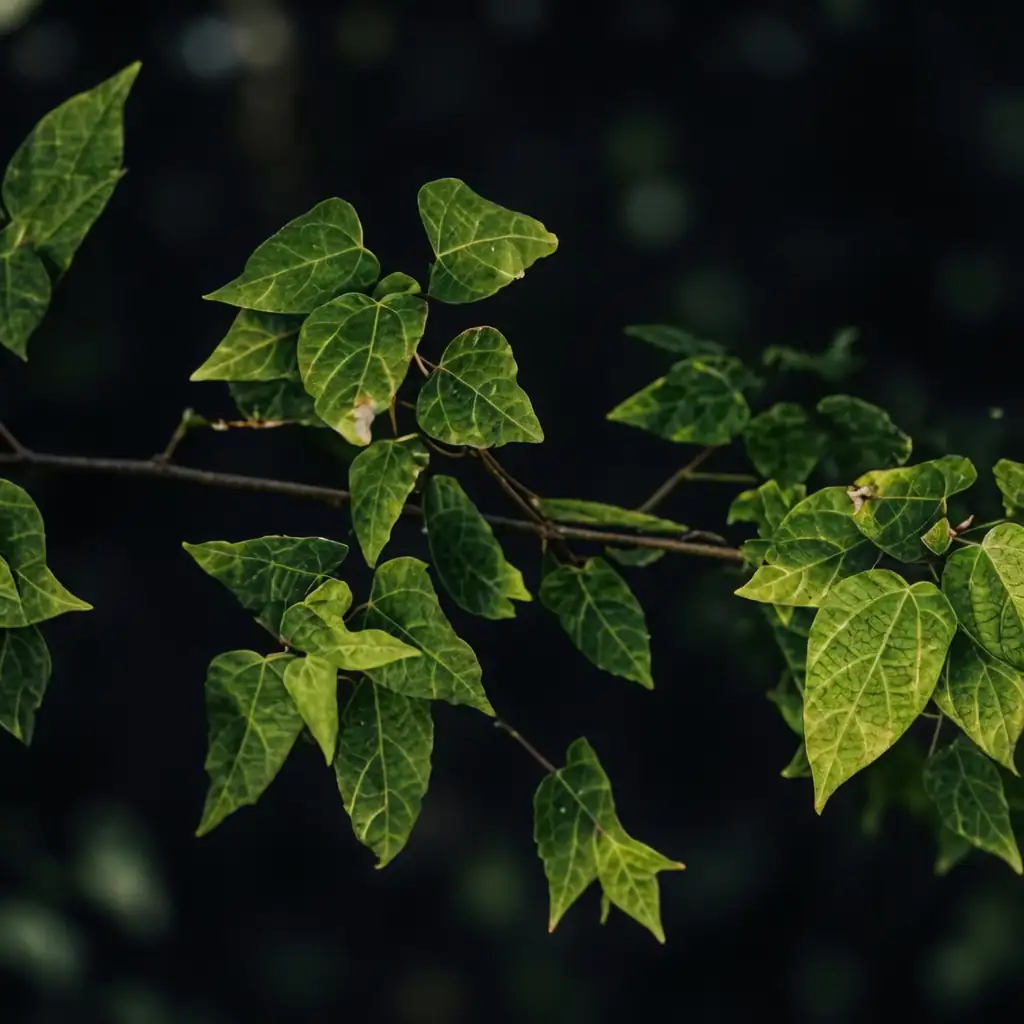
- Foliage: Leaves are alternate and papery to membranous, typically ovate to elliptic-ovate. Young twigs, petioles, inflorescences, and flower stalks are densely covered in distinctive yellow, star-shaped hairs; older branches become largely hairless and often develop visible lenticels.
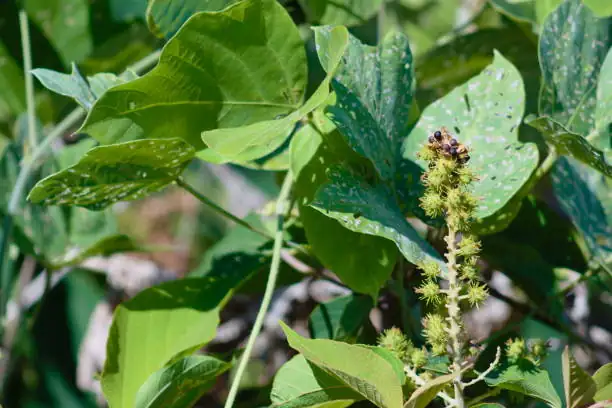
- Flower: Dioecious: male and female flowers are borne on separate plants. Flowers are carried in racemes that may branch near the base. Fruit is a capsule; seeds are egg-shaped, about 5 mm (0.2 in) across, black and glossy.
- Flowering Season: March–May
- Growth Habit: Vigorous climbing and scrambling shrub that needs support and space; adaptable in woodland-edge conditions.
Environment
Sunlight
Full sun to partial shade; happiest in bright light, ideally with a bit of protection from intensely hot, drying sun.
Temperature
Warm-temperate to subtropical conditions; roughly 15–30°C (59–86°F) in active growth. Protect from hard frost.
Humidity
Moderate to high humidity; generally comfortable in typical outdoor humidity across its native range.
Soil
Well-drained, fertile, humus-rich loam is ideal. Keep evenly moist during growth, but avoid waterlogging (good drainage matters).
Placement
Plant at woodland edges or in a bright, sheltered garden spot with a trellis, fence, or sturdy support to climb.
Hardiness
Best in mild-winter climates; approximately USDA Zone 9–11. Not reliably frost-hardy.
Care Guide
Difficulty
Easy to moderate: tough and adaptable once established, but it needs a support structure and room to scramble; fruiting also depends on having both sexes.
Buying Guide
Pick a plant with clean, undamaged leaves and visible new growth. If you want fruit and seed, remember it’s dioecious—make sure you have access to both a male and a female plant (or purchase two plants from a reliable source that can sex them).
Watering
Water regularly in spring and summer to keep the soil lightly, consistently moist. In cooler months, reduce watering and let the top of the mix dry a bit more between waterings. Avoid soggy soil to prevent root problems.
Fertilization
Feed lightly in spring and summer with a balanced fertilizer about every 4–6 weeks. Stop fertilizing in autumn and winter.
Pruning
Prune after flowering or whenever needed to control size and keep growth tidy. Remove weak, tangled, or damaged stems, and shorten overly long shoots to encourage bushier growth.
Propagation
Propagate by seed (from ripe capsules) or by stem cuttings taken in warm weather. Cuttings root best with steady humidity and gentle bottom warmth.
Repotting
If grown in a container, repot every 1–2 years in spring, moving up one pot size and refreshing the potting mix. Add or renew a sturdy support at the same time.
📅 Seasonal Care Calendar
Spring: increase watering, restart feeding, check/upgrade support, and do light shaping if needed. Summer: maintain even moisture, train fast-growing stems, and monitor for pests. Autumn: reduce feeding; collect ripe fruits/seeds (typically August–September). Winter: keep slightly drier and protect plants from frost.
Pests, Diseases & Safety
Common Pests & Diseases
May attract scale insects, mealybugs, and spider mites—especially if the plant is stressed or airflow is poor. Keep good ventilation, avoid chronic overwatering, and monitor leaf undersides and stem joints. Overly wet soil can lead to root issues and leaf spotting.
Toxicity
Toxic: the whole plant is considered poisonous. Prevent ingestion, keep away from children and pets, and consider wearing gloves when pruning—especially if you have sensitive skin.
Culture & Symbolism
Uses: Traditionally used for practical fiber: the stem bark yields fibers that have been used for rope-making. Roots and/or leaves have also been used in traditional medicine in some regions, but this is risky because the plant is toxic—medicinal use should only be handled by qualified professionals.
FAQ
When does it flower?
It typically flowers from March to May.
When does it fruit?
Fruits usually mature from August to September.
Is it toxic?
Yes. The whole plant is considered toxic—avoid ingestion and keep it away from pets and children.
How large does it get?
Given support, it can climb to about 4–10 m (13–33 ft).
Where does it grow naturally?
It’s native to China and is commonly found in open mountain woodland and along forest margins.
Do I need more than one plant to get fruit?
Usually, yes. Because it’s dioecious (male and female flowers on separate plants), you generally need both a male and a female plant nearby for reliable fruit and seed set.
Fun Facts
- The dense yellow, star-shaped hairs on young growth and flower stalks are one of its easiest field marks.
- Older branches often develop conspicuous lenticels—tiny corky pores that look like small speckles.
- Its shiny black seeds are tiny, about 5 mm (0.2 in) across.
- Bark fibers have real-world value and have been used traditionally to make rope.
- Because plants are dioecious, fruiting can be a surprise—unless you know you have both sexes.