

Plant Features
- Size: Vigorous climbing shrub; typically 3–6 m (10–20 ft) or more when trained, with spread largely determined by the support and how it’s tied in.
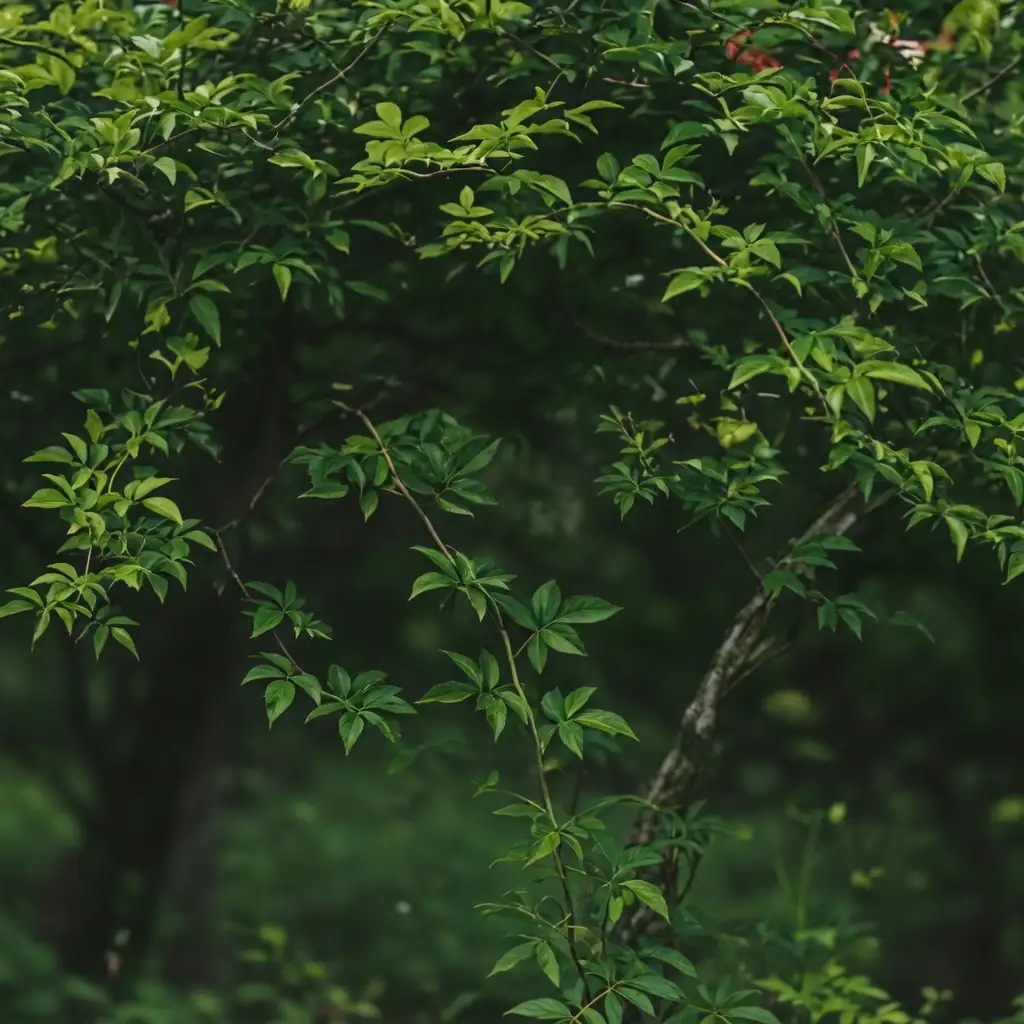
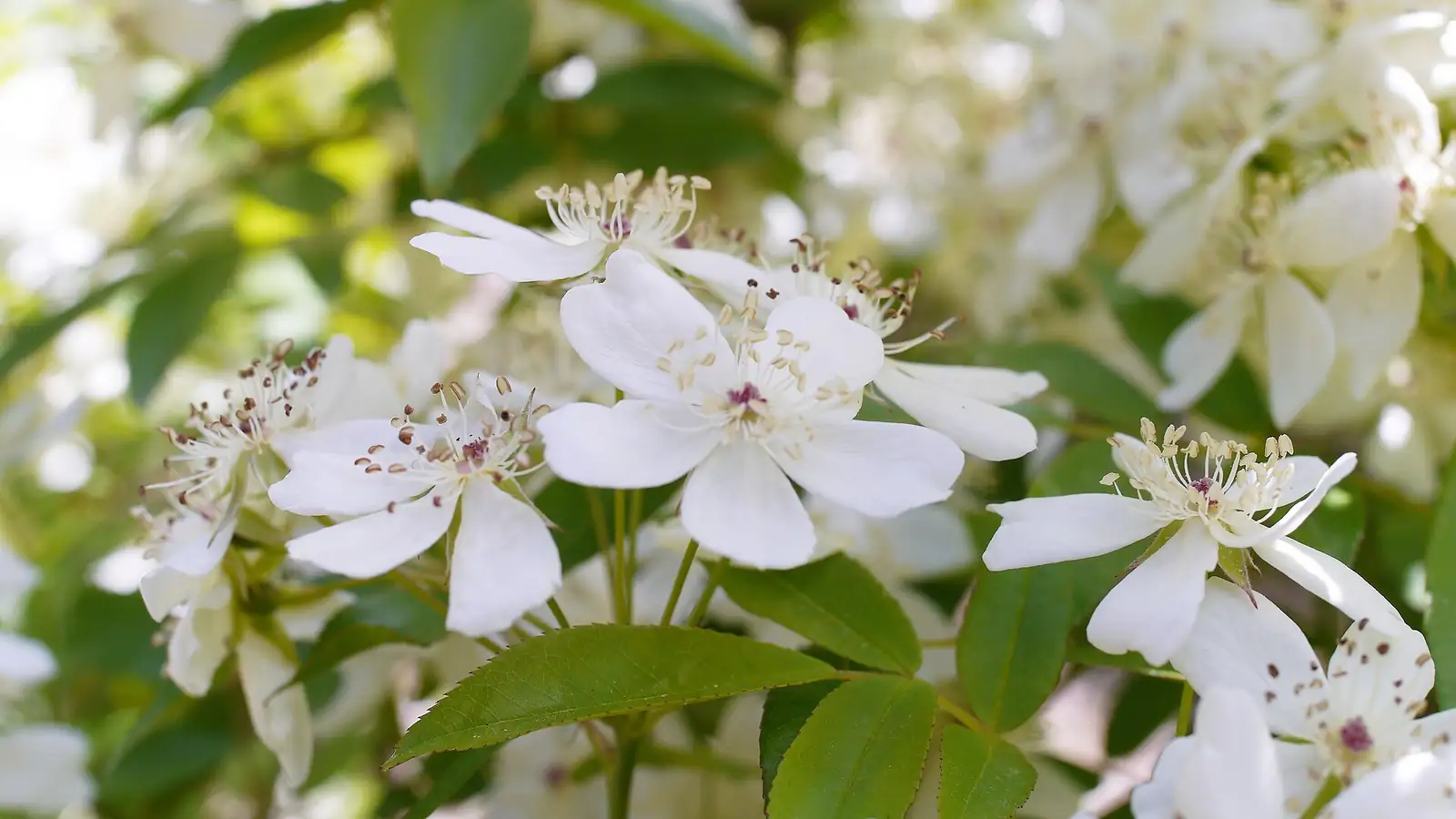
- Foliage: Produces long, slender green canes that are smooth and usually only lightly thorned. Leaves are pinnate, commonly with 3–5 leaflets (sometimes up to 7). Leaflets are narrow-elliptic to lance-shaped with fine serrations, giving the plant a light, airy texture when in leaf.
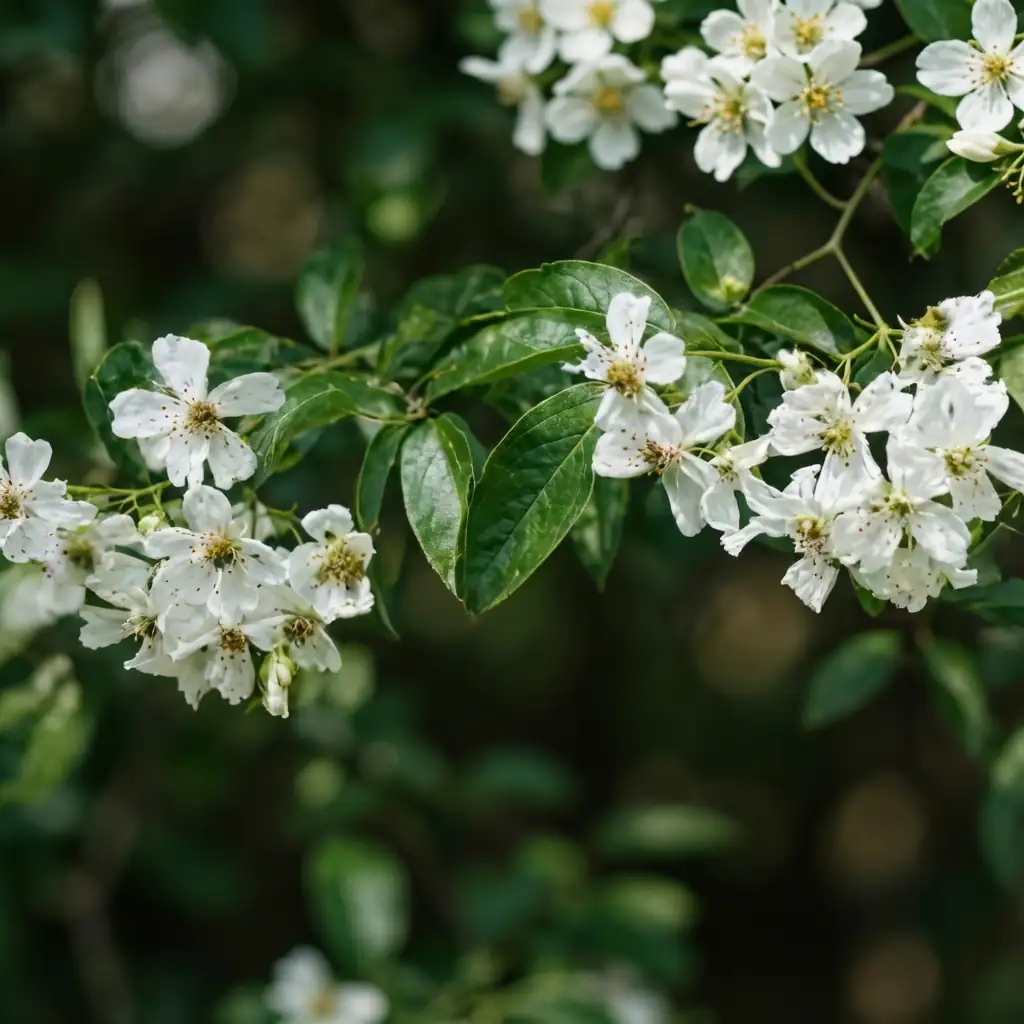
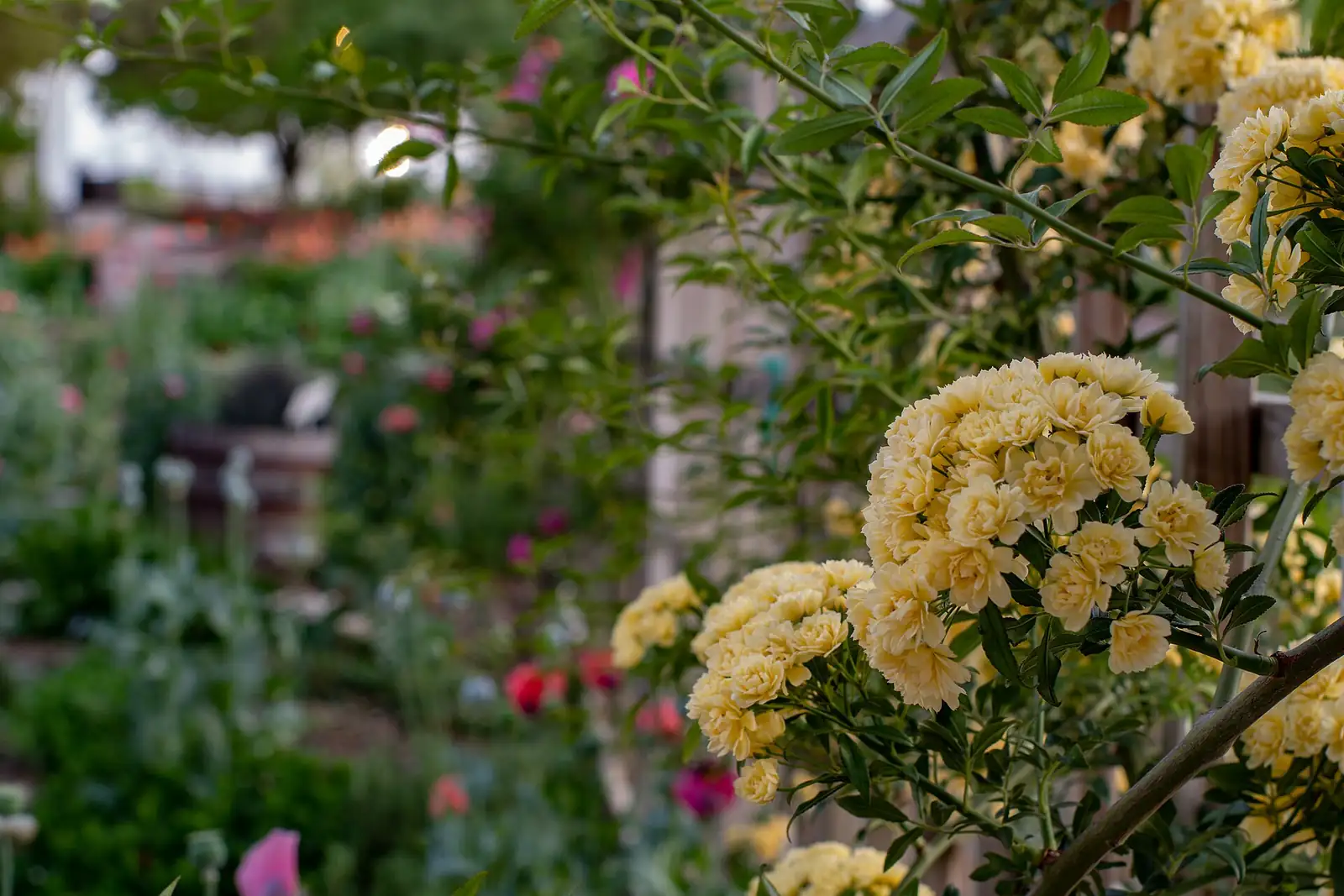
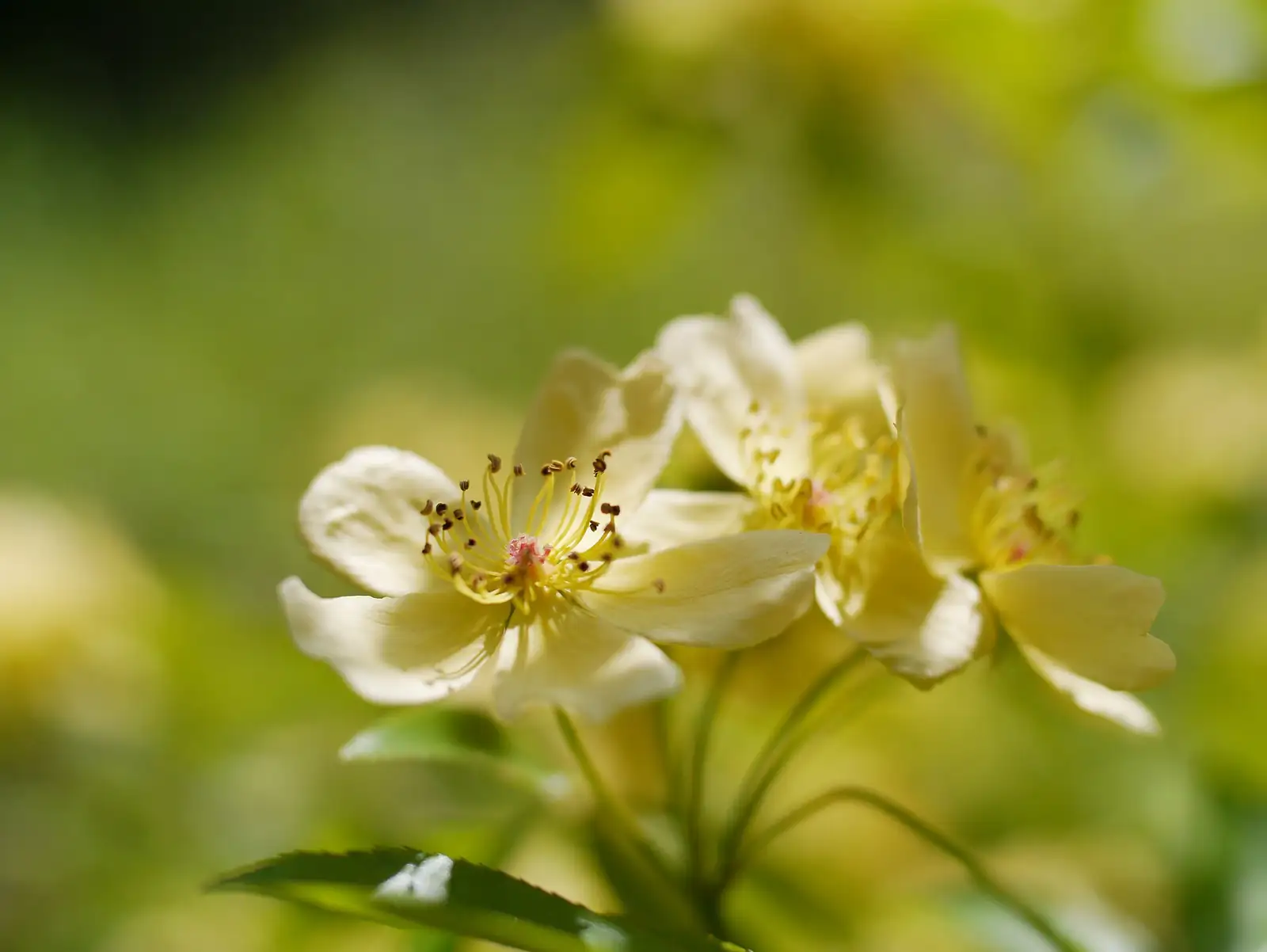
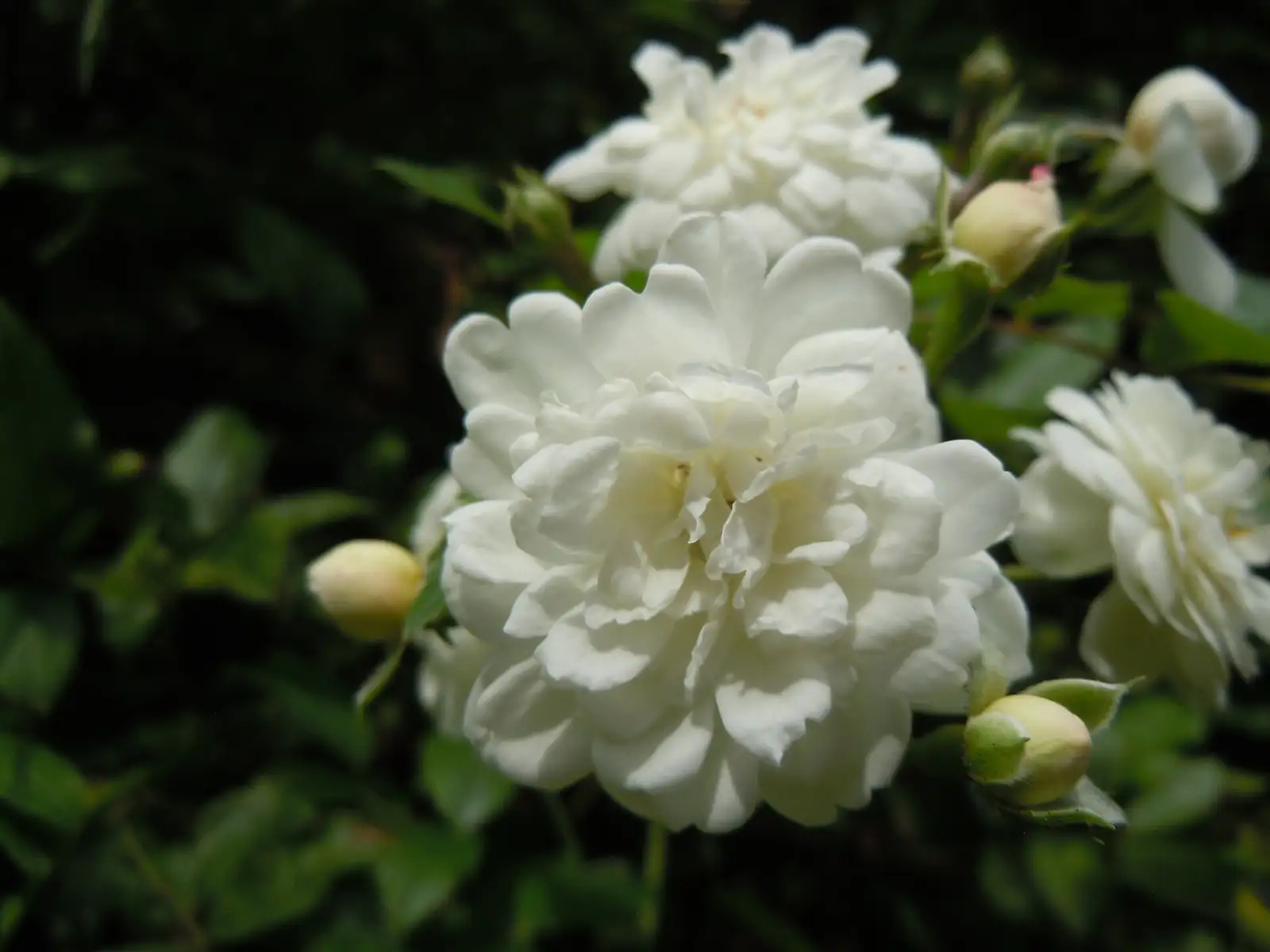
- Flower: Masses of small, strongly fragrant flowers about 2.5 cm (1 in) across, borne in clusters (often 3–5). Flowers can be single or double depending on the garden form, and are most commonly white or yellow.
- Flowering Season: April–May
- Growth Habit: Climbing / scrambling shrub
Environment
Sunlight
Full sun for the heaviest bloom, though it will tolerate partial shade. Avoid persistently wet, poorly drained positions.
Temperature
Prefers mild to warm conditions; generally cold-tolerant once established, though exact tolerance varies by cultivar and local siting.
Humidity
Adaptable; does well in moderate humidity provided there’s good air circulation around the foliage.
Soil
Flexible, but best in loose, fertile, well-drained soil. Waterlogging is a common cause of decline, so drainage matters more than soil type.
Placement
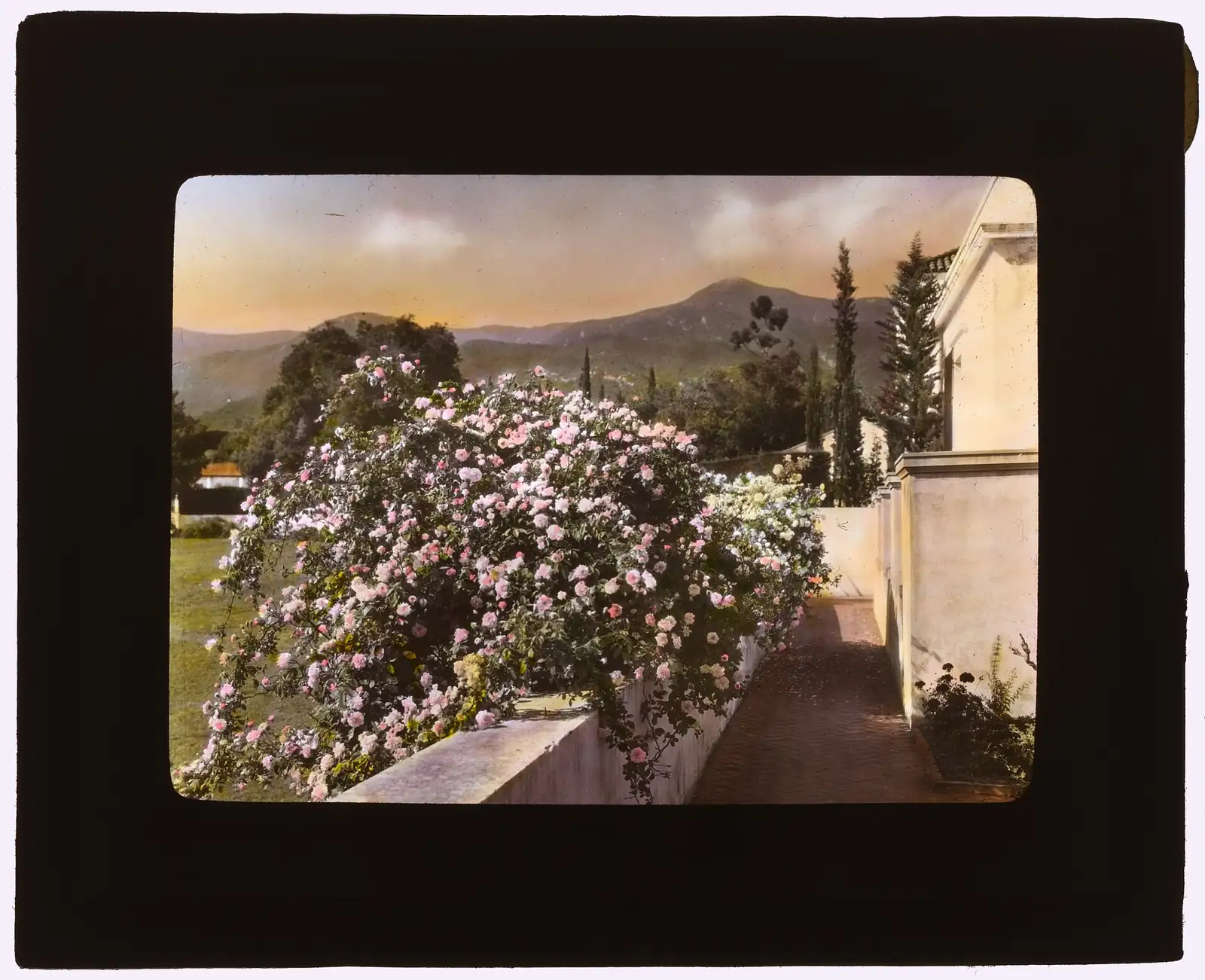
Outdoors in a sunny, well-drained spot. Train over pergolas/trellises, along fences, or against walls; also useful as a flowering screen or for vertical landscaping in courtyards and gardens.
Hardiness
Commonly grown around USDA Zone 6–9 (approx.) depending on selection and microclimate; dislikes waterlogged winter soils.
Care Guide
Difficulty
Easy to moderate. Very vigorous and forgiving once established; best results come from simple training plus timely pruning after flowering.
Buying Guide
Pick plants with healthy, green, firm canes and a strong, well-rooted root system. Avoid blackened stems, mushy roots, or obvious dieback. If choosing a named selection (white vs. yellow; single vs. double), confirm the cultivar so the flower color and form match what you want.
Watering
Water regularly while establishing. After that, water deeply during extended dry spells rather than frequent light sips. Never let roots sit in water. For containers, water when the top 2–5 cm (1–2 in) of potting mix feels dry, and ensure the pot drains freely.
Fertilization
In early spring, feed with compost or a balanced rose fertilizer. If growth is weak, a second light feeding after flowering can help. Avoid heavy nitrogen, which can push lots of soft leafy growth at the expense of blooms.
Pruning
Prune right after flowering. Remove dead, weak, or crossing canes, and tie in vigorous new shoots along the support. Because it typically flowers mainly on older wood, avoid hard winter pruning that removes the flowering framework.
Propagation
Commonly propagated from semi-hardwood cuttings in summer or hardwood cuttings in late autumn/winter; long canes also layer readily and root where they contact soil.
Repotting
If grown in a container, repot every 2–3 years in late winter to early spring into fresh, free-draining mix (or step up a pot size). In off years, refresh the top layer of mix to keep plants vigorous.
📅 Seasonal Care Calendar
Peak bloom is April–May. Train and prune soon after flowering for the best display next spring. Rose hips may form in some conditions from August–October.
Pests, Diseases & Safety
Common Pests & Diseases
Can encounter typical rose problems: aphids, spider mites, scale, powdery mildew, and black spot. Encourage airflow, avoid late-day overhead watering, remove infected leaves promptly, and use horticultural soap/oil when needed.
Toxicity
Generally considered non-toxic to people and pets. The main hazard is physical: canes may have thorns that scratch skin; chewing plant parts may cause mild stomach upset in sensitive pets.
Culture & Symbolism
Symbolism: Often linked with spring abundance and gentle beauty—especially the romantic effect of cascading blooms over arches and walls.
History & Legends: A long-cultivated ornamental in Chinese horticulture, valued for its spring display and its ability to clothe garden structures in flowers.
Uses: Primarily ornamental: ideal for pergolas, trellises, walls, and fences; also used as a flowering screen or hedge and widely planted for vertical greening in gardens and courtyards.
FAQ
Why is my Lady Banks’ rose growing well but blooming poorly?
Bloom improves with stronger sun and mature, well-established canes. Avoid heavy winter pruning (it often flowers on older wood), feed moderately (not too much nitrogen), and do most pruning right after flowering.
Can it tolerate shade?
It can handle partial shade, but full sun gives the best flower show. In deeper shade, expect more leafy growth and fewer blooms.
Is it okay in wet soil?
No—Lady Banks’ rose strongly dislikes waterlogging. Choose a well-drained site and avoid low spots where water collects.
Fun Facts
- It’s native to south-central and southwestern China but is now grown worldwide as a beloved ornamental climber.
- The flowers are small—about 2.5 cm (1 in)—yet produced in such volume that the plant can look covered in blossom.
- Garden forms commonly come in white or yellow, and can be either single or double.
- It’s a classic “structure-covering” rose for pergolas, walls, and fences—perfect for vertical landscaping.
- It typically flowers in April–May, and may set hips from August–October in suitable conditions.


