

Plant Features
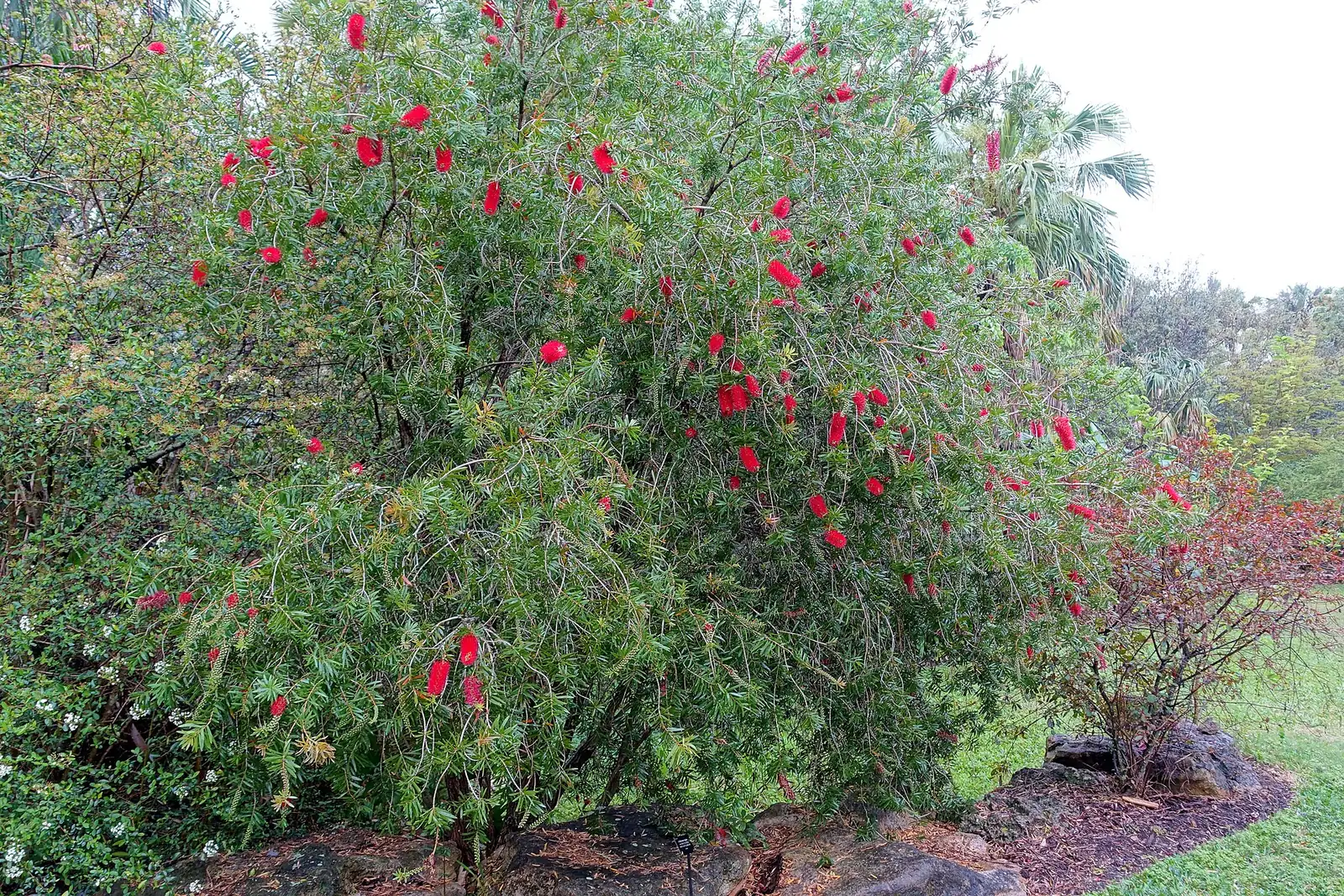
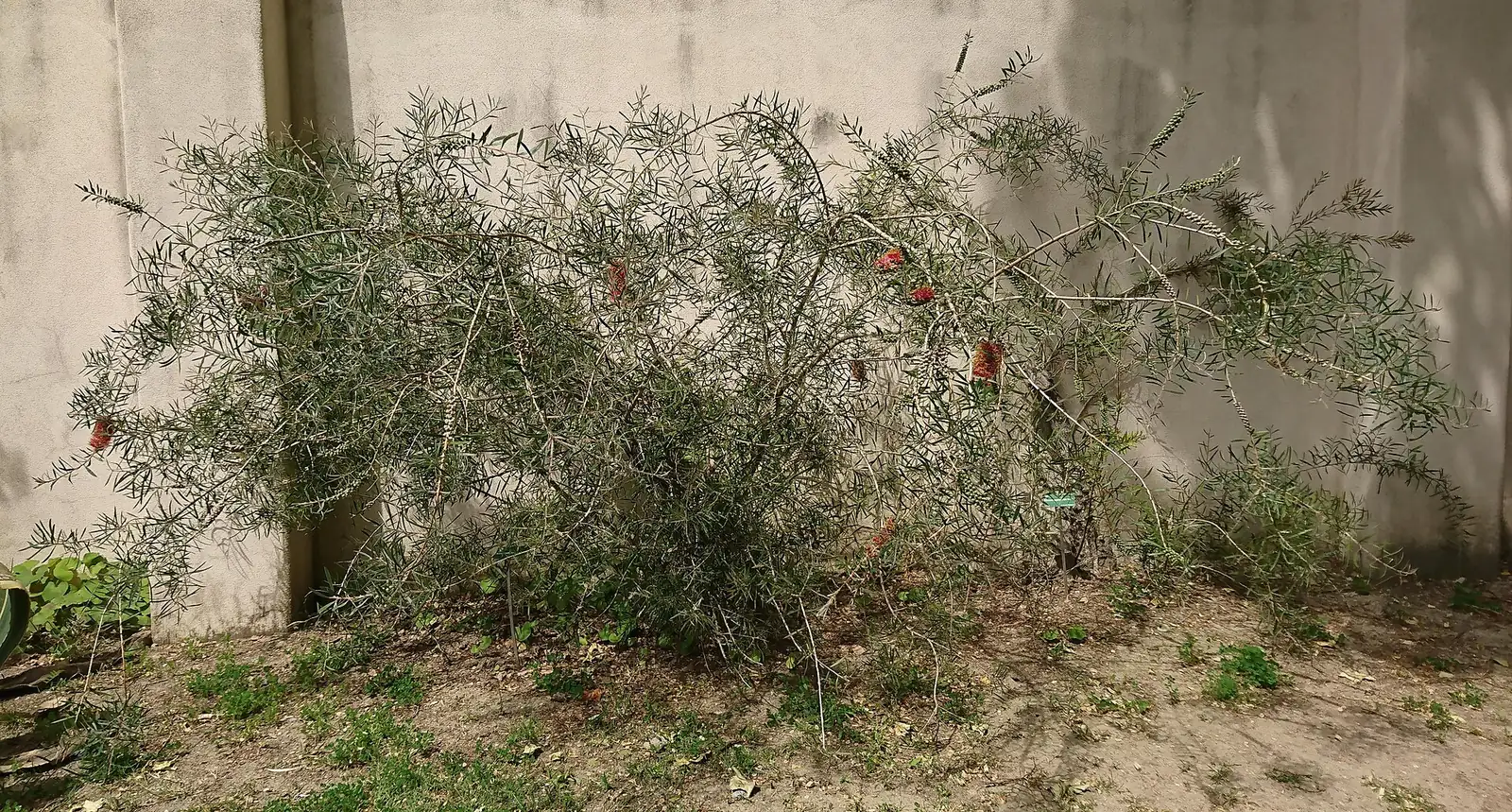
- Size: Typically 2–3 m (6.6–9.8 ft) tall, forming a dense shrub.
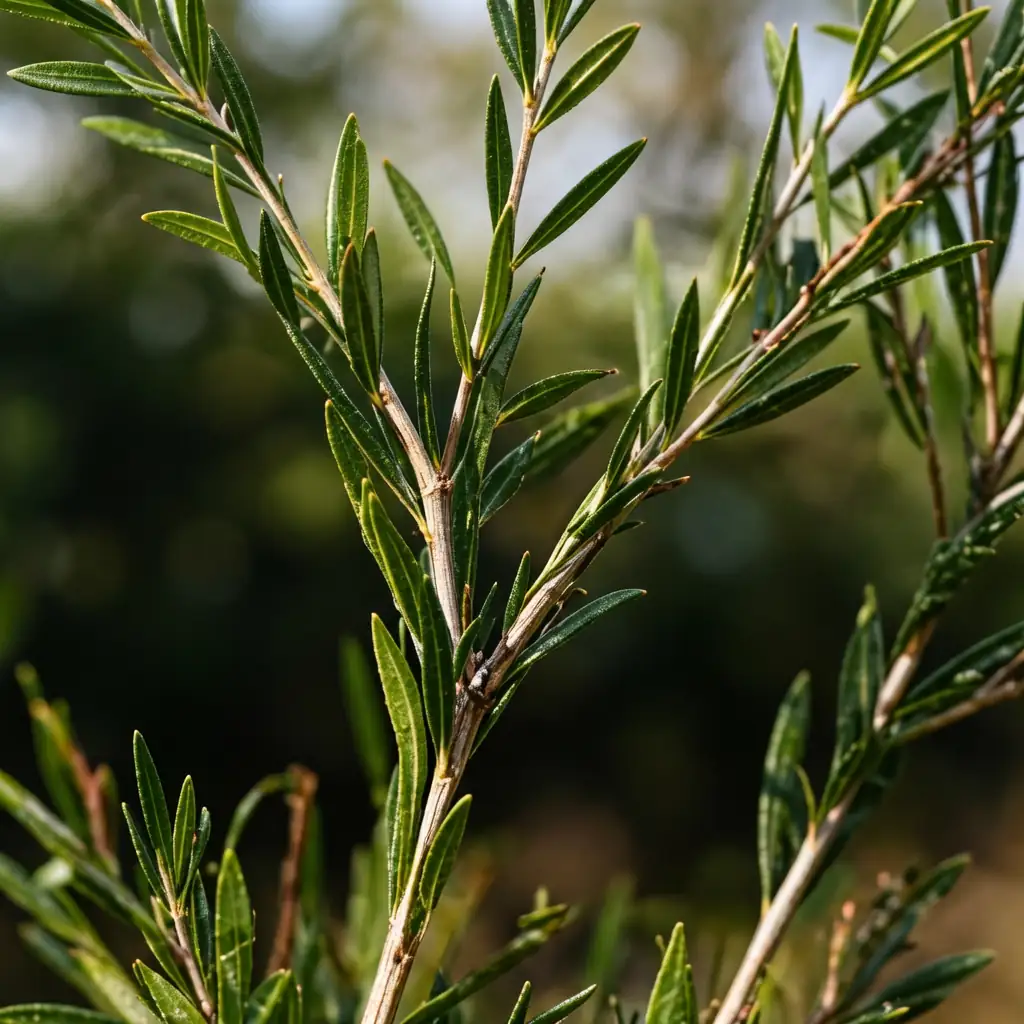
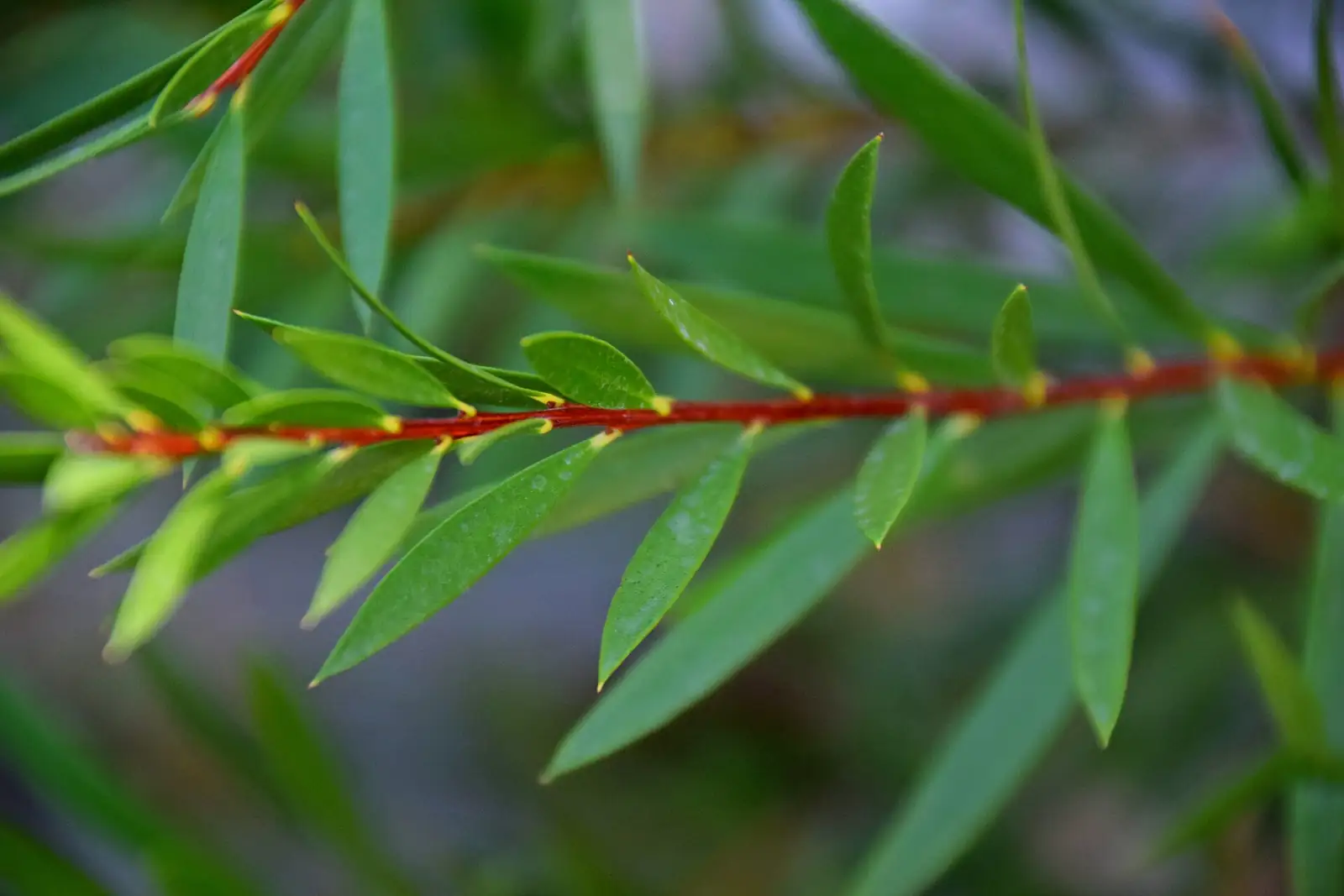
- Foliage: Leaves are narrow, strap-like and leathery, mostly alternate (occasionally opposite or in whorls), about 3–8 cm (1.2–3.1 in) long and 2–5 mm (0.08–0.20 in) wide. They show a prominent midrib and clear veining. Bark tends to be relatively persistent and does not peel readily.
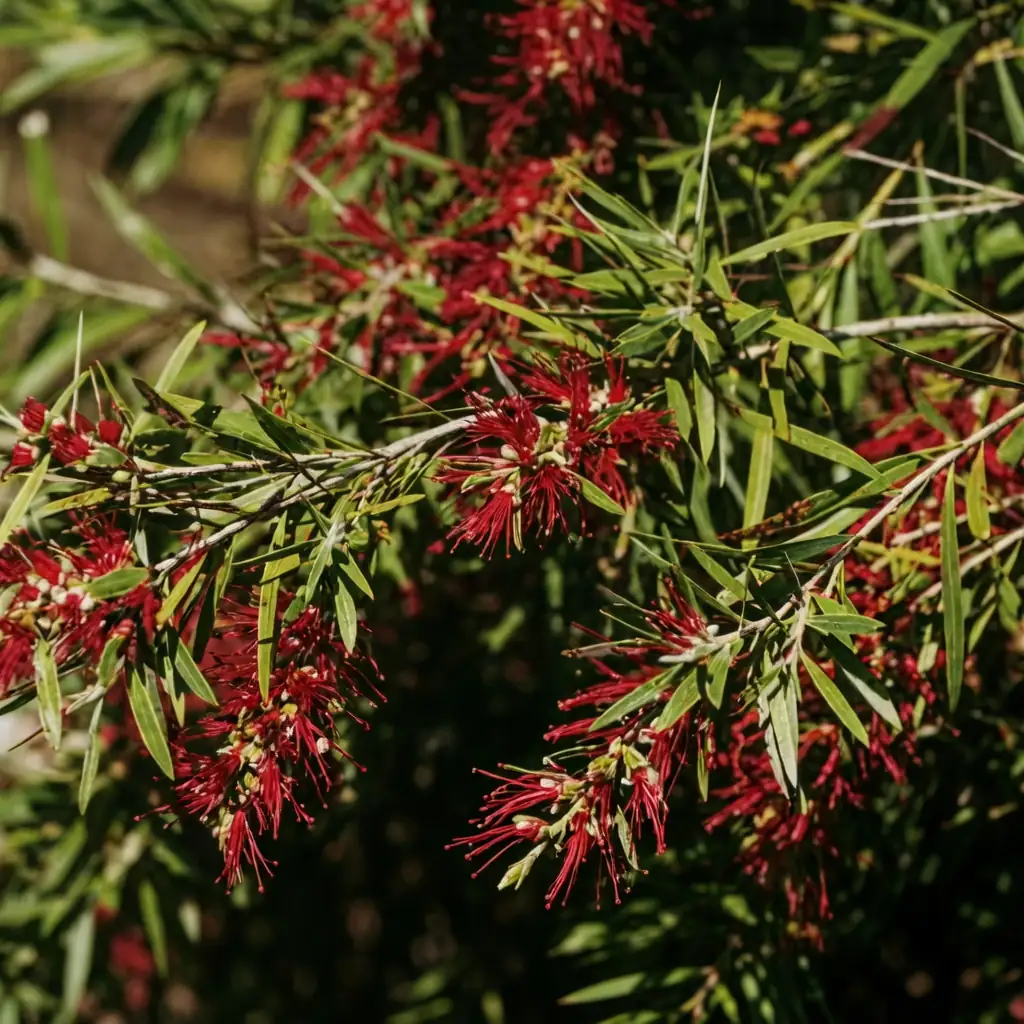
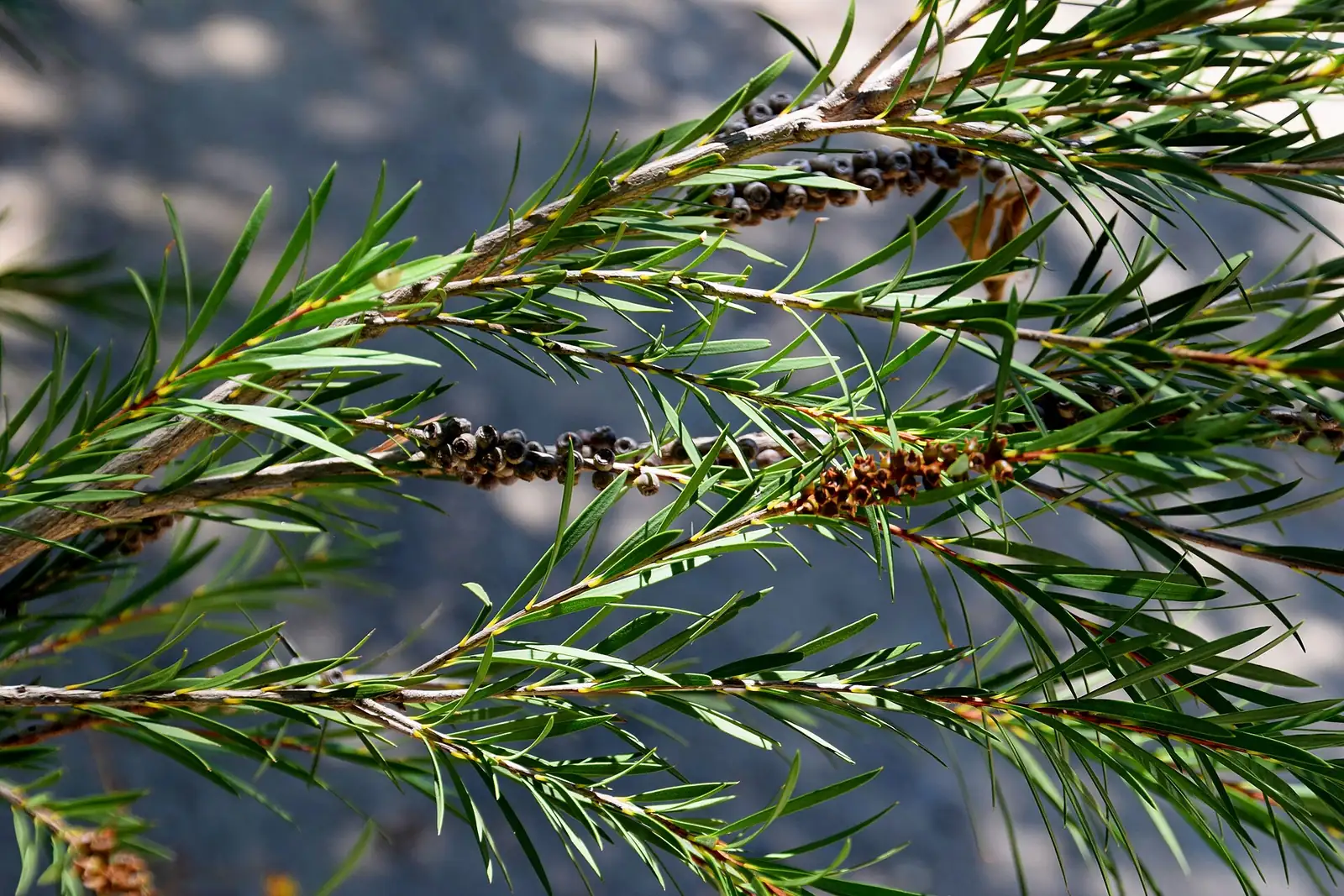
- Flower: Flowers are borne in terminal spikes made of densely packed, stalkless red blooms that create the classic “bottlebrush” look (the showiness comes from many long stamens). After flowering, it forms woody, hemispherical capsules that can stay on the stems and split open at the top when mature.
- Flowering Season: June–August (summer)
- Growth Habit: Evergreen shrub; dense and bushy with shaping.
Environment
Sunlight
Full sun for best flowering; tolerates light shade but blooms less.
Temperature
Prefers warm to hot conditions; protect from frost. Best where winter lows stay above about 0–5°C (32–41°F).
Humidity
Moderate to high humidity is beneficial; grows faster with consistent moisture.
Soil
Well-drained soil is essential; adaptable from sandy to loamy soils as long as drainage is good. Avoid constantly waterlogged conditions.
Placement
Sunny gardens, courtyards, parks, street plantings, and larger landscape spaces in warm regions; also suitable for large containers where winters are chilly (so it can be sheltered).
Hardiness
Tender to frost; generally suited to USDA Zone 9–11 (approx.).
Care Guide
Difficulty
Moderate. Straightforward in warm, sunny climates once established, but sensitive to cold and may dislike being moved after planting.
Buying Guide
Choose healthy young plants with dense foliage and no dieback. Because older specimens can transplant poorly, a well-rooted younger plant is usually the best choice for a permanent spot.
Watering
Water regularly while establishing, keeping soil evenly moist but not soggy. Once established, water deeply during dry spells; steady moisture encourages faster growth and better performance.
Fertilization
Feed in spring and early summer with a balanced, slow-release fertilizer for shrubs. Avoid overdoing high nitrogen, which can push leafy growth at the expense of flowers.
Pruning
Lightly prune after flowering to shape and encourage a fuller, bushier shrub. Avoid hard pruning into old, leafless wood unless absolutely necessary.
Propagation
Propagate by seed or semi-hardwood cuttings taken in warm seasons.
Repotting
For container plants, repot every 1–2 years into a fresh, well-draining mix. Up-pot gradually and minimize root disturbance.
📅 Seasonal Care Calendar
Spring: fertilize and resume regular watering as growth starts. Summer: peak bloom; water during heat/drought. Autumn: reduce feeding; light shaping if needed. Winter: protect from frost and keep a bit drier (especially in pots).
Pests, Diseases & Safety
Common Pests & Diseases
Generally hardy. Watch for scale insects, mealybugs, and spider mites (especially in hot, dry conditions). Root problems can occur if drainage is poor or soil stays waterlogged—improve airflow, avoid soggy soil, and treat pests with horticultural oil or appropriate controls when needed.
Toxicity
Not widely reported as highly toxic, but chewing or ingestion may cause mild stomach upset in pets or people. Best kept out of reach of children and pets that like to nibble plants.
Culture & Symbolism
Symbolism: Often linked with vitality, energy, and celebration—its flame-red blooms feel like natural fireworks.
History & Legends: A classic Australian ornamental that has become a familiar warm-region landscape shrub worldwide, including widespread cultivation across southern China.
Uses: Primarily ornamental—valued for vivid summer flowers and its dense evergreen form. Commonly used in parks, home gardens, courtyards, and streetscapes in warm climates.
FAQ
Why is my stiff bottlebrush not flowering well?
The most common reason is insufficient sun—full sun gives the best blooms. Overfeeding with high-nitrogen fertilizer can also reduce flowering by encouraging leafy growth, and drought stress during bud formation can limit the display.
Can I move or transplant an established stiff bottlebrush?
It’s possible, but this plant often dislikes being moved once established. If you must transplant, do it during mild weather, keep as much of the root ball as possible, and water consistently while it re-establishes.
Fun Facts
- Those “brushes” are actually dense clusters of long, colorful stamens—tiny flowers working together to make a big show.
- The woody seed capsules often stay attached along the stems and open from the top when mature.
- Although native to Australia, it’s widely planted in southern China as a dependable summer-flowering landscape shrub.
- Its narrow, leathery, strongly veined leaves and non-peeling bark help give it a rugged, tidy look year-round.


