Plant Features
- Size:10–30 cm (4–12 in) tall; typically forms a low, spreading mat.
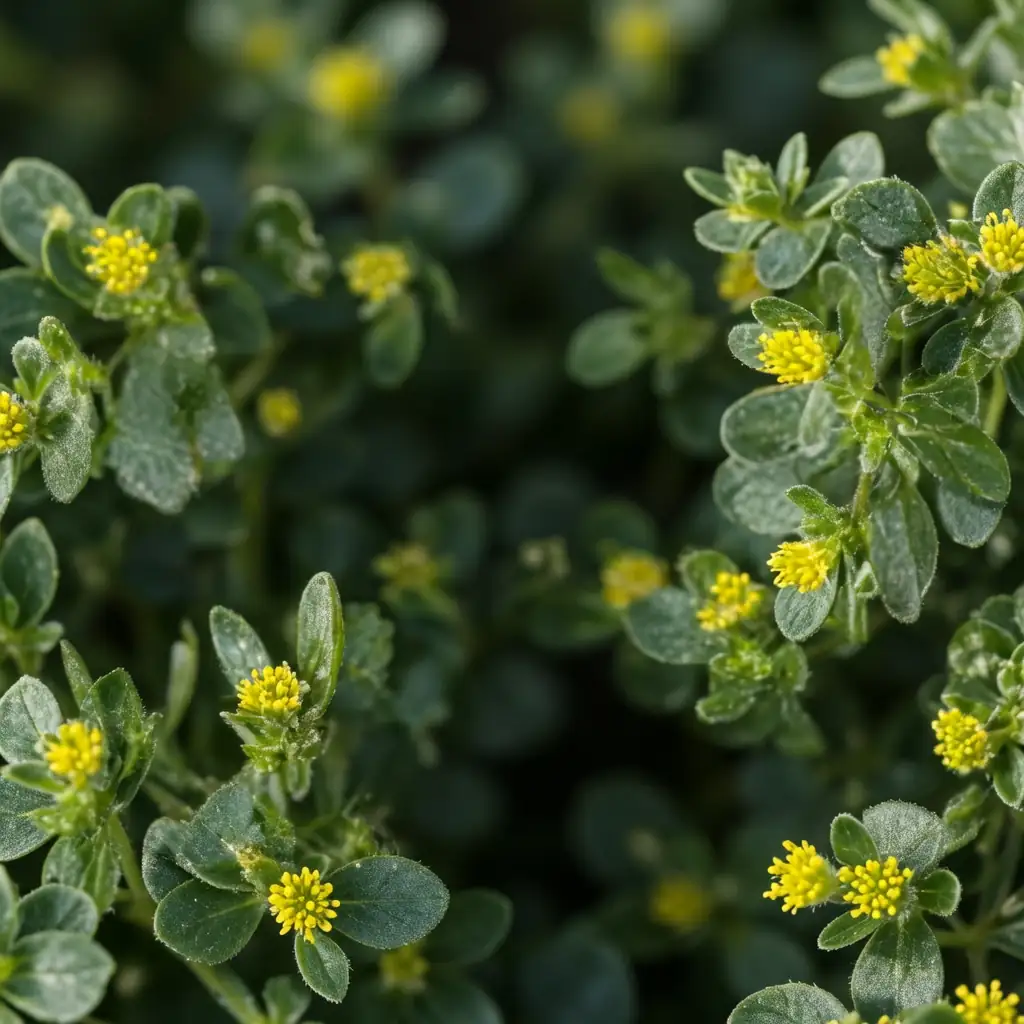
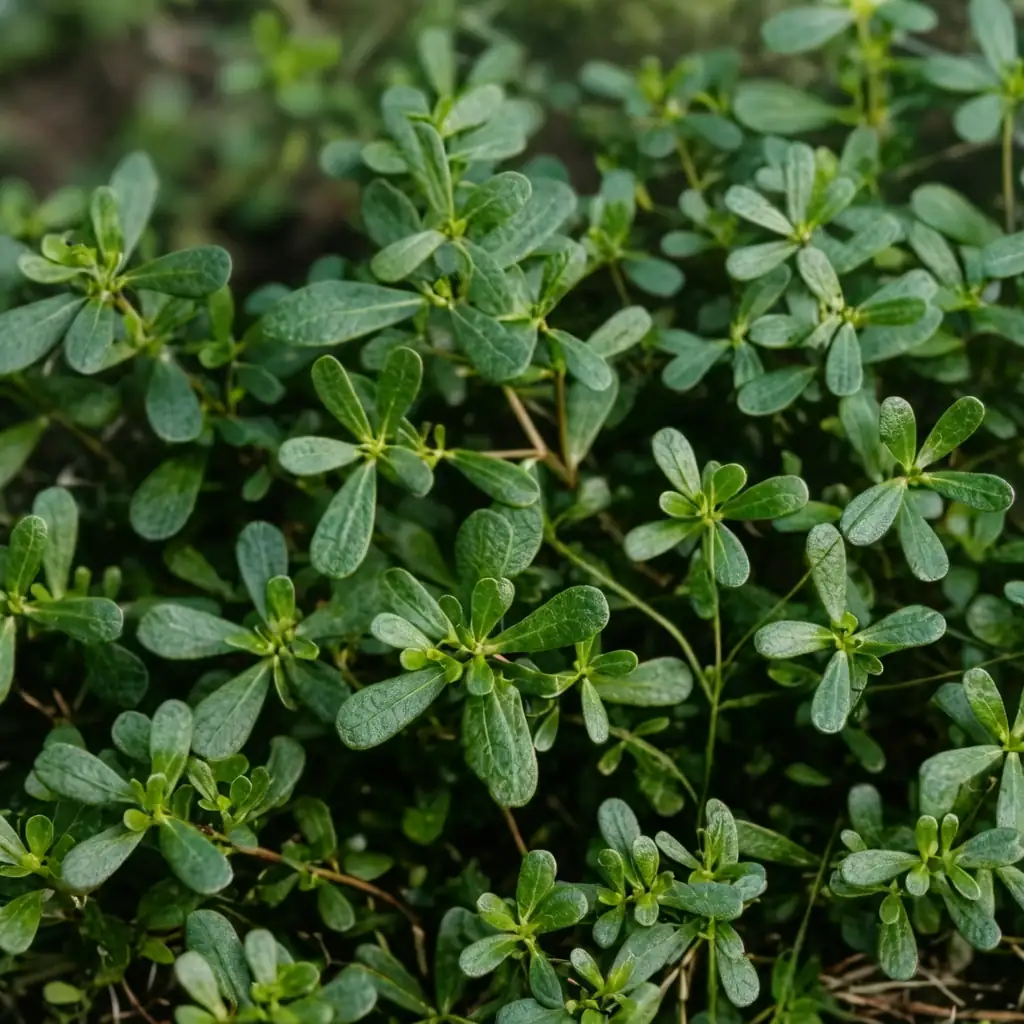
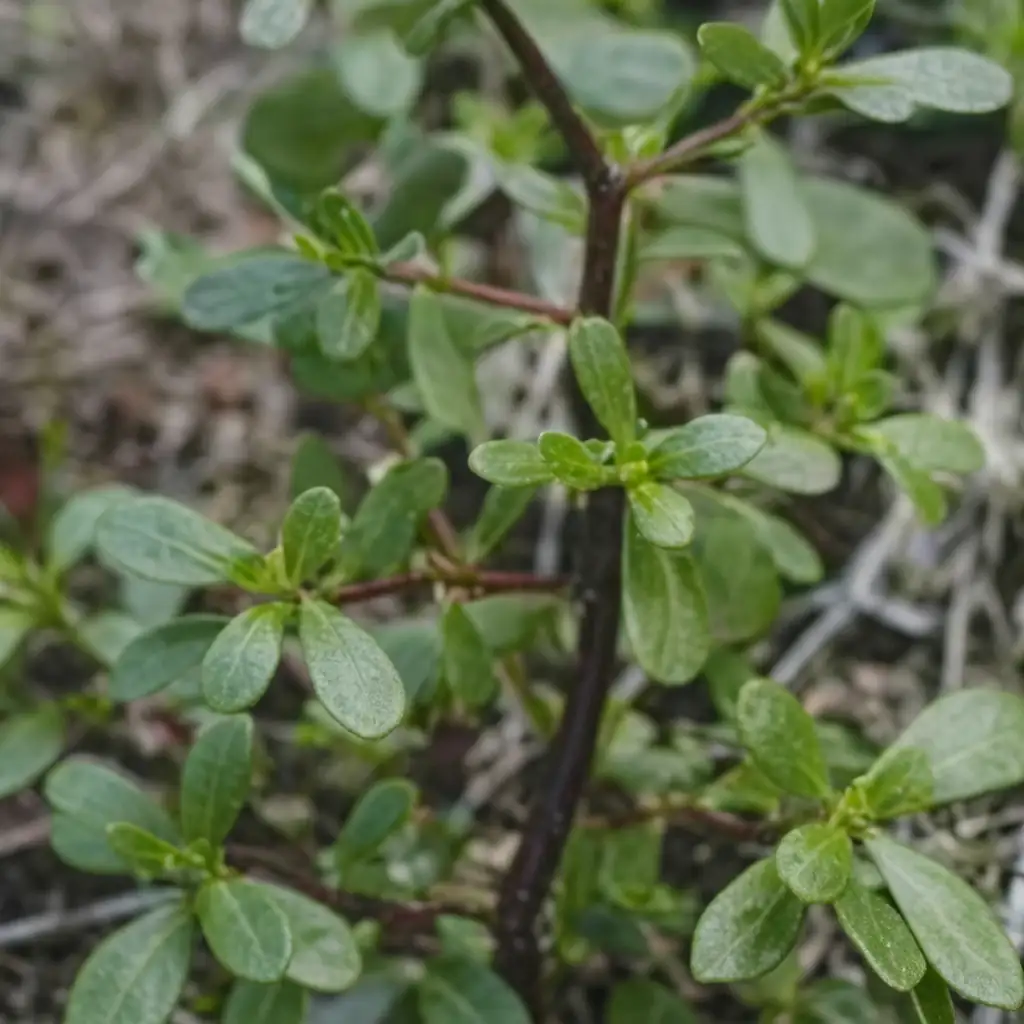
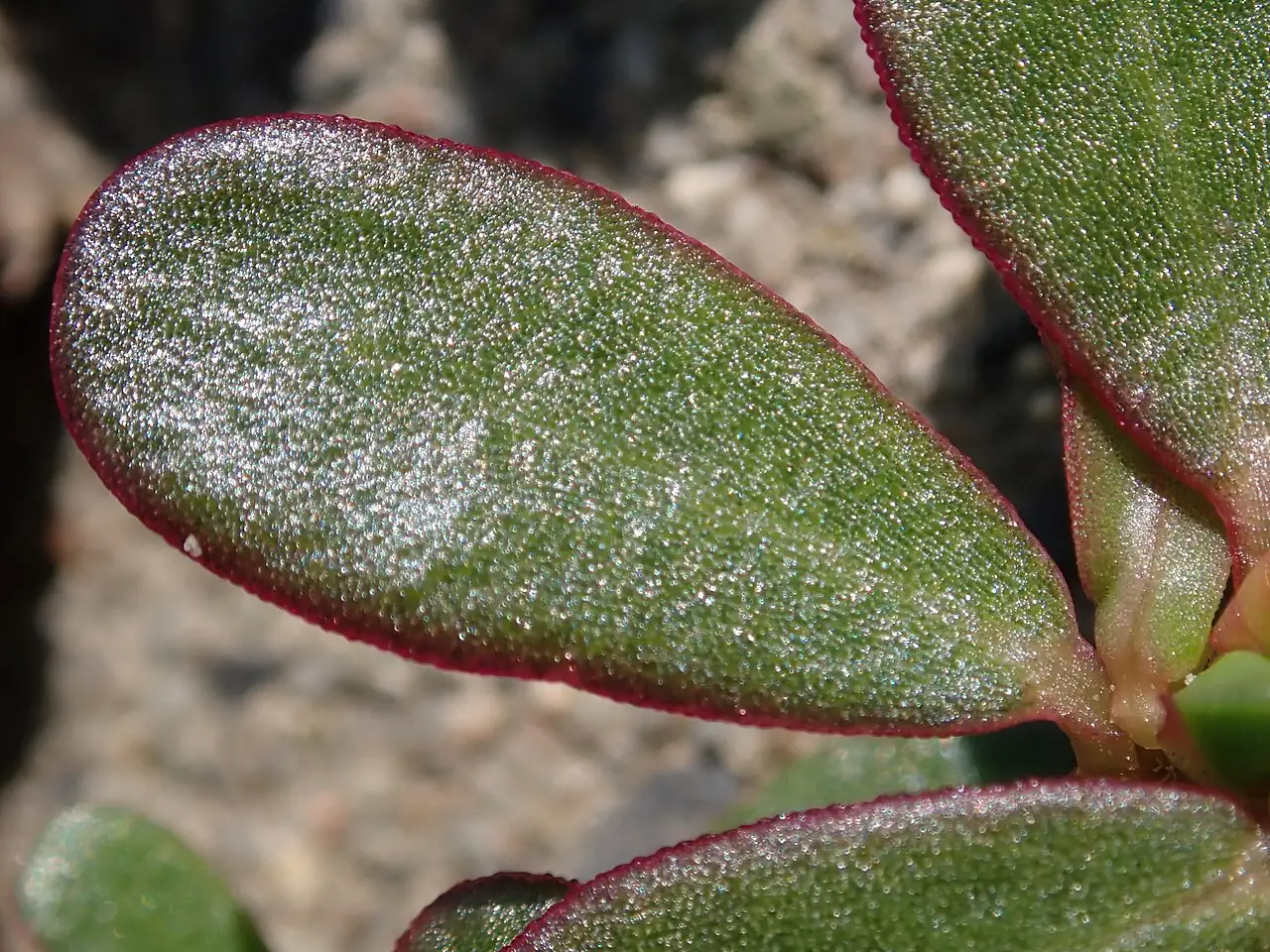
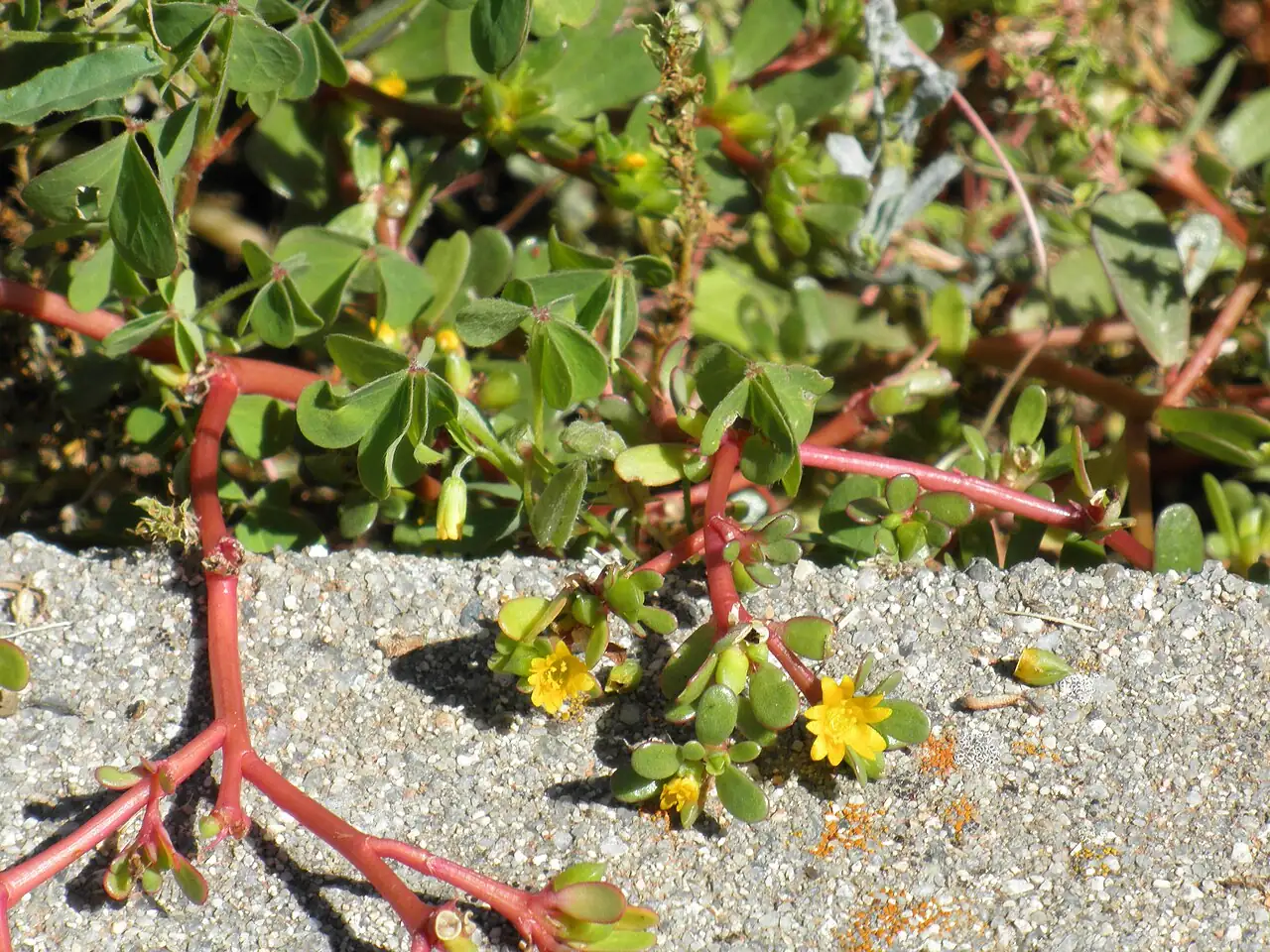
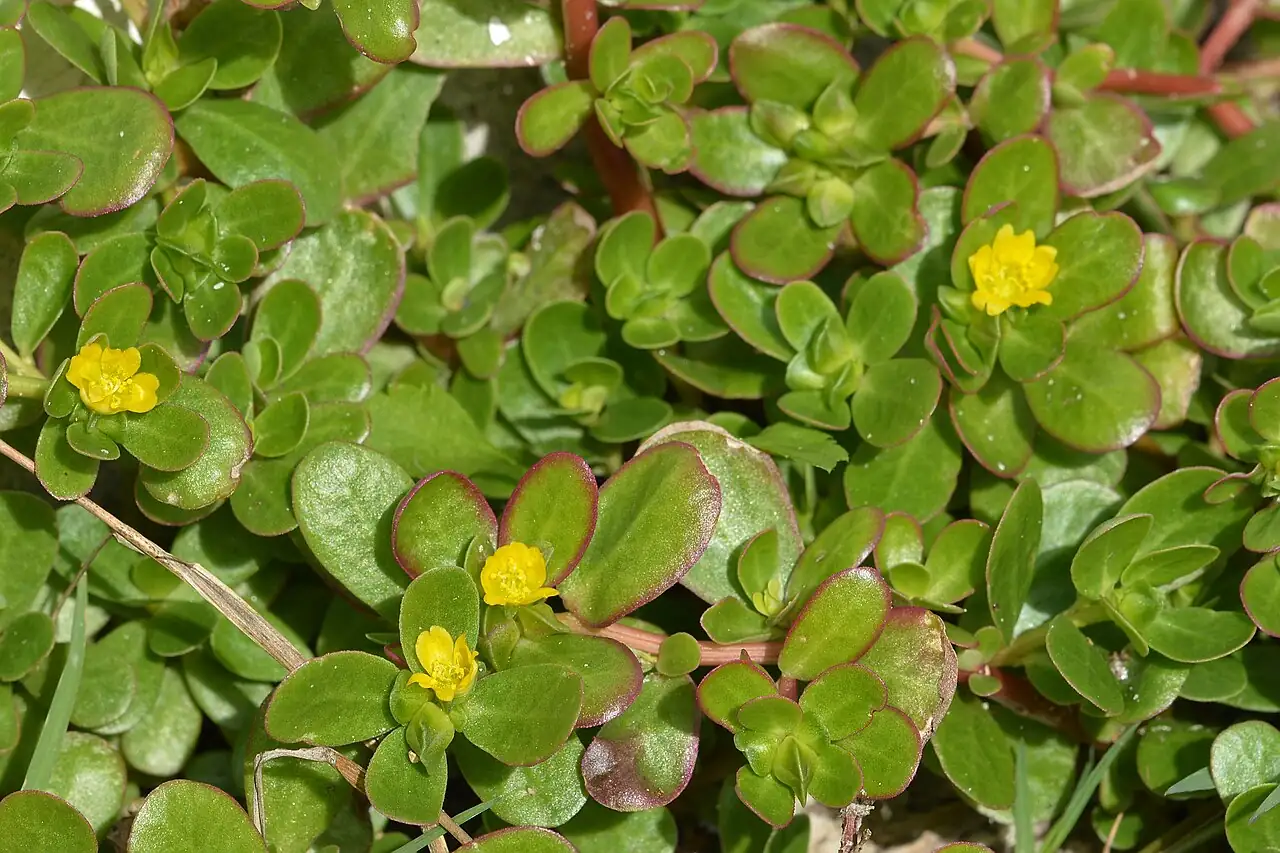
- Foliage: A completely hairless, smooth-textured plant with thick, fleshy leaves. Stems are usually prostrate to spreading and often reddish to purplish. Leaves are alternate (sometimes nearly opposite), flat yet succulent, spoon-shaped/obovate with rounded or slightly notched tips and smooth (entire) margins.
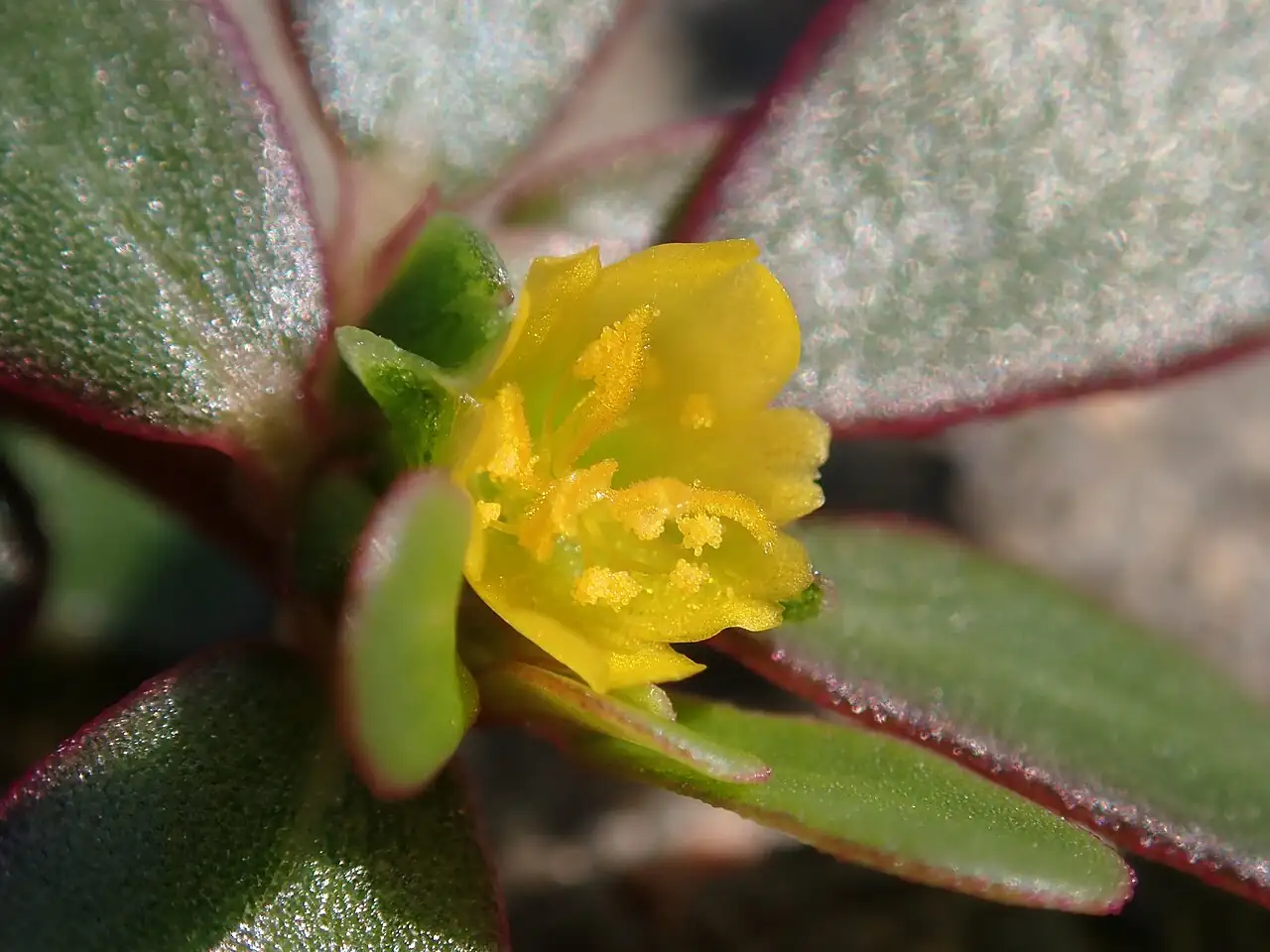
- Flower: Tiny yellow flowers that sit close to the stems (often appearing nearly stalkless) and tend to cluster near shoot tips; they commonly open around midday in strong sun. After flowering, it forms an egg-shaped capsule filled with many very small, glossy dark brown to black seeds with a finely textured surface.
- Flowering Season: May–August
- Growth Habit: Annual, low-growing, sun-loving, mat-forming herb.
Environment
Sunlight
Full sun for best growth and flowering; tolerates light shade but blooms less.
Temperature
Warm-season plant; grows best in 20–35°C (68–95°F) and is sensitive to frost.
Humidity
Highly adaptable; drought-tolerant once established and can also handle short periods of wet conditions.
Soil
Prefers well-drained neutral to slightly acidic soil (about pH 6.0–7.0); tolerates poor, compacted, and disturbed soils.
Placement
Sunny beds, rock gardens, vegetable plots, and open ground as a living groundcover; also suitable for slopes and disturbed sites.
Hardiness
Frost-tender annual; outdoors where summers are warm (often naturalized). In USDA Zone 4–11 it typically appears as a self-seeding annual depending on local frost dates.
Care Guide
Difficulty
Very easy; vigorous and adaptable, and it often self-seeds readily.
Buying Guide
Choose plants with crisp, plump leaves and firm stems; avoid limp or yellowing growth. If you’re buying to eat, prioritize clean, pesticide-free sources.
Watering
Water lightly until established. After that, water when the top 2–3 cm (about 1 in) of soil is dry. In containers, avoid constantly soggy soil (good drainage matters), though in the ground it can tolerate brief waterlogging.
Fertilization
Usually unnecessary. In containers or very poor soil, feed lightly with a balanced fertilizer at 1/4–1/2 strength every 4–6 weeks during active growth.
Pruning
Pinch or trim tips to encourage branching and a denser mat. Remove spent stems if you want to reduce self-seeding.
Propagation
Very easy from seed. Sow on the soil surface (don’t bury deeply) after frost, or start indoors 4–6 weeks before the last frost. It can also root readily from stem cuttings laid on moist soil.
Repotting
Not usually needed for an annual. If container-grown, shift to a wider pot as it spreads; use a gritty, free-draining mix and ensure drainage holes.
📅 Seasonal Care Calendar
Spring: sow after the last frost. Summer: give full sun, water sparingly, and harvest tender shoots regularly. Late summer–fall: let a few plants set seed if you want it to return next year, or remove plants before frost to prevent reseeding.
Pests, Diseases & Safety
Common Pests & Diseases
Generally trouble-free. In overly wet, poorly drained conditions it may develop stem/root rot. Aphids may appear on tender growth; rinse off with water or treat with insecticidal soap if needed.
Toxicity
Generally considered non-toxic and widely eaten as a leafy vegetable. It contains oxalates, so people prone to kidney stones may want to enjoy it in moderation. For pets/livestock, only offer clean, pesticide-free material.
Culture & Symbolism
Symbolism: Often linked with resilience and vitality—this little plant thrives in heat, drought, and tough, disturbed ground.
History & Legends: Used for a long time as a food plant across many regions and now commonly naturalized along paths, gardens, and farmland—praised as useful forage by some and labeled a stubborn weed by others.
Uses: Young stems and leaves are eaten fresh or cooked (salads, stir-fries, soups, pickles) with a pleasantly tangy, crisp bite; also used as animal fodder. In the garden, it can function as a low, sunny-site groundcover.
FAQ
When does common purslane flower?
Typically from May to August, and the small yellow flowers often open around midday on bright, sunny days.
When does it set fruit and seed?
Fruiting follows flowering; seed capsules are commonly seen from June to September in warm climates.
Can common purslane be eaten?
Yes—young stems and leaves are edible with a mildly sour/tangy taste. Harvest only from clean, chemical-free areas or trusted edible sources.
What conditions does it prefer?
Warm weather, full sun, and well-drained soil around neutral to slightly acidic. It tolerates drought and can handle short periods of wet soil.
How tall does it grow?
About 10–30 cm (4–12 in) tall, usually spreading outward into a low mat.
Fun Facts
- Its tiny yellow flowers are famous for opening in bright midday sun and often closing later in the day.
- It produces loads of tiny, glossy dark seeds, which is why it self-seeds so enthusiastically.
- The whole plant is hairless, with thick spoon-shaped leaves and often reddish-purple creeping stems.
- It’s a beloved tangy green in many cuisines, yet it’s also one of the world’s most common garden “volunteers.”
- It’s widespread across temperate and tropical regions and readily colonizes disturbed soils.