

Plant Features
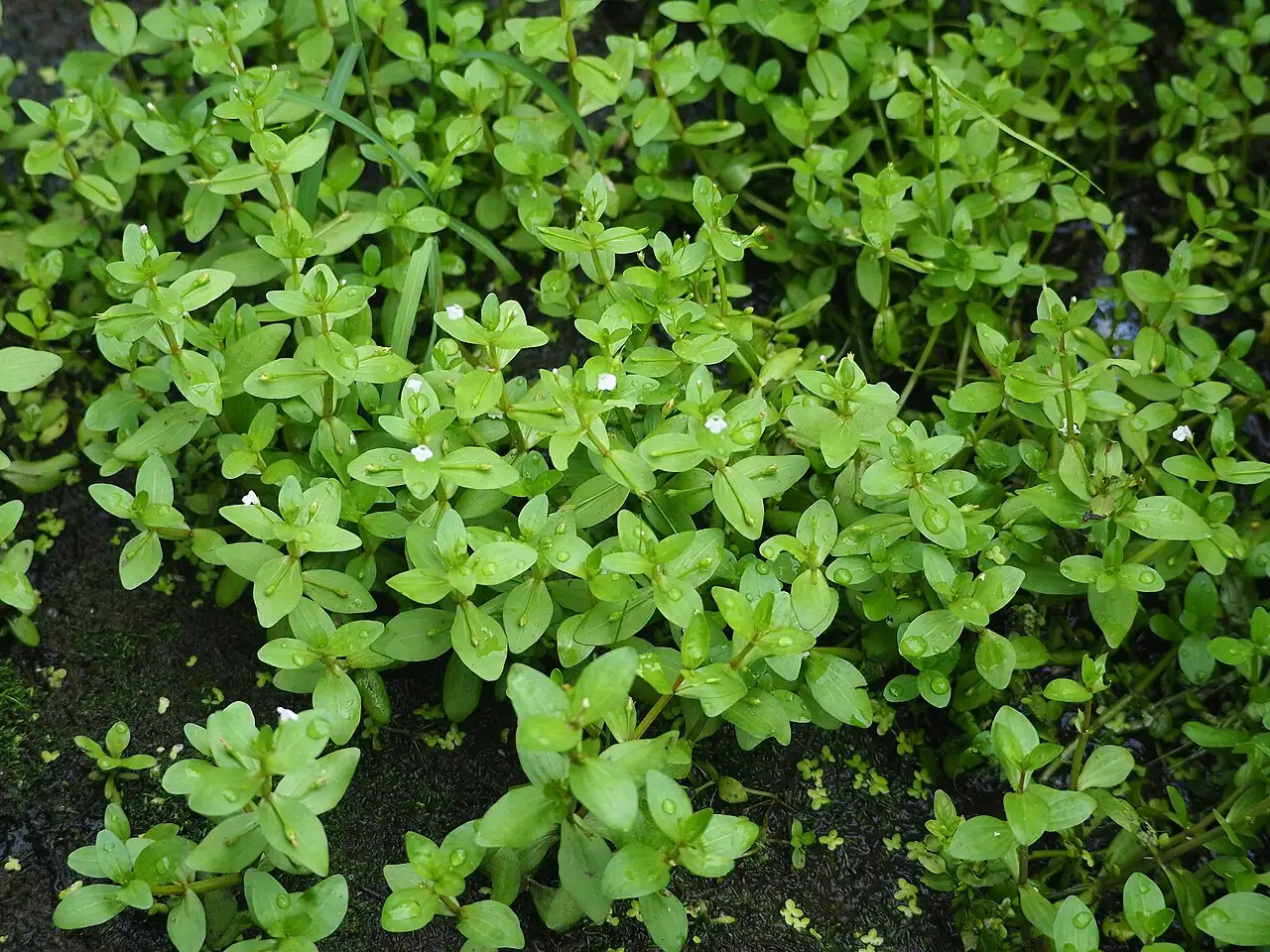
- Size: Typically 5–20 cm (2–8 in) tall; usually forms low, small patches rather than a broad canopy.
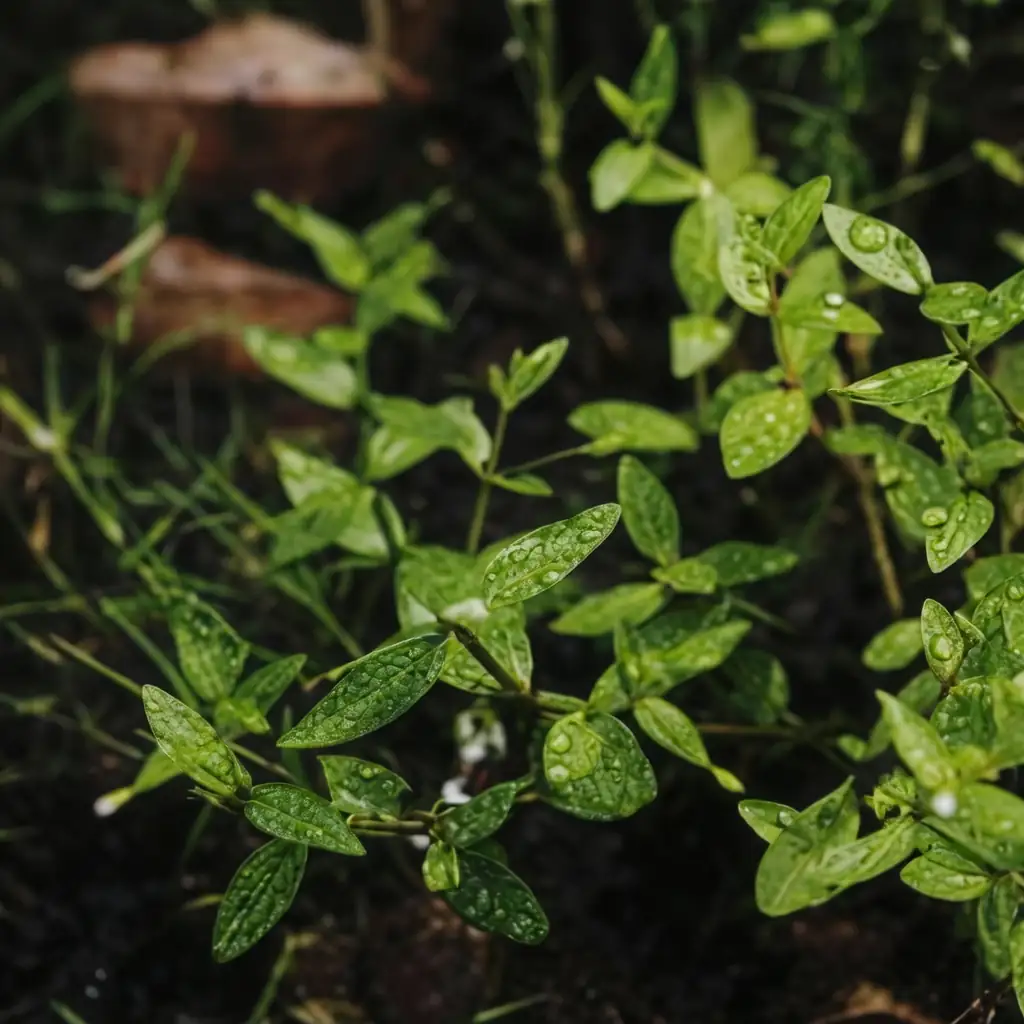
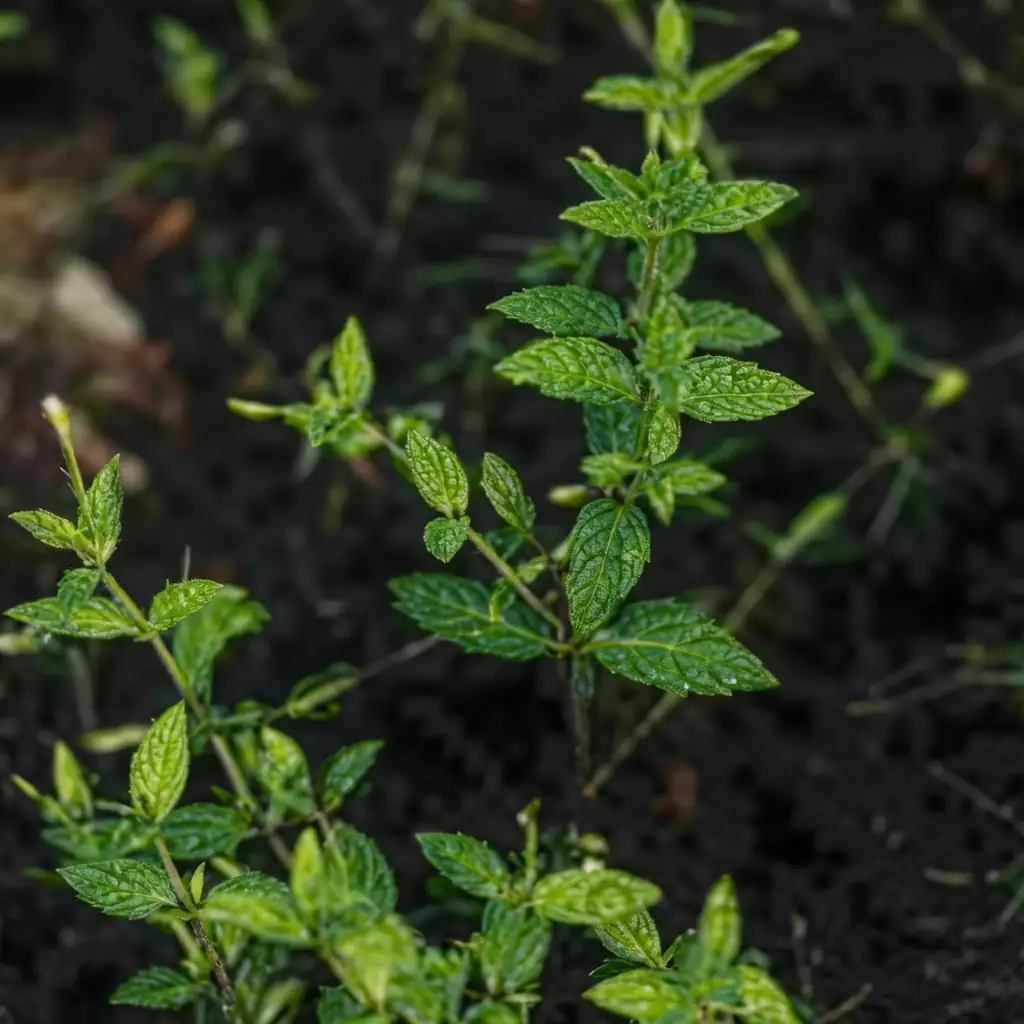
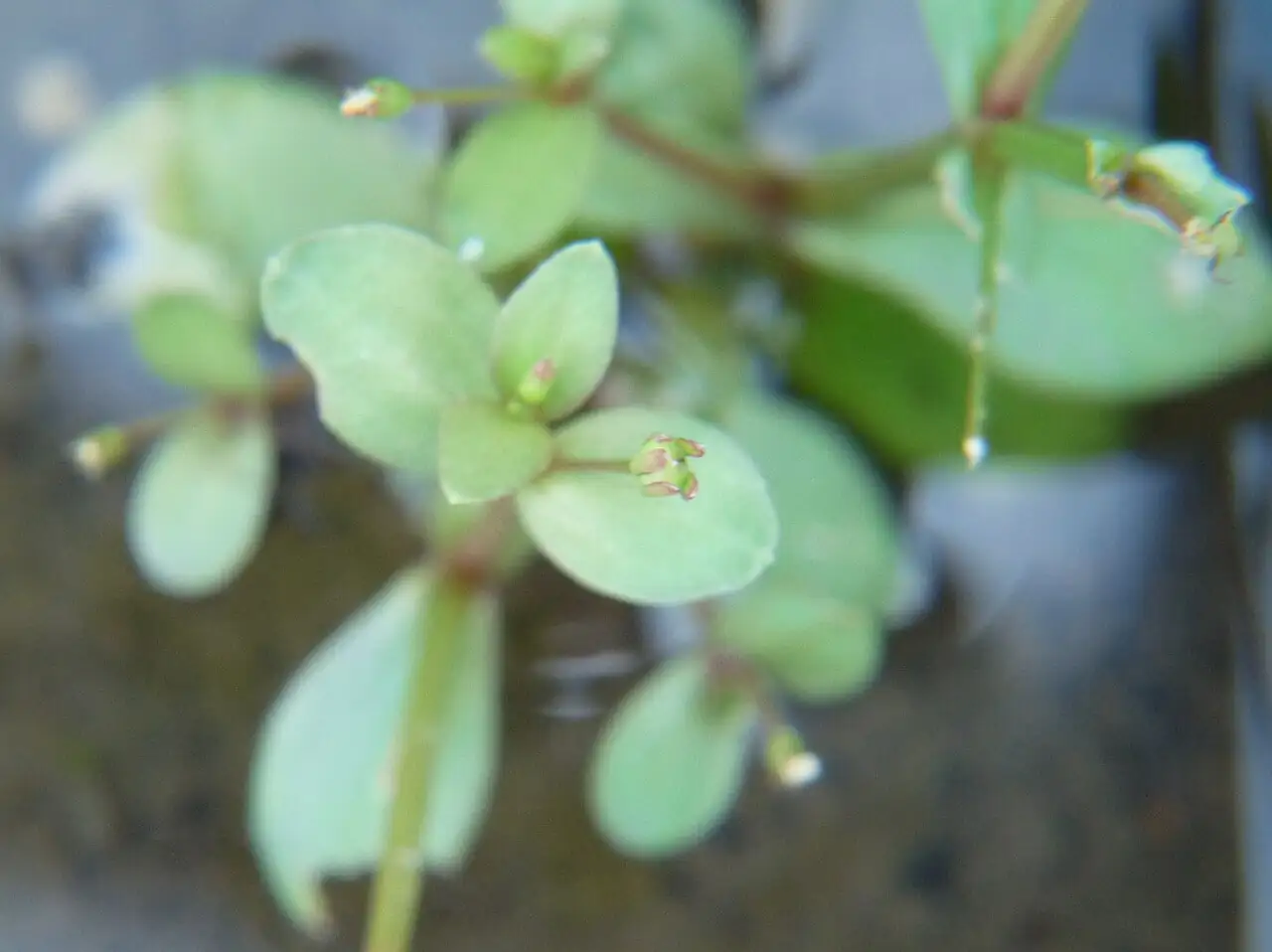
- Foliage: Leaves are sessile (stalkless). Leaf blades are oval to nearly round, sometimes slightly diamond-shaped; overall foliage stays low and tidy along fine stems.
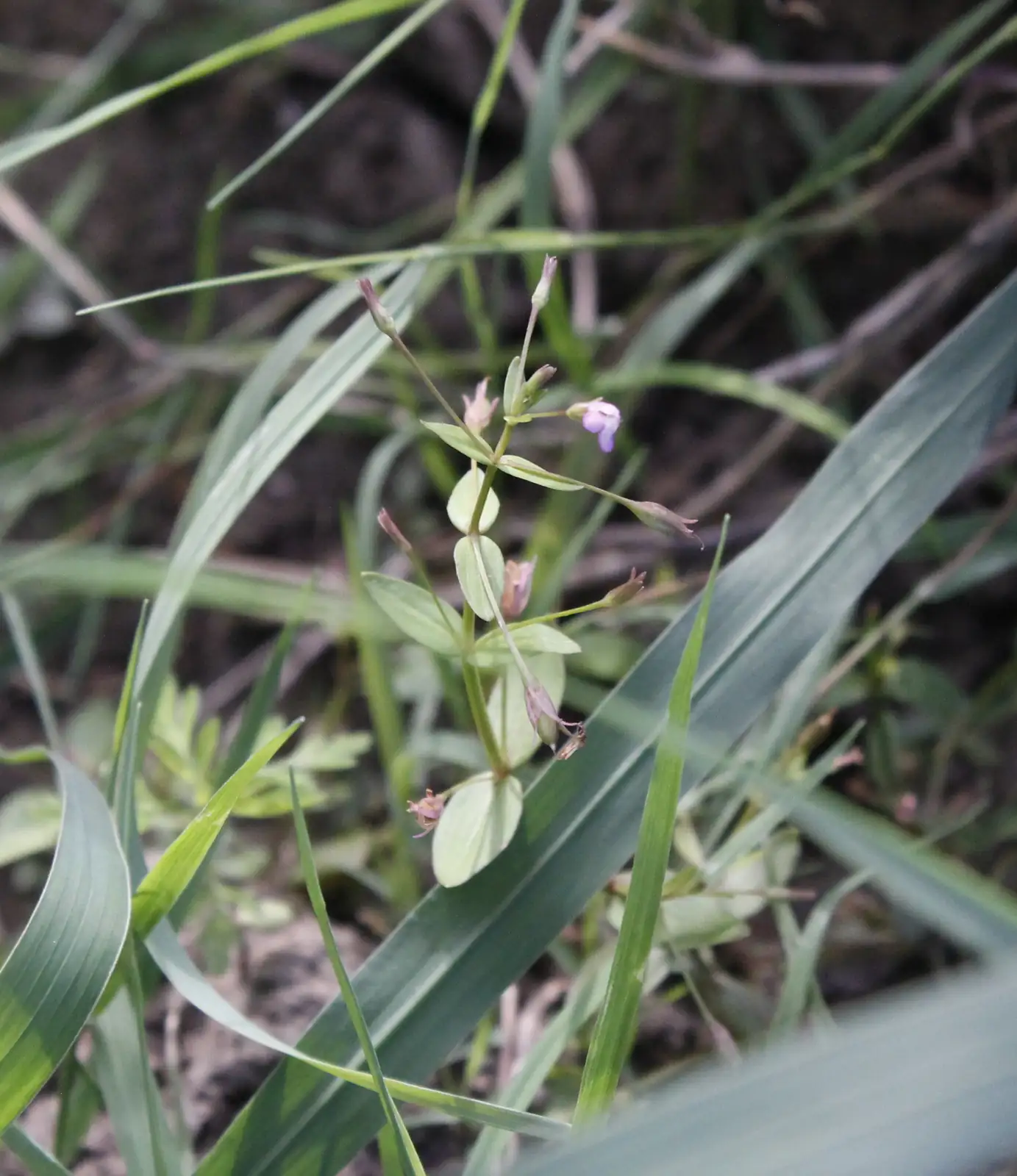
- Flower: Small, solitary flowers appear in the leaf axils on fine stalks; the corolla is usually pink to purple, giving subtle color rather than a bold floral display.
- Flowering Season: July–October
- Growth Habit: A small, generally hairless herb with fine fibrous roots; grows low and patch-forming, with stems that can appear lightly clumped in consistently wet ground.
Environment
Sunlight
Full sun to partial shade; happiest with 6+ hours of sun as long as the soil remains moist.
Temperature
Grows best in cool-to-warm conditions around 10–30°C (50–86°F). Protect from hard frost.
Humidity
Prefers high humidity and consistently damp conditions.
Soil
Moist to wet soil; tolerates waterlogged, muddy ground (ideal for pond edges, ditches, and other saturated sites).
Placement
Pond margins, bog gardens, rain gardens, damp woodland edges, or any reliably moist spot where it can act as a naturalistic summer–autumn groundcover.
Hardiness
Often treated as frost-sensitive in cultivation; approximately USDA Zone 8–11 (cold tolerance can vary by local ecotype).
Care Guide
Difficulty
Easy when kept consistently moist; can be challenging in dry pots or drought-prone beds.
Buying Guide
Pick plants with fresh green growth and no wilting. Avoid specimens that have dried out completely in their pots—moisture-dependent plants can be slow to bounce back after severe drying.
Watering
Keep soil consistently moist to wet. Do not let the substrate dry out fully; container plants may need frequent checks in warm weather. If growing in a pot, sitting the container in a shallow water tray can help maintain steady moisture.
Fertilization
Often unnecessary in nutrient-rich wet soils. If growth looks weak, feed lightly during the growing season using a diluted balanced fertilizer.
Pruning
Usually not required. Snip back spent or straggly stems if you want a tidier patch or to limit self-seeding.
Propagation
Mainly by seed; also spreads naturally by self-seeding in suitable wet habitats.
Repotting
If container-grown, repot in spring into a moisture-retentive mix and a pot setup that can be kept evenly wet (including the option of a water tray).
📅 Seasonal Care Calendar
Blooms July–October; fruits September–November. Performs best as a summer–autumn groundcover in wetlands or consistently damp garden areas (including lightly shaded woodland edges).
Pests, Diseases & Safety
Common Pests & Diseases
Generally trouble-free. In stagnant, crowded, overly wet conditions, watch for rot; occasional aphids may appear. Improve airflow, avoid heavy buildup of decaying material, and remove affected growth promptly.
Toxicity
No reliable, widely cited toxicity information for people or pets. Treat as non-edible unless confirmed by a trusted local reference.
Culture & Symbolism
Symbolism: Not well documented.
History & Legends: Not well documented.
Uses: Mostly used ornamentally in naturalistic wetland-style plantings—especially as a petite groundcover for pond edges, wet meadows, rain gardens, and damp woodland gardens—adding gentle pink-to-purple color from summer into autumn.
Fun Facts
- It thrives in saturated, muddy ground where many typical garden plants struggle.
- Its flowers are usually borne singly from the leaf axils rather than in showy clusters.
- It can be a charming accent for rain gardens and bog-style container setups.
- Even at just 5–20 cm (2–8 in) tall, it can knit into a surprisingly neat little carpet in the right conditions.


