


Plant Features
- Size: Up to about 8 m (26 ft) tall; often kept smaller as a shrub depending on pruning and site.
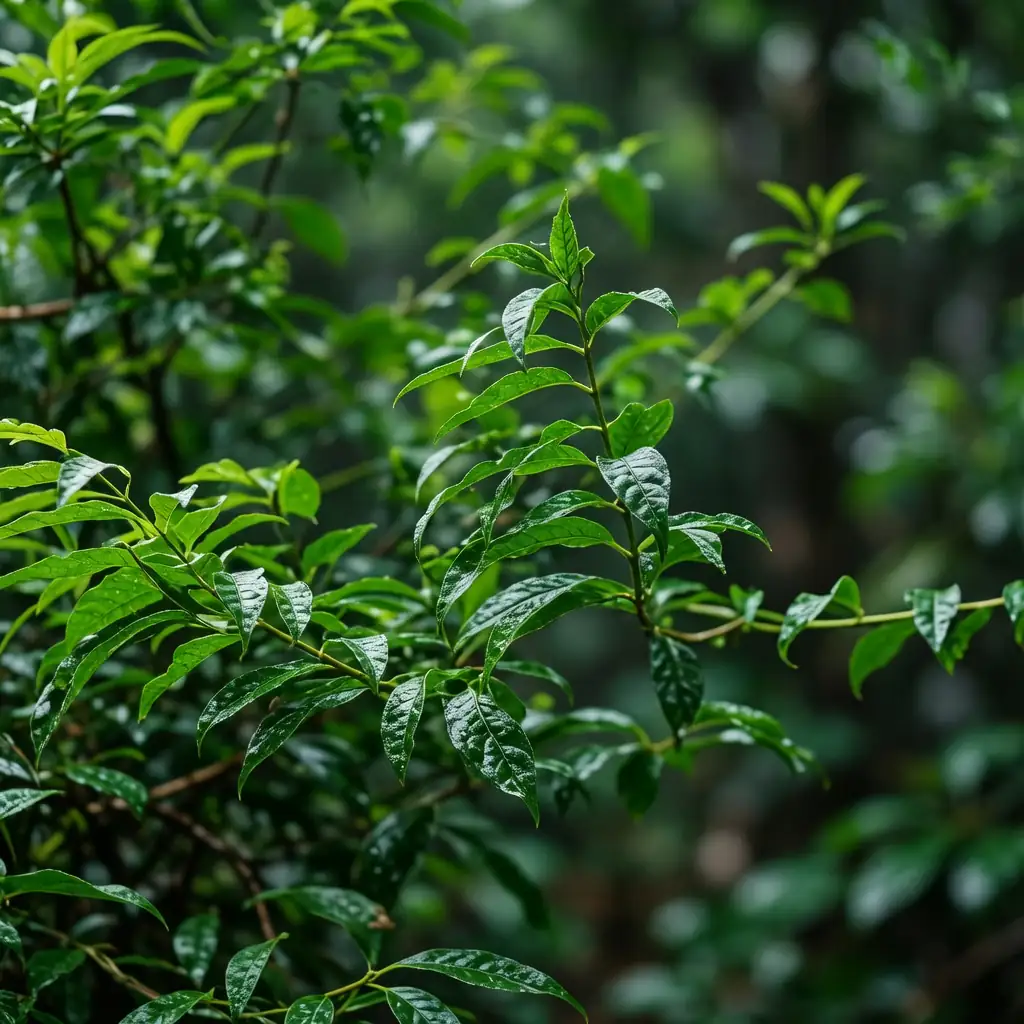
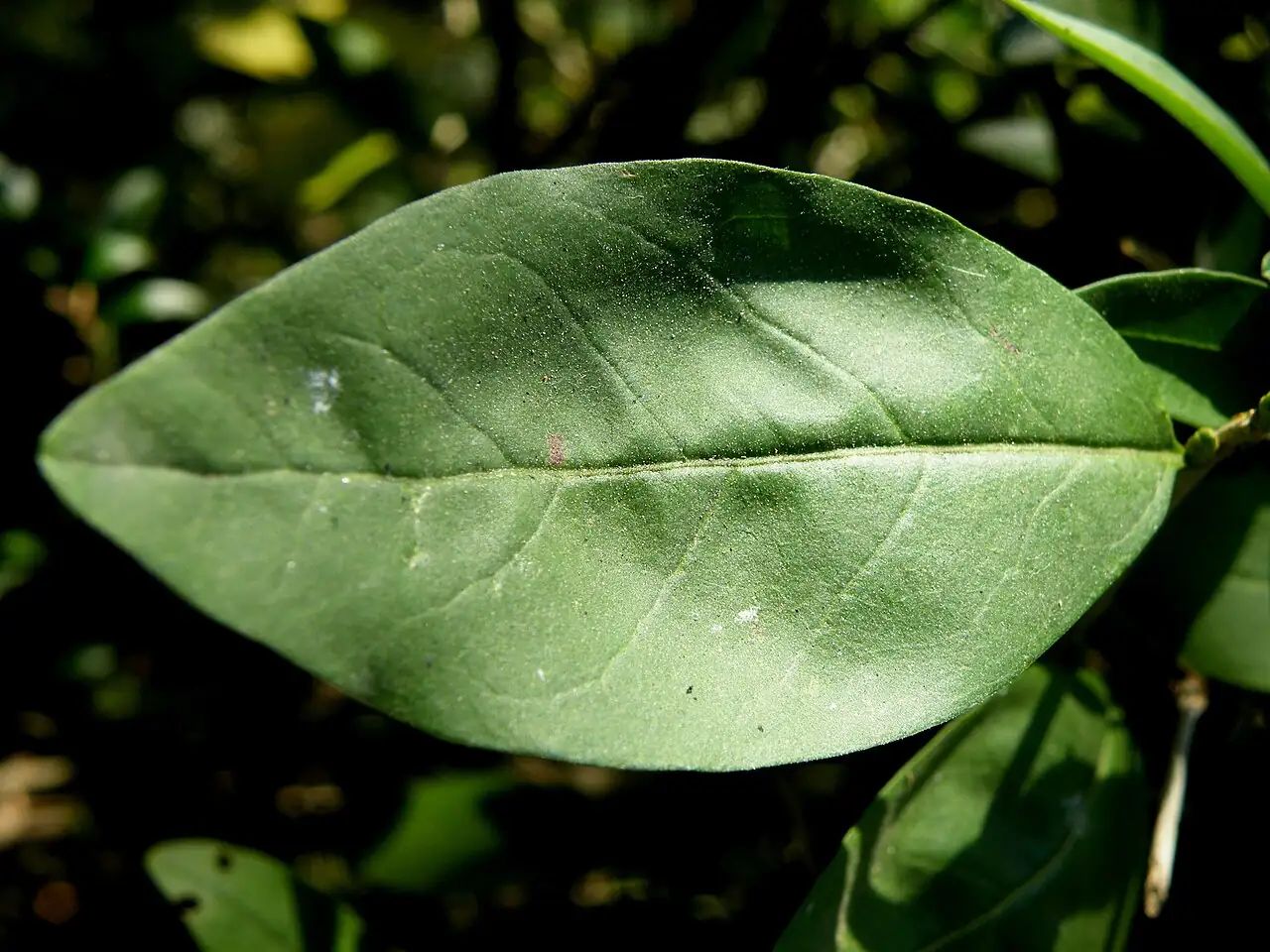
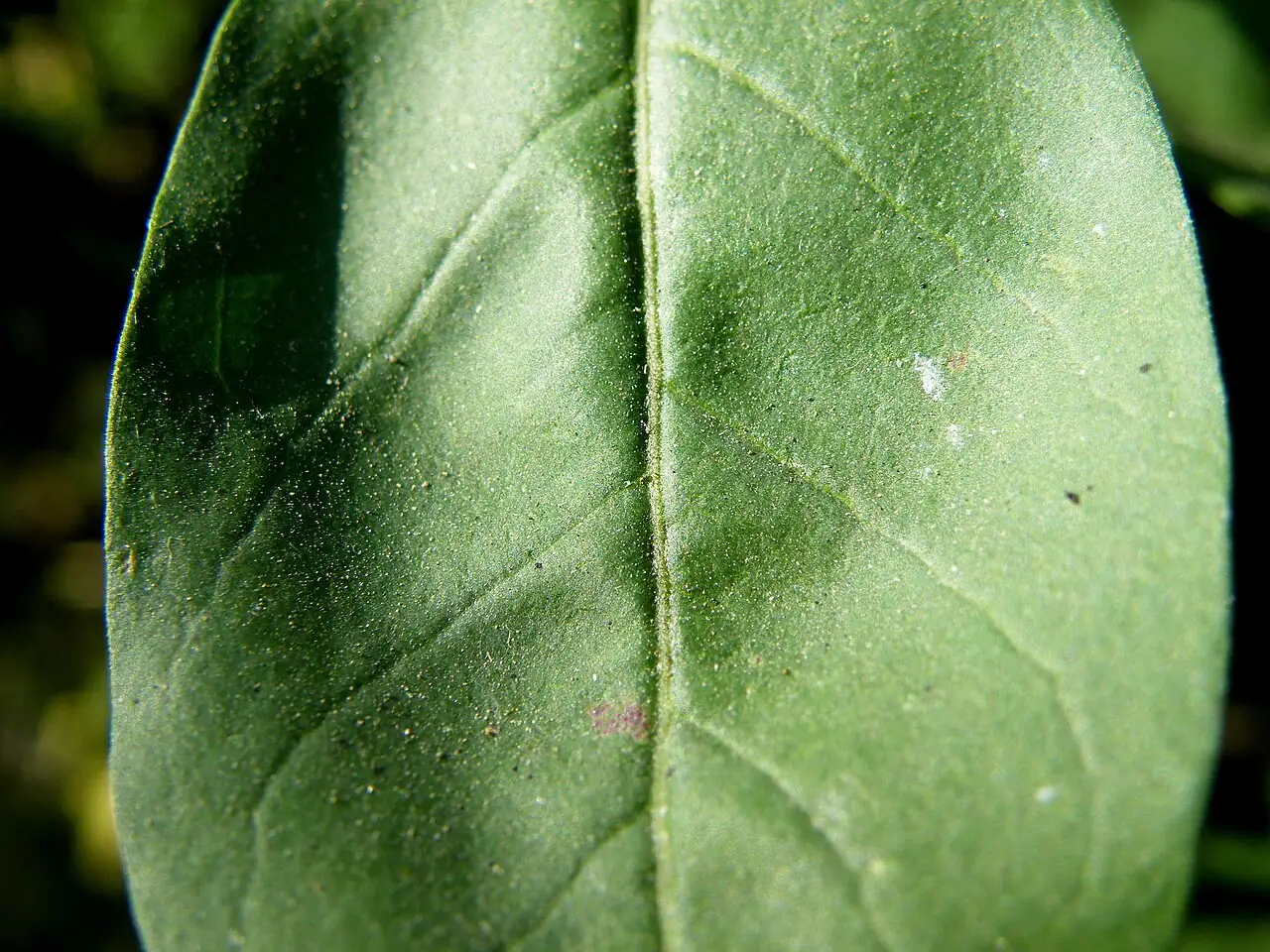
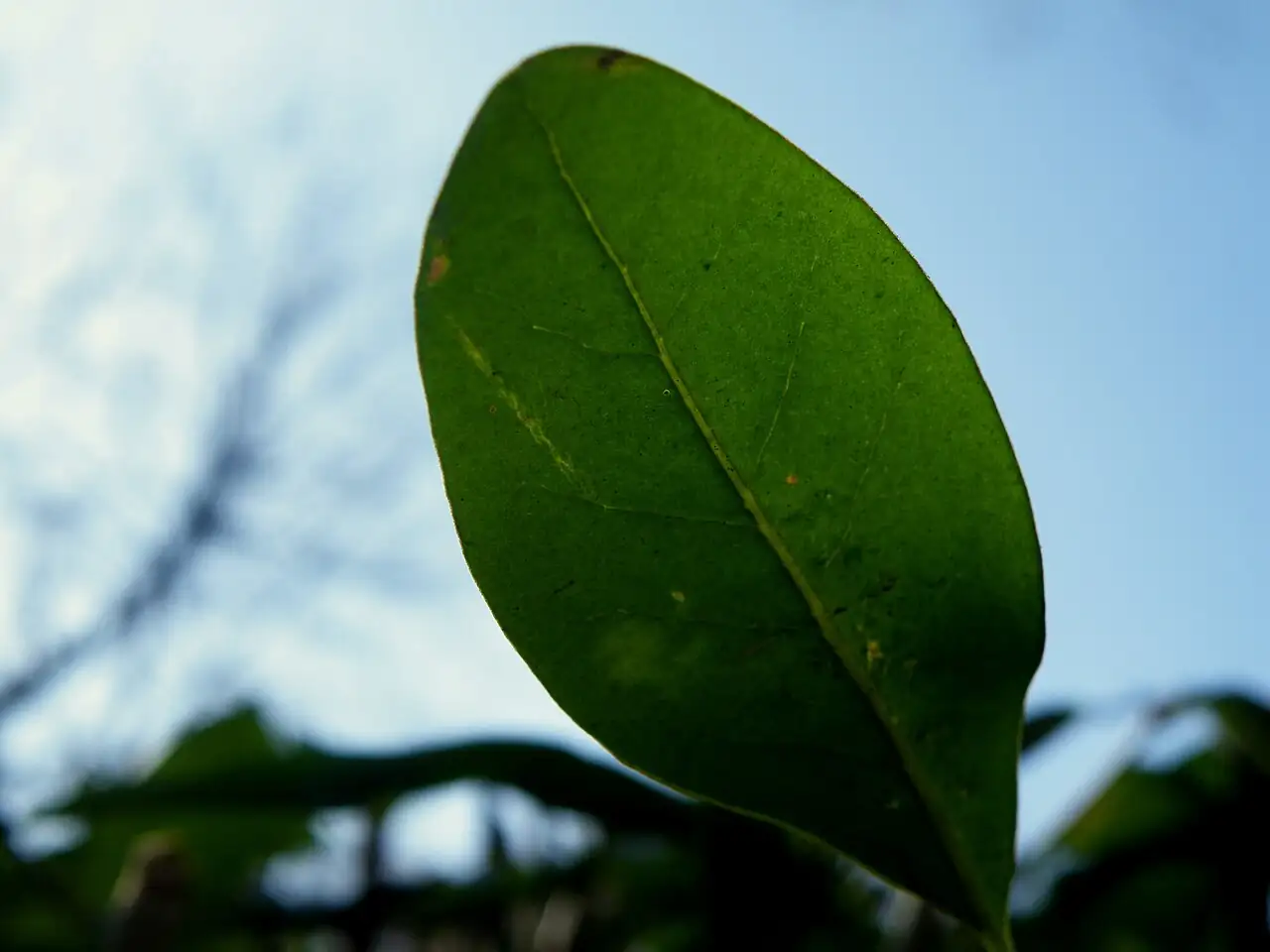
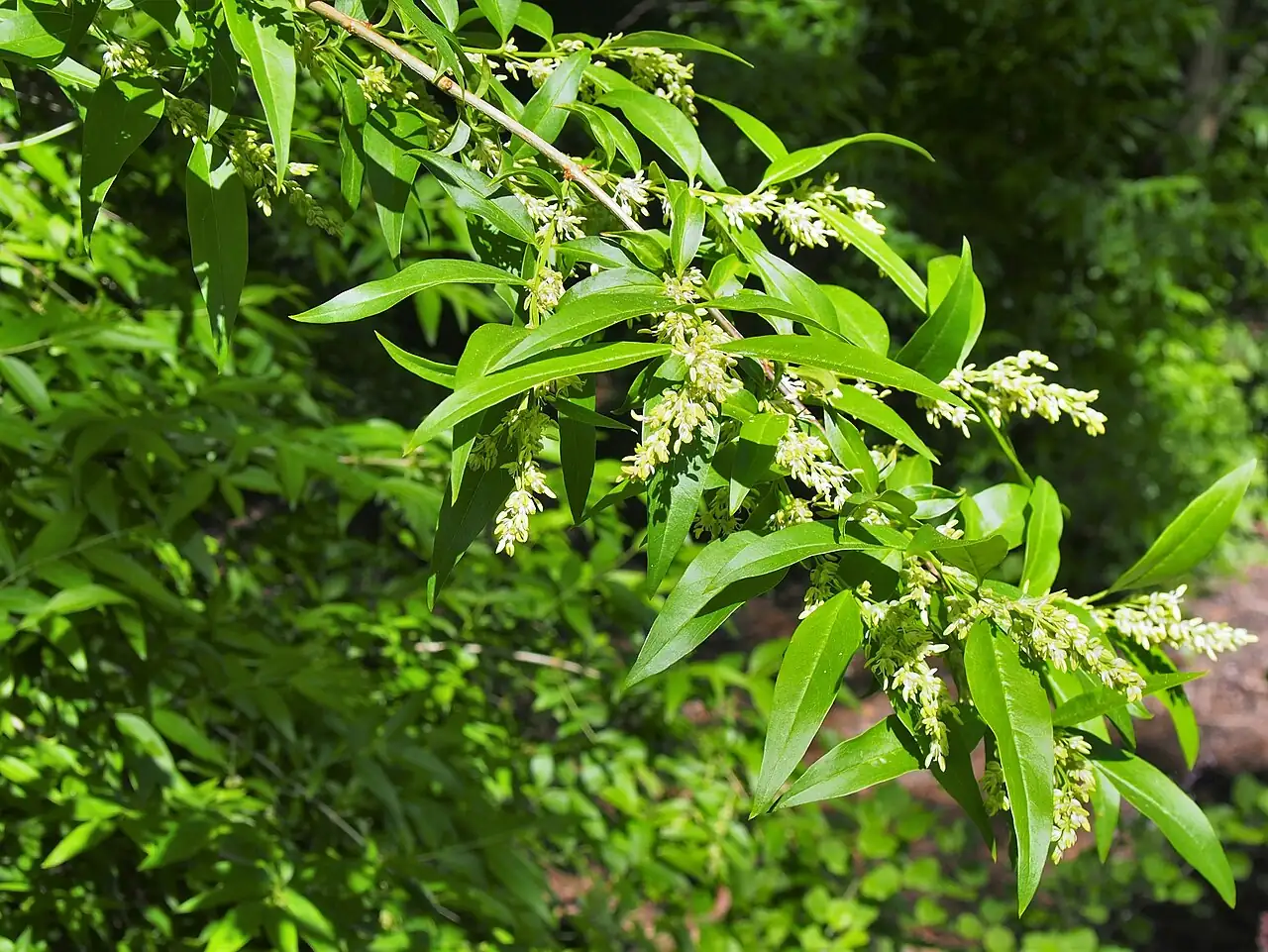
- Foliage: Leaves are thin and papery with a light, delicate look; typically narrow and lance-shaped, which gives the whole plant a refined, airy texture in the landscape.
- Flower: In spring, it produces small flowers in branched panicles from shoot tips or leaf axils. After flowering, flattened, inversely egg-shaped fruits develop and mature from summer into autumn, turning yellow-brown. Seeds are about 3 mm (0.12 in) long and distinctly three-angled.
- Flowering Season: April–June
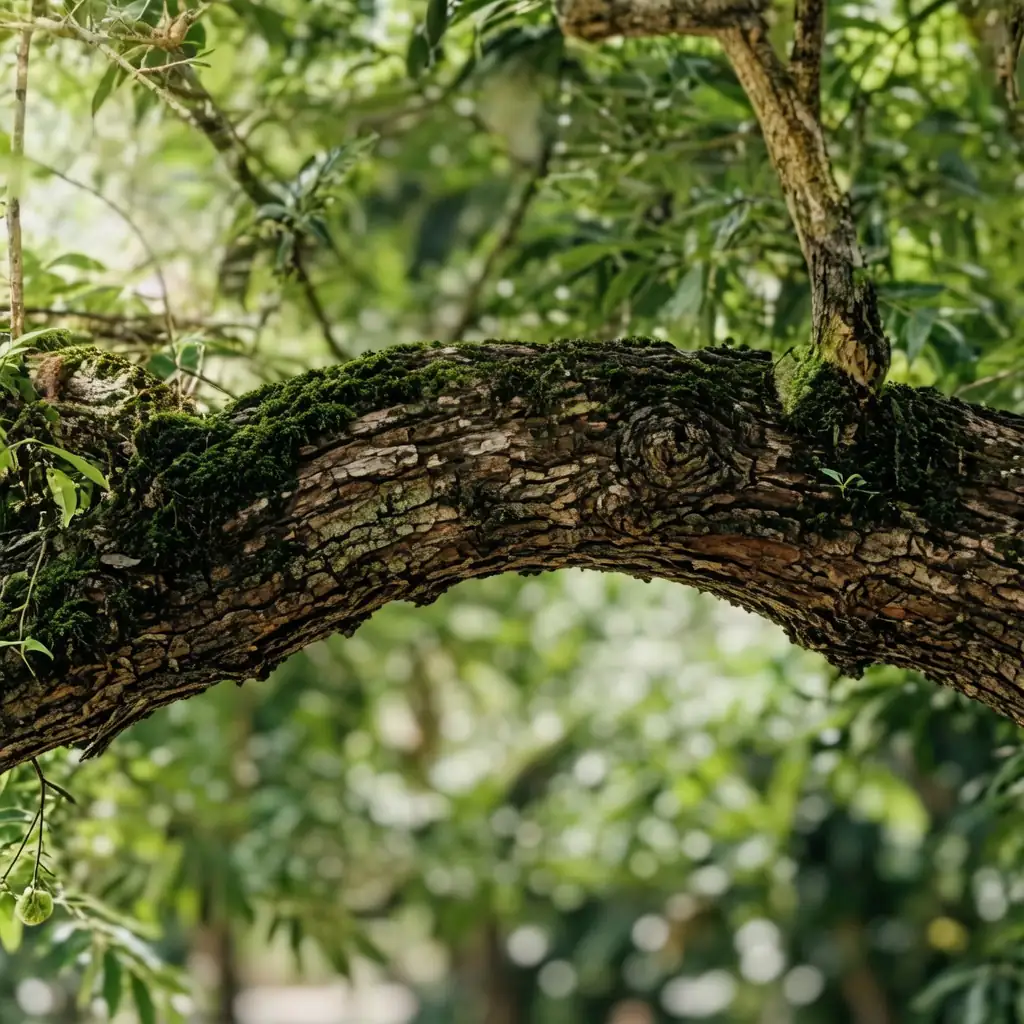
- Growth Habit: Deciduous shrub or small tree with gray-brown bark; upright to lightly spreading branching.
Environment
Sunlight
Full sun to light shade; full sun usually gives the best flowering and strongest, densest growth.
Temperature
Prefers a warm, moderately moist growing season but tolerates winter cold; young plants benefit from protection from severe late frosts.
Humidity
Does well in average outdoor humidity; happiest where the growing season isn’t extremely dry (though established plants handle dry spells).
Soil
Adaptable. Grows best in fertile, well-drained soil, but once established it can tolerate poorer, drier sites. Avoid waterlogged or persistently soggy ground to prevent root trouble.
Placement
Outdoors in gardens as a specimen or planted in groups (borders, lawn corners, near buildings). Suitable for some urban plantings as a street tree. Often associated with stream banks, ditches, and woodland edges in habitat descriptions.
Hardiness
Cold-tolerant; roughly USDA Zone 6–9 (performance varies with local conditions, exposure, and soil drainage).
Care Guide
Difficulty
Easy to moderate: generally resilient and forgiving once established, especially if given sun and good drainage.
Buying Guide
Pick plants with healthy, evenly spaced branches and no obvious dieback. Avoid pot-bound plants; check that the root ball is firm and doesn’t smell sour (often a clue it has been kept too wet).
Watering
Water regularly during the first growing season to help roots establish. After that it’s fairly drought-tolerant, but looks fuller and flowers/fruits better with occasional deep watering during prolonged dry spells. The key is drainage—don’t keep the soil constantly wet.
Fertilization
Usually needs little feeding. In spring, top-dress with compost or use a balanced slow-release fertilizer if growth is weak. Avoid heavy nitrogen, which can encourage soft, floppy shoots.
Pruning
Prune in late winter to early spring: remove dead, damaged, or crossing branches and shape lightly. If training into a small tree, gradually raise the canopy by removing lower branches over several years rather than all at once.
Propagation
Propagate by seed (from fruits ripening roughly June–October) or by semi-hardwood cuttings in summer. Seeds are small—about 3 mm (0.12 in)—and may germinate better with a cold period (cold stratification), depending on seed source.
Repotting
Primarily an outdoor woody plant rather than a long-term container subject. If grown in a pot, move up to a larger container every 1–2 years in early spring, refreshing with a free-draining mix and ensuring excellent drainage.
📅 Seasonal Care Calendar
Spring: light feeding/compost; finish pruning and shaping; watch new growth. Summer: deep water during extended heat/drought; monitor for stress. Autumn: enjoy fruit display and collect seed if desired. Winter: structural pruning and check that the planting site isn’t becoming waterlogged.
Pests, Diseases & Safety
Common Pests & Diseases
Generally trouble-free. Aphids may appear on soft new growth, and scale insects can show up occasionally. Root issues are most likely in poorly drained soil—improve drainage and avoid overwatering.
Toxicity
No widely documented toxicity is commonly cited for Fontanesia fortunei. Still, it’s sensible to discourage chewing/ingestion and keep trimmings away from pets and small children.
Culture & Symbolism
Symbolism: Often seen as a symbol of resilience and adaptability—pretty, but not precious—because it copes well with a range of garden conditions.
History & Legends: The species name honors plant collector Robert Fortune. It’s grown mainly as a landscape ornamental in temperate regions.
Uses: Ornamental landscaping: grown as a specimen shrub, in mixed group plantings, or trained into a small tree; sometimes used in urban plantings where it has enough sun and well-drained soil.
FAQ
When does it flower?
Usually in spring, around April–June.
When does it set fruit?
Fruits typically develop and ripen from summer into autumn, roughly June–October.
How tall can it get?
It can reach about 8 m (26 ft), but it’s often kept smaller with pruning and is commonly grown as a large shrub.
What growing conditions does it like best?
Give it full sun to light shade and well-drained soil. It’s adaptable and drought-tolerant once established, but looks its best with occasional deep watering during prolonged dry periods.
Is it hard to care for?
Not usually—it’s fairly forgiving. The biggest ‘must’ is avoiding waterlogged soil, especially in winter.
Fun Facts
- It’s often described horticulturally as being closely related to European Fontanesia, which is why you may see confusing labeling in cultivation.
- You can grow it either as a big, fountain-like shrub or train it into a neat small tree up to about 8 m (26 ft).
- The fruits are flattened and yellow-brown when ripe, with tiny three-angled seeds about 3 mm (0.12 in) long.
- It tolerates lean, dry soils surprisingly well once established, but becomes noticeably lusher in fertile, well-drained ground.
- Its light, papery foliage is a big part of its charm—especially when used to soften the edge of a border or lawn.


