Plant Features
- Size: Typically a low basal rosette with upright flowering stems, reaching up to about 50 cm (20 in) tall.
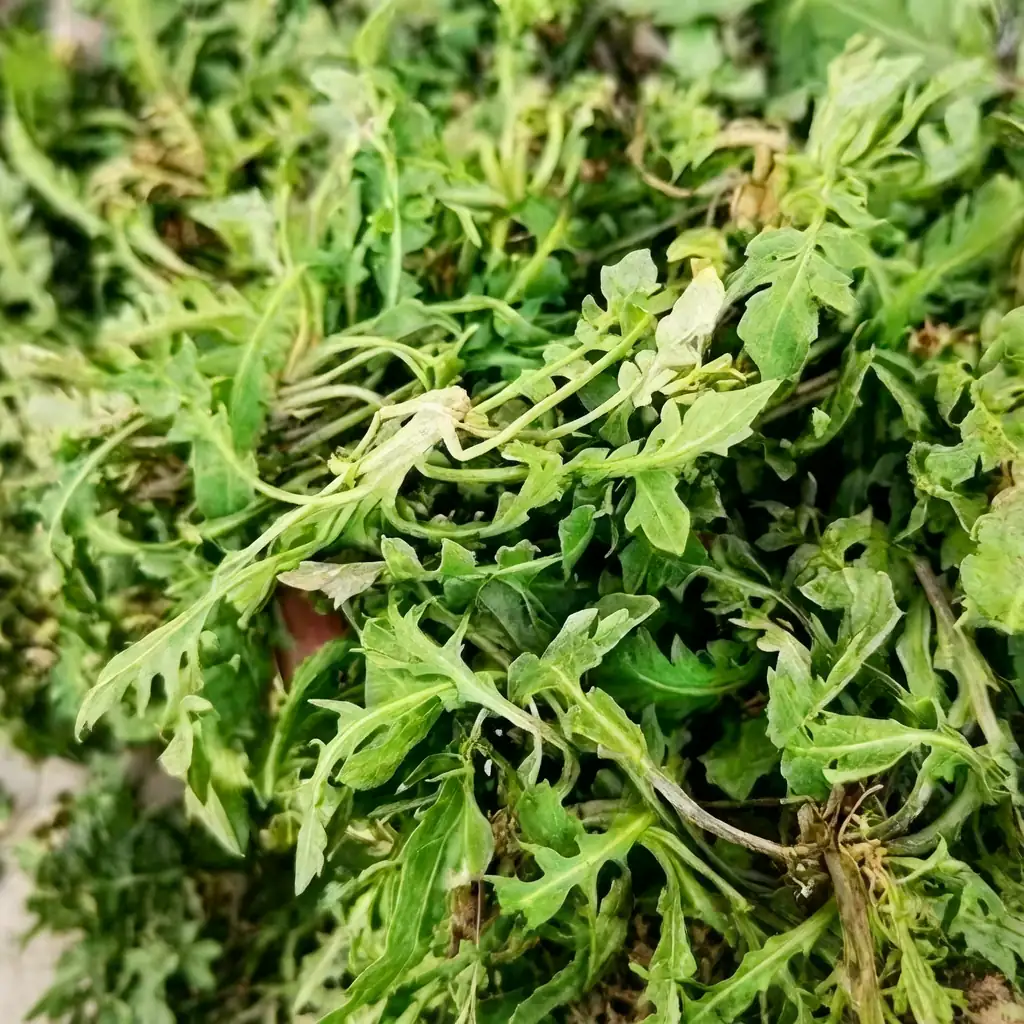
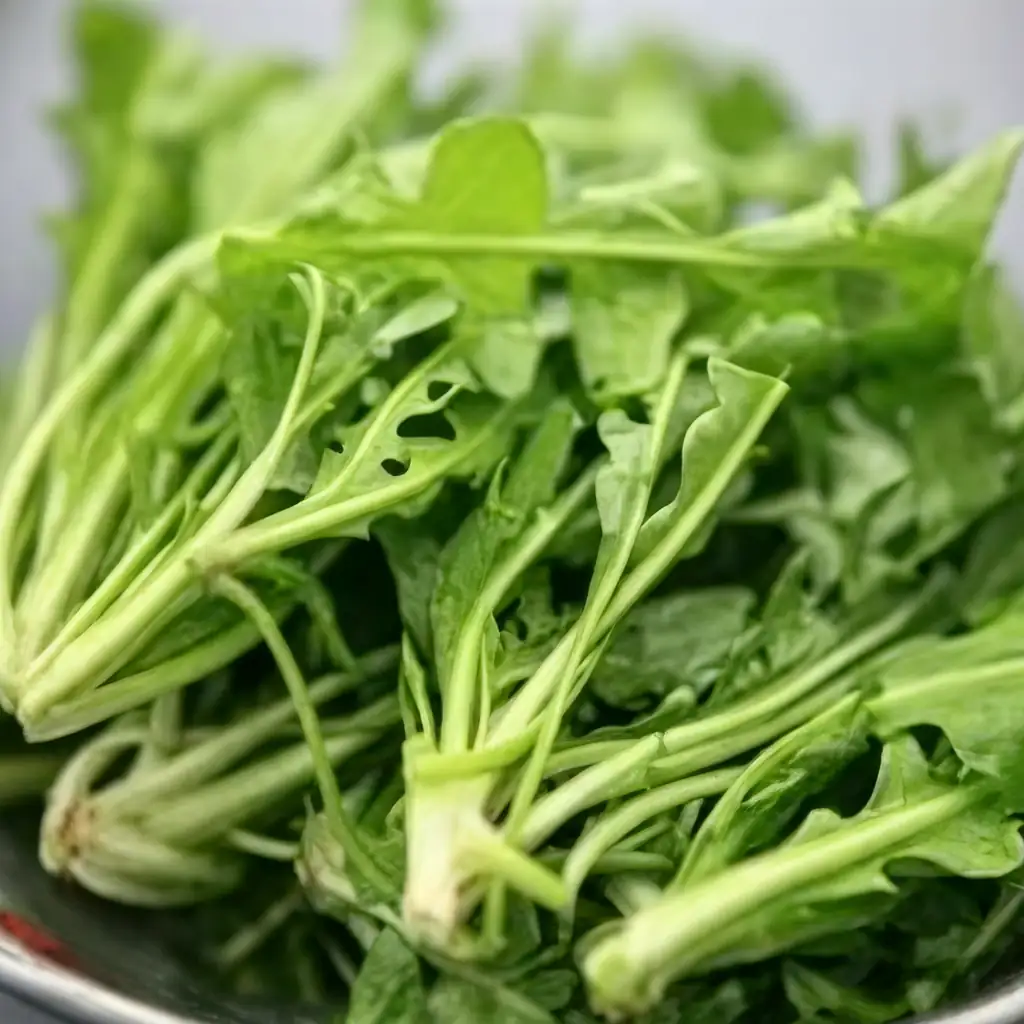
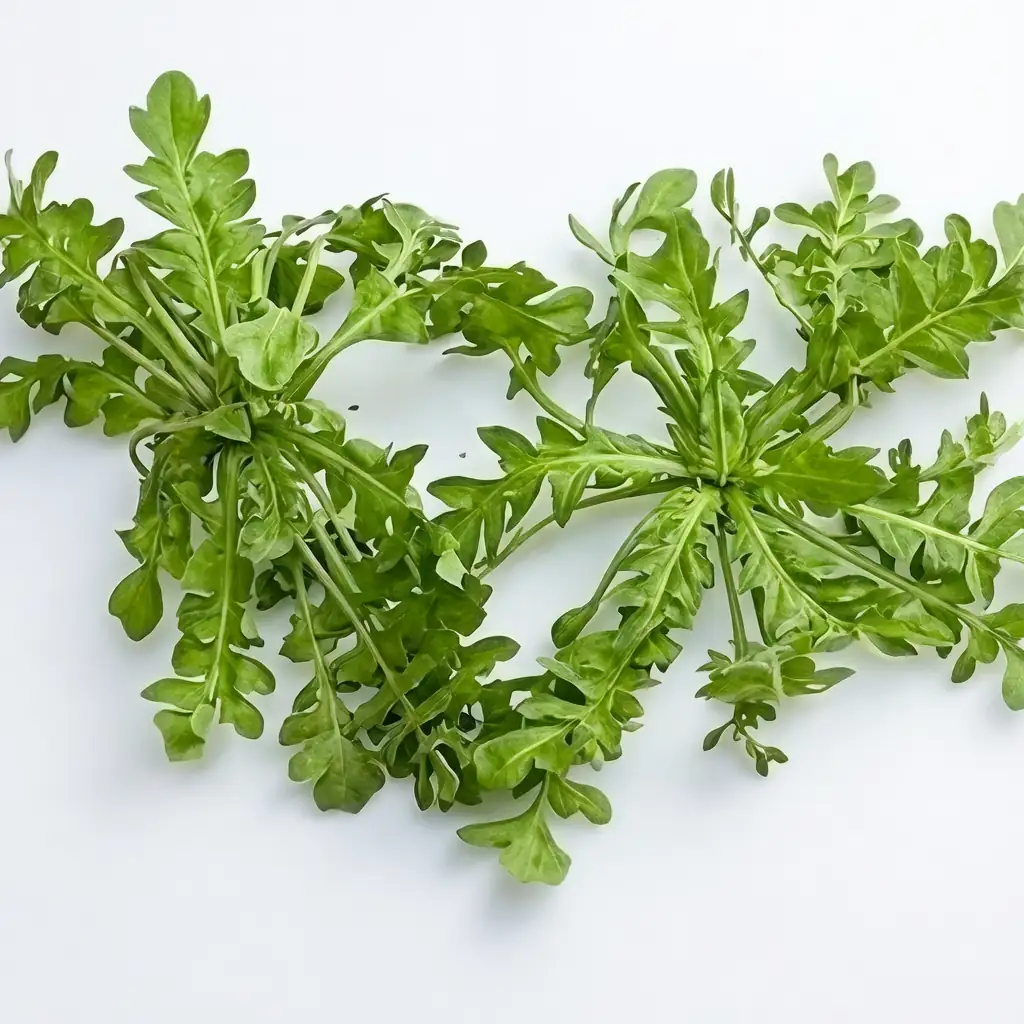
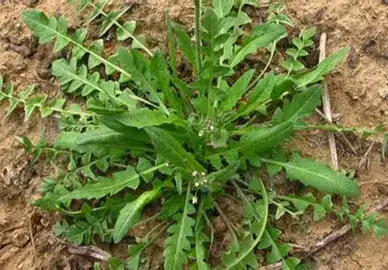
- Foliage: Leaves begin in a dense basal rosette; they’re often deeply lobed or pinnately divided. As the flowering stem rises, the stem leaves become smaller and may be toothed or notched; they typically clasp the stem at the base.
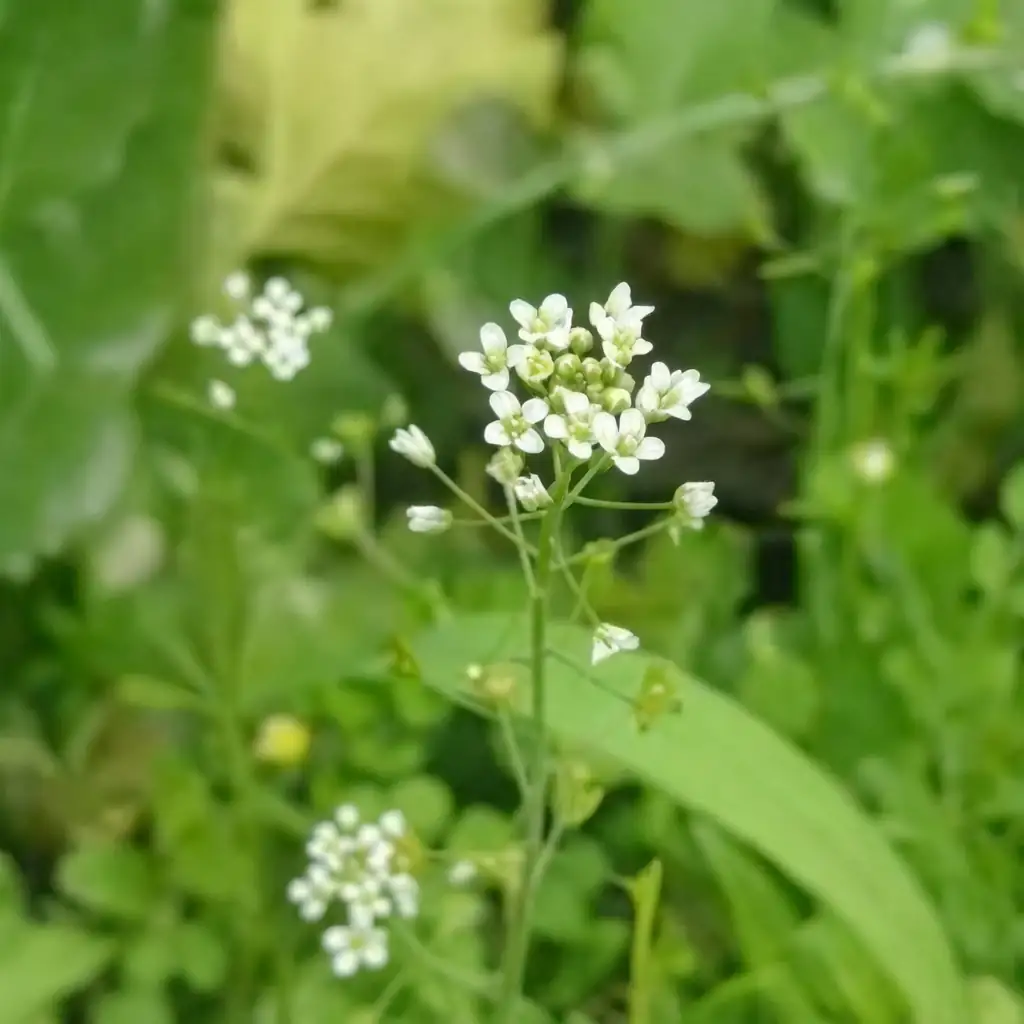
- Flower: Produces tiny white flowers with four petals (classic mustard-family form) in slender racemes at the stem tips and sometimes from upper leaf axils. After flowering, it forms distinctive flat silicles shaped like an inverted triangle to heart. Seeds are arranged in two rows; each seed is about 1 mm (0.04 in) long and light brown.
- Flowering Season: April–June (may vary by climate)
- Growth Habit: Annual or biennial upright herb, usually with a single stem or branching from the lower portion.
Environment
Sunlight
Full sun to partial shade; happiest with several hours of sun, especially in cool seasons (a little shelter from intense heat helps).
Temperature
Prefers cool conditions; growth slows below 10°C (50°F) or above 22°C (72°F).
Humidity
Enjoys cool, moist conditions; tolerates average outdoor humidity as long as the soil doesn’t dry out too much.
Soil
Very adaptable, but grows most vigorously in fertile, loose, well-drained soil with consistent moisture.
Placement
Outdoors in garden beds, vegetable plots, or a “wild corner”; also easy in pots on a balcony or patio during cool seasons.
Hardiness
Cold-tolerant and widely naturalized in temperate regions; commonly occurs outdoors in USDA Zones 4–9 (approx., depending on local conditions).
Care Guide
Difficulty
Easy. Undemanding and notably cold-tolerant; slows down in sustained cold below 10°C (50°F) or in heat above 22°C (72°F).
Buying Guide
For eating, choose plants with fresh, tender rosette leaves—avoid yellowing, wilting, or plants already setting lots of seed pods if you want the best leaf texture. For foraging, only harvest from clean areas away from traffic, pesticides, and contaminated soils, and confirm identification.
Watering
Keep evenly moist during active growth in cool weather. Water when the top 2–3 cm (about 1 in) of soil feels dry. Avoid waterlogging, especially in containers.
Fertilization
Not a heavy feeder. For tender, leafy growth, mix in compost or use a light balanced fertilizer during active growth (follow label directions). Too much fertilizer can lead to soft, weak growth and less flavor.
Pruning
No real pruning needed. If you want more leaves for longer, pinch/cut flowering stems; remove seed heads if you want to limit self-seeding.
Propagation
Primarily by seed. Readily self-sows; for intentional sowing, scatter seeds on the soil surface, press lightly, and keep evenly moist until germination.
Repotting
If grown in pots, use a free-draining potting mix and repot only if crowded. Since it’s annual/biennial, it’s often simplest to start new plants from seed each season.
📅 Seasonal Care Calendar
Best growth is in cool, moist seasons. In many regions it flowers and fruits from April–June. Harvest leaves before heavy flowering for the most tender greens; plants slow down when temperatures fall below 10°C (50°F) or rise above 22°C (72°F).
Pests, Diseases & Safety
Common Pests & Diseases
Can attract typical Brassicaceae troubles: aphids, flea beetles, caterpillars, and (in damp, still air) downy mildew. Improve airflow, avoid late-day overhead watering, and use insect netting or targeted controls if infestations build.
Toxicity
Generally non-toxic and widely eaten as a wild green. As with any foraged food, avoid polluted sites and be sure of ID. Some people may experience mild digestive upset if eaten in very large quantities.
Culture & Symbolism
Symbolism: Often linked with thrift, resilience, and humble abundance—small and common, yet generous as an early spring green.
History & Legends: Its English name comes from the purse-like seed pods. It has long been a familiar field plant across temperate regions and is traditionally gathered as a seasonal wild vegetable in many places.
Uses: Young leaves and tender stems are eaten as a spring green (raw when very young or cooked). Seeds also have traditional and practical uses.
FAQ
What is the scientific name of shepherd’s purse?
Capsella bursa-pastoris.
What type of plant is shepherd’s purse?
An annual to biennial herb in the mustard family (Brassicaceae), typically forming a basal rosette and upright flowering stems.
When does shepherd’s purse flower and set seed?
Most commonly from April–June, though timing varies with local climate.
What growing conditions does shepherd’s purse prefer?
Cool, moist weather with sun to partial shade. Growth slows below 10°C (50°F) or above 22°C (72°F), and it commonly appears along roadsides, field edges, and slopes.
Does shepherd’s purse need special soil?
It’s adaptable and not picky, but fertile, loose, well-drained soil produces more vigorous growth and better-quality leaves.
Fun Facts
- Those flat, heart- to triangle-shaped seed pods are the quickest way to identify it.
- It’s among the most widely distributed temperate-region weeds in the world.
- The young rosette leaves are a classic early-spring foraged vegetable.
- A single plant can produce lots of seeds, which helps it rapidly colonize disturbed ground.
- Like other mustard-family plants, each tiny flower has four petals arranged in a cross.