Plant Features
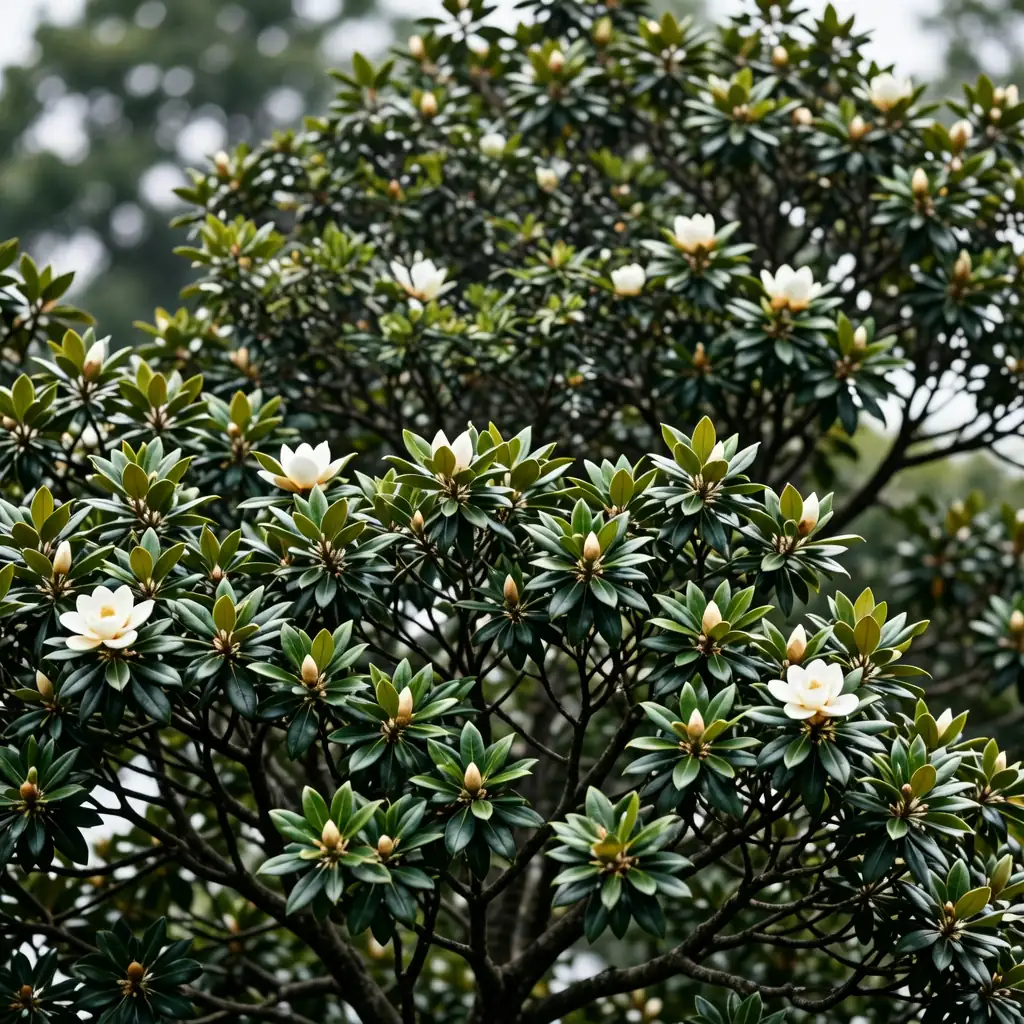
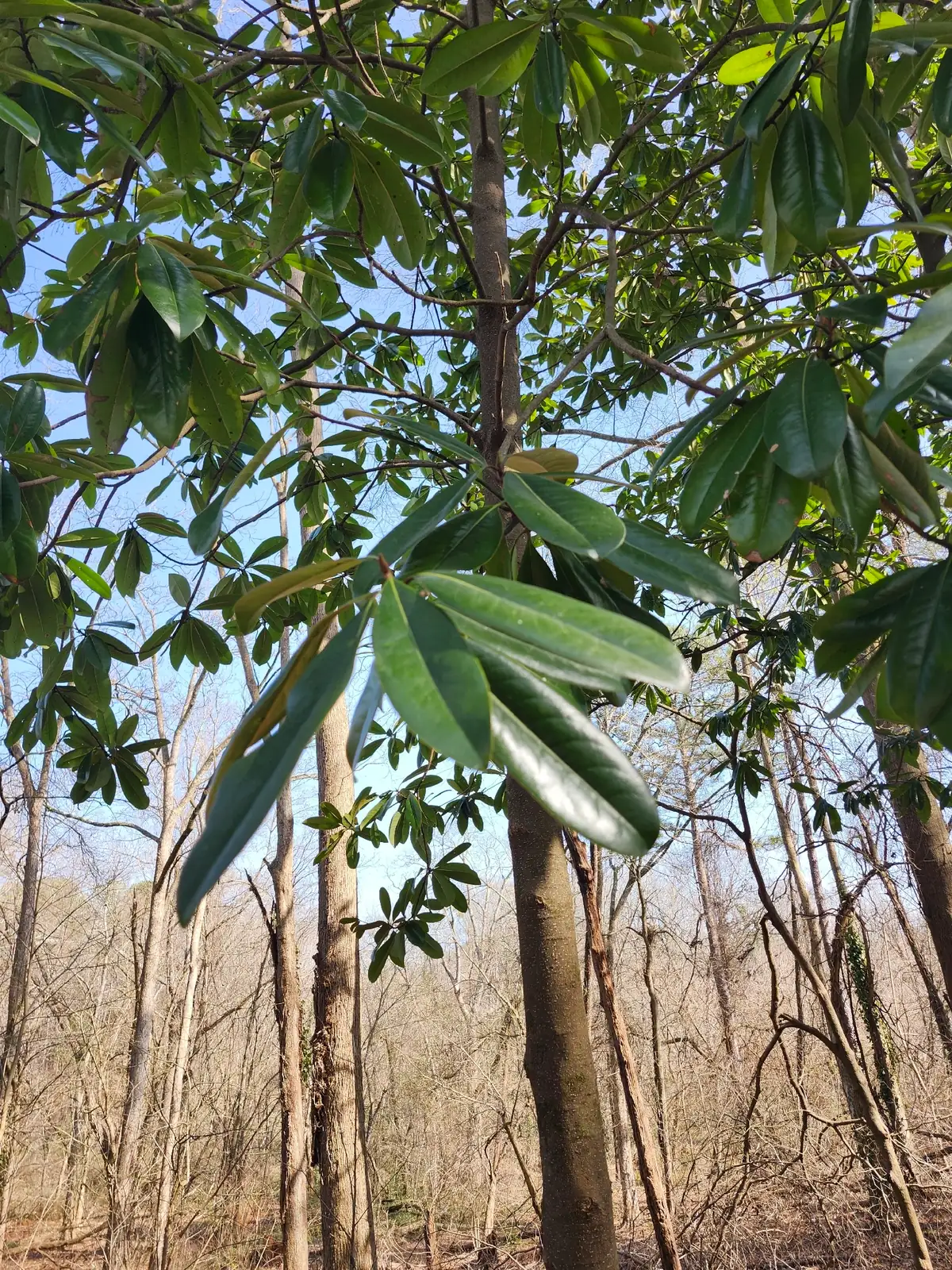
- Size: Up to about 30 m (98 ft) tall; typically forms a broad, rounded to pyramidal crown.
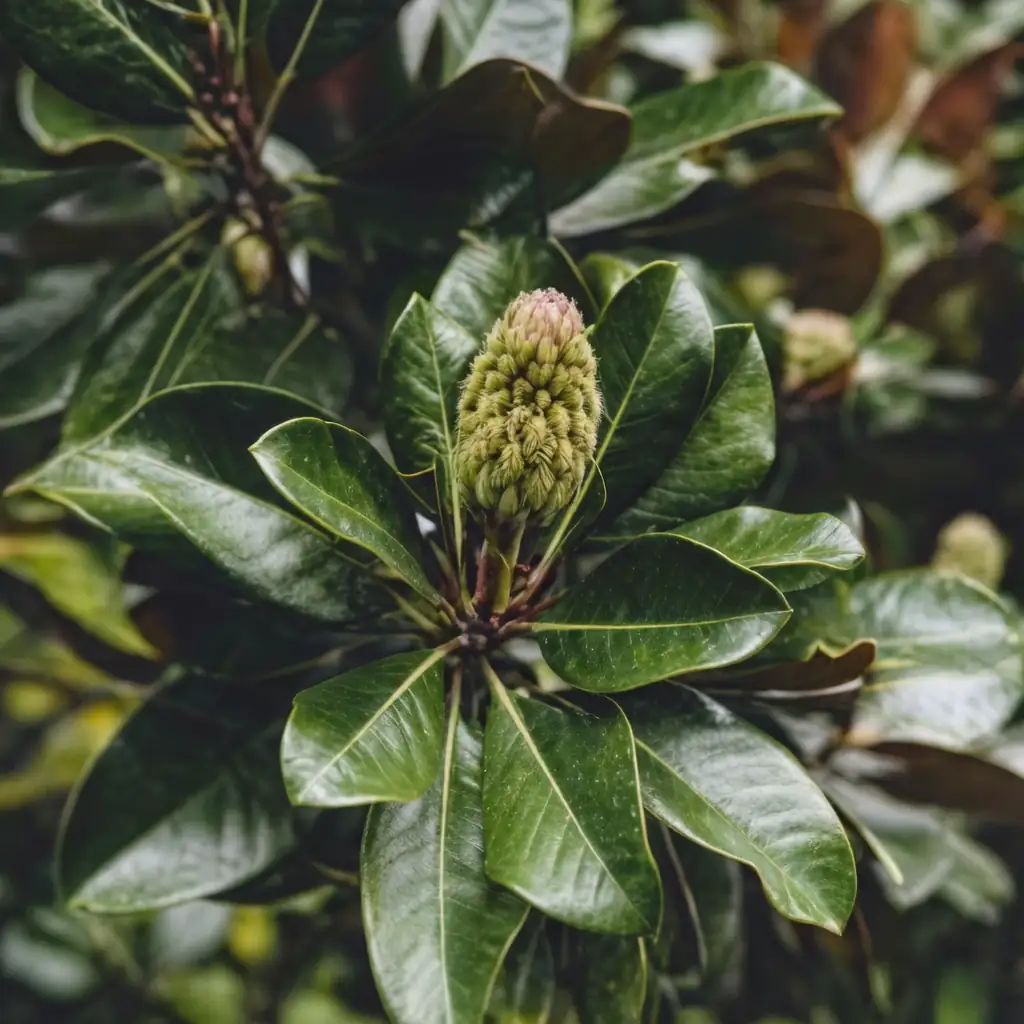
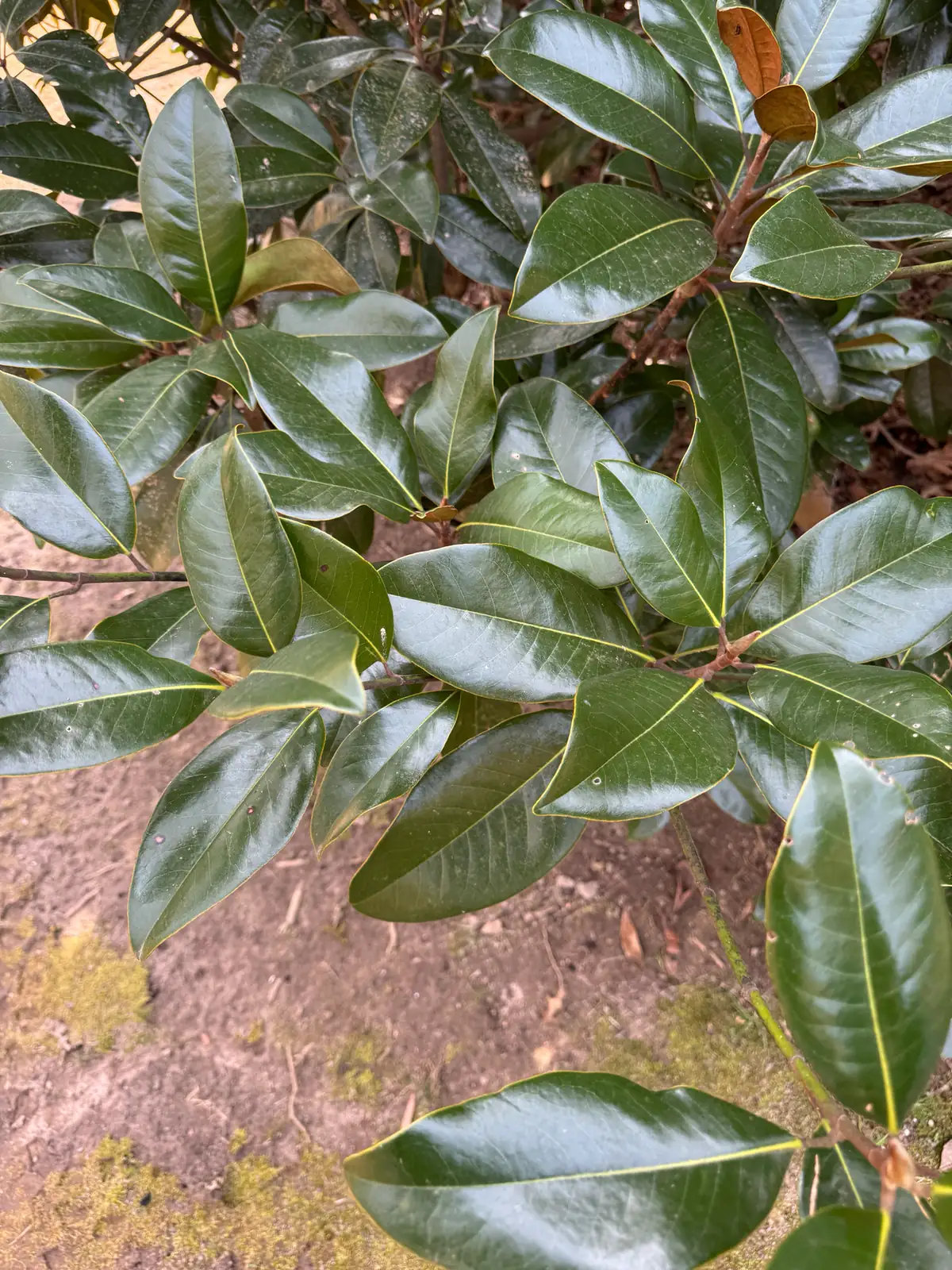
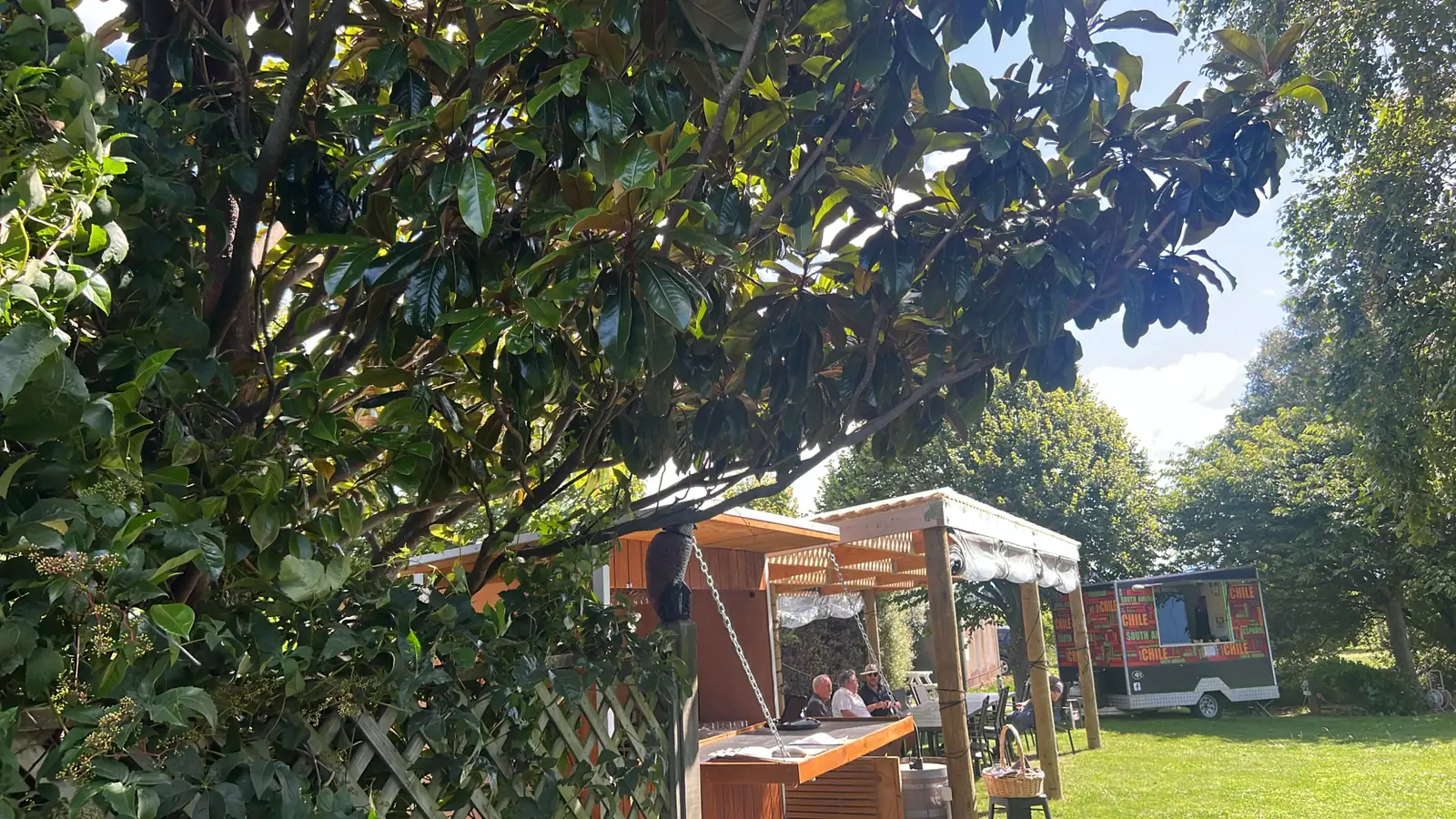
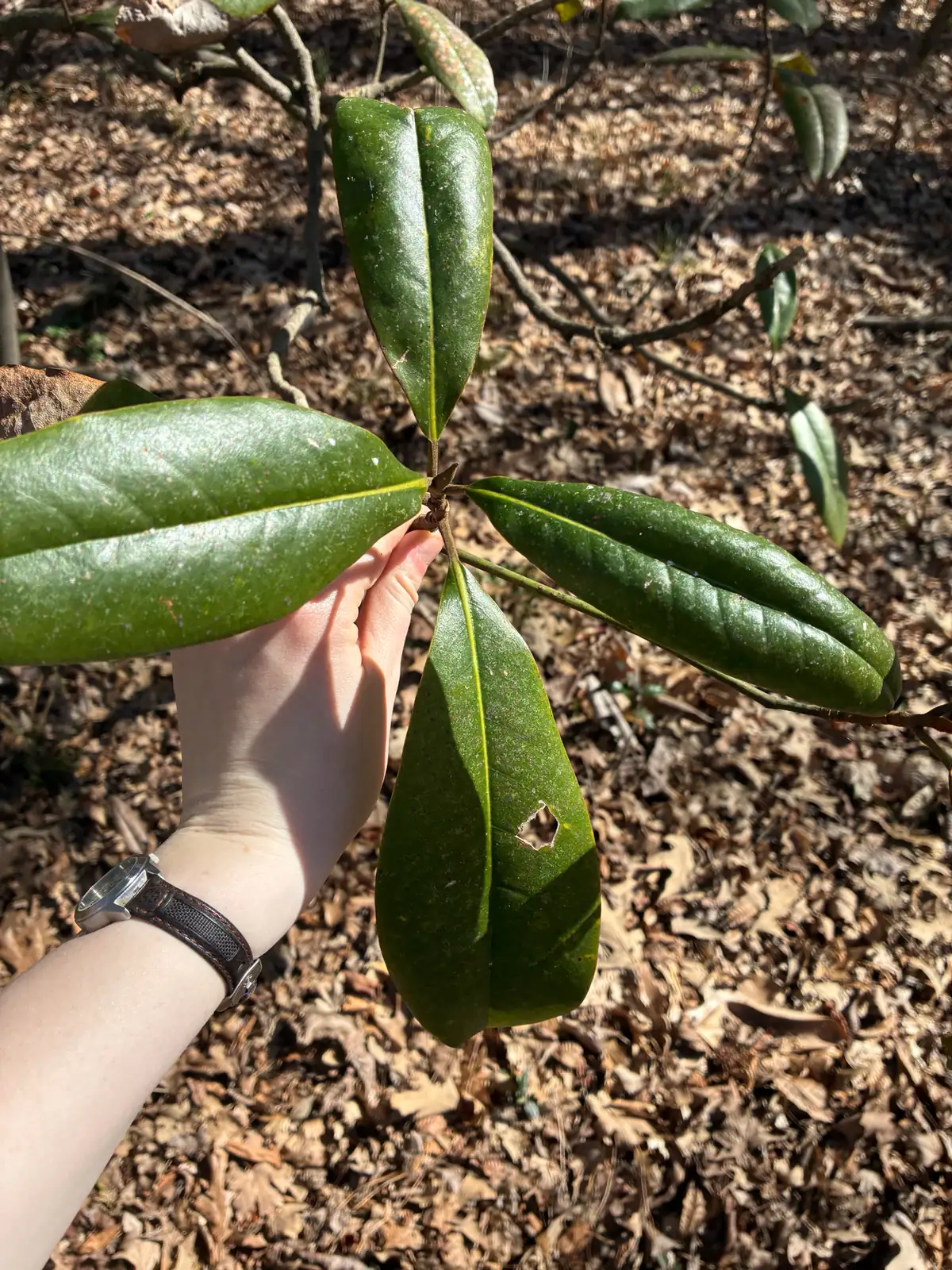
- Foliage: Leaves are thick and leathery, obovate to elliptic, dark green and very glossy above; the undersides are densely covered with distinctive rusty-brown, felt-like hairs that give a velvety look and feel.
- Flower: Very large, cup-shaped, creamy-white blooms with a rich, sweet fragrance; showy flowers are often likened to lotus-like cups and stand out strongly against the dark evergreen foliage.
- Flowering Season: Late spring to early summer (about May–June).
- Growth Habit: An upright, evergreen tree that matures into a broad-crowned landmark plant. It develops a deep, wide-spreading root system, tends to grow relatively slowly when young, and can be impressively long-lived once established.
Environment
Sunlight
Full sun to light shade; younger plants handle partial shade better than mature trees, but best flowering and density generally come with more sun.
Temperature
Prefers warm, humid conditions; tolerates mild cold. Ideal established growing range about 15–30°C (59–86°F).
Humidity
Prefers moderate to high humidity and performs best where moisture is steady rather than desert-dry.
Soil
Adaptable, but happiest in fertile, moisture-retentive yet well-drained soil. Avoid waterlogged ground and standing water—moist is good, soggy is not.
Placement
Outdoors in spacious sites: as a specimen tree, street/avenue planting, or large shade and screening tree in parks and big gardens; works well planted singly, in groups, or in rows where there’s room for its crown and roots.
Hardiness
USDA Zone 7–9 (approximate; varies by cultivar and local conditions).
Care Guide
Difficulty
Generally easy once established. It’s resilient with strong roots, but can be slower to get going when young—patience pays off with a long-lived, sturdy tree.
Buying Guide
Pick a vigorous plant with glossy, clean foliage and no obvious browning, spotting, or scale insects. Choose a well-rooted nursery plant and avoid severely pot-bound trees for smoother establishment.
Watering
Keep evenly moist during establishment (especially the first 1–2 years). Water deeply rather than little-and-often. Good drainage is essential: it appreciates moisture but dislikes waterlogging.
Fertilization
Feed in spring with a balanced, slow-release fertilizer if soil is poor or growth looks weak. Avoid heavy feeding late in the growing season.
Pruning
Not a fan of hard pruning. If needed, prune lightly after flowering or in late summer—mainly to remove dead, damaged, or crossing branches and to keep a strong structure.
Propagation
Propagated by seed (fresh seed germinates best) or semi-ripe cuttings. Named cultivars are commonly propagated by cuttings or grafting to keep their traits true.
Repotting
Generally not applicable for landscape trees. If grown in a large container when young, step up to a bigger pot in early spring and plant out before it becomes root-bound.
📅 Seasonal Care Calendar
Spring: plant, mulch, and fertilize if needed. Summer: deep watering during heat/drought; don’t let roots sit in soggy soil. Autumn: ease off feeding; keep an eye on moisture. Winter: in marginal climates, protect young trees from severe cold and drying winds.
Pests, Diseases & Safety
Common Pests & Diseases
Usually quite trouble-free. Watch for scale insects and aphids; leaf spot can occur in humid conditions. Improve airflow, avoid frequent overhead watering, and treat early infestations with horticultural oil or other appropriate controls.
Toxicity
Not commonly listed as toxic to humans or pets, but chewing or eating plant parts may still cause mild stomach upset. It’s best to discourage pets from munching the leaves.
Culture & Symbolism
Symbolism: Often linked with dignity, endurance, and purity—thanks to its evergreen strength and big, pristine flowers.
History & Legends: A signature ornamental tree of the southern United States that has become a beloved landscape classic worldwide, especially valued for its bold, architectural look in warm-temperate and subtropical cities and gardens.
Uses: Primarily ornamental: a showpiece tree for parks, streets, and large gardens. Its dense evergreen canopy provides shade and year-round screening. It’s also appreciated for urban toughness—tolerating smoke, dust, wind, and some air pollutants (including sulfur dioxide), making it useful for city greening and buffer plantings.
FAQ
When does southern magnolia bloom?
Typically in late spring to early summer, around May–June.
When does it set fruit?
Fruits typically mature in autumn, often around October.
How tall can it grow?
In good conditions it can reach about 30 m (98 ft) tall.
Where is it native to?
It’s native to the southeastern United States and widely cultivated in warm-temperate to subtropical regions.
Where is it best used in landscaping?
Use it where it has space—as a specimen, street/avenue tree, or big shade tree, planted singly, in groups, or in rows.
How pollution-tolerant is it?
It’s considered relatively tolerant of urban pollution such as smoke/dust and certain harmful gases like sulfur dioxide.
Does it tolerate heavy pruning?
No—avoid hard pruning; stick to light structural pruning and removal of dead or damaged wood.
Fun Facts
- Flip a leaf over: the rusty-brown, velvety underside is one of the easiest ways to identify it.
- Its blooms are among the largest on commonly planted temperate trees—and the fragrance can carry surprisingly far.
- It’s widely planted as a city tree because it handles smoke, dust, and some air pollutants better than many ornamentals.
- Young trees may establish slowly, but mature specimens can live a very long time and become truly monumental.
- It is the official city tree of Nantong.