Plant Features
- Size: Up to about 40 m (131 ft) tall, forming a broad, wide-spreading crown when mature.
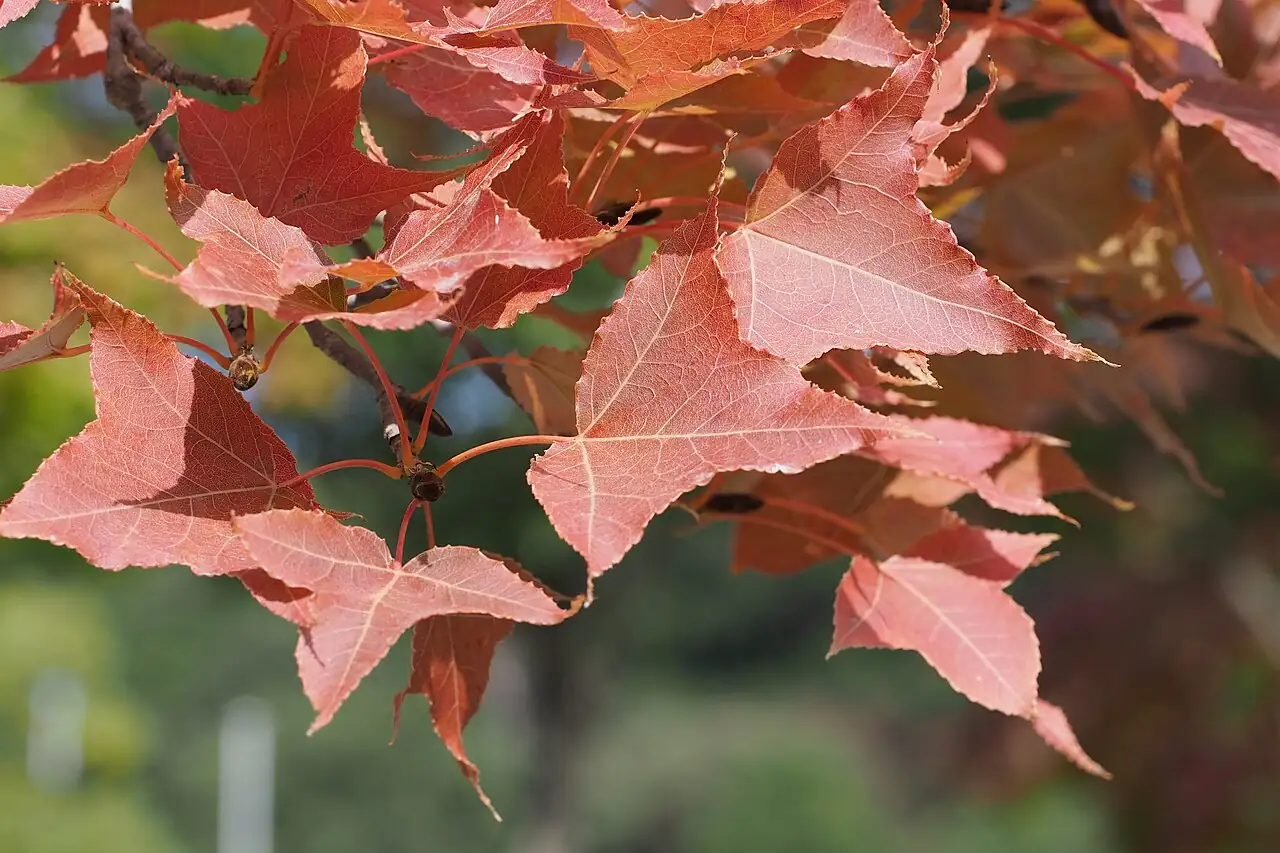
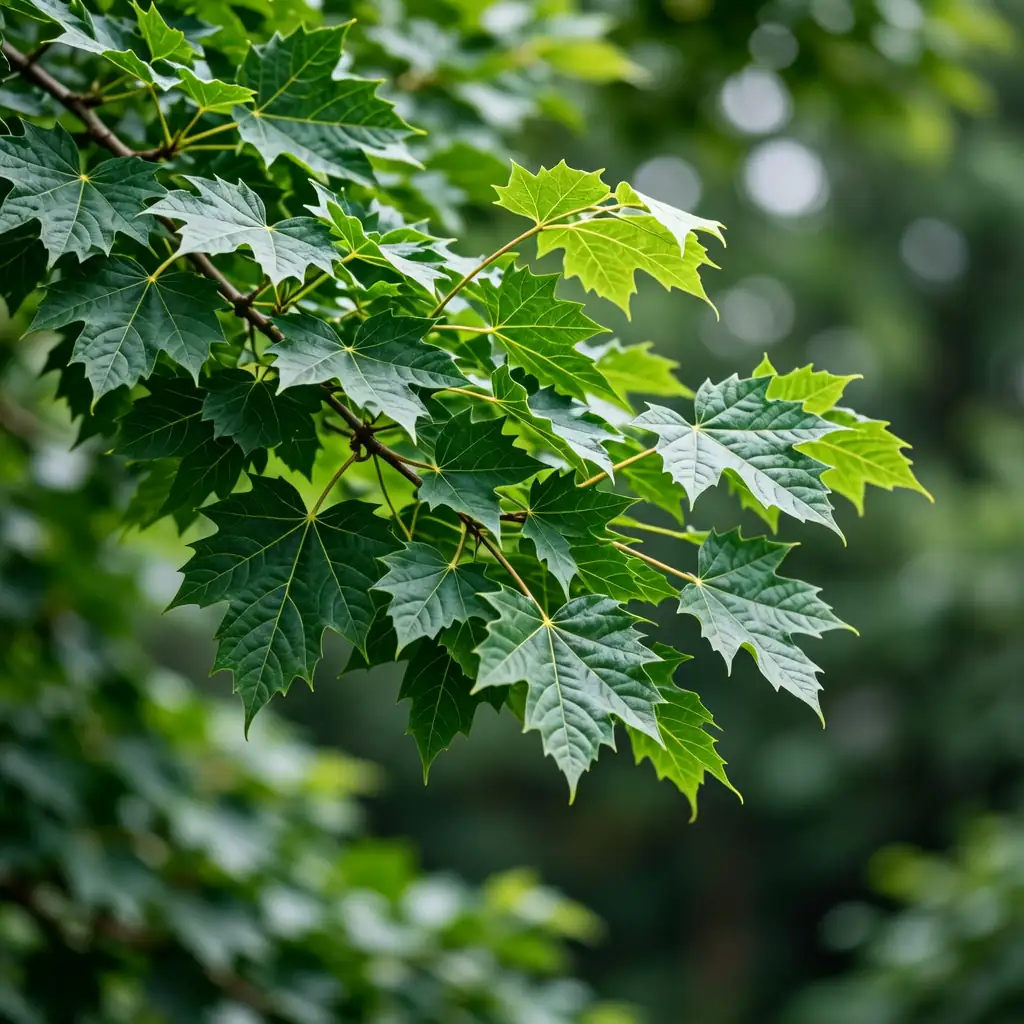
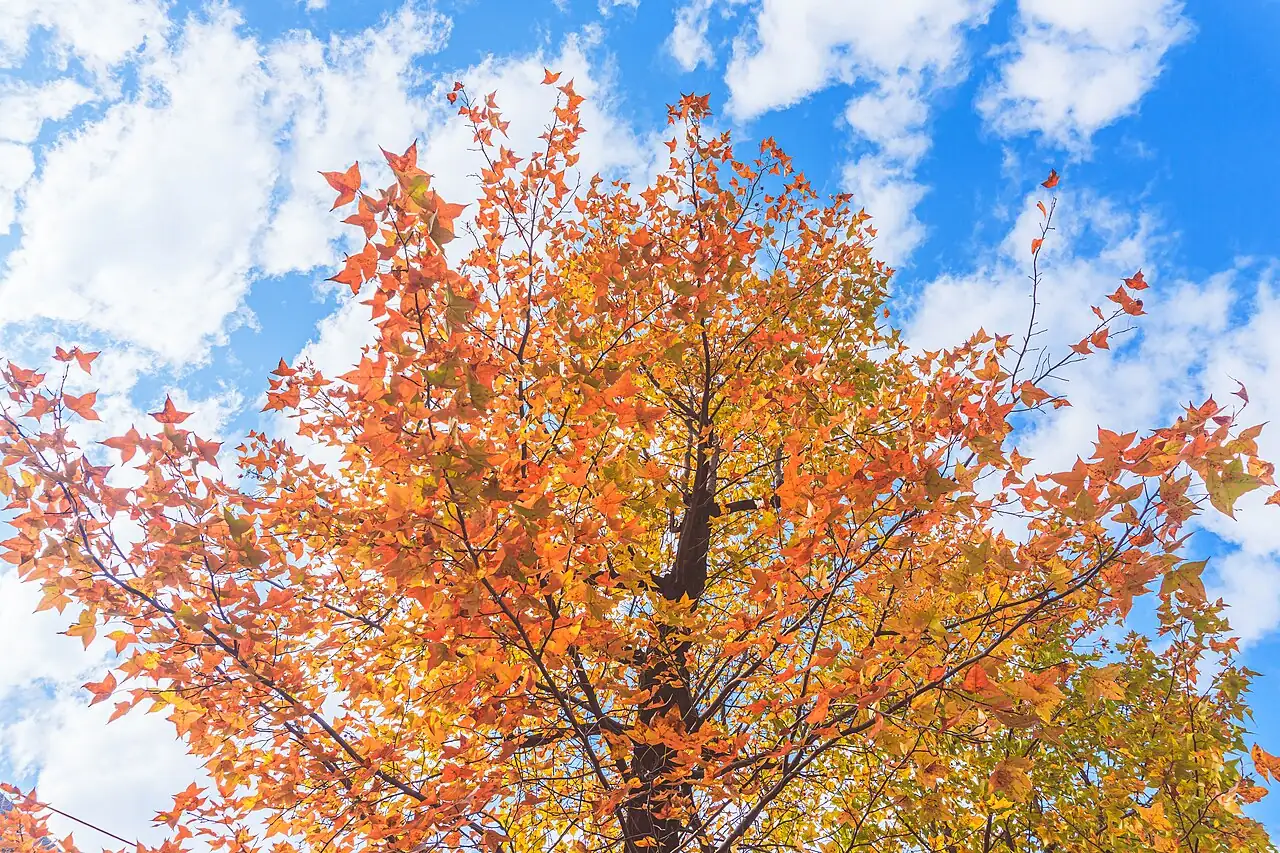
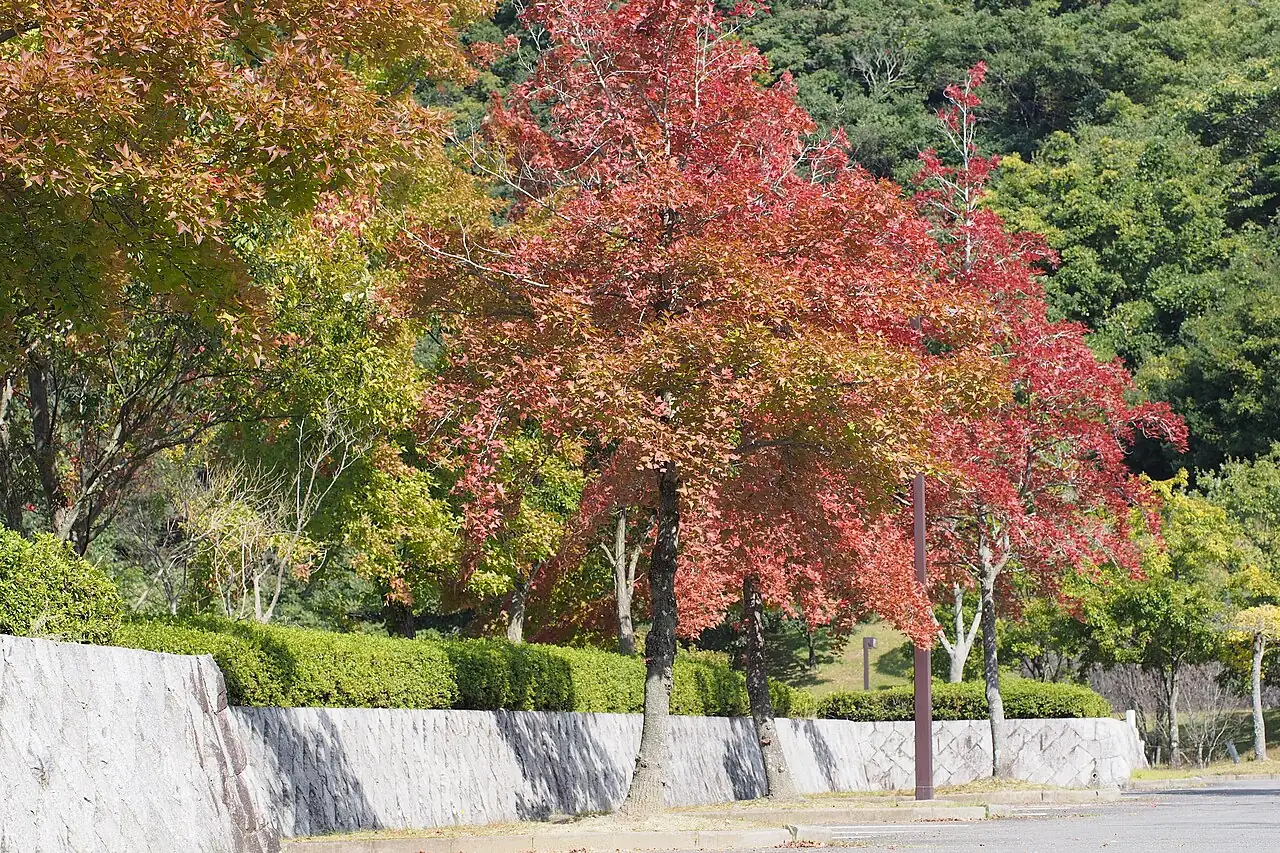
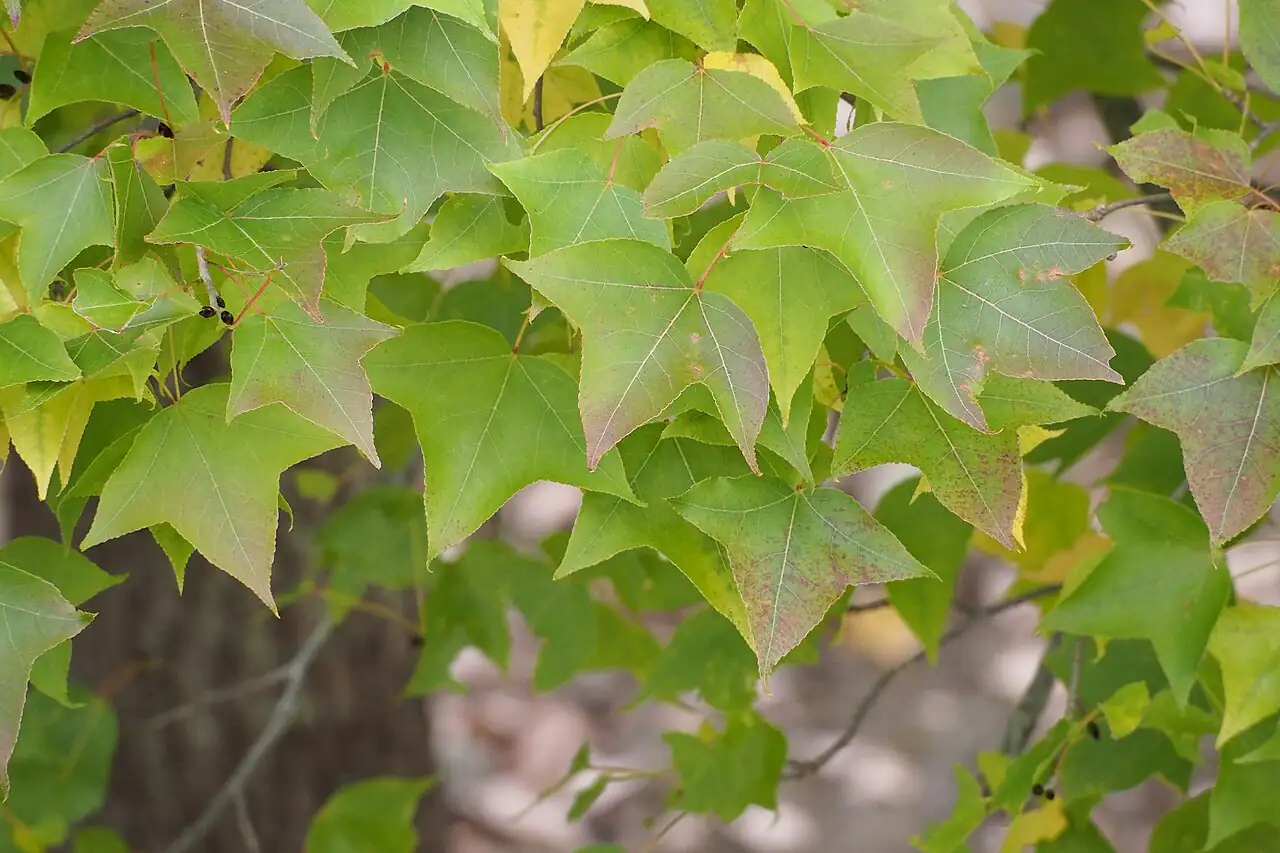
- Foliage: Leaves are typically palmately 3-lobed, about 6–12 cm (2.4–4.7 in) long, with toothed margins and a heart-shaped to nearly straight leaf base. Young leaves may be slightly hairy and become smoother with age. In autumn the foliage often turns vivid red.
- Flower: Flowers are small and inconspicuous, appearing in spring. After flowering, the tree forms rounded fruiting heads that look spiky due to persistent structures and can drop as “gumball”-like seed balls later on.
- Flowering Season: March–April (spring)
- Growth Habit: Large, upright deciduous tree with a straight trunk and a broad, rounded to slightly flattened crown; commonly occurs on low mountains, plains, and in secondary woodland, often near villages.
Environment
Sunlight
Full sun is best, especially for strong growth and the most dramatic fall color (aim for 6+ hours of direct sun).
Temperature
Best in temperate to warm-temperate climates; typical active-season temperatures around 15–30°C (59–86°F) suit it well. Young trees benefit from protection during severe hard freezes.
Humidity
Adaptable; prefers moderate humidity with good air circulation. Avoid the combination of prolonged drought and very dry air, which can increase stress.
Soil
Prefers moist, fertile, well-drained soil. Tolerates a range of soil types (often slightly acidic to neutral) as long as drainage is good; avoid persistently waterlogged sites.
Placement
Primarily an outdoor landscape tree for parks, streets, campuses, and large gardens; also used for urban and industrial/mining-area greening where pollution tolerance is helpful.
Hardiness
Approximately USDA Zone 7–10 (cold tolerance may vary by seed source/provenance).
Care Guide
Difficulty
Easy to moderate outdoors once established. It’s straightforward to grow, but it needs room to mature and regular moisture during its first years.
Buying Guide
Pick a healthy young tree with a single strong leader, clean bark (no wounds), and a well-developed root ball. Avoid pot-bound plants or any showing dieback. If winters are cold where you live, prioritize locally adapted stock/cultivars for better reliability.
Watering
Water deeply after planting and keep soil evenly moist during the first 1–2 years. Once established it becomes moderately drought-tolerant, but consistent moisture supports faster growth and better autumn color. Don’t let it sit in soggy soil.
Fertilization
If growth is weak, use a balanced slow-release fertilizer in spring. In reasonably fertile ground, mature trees often need little to no extra feeding.
Pruning
Prune in late winter to early spring while dormant to remove dead, damaged, or crossing branches and to maintain a strong central leader. Avoid heavy pruning in autumn.
Propagation
Most commonly grown from seed (typically improved by cold stratification). Selected forms may be grafted. Semi-hardwood cuttings can work but results may be variable.
Repotting
Not ideal as a long-term container plant. If started in a pot, up-pot in early spring as needed, and plant out before it becomes root-bound.
📅 Seasonal Care Calendar
Spring: plant and water regularly; light feeding if needed. Summer: deep water during dry spells; mulch to conserve moisture. Autumn: enjoy fall color; avoid heavy fertilizing; water if the weather is dry. Winter: structural pruning while dormant; protect young trees during extreme cold snaps.
Pests, Diseases & Safety
Common Pests & Diseases
Usually robust. Possible issues include aphids and scale insects, plus occasional leaf spot or canker when the tree is stressed. Good spacing, airflow, and steady watering help prevent problems; prune out infected wood and remove heavily affected material if disease appears.
Toxicity
Not commonly considered highly toxic to people or pets. The hard, spiky fruiting balls can be a nuisance underfoot and could pose a choking hazard if swallowed.
Culture & Symbolism
Symbolism: Often linked with autumn beauty, seasonal change, and resilience—an emblem of the dramatic shift from green to red.
History & Legends: Long valued and widely planted in East Asia as a dependable ornamental shade tree for streets and parks, and also used in ecological restoration where it can integrate well into secondary woodland communities.
Uses: Primarily grown as an ornamental for broad shade and standout red fall foliage, especially striking when paired with evergreen plantings for red–green contrast. It’s also used in urban and industrial greening projects thanks to its relative tolerance of pollution and tough conditions; in some regions it can become a prominent species in regrowth (secondary) forests.
Fun Facts
- Its late-autumn red foliage makes it one of the signature warm-region fall-color trees in East Asia.
- It’s often regarded as more tolerant of harsh urban/industrial conditions than many popular ornamental trees.
- In parts of Hainan, it can become a dominant tree in secondary (regrowth) forests.