Plant Features
- Size: Typically 4–10 m (13–33 ft) tall; crown spread varies by cultivar and training.
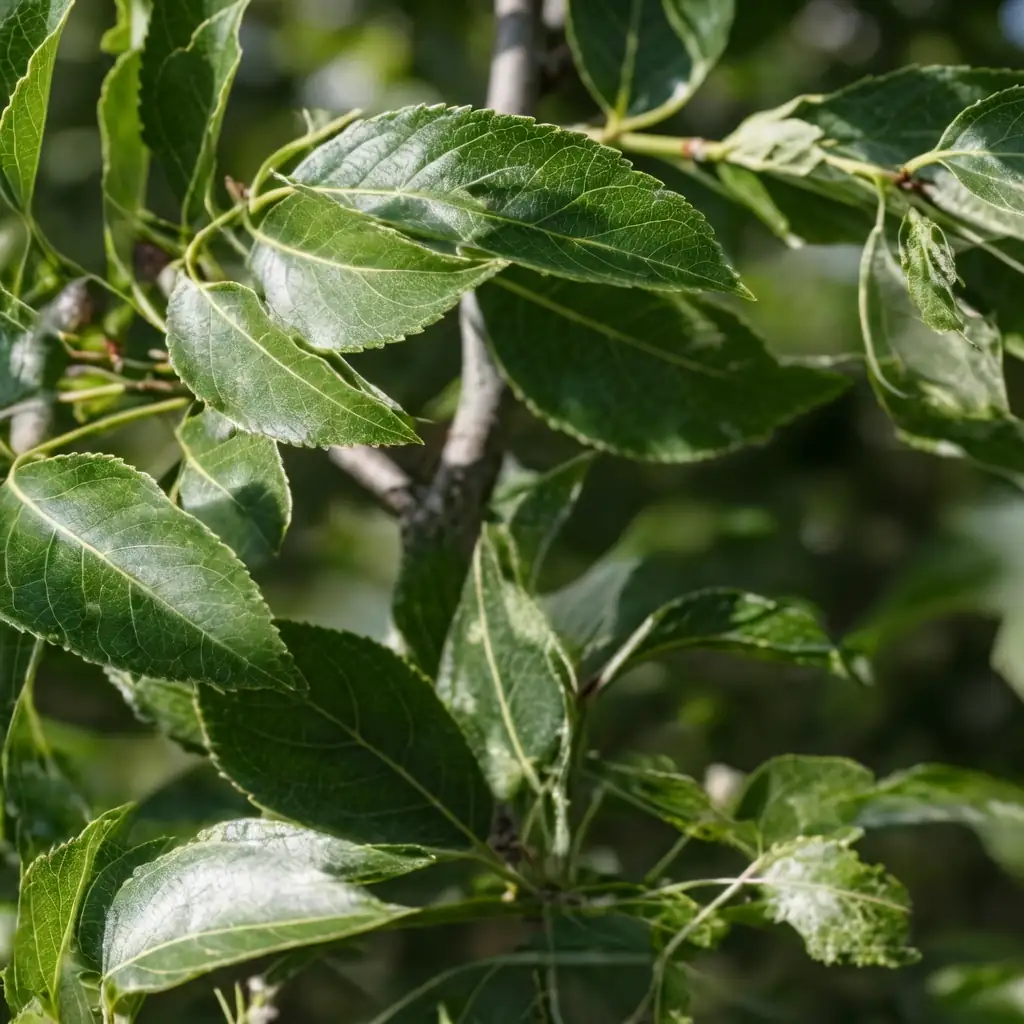
- Foliage: Leaves are broadly ovate with a long-tapering tip and fine serrations. Bark is gray-brown; young twigs are green and may end in short, spine-like tips.
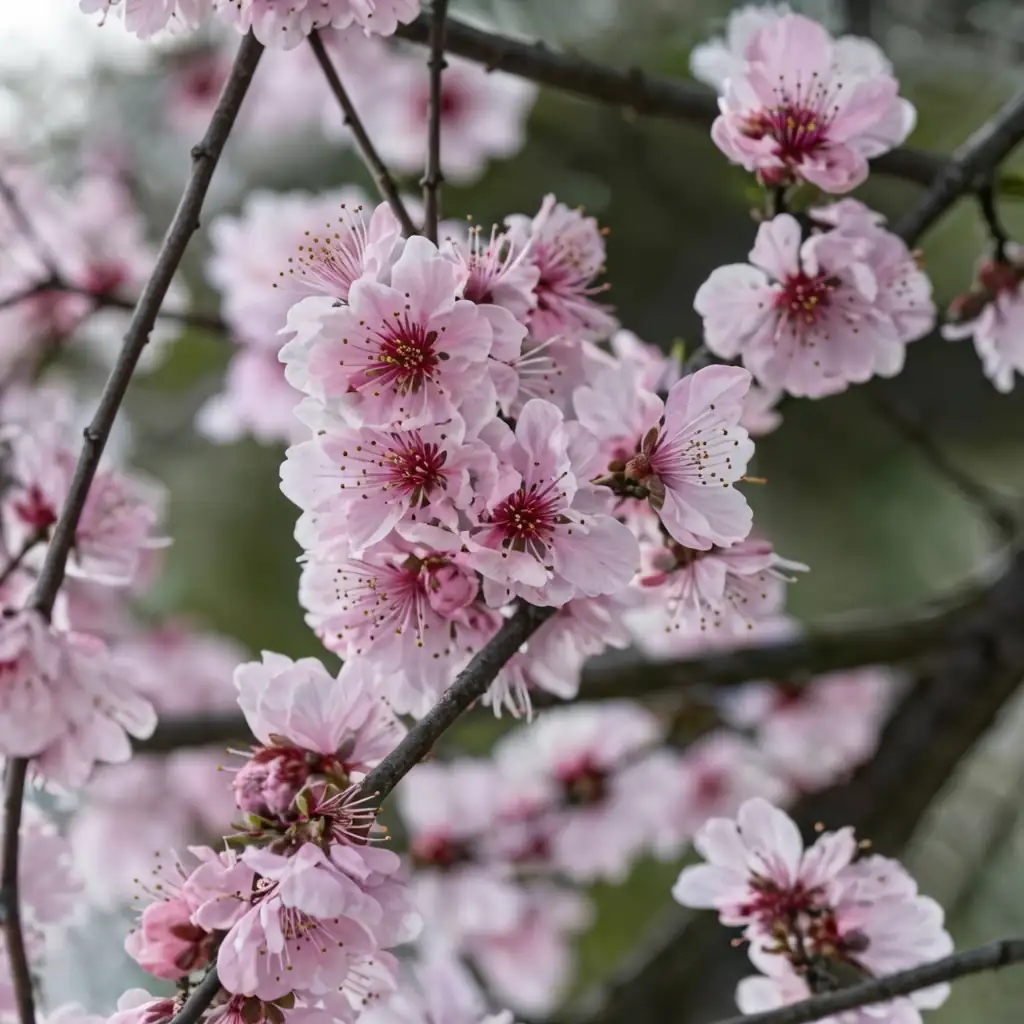
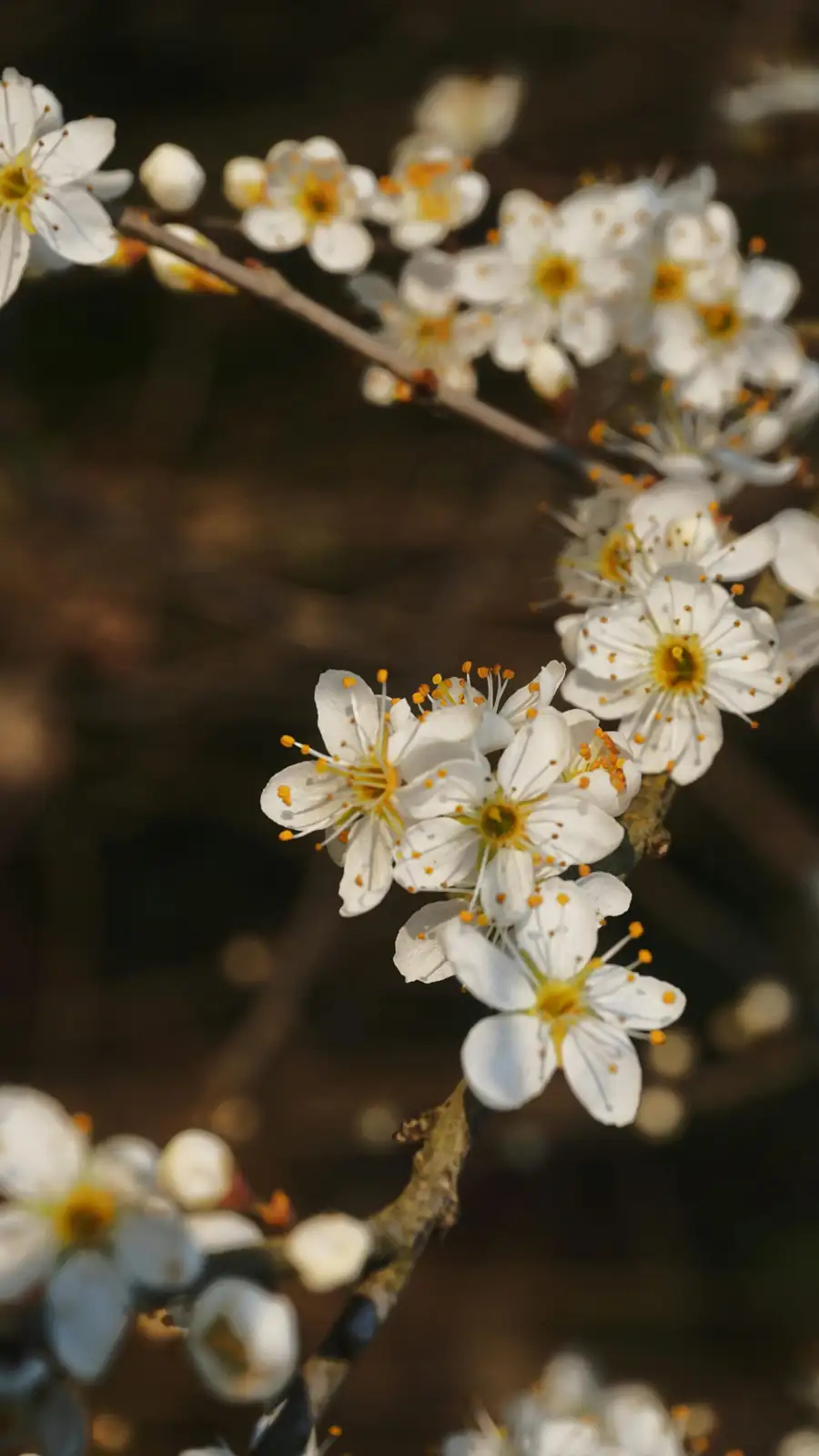
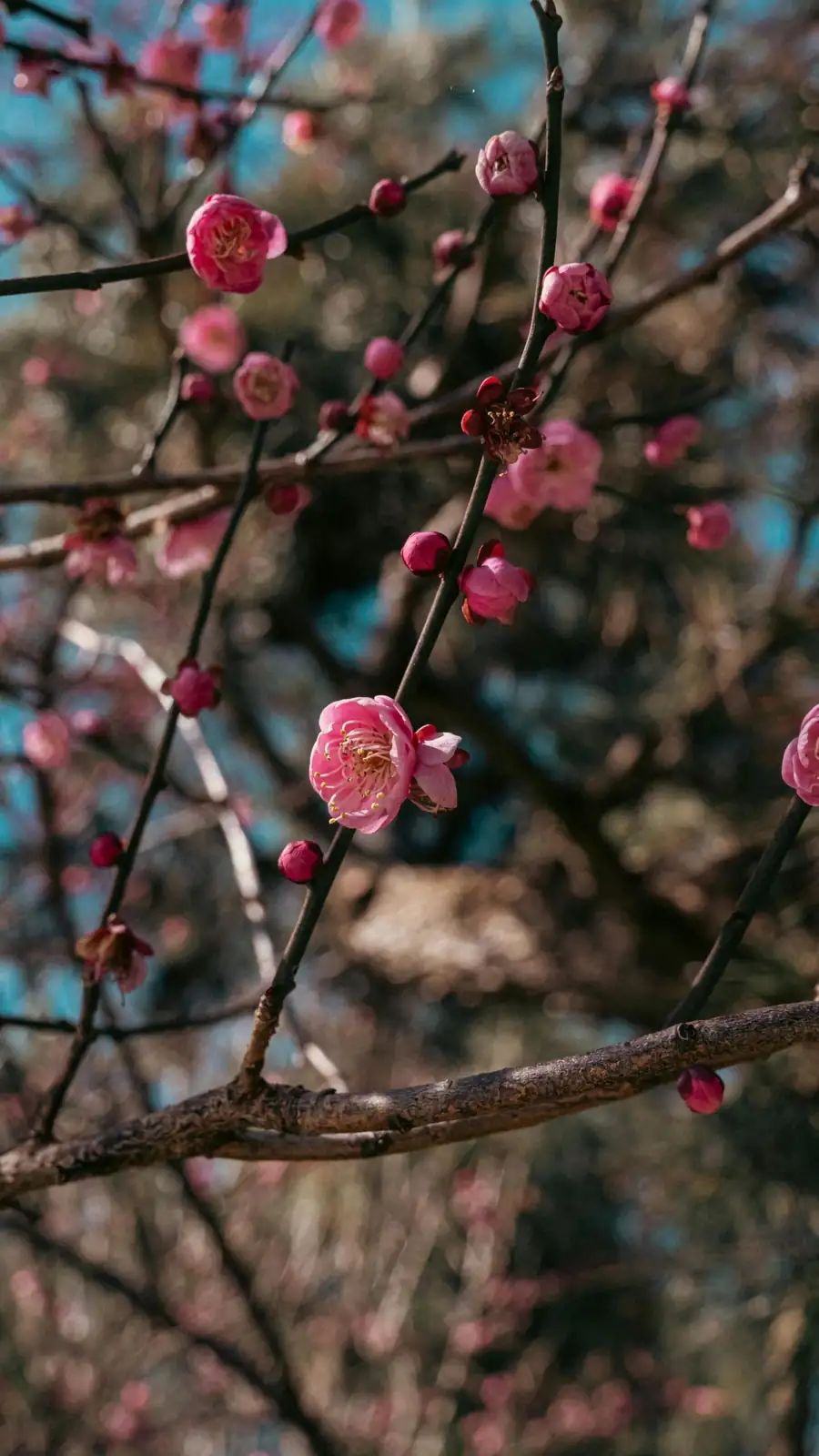
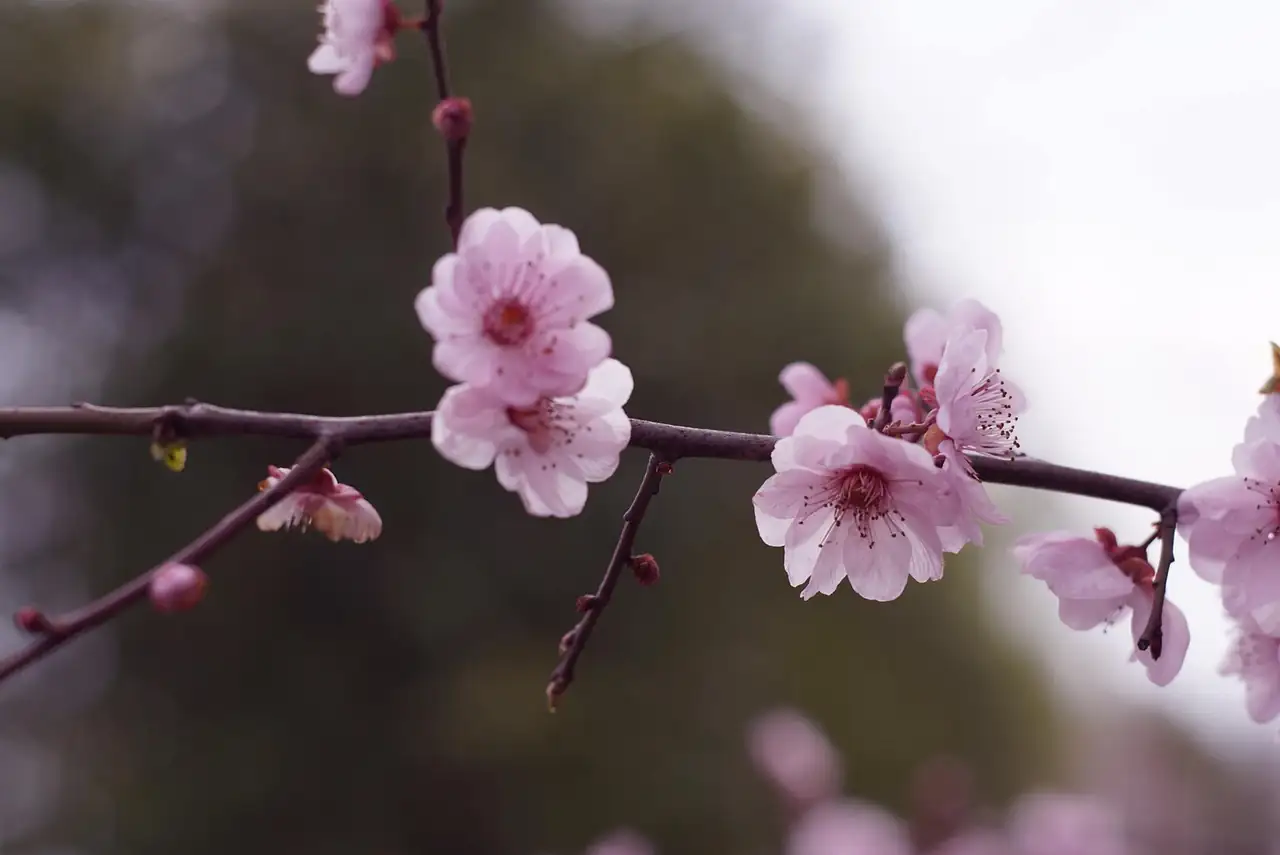
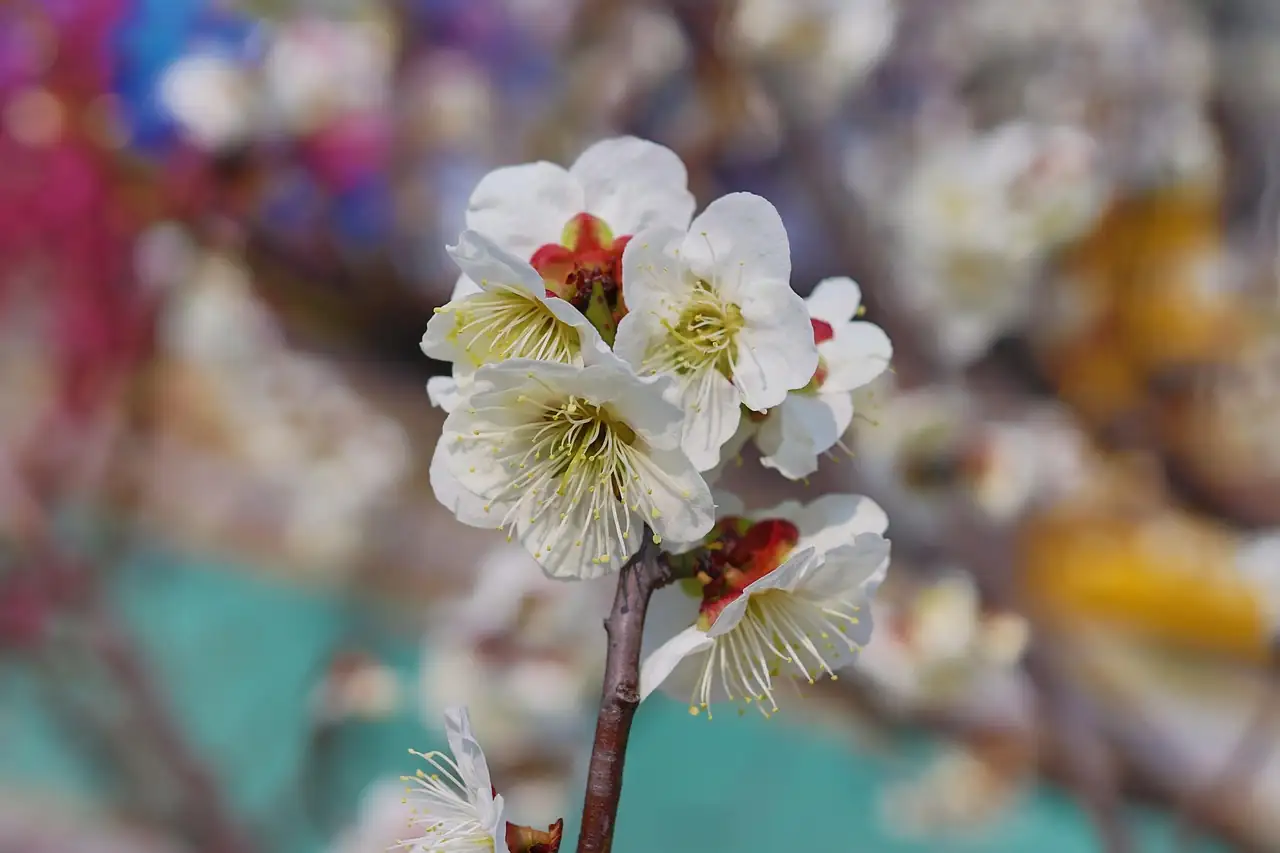
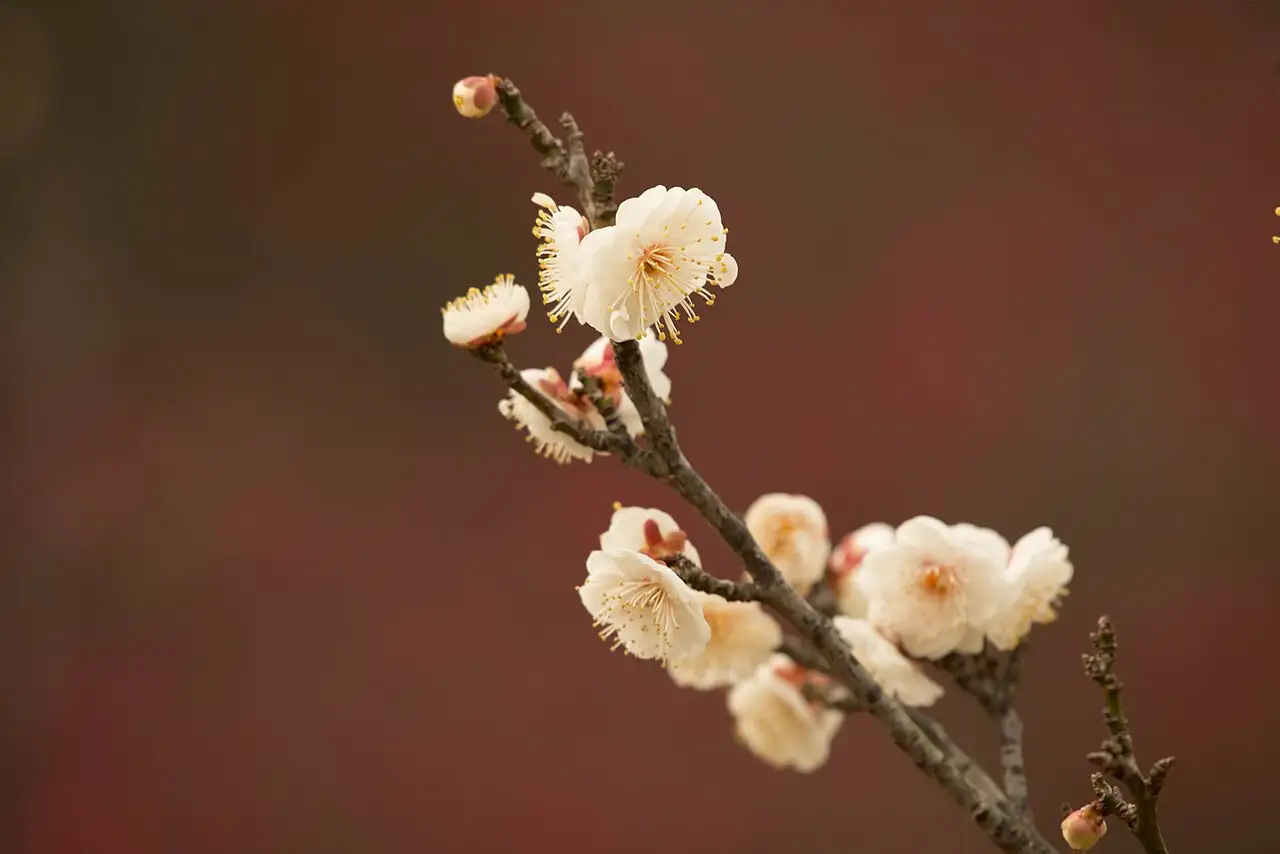
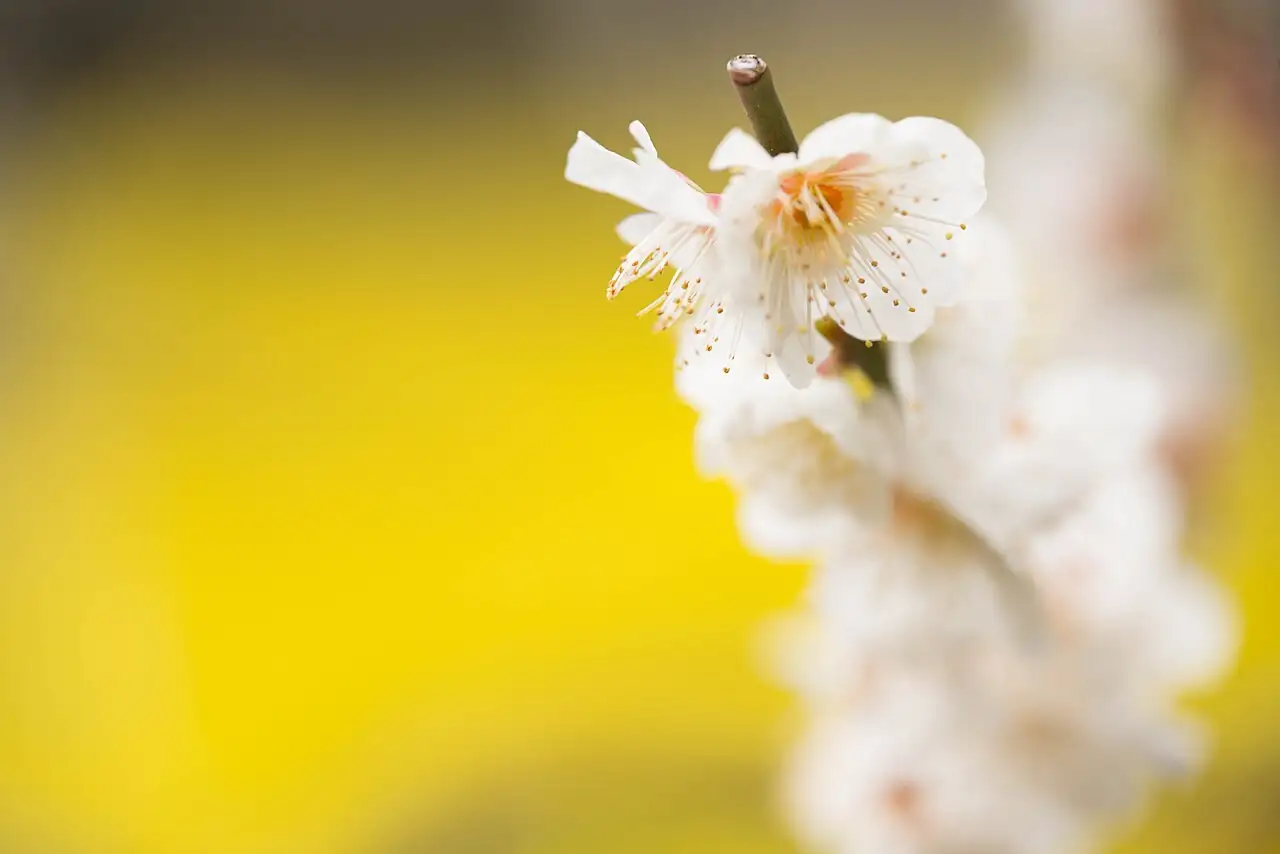
- Flower: Flowers are solitary or borne in pairs and famously open before the leaves, so the blooms seem to float along bare winter branches. Flowers are usually white to pale pink and often strongly fragrant; cultivated forms can differ a lot in petal shape (single to more doubled looks) and scent intensity.
- Flowering Season: January–March (late winter to early spring)
- Growth Habit: Deciduous small tree or occasional shrub with an open, spreading branch structure and a sculptural winter silhouette. Breaks bud vigorously and tolerates pruning and training extremely well, including bonsai.
Environment
Sunlight
Full sun to light shade; it flowers best in full sun.
Temperature
Prefers mild to warm, humid climates; can suffer in prolonged hot, dry conditions. Typical growth range about 10–25°C (50–77°F) during the growing season. Notably, it can bloom through frost and even light snow in the right conditions.
Humidity
Moderate to high humidity is ideal; avoid persistently dry air and droughty exposure.
Soil
Adaptable and tolerant of relatively poor soils, but happiest in fertile, well-drained loam. Excellent drainage is essential—avoid waterlogging, especially in containers.
Placement
Great for gardens, courtyards, and parks as a seasonal feature tree; also popular in containers and for bonsai. For potted plants, a cool, bright spot during winter/early spring helps support bud and flower display.
Hardiness
Roughly USDA Zone 6–9 (about -23 to -1°C / -10 to 30°F, depending on cultivar and site).
Care Guide
Difficulty
Moderate. It’s tough and very forgiving of pruning (and even lean soils), but it strongly dislikes poor drainage and prolonged drought. Give it sun for best flowering.
Buying Guide
Pick a plant with a well-shaped framework and clean, healthy bark. Look for firm buds and avoid plants with blackened twigs, gummy lesions, or any sign of root rot. If you want fruit, make sure you’re buying a fruiting cultivar—many ornamental selections produce little or no usable fruit.
Watering
Water deeply after planting and keep evenly moist while it establishes. Once established, water during dry spells, letting the top layer of soil dry slightly between waterings. Avoid standing water and soggy soil/pots—poor drainage is a common cause of decline.
Fertilization
In early spring, use a balanced slow-release fertilizer or top-dress with compost. For container plants, feed lightly during active growth (spring to early summer) and reduce feeding after midsummer so new growth can mature before cold weather.
Pruning
Prune after flowering to shape the plant and remove dead, crossing, or crowded branches. Because it buds readily, it responds beautifully to training and can be kept compact as a small tree or bonsai.
Propagation
Most commonly propagated by grafting or budding onto Prunus rootstocks. It can also be grown from semi-hardwood cuttings or from seed, though seedlings won’t reliably match named cultivars.
Repotting
For container plants, repot every 2–3 years (or when root-bound) in late winter to early spring, using a free-draining mix. Trim roots conservatively and prioritize drainage.
📅 Seasonal Care Calendar
Flowering: January–March (late winter to early spring). Fruiting: May–June (late spring to early summer). Prune after flowering; avoid heavy pruning in late summer or fall.
Pests, Diseases & Safety
Common Pests & Diseases
Can be bothered by aphids, scale insects, spider mites (especially in dry air), and caterpillars. Like other Prunus, it may also face leaf spot, powdery mildew, bacterial canker, and brown rot (often worse in wet springs). Encourage airflow, avoid waterlogging, and remove fallen/infected debris.
Toxicity
The pits/seeds contain cyanogenic compounds and should not be eaten—keep them away from children and pets. The fruit flesh is commonly used in food after processing.
Culture & Symbolism
Symbolism: A signature East Asian symbol of resilience and renewal—cherished for blooming in the cold and announcing the approach of spring, often pictured as “blossoms in snow.”
History & Legends: Native to China and cultivated for centuries across East Asia for both flowers and fruit. Records note famous ancient trees connected to major dynastic eras (Tang, Song, Sui), and horticulture recognizes many cultivar lines selected either for ornamental flowering or for culinary fruit use.
Uses: Ornamental: specimen tree, courtyard planting, seasonal mass display, and bonsai. Culinary: sour fruits are most often processed into preserves, candied fruit, and other preparations.
Fun Facts
- Its flowers often open before the leaves, creating the iconic look of blossoms “painted” onto bare winter branches.
- Some cultivars are bred mainly for showy blooms, while others are chosen for better fruit quality and yield.
- Celebrated old trees are a garden and temple tradition—some specimens are reputed to be more than 1,000 years old.