Plant Features
- Size: Size varies widely depending on support and training. Commonly grown as a scrambling/climbing shrub-vine, or kept compact in containers as a bonsai-style specimen (exact mature height/spread not specified).
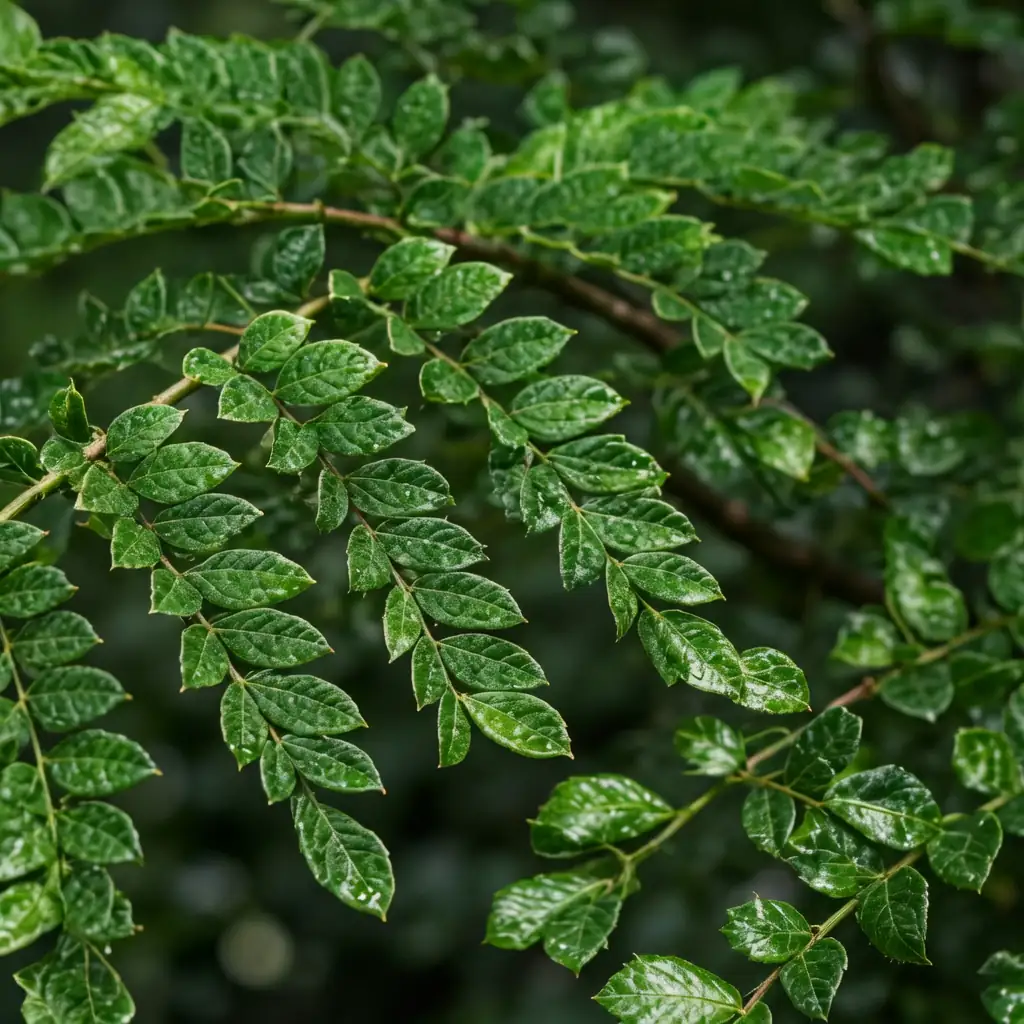
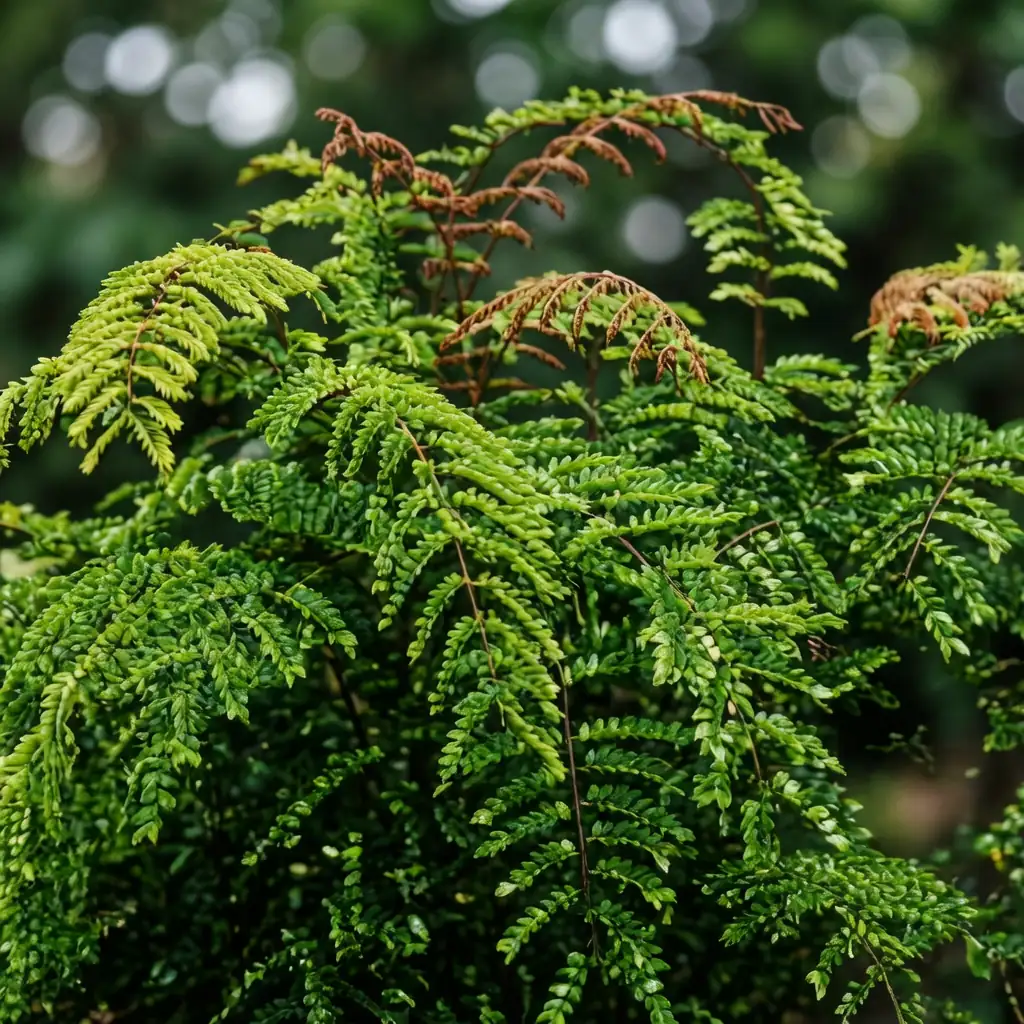
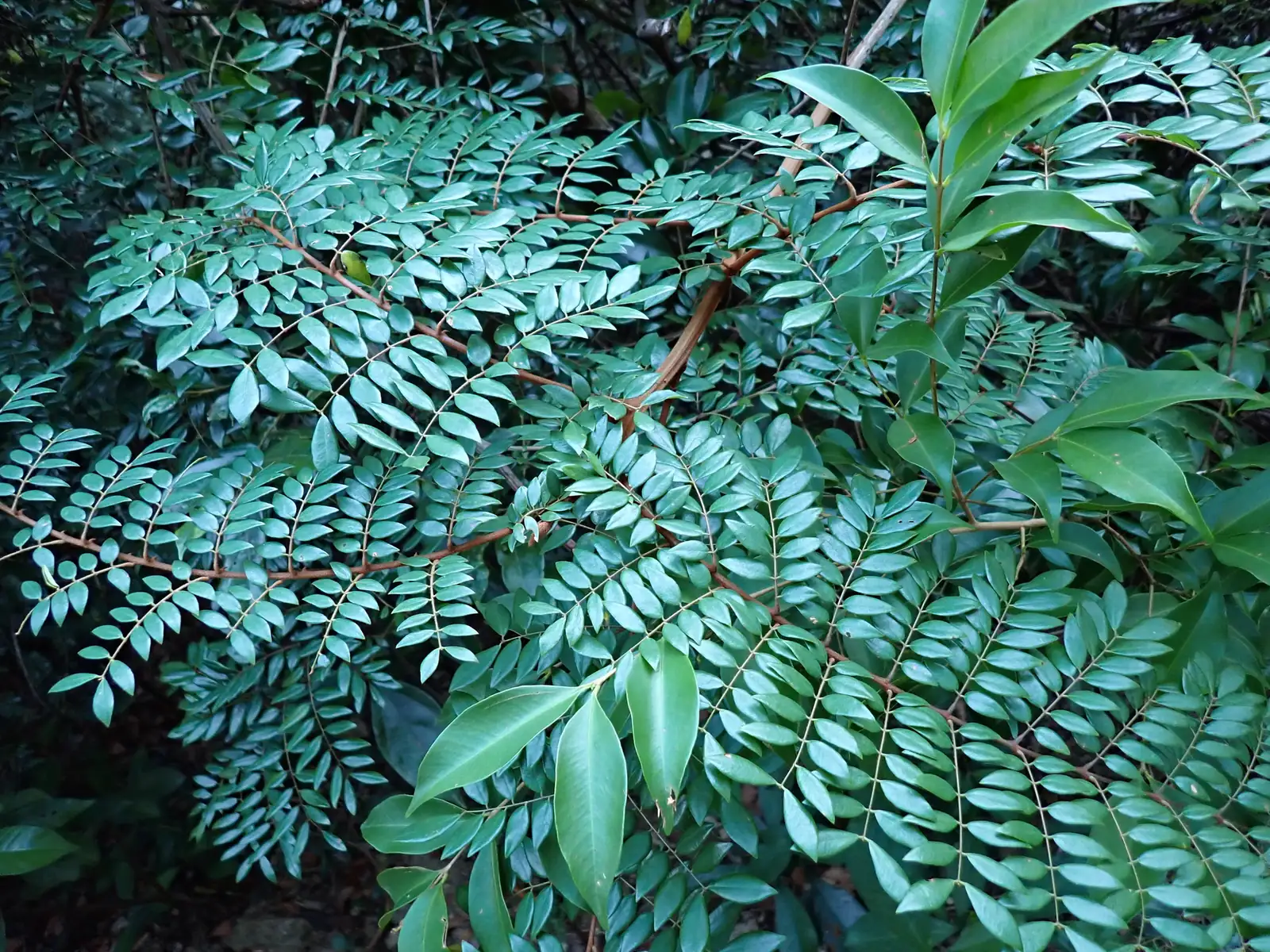
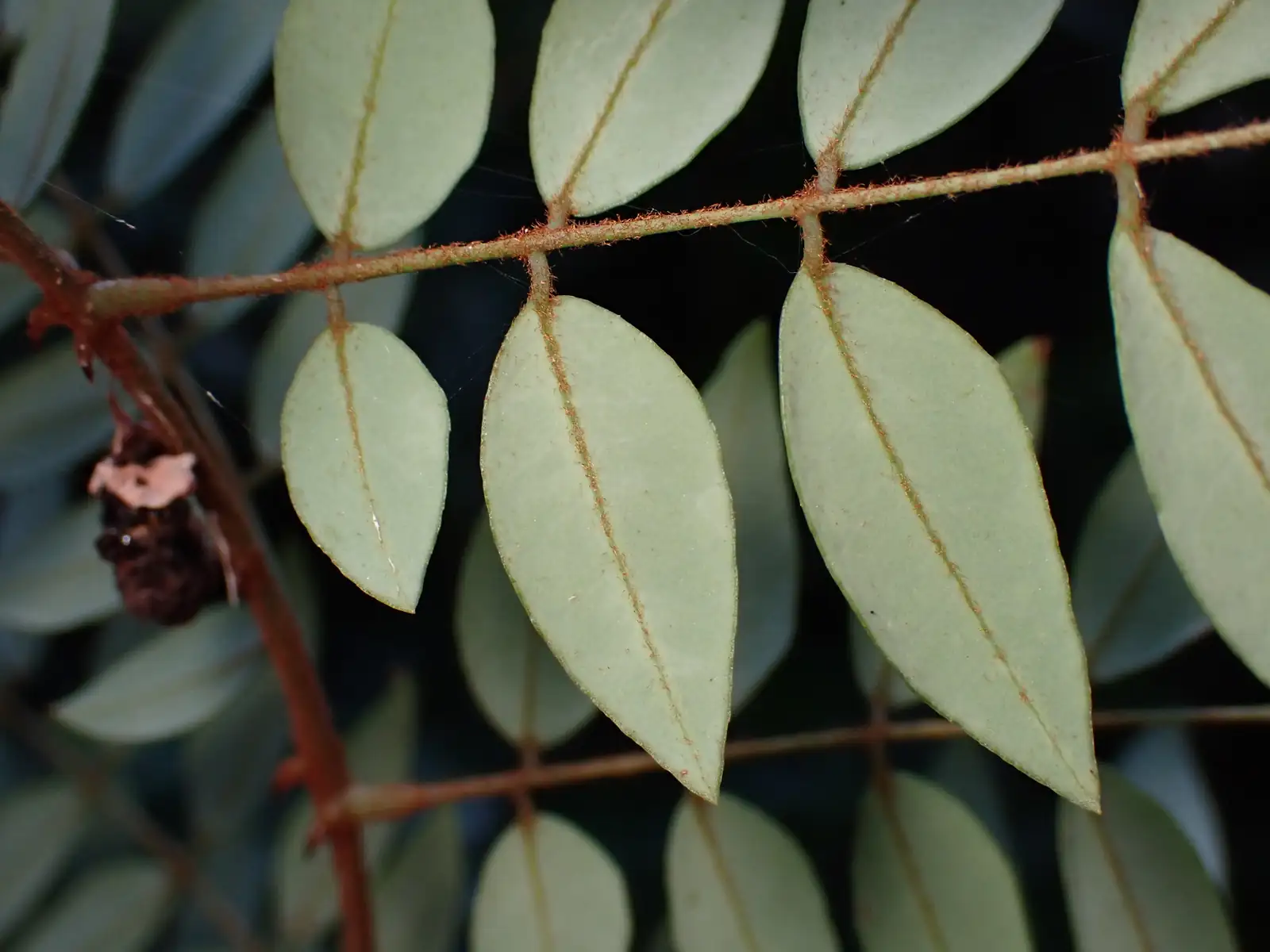
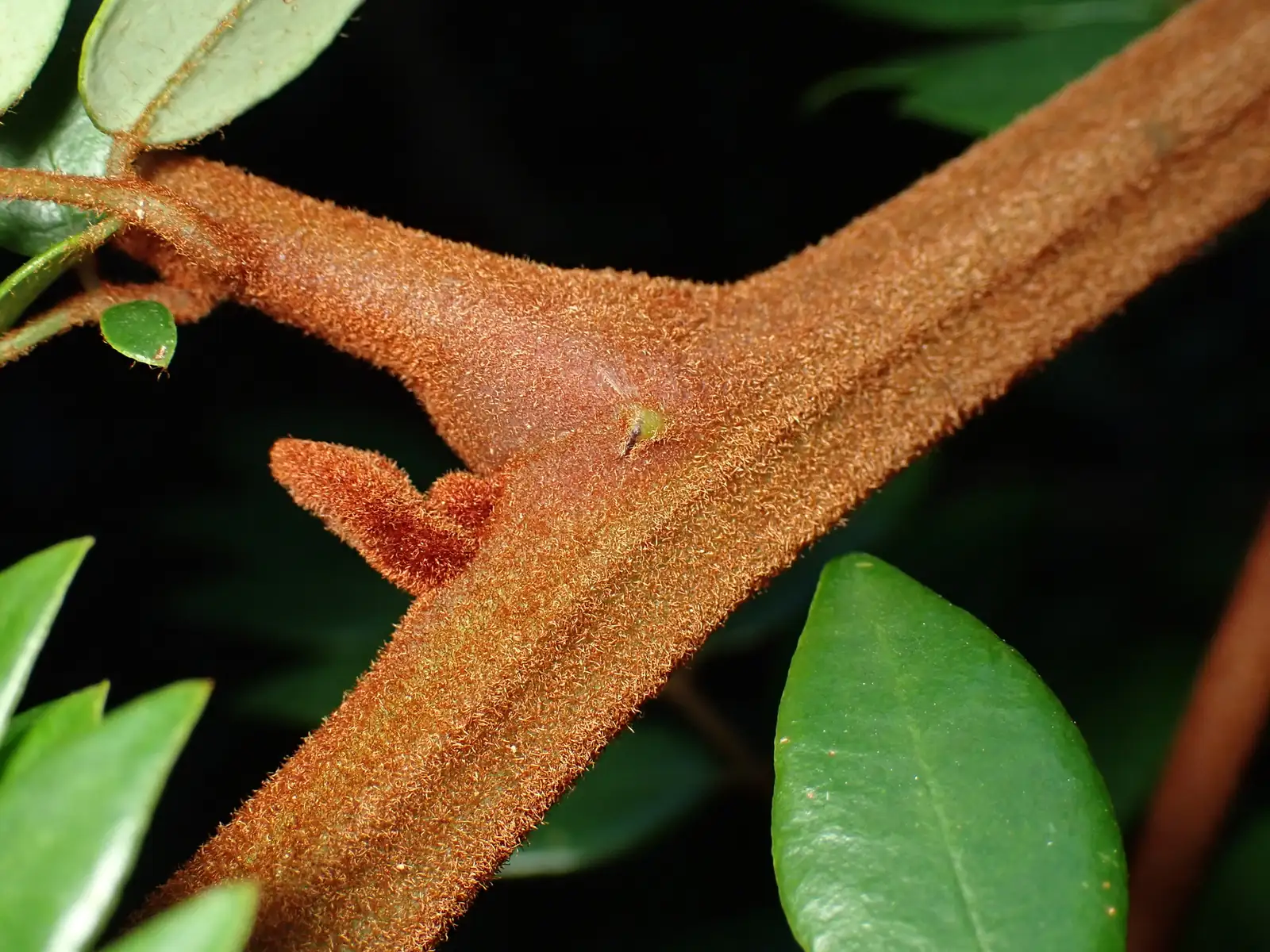
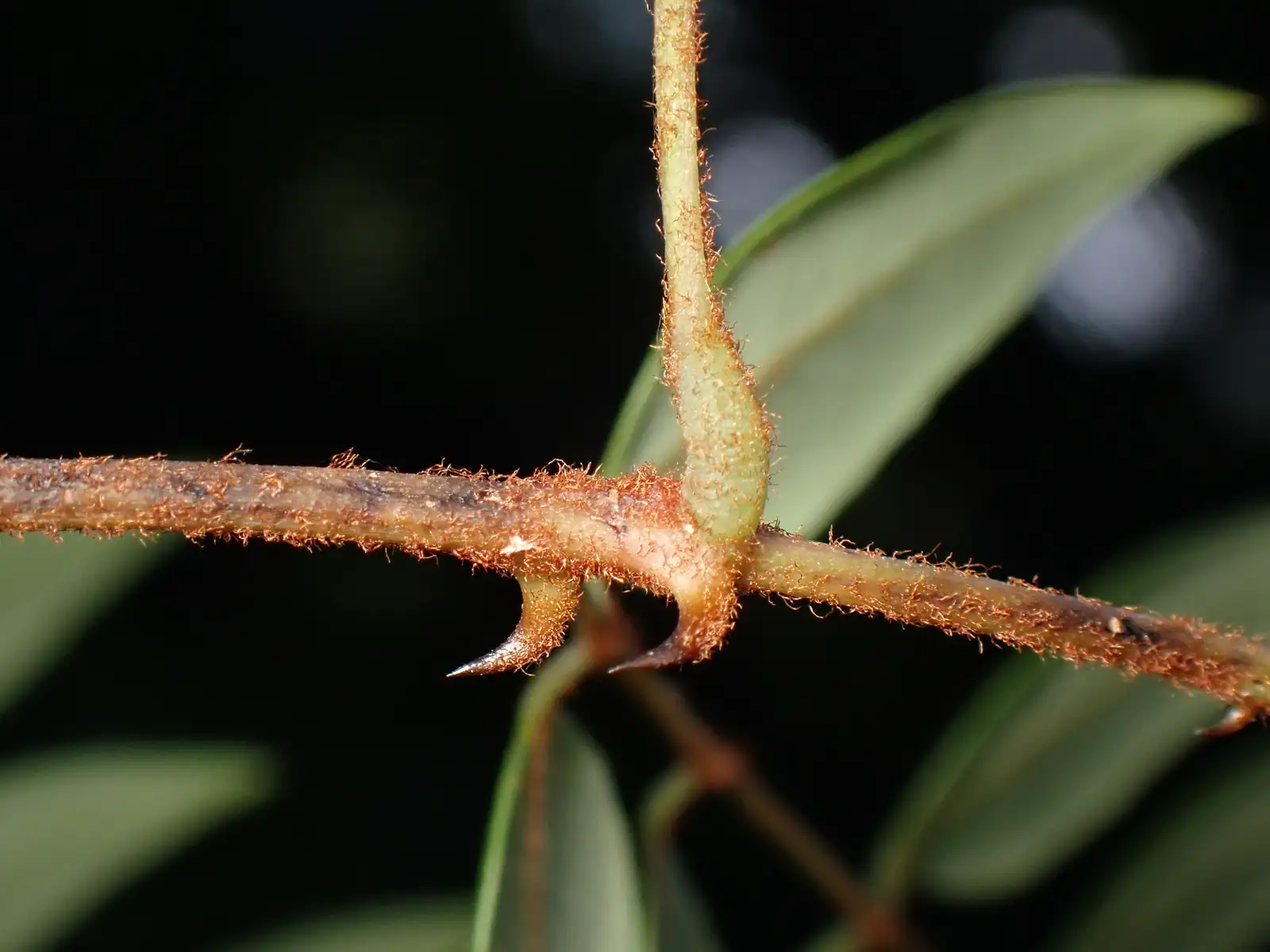
- Foliage: Bipinnate compound leaves. New foliage often emerges reddish, then matures to bright green. Many parts may be covered with rusty-brown, velvety hairs, giving the plant a softly textured look despite its thorns.
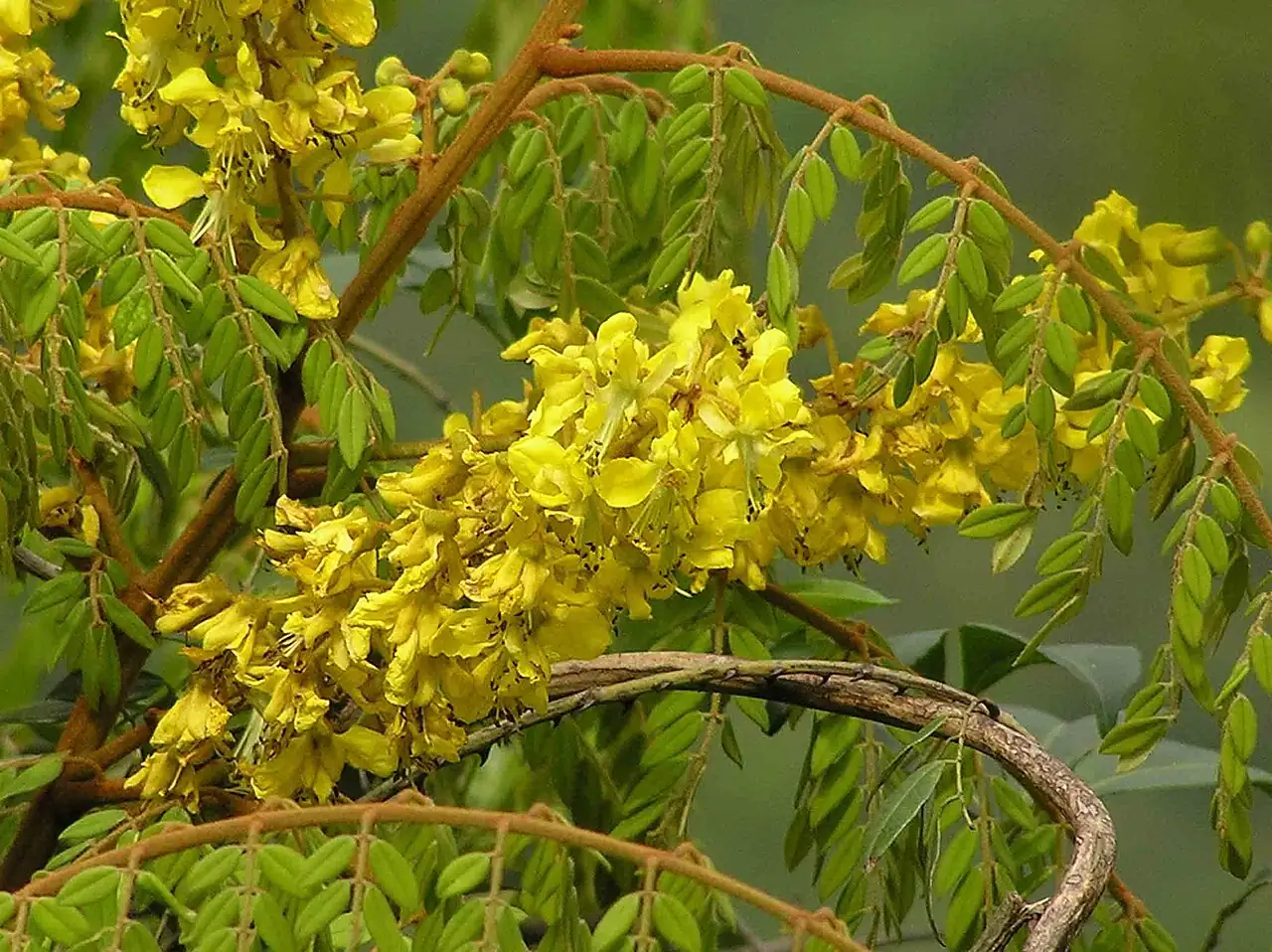
- Flower: Bright yellow flowers marked with red; the upper petal is smaller, curls outward, and shows the red markings distinctly.
- Flowering Season: April
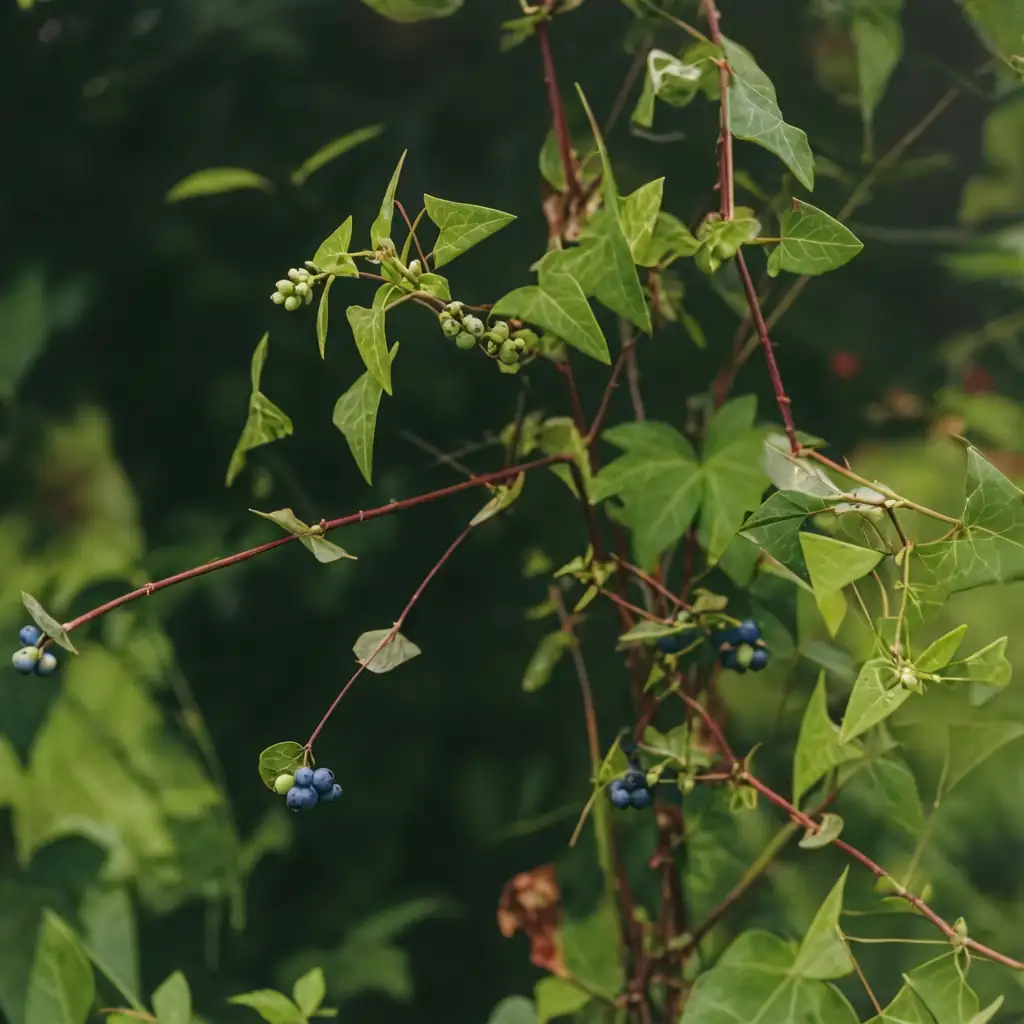
- Growth Habit: Thorny, scrambling to climbing vine with a light, graceful framework; responds well to pruning, tying, and guided training for an open, well-spaced silhouette.
Environment
Sunlight
Full sun to bright light; tolerates light shade. Flowers best in stronger light.
Temperature
Warm-growing; protect from frost. Ideally keep around 18–30°C (64–86°F) during active growth.
Humidity
Prefers warm, moderately to highly humid conditions; avoid prolonged dry air, especially for container plants.
Soil
Moist but well-drained sandy/gritty soil; naturally adapts to rocky, mineral soils. In pots, use a fast-draining bonsai-style mix that still retains a little moisture (never soggy).
Placement
Sunny patio/balcony, bright greenhouse, or a very bright window area with excellent airflow. Keep it where thorns won’t snag passersby (and where pruning access is easy).
Hardiness
Not frost-hardy; best treated as subtropical (approximately USDA Zone 10–11) unless protected from cold.
Care Guide
Difficulty
Moderate. Straightforward in warmth and good light, but the thorns plus regular shaping/pruning make it better for confident plant keepers than true beginners.
Buying Guide
Pick plants with firm, healthy stems and visible buds, plus clean foliage (no sticky residue, webbing, or cottony clusters). Check that the root zone smells fresh and isn’t waterlogged; avoid specimens with major dieback or mushy roots.
Watering
During active growth, keep evenly moist while letting the top 2–3 cm (0.8–1.2 in) dry slightly between waterings. In cooler or low-light periods, water less often—but don’t let the rootball dry out completely for long stretches.
Fertilization
Feed from spring through summer with a balanced fertilizer at half strength every 2–4 weeks. Reduce or pause feeding during cool, dim winter conditions.
Pruning
Pruning is the main shaping tool, with tying/training as support. Thin and shorten shoots to keep an open structure with well-spaced foliage; regular touch-ups help maintain a clean, elegant outline (and reduce thorny tangles).
Propagation
Typically propagated by seed (from mature pods) or by semi-hardwood cuttings in warm, humid conditions. Seeds are usually sown in warmth; cuttings root more reliably with steady heat and high humidity.
Repotting
For container/bonsai culture, repot in spring. Young plants often benefit from repotting every 1–2 years; established specimens about every 2–3 years. Refresh the mix and, if training as bonsai, do light root-pruning to maintain a compact root system.
📅 Seasonal Care Calendar
April: main flowering period. Around December: pods typically mature. Through the growing season, shape mostly by pruning, then refine with tying/training to balance density and keep a light, graceful silhouette.
Pests, Diseases & Safety
Common Pests & Diseases
Watch for common container/greenhouse pests such as spider mites, scale, and mealybugs. Good airflow and sensible watering help prevent fungal leaf spotting and other moisture-related issues. Inspect thorny joints and leaf undersides where pests like to hide.
Toxicity
No clear toxicity record provided in the source. Treat as potentially irritating or harmful if ingested and keep away from children and pets. Handle with care—thorns can cause punctures, so gloves and eye protection are sensible when pruning.
Culture & Symbolism
Symbolism: Often appreciated (in a general ornamental sense) for resilience and strength—its tough, thorny nature paired with bright spring flowers makes it feel like a plant that “rewards patience.”
History & Legends: Not specified in the source.
Uses: Primarily ornamental. Popular for bonsai and artistic training thanks to rugged, twisted roots/stems, red-flushing new leaves, mature green foliage, and showy yellow flowers with red markings.
FAQ
Why isn’t my Spring Caesalpinia Vine flowering?
The most common reason is not enough light. Give it fuller sun/stronger light, keep it warm (ideally 18–30°C / 64–86°F in the growing season), and avoid overfeeding with high-nitrogen fertilizer, which can push leafy growth at the expense of blooms.
Can I grow it as a bonsai even though it’s a vine?
Yes. This plant takes well to pruning and training, and its characterful stems/roots make it a great candidate. Focus on repeated pruning to build structure, then use tying to guide lines—just work carefully around the thorns.
When should I reduce watering?
Reduce watering during cooler or low-light periods, especially in winter. Keep the mix lightly moist, but never waterlog it—and don’t allow the rootball to stay bone-dry for long.
Fun Facts
- Many parts of the plant are covered in rusty-brown, velvety hairs.
- The flowers are yellow, with a smaller upper petal that curls outward and shows red markings.
- The seed pods are woody and dark purple-black, with a wrinkled surface and a beaked tip.
- In the wild it is found in moist sandy soils of mountain gullies and around rocky habitats in southern China.