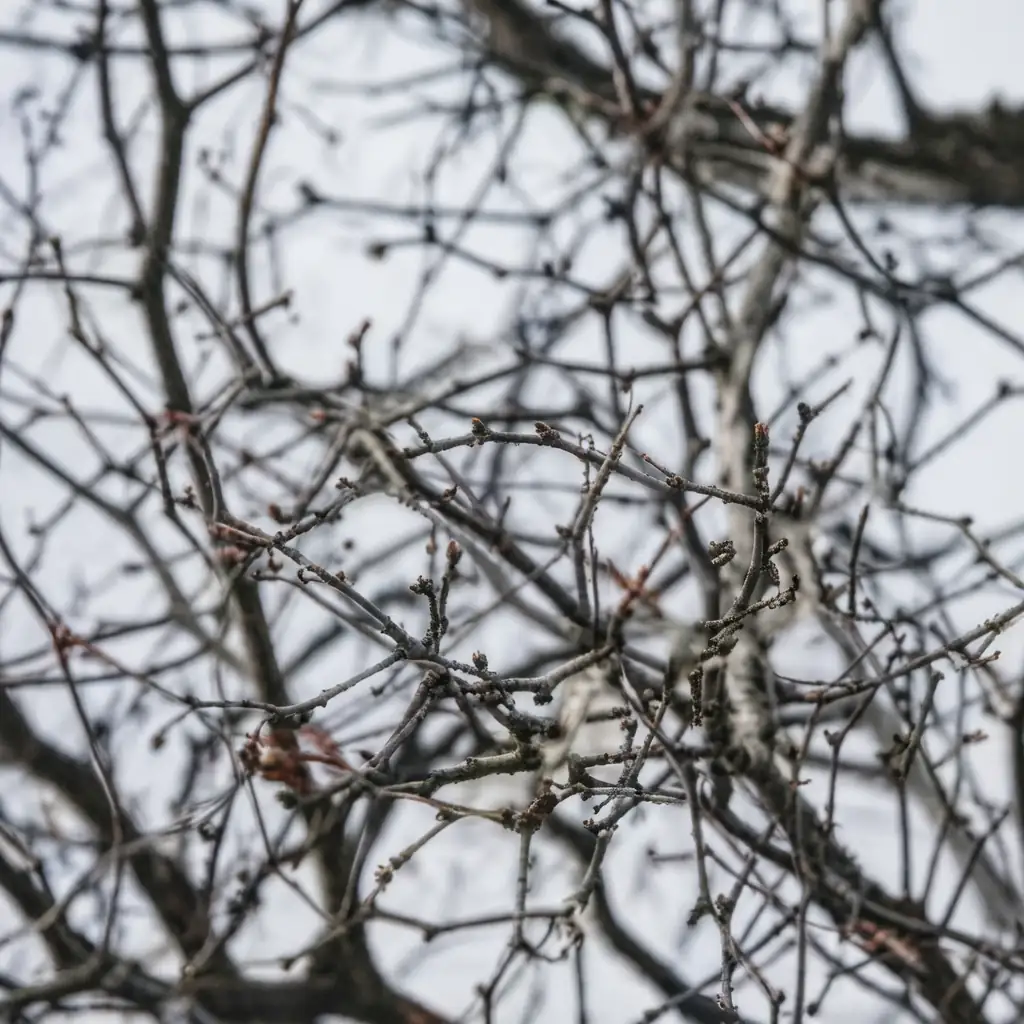
Plant Features
- Size: Up to about 10 m (33 ft) tall (often smaller in cultivation).
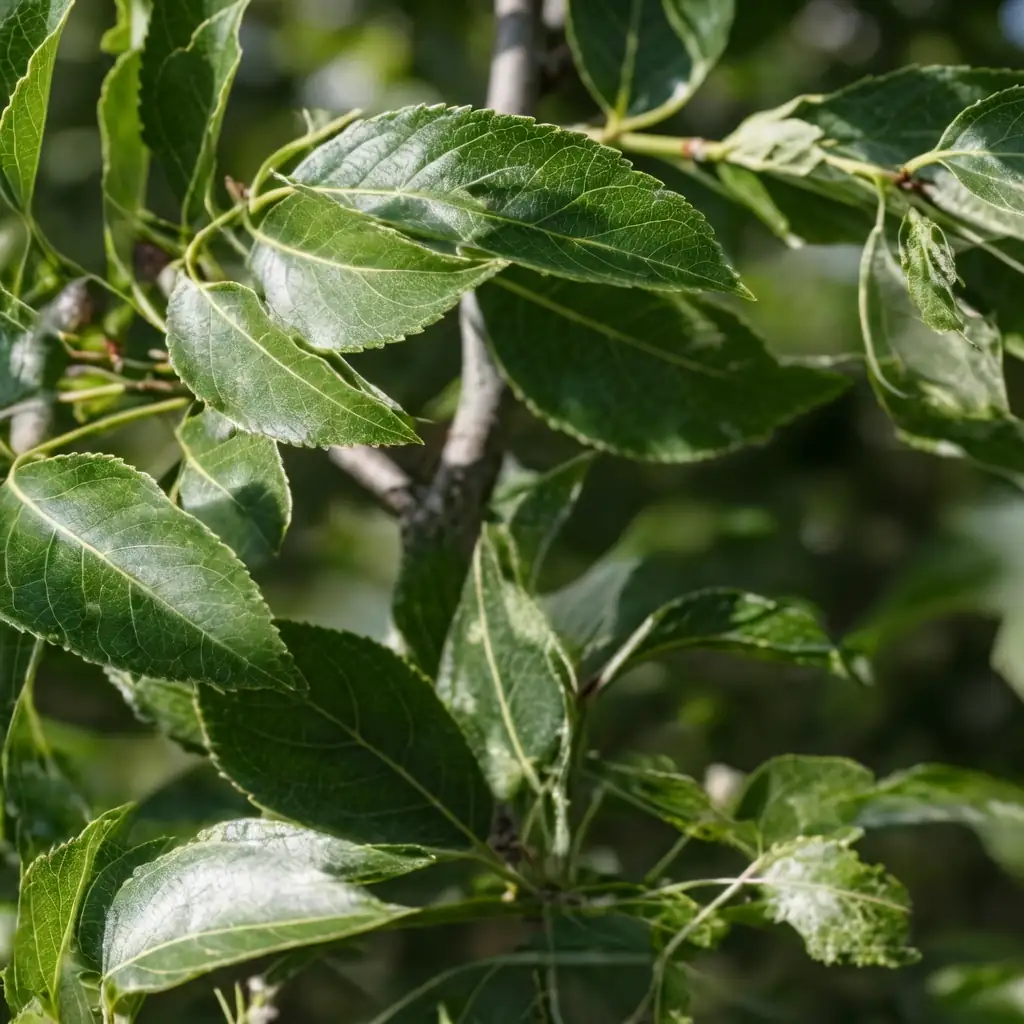
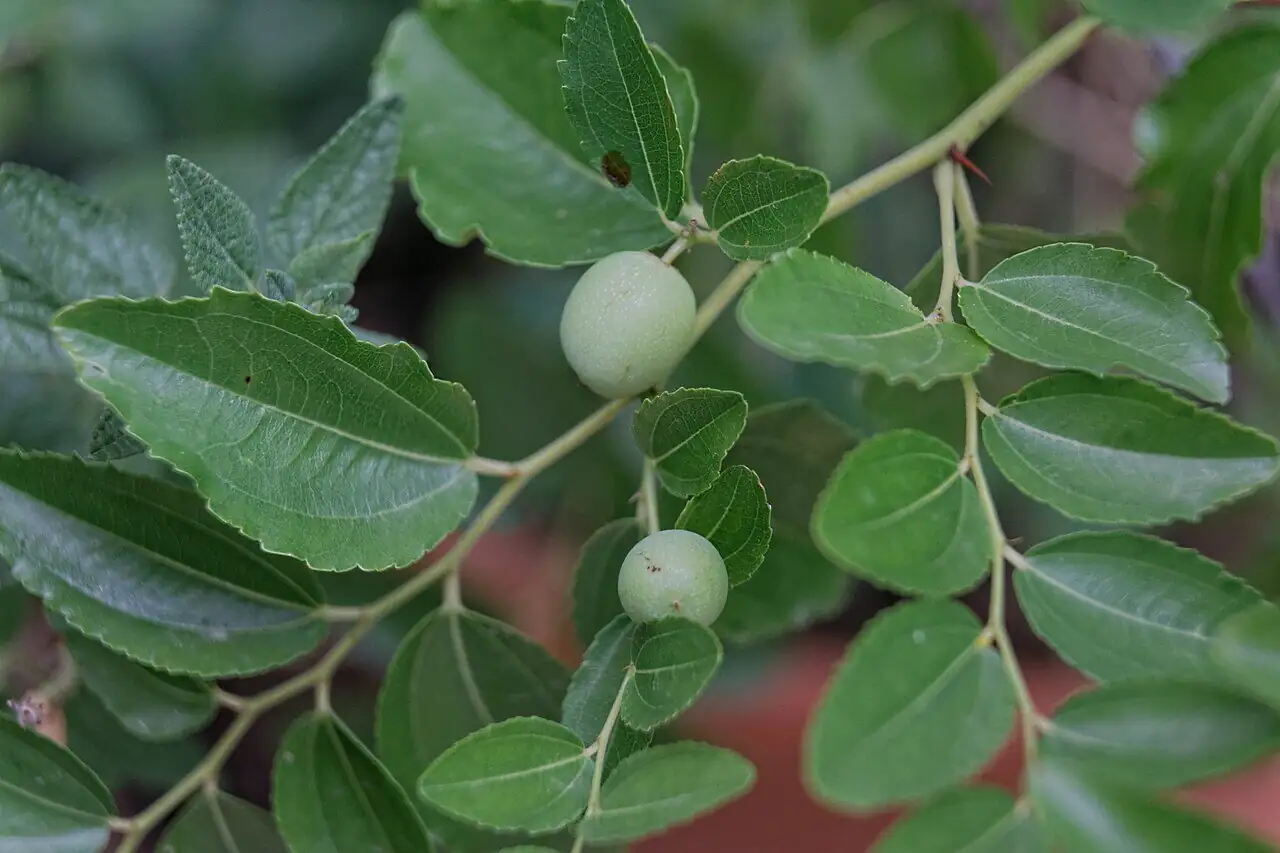
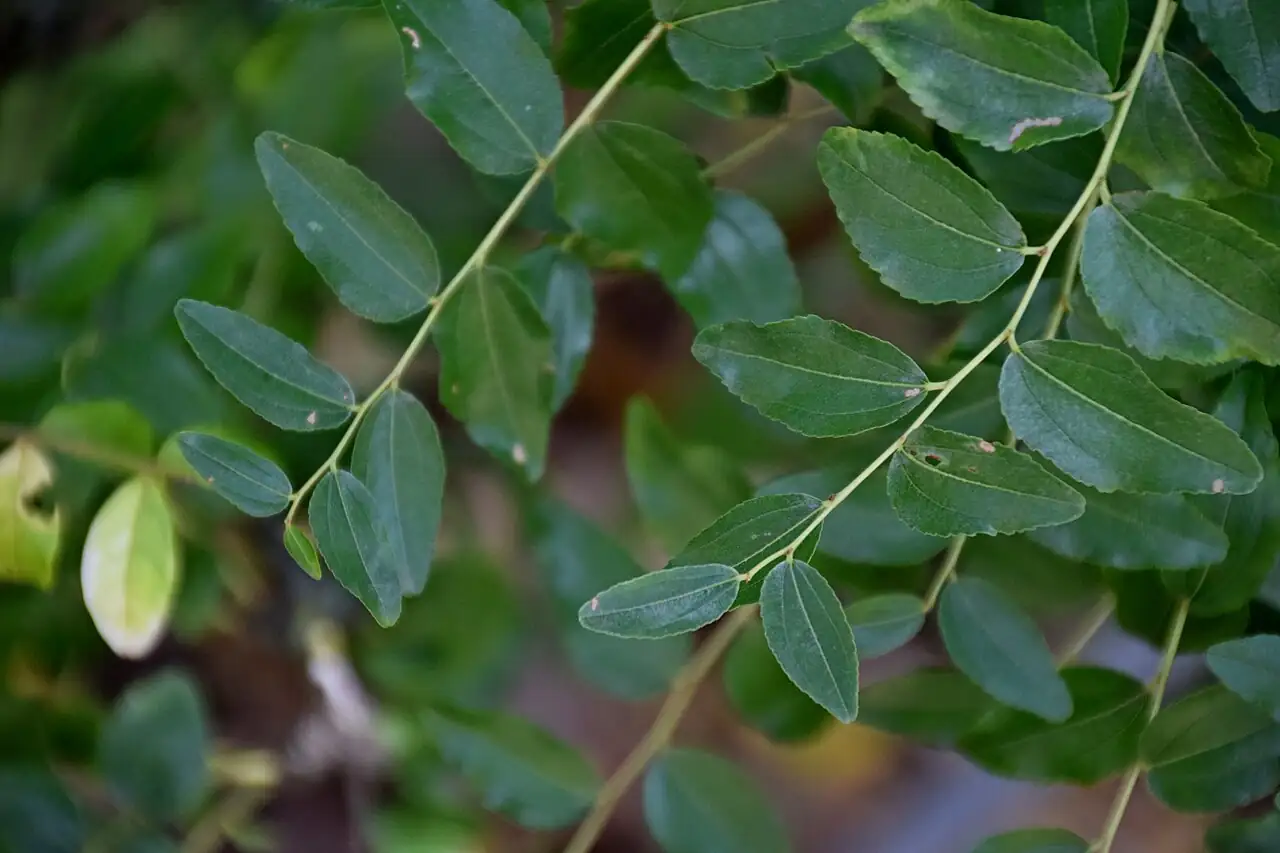
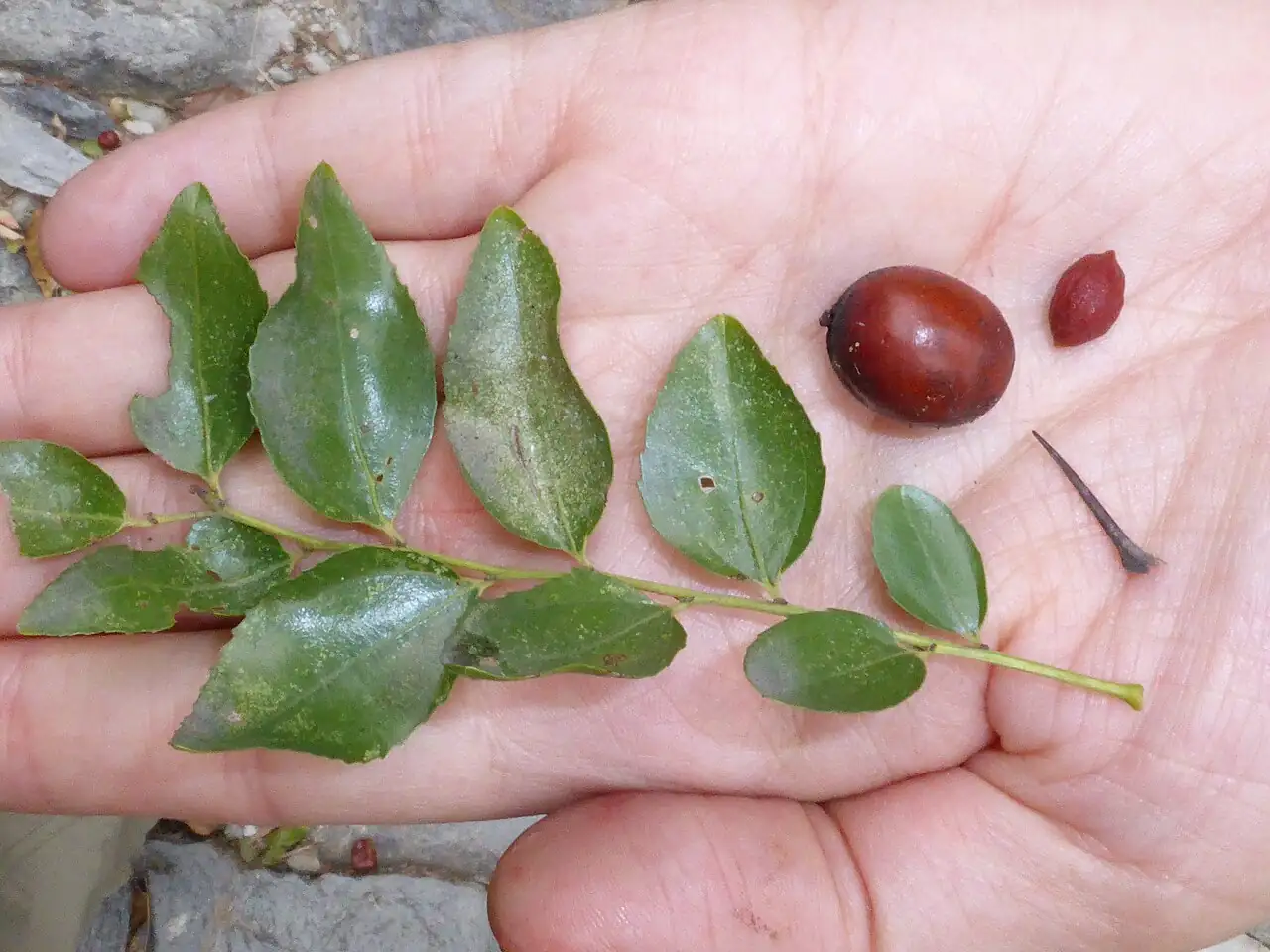
- Foliage: Leaves are oval to egg-shaped, with tips that may be slightly pointed or more blunt. A handy ID clue is the noticeably uneven (asymmetrical) leaf base.
- Flower: Flowers are tiny and yellow-green, appearing in the leaf axils in small clusters that form little cymes (often around 8–9 flowers per cluster).
- Flowering Season: May–June (5–6).
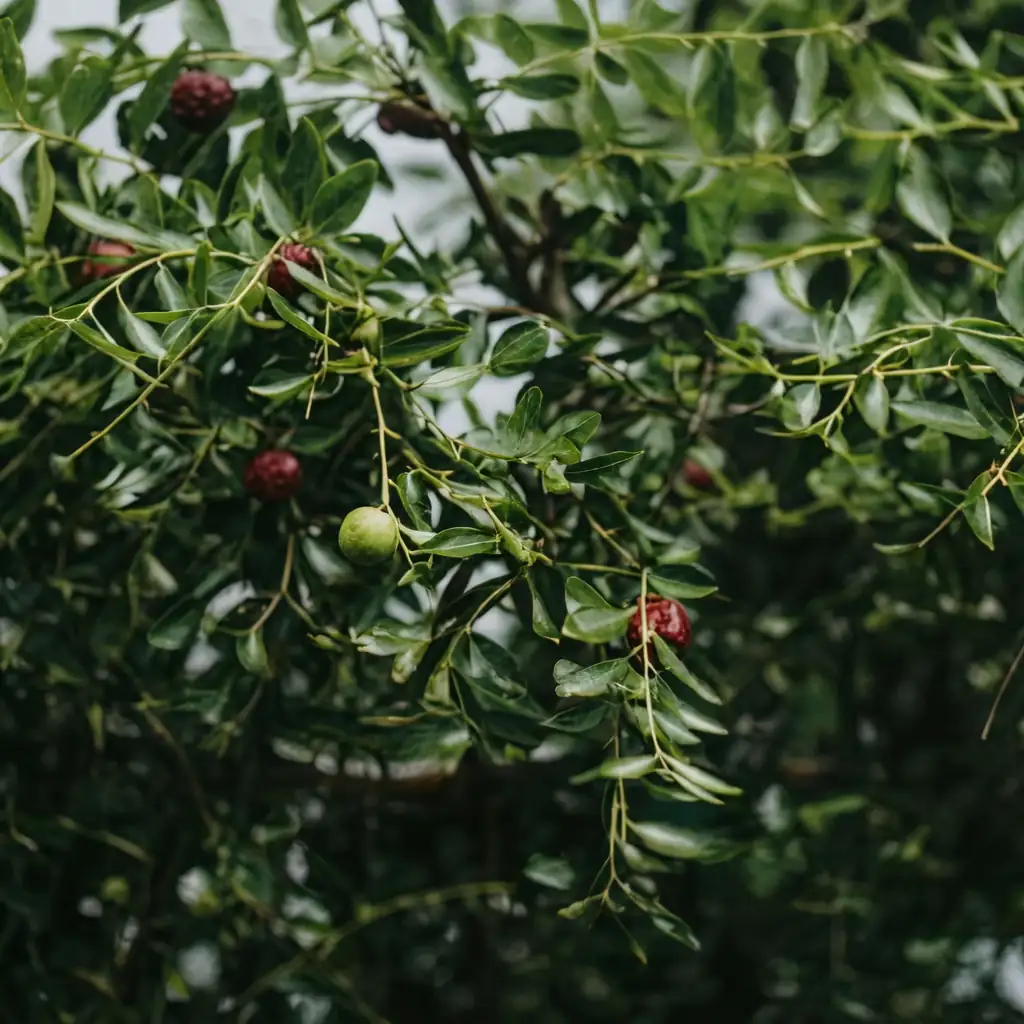
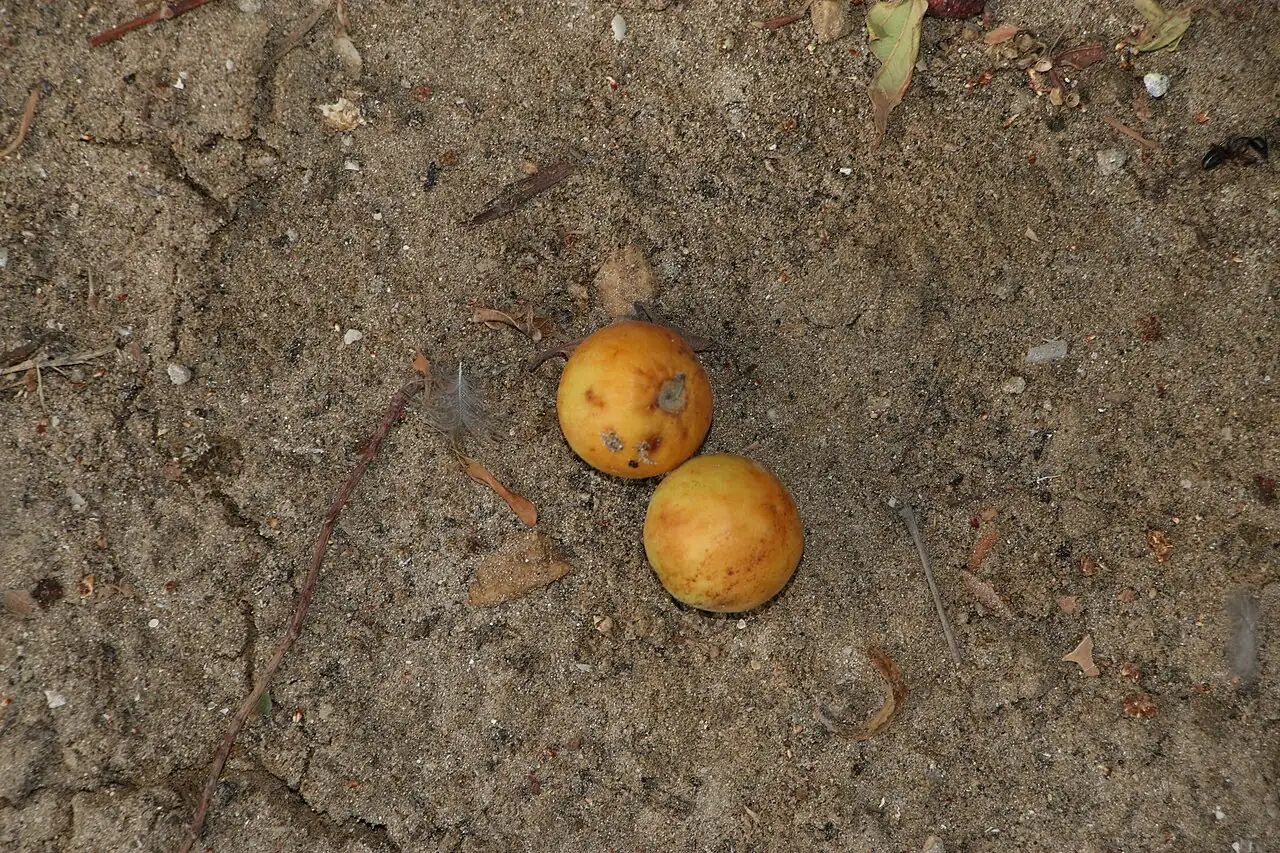
- Growth Habit: A deciduous small tree or sparse shrub with brown to gray-brown bark. It produces both long shoots and short, spur-like shoots; the long shoots are often characteristically zigzag. Fruits are elongated oval drupes that ripen to a deep, dark red. The root system is strong and the plant readily sends up suckers.
Environment
Sunlight
Full sun for best growth and the heaviest, sweetest crops.
Temperature
Warm-temperate and impressively flexible—tolerant of summer heat and winter cold. Best growth is typically around 15–30°C (59–86°F) during the growing season.
Humidity
Prefers a drier climate and copes well with low humidity.
Soil
Adaptable, but happiest in fertile, well-drained sandy loam. Neutral to slightly alkaline soil suits it well; avoid waterlogged conditions.
Placement
Great for sunny home gardens, orchards, and tough roadside/urban plantings. Older plants can also be grown and styled as bonsai or stump-like display trees.
Hardiness
Generally hardy in USDA Zones 6–9 (about -23 to -1°C / -10 to 30°F, depending on cultivar and site). Drought-tolerant once established, but poorly tolerant of waterlogging.
Care Guide
Difficulty
Easy to moderate: a very forgiving tree once established, but it rewards good sun, sharp drainage, and sensible feeding with better flowering and fruit.
Buying Guide
Pick a vigorous, well-rooted plant with firm stems and no dieback. For predictable fruit size and flavor, choose named cultivars (often grafted) rather than random seedlings, and make sure the selection matches your local winter lows and summer heat.
Watering
Water regularly while the plant is establishing roots. After that, ease back—jujube is drought-tolerant once settled. Let the top layer of soil dry between waterings, and avoid standing water or chronically soggy ground (a common cause of root trouble).
Fertilization
Feed in spring with compost or a balanced slow-release fertilizer. Go easy on nitrogen, which can encourage lots of leafy growth but fewer flowers and fruits. If cropping is weak, a light mid-summer feed may help.
Pruning
Prune in late winter to early spring while dormant. Remove dead, rubbing, or crowded branches, keep the canopy open for light and airflow, and manage suckers if you want a single-trunk tree. Fruiting often occurs on short shoots/spurs, so avoid overly aggressive pruning that removes productive wood.
Propagation
Can be grown from seed, but named fruiting types are typically grafted. It can also be propagated from root suckers or root cuttings; the species naturally suckers readily because of its strong root system.
Repotting
For containers or bonsai, repot in early spring before budbreak every 2–3 years (or whenever rootbound). Use a fast-draining mix, and water a bit more cautiously right after repotting until new growth is underway.
📅 Seasonal Care Calendar
Flowers: May–June (5–6). Fruit ripening: September–October (9–10). As fruits color up, slightly reducing watering can help concentrate sweetness (without letting the plant wilt). In rainy seasons, prioritize drainage and avoid waterlogged soil, especially for young trees.
Pests, Diseases & Safety
Common Pests & Diseases
Usually quite resilient. Watch for scale insects, aphids, and spider mites (especially in hot, dry weather). In overly wet conditions, fruit rots can occur. Good airflow, well-drained soil, and regular checks on new growth go a long way; horticultural soap or oil can help with common sap-suckers when needed.
Toxicity
Not considered toxic, and the fruit is edible. As with many drupes, the hard pit/seed is not something pets or small children should swallow due to choking risk.
Culture & Symbolism
Symbolism: Often linked with prosperity, sweetness, and good fortune—fitting for a tree that reliably offers richly flavored fruit.
History & Legends: Cultivated in China for thousands of years, jujube is one of the classic traditional fruit trees. Dried jujubes are especially well known and widely used in regional food traditions.
Uses: Primarily grown for its fruit (fresh or dried, and in many processed foods). It’s also valued as a tough ornamental for gardens and roadsides, and older specimens can be trained into striking bonsai or stump-style forms.
FAQ
Why isn’t my jujube fruiting well?
The usual culprits are too little sun/heat, overwatering, or excessive nitrogen fertilizer. Give it full sun, excellent drainage, and moderate feeding. Also remember that young trees often need a few years before they crop heavily.
Can jujube tolerate drought?
Yes—once established it’s notably drought-tolerant. For best fruiting, provide deep, occasional watering during long dry spells, but never let it sit in soggy soil.
Fun Facts
- Jujube is native to China and grows naturally across mountains, hills, and plains.
- Its long shoots often have a distinctive zigzag growth pattern.
- The tiny yellow-green flowers commonly appear in small clusters, often around 8–9 per group.
- The fruit is a drupe that ripens from green to a deep, dark red.
- It has a strong root system and readily produces suckers, and it’s notably tolerant of smoky/urban conditions.