

Plant Features
- Size: Typically 40–100 cm (16–39 in) tall; clump-forming, with spread varying by site and moisture.
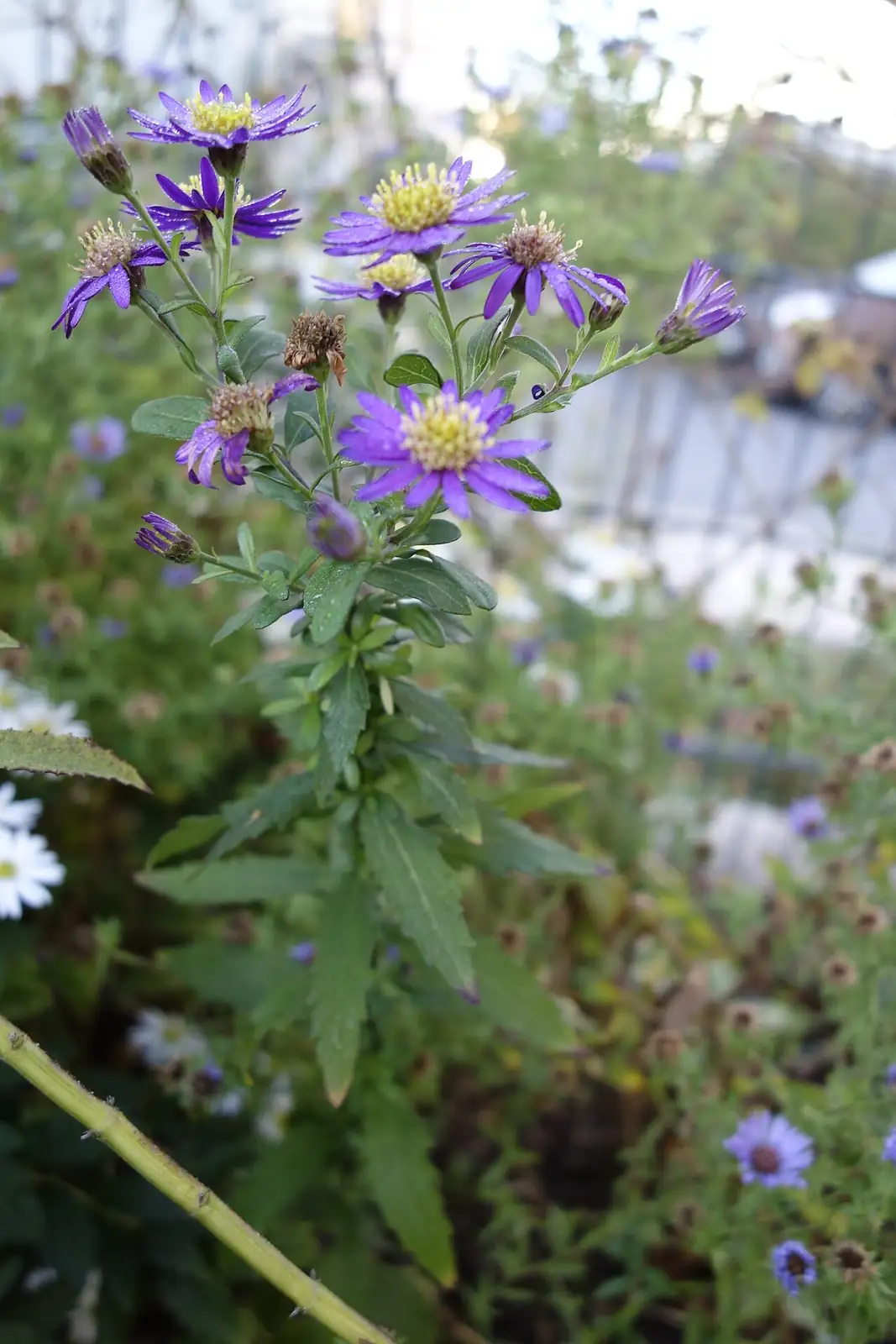
- Foliage: Stems are upright, ridged and grooved, and can be softly to coarsely hairy. After flowering, it produces small dry fruits (achenes) that are obovate to oblong, often ribbed on one side and covered in short, stiff hairs.
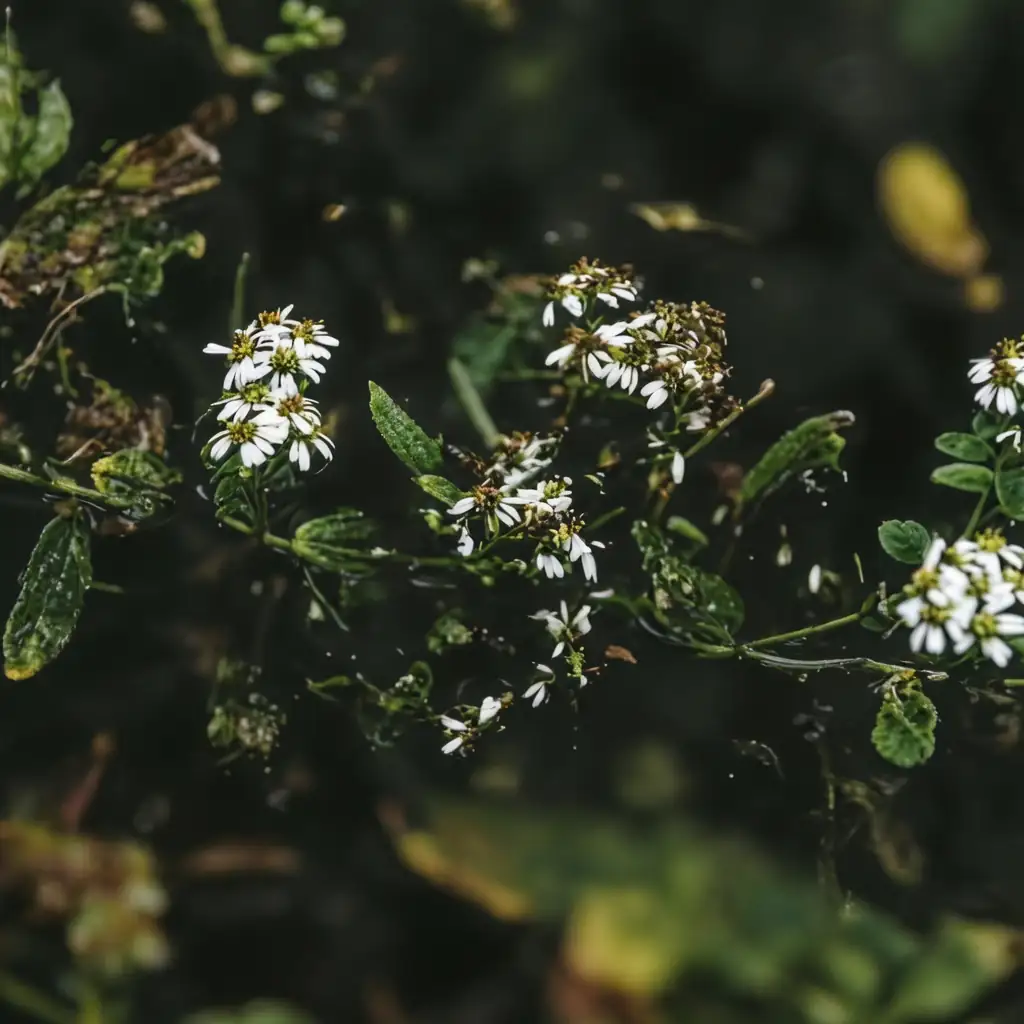
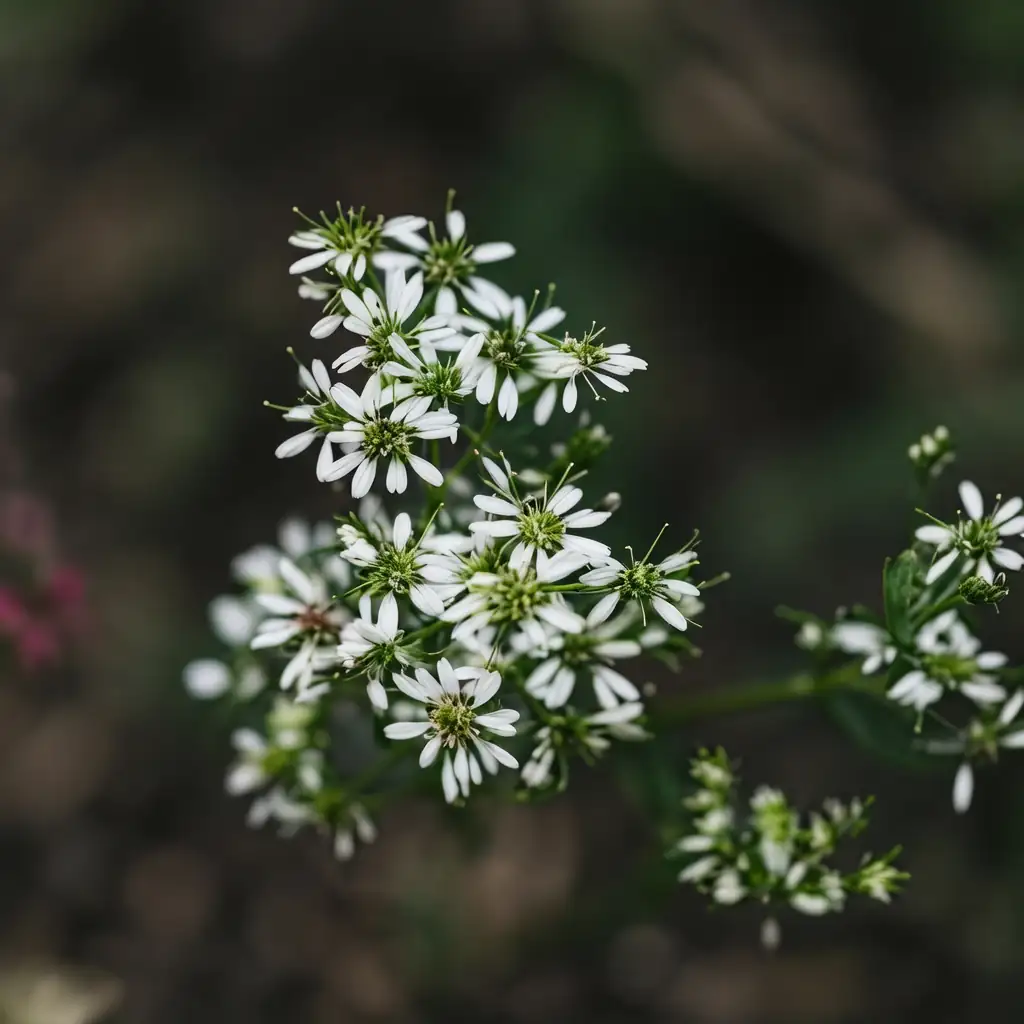
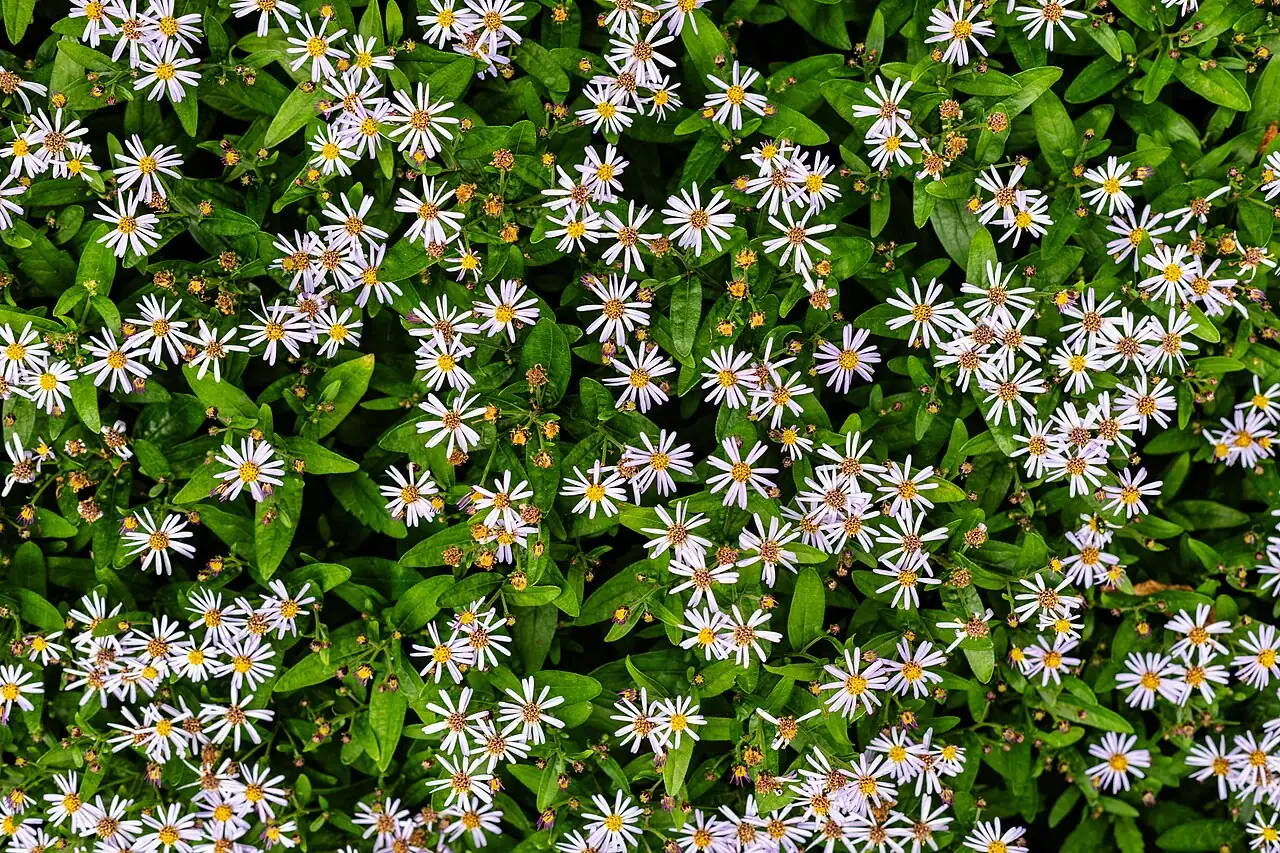
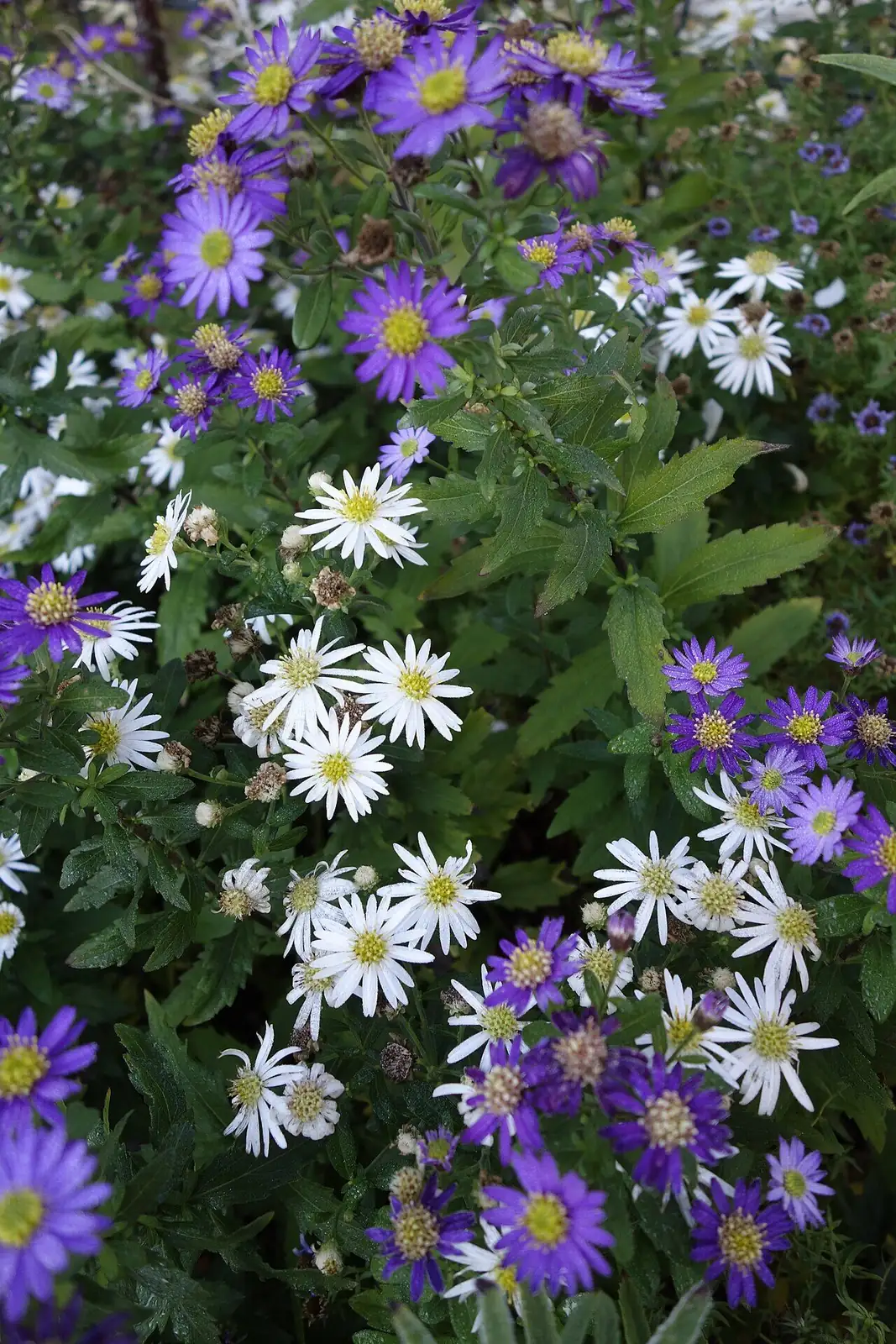
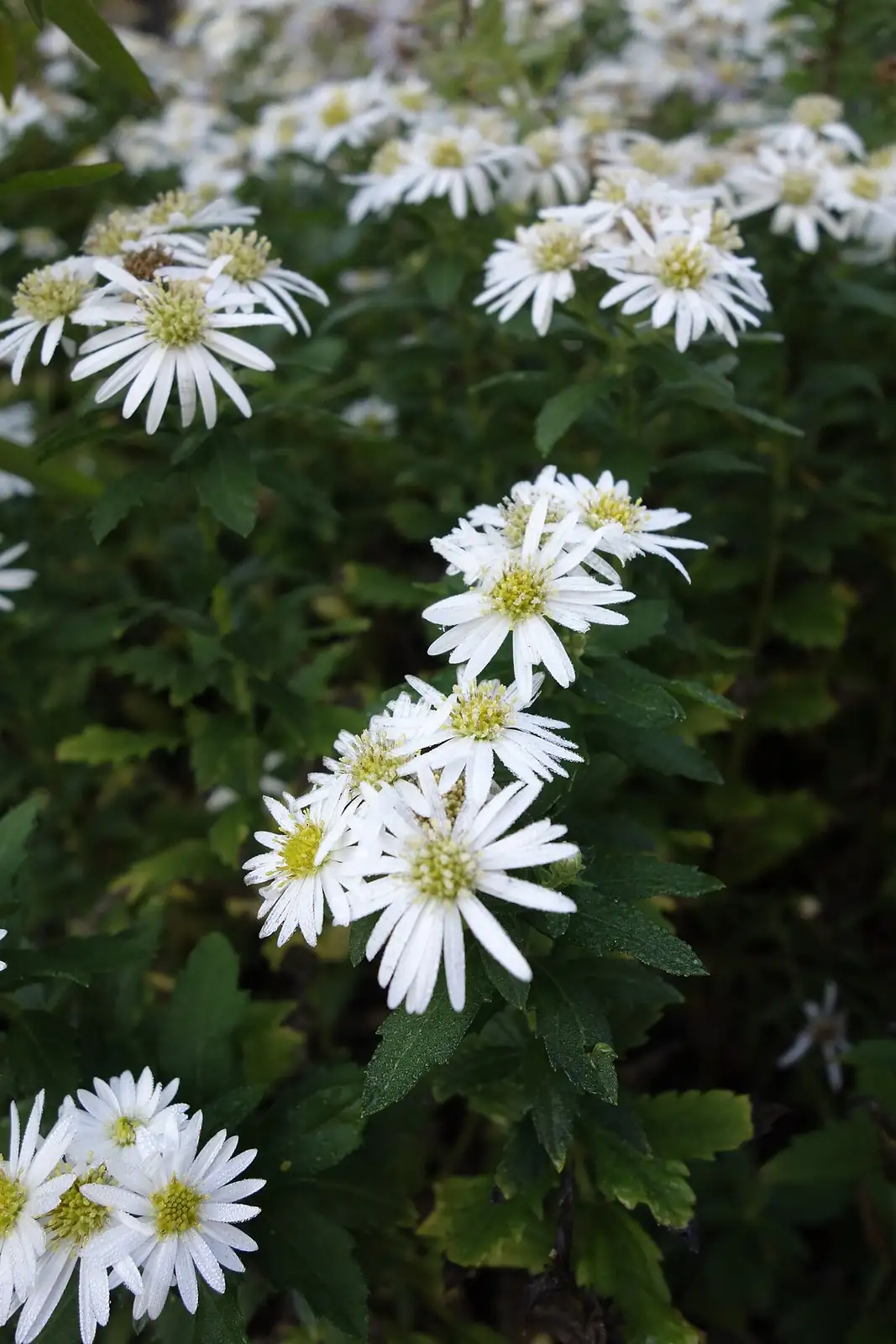
- Flower: Composite, daisy-like flowerheads with a little over ten ray florets. Ray florets may be purple, pale pink, or white, circling a center of yellow tubular disc florets.
- Flowering Season: July–December
- Growth Habit: Herbaceous perennial with upright stems; clump-forming and often patch-forming in consistently moist habitats.
Environment
Sunlight
Part shade to dappled light; tolerates light shade.
Temperature
Generally behaves as a temperate perennial. For active growth, aim for roughly 10–25°C (50–77°F).
Humidity
Moist-air tolerant; moderate to high humidity is beneficial, especially where soils stay evenly damp.
Soil
Moist, humus-rich, well-drained soil; also tolerates wetter ground, including seasonally waterlogged spots.
Placement
Woodland garden, shady or semi-shady borders, naturalistic plantings, and damp areas near ponds, ditches, or rain-garden edges; useful as moist-ground groundcover.
Hardiness
Hardy in temperate climates; exact USDA zone varies with provenance and local conditions (commonly comparable to many hardy asters).
Care Guide
Difficulty
Easy to moderate—simple as long as it doesn’t dry out for extended periods.
Buying Guide
Pick plants that look perky: firm, upright stems and fresh green growth. Avoid pots that are bone-dry or plants showing widespread yellowing, which often points to drought stress or poor root health.
Watering
Keep soil evenly moist. Water when the top 2–3 cm (0.8–1.2 in) begins to dry; check more often during hot or windy weather. Don’t allow the root zone to dry completely for long stretches.
Fertilization
In average soil, a light spring top-dressing of compost or a balanced slow-release fertilizer is plenty. Avoid heavy nitrogen feeding, which can make growth floppy and less sturdy.
Pruning
Deadhead to keep it tidy and potentially extend bloom. Cut stems back close to ground level after flowering, or in late winter/early spring before new growth starts.
Propagation
Division is easiest (spring or early autumn). It can also be grown from seed when available; some seed may benefit from a cool period before germinating.
Repotting
If grown in containers, repot every 1–2 years into a fresh, moisture-retentive mix; divide crowded clumps at the same time to keep plants vigorous.
📅 Seasonal Care Calendar
Spring: divide if needed, refresh soil/compost, restart regular watering. Summer–autumn: maintain consistent moisture; deadhead as desired. Winter: cut back after dieback; protect pots from prolonged hard freezes if applicable.
Pests, Diseases & Safety
Common Pests & Diseases
Can attract aphids and may develop leaf spots or powdery mildew, especially with crowded growth and poor airflow. Space plants well, remove badly affected foliage, and avoid overhead watering late in the day.
Toxicity
No specific toxicity details provided here. As with any wild or herbal plant, avoid ingestion by pets/children unless verified safe by a reliable reference.
Culture & Symbolism
Symbolism: Not specifically recorded for this species; asters in general are often linked with patience, remembrance, and enduring affection.
History & Legends: No specific stories noted for this plant in the provided data.
Uses: Planted as a naturalistic, moisture-loving groundcover for part shade; also recorded as a wild medicinal herb in traditional contexts.
FAQ
When does it flower?
July–December.
When does it set fruit?
It typically fruits over the same long window as flowering, around July–December.
How tall does it grow?
About 40–100 cm (16–39 in), depending on site and moisture.
Where is it found in the wild?
It’s widespread in China, especially in shady woodland understories and edges, scrub, and wet habitats such as marshy ground.
What growing conditions does it prefer?
Part shade and consistently moist soil; it tolerates light shade very well.
What is it used for?
It’s used as a traditional wild herb in some areas and is also valued ornamentally as a naturalistic groundcover for damp, semi-shaded gardens.
Fun Facts
- Each “daisy” is actually a whole bouquet: showy ray florets surrounding a center of tiny yellow disc florets.
- Ray florets can vary from purple to pale pink to white, so a planting can look surprisingly diverse.
- It has a long late-season display, often flowering and fruiting from July through December.
- Its small, dry fruits (achenes) are often ribbed and hairy—handy ID clues and potentially helpful for dispersal.
- Those ridged, grooved stems are a classic field mark for spotting many wild asters.


